
Most people step outside without giving it a second thought. You grab the garden hose, let the dog out, maybe flip the lid on the grill, and the whole time something is watching from the woodpile or coiled under a low shrub. The backyard has long felt like an extension of the home, a place of control and comfort. The truth is considerably more complicated.
From venomous insects and spiders to larger predators, the risk isn’t always obvious. In many cases, the most dangerous creatures are the ones people overlook, quietly posing threats in backyards, forests, and even urban areas. There’s a gap between what most of us assume about our outdoor spaces and what’s actually sharing them with us. What follows might make you look at that sunny Saturday afternoon in the yard just a little differently.
#1: Venomous Spiders – The Quiet Tenants You Never Invited
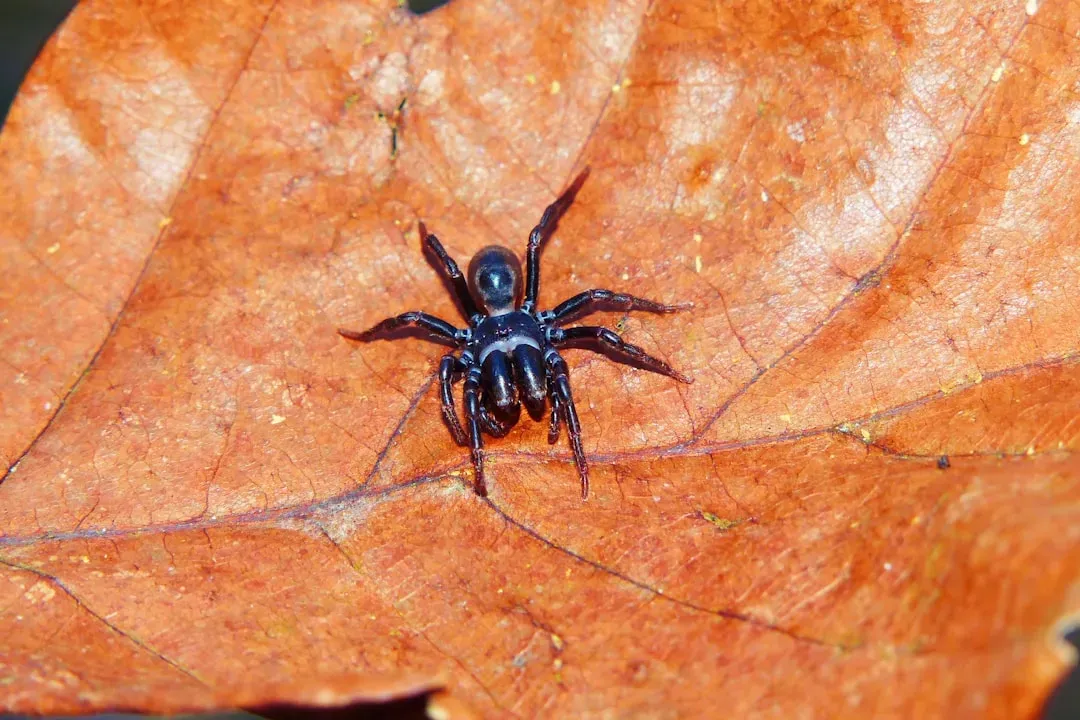
The black widow and brown recluse are among the most dangerous spiders in American backyards. Both are reclusive, often hiding in woodpiles, sheds, or garage corners. Bites can lead to muscle cramps, fever, or tissue damage. These aren’t exotic creatures that belong in a documentary. They’re almost certainly within a few feet of your back door right now.
The brown recluse spider often creeps into backyards, creating concern with its necrotizing venom. Known for the violin-shaped marking on its back, this spider prefers hiding in dry, undisturbed areas. A bite from the brown recluse can lead to severe skin damage and necrosis, potentially requiring extensive medical treatment. The initial bite is often painless, leaving victims unaware until symptoms develop.
The black widow packs an extremely toxic bite, over ten times stronger than a rattlesnake’s. Luckily, black widows are not aggressive and only bite for self-defense when their nests are attacked. Those who are unlucky enough to suffer a bite feel severe pain followed by a total collapse of the nervous system. The takeaway: always check before you reach into dark corners, and shake out gloves before putting them on.
#2: Rattlesnakes and Copperheads – Masters of Camouflage
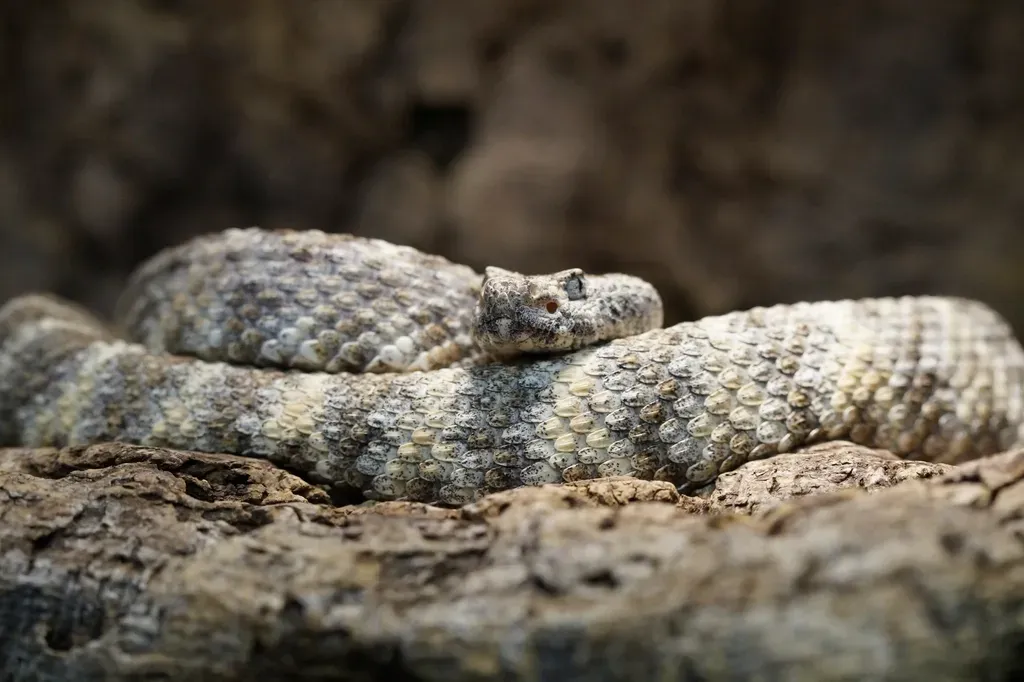
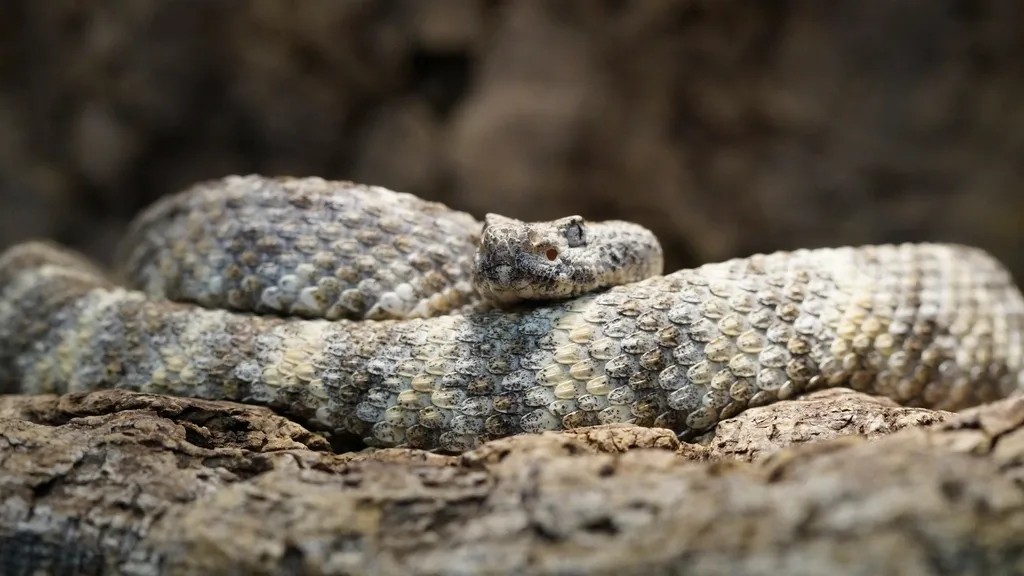
Rattlesnakes don’t go looking for trouble, but they’ll defend themselves when surprised. They might sun themselves near a warm rock or rest beneath a bush. Their venom can destroy tissue and disrupt blood flow, so it’s smart to keep an eye out when walking barefoot or gardening. The unsettling part isn’t that they’re rare. It’s that they’re often closer than you think, and nearly invisible.
These pit vipers blend in with leaves and dirt, making them easy to miss. Their venom isn’t usually fatal but can cause extreme pain, swelling, and infections. They tend to freeze when approached, which means more than one backyard snakebite has happened by accident. Copperheads follow a similar pattern. Copperheads have deadly hemotoxin that destroys blood cells, and their camouflage coloration means spotting them is extremely difficult. As dangerous as they may be, copperhead bites rarely end up in fatalities as they tend to use false bites and dry bites to warn you.
#3: Ticks – Small Creatures With a Serious Punch
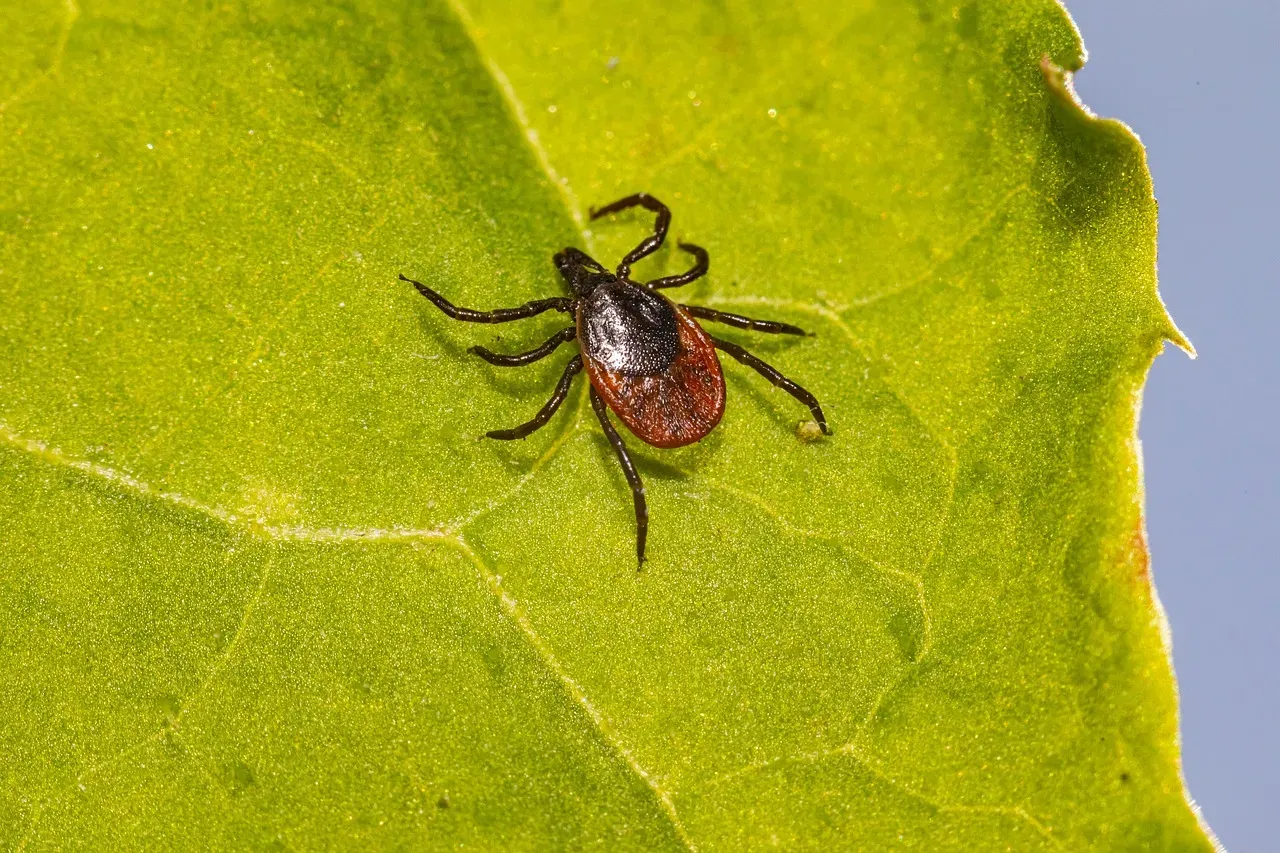
Ticks, specifically the blacklegged or deer tick, are tiny arachnids with a formidable reputation for spreading Lyme disease, babesiosis, and anaplasmosis. Their presence in backyards is often inconspicuous, hidden in grass or leaf litter. When they attach to human or animal hosts, they can transmit pathogens that cause serious illness. The size of a sesame seed is not the size of the problem they carry.
Ticks lurk in tall grass and wooded patches as they wait to latch onto passing animals or people. Many people assume ticks are a hiking problem, something you deal with on trails and in forests far from home. That assumption is wrong. A standard suburban lawn bordering even a small treeline can be a hotspot. Promptly removing ticks reduces the chance of infection, making vigilance crucial after outdoor activities. Wearing protective clothing and using tick repellents can minimize the risk of tick bites, safeguarding your health while enjoying outdoor spaces.
#4: Wasps, Yellowjackets, and Fire Ants – Stinging in Numbers
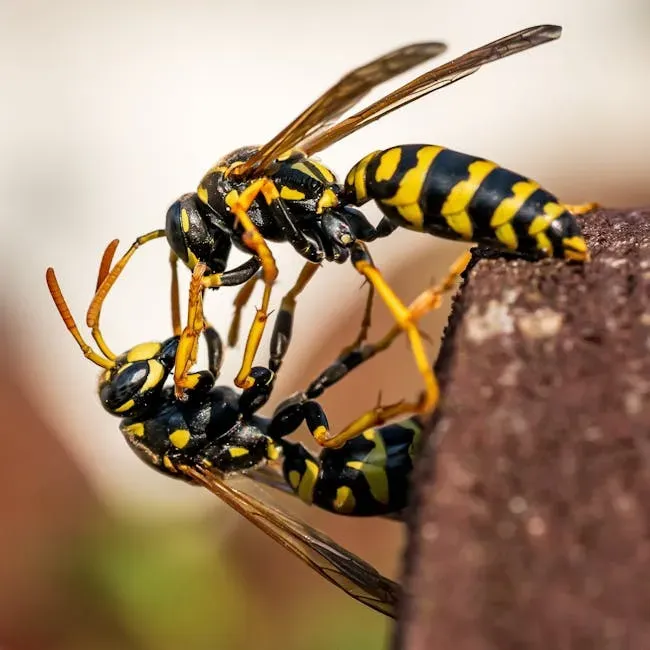
Yellowjackets are notorious for their aggressive nature, especially when their nests are disturbed. These wasps are easily recognizable by their striking black and yellow stripes. Their stings are not only painful but can also cause severe allergic reactions in sensitive individuals. This makes them particularly dangerous when encountered in backyards, where nests are often hidden from view.
Paper wasps and yellowjackets defend their nests aggressively, and their stings pack a punch. Unlike bees, they can sting multiple times. For some, stings trigger anaphylaxis, a life-threatening allergic reaction. Nests often form under eaves, inside grills, or in ground burrows. Fire ants add their own dimension to the problem. A disturbed fire ant mound can lead to a swarm of angry insects attacking with stinging bites. Reactions range from painful welts to severe allergic responses. Their colonies are often hidden in grassy areas, and the mounds may not be evident until stepped on.
#5: Coyotes, Raccoons, and Urban Predators – Wildlife Moving In
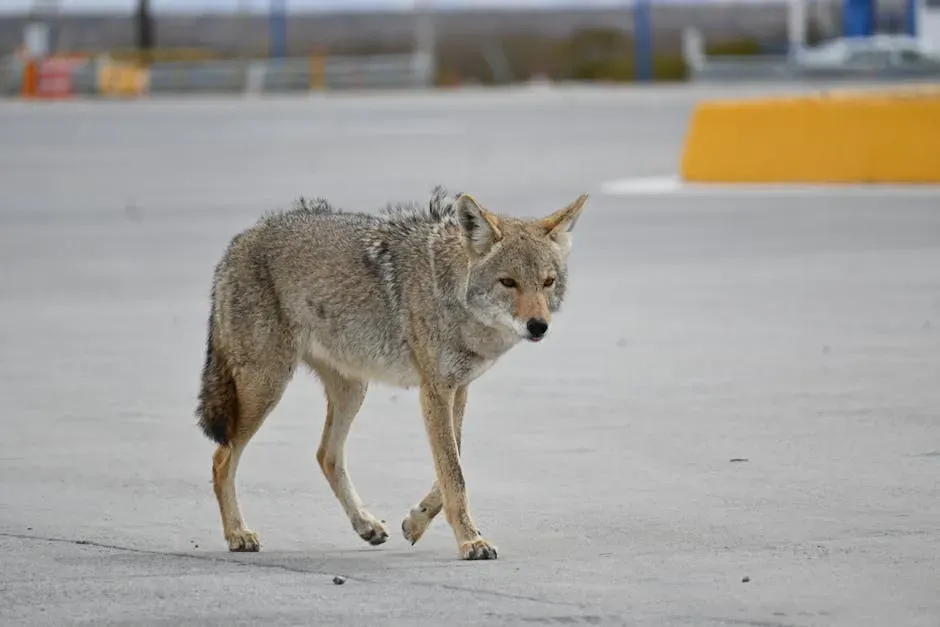
Coyotes have adapted well to urban environments, making their way into backyards across the U.S. They are intelligent and resourceful predators, known for hunting small animals and scavenging. While they rarely pose a direct threat to humans, they can be dangerous to pets. The fact that coyotes are now a feature of suburban life rather than a wilderness surprise says a lot about how wildlife corridors and residential sprawl have collided.
While raccoons may seem harmless, they are carriers of rabies and can be aggressive if cornered. They are also notorious for rummaging through garbage and potentially spreading disease. Your yard may be hosting the skunk that digs a den under the back shed, the red fox that eats the kibble left out for the neighborhood stray cat, or the coyote that silently passes through each week and hunts mice at your compost pile. Most of these animals operate after dark, which means most of us never see the traffic moving through.
#6: Scorpions and Disease-Carrying Rodents – The Underrated Threats
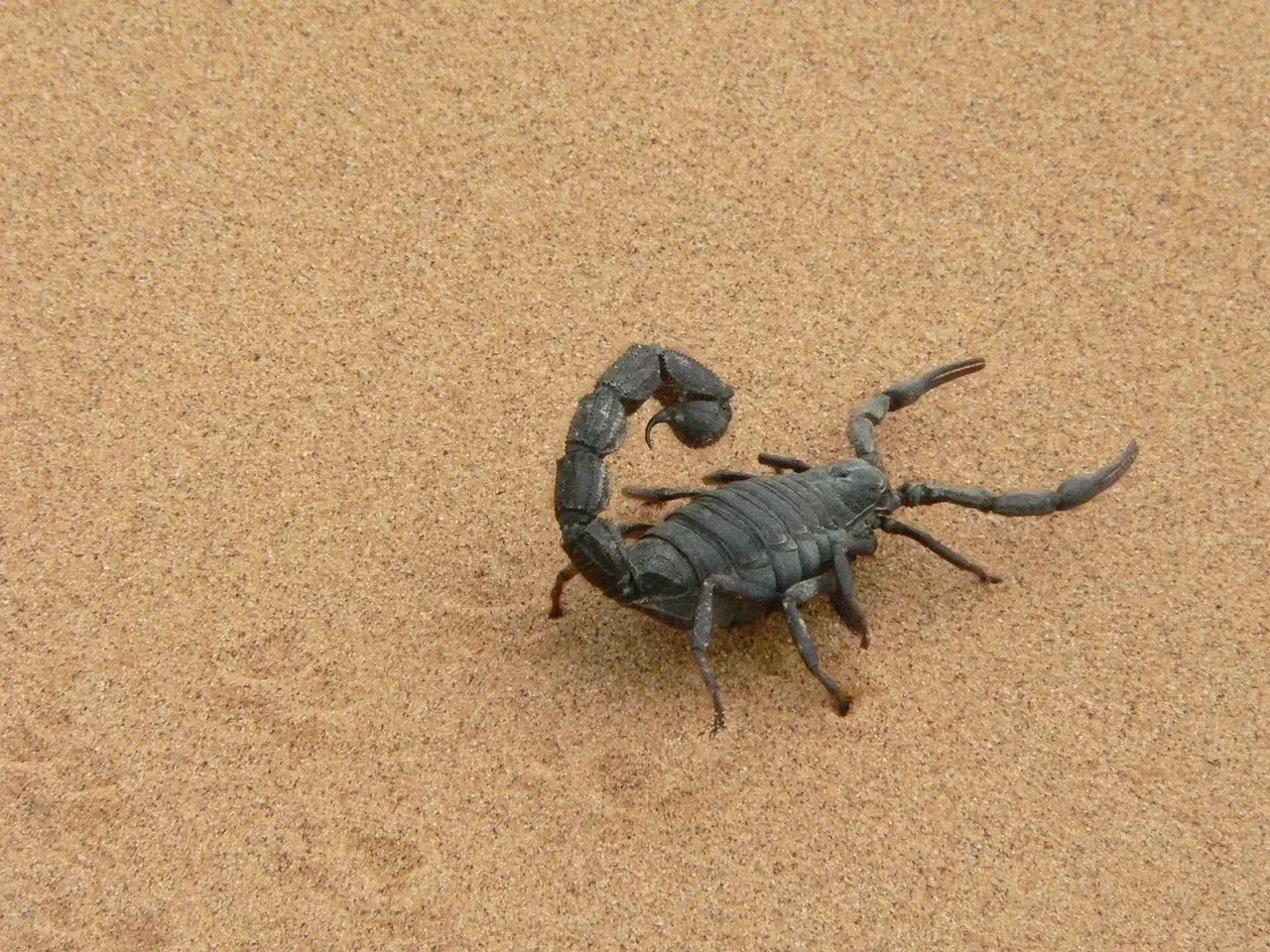
Barely longer than a paperclip, scorpions can exist under rocks, logs, and doormats. Their sting feels like a bolt of electricity and can cause breathing issues or numbness. They’re especially active in Arizona and Nevada, and sometimes go indoors through cracks or open vents. The Arizona bark scorpion is particularly concerning. Its venom causes symptoms like nausea and vomiting, numbness and tingling, severe pain, and limited function in the area where the sting occurred. The Arizona Poison and Drug Information Center receives about 12,000 scorpion stings per year.
Mice and rats are known carriers of Salmonella, hantavirus, and leptospirosis. They often invade backyards for food scraps or shelter and can contaminate surfaces with urine and droppings. Rodents aren’t dramatic. They don’t rattle or rear up. They just quietly build nests near foundations, breed fast, and leave behind health hazards that most homeowners never directly connect to the animals responsible. Mice and rats carry a host of diseases, including hantavirus and leptospirosis, which are transmittable to humans. They often infest homes seeking food and shelter. Regular cleaning, sealing entry points, and proper waste management can help prevent rodent problems.
The Bigger Picture: Awareness Without Paranoia
Here’s the honest conclusion: the backyard is not a warzone, and none of these creatures are out to get you. Most encounters happen because humans and animals stumble into each other’s space without realizing it. Recognizing the potential dangers in your own backyard is the first step towards ensuring safety. Regular maintenance, monitoring for wildlife, and educating family members about these animals and responsible behaviors can significantly reduce risks.
There are more than 67 million acres of residential yard in the United States, roughly the area of the state of Colorado. As a homeowner, you may not realize you are a land manager for wildlife. That framing matters. The animals listed in this article aren’t invaders. They’re creatures that occupied these spaces long before the subdivisions arrived, adapting to whatever humans put in their path.
The most useful thing anyone can do is simply pay attention. Shake out shoes left on the porch. Check under patio furniture before reaching in. Keep pet food indoors after dark. None of it requires fear, just the kind of steady, calm awareness that most wild animals practice instinctively every single day. We could stand to learn a thing or two from them.

- 16 Things Longtime Owners Say They Learned Far Too Late to Help Their First Dog - July 31, 2026
- 17 Things Hummingbirds Do at First Light That Most People Sleep Straight Through and Never See - July 31, 2026
- 14 Dog Breeds Breeders Say Are Slipping Away So Quietly That Most Owners Never Notice - July 31, 2026