
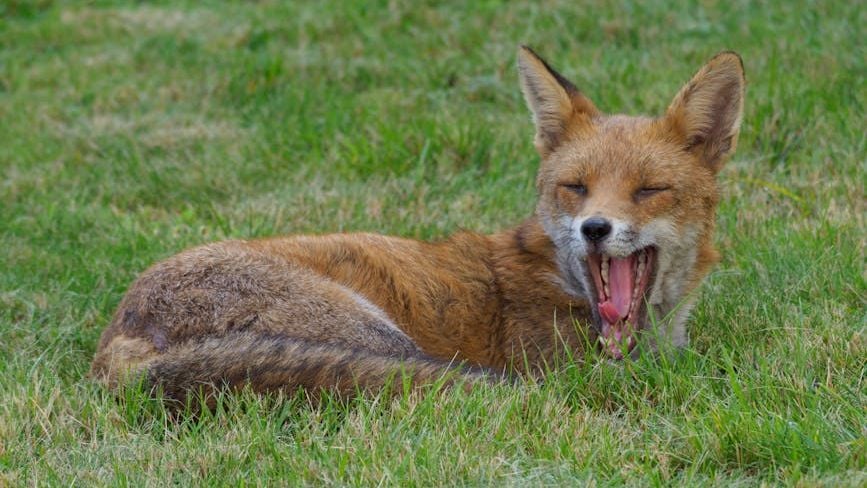
Most city dwellers have had at least one moment: a flash of amber fur beneath a streetlight, a pair of bright eyes glinting from behind a garden fence, then nothing. Gone. The urban fox is genuinely one of the most successful wild animals on the planet, and yet it moves through our cities like a rumor. People see them, talk about them, argue about them – but very few understand them.
Foxes, once symbols of wild and rural landscapes, have increasingly made their presence known within bustling city environments across the globe. This transition from secluded forests and fields to urban settings underscores their remarkable adaptability and resourcefulness. There is a whole world being lived just beneath the surface of our daily routines – and it is far more complex, social, and surprising than most of us realize.
From Countryside to Concrete: How Urban Foxes Got Here
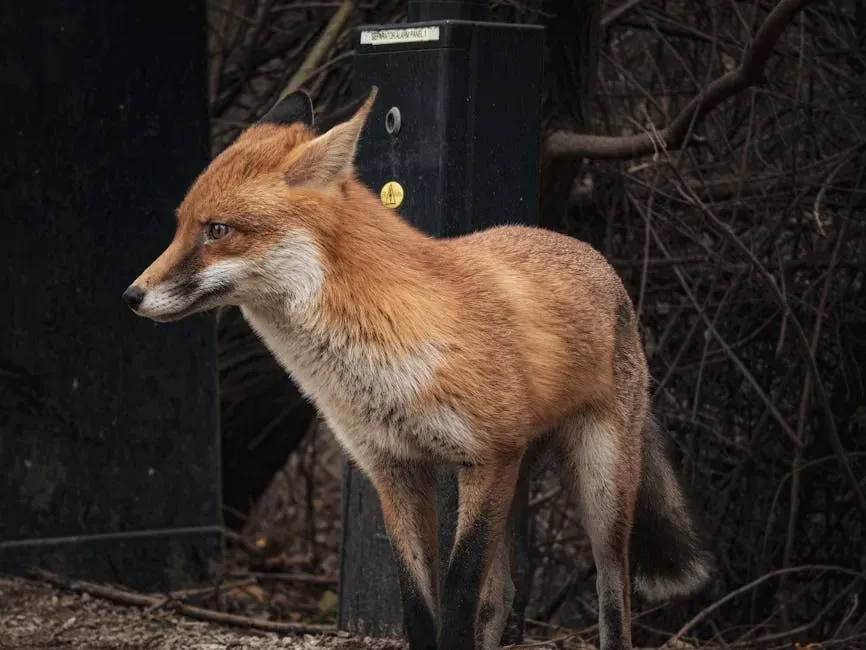
The red fox did not stumble into cities by accident. Traditionally inhabitants of rural woodlands, grasslands, and farmland edges, foxes have increasingly been spotted in city parks, suburban neighborhoods, and even industrial areas. The expansion of urban spaces has inadvertently created viable habitats for fox populations. Cities provide a mosaic of food sources, shelter options, and relatively fewer natural predators compared to wild settings.
In the UK, it is estimated that the number of urban foxes rose from 33,000 in 1995 to 150,000 foxes in 2017. That is not a slow trickle – that is a deliberate, sustained colonization. Urban foxes are red foxes that have adapted to living in urban areas. These creatures are found in cities around the world, including London, Berlin, and New York.
This migration from rural to urban territories highlights a broader narrative of wildlife adaptation in response to human expansion and the consequent shrinkage of natural habitats. Foxes, with their keen survival instincts, have not only managed to find sustenance in urban landscapes but have also navigated the complexities of living in close proximity to humans. This shift is indicative of their behavioral flexibility and the capacity to exploit new resources.
The Urban Fox Menu: A Surprisingly Varied Plate
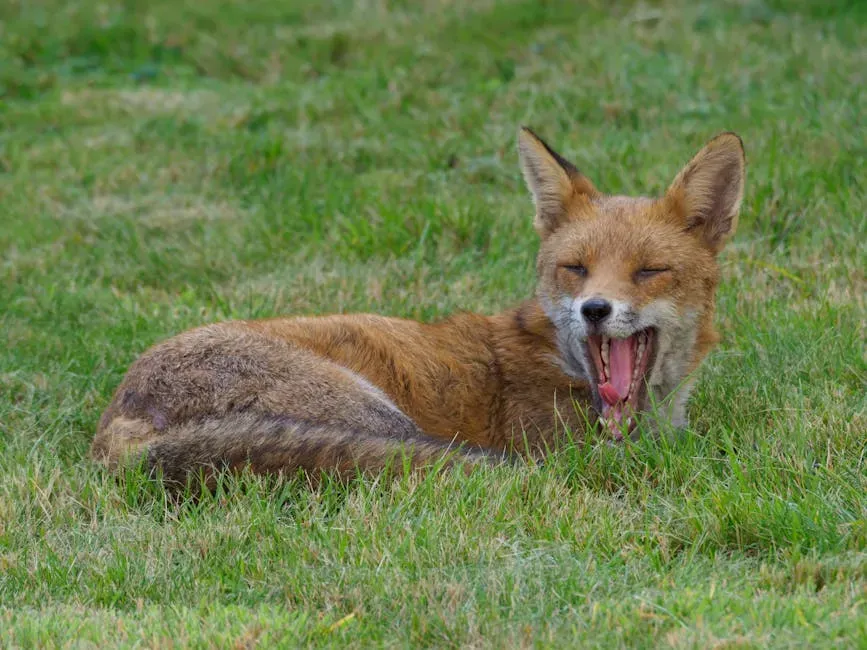
One of the most persistent myths about urban foxes is that they survive purely on bin scraps and takeaway leftovers. The reality is considerably more interesting. Red foxes sit within the order Carnivora, a group that evolved to mostly eat meat, but are actually omnivores. They will eat almost anything. Rural red fox diets are around 95% meat, and supplemented with insects, worms and fruit. In urban areas, meat only makes up around half of their diets, the other half being household refuse.
Human-derived food accounts for more than a third of the diet of urban foxes, a new study suggests. Scientists at Nottingham Trent University found that food from people – directly or indirectly – contributed an estimated 35% of urban fox diet, compared to just six percent for their rural counterparts. Crucially, the study showed that human food made up 16% of urban fox diet, while pet food accounted for 19%. This compared to just 2.5% human food and 3.5% pet food for rural foxes.
Diet also varies seasonally: foxes eat more earthworms and birds in spring and early summer, more mammals in winter, insects in summer and fruit in the autumn. The researchers argue it is possible that processed foods, which are increasingly common in the British diet, may enter the fox diet and lead to poor health. These foods typically contain high levels of saturated fats, refined sugars and grains, whilst low in fibre and micronutrients. In other words, urban foxes may be eating more – but not necessarily better.
Family Life, Territory, and the Rules of the Night
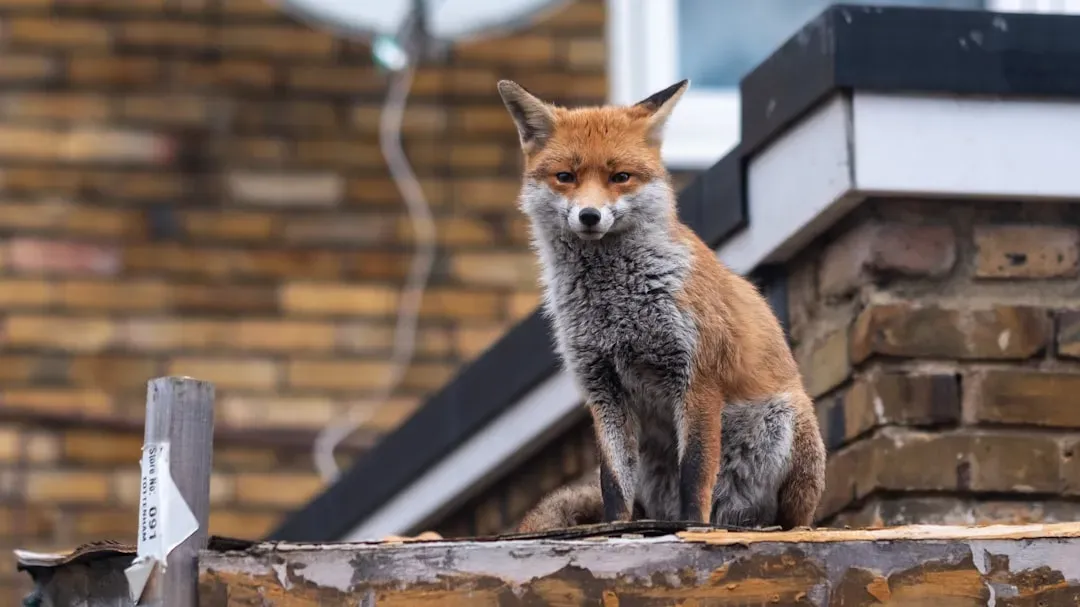
Urban foxes are not the solitary wanderers many assume them to be. Foxes live in social groups of two to six adults, although they mostly forage independently. They use vocalisations to communicate with nearby foxes. A study in Bristol found that when different groups of foxes encounter each other, it almost always results in aggression to defend territory.
Red fox social groups are typically structured as nuclear families, centered around the dominant breeding pair and often including several offspring from previous years. Group sizes can exhibit considerable variation, with three to four adults being a common observation. However, in areas of high fox population density, such as the urban environments of Bristol, groups of up to ten adults have been recorded, showcasing the species’ adaptability. The majority of these additional adults are subordinate vixens from earlier litters.
Foxes maintained stable, long-term relationships with other territory residents, but the average longevity of relationships varied seasonally, suggesting that social connectivity, particularly between foxes from different social groups, is influenced by their annual life cycle. Urban fox territories are generally smaller than rural territories due to the concentrated availability of human-derived food sources, such as garbage and pet food. Within those compact territories, a surprising amount of daily social negotiation takes place.
Changing Bodies: The Quiet Evolution Happening in Plain Sight
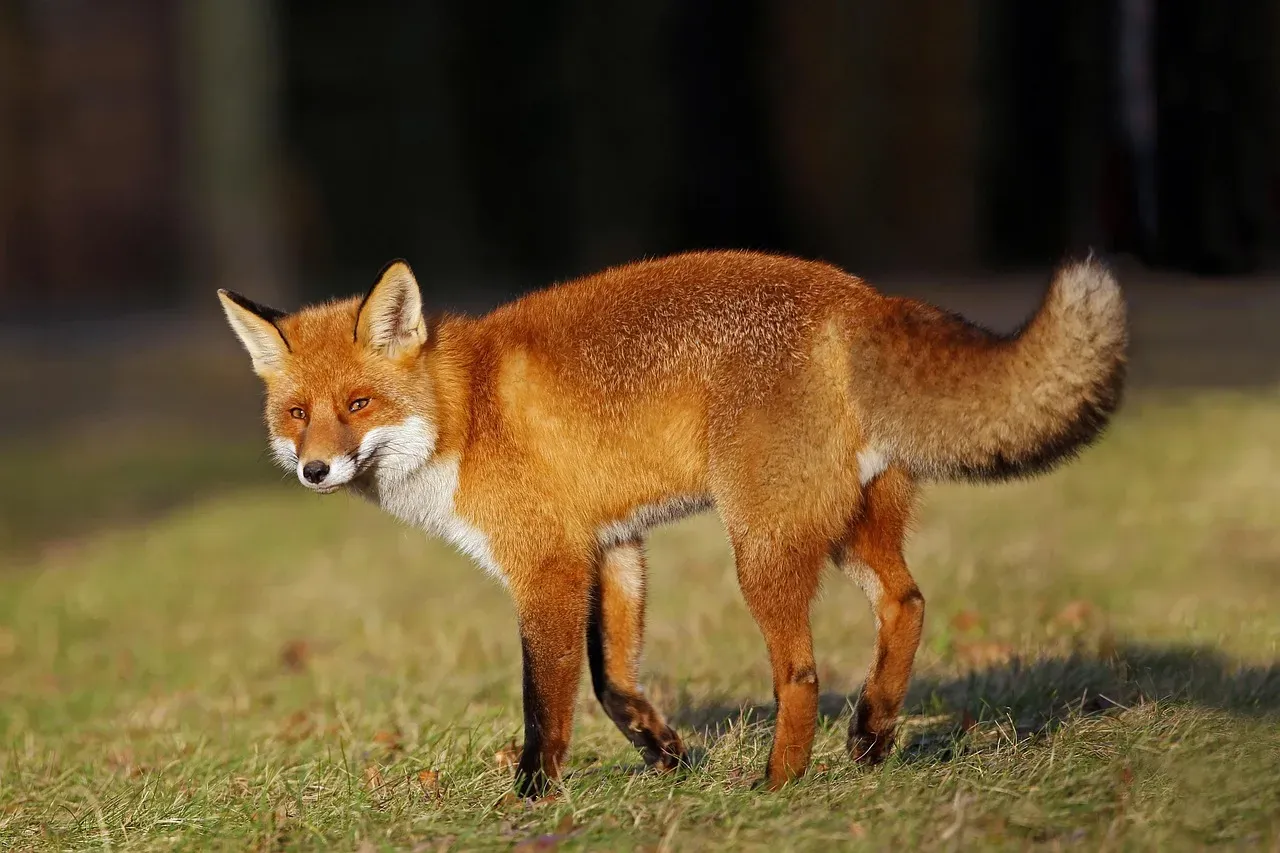
Perhaps the most remarkable thing about urban foxes is that city life is literally changing their bodies. Just over a century, urban-dwelling red foxes have developed smaller heads and shorter, wider snouts compared to foxes in rural areas. The urban foxes also show a less extreme size difference between males and females. These are not trivial cosmetic differences. They point to rapid evolutionary change happening in real time.
The patterns of skull divergence between urban and rural habitats matched the description of morphological changes that can occur during domestication. Specifically, urban populations of foxes show variation consistent with ‘domestication syndrome’. This is the same cluster of physical traits observed in animals that have been selectively bred to live alongside humans over generations.
Research in 2025 suggests that human-generated food comprises 35% of urban fox diet, compared to just 6% for their rural counterparts. As a result of this difference in diet between urban and rural populations, city-dwelling red foxes tend to grow larger than their rural counterparts. Researchers believe that the different snout shape developed to help city foxes sniff around for morsels of food in human garbage. What looks like opportunism on the surface is, in fact, biology reshaping itself to fit a new world.
Bold, Cautious, and Clever: The Fox Mind in the City
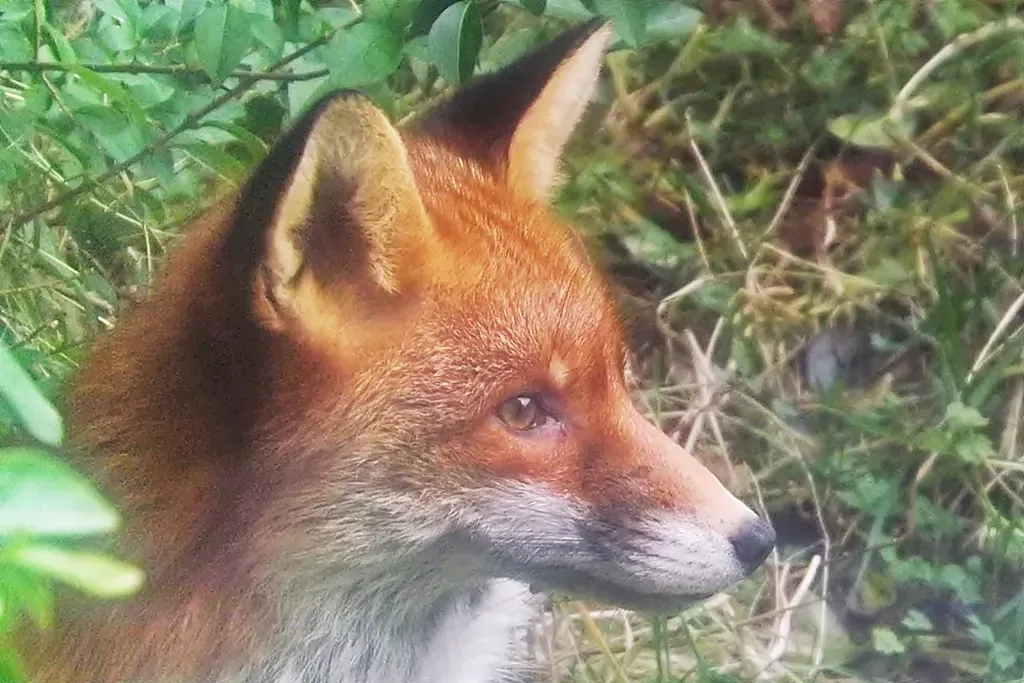
Urban foxes behave differently to their rural relatives in ways that go well beyond simply raiding bins. Red foxes exhibit behavioral plasticity in human-altered environments. That plasticity shows up in some genuinely nuanced ways. Foxes in more urbanized areas initially showed heightened fear toward novel objects, indicating increased apprehension. However, this fear diminished over time, and in the presence of food, urban foxes displayed slightly reduced fear compared with their less urban counterparts.
Urbanisation is hypothesised to increase the likelihood of observing urban populations touching, exploring, and solving novel food-related tasks compared to rural areas. Newer research refines this picture further. While urban foxes may be bolder than rural populations in terms of their willingness to physically touch novel food-related objects, findings are inconsistent with the notion that they are more innovative and pose a general nuisance to people by regularly exploiting these anthropogenic resources on a large geographical scale.
Foxes are generally crepuscular or nocturnal animals in rural settings to avoid predators and humans. In urban environments, they tend to shift their activity patterns more strictly to nighttime hours. This change reduces the risk of encounters with people and vehicles while taking advantage of reduced human activity during late hours. By becoming more nocturnal in cities, urban foxes can forage in bins, gardens, and parks with less disturbance.
Foxes, Humans, and the Complicated Question of Coexistence
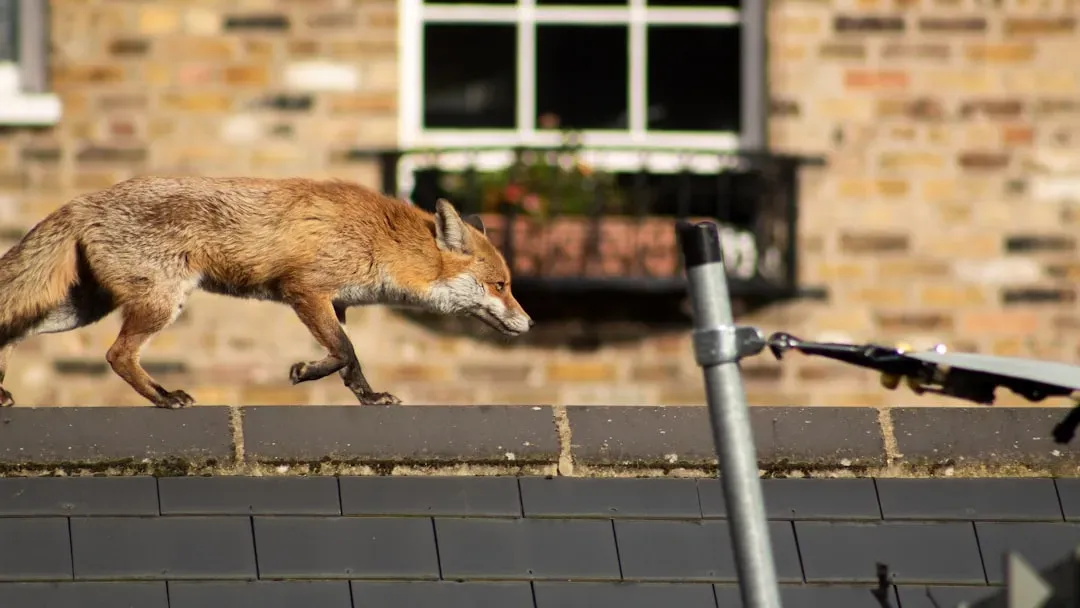
The relationship between city residents and urban foxes is genuinely mixed. Many people find them captivating. Others view them as a nuisance or worse. While many city residents enjoy sightings of foxes as charismatic wildlife, others express concerns about noise, property damage from raiding bins, or disease transmission. Both reactions are understandable, and neither tells the whole story.
By preying on synanthropic species like rats or feral pigeons, urban foxes contribute positively by controlling pest populations. Most fox interactions are minor and foxes rarely pose a risk to livestock, property, pets, or human health. The fear around foxes tends to outpace the evidence considerably. If you remove a fox from an area, their territory will likely be claimed by another within a matter of days. Managing urban fox populations through culling, as history has shown, simply does not work.
Far from being mere intruders, foxes can act as natural pest controllers, helping to manage populations of rats and other urban pests. By understanding the ecological role of foxes, communities can appreciate these animals as integral parts of our shared urban environment rather than viewing them as nuisances. Urban fox presence also raises awareness about wildlife ecology and promotes coexistence strategies among city dwellers through community outreach programs.
Conclusion: Living Alongside Something Wild
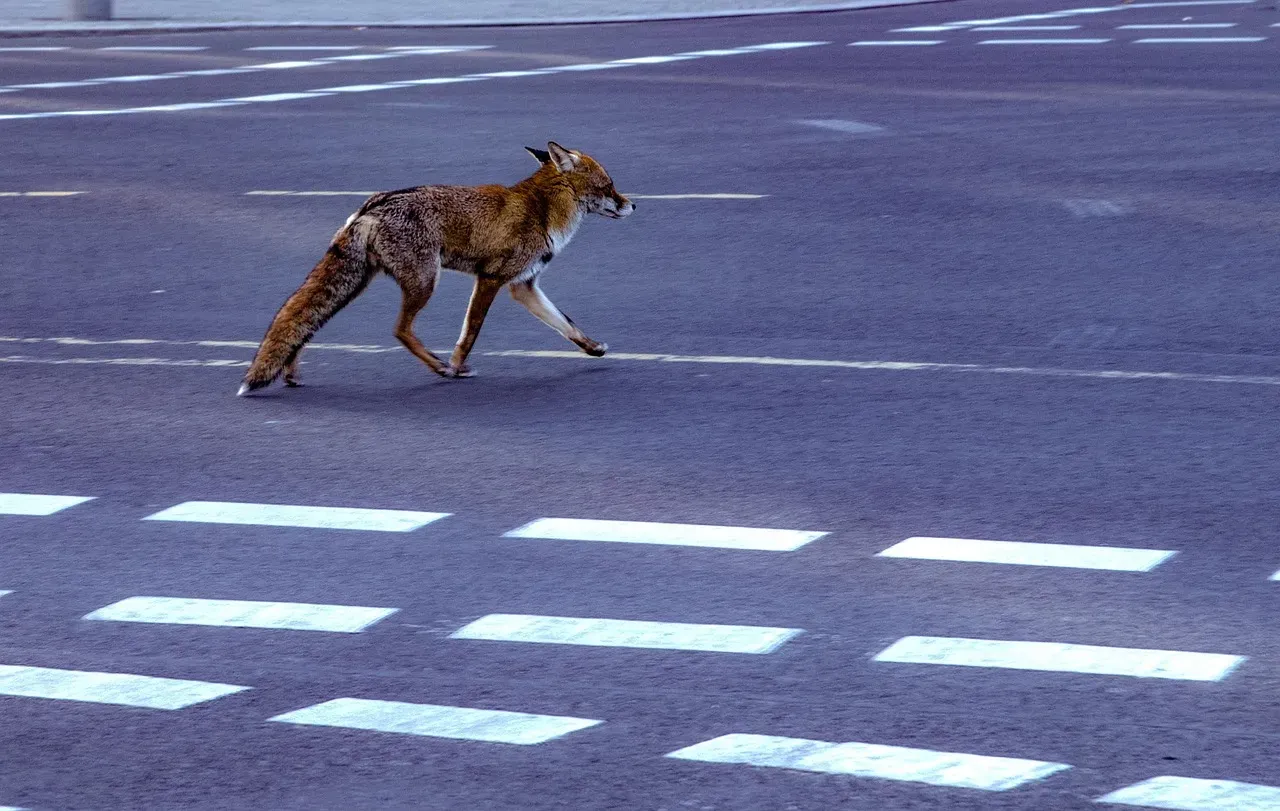
There is something quietly remarkable about sharing a city with an animal that was never invited in and never needed to be. Urban foxes found the gaps, adapted their bodies, rewired their behavior, and built entire family lives around our oblivious routines. They are not tame. They are not pets in waiting. They are wild animals navigating an environment we created – and doing so with more sophistication than most of us ever credit them for.
The science makes one thing clear: these animals are not a problem to be solved. They are a signal. A signal that nature is far more flexible and resilient than concrete cities might suggest. The fox staring at you from across the street at midnight is not lost. It knows exactly where it is.
Perhaps the more honest question is whether we know what to make of it.

- 14 Signs a Gray-Muzzle Dog Is Still Living Its Best, Vets Say - July 24, 2026
- 13 Signs a Horse Has Let Down Its Guard Only for You - July 24, 2026
- 13 Ways a Dog Spends Its Final Season Staying as Close to You as It Can - July 24, 2026