
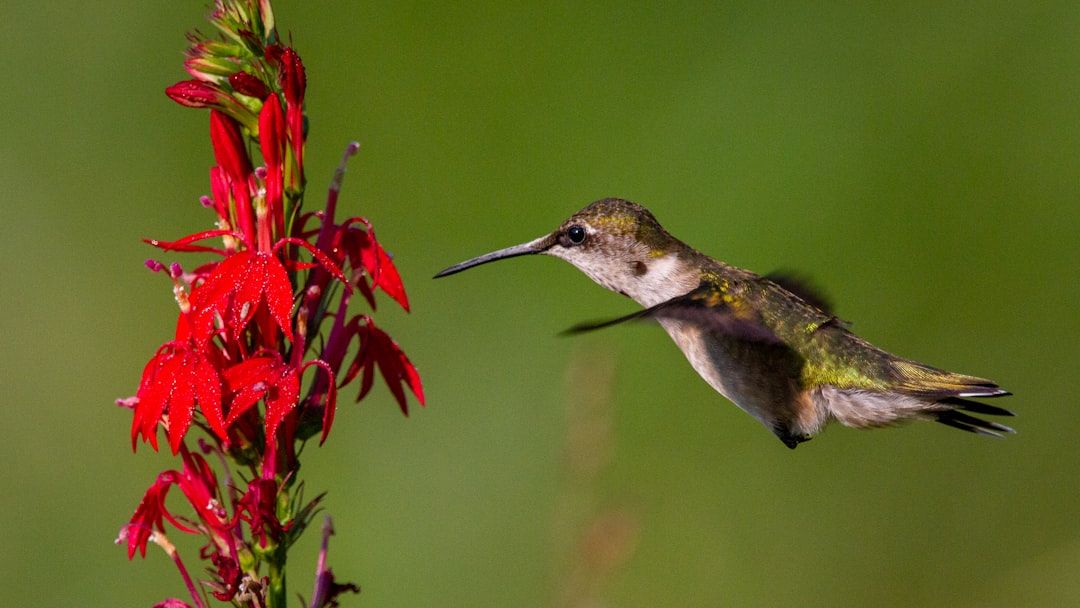
Most people think the secret to a hummingbird-filled yard is a red plastic feeder dangling from the porch. It feels logical. It feels generous. And for years, millions of well-meaning bird lovers have filled those little reservoirs with sugar water and waited – getting a trickle of visits when they could have had a flood. Wildlife ecologists, native plant societies, and backyard naturalists have been quietly agreeing on this for years: the feeder is not the answer. It never really was.
Here’s the part that changes everything – and most feeder manufacturers would rather you never knew it. Only about 20% of a hummingbird’s diet is actually nectar. The other 80% is insects: protein-dense, fat-rich, impossible to pour into a plastic tube. The real draw isn’t the sugar at all. It’s a living, breathing ecosystem that speaks the language hummingbirds evolved with over millions of years. These 11 native plants don’t just attract hummingbirds – they feed them, shelter them, and help them raise their young. A feeder has never done any of that.
#11 – Eastern Columbine (Aquilegia canadensis): The Hummingbird’s Welcome Mat
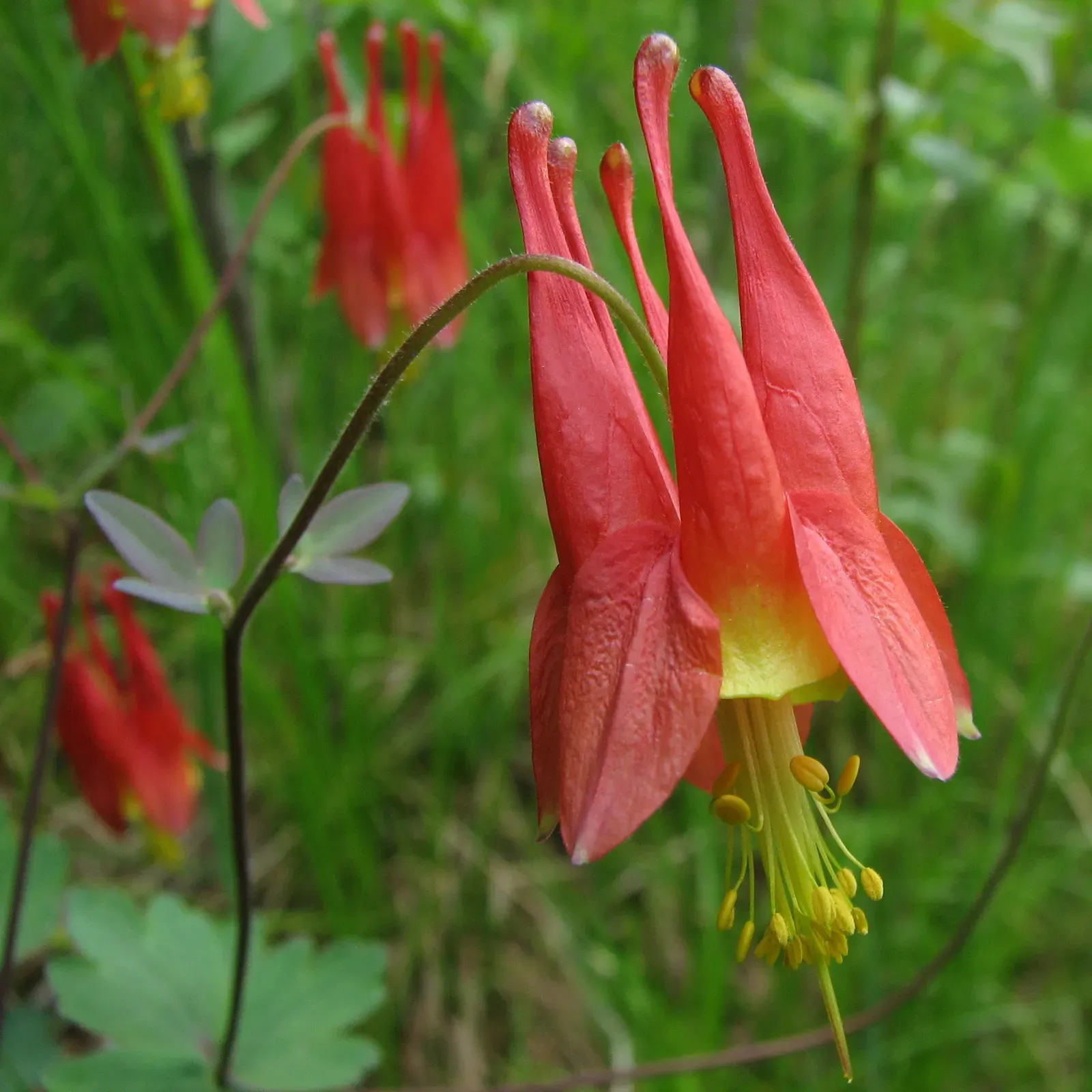
There’s a reason experienced gardeners call Eastern Columbine the season-opener – it blooms almost exactly when the first hummingbirds return each spring. Not approximately. Not close. Gardeners consistently find the first columbine blooms within a week or so of spotting their first hummingbird of the year, as if the plant and the bird are running on the same internal clock. That synchronicity is not a coincidence. It’s millions of years of co-evolution doing its job.
What makes columbine so powerful isn’t just timing – it’s the shape. The long, nectar-filled spurs at the back of each delicate red-and-yellow bloom are perfectly matched to a hummingbird’s bill length, effectively filtering out shorter-tongued insects and reserving most of the reward exclusively for the birds. This evolutionary lock-and-key relationship means columbine’s nectar goes almost entirely to hummingbirds, not bees or butterflies competing for the same resource. It thrives in partial shade, tolerates shallow rocky soil, and will grow in conditions that would kill most ornamentals. Plant it in drifts near a woodland edge, and watch hummingbirds investigate your yard from day one of migration season – before your feeder has even been hung.
Fast Facts
- Blooms approximately 2–3 feet tall; perfectly scaled for a small garden or shaded border
- Self-seeds readily from year to year — plant once and it quietly multiplies
- Deer and rabbits largely leave it alone, making it low-maintenance in most yards
- Native plant experts list it as one of the “Big Three” hummingbird nectar plants for the Mid-Atlantic region
- Fancy double-flowered hybrid cultivars do not provide usable nectar — always choose the straight species
#10 – Bee Balm (Monarda didyma): The Midsummer Magnet
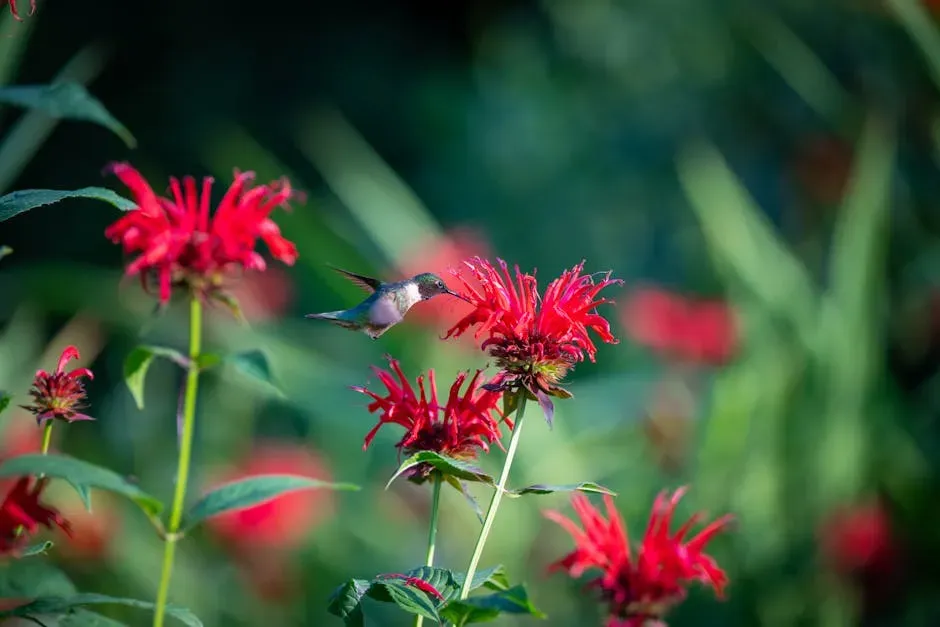
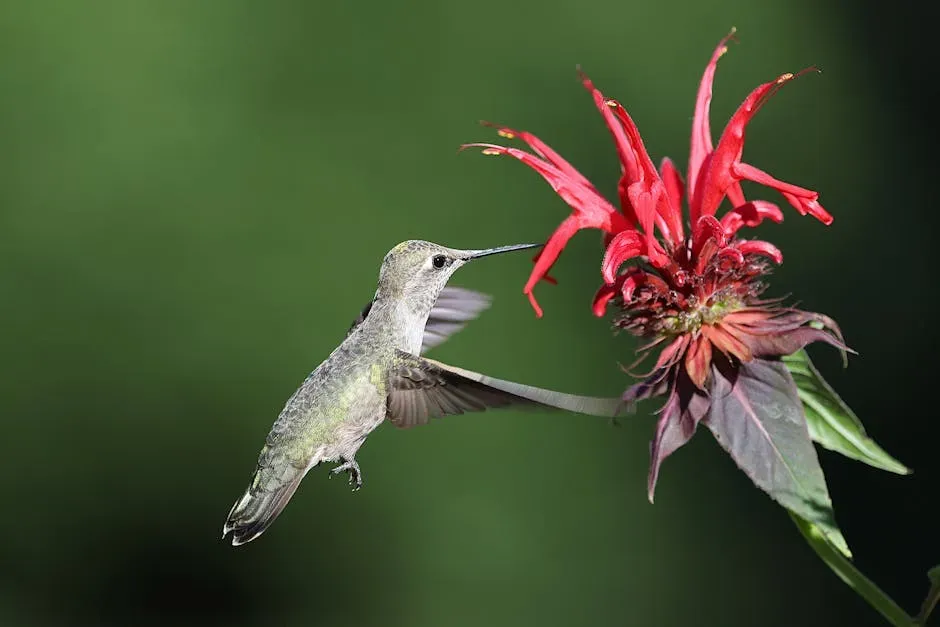
If you only plant one native perennial for hummingbirds, most experienced gardeners will point you straight to bee balm – and the moment it erupts into bloom in July, you’ll understand why. The scarlet-red flower clusters are dense, vivid, and impossible to miss, and the tubular shape of each individual blossom is essentially a hummingbird feeding port designed by nature rather than a factory. It blooms precisely when many feeders are running low, going uncleaned, or fermenting in the summer heat – right when migrating hummingbirds are at their hungriest.
A single mature clump of bee balm can offer dozens of individual tubular blooms simultaneously, creating a nonstop feeding buffet that no plastic feeder can replicate. It spreads by underground stolons and self-seeds readily, meaning you plant it once and it quietly expands its footprint – and its hummingbird appeal – every subsequent year with almost no effort on your part. It grows in full sun to partial shade, tolerates moist soil, and pulls double duty as a butterfly and bumblebee magnet. The wildlife activity around a thriving patch of bee balm in late July looks less like a backyard garden and more like a nature documentary. That energy is contagious.
#9 – Penstemon (Penstemon spp.): The Nectar Factory Your Feeder Can’t Beat
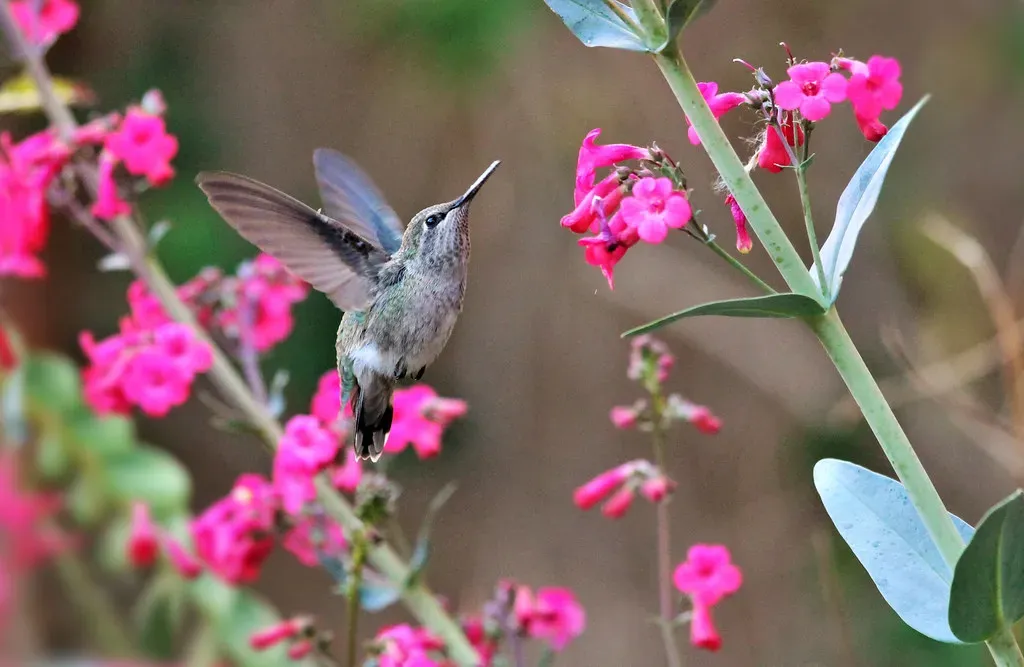
Most gardeners have never heard of penstemon. That’s a significant missed opportunity – especially for anyone who’s been puzzled by why their feeder doesn’t pull in birds reliably. Penstemons are tube-shaped, nectar-packed, and native to an enormous range of North American habitats, from desert flats in Utah to mountain meadows in Colorado. They’ve spent thousands of years being exactly what hummingbirds need, and they don’t require a single refill. A sugar-water feeder only works if you remember to maintain it. Penstemon works whether you’re paying attention or not.
The diversity within this genus is genuinely staggering – there are over 250 species native to North America, and there’s almost certainly one perfectly adapted to your exact climate, soil, and sun exposure. The scarlet bugler penstemon (Penstemon centranthifolius) is among the most visited hummingbird plants recorded by the California Native Plant Society, with brilliant red tubes that hummingbirds practically queue up for. Plant several species with staggered bloom times and you’ve essentially built a self-operating hummingbird feeding station that runs from early spring through late summer – no sugar, no mold, no fermentation, no forgotten refills.
At a Glance: Why Penstemon Wins
- 250+ species native to North America — there is one for virtually every U.S. climate zone
- Tube-shaped flowers are “jam-packed with nectar,” per Audubon Rockies — ideal for hummingbird bills
- Early-season blooms fill the nectar gap before summer perennials peak; some rebloom in late summer
- Thrives in full sun, well-drained soil, and handles drought once established
- Zero refills, zero mold, zero maintenance — biology does the work for you
#8 – Coral Honeysuckle (Lonicera sempervirens): The Vine That Keeps Giving All Season
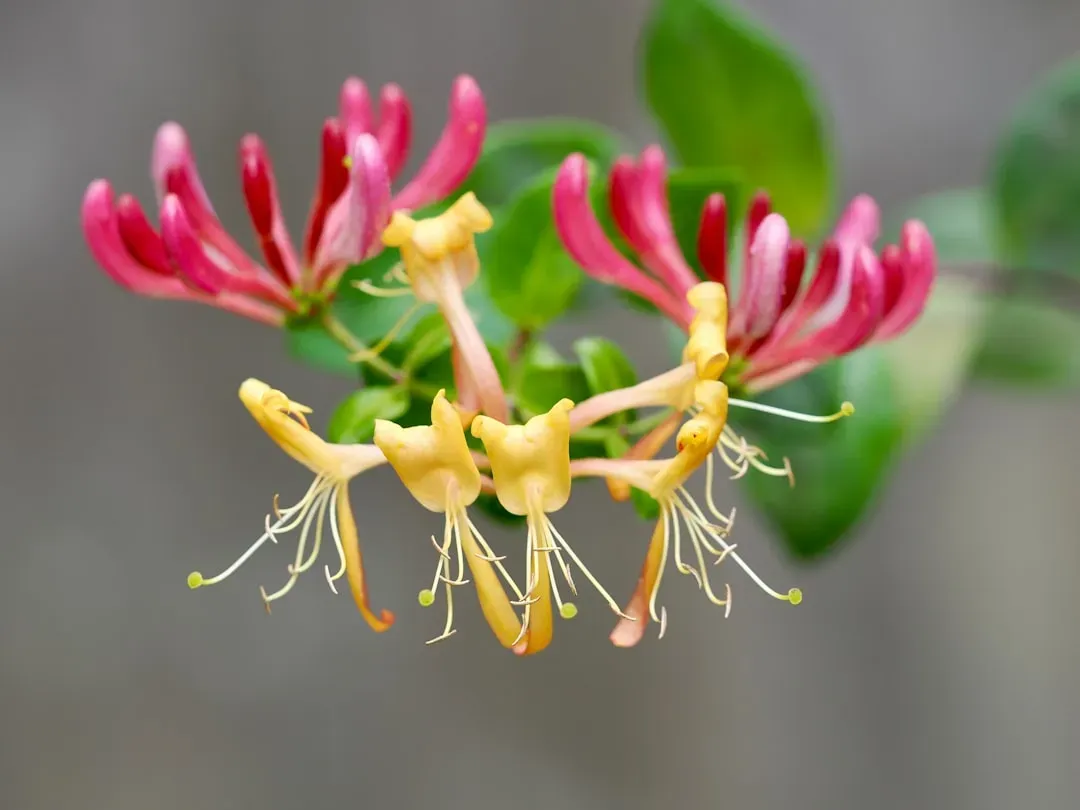
Here’s a plant that does something almost no feeder can match: it blooms for months, not days. Coral honeysuckle – a native vine with clusters of coral-red trumpet-shaped flowers – can run from spring all the way through fall, providing a continuous nectar supply that covers nearly the entire hummingbird season from first arrival to last departure. Train it up a fence post near your sitting area and you’ll have a living hummingbird theater running from April through October without a single intervention from you.
Unlike its invasive Japanese cousin – which has colonized enormous stretches of American landscape and made yards measurably less hospitable to native wildlife – coral honeysuckle is well-behaved, manageable, and deeply embedded in hummingbird evolutionary history. It’s been among the first native plants recommended by Audubon Society naturalists for hummingbird habitat, and it draws Ruby-throated Hummingbirds reliably throughout their entire nesting and migration window. Beyond nectar, it provides shelter and visual cover that hummingbirds actively use – and shelter is something a feeder on a hook has never been able to offer.
#7 – Cardinal Flower (Lobelia cardinalis): The One Plant Almost Exclusively Designed for Hummingbirds
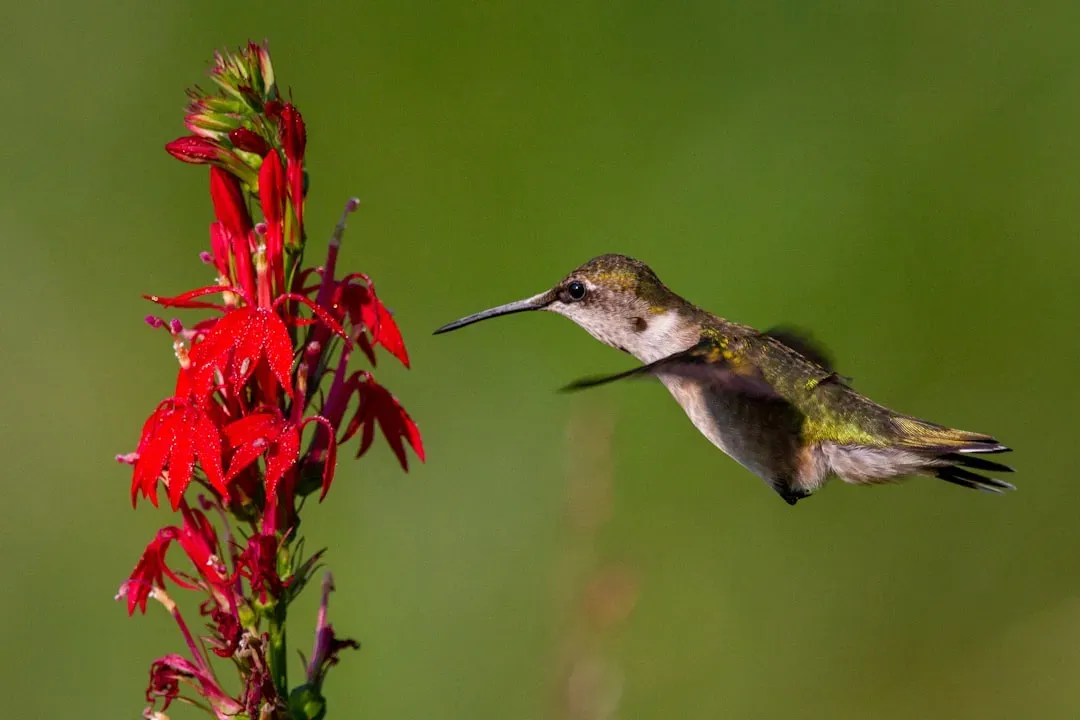
There are plants that attract hummingbirds. Then there’s cardinal flower – a plant that essentially exists because of hummingbirds. This is not a marketing claim; it’s ecology. The bloom’s tube is too long and narrow for most insects to access, and the intense scarlet color falls squarely within the visual spectrum hummingbirds are most sensitive to. The plant and the bird shaped each other over deep evolutionary time, and you can see the result every late summer when hummingbirds descend on it with a focus and intensity they rarely show anything else.
Cardinal flower blooms in late summer and into fall – exactly when hummingbirds are loading up on calories before their migration south. A feeder can run dry or get skipped on a busy weekend. Cardinal flower doesn’t. Hummingbirds have been observed returning to the same cardinal flower patch multiple times per hour, memorizing the location and actively defending it against competitors. That kind of behavioral loyalty simply doesn’t happen with a red plastic tube sitting on a shepherd’s hook. Plant it near a rain garden, stream edge, or anywhere soil stays reliably moist, and prepare for late-season hummingbird activity that will genuinely surprise even experienced birders.
#6 – Wild Bergamot (Monarda fistulosa): The Drought-Tough Hummingbird Magnet Most People Overlook
Scarlet bee balm gets all the attention, but its cousin wild bergamot is the tougher, more adaptable plant – and hummingbirds don’t seem to care which one is more famous. Wild bergamot produces whimsical lavender-to-pink pom-pom blooms that may not look like a “hummingbird flower” at first glance, but the birds visit them reliably and enthusiastically. It tolerates drought, clay soil, and light shade – conditions that would stress most showier plants into submission – which means it keeps blooming and keeps offering nectar even during the hot, dry stretches when your sugar-water feeder is fermenting in the sun.
Wild bergamot and scarlet bee balm are among the most commonly reported native plants in Audubon’s Hummingbirds at Home citizen science data, with native ranges spanning the southwest, Pacific northwest, mountain west, southeast, east, and midwest. But here’s the detail that matters most: wild bergamot is a powerful insect plant, and that’s the real currency. The insects swarming its blooms are exactly what hummingbirds are hunting for protein – the gnats, small flies, and soft-bodied beetles that make up the bulk of a hummingbird’s daily diet. No feeder in the world can replicate that living, moving, protein-rich cloud of food.
Quick Compare: Bee Balm vs. Wild Bergamot
- Bee Balm (Monarda didyma): Bold scarlet blooms, midsummer peak, prefers moist soil, showier appearance
- Wild Bergamot (Monarda fistulosa): Lavender-pink blooms, tolerates drought and clay, wider geographic range
- Hummingbird appeal: Both rated among the most-reported native plants in Audubon’s national citizen science program
- Insect production: Both are powerhouse insect magnets — the protein buffet hummingbirds actually need
- Best move: Plant both for sequential bloom and maximum wildlife activity from June through August
#5 – Hummingbird Sage (Salvia spathacea): The Shade Garden Secret Western Gardeners Need to Know
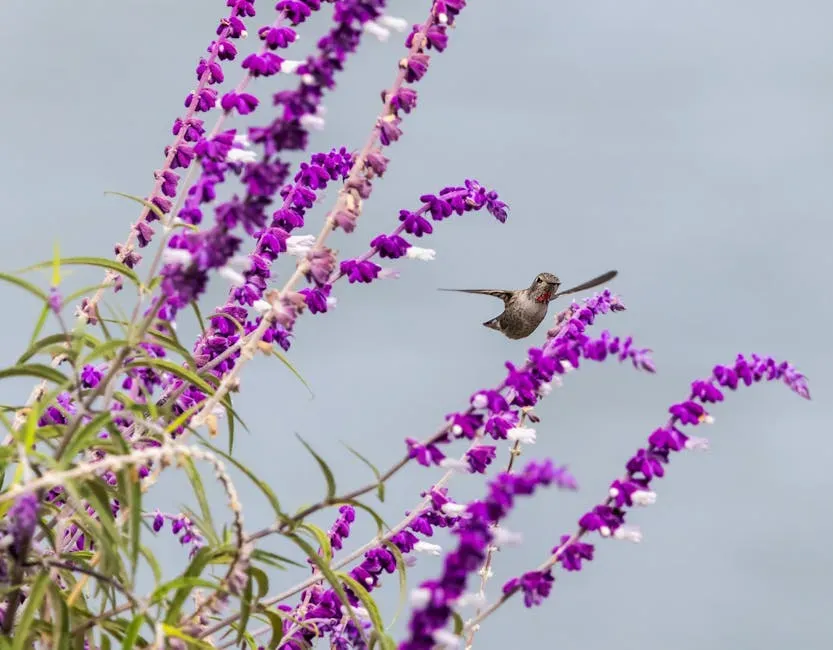
Most hummingbird plant lists focus almost exclusively on sun-lovers. But hummingbirds don’t only hunt in open lawns – and hummingbird sage is the plant that brings them into your shadier, quieter spaces. This herbaceous perennial spreads by underground rhizomes, meaning a single purchase gradually fills out a shaded border over several seasons, creating a dense patch of whorled scarlet that hummingbirds can spot and navigate to with ease. For western gardeners especially, this is one of the most reliable year-round hummingbird plants available.
The broader salvia family is one of the most hummingbird-productive plant groups on the planet – and the native species consistently outperform exotic cultivars when it comes to what actually matters: nectar concentration. Audubon specifically recommends native salvias over hybrids and exotics because cultivated varieties are often bred for flower appearance rather than nectar production. The result is a bloom that looks great in a catalog photo but offers a hummingbird a fraction of the reward. Native hummingbird sage is the opposite – less Instagram-optimized, more ecologically honest, and far more valuable to the birds you’re actually trying to support.
“Hummingbirds like and need nectar but 80 percent of their diet is insects and spiders. If you don’t have those insects and spiders in your yard, it doesn’t matter how many hummingbird feeders you have.”
Doug Tallamy, Entomologist, University of Delaware
#4 – Purple Coneflower (Echinacea purpurea): The Double-Duty Plant That Feeds Hummingbirds Two Ways
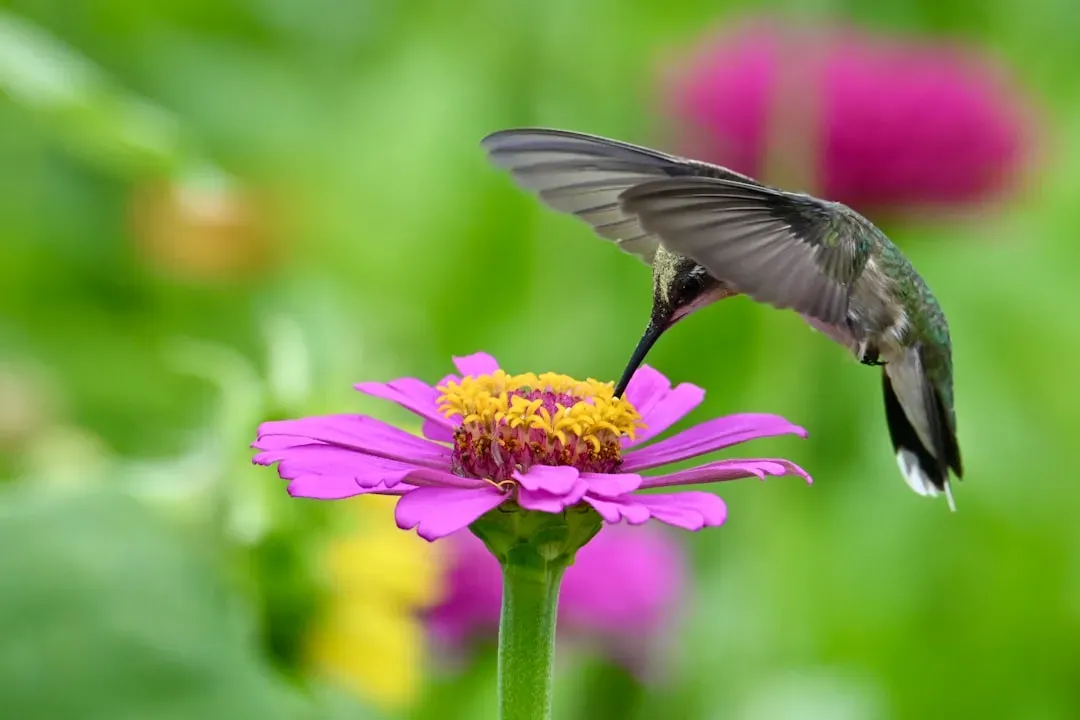
You’ve seen purple coneflower in every garden center in America. You’ve probably grown it. But most people have absolutely no idea it’s actually a sophisticated hummingbird feeding system operating on two levels simultaneously. Yes, hummingbirds nectar from the flowers. But they also hunt the blooms – hovering close to the flower heads and darting in to snatch the small insects and gnats that congregate around the pollen. It’s not just a nectar stop. It’s a full meal.
This is where the feeder conversation gets uncomfortable. According to entomologist Doug Tallamy, nectar makes up roughly 20% of what hummingbirds eat – with insects accounting for the other 80%, especially critical for nestlings who need fat and protein to grow. A plastic feeder literally cannot address 80% of a hummingbird’s nutritional needs. Purple coneflower, with its remarkable magnetic attraction for small flies, gnats, and soft-bodied beetles, feeds hummingbirds in a way no feeder ever has or ever will. It’s also deer-resistant, drought-tolerant once established, and grows in virtually every U.S. climate zone. It is, in almost every meaningful sense, the perfect plant.
Bring back the natives, and the food web will rebuild itself.
Doug Tallamy, Entomologist and Author of Bringing Nature Home
#3 – Milkweed (Asclepias spp.): The Misunderstood Hummingbird Plant That Also Saves Monarchs
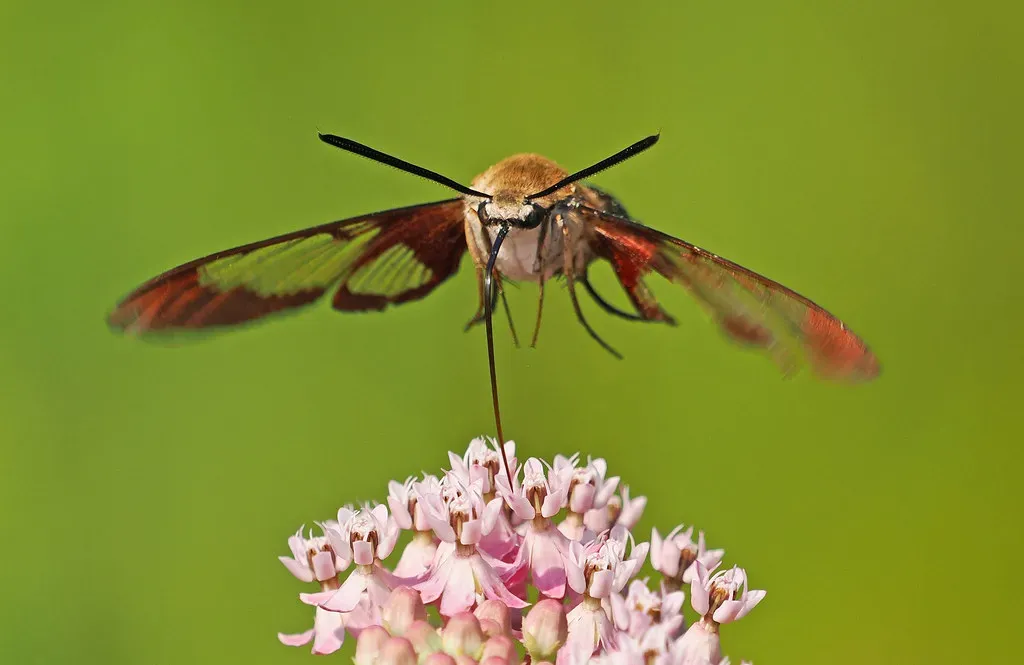
Everyone knows milkweed saves monarch butterflies. Almost nobody realizes it’s also one of the most insect-productive – and therefore hummingbird-productive – plants you can put in the ground. Milkweed flowers are genuinely rich in nectar, and native species like butterfly milkweed (Asclepias tuberosa), with its vivid orange clusters, and common milkweed, with its dusty-rose spheres, fill different bloom windows across the summer. That staggered timing is enormously valuable – it means the insect and nectar activity milkweed generates doesn’t peak and vanish, it rolls through the season.
The insect ecosystem that milkweed creates is almost incomprehensibly rich. Native milkweed supports well over 450 insect species, turning a modest garden patch into an all-you-can-eat protein buffet for visiting hummingbirds. Tallamy’s research has shown that native plants support a far greater concentration of insects and spiders available as prey for hummingbirds than alien ornamentals ever could. Pair butterfly milkweed with common milkweed for sequential blooms, and you’ve built a feeding station that operates all season – no sugar, no refilling, no mold, no maintenance. Just biology doing what biology does best.
Worth Knowing: What Milkweed Does That Nothing Else Can
- Supports 450+ insect species — creating the protein-dense cloud hummingbirds hunt every single day
- Asclepias tuberosa (butterfly milkweed) and common milkweed bloom at different points, extending season-long activity
- Saves monarch butterflies and supercharges hummingbird habitat — one plant, two conservation wins
- Once established, it is essentially self-sustaining — no watering, no fertilizing, no fuss
- Audubon’s research confirms native plants like milkweed generate far more insect prey than any non-native ornamental
#2 – Trumpet Vine (Campsis radicans): The Nectar Powerhouse With a Catch
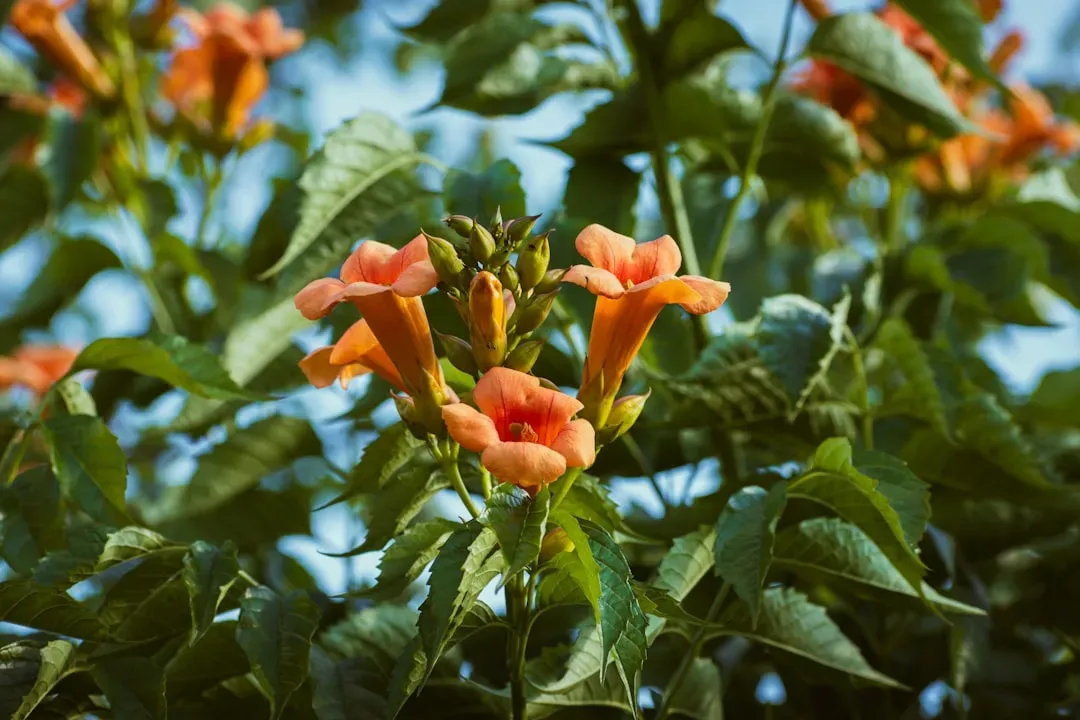
Let’s be direct: trumpet vine is one of the single most effective hummingbird plants in North America. It can offer hummingbirds up to 10 times more nectar than most plants. Ten times. That is not a rounding error – that is a category-defining difference in nectar production that no feeder can come close to matching. The Ruby-throated Hummingbird, whose long slender bill fits perfectly into trumpet vine’s funnel-shaped flowers, is the primary beneficiary, and the vine blooms from May through October – an extraordinary run that covers nearly the entire hummingbird season from first arrival to final departure.
Here’s the catch that most garden advice glosses over: even in its native range, trumpet vine can quickly become unruly. The aerial roots damage wood and stone. The underground runners surface many feet from the original planting. Ignore its boundaries and you’ll spend years fighting it back. But grow it against a sturdy masonry wall, in a contained bed, or in a large open area where it has genuine room to expand – and it becomes the single most productive hummingbird habitat feature in your entire yard. This plant rewards you generously and punishes carelessness equally. The nectar numbers don’t lie. Respect the vine.
Why It Stands Out
- Produces up to 10x more nectar than most other hummingbird plants — no feeder comes close
- Blooms May through October, covering virtually the entire hummingbird season start to finish
- Nectar sugar concentration typically reaches 25% or higher — well-matched to hummingbird metabolism
- Thick growth provides perching, resting, and shelter spots between feeding flights
- Also hosts sphinx moth caterpillars — adding insect protein value on top of nectar production
- Caution: Can climb 30–40 feet; needs strong support, regular pruning, and room to spread responsibly
#11 – The Native Garden Ecosystem: Why the Whole Is Worth More Than Any Single Plant
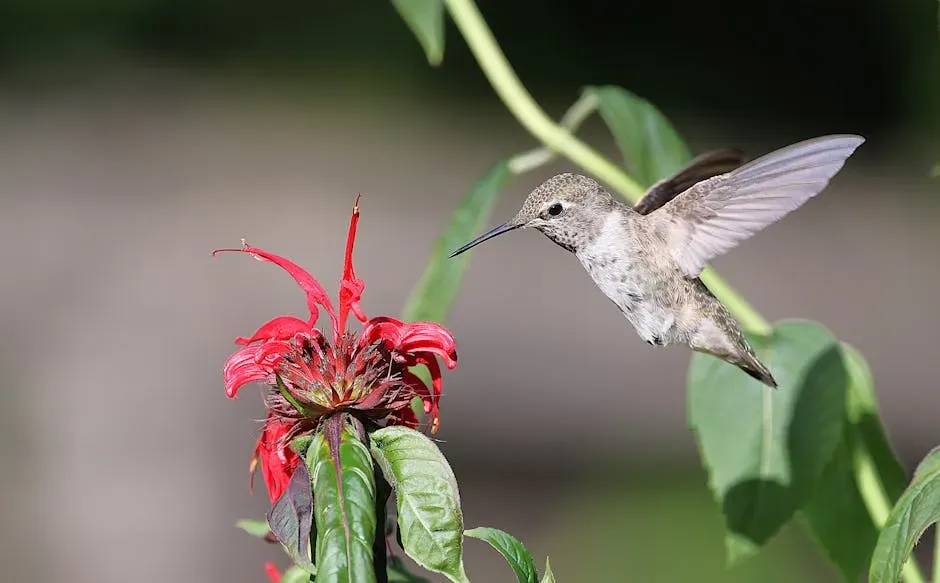
Here’s the truth that every expert, every ecologist, and every serious hummingbird gardener eventually arrives at – and it reframes everything on this list. A single native plant is good. A layered, diverse native garden is transformational. The goal isn’t to pick one plant and call it done; it’s to build what ecologists call “carrying capacity” – your garden’s ability to attract and support hummingbirds sustainably, without feeders, without intervention, and without any ongoing input beyond the act of planting. The best native gardens include a vegetative understory of perennials and low shrubs, a midstory of vines and small trees, and a full overstory of deciduous and coniferous trees. That structure doesn’t just provide nectar – it produces the full-spectrum insect life and sheltered habitat that hummingbirds genuinely need.
Here’s the detail that stops people cold when they first hear it: hummingbirds use spider silk to bind their nests together and anchor them to branches. The silk stretches as the chicks grow, allowing the nest to expand around them. That means a healthy native plant ecosystem – one teeming with spiders and their webs – is literally a hummingbird nursery supply. No feeder has ever helped a hummingbird build a nest, raise its young, or survive a 500-mile migration. But a garden filled with native plants does all of that, 24 hours a day, whether you’re watching or not. The feeder was always a supplement. The plants are the real thing.
At a Glance: What a Complete Native Garden Gives Hummingbirds
- Nectar — continuous, season-long supply from staggered native blooms (not a reservoir that empties)
- Insects & spiders — the 80% of the diet feeders will never, ever provide
- Spider silk — essential nest-building material that stretches as chicks grow
- Shelter & perches — shrubs, vines, and trees hummingbirds use between feeding flights
- Nesting sites — sheltered branches in native trees and shrubs that no birdhouse replicates
- Fresh water habitat — dense plantings collect leaf droplets hummingbirds bathe in daily
The Honest Conclusion
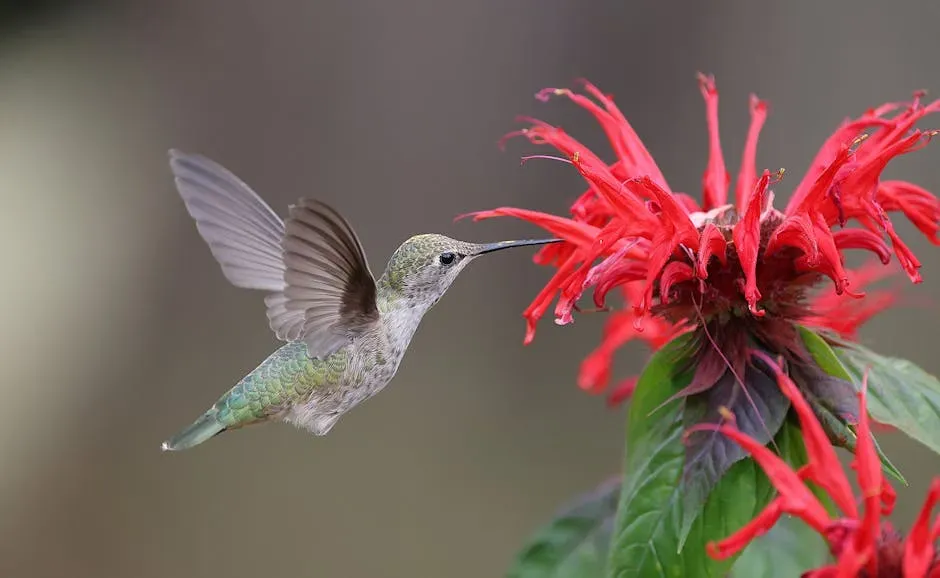
The feeder debate is effectively over – and has been for anyone paying attention to the science. Feeders aren’t villains. They won’t harm hummingbirds if kept clean. But they’ve been wildly oversold as the primary tool for supporting these birds, and that narrative has cost countless gardens the chance to become something genuinely extraordinary. Native plants don’t just attract hummingbirds. They feed them completely, shelter them, supply their nests, and sustain the insects their young depend on to survive. A feeder addresses 20% of a hummingbird’s needs on a good day. A native garden addresses all of them, every day, for free.
The most direct advice here is this: if you only have room for one change this season, skip the feeder aisle entirely and walk straight to the native plant section of your local nursery. Ask for whatever blooms longest in your region. Ask what’s on the Audubon native plant list for your zip code. Start with one plant – columbine, bee balm, cardinal flower, whatever speaks to you – and watch what happens. Your local hummingbirds evolved without the plastic feeder. They didn’t evolve without the plants. And deep down, somewhere in 40 million years of instinct, they already know the difference.
