
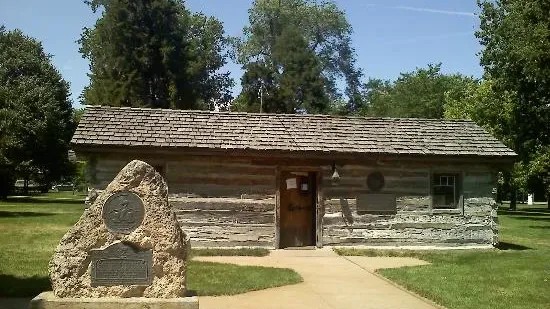
There’s something unsettling about a place that simply disappears. Not in flames, not through earthquake or flood, but grain by grain, swallowed quietly by something as patient and indifferent as sand. In the Nevada desert, this isn’t myth or exaggeration. It’s geology.
Near Fallon, in the heart of the Great Basin, a settlement and its surrounding structures have faced exactly that fate. Low stone walls, half-buried, sit within a sea of moving dunes. Riders once changed horses here; now the wind does all the running, piling sand against every course of rock. It’s a slow erasure, one that raises a question most people never think to ask: what happens when the desert decides to take something back?
#1: The Ancient Origins of Nevada’s Moving Sand
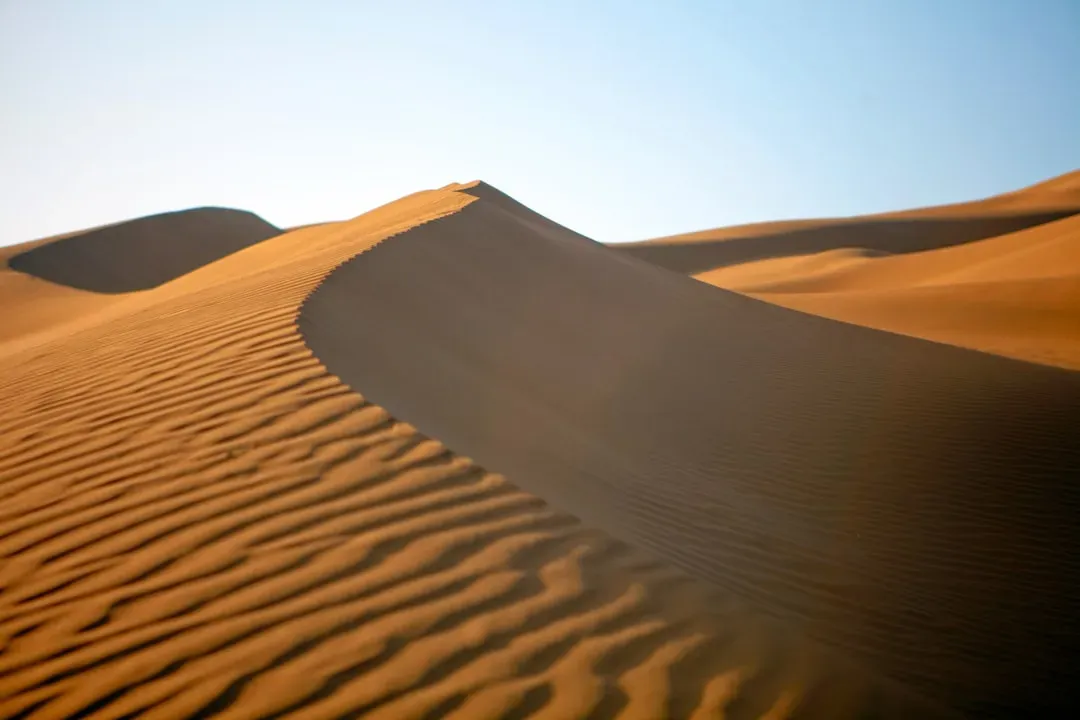
The story of Nevada’s drifting dunes doesn’t start with settlers or prospectors. It starts with water. For thousands of years, much of western Nevada was submerged under the waters of ancient Lake Lahontan. About 4,000 years ago, climate change caused the waters to recede and the area around what is now Fallon became a dry desert playa. What was left behind was a vast flatland of loose sediment, exposed and vulnerable to whatever wind came next.
The large quantity of sand needed to build such an impressive dune comes courtesy of ancient Lake Lahontan, which dried up around 9,000 years ago and left massive piles of sand behind. Prevailing winds from the west blew millions of tons of sand from this playa into a 500-foot high pile of sand now known as Sand Mountain. It’s one of those geological timelines that makes the human presence in the region feel extraordinarily brief by comparison.
Sand Mountain is a sinuous transverse dune formed from beach sands of Ice Age Lake Lahontan, accumulated here by southwesterly winds. Strong prevailing winds, typical in desert regions, pick up sand particles from the surrounding desert floor and transport them through the air. As the winds lose speed or encounter an obstacle like the Toiyabe Range to the west, they drop the sand particles they carry. Over time, these deposited sand grains accumulate to form a sand dune. The mechanics are simple. The scale is staggering.
#2: Sand Mountain – A Living, Breathing Giant
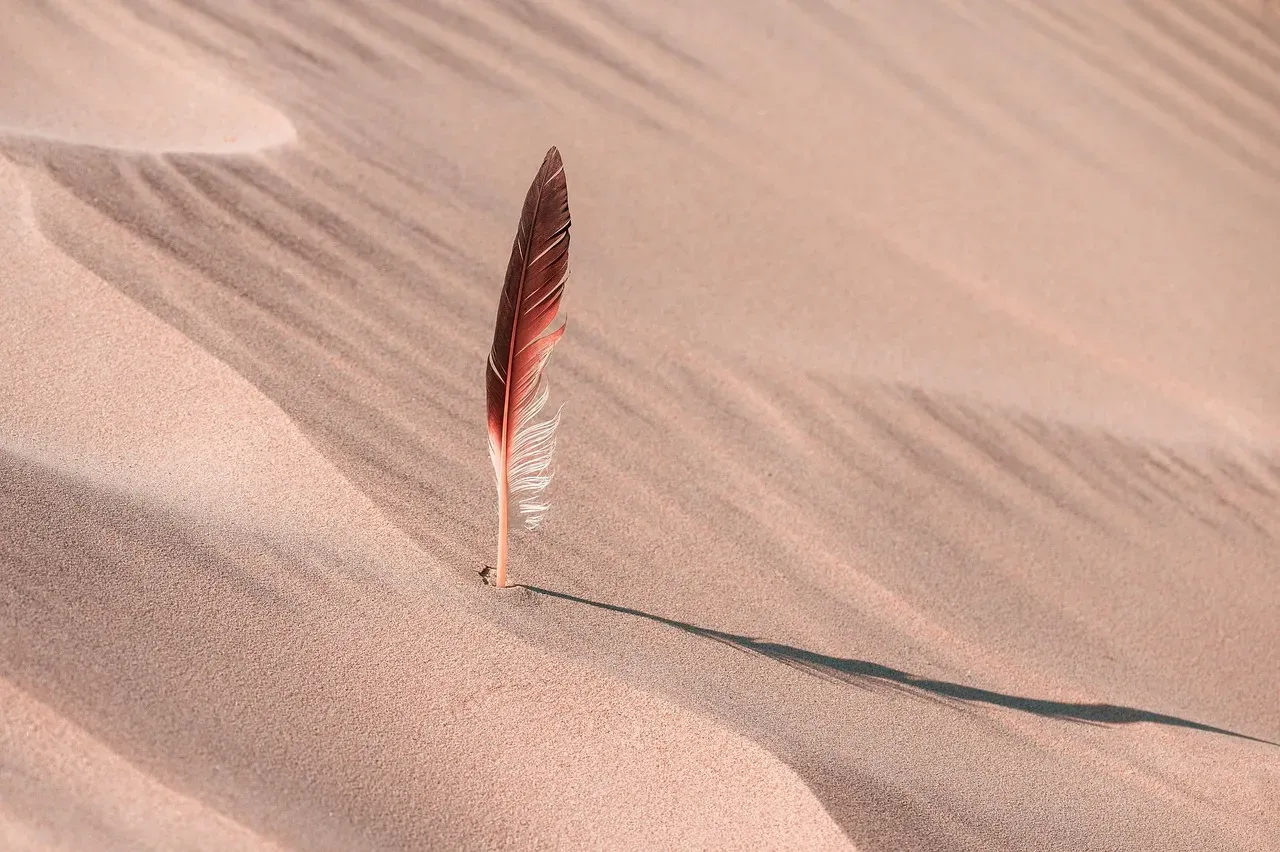
The centerpiece of the area is an enormous sand dune that stands out amidst the desert landscape. This massive dune rises to a height of approximately 600 feet and stretches over a length of nearly two miles, making it one of the largest dunes in the United States. It dominates the surrounding terrain in a way that’s hard to fully appreciate until you’re standing next to it.
The dune is characterized by its constantly shifting sands. The dune’s appearance changes as wind patterns and weather conditions alter the shape and composition of the sand. This dynamic nature is a key feature of the area and contributes to its unique charm. Charm, perhaps, unless you’ve built something nearby. For structures in the path of this slow-motion migration, “constantly shifting” carries a far more ominous meaning.
What makes this dune particularly unusual is that it doesn’t just move. It sings. Sand Mountain consists of something called “singing sand,” or sand that produces an audible sound in certain conditions. This phenomenon doesn’t happen with just any sand pile. To “sing,” sand has to be made up of a specific type of silica, have small, round grains, and have a particular level of humidity. In Stillwater Northern Paiute tradition, the dune is known as Panitogogwa, a giant rattlesnake moving northeast with the wind at its back. The sound of the snake as it travels toward its burrow is reflected in the natural “singing” phenomenon that geologists associate with the dune.
#3: The Pony Express Station That Vanished Beneath the Dunes
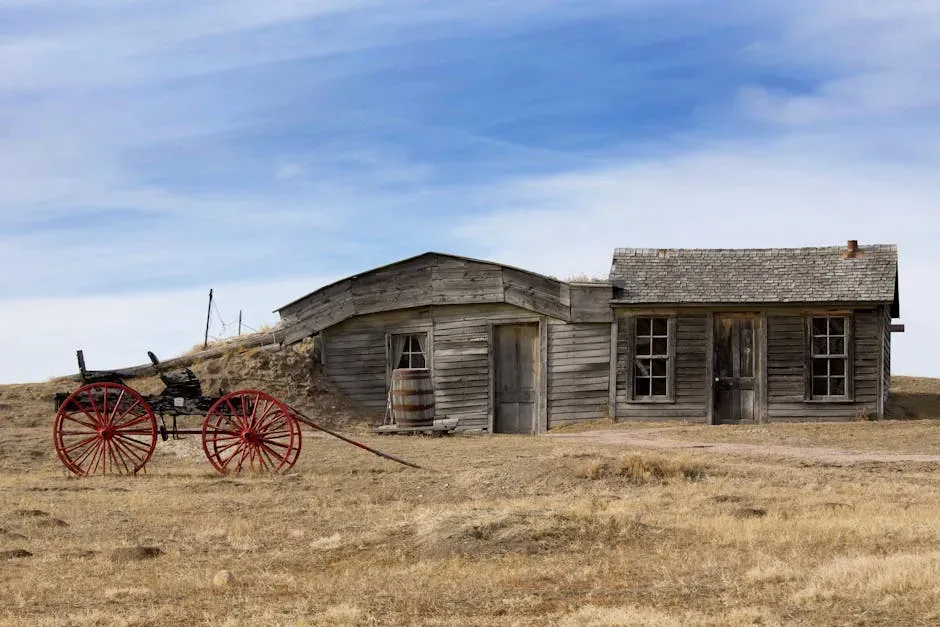
The most dramatic example of Nevada’s sand consuming human history is found at Sand Springs Station. Built in March 1860, this station was used by the Pony Express until it was driven out of business by the first Transcontinental Telegraph in November 1861. The telegraph and the Overland Stage Company continued to make use of the station throughout the 1860s. It was a hub of life, however rough, in a stretch of desert that offered very little comfort.
Other freight companies, such as Wells Fargo, occasionally used the building until about 1900. Abandoned and forgotten, over the years the site was almost completely buried by drift sand. After the station was abandoned when the Pony Express ceased operation in 1861, the stone corrals and station house soon became buried under the ever-shifting sands of the Great American Desert. An entire working outpost, stone walls and all, quietly erased from sight over the span of a few decades.
A large part of the reason that the Sand Springs Station is so well preserved is that shortly after it was abandoned it became buried under sand, where it remained for more than a century. The station was not rediscovered until 1975. The next year, a team of archaeologists from the University of Nevada, Reno excavated the site and removed all artifacts from the station. The sand that buried it also protected it, which is one of the stranger ironies this desert offers.
#4: What the Excavation Revealed
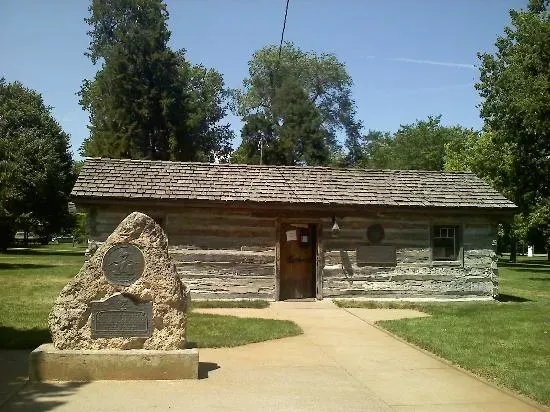
The ruins turned out to be from a Pony Express relay station, and from an overland stage station, a telegraph station, and the home and corral of two prospectors. Fifty years of history in remote western Nevada is found in the ruins. That’s a remarkable density of layered American history compressed into one small stone structure surrounded by open desert.
When the archaeologists from the University of Nevada excavated Sand Springs Station in 1976, the most common artifacts they uncovered were hundreds of fragments of liquor bottles. Solemn oaths were hard to keep when faced with isolation, boredom, loneliness and the constant threat of Indian attacks. The find speaks to the very human reality of life at these remote outposts, far beyond the romanticized version of Pony Express history.
Sand Springs Station is one of the best preserved and easily reached of all Pony Express stations. The fact that it was buried under sand for over 100 years until it was rediscovered protected it from the vandalism that destroyed or damaged many others. A historically accurate stabilization of the station was completed in 1997. Today, visitors can walk among walls that once sheltered riders who had no idea their shelter would spend a century underground.
#5: When Sand Buries the Living, Not Just the Historic

The Sand Springs story is ancient history by now, but the phenomenon of desert sand overwhelming human settlement is not purely a thing of the past. Across the broader region, the dynamic between moving dunes and built structures plays out in ways that are far more recent and, in some cases, still ongoing. Scattered across the high desert, ghost towns and forgotten structures stand as testaments to boom-and-bust cycles that swept through mining camps, railroad stops, and farming experiments. Wind carves at old walls, sagebrush pushes through floorboards, and sand drifts over doorways that once welcomed thousands.
Environmental conditions of an intermittent river, combined with the unforeseen results of road maintenance ignited a slow, nightmarish scenario for several residents who saw their homes buried in drifting sand in a small Mojave Desert town. Sheets of sand and a constantly fluid movement of dunes cover and uncover the remains of the structures in their path. The shifting nature of the sand leaves abandoned homes and buildings in a varying and changing state of being buried. The sand doesn’t care whether the structure is 160 years old or built last decade. It simply moves.
The wind moves individual grains along the inclined windward surface until they reach the crest and cascade down the steep leeward side, piling up at the base and slowly encroaching on new territory. Some dunes with crests only 30 feet high may advance 50 feet a year, posing a serious threat to nearby farms and roads. If the wind direction is fairly uniform over the years, the dunes gradually shift in the direction of the prevailing wind. That kind of relentless forward momentum, invisible day to day but undeniable decade to decade, is what makes this story so quietly remarkable.
Conclusion: The Desert Always Wins, Eventually
There’s a temptation to frame all of this as tragedy, but that feels like the wrong reading. The Sand Springs Station sat buried for over a century and emerged better preserved than almost any comparable site in the country. The sand that swallowed it also kept it. Nevada’s dunes are not simply destroyers. They are, in their own unhurried way, archivists.
What this story does tell us honestly is that human permanence in the desert has always been conditional. Each ruin tells a different story of ambition, hardship, and retreat. Nature is patient, persistent, and relentless in reclaiming what humans leave behind. The Nevada desert was shaped over thousands of years by forces that predate any settlement, any road, any Pony Express rider racing across the flats at dawn.
The sand around Fallon is still moving. Sand constantly shifts around the station ruins, sometimes burying walls completely, other times exposing them to sunlight. It’s a cycle with no fixed endpoint, which is perhaps the most honest thing the desert has to say. Some places don’t disappear so much as go underground for a while, waiting to be found again by whoever comes next with the curiosity and the right kind of shovel.

- These Endangered Species Are Making Remarkable Comebacks Thanks to Dedicated Efforts - July 17, 2026
- 10 Fascinating Facts About the Badlands: America’s Ancient Fossil Kingdom - July 17, 2026
- 10 Fascinating Facts About Monument Valley: The Ancient Landscape That Shaped the American West - July 17, 2026