

1. Colorado: The Undisputed Capital of Mountain Lions
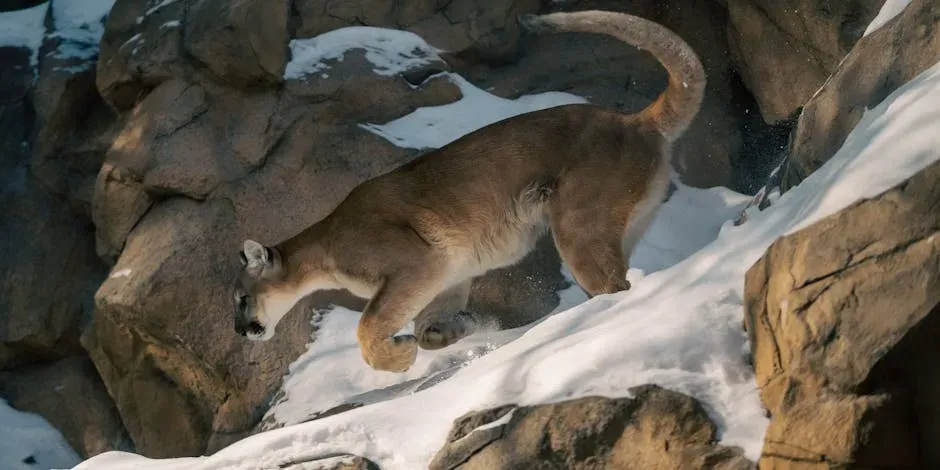
When it comes to mountain lion territory, no state comes close to matching Colorado. It is the state with the highest known population of mountain lions, with roughly seven thousand scattered across the state, mostly in areas with rocky and mountainous habitats. The geography here almost seems purpose-built for these animals, offering dense cover, rugged ridgelines, and an extraordinary abundance of prey.
Mountain lions love to hunt and hide in dense forests, and the trees in Colorado are home to some of the densest populations of elk – which translates directly into a reliable and plentiful food source. There is no evidence to suggest statewide lion or bobcat populations are decreasing under current sustainable management, which speaks to how well the state has balanced conservation with regulated hunting. Colorado is, by almost every measure, the single most important state for mountain lion populations in the entire country.
2. California: Protected, Thriving, and Expanding
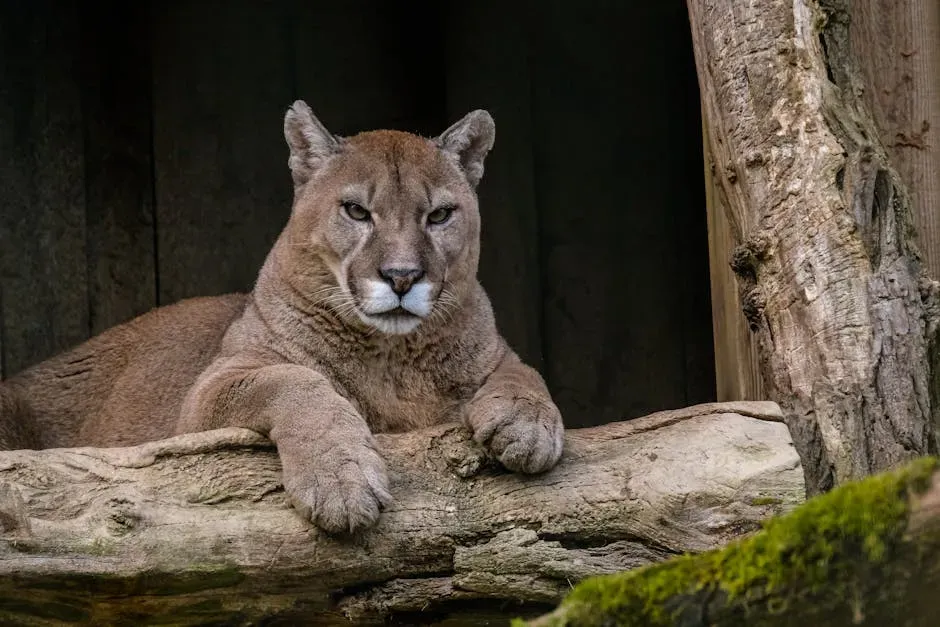
California’s mountain lion story is largely one of deliberate protection paying off over decades. The large, undeveloped interior filled with rocky habitats perfect for mountain lions allows them to safely live and breed, and California banned the hunting of cougars back in 1972, encouraging population growth. That decision, made more than fifty years ago, set the stage for one of the healthiest cougar populations in the western United States.
California is home to one of the largest populations, with estimates between 4,000 and 6,000 mountain lions. The 2020 wildfires that ravaged California also affected mountain lion populations, killing an estimated 300 to 600 of them, a reminder that even protected populations face serious environmental pressures. Still, California’s commitment to wildlife corridors and habitat preservation keeps these numbers relatively strong despite growing urban pressure from all sides.
3. Texas: Vast Territory, Unknown Numbers
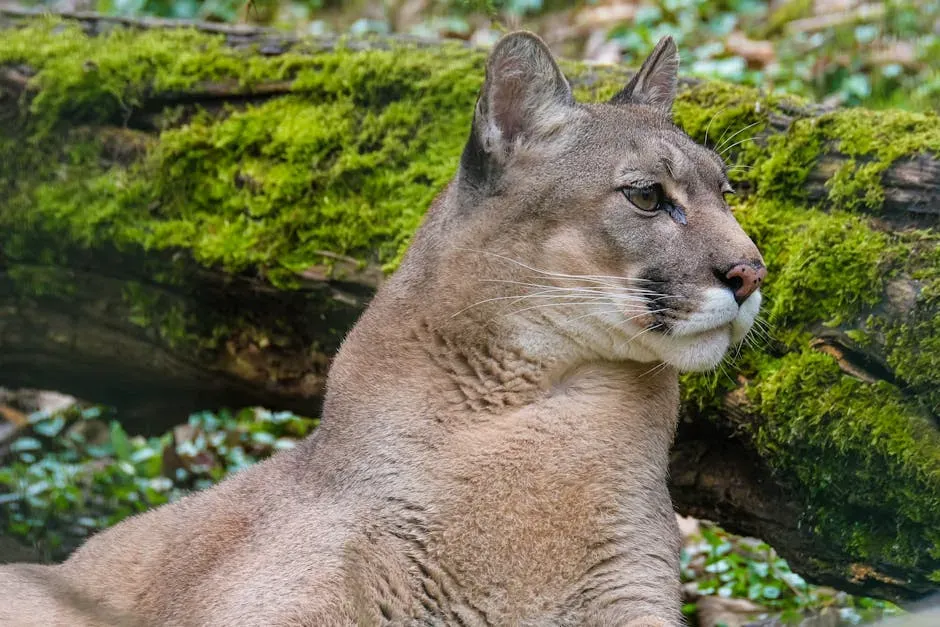
Texas presents a genuinely fascinating puzzle in the world of wildlife management. Texas holds the most diverse population of mountain lions and is also the most plentiful, though it is difficult to estimate just how many mountain lions reside in this state, as large packs are difficult to find. The sheer scale of the land makes accurate counting nearly impossible, and Texas has no formal state-managed protection for mountain lions, meaning they can be hunted year-round with no bag limit on private land.
Mountain lions are most abundant in the Trans-Pecos region of the state, where there are roughly 50,000 to 80,000 acres of suitable land for the mountain lions to call home. Texas definitely has mountain lions, however just how many is unknown. The habitat of the state could support more than 6,000, but it is believed the current population is much lower than that. Texas is a state where the potential is massive but the reality is complicated by politics, land ownership, and a lack of centralized wildlife oversight.
4. Montana: A Comeback Story Still Being Written
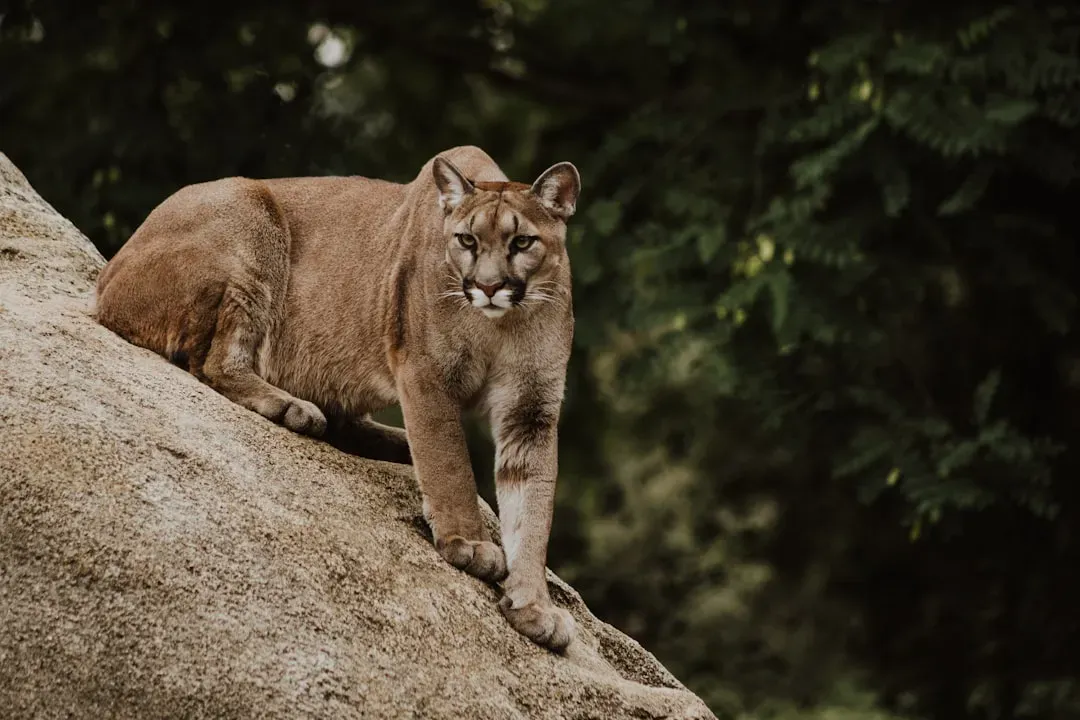
After an unfortunate past of overhunting, Montana’s mountain lion population has made a comeback. Starting in 1879 and lasting many decades, bounties were paid for killing mountain lions in Montana, severely impacting the population. In 1971 they were classified as game animals, and hunting could therefore be controlled by the state. This, plus increasing numbers of deer and elk, allowed the lion population to slowly recover.
Montana’s mountain lions are found all over the state. The state Fish, Wildlife, and Parks Department estimates that more than half the state is suitable mountain lion habitat, mostly in the western and central regions. The Mountain Lion Foundation estimates a population of around 2,409 in Montana, while the Montana Field Guide cites sightings of over 4,000. The gap between those two figures reflects just how challenging it is to count an animal that prefers vast, remote wilderness and actively avoids human contact.
5. Oregon: Quiet Forests, Dense Populations
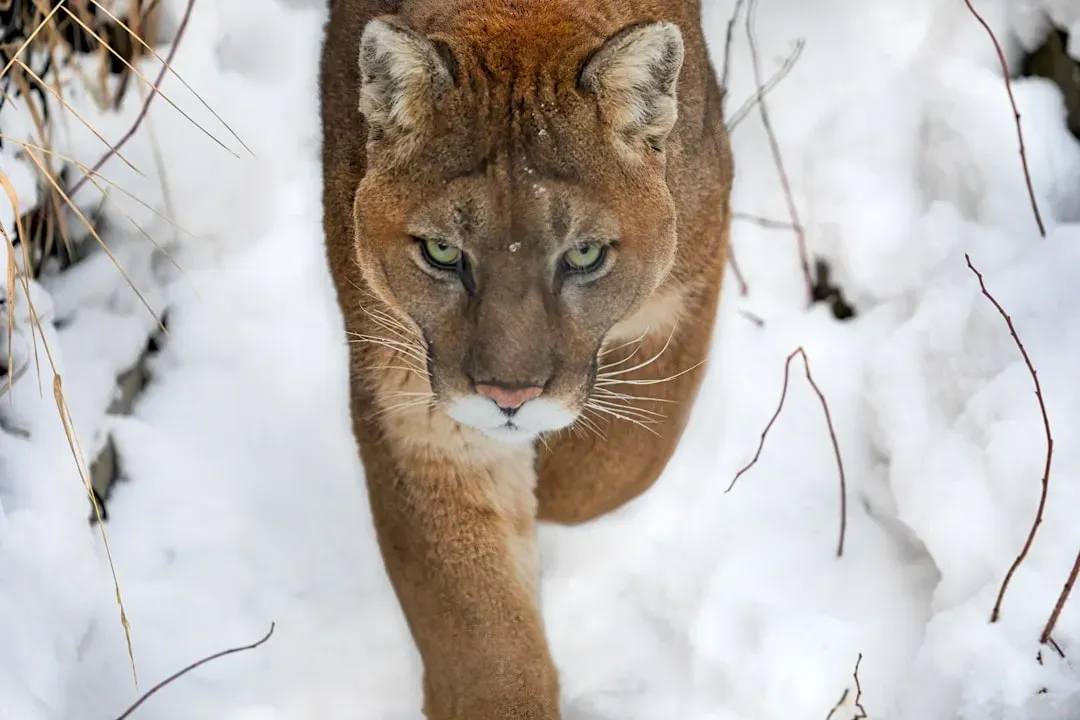
Oregon doesn’t always make the headlines in wildlife conversations, but it deserves far more attention than it gets in this context. Isolated forests and mountains are plentiful within the state, making it a prime habitat for migration and breeding. Most of Oregon’s population tends to stick closer to its cities, towns, and metropolitan areas, so mountain lions are often left to their own devices and enjoy a human-free environment.
Between 2,500 and 6,000 mountain lions are estimated to be in this state, and there are controlled hunting laws available during appropriate seasons. That’s a remarkably wide range for an official estimate, which underlines a broader truth about these animals: it is difficult to count specific numbers of mountain lions because these cats are mobile and solitary. Some stay and breed in certain areas, but others travel long distances to find their prey. They’re also secretive, nocturnal, and excellent at avoiding humans. Oregon’s mountain lions are, in many ways, perfectly at home in a state that still has enormous tracts of genuinely wild land.
6. Arizona and Nevada: Desert Strongholds
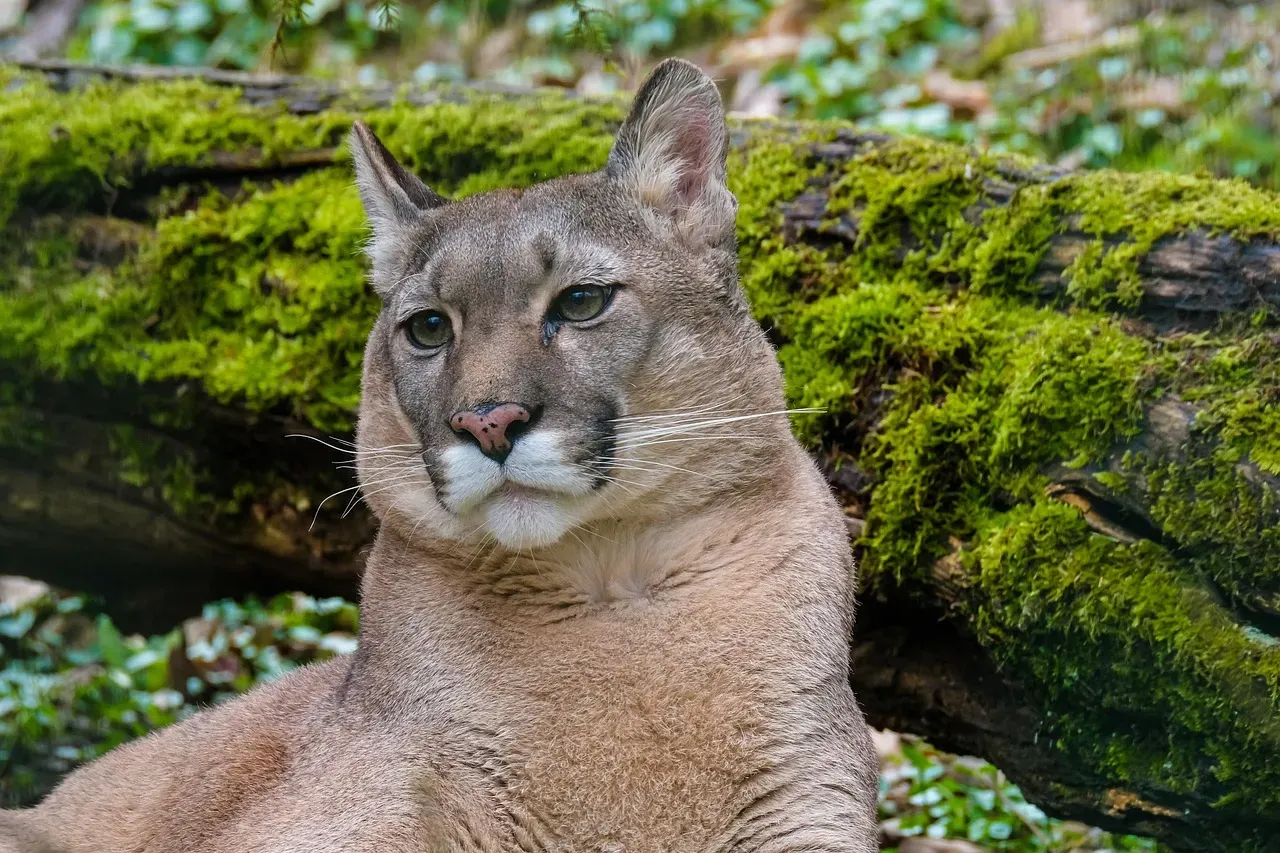
Arizona and Nevada are often underestimated as mountain lion habitat, but both states support healthy and growing populations. Arizona has one of the largest mountain lion populations in the United States, with an estimated 2,000 to 3,000 mountain lions that thrive in its diverse rocky habitats. From the Grand Canyon’s rugged rims to the dense vegetation of the Sonoran Desert, mountain lions have established territories throughout the state. The variety of terrain is actually one of Arizona’s greatest strengths as mountain lion country.
Nevada tells a similarly compelling story. It is thought that mountain lions were once relatively rare in Nevada, but as the populations of deer grew in the 1930s and 40s, so did the cougars. As Nevada’s apex predator, the mountain lion enjoys a healthy, stable population in the state. These big cats are present in all of Nevada’s mountain areas and are protected by state law. They control rodent and deer populations and are considered keystones of their ecosystems. In both Arizona and Nevada, mountain lions fill an ecological role that few other predators can.
7. The Emerging States: Where Mountain Lions Are Returning
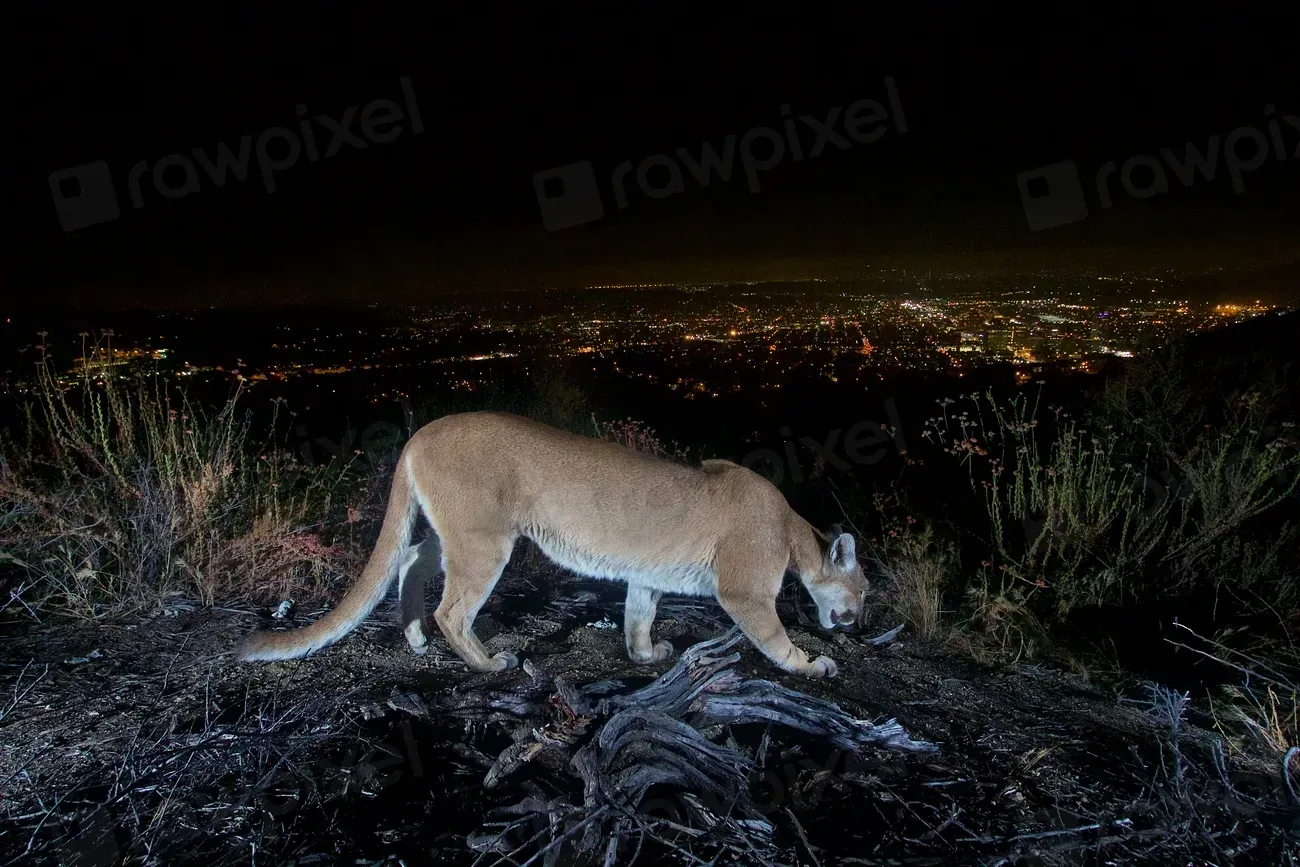
Perhaps the most quietly dramatic development in the story of mountain lions in America is the gradual return of these cats to states where they had been completely wiped out. Mountain lions have been more prevalent in the west in the last 100 years, and many of the pockets of breeding populations east of the Mississippi River have been wiped out over the decades due to habitat loss and hunting. Having said that, through conservation efforts these big cats are making a comeback in many areas, with their ranges and populations growing.
The reintroduction of mountain lions into South Dakota is one of the great wins of modern conservation. After a small population was reintroduced into their historic land, their population has grown to a stable and breeding group of between 200 and 300 individuals. Arkansas isn’t somewhere most people would think of when looking for mountain lions, but they are on the rebound. There is a small breeding population in the state, despite being killed off in the 1920s. This is significant news for conservationists around the country and a sign that cougars may be heading east once again. These emerging populations signal that the mountain lion, given even a modest chance, will find its way back to the landscapes it once ruled.
Conclusion: America Still Has Room for Its Wildest Cat
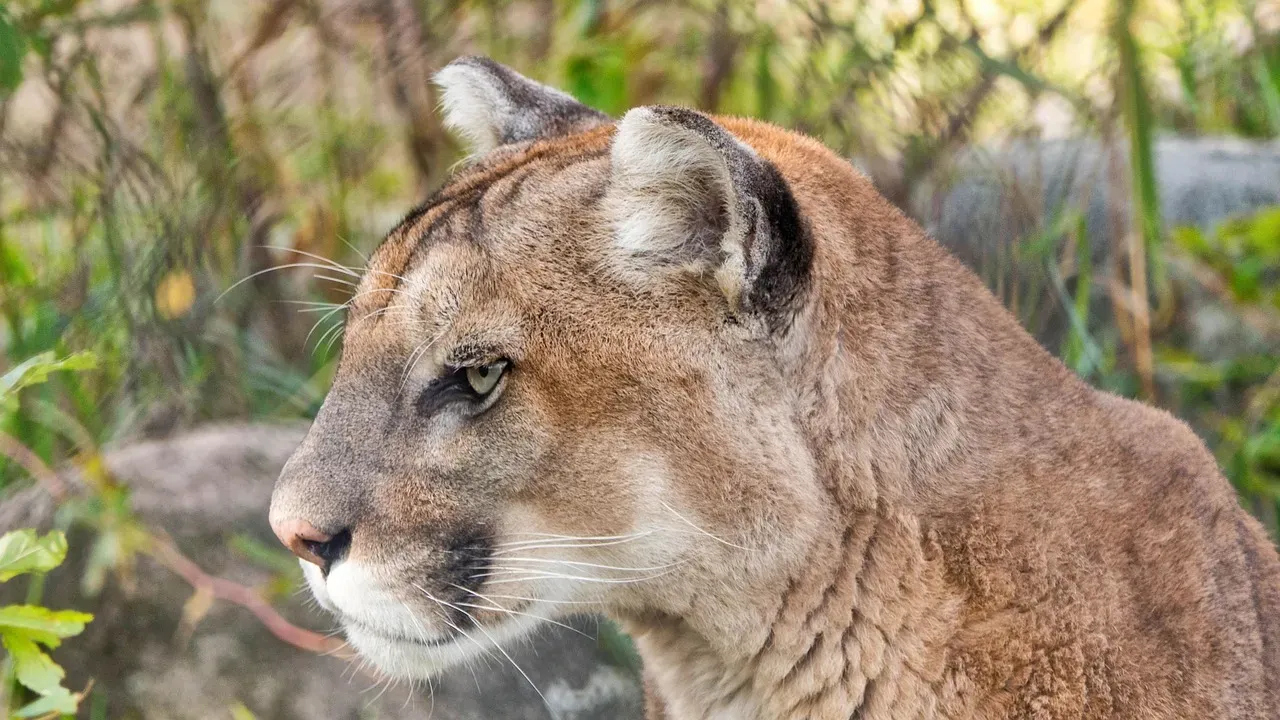
The mountain lion’s distribution across the US is, in many ways, a mirror of how seriously each state takes its wild places. Colorado earned its top ranking through terrain, prey abundance, and decades of careful management. California earned its position through legislative protection taken at a time when it wasn’t universally popular. Texas sits on enormous potential that remains largely unrealized because of political indifference to one of its most impressive native predators.
What strikes me most about this picture is not which state has , but that these animals are quietly expanding their range despite every pressure we’ve placed on wild land. They are remarkably adaptable, deeply patient, and fundamentally uninterested in our categories and borders. Although their population has been reduced because of being killed off or having habitats destroyed in certain areas, there is evidence that their population is growing, and they may be inhabiting states that they have been driven out of for centuries. The mountain lion doesn’t need us to admire it. It just needs enough space to disappear into – and in the right states, it still has that.
