
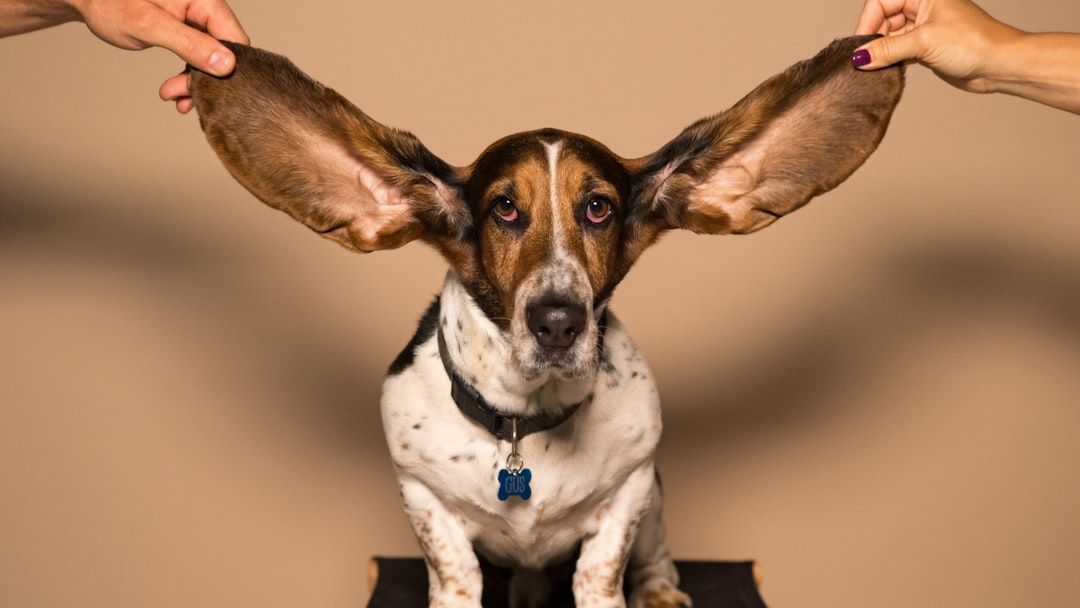
Most dog owners are convinced they can read their dog. They’ll swear their pet looks guilty after chewing a shoe, or that a wagging tail is a rock-solid guarantee of a good mood. The truth is considerably more interesting, and a little humbling. Researchers at a New York college tricked owners into thinking innocent pets had misbehaved, with the owners still claiming to see a guilty look. The study found that the expression had no relation to the dog’s actual behavior.
Dogs don’t use words, but they’re constantly communicating with their bodies. The challenge is that humans often misread these signals, or focus on just one cue, like a wagging tail, instead of the whole picture. Once you start reading the full picture, you’ll realize your dog has been talking to you all along. You’ve just been listening to the wrong channel.
#1: The Tail Tells a Lot More Than You Think
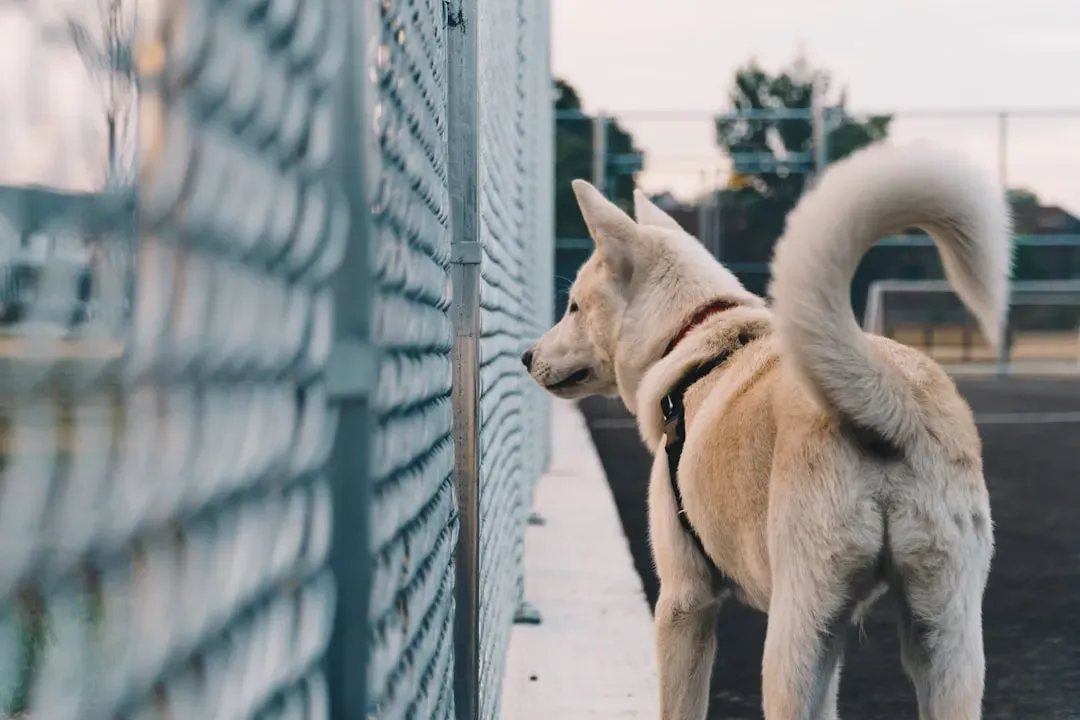
The wagging tail is arguably the most misread signal in the canine world. A wagging tail doesn’t always mean a happy dog. Context is key to interpreting canine emotions. That might sound counterintuitive, but the tail is closer to a mood dial than a simple on/off switch.
It’s a common misconception that tail wagging always means happiness. The truth is more nuanced. Tail speed, direction, and rigidity all offer important clues. A slow, wide sweep that moves the whole rear end is generally a positive sign. A stiff, tight, high wag is something else entirely.
A tucked or low, fast-wagging tail can mean “I am scared or unsure,” while a high, stiff wag can mean “I am agitated or aroused.” If the dog’s body is stiff with their body positioned forward and ears up or forward, proceed with caution. Breed also matters here. Curled tails, such as those of Huskies and Akitas, naturally sit high and don’t always signal dominance. Feathered tails, like those of Retrievers, tend to wag in long sweeping motions. Docked tails, as seen in Boxers, limit tail communication significantly, so watching body and facial cues becomes even more important.
#2: Ears Are One of the Most Expressive Features on a Dog
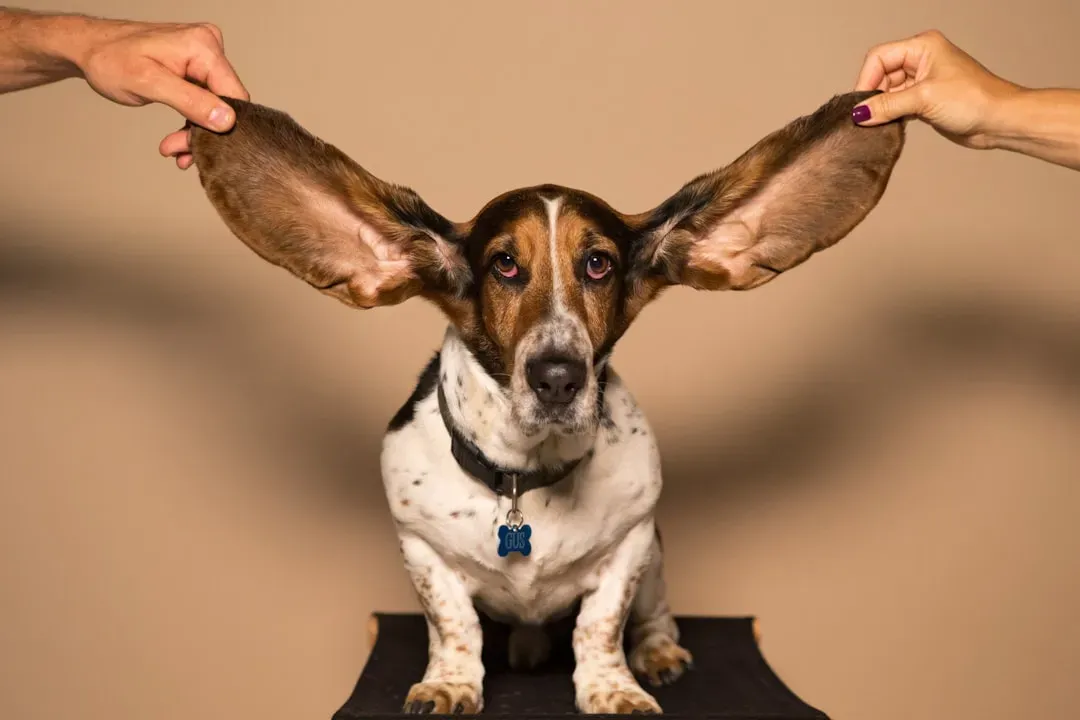
Something as simple as the position of your dog’s ears can tell you if your pup is feeling excited, scared, or stressed. Ears are, in many ways, the most honest communicators on a dog’s face. They move quickly, they’re hard to fake, and they respond in real time to whatever a dog is processing emotionally.
A dog with their ears positioned forward is probably feeling alert and focused. Dogs may move their ears forward in response to the crinkle of a treat bag opening or the squeaky sound of a favorite toy. The flip side is just as telling. A dog with a loose posture and ears pulled slightly back might be curious or interested in their surroundings. On the other hand, a dog with a tense posture and ears pinned straight back is probably feeling extremely scared.
If a dog’s ears are gently pulled back, accompanied by a happy tail wag, it means they’re feeling friendly and up for some affection. If their ears are flat and pinned back or to the sides, the dog is signaling fearful body language. Depending on the overall body language, it might be a submissive gesture or a precursor to an attack. There’s a meaningful difference between those two scenarios, which is why ear position should never be read alone.
#3: The Eyes Reveal Emotional States Most Owners Miss

According to veterinary behaviorists, many pet parents don’t realize how important it is to observe their dog’s eyes to determine their emotional state. The eyes carry nuance that other signals sometimes obscure. Soft eyes, hard eyes, averted gaze – these distinctions matter, especially in tense moments.
Soft eye contact, characterized by relaxed eyelids and accompanied by loose body language, tells us our dogs are friendly and comfortable in their surroundings. “Whale eye” is a term used to depict when the white of a dog’s eyes (the sclera) is showing, which typically signals anxiety or discomfort. You’ll often see it when a dog is resource-guarding or being handled in a way they don’t enjoy.
Stressed dogs often avoid eye contact or look at the trigger, then quickly look away. A distressed dog might perform exaggerated yawns, sneeze, or lick their lips frequently. These are subtle displacement behaviors, and most people walk right past them without a second thought. There’s also something genuinely warm on the other end of the spectrum. Research found that when dogs make eye contact with their pet parents, they release oxytocin, also known as the “love hormone.”
#4: Posture and Weight Distribution Speak Volumes

A dog’s weight distribution can reveal a lot about their mood and intentions. A cowering dog hunched low to the ground is a sign of fear or stress. The dog may be trying to get away from something, and the posture makes the dog appear smaller, essentially saying “I mean no harm.” Contrast that with a dog leaning forward onto its front feet, looking intensely at something ahead. That’s a very different conversation.
A dog with their weight shifted forward is trying to get closer to something. This might simply indicate the dog’s interest. However, it could also indicate offensive intentions, particularly when paired with other aggressive body language cues like a twitching tail held high. The play bow breaks both of these patterns in a clear, almost joyful way. The play bow is when dogs place their chest on the ground with their rump in the air, and it’s used to initiate play with other dogs and even with people.
Relaxed body language typically presents with a loose and wiggly posture. The weight is distributed evenly, and the dog moves around smoothly. You’ll often notice soft muscles through the neck, shoulders, and back, plus easy turns and a normal pace that doesn’t look rushed or stuck. Think of it as the canine equivalent of someone sitting comfortably in their own living room.
#5: Reading the Whole Dog, Not Just One Signal
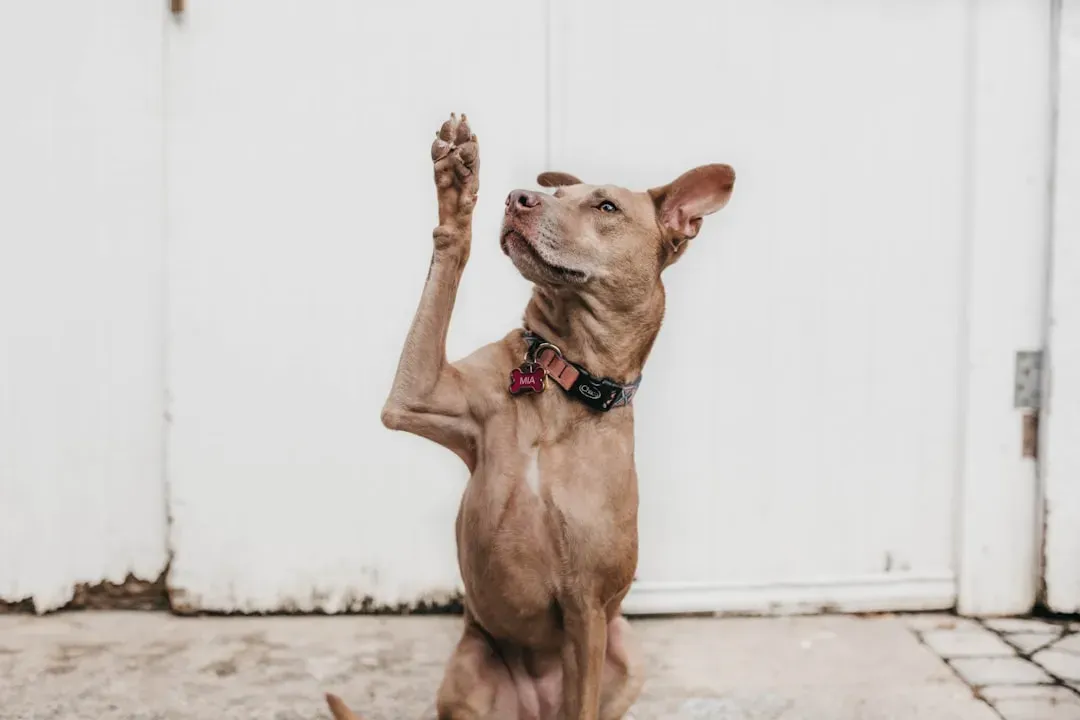
It’s important to look at all aspects of a dog’s body because just one component of body language can mean different things. For instance, tail wagging can mean a dog is nervous, happy, and more. Because each dog is an individual and will express how they’re feeling differently, it’s important to spend time observing your dog’s postures and reactions. This is really the central lesson, and it’s one that takes consistent practice to develop.
Context matters enormously when interpreting what your dog is trying to communicate. To accurately read your dog’s communication, you must view their behavior as a sequence rather than isolated moments. When your dog encounters a perceived threat, they typically follow a predictable pattern. Catching the early signals in that sequence is what separates a calm resolution from an avoidable escalation. Stress and fear signals often appear before growling or biting. Recognizing early signs of discomfort can prevent escalation.
Being familiar with your dog’s behavior and appearance when they are completely relaxed is essential. Understanding their resting posture, vitality, and expressions will enable you to promptly notice alterations in their emotions. Your dog has a baseline. Learn that baseline well, and deviations from it become much easier to spot and respond to in time.
A Closing Thought on Learning This Language

Reading dog body language isn’t a skill you pick up in an afternoon. It rewards patience, observation, and a genuine willingness to stop projecting human emotions onto an animal that communicates in a fundamentally different way. The guilty look probably isn’t guilt. The wagging tail isn’t always joy. Once you accept that, the real relationship can begin.
There’s something quietly profound about getting this right. Understanding your dog’s emotional state can help you be a better pet parent. If you know your pup is feeling worried, you can step in and help remove them from a nerve-wracking situation or calm their fears. That kind of attentiveness builds something real between a dog and their owner, not based on assumption, but on actual understanding.
Honestly, the dogs have had us figured out for a long time. It’s about time we return the favor.

- 8 Reasons Cedar Waxwings Pass Berries From Beak to Beak - July 26, 2026
- 8 Backyard Trees That Owls Prefer After Sunset - July 26, 2026
- 9 Things Chickadees Remember About Reliable Backyard Feeders - July 26, 2026