

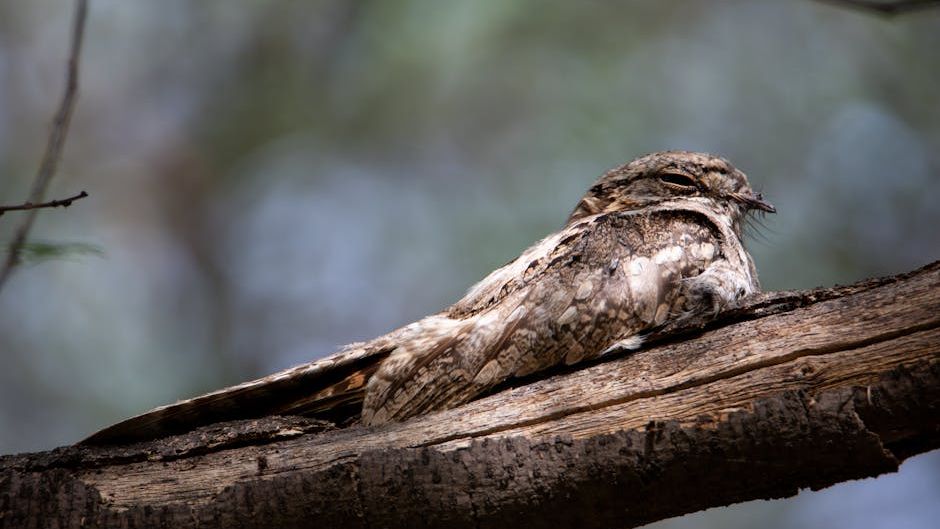
Northern Argentina – Researchers have documented a courtship behavior in scissor-tailed nightjars that relies on sound rather than sight or song. In the moonlit forests and shrublands of the region, these birds produce sharp clapping noises by snapping their wrists together while in flight. The observation marks the first detailed record of a display that has long puzzled observers and adds a new dimension to how scientists understand avian mating signals.
A Sonic Alternative to Traditional Displays
Many bird species attract partners through song, elaborate dances, or bright plumage. Nightjars, however, operate in low-light conditions where visual cues lose effectiveness. Instead, they generate an audible signal that travels clearly through the night air. This wrist-clap method stands out because it requires precise timing and coordination during rapid flight maneuvers.
The sound itself is brief yet distinctive, resembling a sharp snap that echoes across open areas. Observers have noted the behavior for decades, yet its exact mechanics remained unclear until recent fieldwork. The display appears tied directly to mating efforts, occurring most often when males seek to draw female attention in the dark.
First Detailed Capture of the Display
Scientists succeeded in recording the full sequence of movements that produce the clap. High-speed observations revealed how the birds bring their wings together at the wrists, creating the acoustic effect without relying on feathers or vocal cords. The data confirm that the sound originates from the physical contact rather than air displacement alone.
This level of documentation allows researchers to compare the nightjar’s method with other non-vocal sounds in the bird world. Earlier accounts described the noise but lacked the precision now available. The new records also highlight how the behavior fits into the species’ nocturnal lifestyle, where darkness limits other forms of communication.
What the Discovery Means for Avian Research
The finding broadens the catalog of known courtship strategies and shows that sound can serve as a primary signal even among species not traditionally viewed as vocal. It also raises questions about how such behaviors evolved in environments with limited visibility. Further study may clarify whether similar wrist-clap displays exist in related nightjar species elsewhere.
Conservation efforts could benefit from this knowledge, as understanding specific mating rituals helps identify critical habitats that support successful reproduction. The behavior’s dependence on open, moonlit spaces underscores the need to protect those landscapes from disturbance.
What matters now: Continued monitoring will determine how widespread the wrist-clap display is and whether environmental changes affect its success. The current records provide a baseline for tracking any shifts in the behavior over time.
The discovery reminds researchers that even familiar landscapes can hold overlooked forms of animal communication. As fieldwork continues, nightjars may reveal still more about the ways birds connect when light is scarce.

- 15 of the Most Beautiful Towns in the World - July 26, 2026
- 15 Dog Gadgets Every Smart Pet Owner Will Own by the End of 2025 - July 26, 2026
- The Most Compatible Dog Breeds for Every Zodiac Sign - July 26, 2026