
Most people cross the street at even the faintest whiff of one nearby. Skunks have earned a reputation that precedes them by about a mile – sometimes literally. Yet despite all that notoriety, the actual creature behind the smell is far more fascinating, and considerably stranger, than the cartoon caricature most of us carry around.
Skunks are ancient, chemically sophisticated, behaviorally complex animals that have been misunderstood for generations. Peel back the stink and you’ll find a creature with a truly remarkable story. Here are eleven facts that might genuinely catch you off guard.
#1: Their Stripes Are a Deliberate Arrow Pointing at Their Weapon
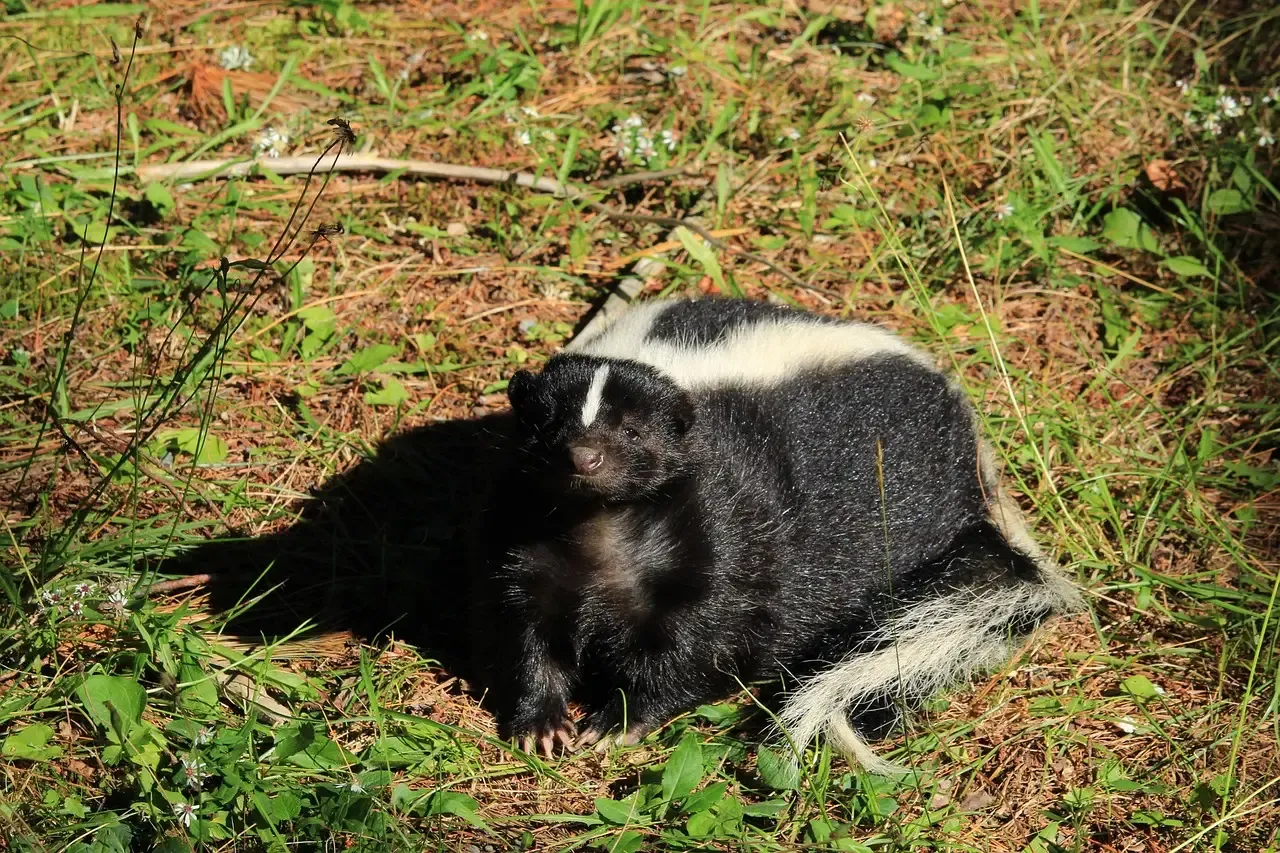
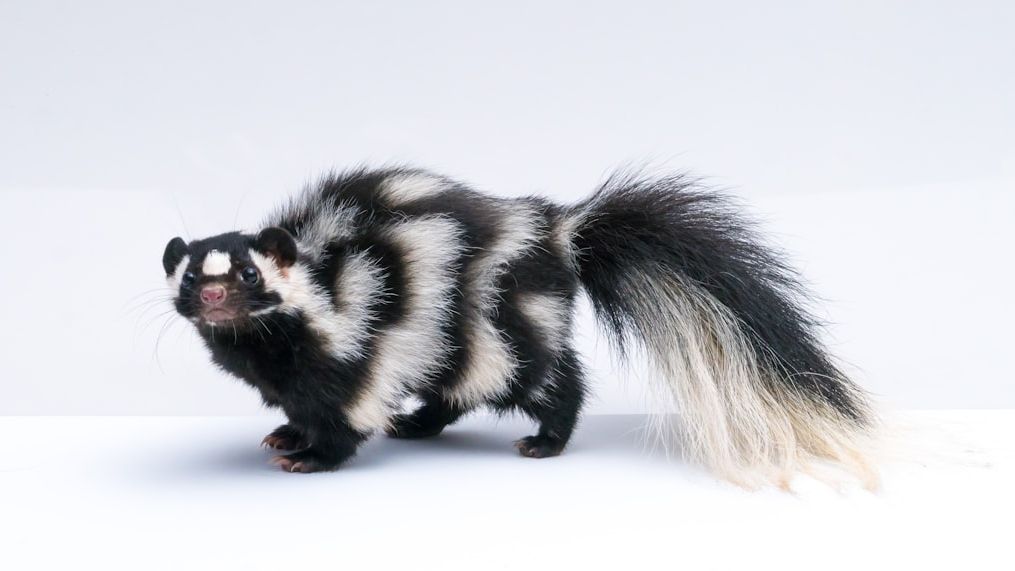
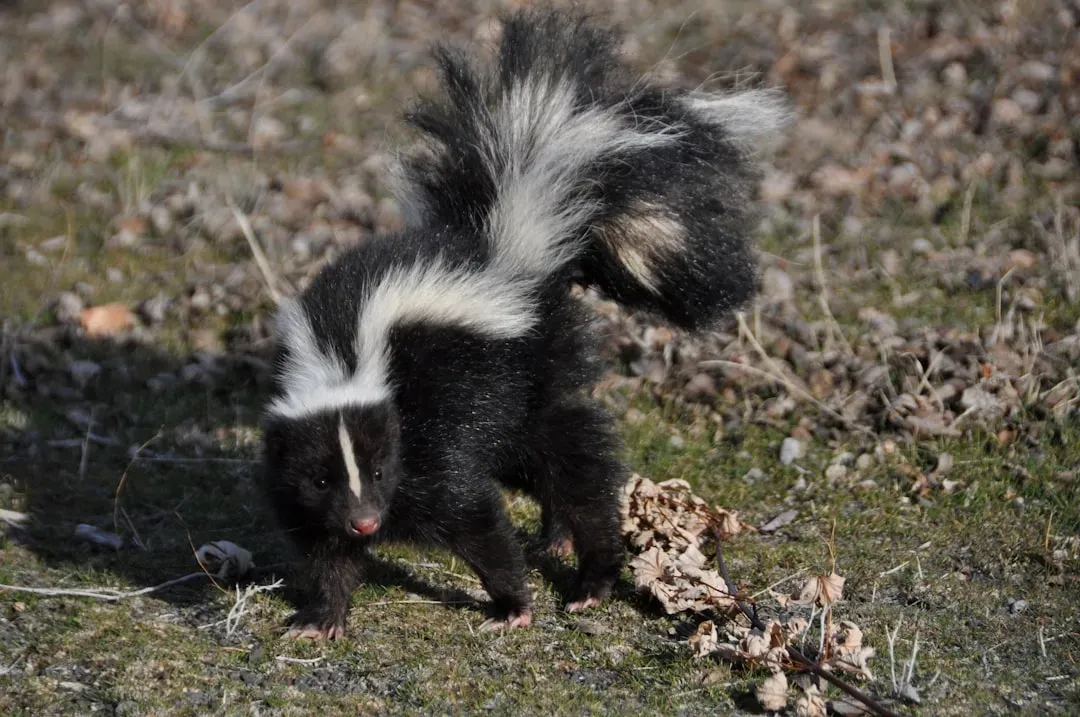
It’s not a coincidence that a skunk’s markings draw your eyes straight to the back end of the animal. The bold black and white pattern is essentially a pointing system – a 2011 study found that animal species that choose fight over flight when faced with a predator often have markings that draw attention to their best weapon. Skunks are a textbook example of this strategy in action.
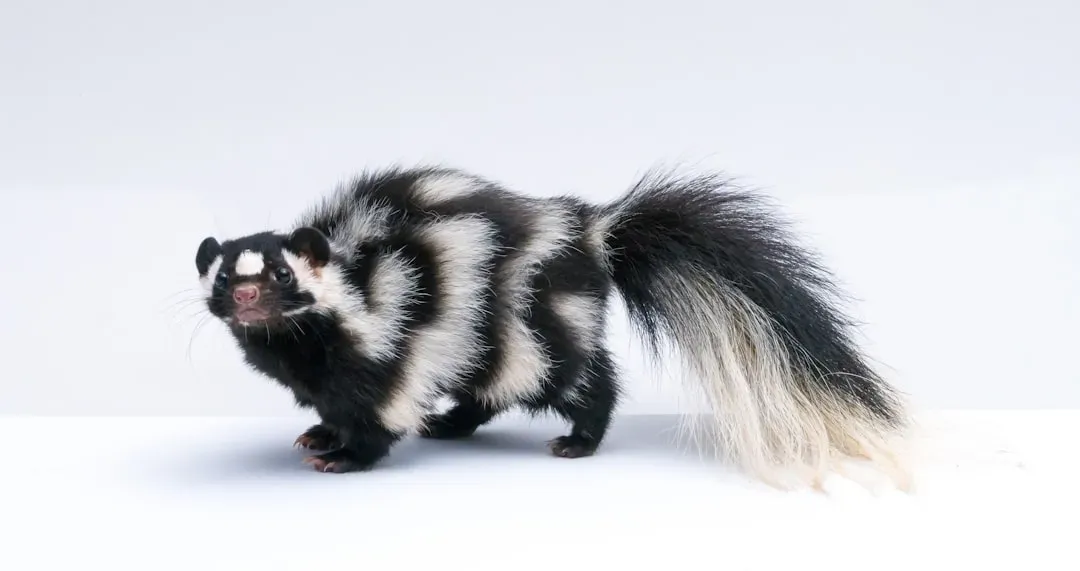
Some skunks are striped, and some are spotted or have swirl patterns on their fur. No matter the pattern, the black-and-white coloring is a warning sign to anyone who may harm this small creature. It’s essentially a billboard that says: you’ve been warned. Most predators that have encountered a skunk before don’t need to read it twice.
#2: The Spray Is a Precisely Engineered Chemical Weapon
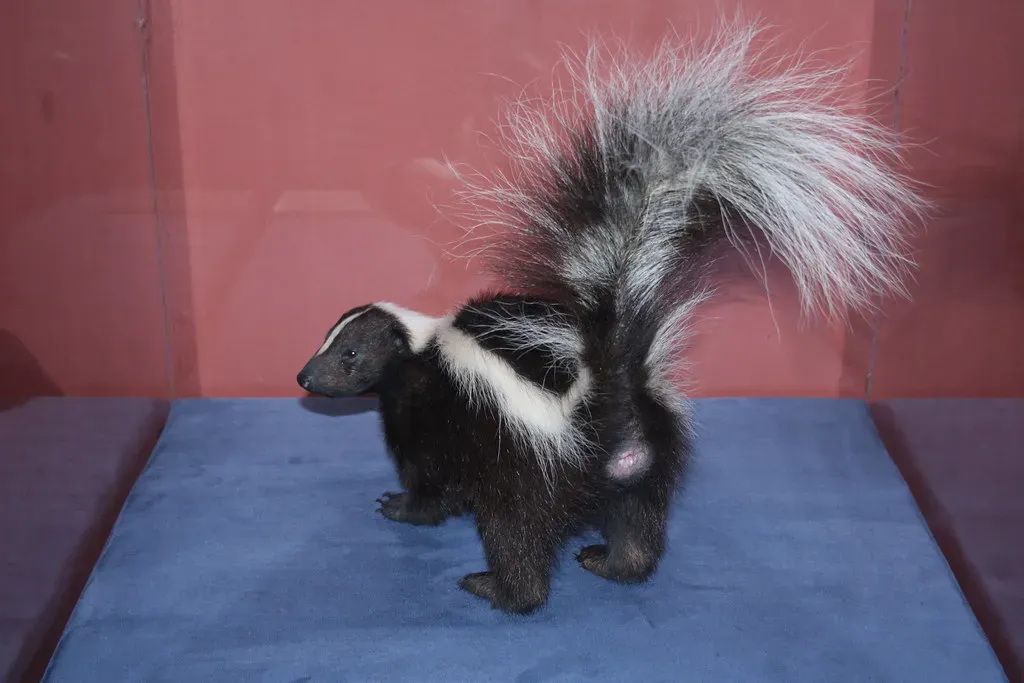
The intense smell of skunk spray originates from sulfur-containing organic compounds known as thiols, also called mercaptans. These molecules are volatile organic compounds that easily vaporize and travel through the air. That’s why you can smell one from so far away without ever seeing the animal itself.
Skunk spray is composed mainly of three low-molecular-weight thiol compounds, as well as acetate thioesters of these. These compounds are detectable by the human nose at concentrations of only 11.3 parts per billion. That is an almost inconceivably small amount. The spray isn’t just strong – it’s engineered, through millions of years of evolution, to be detectable at the absolute minimum dose.
#3: Getting Wet Actually Makes the Smell Worse
Here’s something that seems counterintuitive. Washing a sprayed pet or piece of clothing with plain water won’t help much – it can actually intensify the odor. Thioacetates, another compound in skunk spray, react with water. When mixed with water, these compounds transform into thiols, making the smell even worse. This is why washing with plain water alone won’t work.
These thioacetate compounds don’t have a strong scent initially, but they can easily become thiols when exposed to water. That might explain why a pet that gets sprayed may start to smell skunky again after a bath. The chemistry is almost diabolically clever. The spray essentially has a delayed second wave built right in.
#4: Skunks Only Carry Enough Spray for Five or Six Uses
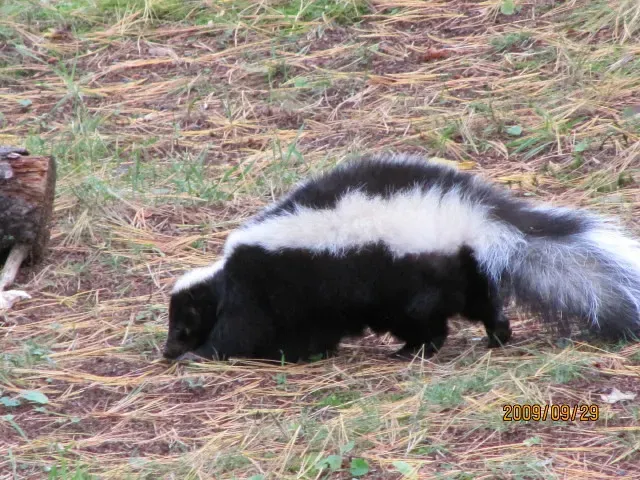
Skunks are reluctant to use this weapon, as they carry just enough of the chemical for five or six uses – about 15 cc – and require some ten days to produce another supply. That ten-day vulnerability window is a serious biological constraint, and it shapes almost everything about how a skunk behaves toward a threat.
Once a skunk releases its notorious spray, it is left vulnerable and defenseless for nearly 10 days as it refills those glands. Despite this striking defense mechanism, skunks are generally gentle and non-aggressive creatures, preferring to avoid conflict whenever possible. Knowing that, their elaborate pre-spray warning rituals make complete sense. Spraying is always a last resort, never a first instinct.
#5: They Perform an Elaborate Warning Dance Before Spraying
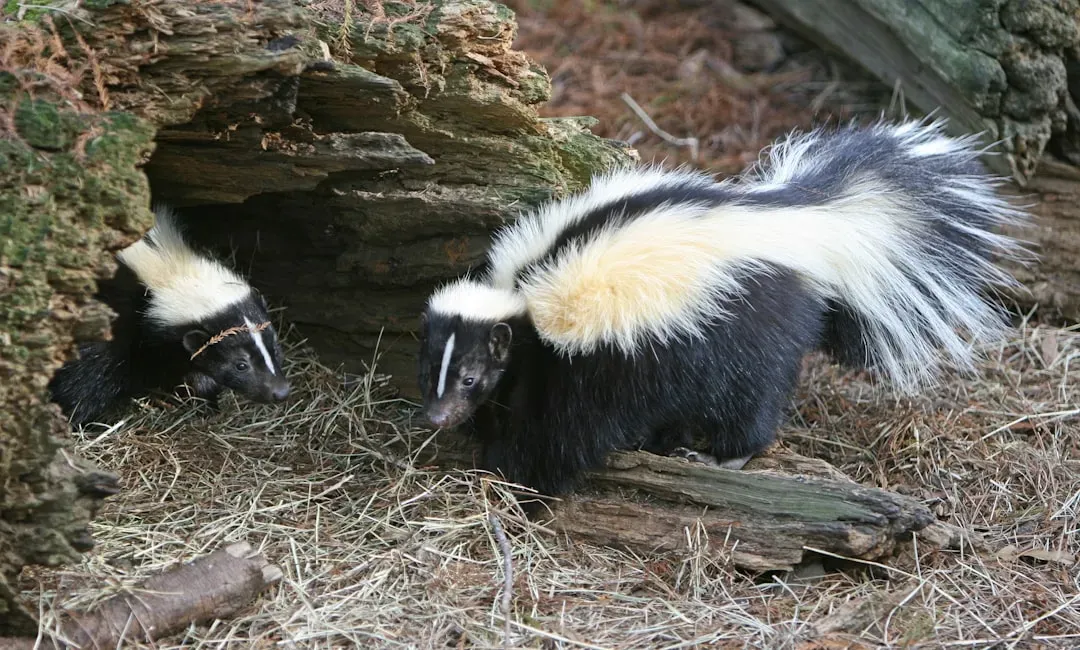
What most people don’t realize is that a skunk gives you ample opportunity to leave before it ever sprays. When stripes alone aren’t enough to deter predators, the skunk performs an elaborate dance involving stomping and hissing. Small-spotted skunks add handstands on their front paws. Skunks carefully choreograph each movement to amplify the warning, ending by slamming their tails on the ground.
The Eastern Spotted Skunk has a particularly bizarre move it pulls before resorting to its infamous spray. If its initial warnings don’t deter a threat, this little skunk will actually do an elaborate “handstand dance,” standing on its front paws, arching its back, and raising its hind legs and tail high into the air. This not only makes for a theatrical display but also helps the skunk aim its scent glands directly at the perceived danger. It’s a performance, a warning, and a targeting system all at once.
#6: Their Spray Can Be Fired as a Stream or a Mist
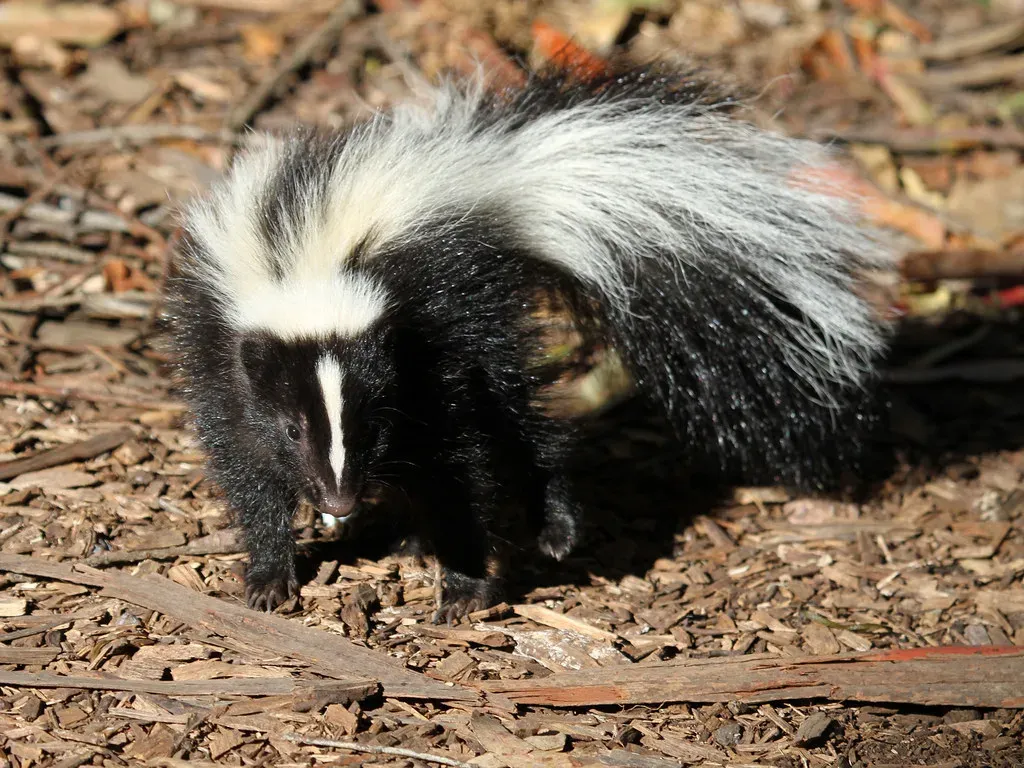
Most people imagine a skunk releasing a single cloud of odor, like a fog machine at a Halloween party. The reality is considerably more sophisticated. Skunks can fire a concentrated stream directly at a threat, or release a wider mist to cover more ground. They can even choose to spray from one or both of their scent glands and can hit a target with surprising accuracy from up to 10 to 20 feet away.
The scent glands are muscular and equipped with small, nipple-like protrusions, or papillae. The skunk can manipulate these papillae to control the direction and form of the spray, allowing it to fire the secretion with remarkable accuracy. Think of it less like a fire extinguisher and more like a precision instrument. The skunk chooses exactly how to deploy it based on the nature of the threat.
#7: Skunks Have Remarkably Poor Eyesight
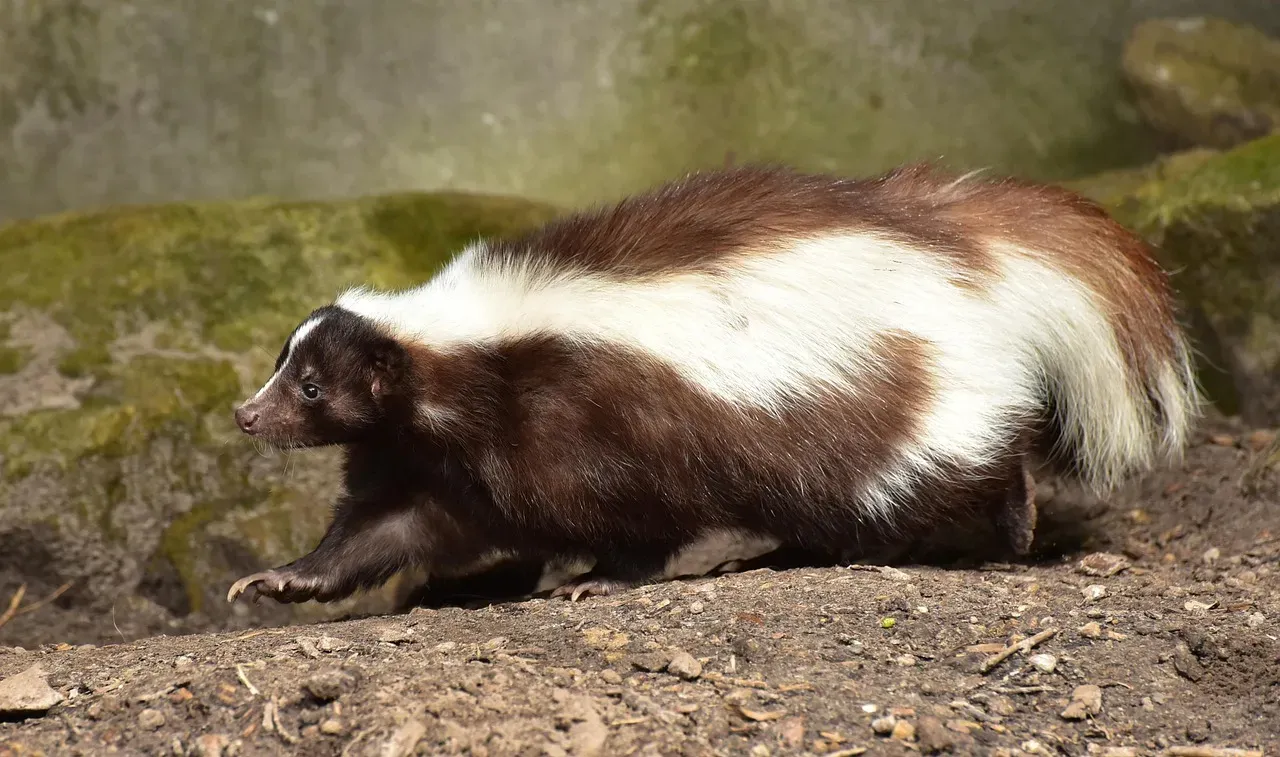
For an animal that seems so alert and aware of danger, skunks are surprisingly close to visually impaired. Skunks are nearsighted animals with weak visual depth perception. Because of this, they can only see within a relatively short distance. Their visual range is so limited that they effectively navigate the world almost entirely through smell and sound.
Due to their poor eyesight, skunks rarely rely on their eyes to forage and hunt for food. Because of their limited vision, they typically only react to movement or changes in lighting. It’s a strange contrast – an animal whose chemical precision is extraordinary, yet whose vision is barely functional beyond a few feet. Skunks primarily hunt using their keen sense of smell and hearing, which are exceptionally well developed to compensate.
#8: Some People Simply Cannot Smell Skunks at All
You might know someone who seems strangely unbothered by skunk odor. It turns out, that’s actually a real biological phenomenon and not just a high tolerance for bad smells. Specific anosmia, or insensitivity to a particular smell, is actually more common than general anosmia. One in every 1,000 people has no ability to detect skunk spray.
This isn’t the same as having a dulled sense of smell overall. A person with specific anosmia for skunk compounds could have a perfectly normal sense of smell for everything else – coffee, flowers, garlic – and yet be completely blind to one of the most potent odors in the natural world. It’s a quirk of individual olfactory receptor genetics that remains genuinely puzzling to researchers.
#9: Skunks Don’t Hibernate – They Do Something Stranger
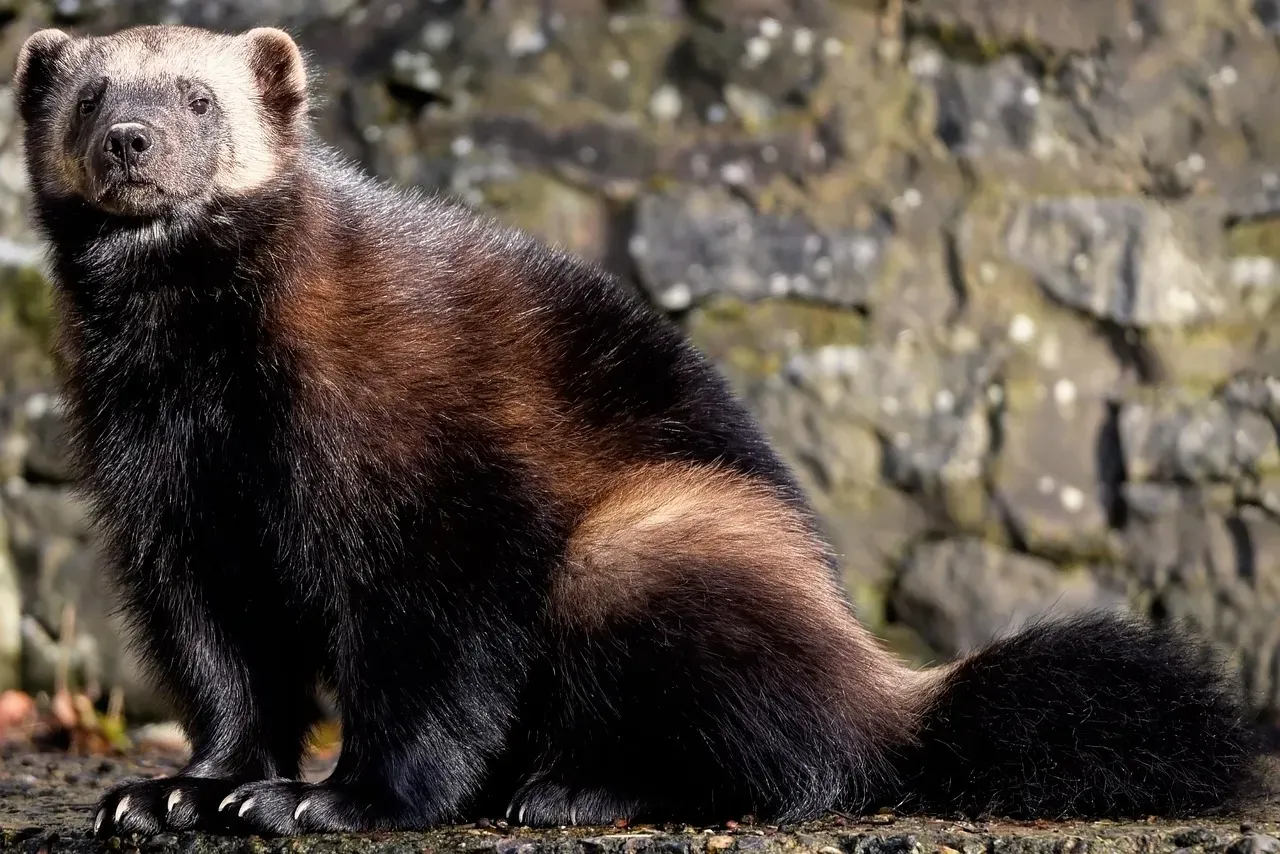
When winter arrives, skunks don’t hibernate in the way bears do. Their cold-weather behavior is something distinctly in between. Skunks do not hibernate like some other animals – instead they enter a state called torpor. Torpor conserves energy just like hibernation but lasts less than 24 hours at a time. They cycle in and out of this slowed metabolic state rather than staying under for months.
What’s even more surprising is what they do during those cold spells. During particularly cold weather, skunks will sometimes gather in communal dens, seeking the warmth and comfort of shared shelter. This social behavior is mostly limited to these chilly periods and the mating season, as skunks are primarily solitary animals. For creatures that spend most of the year actively avoiding each other, the sudden winter huddle is a striking behavioral shift.
#10: They Belong to a Family Named Entirely After Their Stench
Skunks belong to the family Mephitidae, which means “stink.” They used to be grouped with weasels, otters, badgers, and their relatives in the family Mustelidae – but unlike those animals, which have a duct that secretes scent markings, skunks spray their scent in a controllable stream from nipples in the anal gland. That anatomical difference was significant enough to warrant their own family classification entirely.
After their DNA was sequenced, scientists learned that skunks derived from a single common ancestor about 30 to 40 million years ago. Today, Mephitidae contains 10 different species of skunks, which come in different sizes and coloration, and two different species of stink badger, which are the only members of the family not native to the Americas. Thirty to forty million years is a long time to perfect a single, devastating party trick.
#11: Skunks Can Live More Than Three Times Longer in Captivity
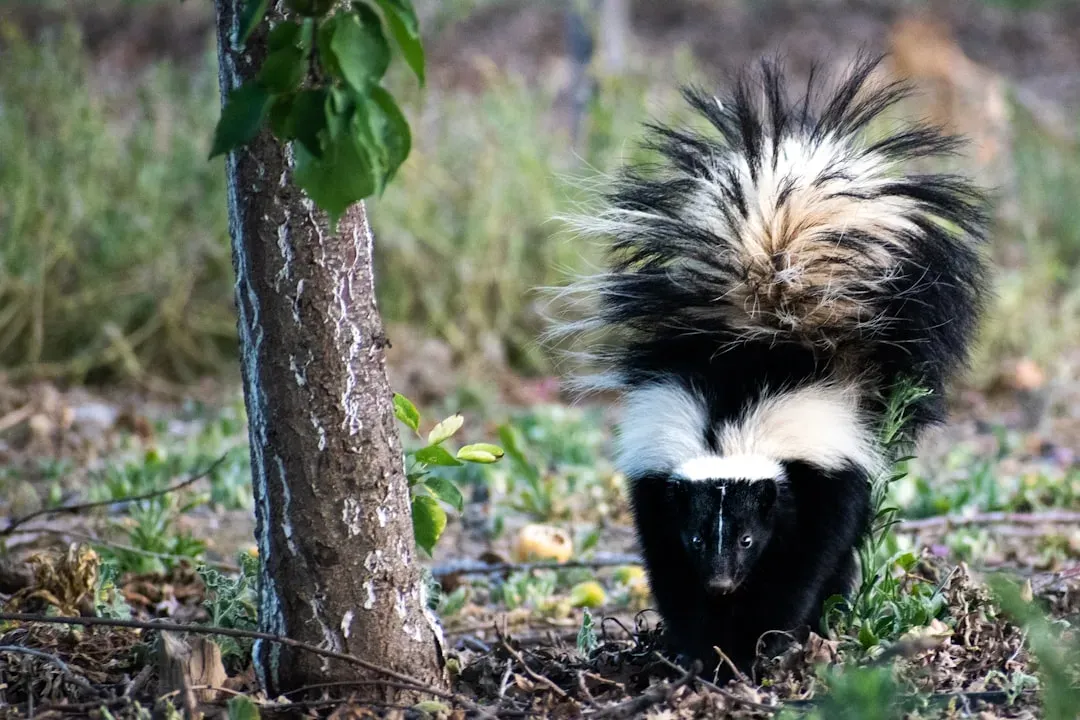
Life in the wild is genuinely brutal for skunks. In the wild, skunks have an average lifespan of two to four years, though some may live longer under favorable conditions. Predators, disease, and human-related hazards like vehicles are common threats to their survival. Their chemical defense is impressive, but it doesn’t protect them from every danger.
In captivity, though, the numbers change dramatically. Pet skunks in captivity can live anywhere from 10 to 15 years, depending on the quality of care they receive. Most pet skunks that are cared for and not free-roaming average a lifespan of 10 years or longer. Those who keep them as pets are adamant that the animal makes a great companion, and it has been shown that skunks are smart, curious, and have individual personalities just like a cat or dog. The creature so many people run from turns out to be, under the right circumstances, a genuinely sociable and long-lived companion.
A Final Thought on One of Nature’s Most Misjudged Animals
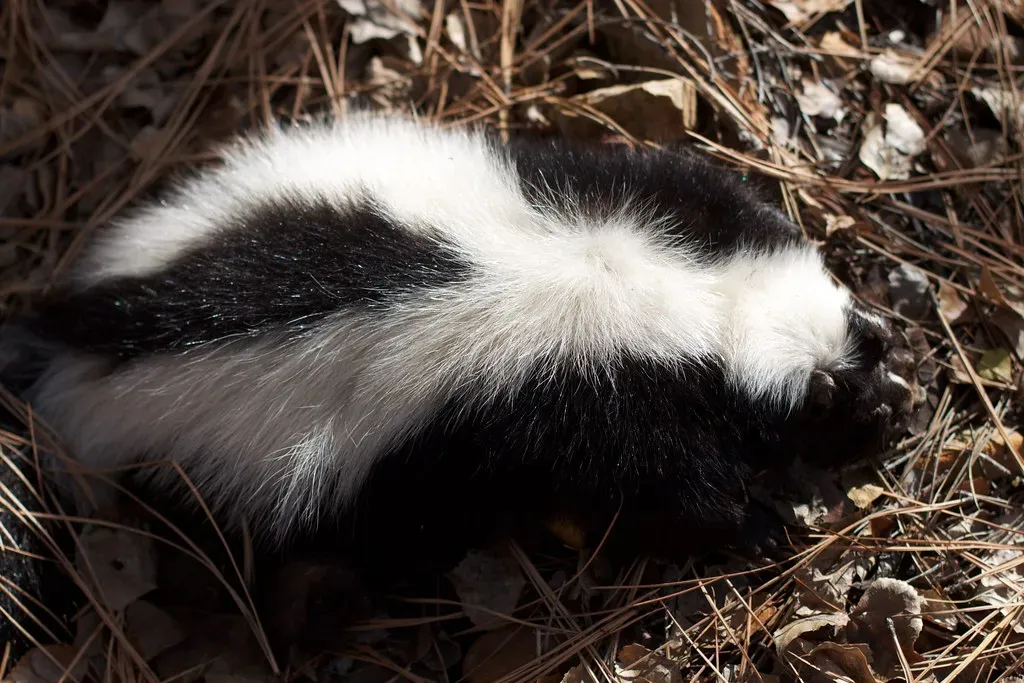
Skunks play a crucial role in their ecosystems and contribute to the balance of the environment in several ways. One of their primary functions is as pest controllers – by feeding on various insects, skunks help to keep populations of harmful pests in check, which can reduce the need for chemical pesticides in agricultural areas. They’re quietly useful neighbors that most people would prefer to never encounter.
The strange truth about skunks is that nearly everything interesting about them sits just beneath the surface of their reputation. The chemistry is more complex than a bad smell, the behavior is more nuanced than panic-and-spray, and the animal itself is older, smarter, and more socially layered than the cartoon versions suggest. Sometimes the creatures we’re quickest to dismiss are the ones most worth a second look – from a safe distance, of course.
