
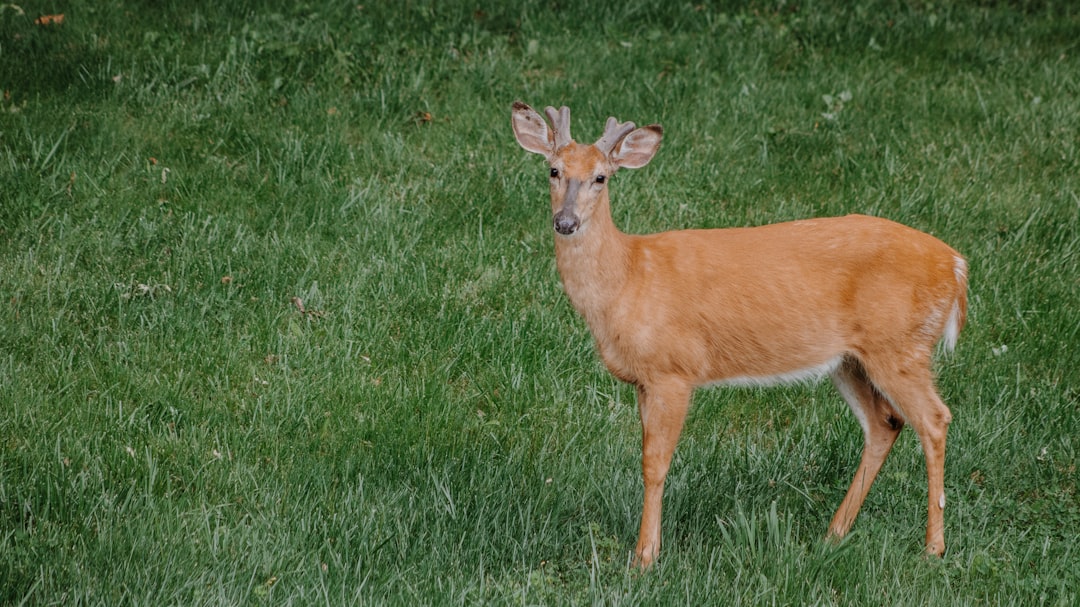
Most people think of their backyard as a safe extension of home. A place to grill, garden, or let the kids run around barefoot. What rarely crosses the mind is what else might be out there, tucked under the deck boards, coiled near the flower bed, or lurking just past the porch light.
Across the U.S., wild and dangerous creatures have been creeping into neighborhoods, turning quiet yards into unexpected wildlife encounters. Some of them are obvious when you see them. Others you won’t notice until it’s already too late. The list that follows covers ten animals that are genuinely present in North American backyards, and genuinely worth knowing about.
#1: The Black Widow Spider
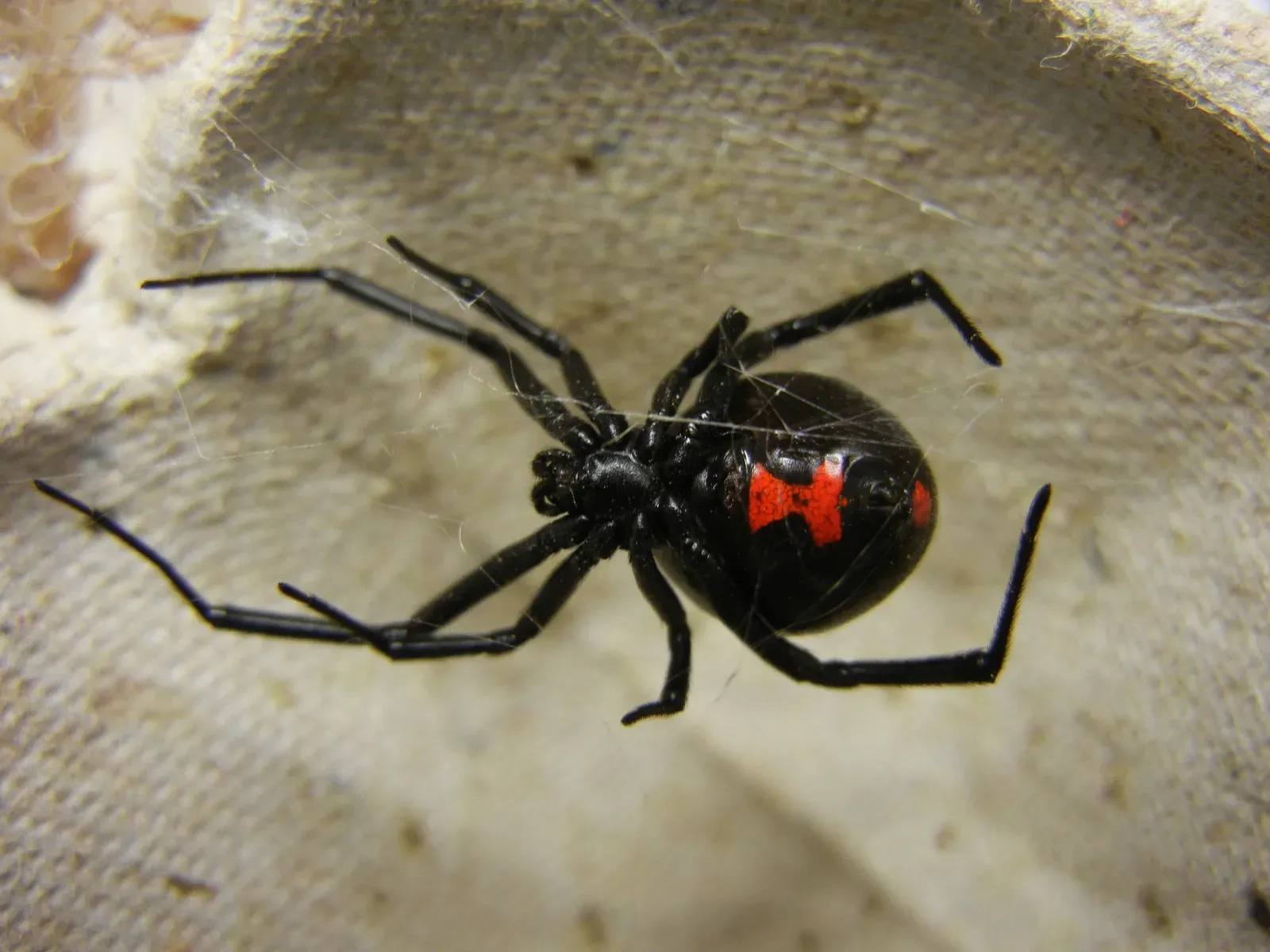
She’s small, glossy, and almost easy to miss. Black widow spiders are among the deadliest animals in America, with around 2,600 bites reported to the National Poison Data System annually. That number is hard to fully appreciate until you realize that most of those bites happen at home, in garages, under patio furniture, and near woodpiles.
The larger female spiders are deadliest, recognizable by their shiny black bodies with distinctive hourglass-shaped red markings. They live in quiet spaces like closets, basements, garages, woodpiles, and around houses under eaves, trash cans, and outdoor structures. They don’t go looking for a fight. Most bites happen when someone unknowingly makes contact with their web or reaches into a space where the spider is hiding.
The black widow spider produces a neurotoxin that can cause latrodectism, the symptoms of which include muscle pain and spasms, cramps, excess sweating, elevated heart rate, and even death. Though fatalities are rare thanks to available antivenom, the pain and complications from an untreated bite can last for days. Wearing gloves when working with wood or debris outdoors is one of the simplest ways to stay safe.
#2: The Brown Recluse Spider
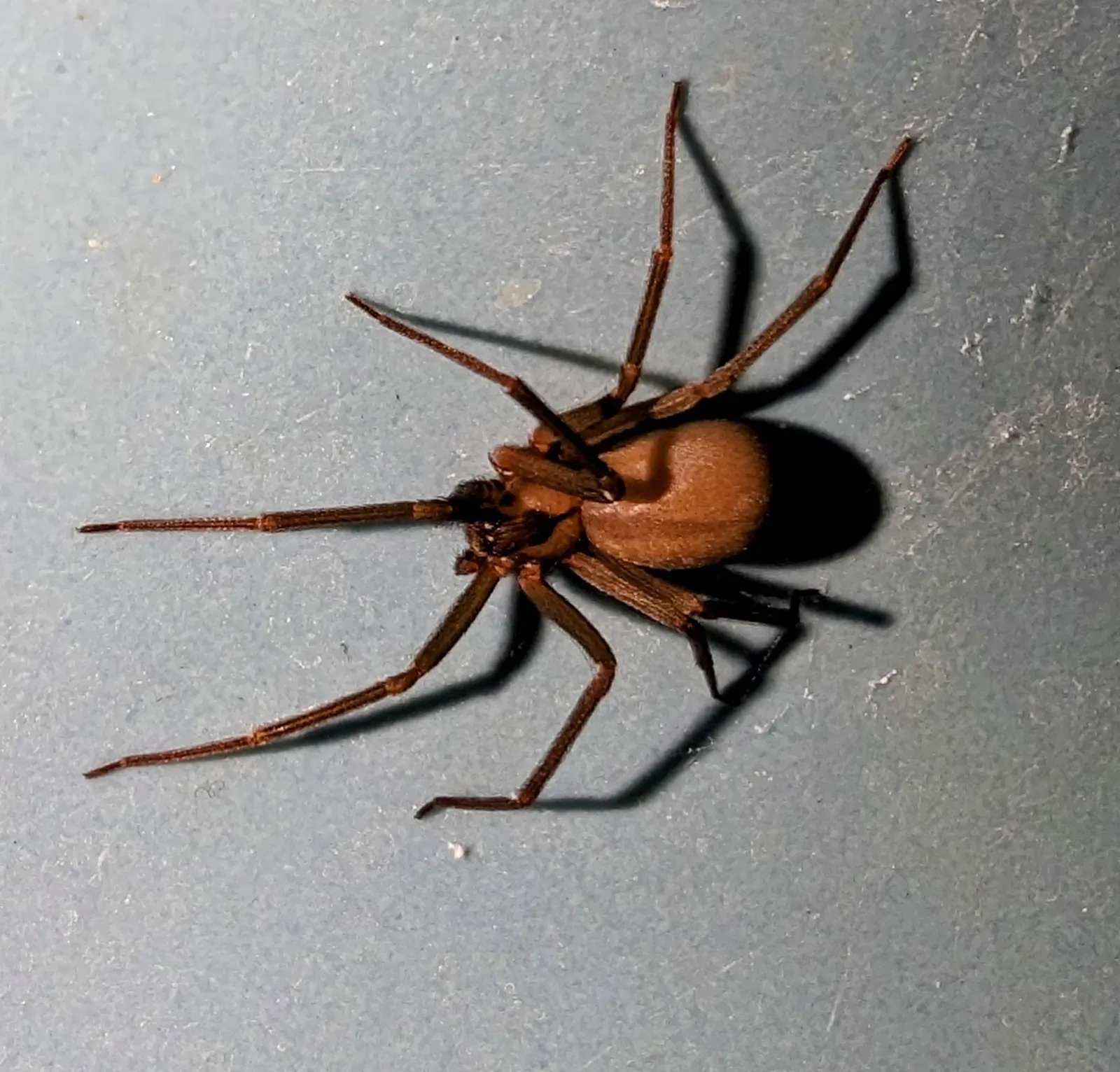
The brown recluse spider is serious about maintaining its solitude, so if it’s disturbed while hiding in a corner of a cabinet, closet, or crawlspace, it’s apt to bite. This venomous spider is also known to hang out in outdoor debris like leaf or wood piles. It doesn’t advertise its presence, which is a big part of what makes it hazardous.
Primarily found in the Central U.S., as far north as Ohio and as far south as Texas, the brown recluse can grow to a length of about 3/8 of an inch and is relatively bland in appearance, thanks to its light brown hue. The tell-tale violin-shaped marks on its back should alert you to the danger it presents.
The bite of a brown recluse is extremely painful and has been known to produce an ulcerating sore around the bite spot that can expand without medical treatment. Fever can also accompany this arachnid’s bite. Unfortunately, the range of this venomous spider has begun to expand aggressively, so there is genuine fear that more states will soon be hosting these uninvited guests. That expanding range is something worth paying attention to, particularly in states where it wasn’t historically common.
#3: The Rattlesnake
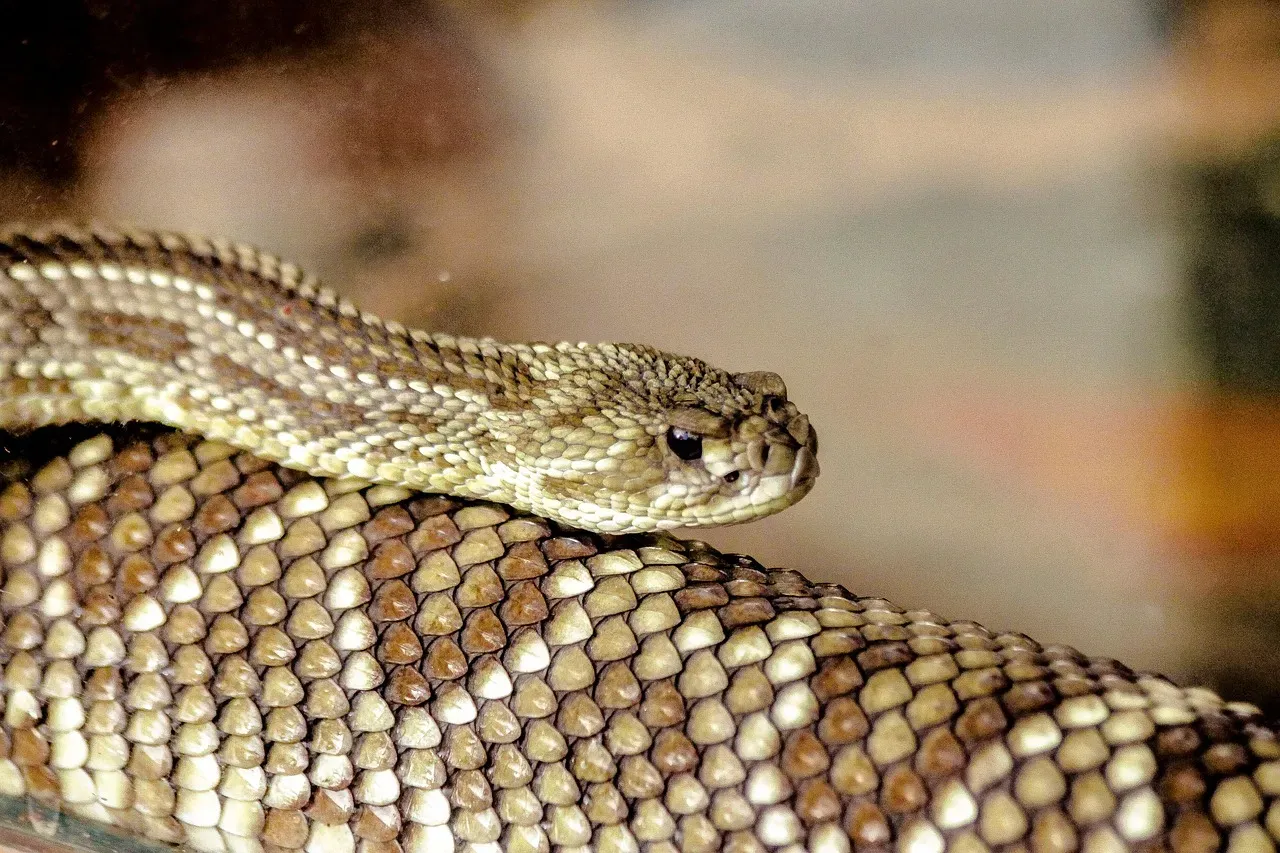
Rattlesnakes don’t go looking for trouble, but they’ll defend themselves when surprised. They might sun themselves near a warm rock or rest beneath a bush. Their venom can destroy tissue and disrupt blood flow, so it’s smart to keep an eye out when walking barefoot or gardening. A moment’s inattention, especially around dense plant growth or rock borders, can change a Saturday afternoon dramatically.
Also known as the Northern Pacific Rattlesnake in some regions, this venomous species occupies many habitats. They can be found in mountainous areas, woodlands, and grasslands, and they also often occur close to humans. It’s this proximity that makes them dangerous animals, because we come in contact with them much more often than other species.
In the United States alone, over 8,000 people a year are severely injured by venomous snakes. Due to antivenom, the vast majority of these people survive. However, they can still be left with life-changing injuries due to the aggressive nature of the venom. The Western Diamondback is particularly concerning in Texas, where Western Diamondback rattlesnakes are responsible for more bites than anywhere else in the country, occasionally leading to fatalities despite modern antivenom.
#4: The Cottonmouth (Water Moccasin)
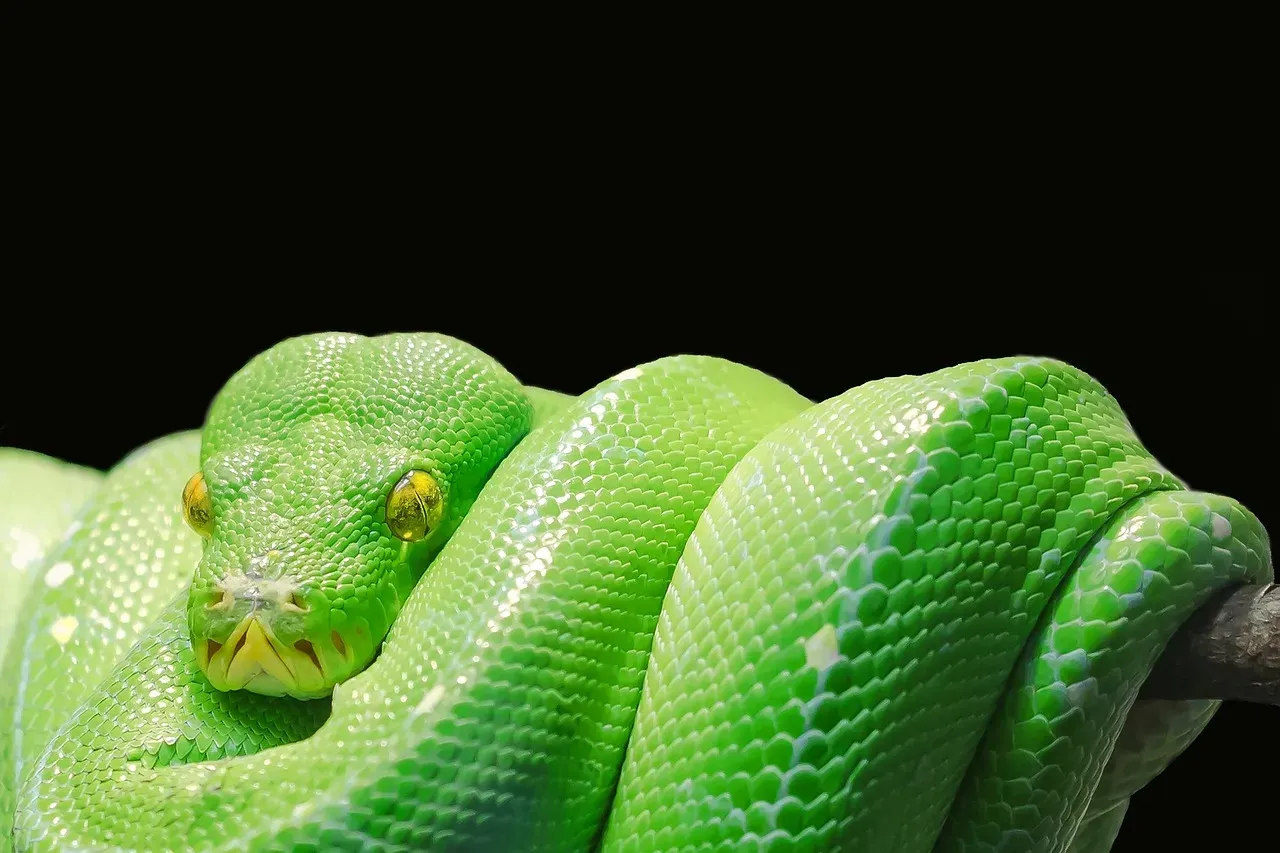
Unlike many venomous snakes that prefer to flee when confronted, cottonmouths are known for their aggressive nature and willingness to stand their ground. These semi-aquatic vipers are commonly found near water sources, including backyard ponds, drainage ditches, and even swimming pools in the southeastern United States. If your yard has any standing water, this snake is worth knowing about.
Cottonmouths are known as such because they typically open their mouth and show the white inside before they strike. These snakes can be found across most of southern and eastern North America. You will most often find them around bodies of water, as they are the only semi-aquatic viper in the world.
They are most dangerous in July and August when they will strike at anything warm-blooded. The heat of this period makes their senses more dulled, which also makes the cottonmouth a bit more unpredictable. The venom is quite aggressive and is known to require amputations if not treated quickly. That’s not hyperbole. It’s a reason to look carefully before stepping near any backyard water feature at dusk.
#5: The Tick
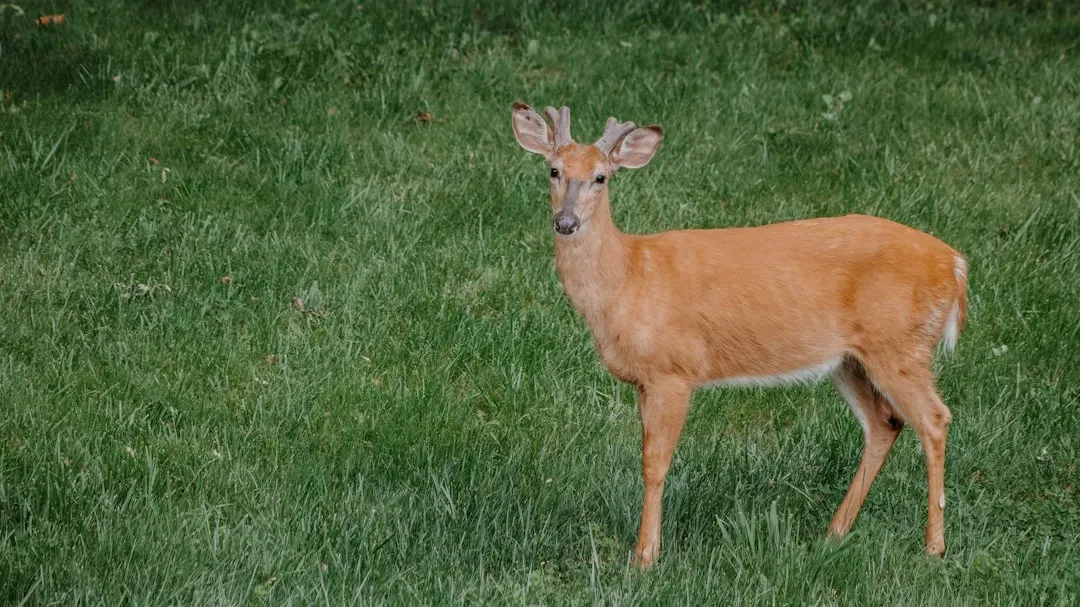
Ticks don’t look dangerous. They’re tiny, slow-moving, and easy to dismiss. That’s a mistake. Lyme disease is the most common tick-borne disease in the U.S., estimated to affect more than 470,000 people each year. Ticks can actually expose people to more than a dozen different disease-causing agents, including toxins, allergens, bacteria, parasites and viruses.
In the Northeast, the deer tick transmits seven diseases, including what are known as the “big three.” Lyme disease is far and away the most prevalent, with over 89,000 cases reported by the Centers for Disease Control and Prevention in 2023 in the U.S. Those numbers represent real people with real disruption to their lives, many of whom were simply spending time in their own yards.
While everyone is susceptible to tick bites, people who work in gardens and other woody and brushy areas with high grass and leaf litter are at the greatest risk. With the expansion of the suburbs and a push to conserve wooded areas, deer populations are thriving. Deer are important sources of blood for ticks and are important to tick survival and movement to new areas, increasing the contact between people and ticks that carry bacteria. Keeping grass trimmed short and checking yourself after time outdoors can meaningfully reduce your risk.
#6: The Coyote
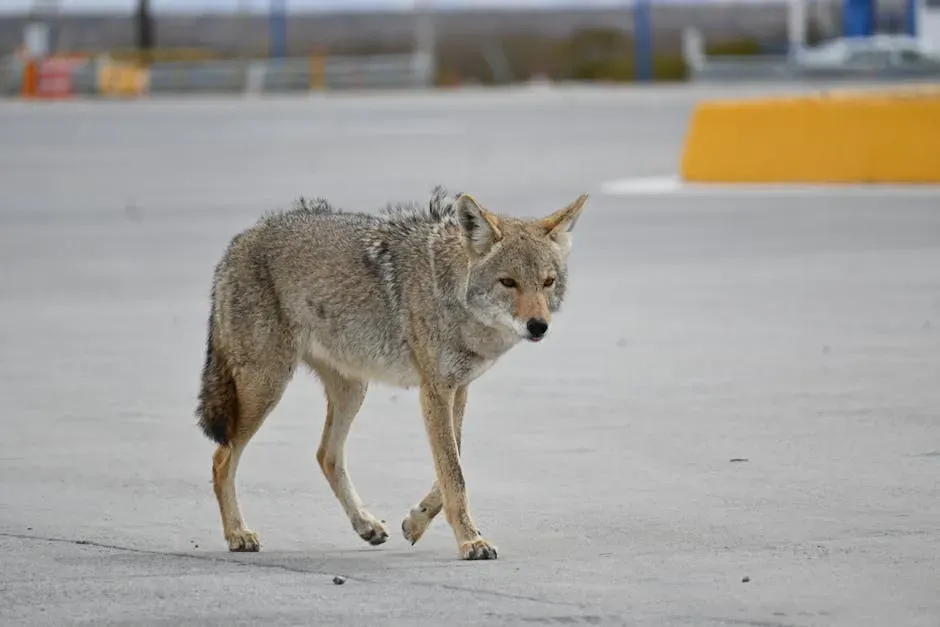
Coyotes have adapted well to urban environments, making their way into backyards across the U.S. They are intelligent and resourceful predators, known for hunting small animals and scavenging. While they rarely pose a direct threat to humans, they can be dangerous to pets. Small dogs and outdoor cats are especially vulnerable, particularly at dawn and dusk.
In the northeastern United States, the population of eastern coyotes has been steadily growing due in part to the extirpation of the eastern gray wolf and the ability of these wild canids to rapidly adapt to suburban and urban environments. They’re no longer a purely rural concern. Coyotes have been documented in cities across the country, and their comfort around humans has been increasing.
As coyotes become established in urban and suburban environments, interactions with humans, companion animals, and urban wildlife will increase. Knowledge of the pathogens that these highly adaptable predators are exposed to or carry is central to efforts to reduce the risk of tick-borne diseases in humans and companion animals. They’re not just a direct threat. Their movement through neighborhoods also increases tick exposure in residential areas.
#7: The Fire Ant
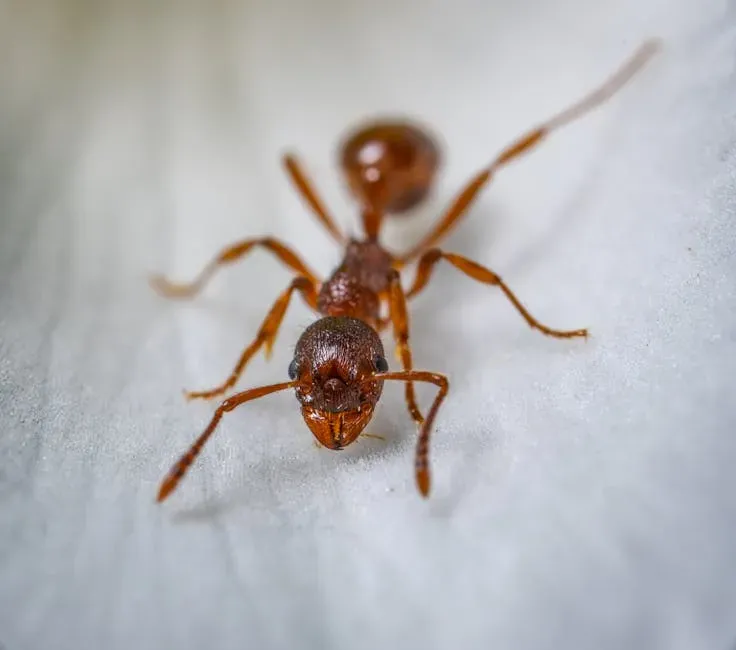
Imported fire ants infest more than 367 million acres in Alabama, Arkansas, California, Florida, Georgia, Louisiana, Mississippi, North Carolina, Oklahoma, South Carolina, Tennessee, Texas, Virginia, and Puerto Rico. That is an enormous footprint for an insect most people think of as a minor nuisance. Step on a mound barefoot once and the word “nuisance” feels immediately insufficient.
Fire ant venom contains a toxic alkaloid called solenopsin, which can cause itchy welts in most humans. The sting produces a characteristic burning sensation, then a white pustule forms within 24 hours. If you have a fire ant allergy or are hypersensitive, you may experience more severe reactions, including chest pains, nausea, difficulty breathing, and swelling. In worst-case scenarios, anaphylactic shock can occur, requiring immediate medical attention.
A single fire ant can sting repeatedly. Young and newborn animals are especially susceptible to the venomous sting. What makes them truly dangerous in a backyard setting is their collective behavior. A disturbed fire ant mound can lead to a swarm of angry insects attacking with stinging bites. Reactions range from painful welts to severe allergic responses. Their colonies are often hidden in grassy areas, and the mounds may not be evident until stepped on.
#8: Wasps and Yellowjackets
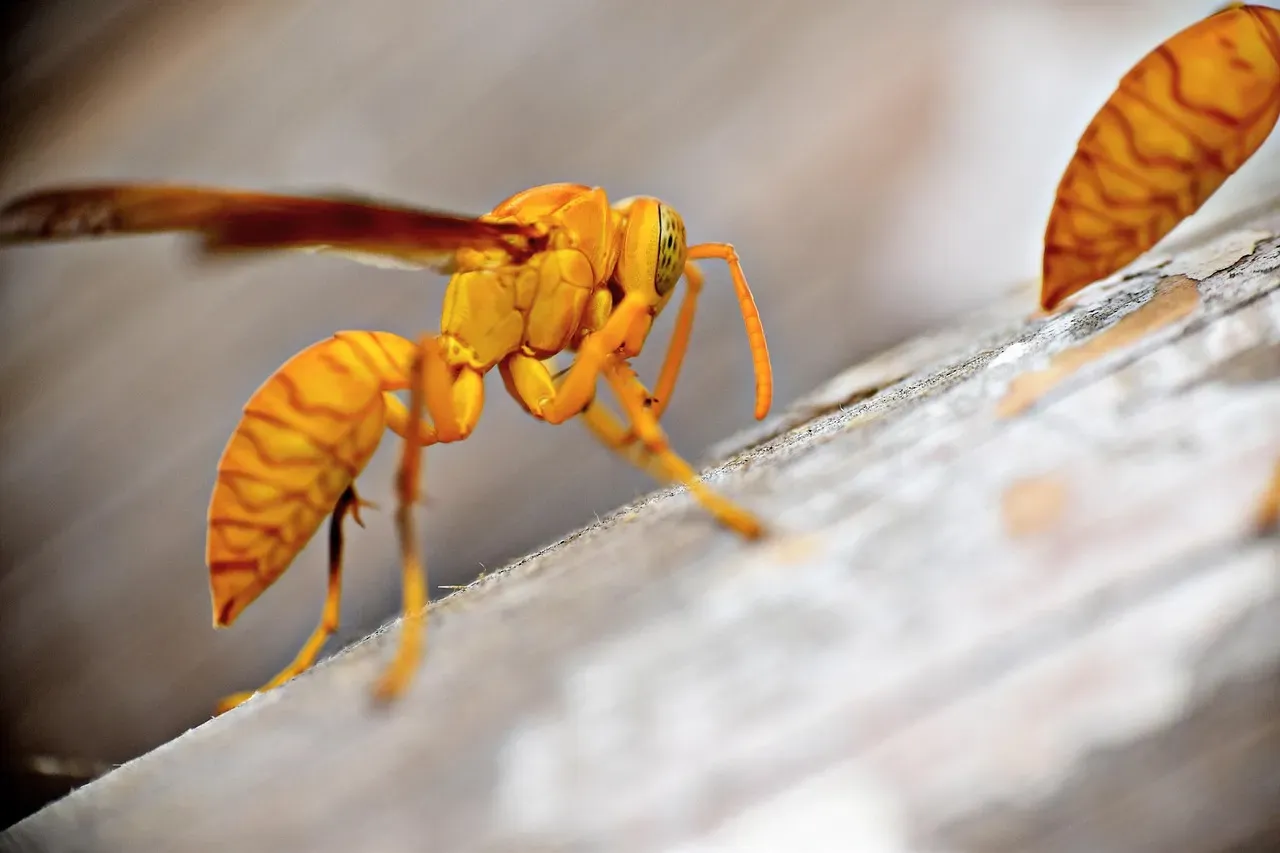
Paper wasps and yellowjackets defend their nests aggressively, and their stings pack a punch. Unlike bees, they can sting multiple times. For some, stings trigger anaphylaxis, a life-threatening allergic reaction. Nests often form under eaves, inside grills, or in ground burrows, so be cautious when poking around. That last detail is particularly worth noting. A forgotten grill cover or the gap under a wooden step can quietly become a fully active nest by midsummer.
Stinging and biting insects are most active during the summer and fall, during which time they pose an increased threat to our health. In fact, stinging insects alone send more than half a million people to the emergency room every year. That’s a staggering number, and most of those incidents happen close to home rather than in remote wilderness.
A sting or bite from insects or scorpions can cause mild discomfort or pain. Workers or individuals allergic to the insect’s venom could die from anaphylactic shock. Anaphylactic shock is a severe allergic reaction and requires immediate emergency care. Many people don’t know they have an allergy until they’re stung. Keeping a distance from any suspected nest and calling a professional for removal is always the smarter call.
#9: The Scorpion
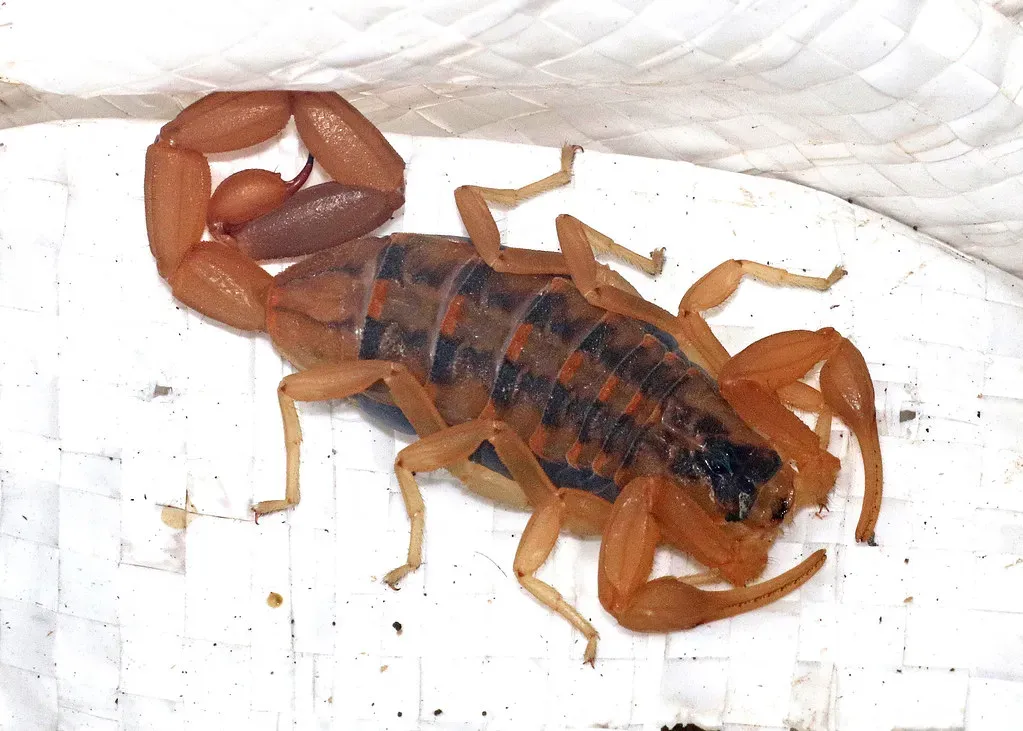
There are about 70 scorpion species in the United States. The Arizona Bark Scorpion, which is found in the American southwest and in northern Mexico, is the most dangerous. Scorpions are nocturnal pests, so they hide during the day and are active at night. That nocturnal habit is precisely what makes them so easy to encounter accidentally. A barefoot trip to the yard after dark, a shoe left outside, a garden glove not checked before use.
Scorpions usually hide during the day and are active at night. They may be hiding under rocks, wood, or anything else lying on the ground. Some species may also burrow into the ground. Most scorpions live in dry, desert areas. However, some species can be found in grasslands, forests, and inside caves.
Barely longer than a paperclip, scorpions can exist under rocks, logs, and doormats. Their sting feels like a bolt of electricity and can cause breathing issues or numbness. They’re especially active in Arizona and Nevada, and sometimes go indoors through cracks or open vents. The Bark Scorpion, in particular, is the only species in the U.S. capable of producing a sting that can be life-threatening, especially for children and older adults.
#10: The American Black Bear
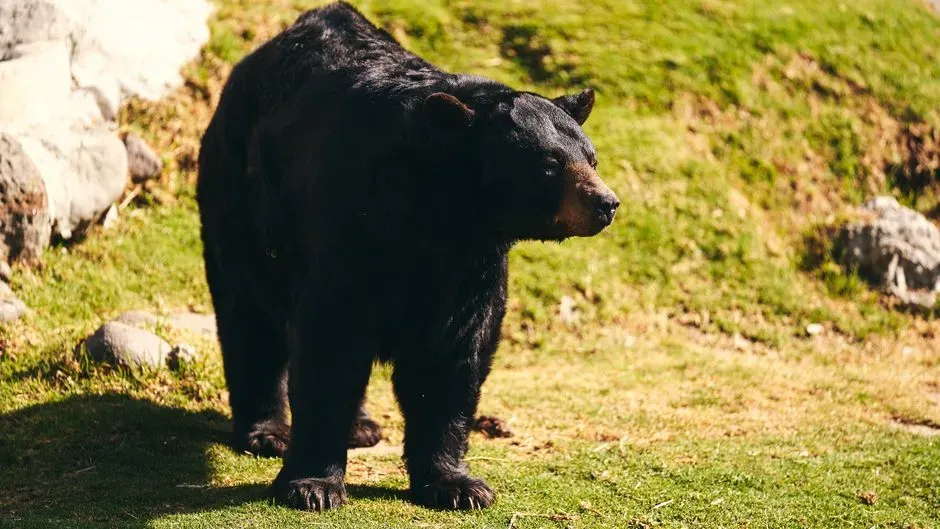
American Black Bears are curious creatures often drawn to backyards by the scent of food. While they are generally not aggressive unless provoked, their size and strength make them dangerous. The problem isn’t usually a direct predatory encounter. It’s that people underestimate how quickly a food-motivated bear can become a threat when cornered or surprised.
Florida’s black bear, the state’s largest mammal, weighs up to 600 pounds. These omnivores occasionally wander into human settlements in search of food. While they usually avoid humans, black bears will defend themselves or their offspring if threatened. Florida recorded its first fatal bear attack in May 2025, a reminder that even in suburban settings, bears warrant serious respect.
When food sources like bird feeders, pet food, and trash are accessible, bears may become repeat visitors. To discourage them, secure garbage bins and remove food sources. Homeowners should install bear-proof containers and consider electric fencing if living in bear-prone areas. Once a bear associates a yard with a reliable meal, it will keep returning. Removing that incentive entirely is the most effective prevention there is.
A Final Word on Backyard Wildlife Awareness
None of these animals are villains. They’re behaving exactly as nature shaped them to behave. Venomous animals usually use their venom for hunting and self-defense, not targeting humans unless provoked. Most encounters only turn dangerous when people are unaware, careless, or too close.
Recognizing the potential dangers in your own backyard is the first step towards ensuring safety. Regular maintenance, monitoring for wildlife, and educating family members about these animals and responsible behaviors can significantly reduce risks. With informed vigilance, your backyard can remain a safe and enjoyable sanctuary.
The backyard hasn’t changed. Our understanding of it needs to. A little awareness costs nothing, but it makes sharing space with these creatures a great deal safer for everyone involved, them included.

- These Endangered Species Are Making Remarkable Comebacks Thanks to Dedicated Efforts - July 17, 2026
- 10 Fascinating Facts About the Badlands: America’s Ancient Fossil Kingdom - July 17, 2026
- 10 Fascinating Facts About Monument Valley: The Ancient Landscape That Shaped the American West - July 17, 2026