
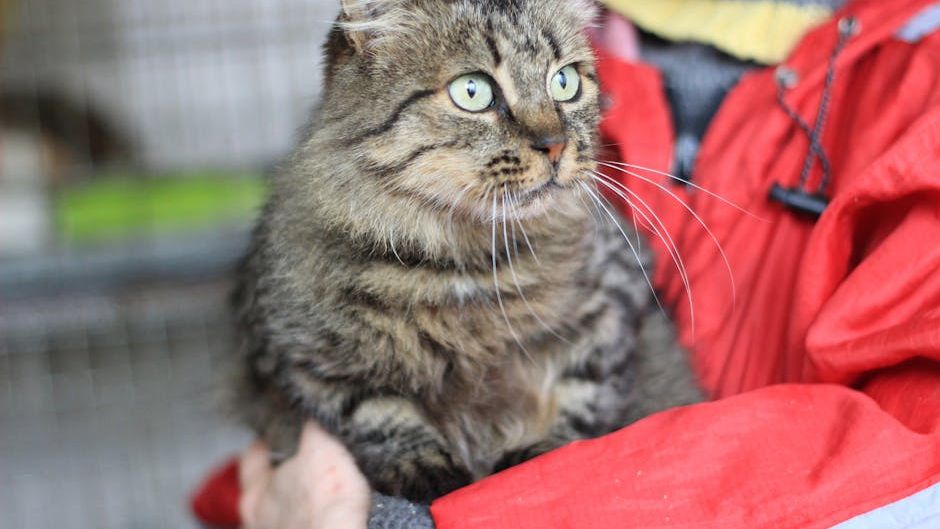
Most people assume their cat spends its days napping, judging them silently, and knocking things off shelves out of pure spite. The relationship, it seems, runs comfortably one-directional. You feed it, you clean up after it, you rearrange your entire sleeping position to accommodate it. What could it possibly be giving back?
Quite a lot, as it turns out. Beneath all that fur and aloofness is an animal quietly, consistently, and sometimes dramatically looking out for you. The evidence spans ancient history, modern neuroscience, and some genuinely astonishing real-world stories. Some of what your cat does to protect you is obvious once you know what to look for. Other behaviors are so subtle they’ve been happening under your nose for years without you ever realizing it.
#1: Keeping Pests and Vermin Out of Your Home
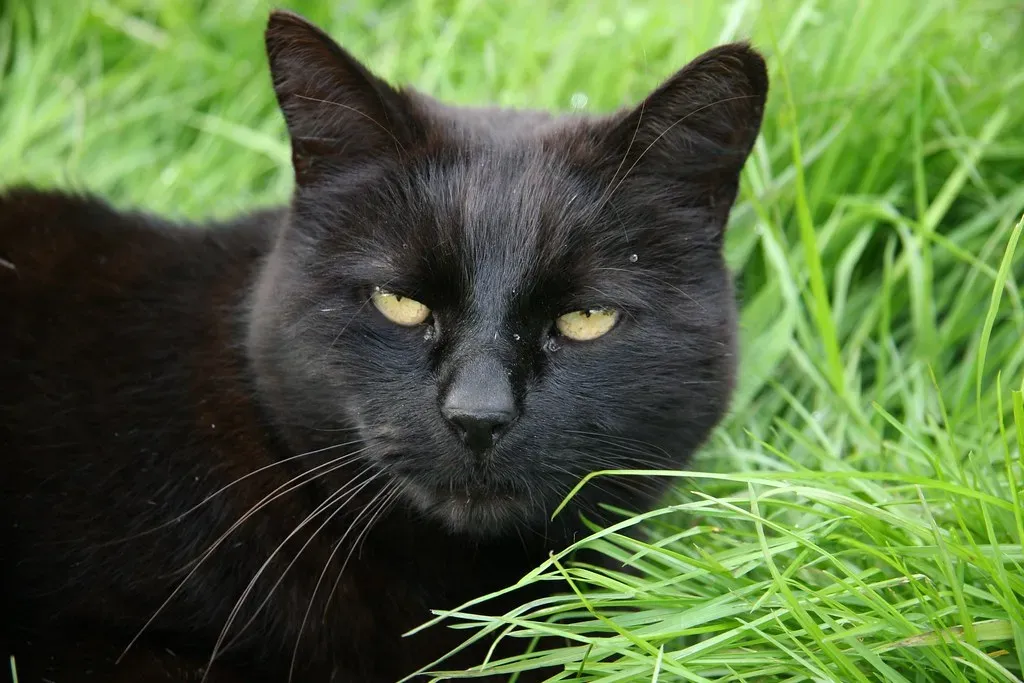
From poisonous or nonpoisonous snakes to disease-carrying rats, mice, and bats, cats protect us by keeping our living spaces clear of these pesky intruders. This isn’t just a charming quirk of cat ownership. Rodents carry a range of pathogens that have caused serious illness throughout human history, and a cat’s mere presence in a home is often enough to deter them entirely.
Historically, cats were celebrated in ancient Egypt for their ability to hunt both snakes and rodents, protecting valuable grain stores. That same instinct is alive in your domestic cat today. When your cat patrols the perimeter of a room or stares intently at a wall you thought was empty, it may well be doing exactly what its ancestors were honored for thousands of years ago.
#2: Alerting You to Intruders
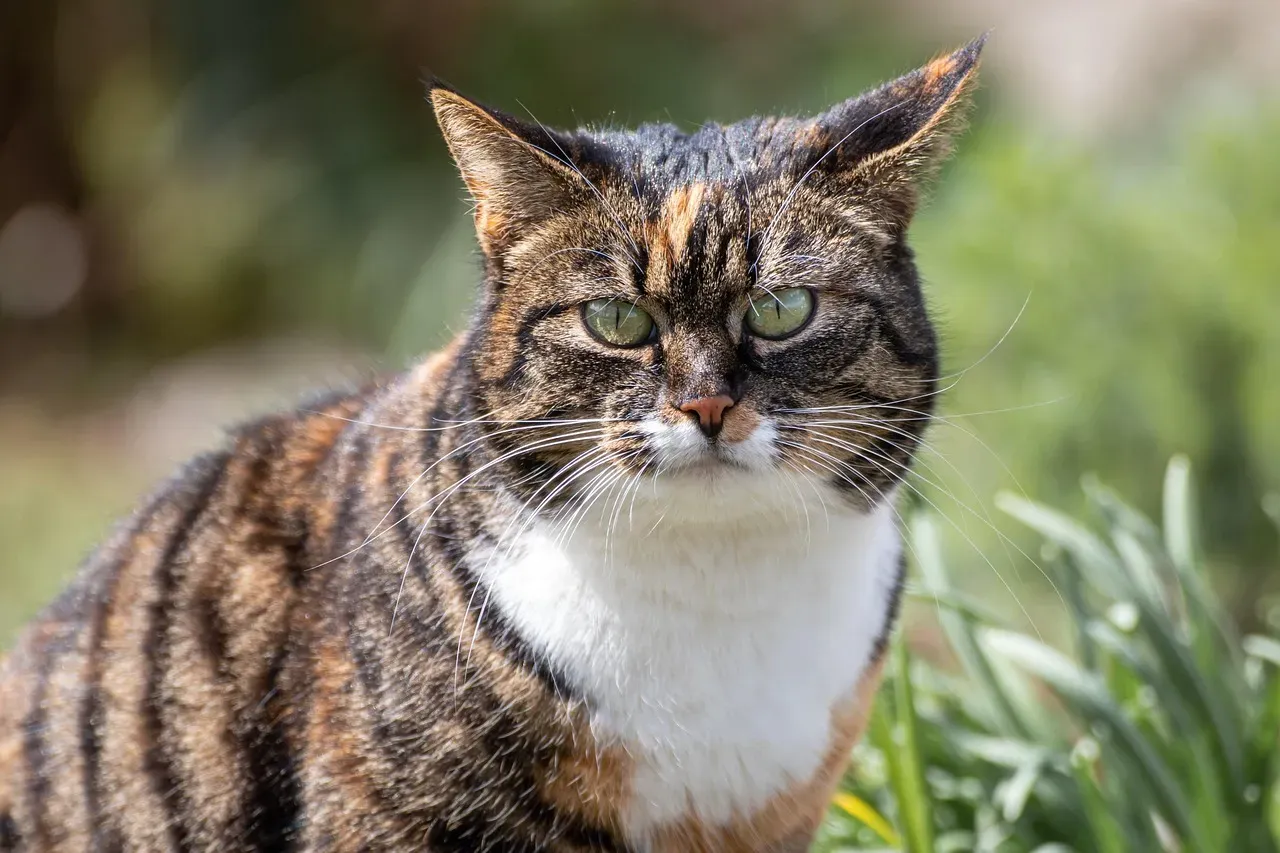
Signs of guarding behavior include following you around, positioning themselves in elevated spots to observe their surroundings, reacting to unusual sounds or movements, and displaying alert body language when strangers approach. Cats are, in their own quiet way, always monitoring your environment. They’re not watching the door for fun.
One cat began pawing at its owner’s sliding glass door one night, and, assuming it was a local stray or possum, the owner checked outside, only to find an unknown person on the porch. Thanks to the cat’s instinct, she was able to call the police and handle the situation. Typically, this means cats sound an audible alarm for their humans, but it can also lead to cats being aggressive towards intruders entering the house.
#3: Standing Guard While You Sleep
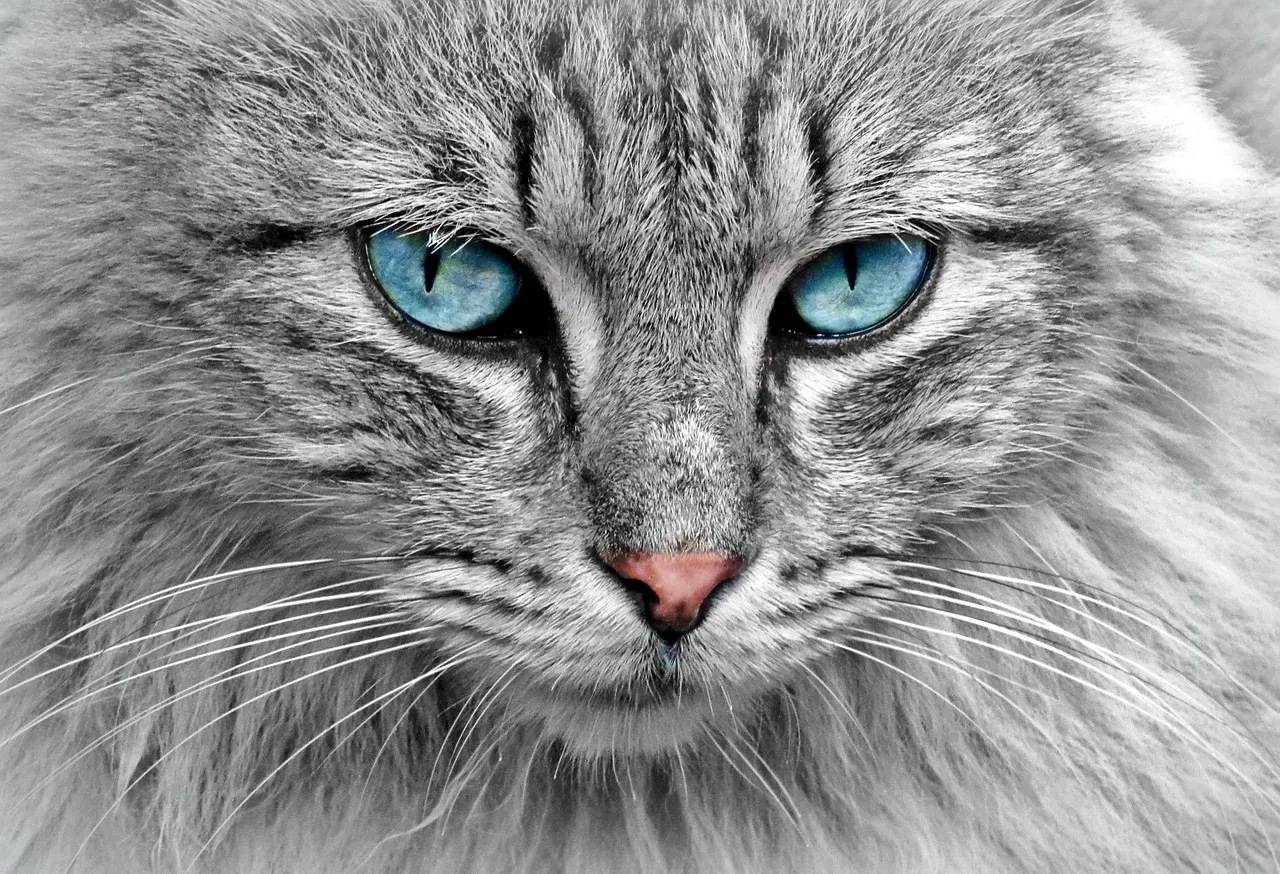
Many cats guard their owners during sleep, sleeping beside you, on top of your chest, or at your feet. This behavior can be traced back to their wild ancestors, who monitored their group during rest periods to alert them of danger. It’s not just about warmth or comfort, though that’s part of it.
Many cats choose sleeping positions that allow them to monitor their surroundings while staying close to their owners. Their superior night vision and acute hearing enable them to detect disturbances long before humans notice them. It’s a common habit for cats to sleep at the foot of the bed, and this sometimes means your cat is protecting you, with cats often serving as watchdogs as you sleep, positioning themselves in front of you as if to stop any potential threat that might enter the room.
#4: Sensing Danger Before You Do
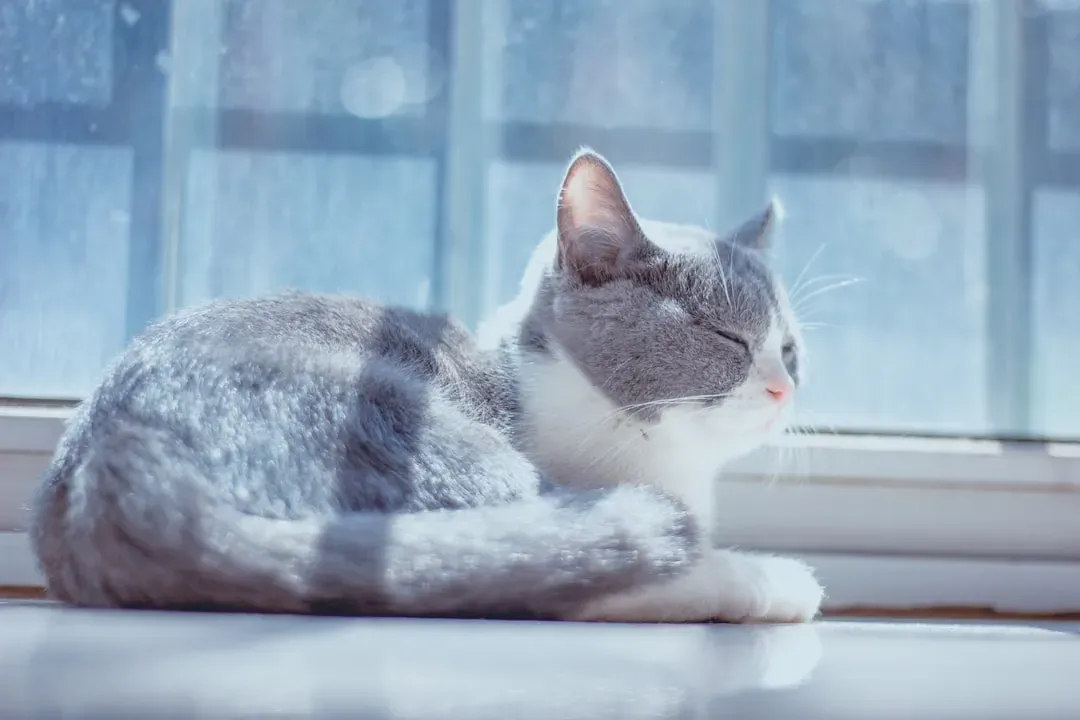
Cats have an uncanny ability to sense changes in the environment, making them sensitive to approaching storms and even natural disasters, with naturalist Konrad Lorenz suggesting that cats perceive geomagnetic fields, enabling them to detect disturbances like storms, earthquakes, and tornadoes. Whether or not the science behind geomagnetic sensitivity is fully settled, the observable behavior of cats before weather events is well documented.
Cats’ acute hearing and response to barometric pressure make them natural weather predictors. One cat named Dervish practiced this ability every time there was a thunderstorm approaching. According to his owners, this skittish kitty would take refuge behind the washing machine well before the storm would hit, giving his caretakers plenty of time to close up the windows. A quirky behavior, yes. A genuinely useful warning system, also yes.
#5: Detecting Illness Through Scent
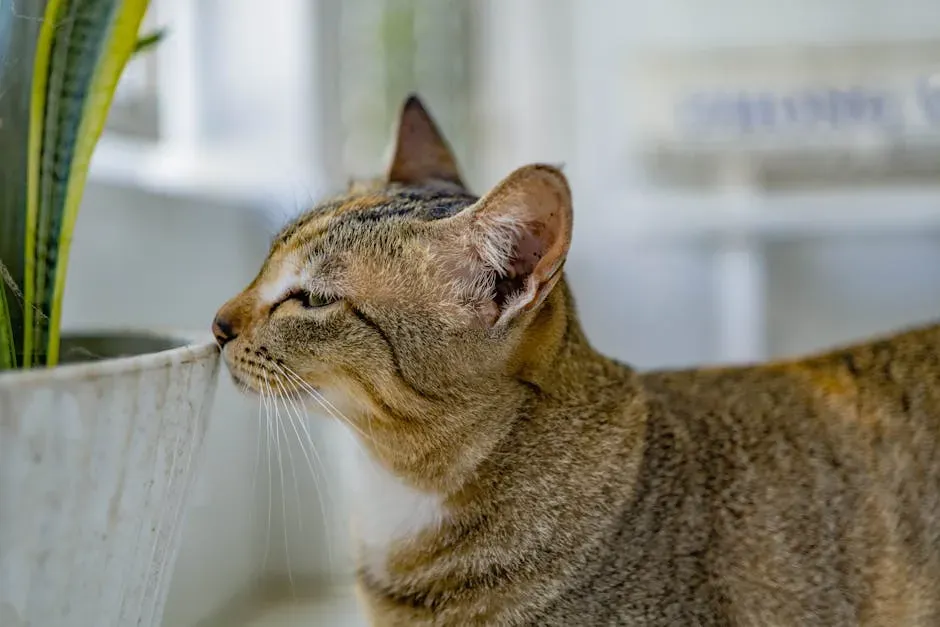
Cats can sense illnesses such as cancer, diabetes, seizures, and even mental health conditions through changes in scent, behavior, and body language. Illnesses often trigger physiological changes in the human body, such as altered body odor, hormone levels, or movement, and cats pick up on these shifts through their incredibly sensitive noses, which are capable of detecting subtle changes in a person’s scent caused by disease or chemical imbalances.
There are numerous case studies where cats have reportedly detected cancerous tumors by smell, with reports suggesting that cancer alters a person’s scent profile, making it detectable to a cat’s sensitive nose. Like dogs, cats also have an uncanny ability to detect ailments and diseases, and cats have the ability to sniff out a chemical change in the body caused by a disease. The research is still developing, but the documented cases alone are hard to dismiss.
#6: Alerting You to Medical Emergencies
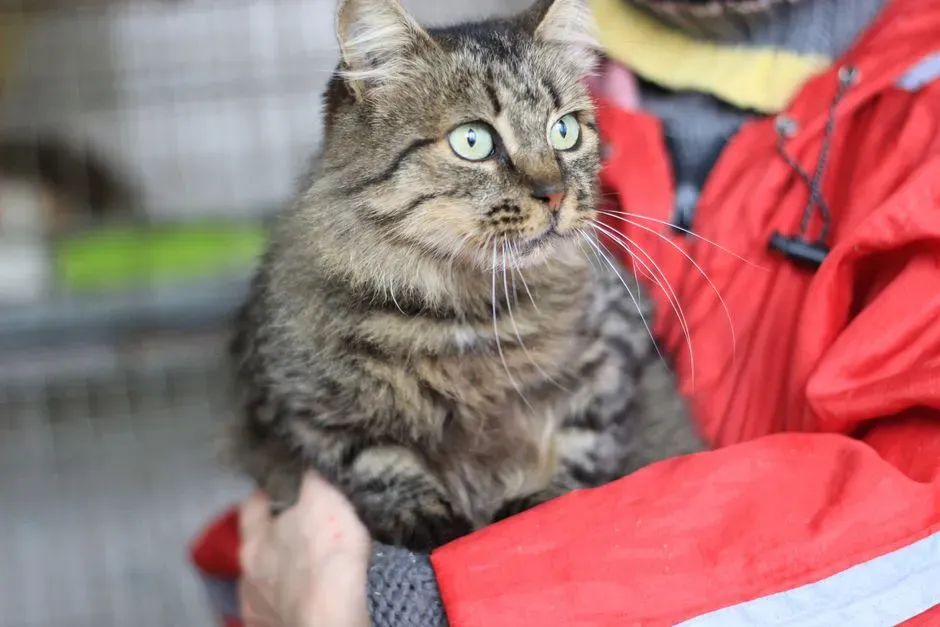
One vigilant cat named Pinkers sprang into action when his owner passed out from carbon monoxide poisoning. By persistently licking her, he managed to wake her up, potentially saving her life. These aren’t isolated stories. A number of documented cases involve cats alerting their humans to medical emergencies, including cancer and carbon monoxide poisoning.
Charlie, a 20-year-old rescue cat in the UK, repeatedly woke his owner Kirsty when her blood sugar dropped dangerously low at night, tapping her face and howling until she took action, and is credited with saving her life more than once. Many documented cases show cats alerting their owners to fires, medical emergencies, and other dangerous situations. The instinct to act when a bonded human is in danger seems to be deeply embedded.
#7: Lowering Your Blood Pressure and Heart Attack Risk
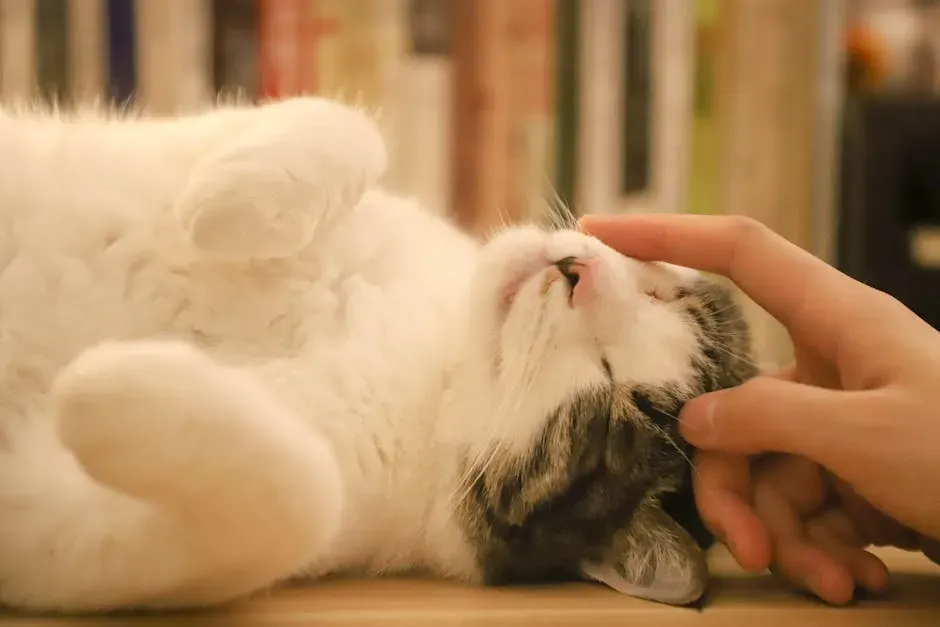
Cat ownership can reduce risk of cardiovascular disease and improve heart health, alleviate social isolation and loneliness, and reduce stress. One study found that people who live with cats have a lower risk of experiencing a heart attack. That’s a meaningful form of protection, even if your cat has no idea it’s doing it.
Being around a purring cat has been associated with lower blood pressure, reduced heart rate, and a decrease in stress levels. This reduced risk may be due to several factors, including the stress-reducing effects of owning a cat, the calming effect of a cat’s purr, and the social support a pet provides. Quietly sitting with a cat on your lap turns out to be doing more for your heart than it might look.
#8: The Healing Frequency of the Purr
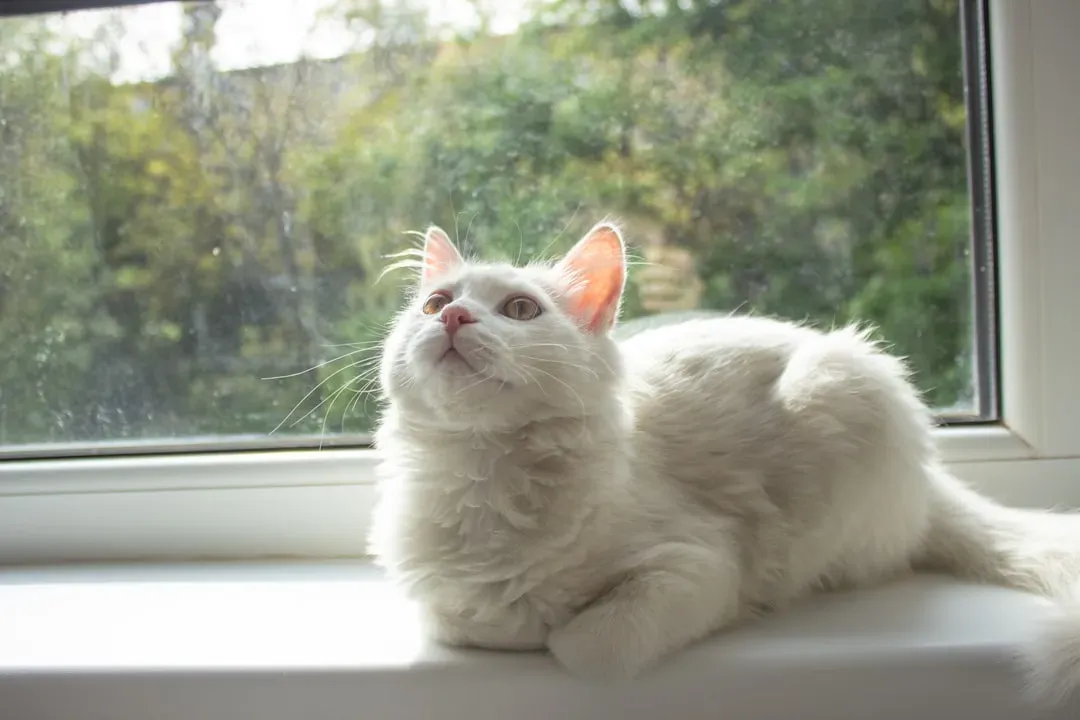
Research shows that the vibrations from a cat’s purr fall between 25 and 150 Hz, a frequency range that promotes tissue repair and lowers stress hormones. Frequencies in the 25 to 150 Hertz range are known to help promote the healing of bones, reduce inflammation, and improve joint mobility, meaning people recovering from injuries or dealing with chronic pain may benefit from spending time with a purring cat.
Pain management is another area where cat purrs appear to have significant potential. The low-frequency vibrations produced by a cat’s purr are thought to stimulate the body’s healing processes, and these frequencies can enhance the production of anti-inflammatory compounds, which may help alleviate chronic pain or discomfort. It’s a remarkable biological overlap: the sound a cat makes to calm itself may simultaneously be doing genuine physical good to the person holding it.
#9: Protecting You from Stress and Anxiety
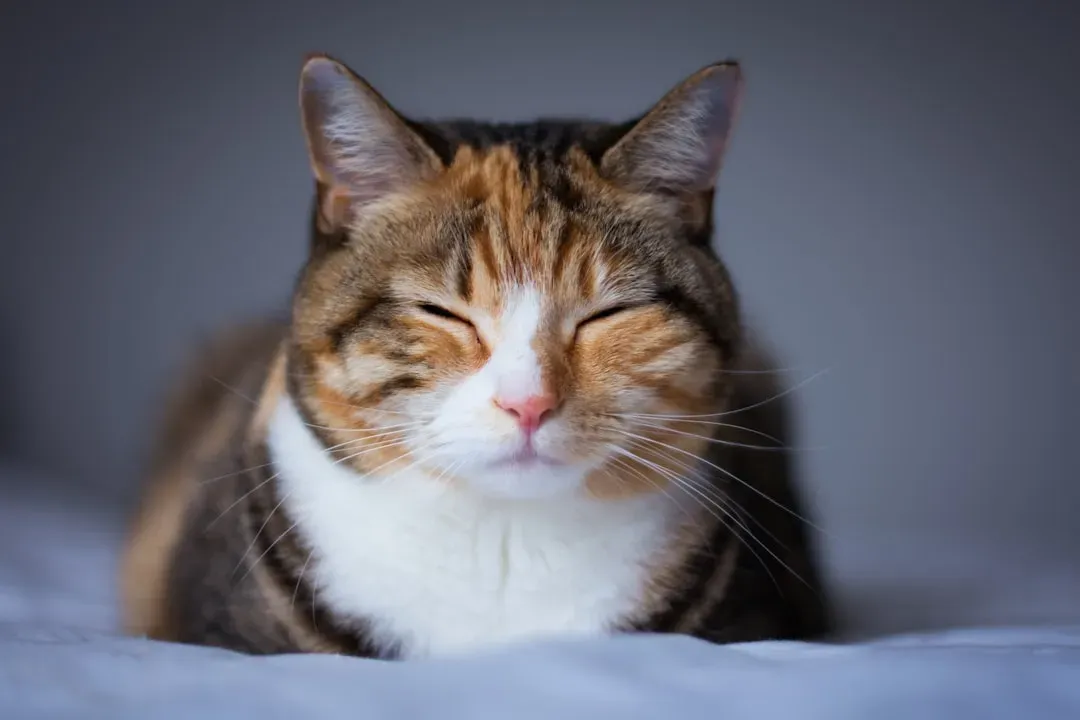
Cats are more emotionally perceptive than many realize, with studies suggesting that cats can respond to human emotions, particularly stress or fear. A cat may approach, nuzzle, or stay close to an anxious owner, offering comfort and reassurance. This isn’t random behavior. It appears to be a genuine response to your emotional state.
The repetitive sound of a cat’s purring has a calming, meditative quality that can reduce anxiety and promote mindfulness, and petting a cat or simply spending time with them often triggers the body’s relaxation response, helping people feel more grounded and at ease. Purring not only releases endorphins in cats but can also induce the same response in humans. These endorphins help decrease stress hormone levels, which are helpful for healing, lowering blood pressure, and helping people cope with illness.
#10: Defending You from Physical Threats
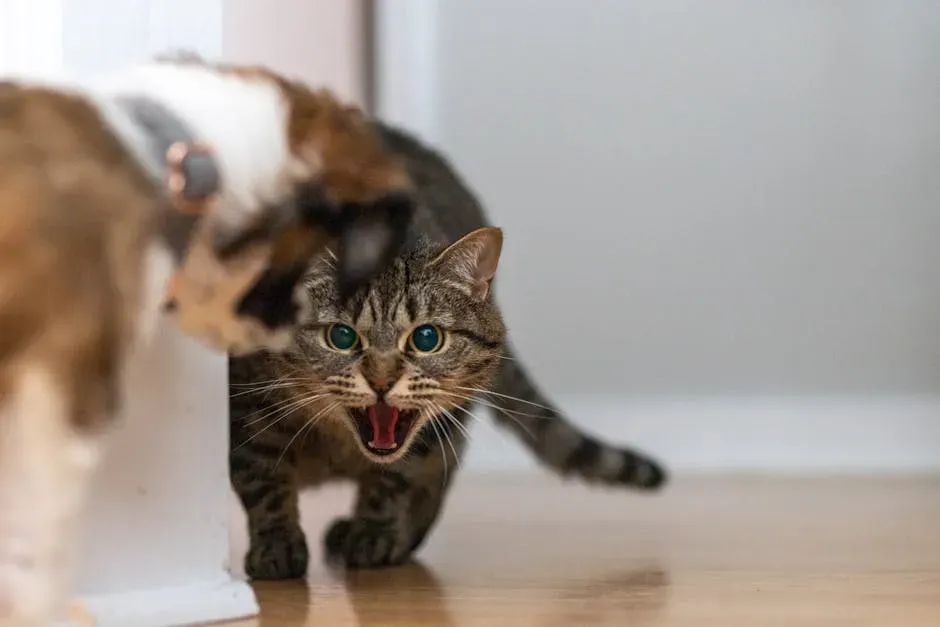
In 2014, a cat named Tara leapt into action to defend a young boy from a dog attack. While their small size typically means cats rely more on warnings or deterrents than direct confrontation, some cats may display behaviors such as hissing, growling, or blocking access to their owner. When the situation escalates, though, some cats go much further than a warning hiss.
In one documented case, a normally laid-back cat named Homer began growling while standing on his owner’s bed. There was a strange man in her Miami bedroom. The blind cat bit and clawed at the intruder so viciously that he eventually fled. Even though cats are smaller than humans or intruders, the display of aggression communicates that they are aware and will defend their space and loved ones.
#11: Strengthening Your Immune System Through Shared Life
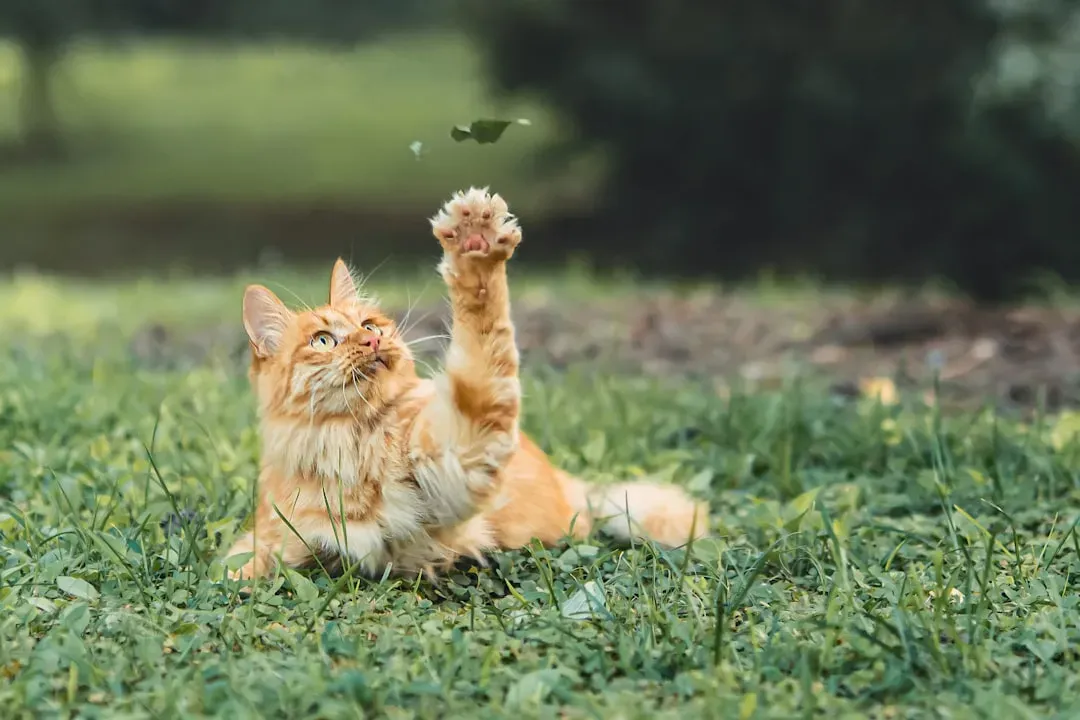
Research has demonstrated the positive impact of early childhood exposure to cats on the development of asthma and allergies later in life. Early exposure to cats is also associated with a lower risk of asthma in children, with researchers believing this is due to the fact that interaction with cats contributes to children’s absorption of a type of sialic acid, which appears to regulate inflammatory reactions.
In children, living with cats can strengthen immunity in the first year of life, and a pet cat can help those with autism and their families. Studies have revealed that cats’ protective behaviors are rooted in both instinct and emotional connection, with their acute senses allowing them to detect environmental changes that humans might miss, making them excellent early warning systems for potential dangers. Over a lifetime, the presence of a cat shapes your biology in ways that go well beyond companionship.
The Silent Guardian You Never Fully Appreciated
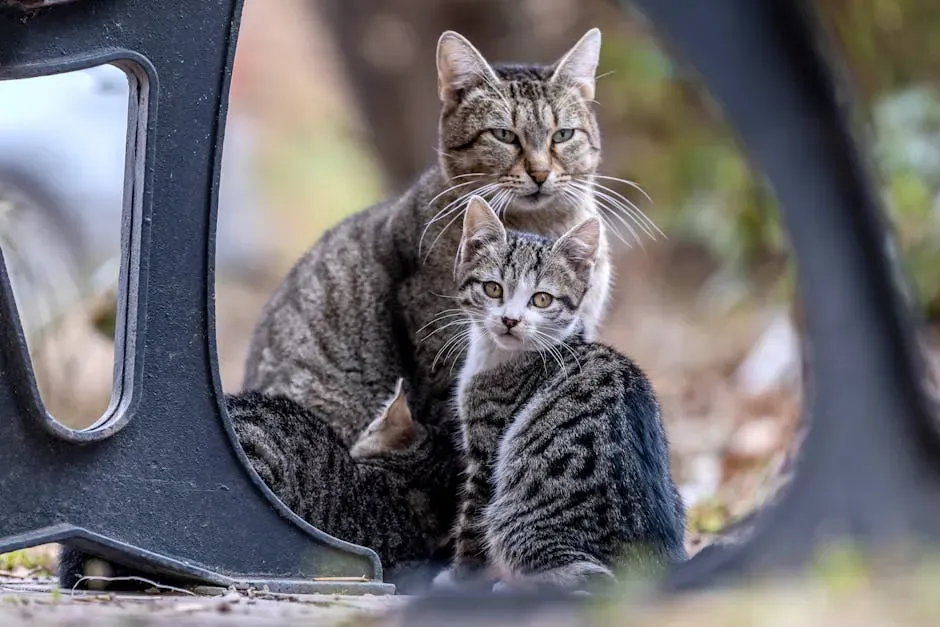
None of this means your cat is consciously plotting how to keep you safe over morning kibble. If your cat attempts to protect you from something or someone, they’re probably just following their instinct. Cats exhibit protective behaviors through a combination of territorial instincts and emotional attachment, and unlike dogs, who display overt protective behaviors, cats tend to be more subtle in their approach to guarding their human family members.
In a groundbreaking study published in 2011, researchers showed for the first time that “cat-human relationships are nearly identical to human-only bonds.” That bond, it turns out, comes with a quiet but genuine form of protection built in. The next time your cat stares at the corner of a room, sleeps across your feet, or suddenly presses itself against you when you’re having a rough day, consider that something deeper may be at work.
Cats have been watching over us for thousands of years. They simply never made a big deal about it.

- 22 Horse Breeds Vets Refuse to Let Their Own Children Ride - July 30, 2026
- 22 Horse Breeds Vets Refuse to Let Their Own Children Ride - July 30, 2026
- The Clingy-Looking Dog Breed That Is Secretly the Most Independent of All - July 30, 2026