

Worried about unexpected vet bills?
Pet insurance can cover thousands in unexpected vet costs. Get a free quote from Lemonade in under 2 minutes.
Get My Free Quote →Sponsored · Opens Lemonade.com
#1. French Bulldog

Few breeds have risen to cultural prominence faster than the French Bulldog. French Bulldogs have unseated Labrador Retrievers as the most popular dog breed in the U.S. That kind of popularity is driven almost entirely by aesthetics: the bat ears, the squishy face, the compact body that fits perfectly into apartment life. The problem is that what makes them look cute is exactly what makes them suffer.
Objective measurements have determined that roughly half of pugs and French Bulldogs and close to half of Bulldogs have clinically significant signs of brachycephalic obstructive airway syndrome (BOAS). Because of how French Bulldogs are bred, they almost always have to deliver their young by cesarean section, and some critics consider French Bulldogs an ethically questionable breed since they were bred predominantly for looks rather than health, hence the frequent breathing and birthing issues. That’s a lot to sit with before you commit to one based on an Instagram photo.
#2. English Bulldog

English Bulldogs are prone to BOAS, skin fold infections, hip dysplasia, cherry eye, and obesity. Their iconic waddle and wrinkled expression come with a biological price tag that most prospective owners never see coming. In English Bulldogs, tongues too large for their mouths can make it harder to breathe, and dogs with thicker necks and wider heads are more likely to have breathing troubles.
In companion animal practice, the veterinary profession is kept busy ministering to these dogs and bringing them into the world, with more than 80 percent of Boston Terriers, British Bulldogs, and French Bulldogs being born by Caesarean section. The wrinkles that people adore require routine cleaning to prevent painful skin infections. Skin fold infections were among the most commonly reported disorders, affecting almost one quarter of Bulldogs. Every cute fold is a potential bacterial trap.
#3. Pug

The unique face and skull of a Pug makes it prone to eye bulging and respiratory issues. Flat-faced or brachycephalic dogs have a face structure that inhibits proper breathing, and their shortened muzzles make it harder to get air in. Veterinarians compare living with their shortened skulls to breathing through a straw for an entire lifetime, and many owners consider huffing, snorting and other signs of labored breathing as a cute quirk of the breeds, when in fact these dogs are suffering.
Pugs face brachycephalic obstructive airway syndrome, eye ulcers, spinal deformities, and obesity. Aside from their squished faces, the most recognizable trait of the Pug is their little curly tail, and as cute as the corkscrew tail is, dogs with tightly curled tails run the risk of developing back problems thanks to this extreme look. Brachycephalic breeds are reported with significantly shorter lifespans, with a median longevity of around 8.6 years, compared to 12.7 years for moderate and non-brachycephalic dogs. That’s years of potential life traded for a look.
#4. Cavalier King Charles Spaniel

A striking proportion of older Cavaliers are affected by heart valve disease, syringomyelia, and eye disorders. Syringomyelia, a condition where fluid-filled cavities form within the spinal cord near the brain, is particularly painful and can be devastating to witness in a pet you love. This is a breed that consistently ranks among the most beloved family dogs, yet carries one of the heavier genetic burdens in the canine world.
Heart conditions can affect many breeds, particularly small dogs and seniors. Mitral Valve Disease is common in Cavalier King Charles Spaniels and other toy breeds, causing heart murmurs and coughing as the disease progresses. Small brachycephalic breeds, especially the Cavalier, are at higher risk of a painful neurological condition called syringomyelia. The silky ears and soulful eyes are real. So are the lifelong vet bills.
#5. Dachshund

Due to their long bodies, Dachshunds are susceptible to spinal injuries and intervertebral disc disease, which can lead to severe pain and serious mobility issues. The same elongated body shape that makes them look uniquely charming is, from a structural standpoint, a recipe for back problems. People see the short stubby legs and oversized personality and fall hard. What they don’t anticipate is the very real possibility of watching that dog lose function of its back legs.
Dachshunds are at risk of intervertebral disc disease, which can cause sudden paralysis. Recognizing early warning signs like stiffness, reluctance to jump, or dragging hind limbs is critical for timely intervention, and many owners learn this the hard way after a jump off a sofa turns into an emergency surgery bill. Low-set breeds such as Dachshunds, Basset Hounds and Corgis are at a higher risk of spinal issues. The hot dog shape is charming. The spinal vulnerability that comes with it is not.
#6. Chinese Shar-Pei

The Shar-Pei originated in China as a guard dog and as such are very loyal animals. They almost disappeared as a breed in the 20th century, so they have a fairly small gene pool which causes problems. Their distinctive wrinkles can lead to skin fold infections, but they are also predisposed to problems with their eyes, atopic dermatitis, and they even have a specific disease called Shar-Pei Fever.
Shar-Pei Fever is a breed-specific autoinflammatory condition that affects about 1 in 4 Shar-Peis, and these episodes can be alarming if you haven’t seen one before. Repeated fever episodes can lead to kidney problems in adulthood. Pet insurance for Chinese Shar-Peis costs more than for mixed breed dogs, because they are much more likely to make claims for hereditary conditions that are expensive to treat. The wrinkles are striking. The medical reality behind them is striking too, for different reasons.
#7. Doberman Pinscher
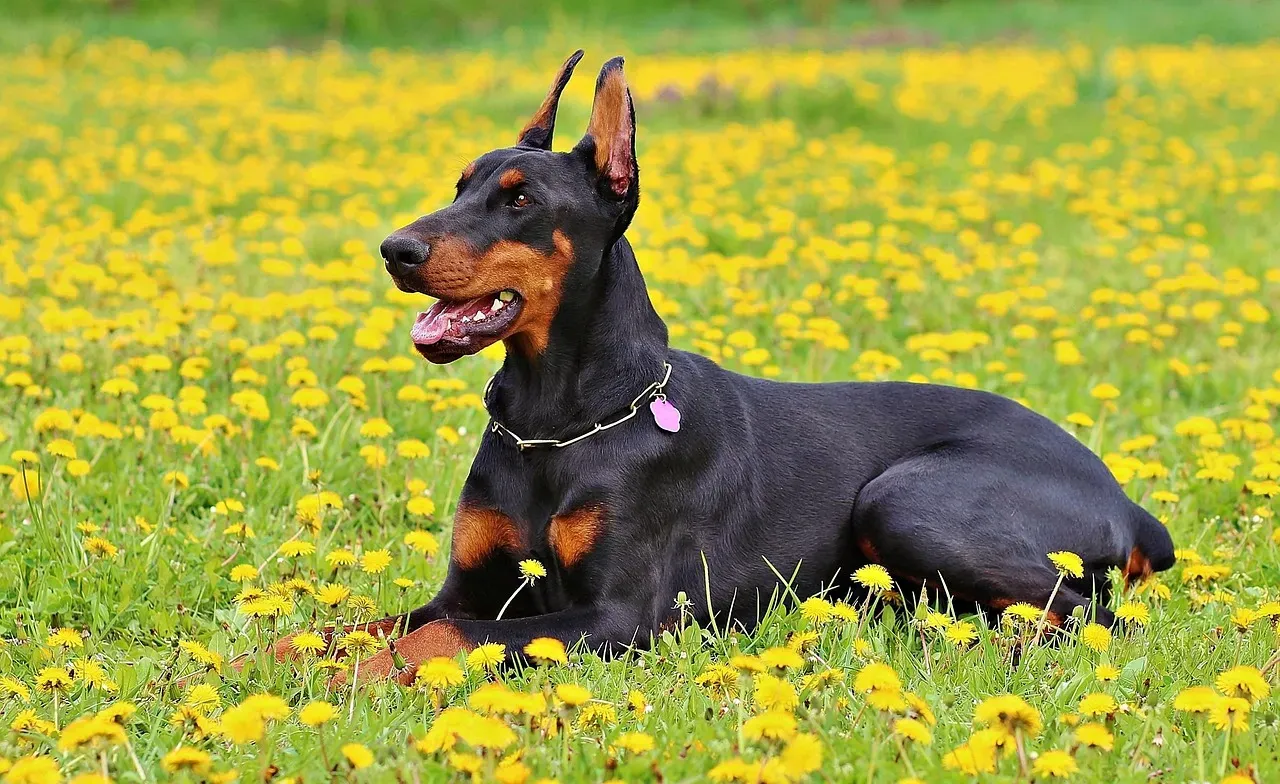
Doberman Pinschers suffer from dilated cardiomyopathy, clotting disorders, and kidney issues. Dilated cardiomyopathy in particular is a breed-defining problem. The heart slowly weakens, and by the time symptoms appear, significant damage has often already occurred. People choose Dobermans for their sleek, powerful look and their fierce intelligence. That combination is genuinely impressive, but it comes packaged with a cardiac vulnerability that catches many owners off guard.
Dilated cardiomyopathy is common among Doberman Pinschers, so much so that most owners do not know that their dogs have it until the dog collapses. While medications can regulate the heart rhythm, there is no cure. Dilated cardiomyopathy, characterized by heart weakening and enlargement, impairs blood circulation. Von Willebrand’s disease, an inherited bleeding disorder, results from a deficiency that leads to excessive bleeding. This is a breed that deserves a deeply informed owner, not just an admirer.
#8. Boxer

Boxers are notably prone to lymphoma, mast cell tumors, and heart diseases such as Boxer cardiomyopathy. Boxers are among the most playful, energetic, and expressively joyful dogs you’ll ever encounter. Their goofy energy and muscular frames make them magnetically appealing. The muscular breed is predisposed to heart conditions, thyroid problems, skin allergies, bloat, and elbow dysplasia, and they have a higher chance of developing cancers, including mast cell tumors and lymphoma. If caught early, both these cancers are treatable.
Roughly close to half of all Boxers succumb to cancer, making it crucial for owners to watch for symptoms like unusual lumps or changes in behavior. That’s a statistic that doesn’t appear on the breeder’s website, but it’s one every prospective Boxer owner should sit with before committing. The joy of living with a Boxer is genuine. So is the reality that vigilant, proactive health monitoring is essentially non-negotiable with this breed.
#9. German Shepherd

These incredibly loyal animals are predisposed to osteoarthritis, elbow and hip dysplasia, epilepsy, Degenerative Myelopathy, pancreatic insufficiency, heart problems, and certain types of cancer. The German Shepherd remains one of the most culturally iconic dogs in the world, beloved for its intelligence, loyalty, and striking appearance. Both German Shepherds and Belgian Malinois were designed to be working dogs, and they possess an intensity that doesn’t fit well with everyday family life. They need experienced handlers who can dedicate the bulk of their time to training and enriching their dogs.
German Shepherds are famous for being family dogs as well as guard dogs. Being a large breed, they are at risk of hip dysplasia which causes walking problems, pain, and arthritis. Another disease commonly found in German Shepherds is degenerative myelopathy, also known as chronic degenerative radiculomyelopathy. The intelligence and devotion are real. The health challenges and the demands they place on owners are equally real, and they’re rarely shown in the movie scenes that made everyone want one.
#10. Golden Retriever

One of the most significant concerns in Golden Retrievers is cancer, particularly hemangiosarcoma. Like many large dogs, they are also susceptible to joint issues such as hip and elbow dysplasia, which can affect mobility and quality of life. Heart problems, including subvalvular aortic stenosis, can also occur, and Golden Retrievers are prone to skin allergies that may lead to chronic irritation if not managed.
The fact that Golden Retrievers have earned the unfortunate nickname “The Cancer Retriever” is deeply unsettling. It is rare for older Labradors and Golden Retrievers not to need treatment for osteoarthritis, and with many treatment options now available, pet owners who want to do everything for their beloved pet can spend a lot of time and money at the vet. Goldens are genuinely wonderful family dogs. They deserve owners who go in with both eyes open about the long-term health journey ahead.
#11. Bernese Mountain Dog
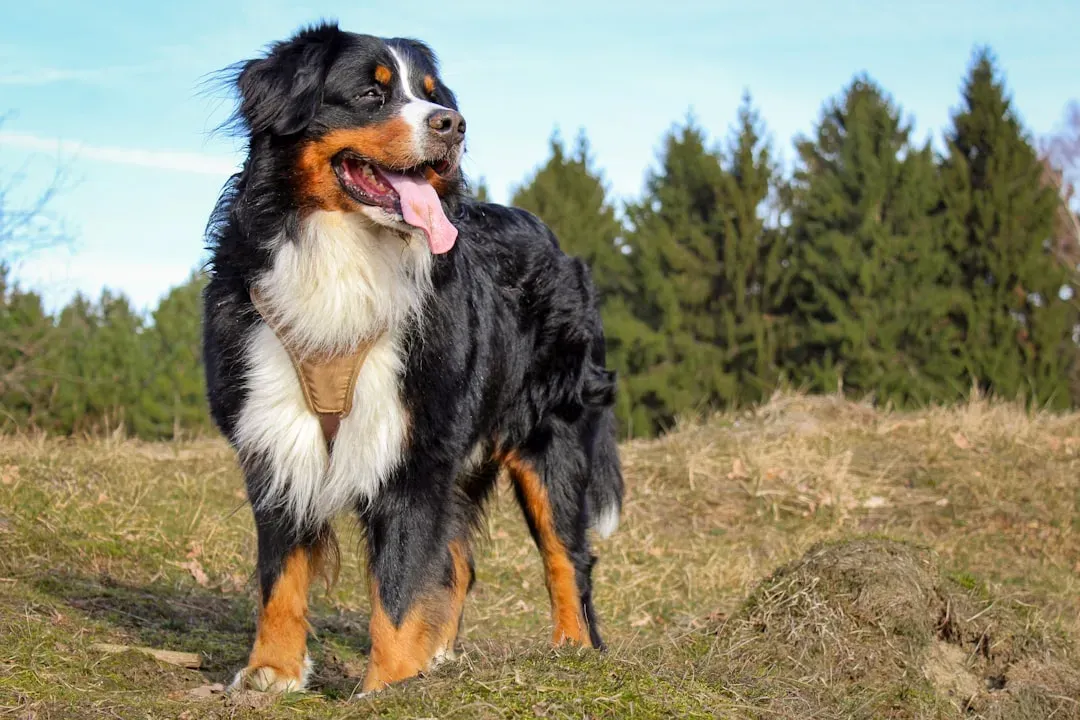
Bernese Mountain Dogs frequently develop histiocytic sarcoma and joint issues, with an average lifespan of 7 to 10 years. For a large, gentle family dog, that’s a sobering number. Bernese Mountain Dogs are prone to several types of cancer; one of the most common is histiocytic sarcoma. There are three forms: localized histiocytic sarcoma, which occurs as a localized tumor often in the bones, skin, lungs, and joints; disseminated histiocytic sarcoma, which affects multiple areas at the same time; and hemophagocytic histiocytic sarcoma, which starts in the spleen and spreads rapidly.
Lymphoma, lymphosarcoma, and malignant histiocytosis are the forms of cancer that most often affect Bernese Mountain Dogs, causing their early death. The average survival time for malignant histiocytosis is 2 to 4 months from diagnosis. They are susceptible to a wide host of health concerns including cancer, kidney disease, liver disease, gastric torsion, Addison’s disease, hemolytic anemia, bloat, and joint diseases. Families who bring home a Berner for their kids should be emotionally and financially prepared for a health journey that can begin sooner than expected. They are gorgeous dogs. That beauty comes with grief built into the timeline.
#12. Dalmatian
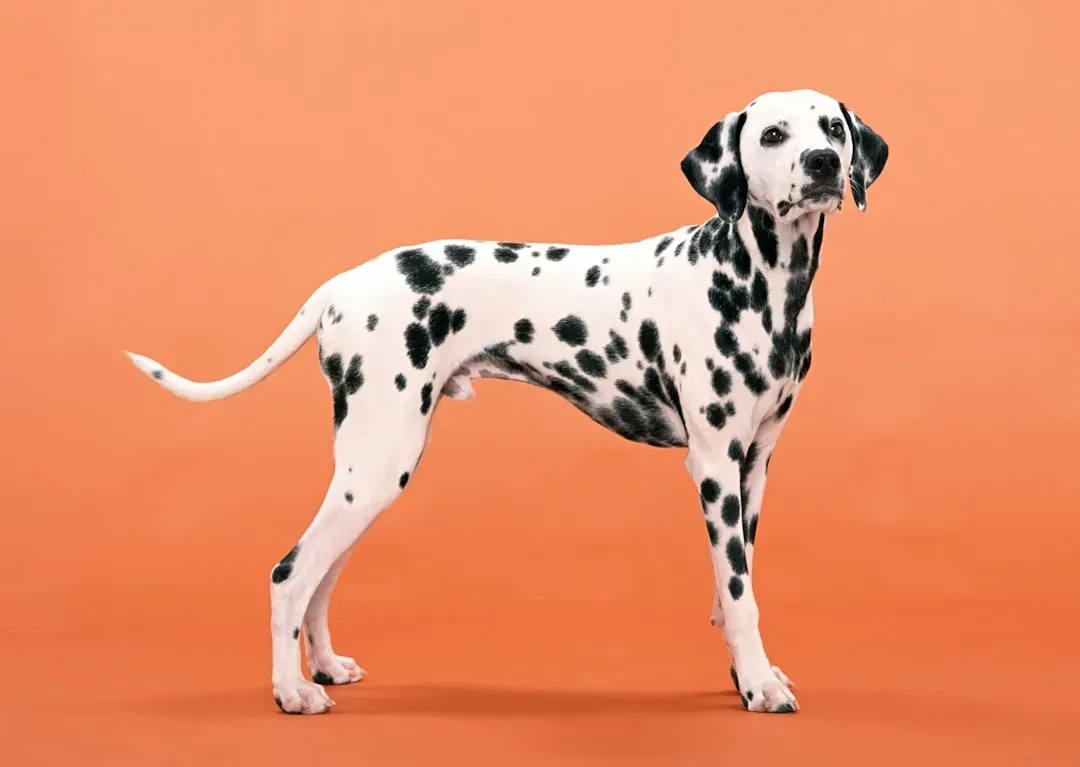
The combination of hereditary deafness, urinary issues, and potential seizure disorders means that owning a Dalmatian responsibly requires proactive testing, a carefully managed diet, and a long-term veterinary relationship. Some breeds are more likely than others to suffer from certain diseases or conditions because of their genetic makeup, and the Dalmatian sits squarely in that category. Their spotted coat is genuinely striking, and decades of pop culture have made them one of the most recognizable dogs on earth.
The most common defect you’d see in a Dalmatian is deafness. They also tend to develop kidney or bladder stones. Researchers studying Dalmatian deafness have noted that because a color patch is considered undesirable, breeders who select against this trait increase the likelihood of deafness in future litters. The spots that make Dalmatians so visually appealing are connected through selective breeding to the same genetic pathways that cause their health vulnerabilities. That’s not a coincidence; it’s a consequence.
#13. Siberian Husky

Siberian Huskies are predisposed to a host of autoimmune ailments, most of which affect the skin, causing sores and hair loss mainly on the face. One such condition leads to eye problems such as cataracts and glaucoma. Huskies look extraordinary. The piercing blue eyes, the wolf-like build, the dramatic markings – it’s no wonder they regularly top “most beautiful dog breeds” lists. What’s rarely mentioned in those lists is the considerable physical and behavioral demands they place on owners.
Known for their striking looks, Huskies are susceptible to health issues like hip dysplasia, progressive retinal atrophy, and allergies. Beyond the physical health concerns, Huskies are high-drive working dogs bred for endurance across Arctic terrain. Whether it be because of serious health issues associated with the breed, or because the breed requires hyper-specific care, some of the most popular dog breeds in America are also some of the most overrated. Their beauty is the hook. Their needs are the reality check.
#14. Great Dane
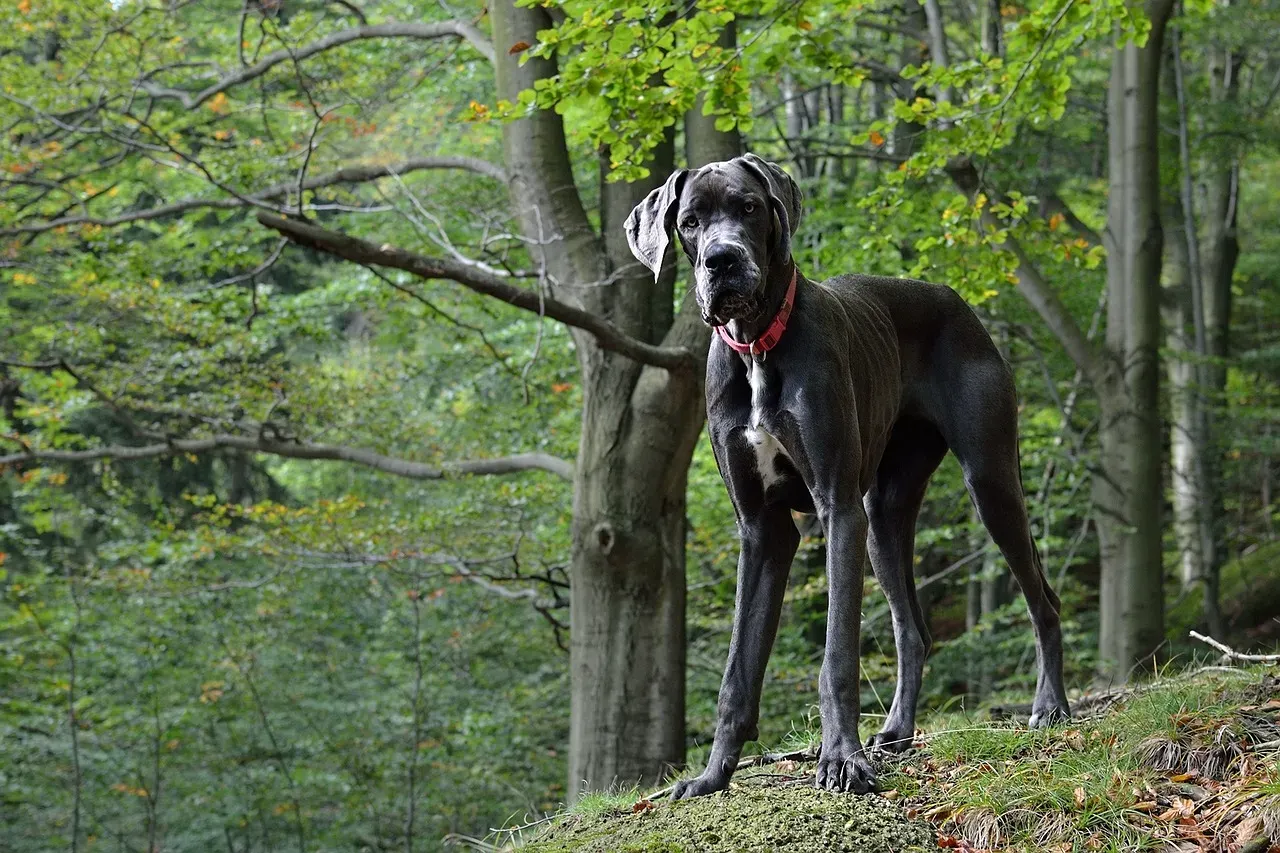
Great Danes are at risk for bloat, cardiomyopathy, bone cancer, arthritis, and hip dysplasia, with an average lifespan of just 8 to 10 years. There is something undeniably majestic about a Great Dane. Their sheer size, their regal presence, their gentle temperament with children – these dogs carry a reputation as gentle giants for good reason. They tend to develop gastric dilation and volvulus syndrome, and hip dysplasia is another health concern commonly seen in the breed.
Gastric dilation and volvulus, commonly called bloat, is a medical emergency in which the stomach twists on itself and can be fatal within hours without intervention. Bloat can result in death in as little as 30 minutes. Some large dog breeds have significantly shorter lifespans and are more prone to life-threatening conditions. The desire to share a home with a dog that looks like a small horse is understandable. The financial and emotional weight of managing their health is something that requires honest preparation.
#15. West Highland White Terrier (Westie)
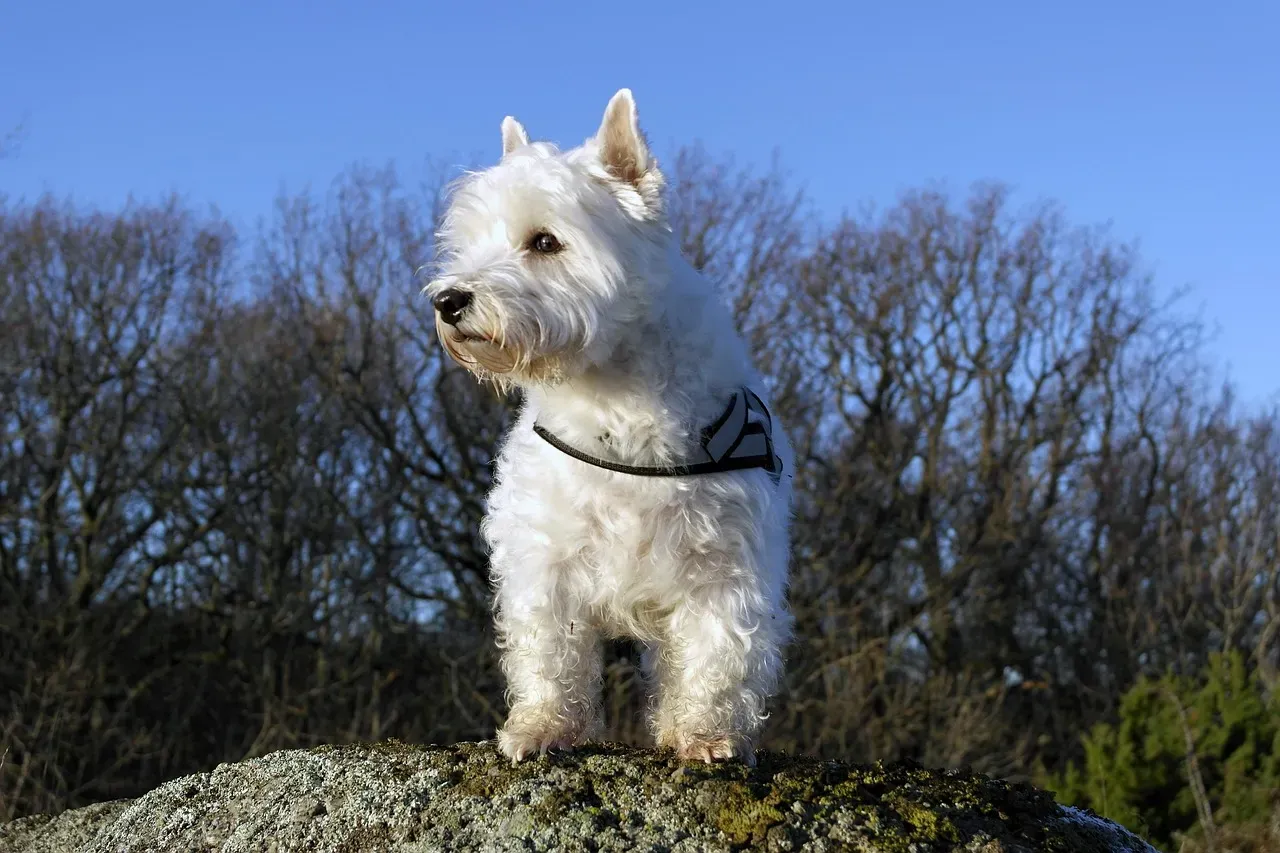
Westies are genetically predisposed to skin allergies, specifically Atopic Dermatitis. Skin allergies can be quite severe and many animals need lifelong treatment as there is no cure. It is very common for them to get skin infections and ear infections because of the allergies, so regular vet trips are very likely. Westies look almost impossibly charming: the crisp white coat, the bright dark eyes, the perky ears. They photograph beautifully and have an outsized personality that fills a room.
The flip side is that their skin and coat, the very things that make them visually distinctive, are also the source of chronic, often expensive discomfort. Atopic Dermatitis in Westies isn’t an occasional issue that responds to a basic treatment and resolves. It’s a lifelong condition that requires ongoing management, including medications, special shampoos, dietary adjustments, and consistent monitoring. Regular vet check-ups are important for early detection and management of potential health problems, and selective breeding, often guided by humans for specific traits, can unfortunately lead to serious health problems in some dog breeds. The white coat that photographs so well is inseparable from the genetics that make it so demanding to care for.
The Bigger Picture: What This Actually Means Before You Choose
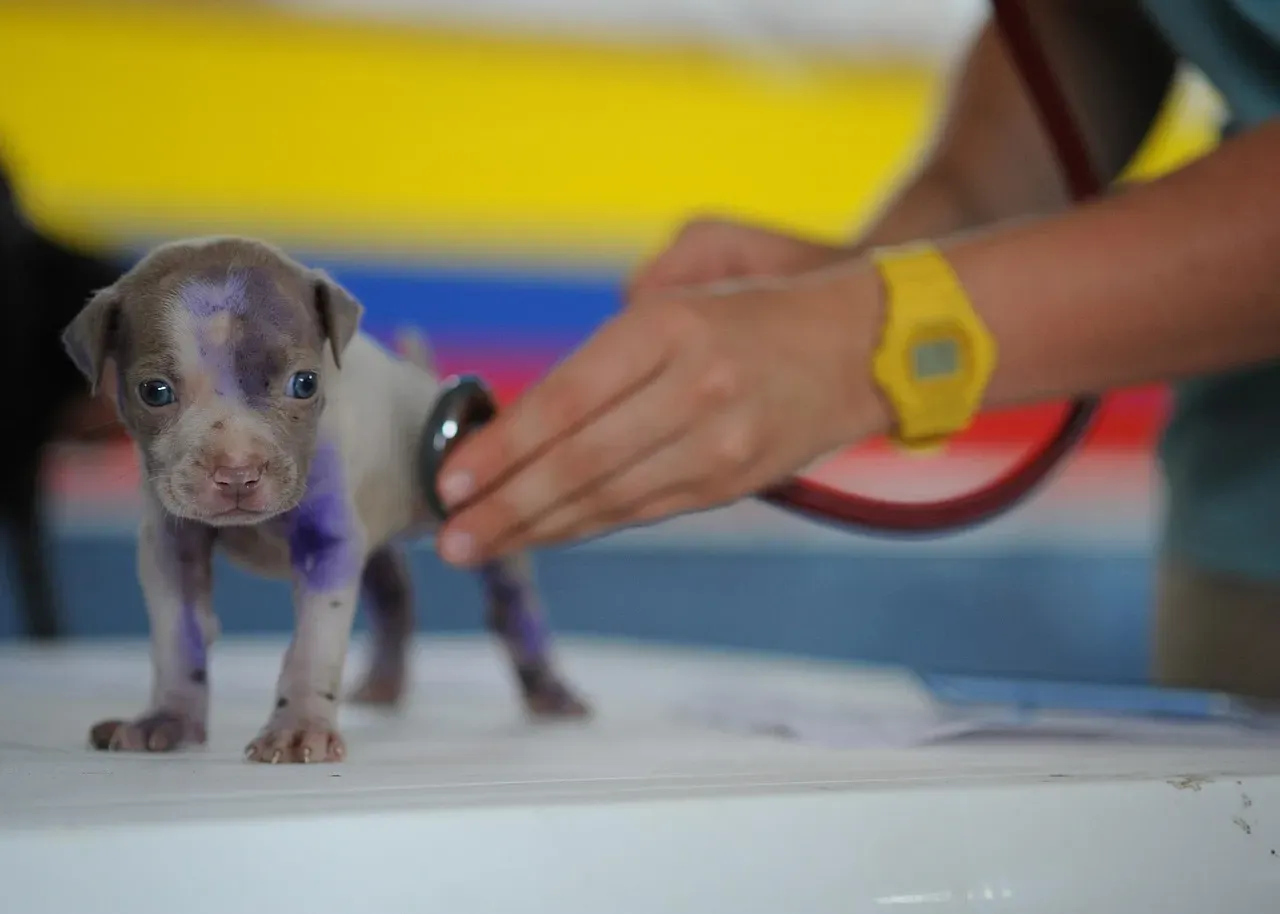
Genetics play a central role in determining a pet’s susceptibility to certain diseases. Over generations, selective breeding for specific traits like coat color, size, or facial shape has also concentrated genes associated with health conditions. This is the core of the issue. When humans breed dogs for appearance rather than health, the animals pay the price. On top of natural predispositions, some breeds suffer additional health issues caused by the very same features humans desire and selectively breed for.
Those extreme brachycephalic dogs could be costly, both financially and emotionally. Choosing the right dog breed involves factoring in not just temperament and size, but also the potential for health-related complications. Some breeds, particularly those that have been selectively bred for specific physical traits, are predisposed to a range of medical conditions. Veterinarians often advise prospective dog owners to research thoroughly before selecting certain breeds, especially those with known chronic health problems. A dog chosen for looks alone can still become one of the great loves of your life. The question is whether you’re ready for everything that comes with that choice.
Conclusion: Love With Your Eyes Open

None of this is an argument against loving these breeds. It’s an argument for loving them honestly. None of this means these breeds are bad dogs. Many of them are extraordinary companions with deeply loyal personalities and wonderful temperaments. What it does mean is that the decision to bring one home should be made with full knowledge, not just affection for an image.
Vets see the full picture in a way that Instagram and breeder websites simply don’t show. They see the chronic conditions that develop quietly, the surgeries that nobody planned for, and the owners who are devastated because nobody told them what to expect. Choosing a dog should involve balancing personality, lifestyle fit, and long-term health projections. With proactive veterinary care and responsible breeding practices, even high-risk breeds can enjoy happy, healthy lives.
The most important thing you can give a dog isn’t a perfect home or an expensive diet. It’s an informed owner. Beauty fades as a reason for anything. What lasts is the relationship, and that relationship is better when it begins with the truth rather than a filtered photo. If you’ve already fallen for one of these breeds, that love is valid. Just go in prepared, get good pet insurance, find a vet you trust, and show up for your dog the way a truly informed owner does.
Worried about unexpected vet bills?
Pet insurance can cover thousands in unexpected vet costs. Get a free quote from Lemonade in under 2 minutes.
Get My Free Quote →Sponsored · Opens Lemonade.com

- Did You Know Tigers Mimic The Calls of Their Prey - June 7, 2026
- Eagles in Alaska Are Changing Their Migration Routes - June 7, 2026
- 7 Ways to Create a Wildlife-Friendly Backyard Habitat - June 7, 2026