

There’s a moment in the wild that happens faster than conscious thought. A deer stops mid-step. A rabbit locks in place. A bird on a low branch goes completely still. Something in the air changed, and the animal’s nervous system responded before its brain had time to reason through the details. That something, more often than not, is a sound.
It’s tempting to think of freezing as simple panic, a creature too frightened to move. The reality is far more precise, and honestly, more fascinating. What locks prey in place is a sophisticated biological system shaped over hundreds of millions of years, triggered by specific low-register sounds that predators consistently produce. Understanding why that freeze happens, and what it means, reveals a hidden layer of the natural world that most of us walk past every day without noticing.
#1: The Low Growl – Nature’s Universal Warning Frequency
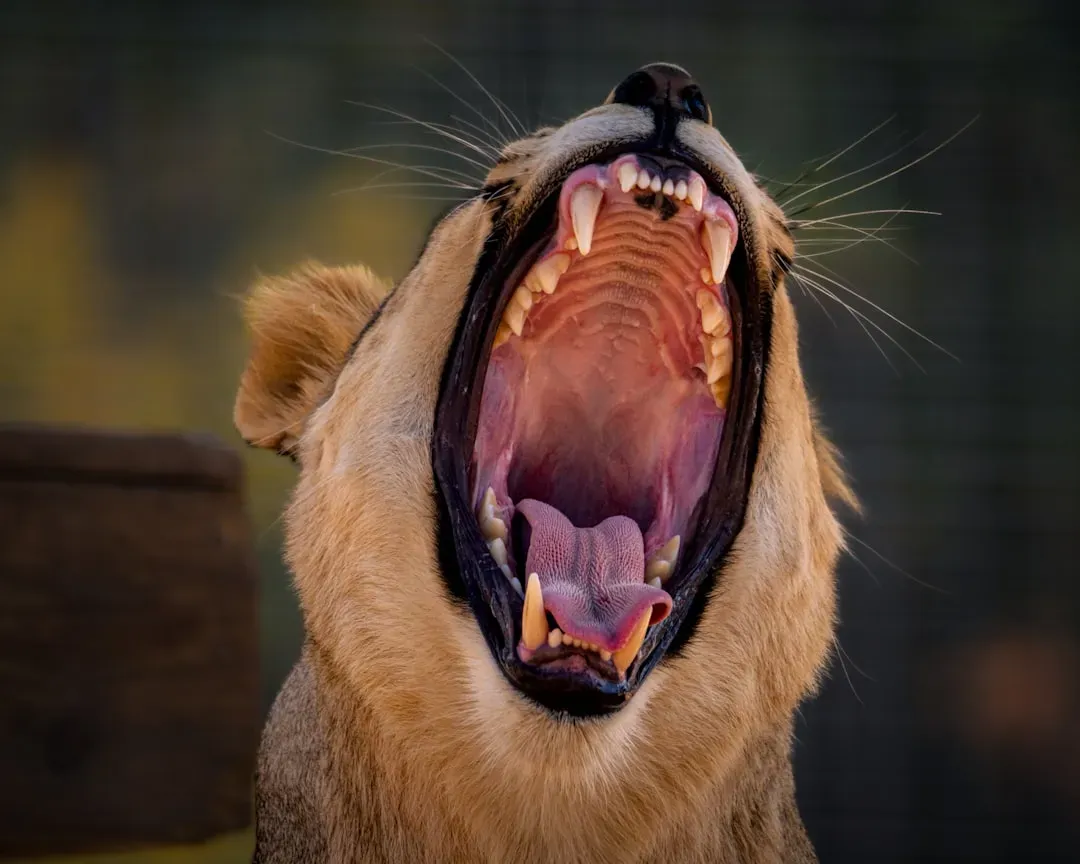
Across almost every major predator group, from big cats to wolves to crocodilians, the sound produced in the moments before an attack tends to share one defining quality: it is deep, low, and rumbling. This is not coincidence. The first step toward neurological fear is identifying a threatening stimulus, and auditory cues such as a growl are among the most potent triggers of the fear response in the animal brain. That deep register carries biological weight far beyond what we register as “scary.”
The frequency region that makes prey tremble among sound components is mainly the low-frequency region of 100 Hz or less. This sits right at the boundary of what many animals feel as much as hear. It bypasses the rational processing centers and hits something older and more immediate, a kind of acoustic shortcut directly into the fear system.
#2: Infrasound – The Frequency You Feel but Cannot Hear

The most striking dimension of predator sound isn’t even audible in the conventional sense. Humans can only hear frequencies from 20 hertz to 20,000 hertz, but tigers mix infrasound growls at 18 hertz and below with the roar we can hear, creating a sensation that causes momentary paralysis. This is not a subtle effect. It is a physical force.
Infrasound can travel long distances, and it can also pass through solid objects including bones, which is why researchers have reported being able to feel the roar. Infrasound, though inaudible, can have profound effects on the body, with studies showing that exposure can cause feelings of unease or fear. The prey doesn’t need to consciously register the sound for the sound to do its work.
#3: The Brain’s Freeze Circuit – What Actually Happens in That Split Second

Threatening auditory cues are transduced into a neural signal sent directly to the thalamus, which acts as a relay station for signals to other brain regions. From there, everything accelerates. A “low road” pathway runs from the thalamus directly to the amygdala, the brain’s smoke detector, and this pathway exists specifically to preserve immediate safety. The result is a fear response that precedes any conscious thought by a measurable margin.
The basolateral amygdala is critical for the generation and maintenance of the fear response across many phylogenetic groups, and exposure to cues of predator presence activates neurons within this region. Remarkably, exposure to predator vocalizations has been shown to produce enduring effects lasting at least seven days, involving heightened sensitivity to predator danger and elevated neuronal activation in both the amygdala and hippocampus. A single sound, in other words, can rewire short-term behavior for nearly a week.
#4: Freezing vs. Tonic Immobility – Two Different Survival Strategies

Not all stillness is the same, and this distinction matters enormously. Freezing occurs early during a predator-prey interaction when the prey detects and identifies the threat but the predator has not yet seen the prey, and because it is used to camouflage the prey and prevent the predator from attacking, it is considered a primary defense mechanism. It is an active, strategic choice driven by a specific calculation: stay still, stay invisible.
Tonic immobility is something else entirely. During tonic immobility, opioid pathways suppress pain awareness, stress hormones like cortisol surge and redirect energy metabolism, muscles lock into rigid postures, breathing slows and deepens, and the eyes may close or fix into a blank stare. The brain itself remains highly active even though the body appears shut down, with brain wave recordings in animals showing sustained high-level processing beneath the surface stillness. The body goes quiet. The mind does not.
#5: Why Freezing Works – And What It Costs
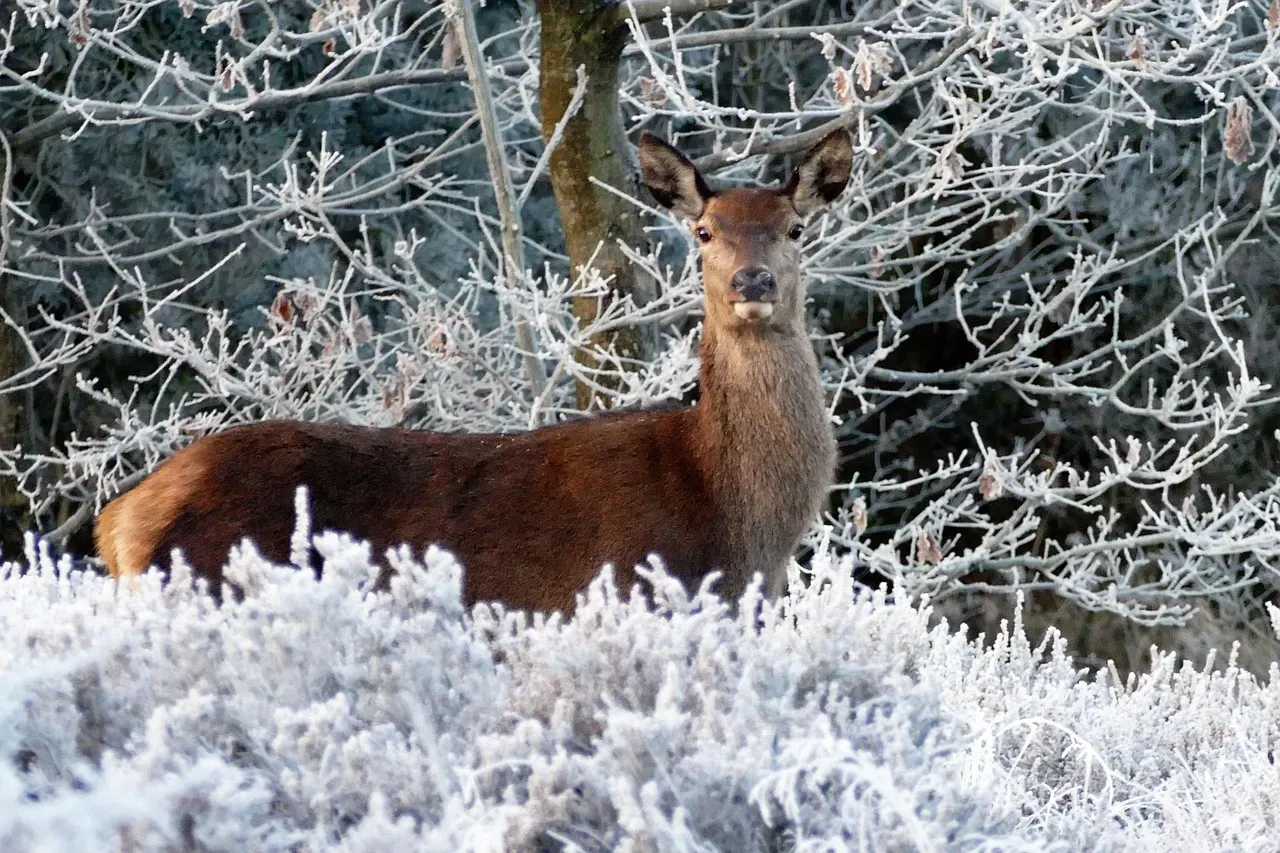
Freezing allows an animal to gather evidence of possible danger while avoiding detection in case it needs to safely escape. It is a stalling mechanism, a brief pause in which the prey calculates distance, trajectory, and the best exit route. Freezing is often accompanied by increased vigilance, which not only decreases the likelihood that the predator will notice the prey but also provides time to evaluate potential escape routes. The stillness is purposeful, not paralytic.
Many predators lose interest in prey that stops moving, and a motionless animal is also harder to detect and may avoid triggering a predator’s chase instinct. Still, the freeze response carries a real biological cost. Fear causes chronic effects like lower investment in reproductive hormones, greater activation of the stress axis, and lower growth rates, meaning the impact of predation includes chronic effects of fear itself beyond the direct mortality of the prey. Surviving an attack doesn’t fully erase it. The sound leaves a mark that lingers far longer than the moment itself.
Conclusion: Sound as a Weapon Older Than Language

What predators have learned, through millions of years of evolution rather than deliberate strategy, is that sound is its own kind of weapon. The low growl, the subsonic rumble, the infrasonic pressure wave moving through bone and tissue, these are not byproducts of aggression. They are part of a finely tuned acoustic arsenal that exploits deeply conserved wiring in prey nervous systems.
This freeze response isn’t a glitch. It’s a deeply conserved defense that natural selection has maintained across hundreds of millions of years of vertebrate evolution. Both the predator’s sound and the prey’s stillness have been shaped by the same relentless process, each side refining its tools in response to the other. The next time you hear a low rumble and feel something tighten in your chest, that’s not irrationality. That’s one of the oldest conversations on Earth, and your body already knows how to respond.
