

Most cat owners pride themselves on knowing their pets inside out. Yet cats have a remarkable talent for masking discomfort until it becomes impossible to ignore. This instinct, rooted in their wild ancestry, often leaves subtle signals overlooked in everyday life at home.
Those quiet shifts in routine can point to underlying pain or illness long before obvious symptoms appear. Paying closer attention changes everything for the cat and the bond shared with its person.
Appetite Changes That Go Unnoticed
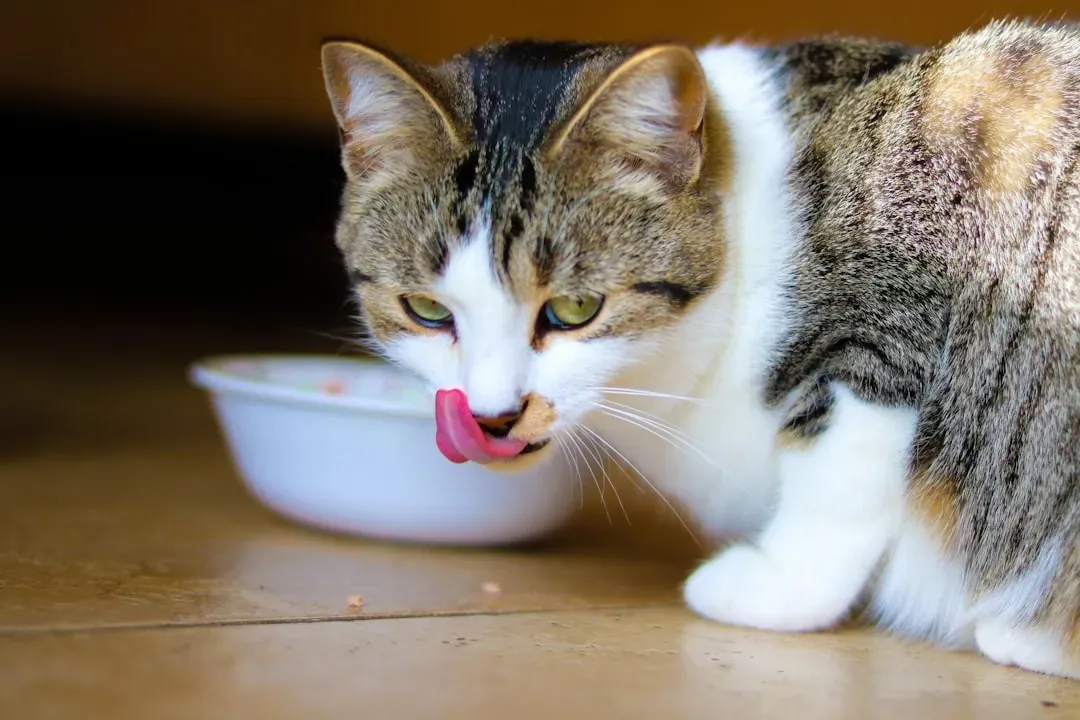
Cats rarely announce when something feels off with their meals. A slight slowdown in eating or leaving food behind might seem like a picky phase at first. Over time these small adjustments often trace back to dental discomfort or early digestive trouble.
Owners who track portions notice patterns faster than those who free feed. Offering favorite treats can reveal whether interest has truly faded. Catching these moments early opens the door to simple fixes before bigger problems develop.
Litter Box Behavior Shifts
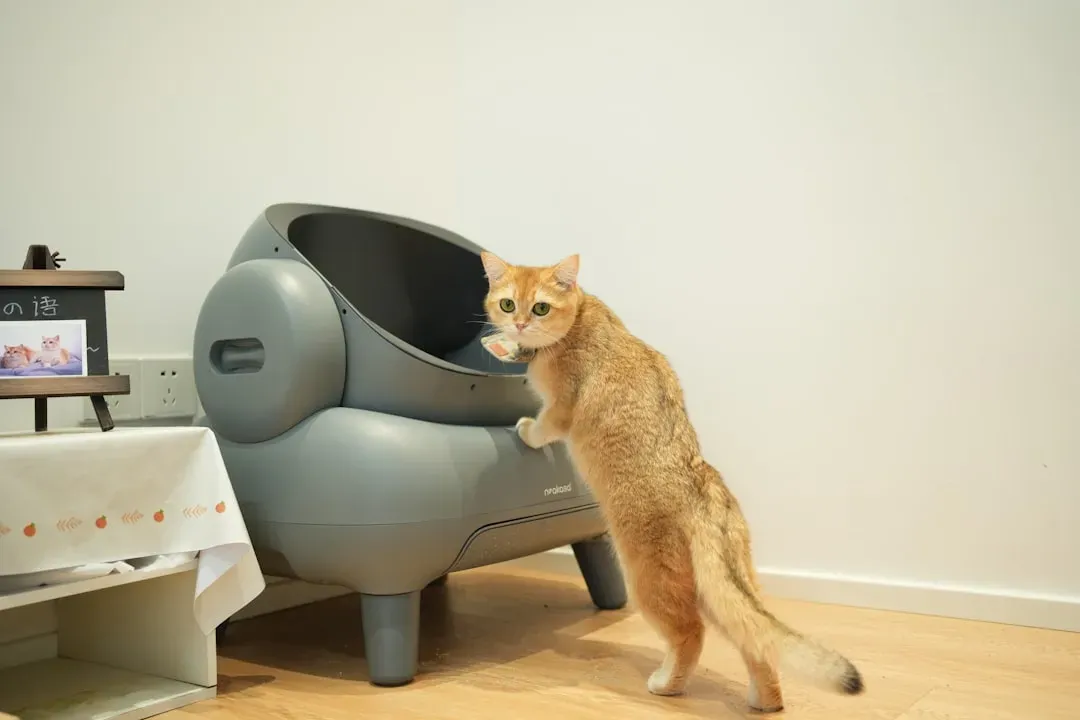
The litter box serves as a daily window into a cat’s comfort level. Straining, avoiding the box, or producing smaller amounts than usual can signal urinary or kidney concerns that build quietly. Many cats continue using the box out of habit even while uncomfortable.
Changes in frequency or location sometimes get blamed on preference rather than pain. Fresh litter and clean boxes make it easier to spot differences in volume or consistency. Regular observation turns this routine chore into an early alert system.
Grooming Habits That Tell a Story
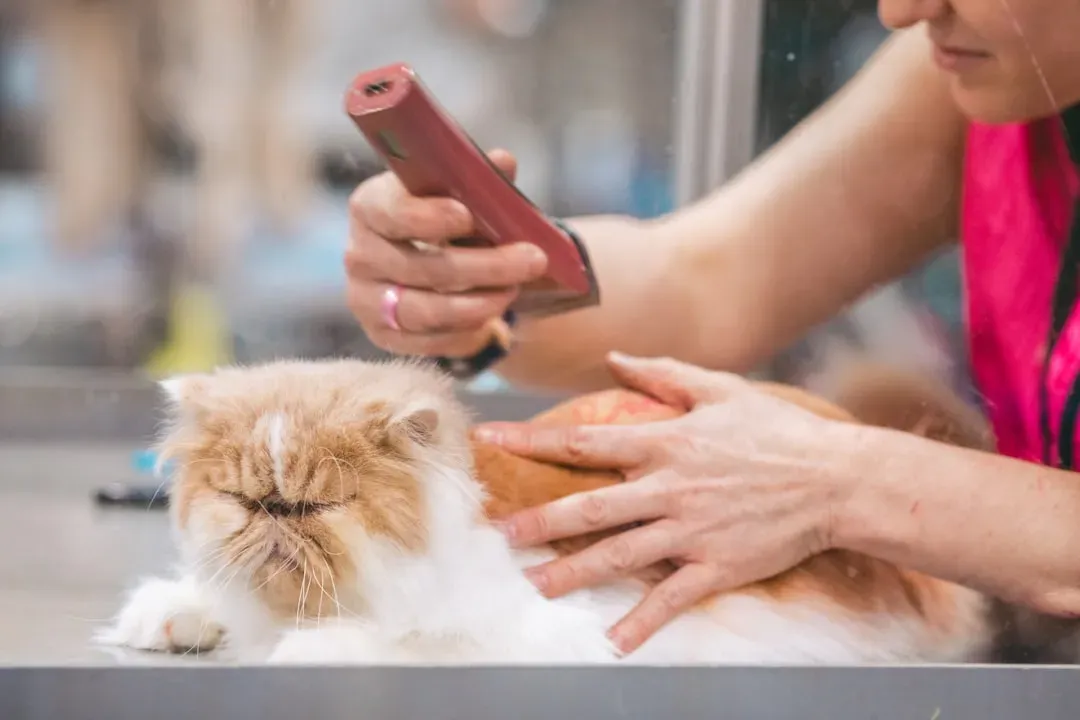
A glossy coat usually reflects a content cat that grooms thoroughly each day. When mats appear or certain areas get neglected, it often means reaching those spots has become painful. Overgrooming one spot can also indicate irritation or joint stiffness underneath the fur.
Brushing sessions provide a gentle way to check for lumps or sensitivity without stress. Cats that once enjoyed grooming time may pull away when touched in tender places. These coat clues add up over weeks rather than appearing overnight.
Reduced Play and Energy Levels
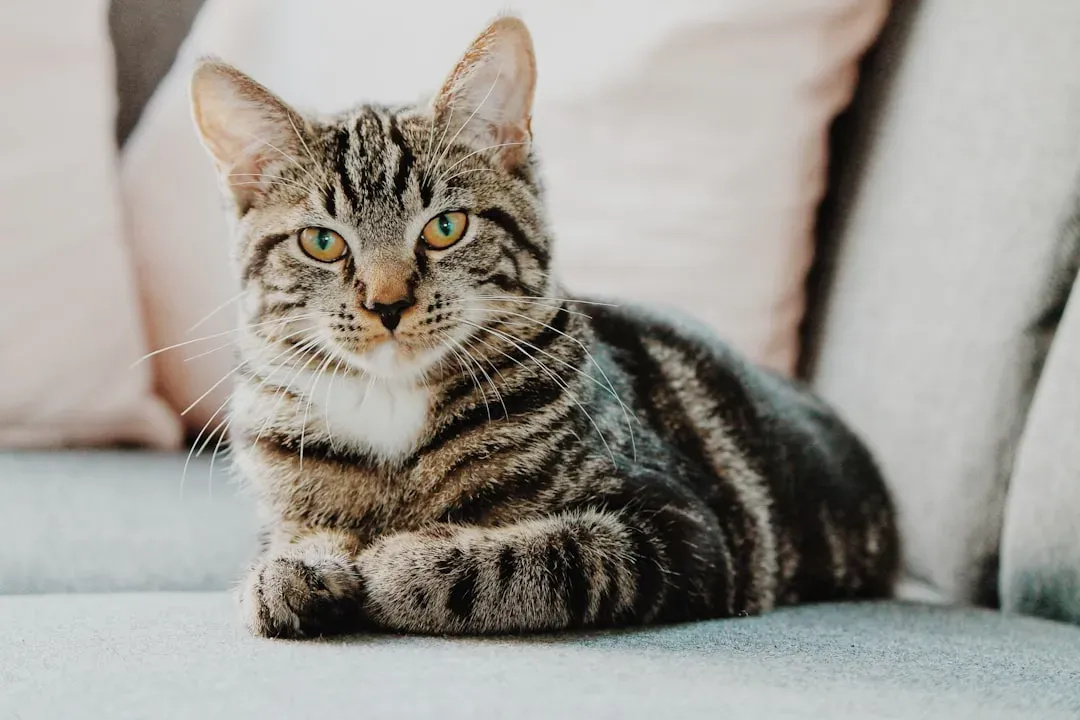
Play sessions offer a clear measure of a cat’s usual spark. A favorite toy that once sparked leaps now sits untouched for days. Longer naps or less interest in window watching can reflect stiffness or low energy from internal issues.
Seasonal changes sometimes explain temporary slowdowns, yet persistent drops deserve a closer look. Interactive toys help test whether the cat still responds with its old enthusiasm. Tracking these patterns week to week builds a reliable picture of normal versus not quite right.
Subtle Posture Adjustments

Cats move with natural grace most of the time. A hunched back during rest or hesitation before jumping onto furniture can reveal discomfort in the spine or joints. Tail position that stays low or tucked also hints at unease rather than relaxation.
Stairs or raised beds become obstacles that get avoided without fanfare. Watching how the cat settles into its favorite spots shows whether movement flows smoothly. These quiet posture shifts often precede more noticeable limps or reluctance to move.
Increased Hiding or Solitude
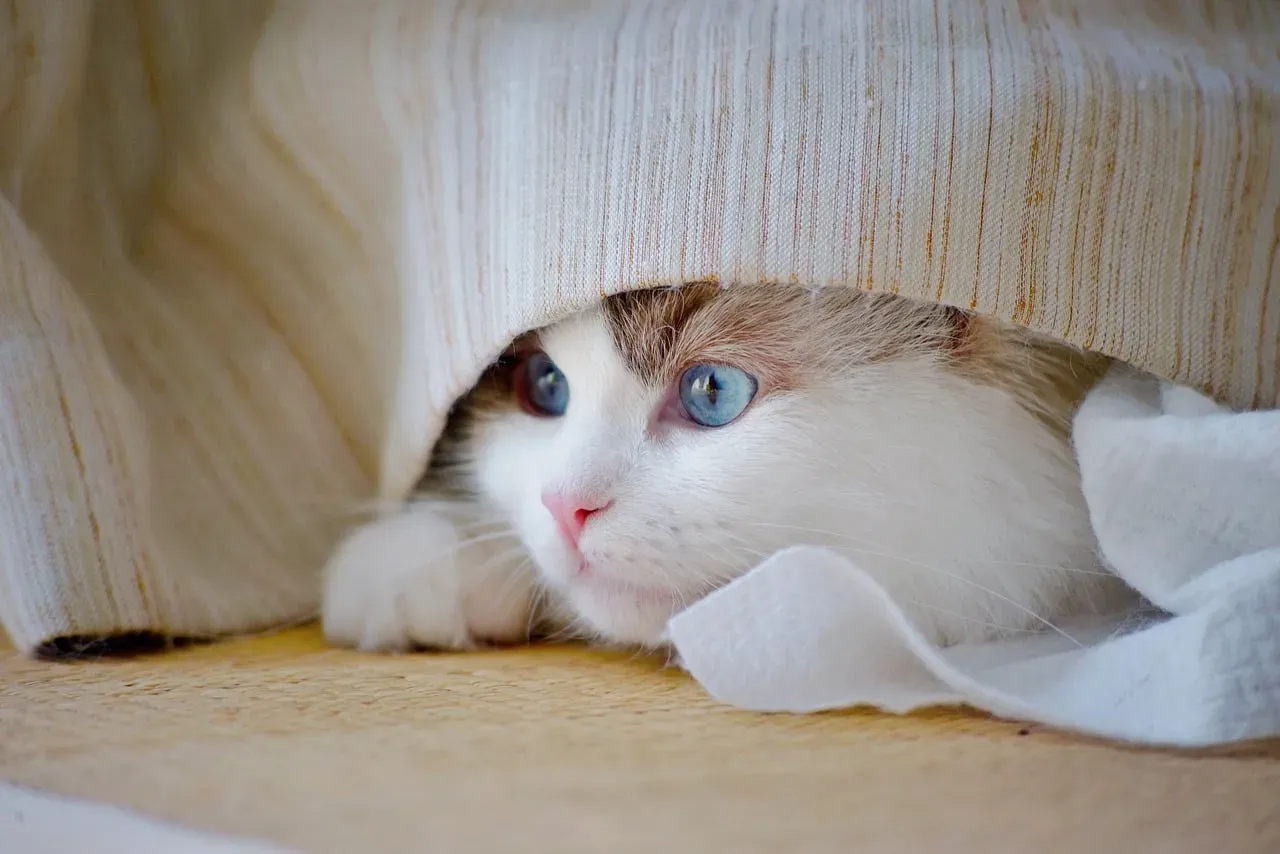
Every cat enjoys quiet corners now and then. When a social cat begins spending hours tucked away or avoids family rooms, it frequently signals a need to feel safe while unwell. Withdrawal protects the cat in the wild but masks problems at home.
Personality plays a role, so baseline behavior matters most. New hiding spots or longer absences from usual perches stand out against the cat’s normal rhythm. Gentle invitations back into shared spaces can test whether the preference has shifted permanently.
Why Early Attention Matters Most
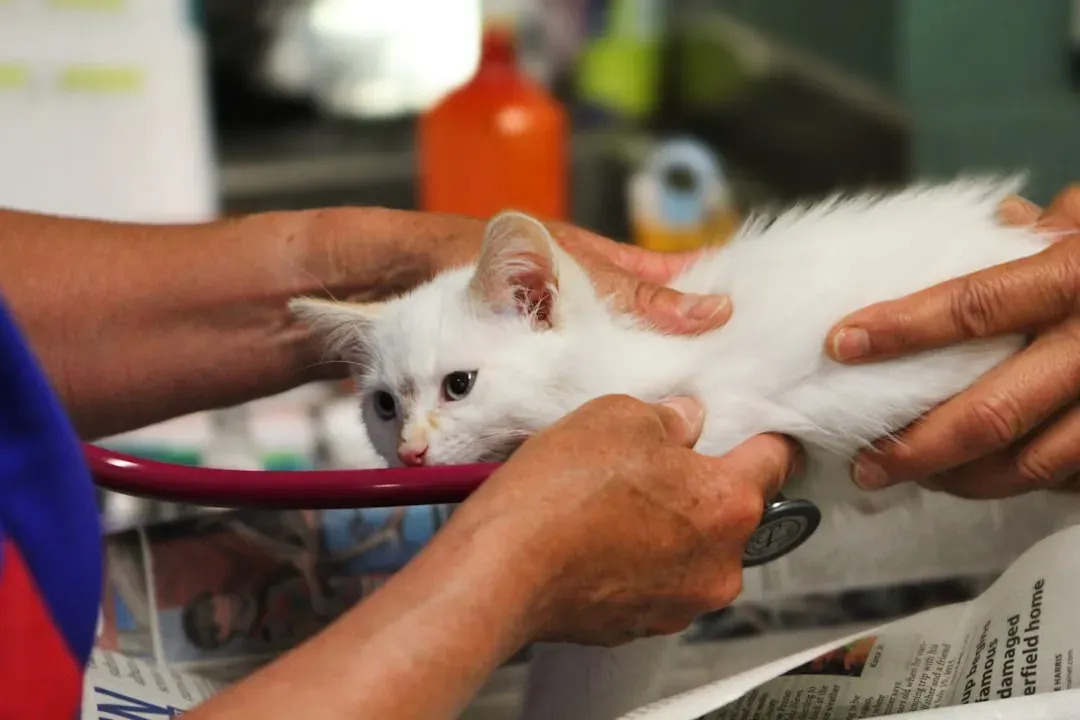
Regular wellness visits catch issues before they escalate into emergencies. Many conditions respond well to early support once noticed through daily observation. Owners who stay curious about small changes give their cats longer, more comfortable lives.
The quiet nature of these signals does not make them less important. Building simple habits around watching appetite, movement, and routines turns everyday moments into meaningful care. In the end, noticing the silent signals strengthens the trust between cat and person in ways that last.
