
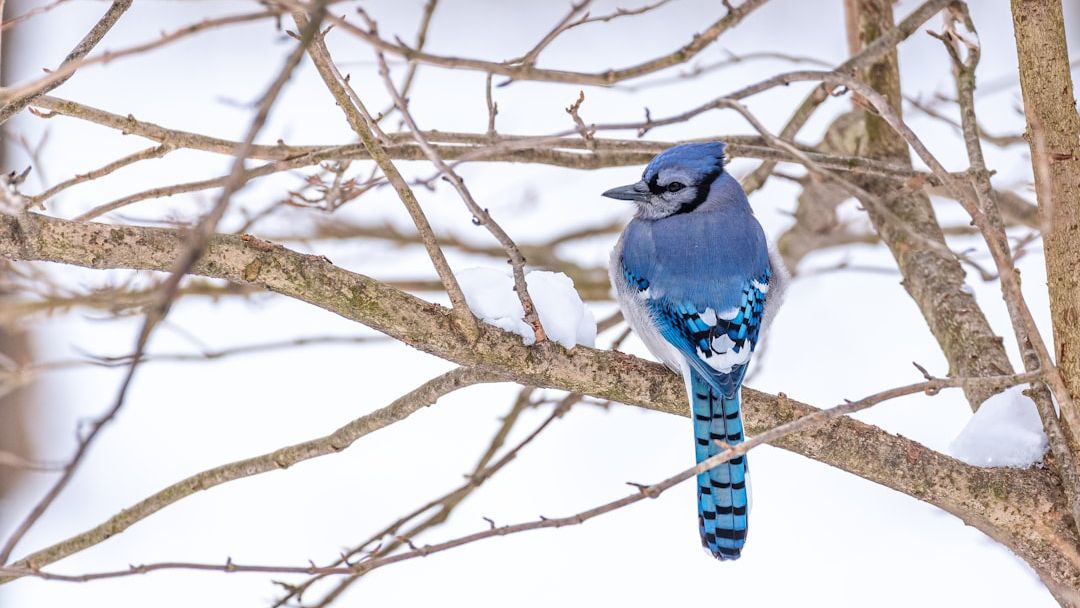
One morning the feeder swings empty. The bold blue flashes and raucous calls that filled the yard just days earlier have disappeared without warning. Many backyard watchers notice the same pattern and wonder what changed overnight.
The shift often feels personal, as if the birds chose to leave. In reality their movements follow quiet rhythms tied to survival needs that unfold every season. Understanding those patterns reveals more about the birds than about any sudden rejection of the yard itself.
Food Sources Shift With the Seasons
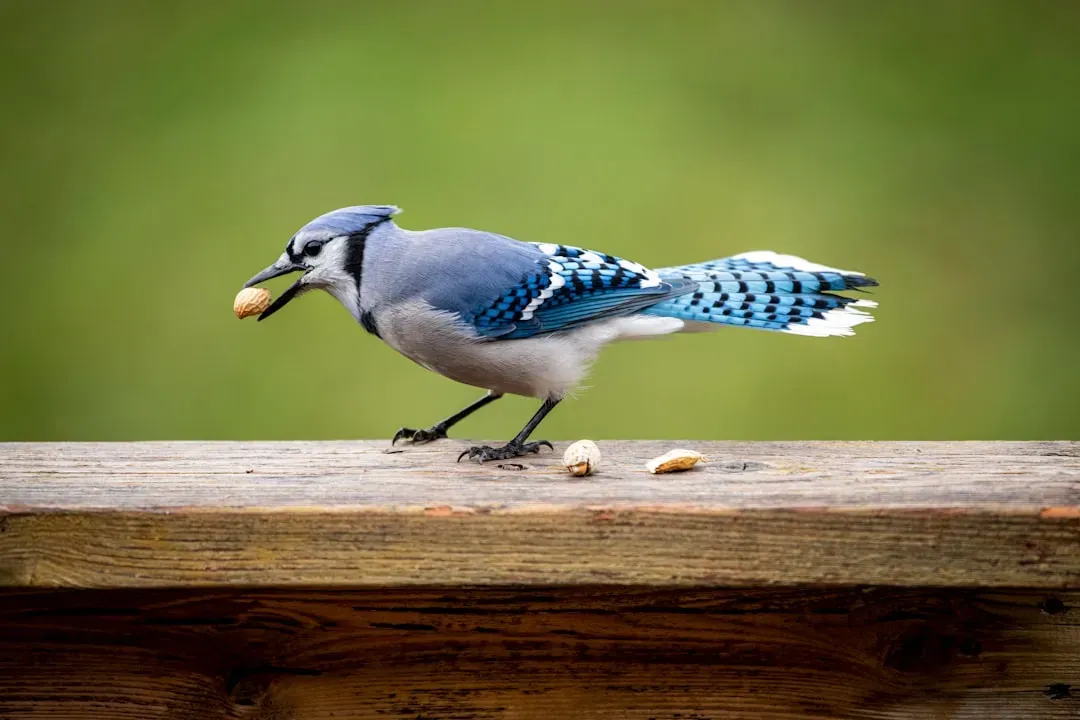
Blue jays track natural food supplies closely throughout the year. When acorns, beechnuts, or other wild mast crops ripen in nearby woods, the birds move toward those abundant patches. A backyard feeder that once supplied steady peanuts or sunflower seeds suddenly ranks lower on their daily route.
This movement is not random. It reflects an efficient strategy that lets the birds stockpile calories for later use. Homeowners who refill feeders at the same rate may still see fewer visitors once the forest offers fresher options. The change can happen within a single week when a heavy nut crop appears.
Breeding Season Alters Daily Habits
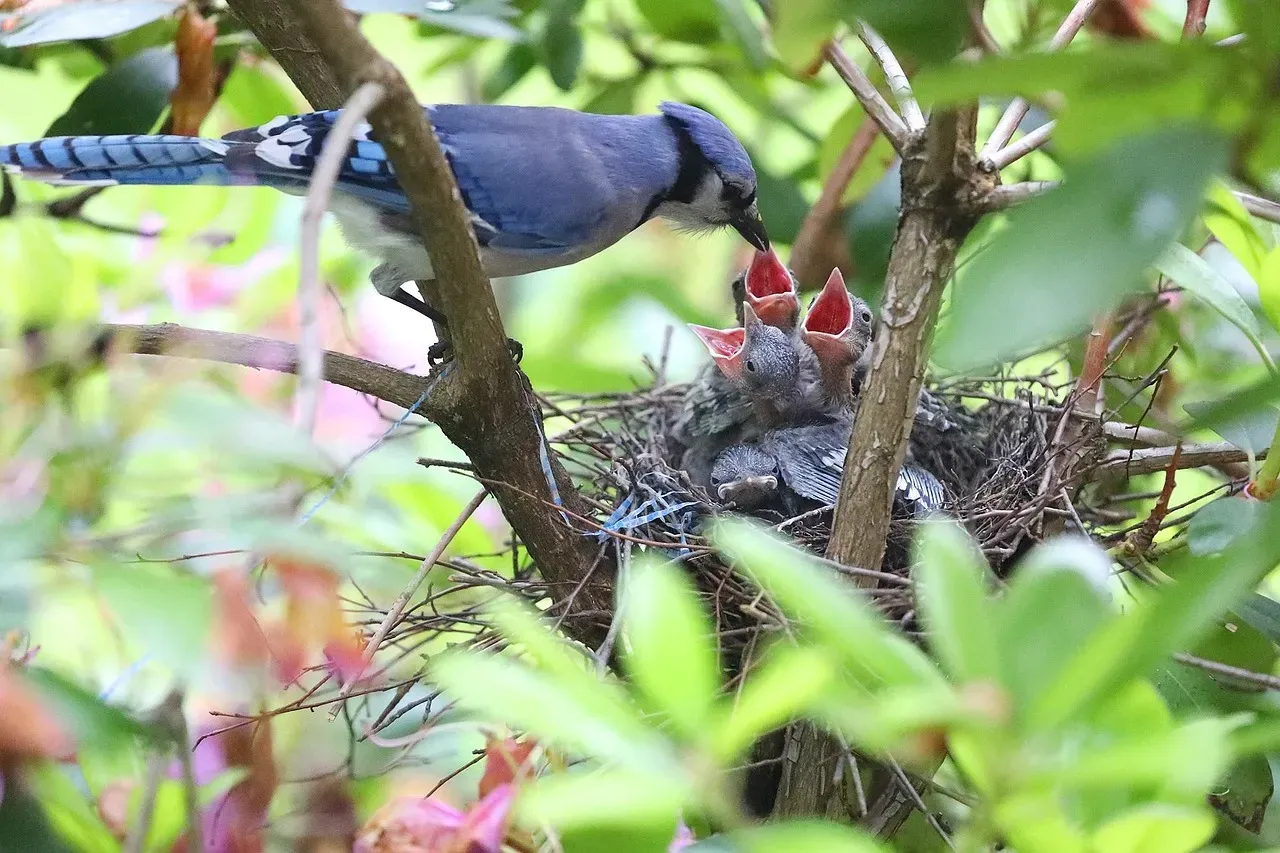
During nesting time blue jays become far more secretive. Pairs focus on building nests high in dense trees and protecting eggs or young from threats. The loud family groups that once dominated the yard quiet down as adults spend more time hidden near the nest site.
Even when the birds remain in the same neighborhood, their visits to open feeders drop sharply. They may slip in early or late when fewer eyes are watching. This quieter phase usually lasts several weeks until the young fledge and the family resumes more visible foraging.
Predators Prompt Quick Relocation
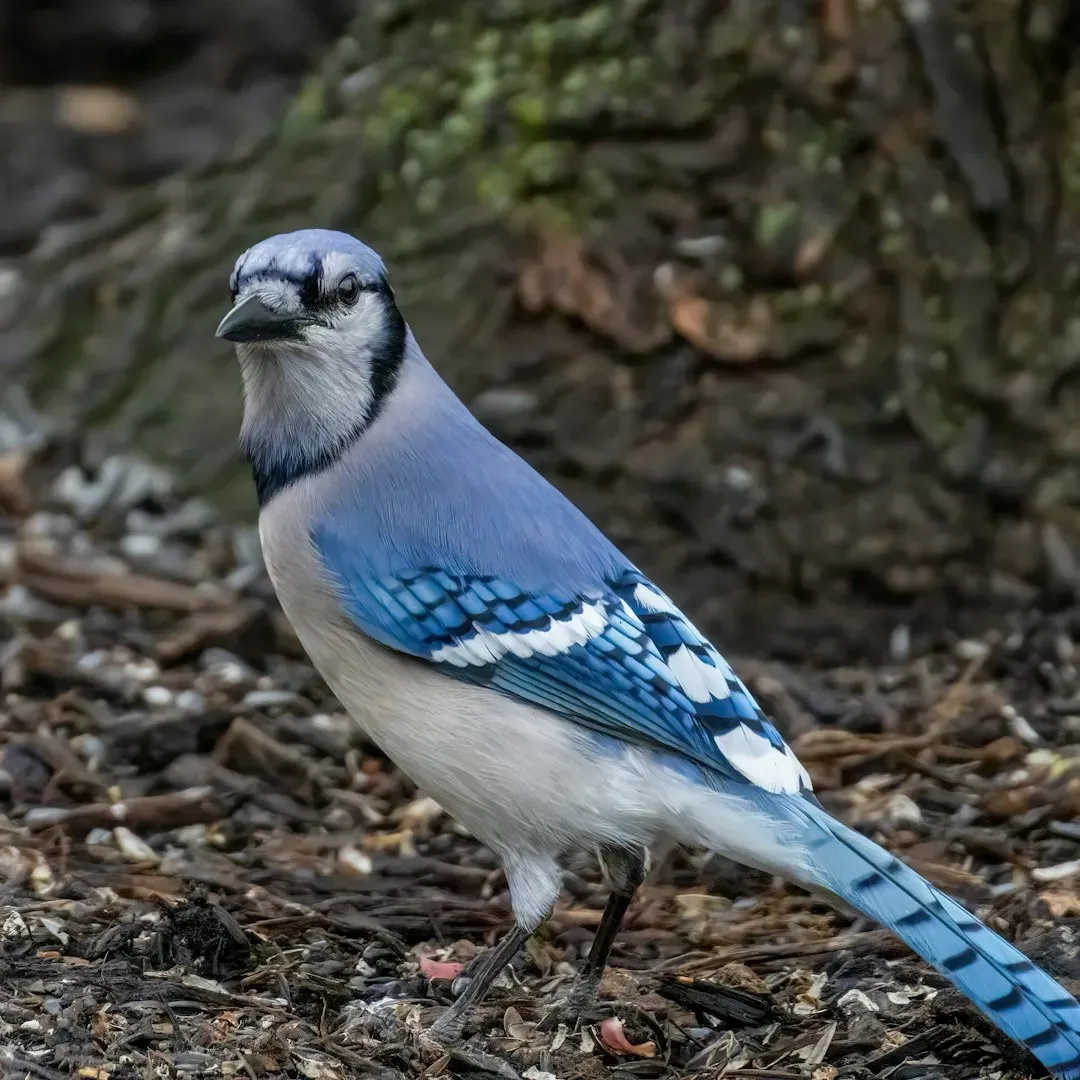
A hawk circling overhead or a neighborhood cat on the prowl can empty a yard of blue jays in hours. These intelligent birds notice new risks fast and adjust their routes to avoid danger. Once they mark an area as unsafe, they simply stop returning until the threat passes.
The same caution applies to sudden changes like new construction or increased human activity. Blue jays weigh the cost of each stop and move on when the risk feels too high. Their absence often signals a temporary adjustment rather than a permanent departure.
Molting Makes Birds Less Visible
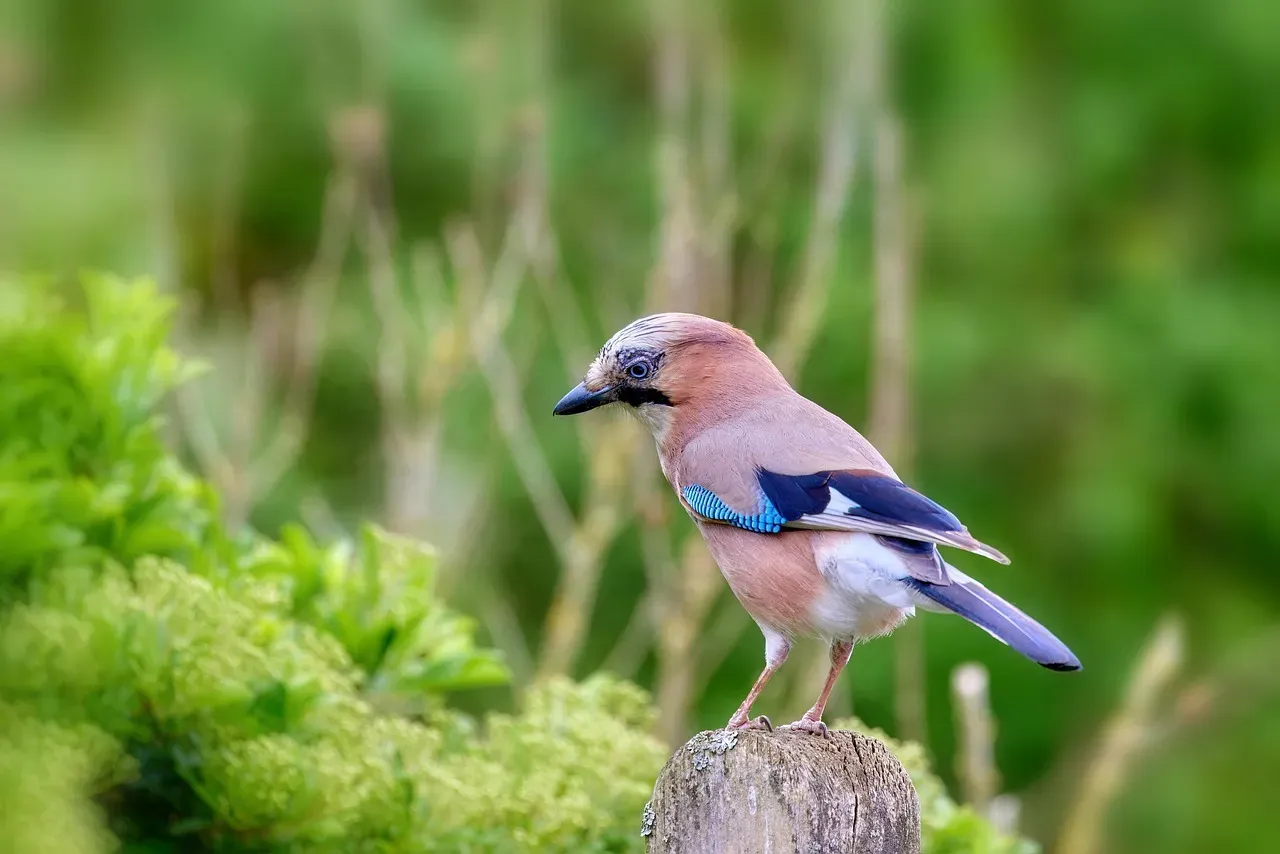
Blue jays shed old feathers in late summer and replace them with fresh plumage. The process leaves them feeling vulnerable and less inclined to venture into open spaces. They spend more time tucked into cover while new feathers grow in.
During this period the birds still eat but choose safer, quieter spots. A yard that once hosted constant activity can appear deserted for several weeks. The timing coincides with the end of breeding and the start of fall movements, compounding the sense of sudden disappearance.
Weather Influences Short-Term Patterns
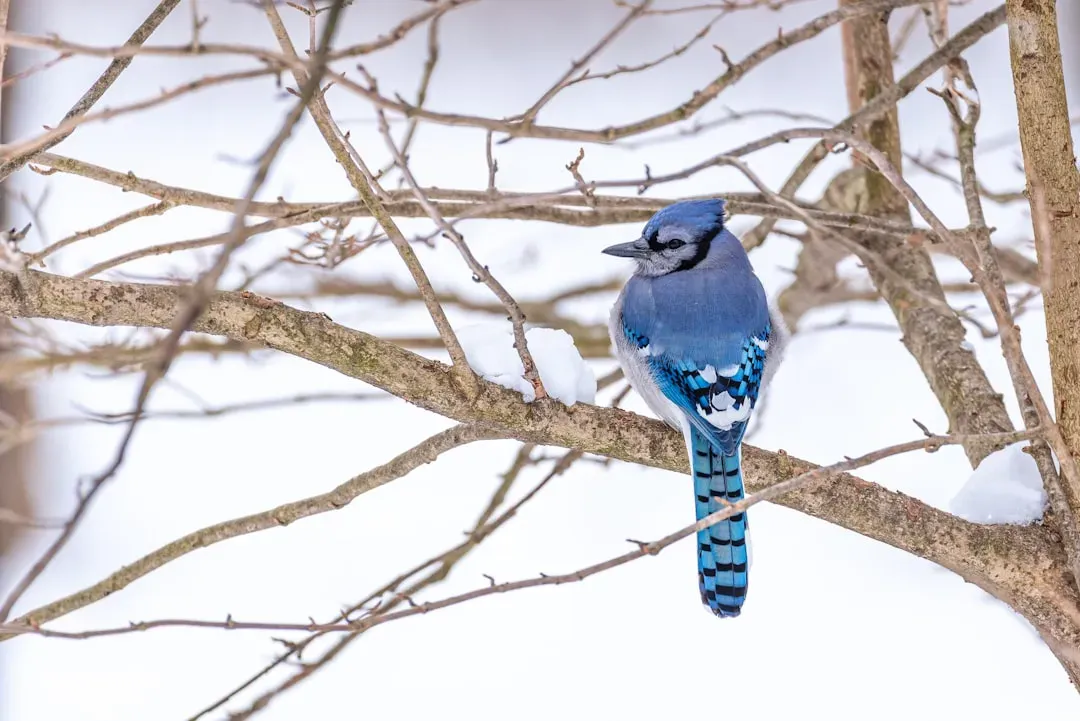
Heavy rain, strong winds, or extreme heat can keep blue jays grounded in sheltered spots. They wait out uncomfortable conditions rather than expose themselves at feeders. Once the weather stabilizes, the birds often return to familiar routines within a day or two.
Longer stretches of drought or unusual cold also reshape where they find water and insects. These environmental cues drive small daily shifts that add up to noticeable gaps in sightings. The birds respond to the same conditions that affect other wildlife in the area.
They Often Stay Closer Than Expected
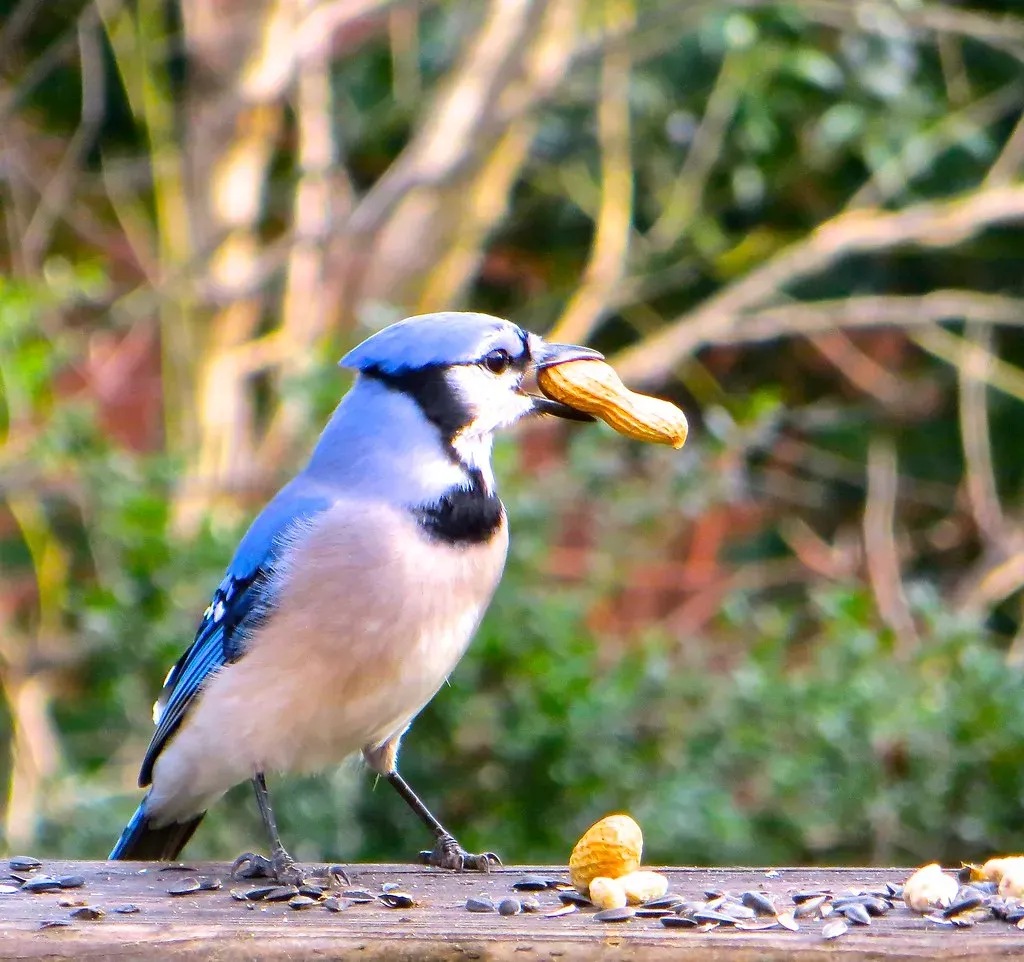
Many times the blue jays have not left the neighborhood at all. They simply switch to different trees or quieter corners of the same property. Their bright colors blend into foliage when they move less and call less often.
Patient observers sometimes spot them again by changing the time of day or the angle of view. The birds continue their normal activities out of direct sight. This hidden presence explains why the yard can feel empty one week and lively again the next without any obvious cause.
The Real Surprise Lies in Their Flexibility
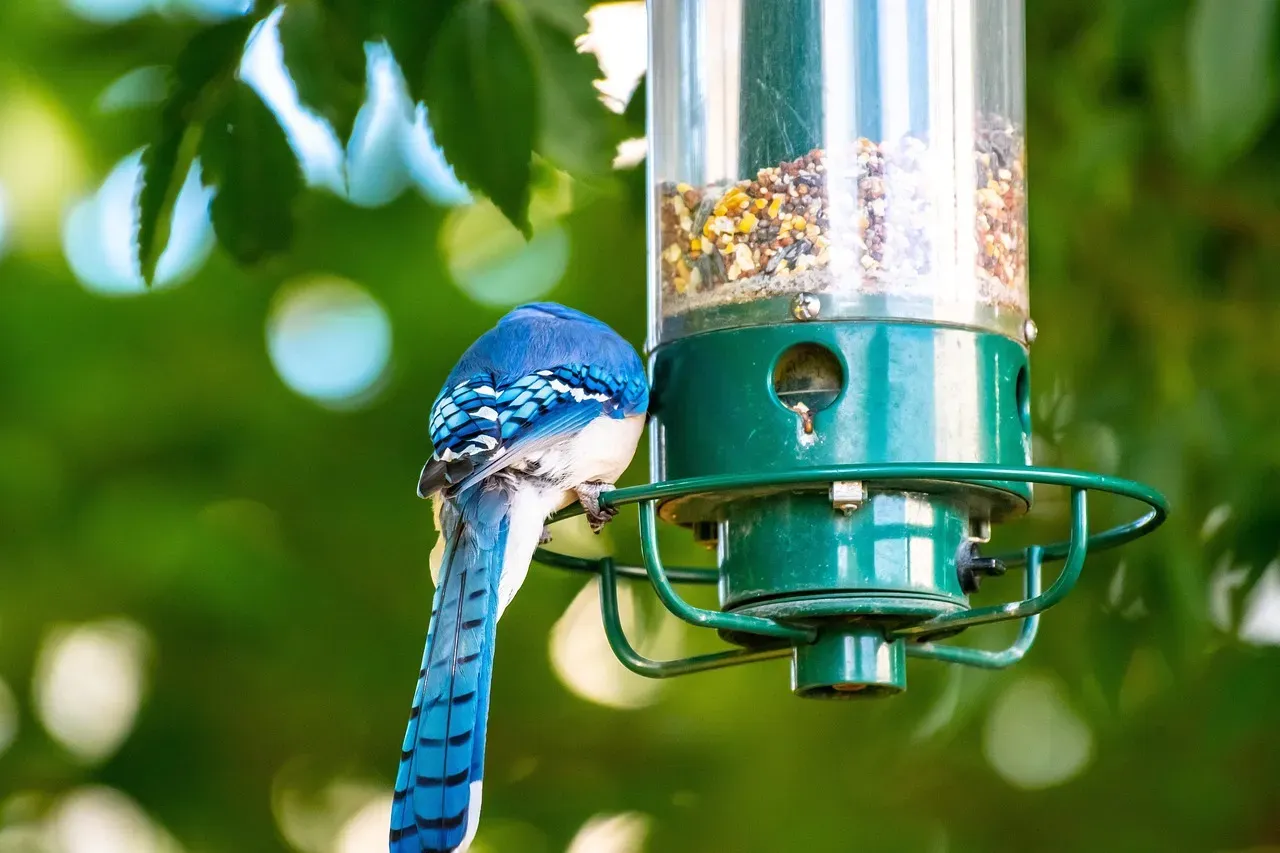
Blue jays demonstrate remarkable adaptability rather than any dramatic rejection of a single yard. Their sudden absences usually reflect smart responses to food, safety, or seasonal demands that benefit the birds in the long run. Homeowners who accept these natural rhythms often notice the birds return on their own schedule.
Watching the larger pattern across months shows that the yard remains part of a shifting landscape the birds navigate with ease. The surprise is not that they leave but how quickly they adjust and how little it has to do with anything the feeder itself did wrong. In the end the empty feeder simply marks one small chapter in a much larger, ongoing story of survival.

- 14 Ways a Dog Shows You Are the Center of Its Whole World - July 21, 2026
- 15 Quiet Habits That Show a Senior Dog Adores the Person It Chose - July 21, 2026
- The 13 Small Ways an Old Dog Says It Chose You and Only You - July 21, 2026