
Most cat owners go through their routines without a second thought about how their smallest gestures land with their pets. Yet one everyday action stands out in the quiet world of feline communication and can change how your cat sees you entirely.
It has nothing to do with treats or toys. Instead it comes down to a simple shift in how you use your eyes during those ordinary moments together.
Feline Social Signals
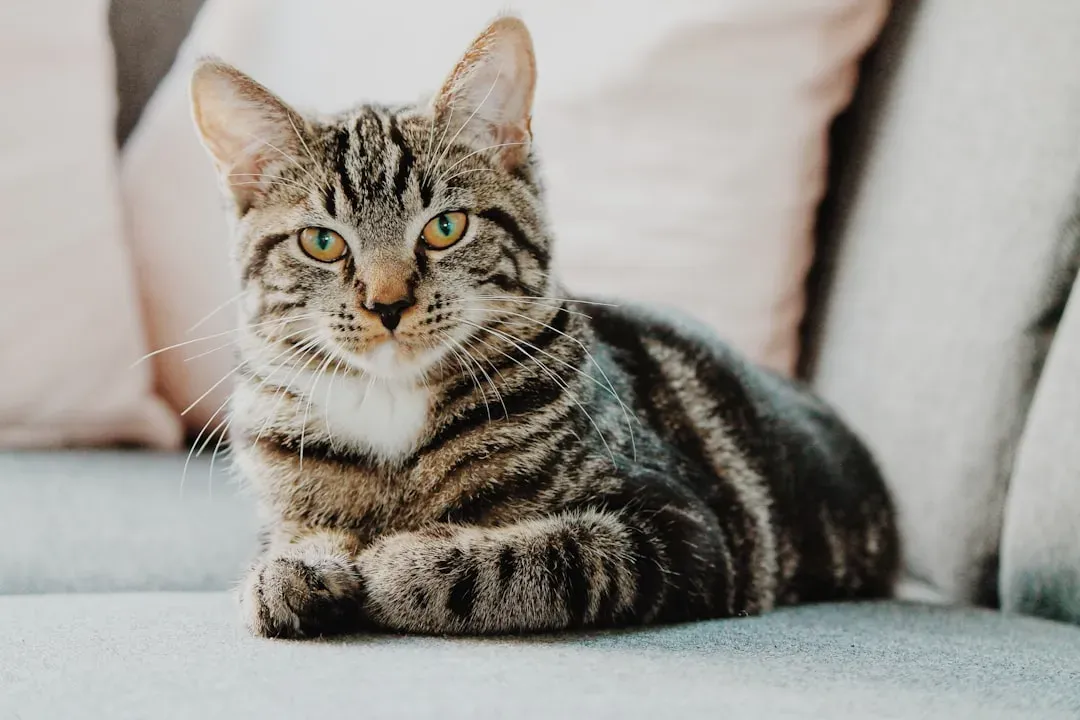
Cats rely heavily on body language to navigate their relationships both with other cats and with the humans in their homes. A direct stare often signals tension or challenge in their world while softer expressions build trust over time. Your cat watches these cues closely even when you think the moment is casual.
Small changes in your posture or gaze can register as friendly invitations rather than threats. This system evolved long before cats shared living spaces with people so it still shapes daily interactions today. Paying attention to these signals helps explain why certain routines feel reassuring to them.
The Role of Eye Contact in Cat Interactions
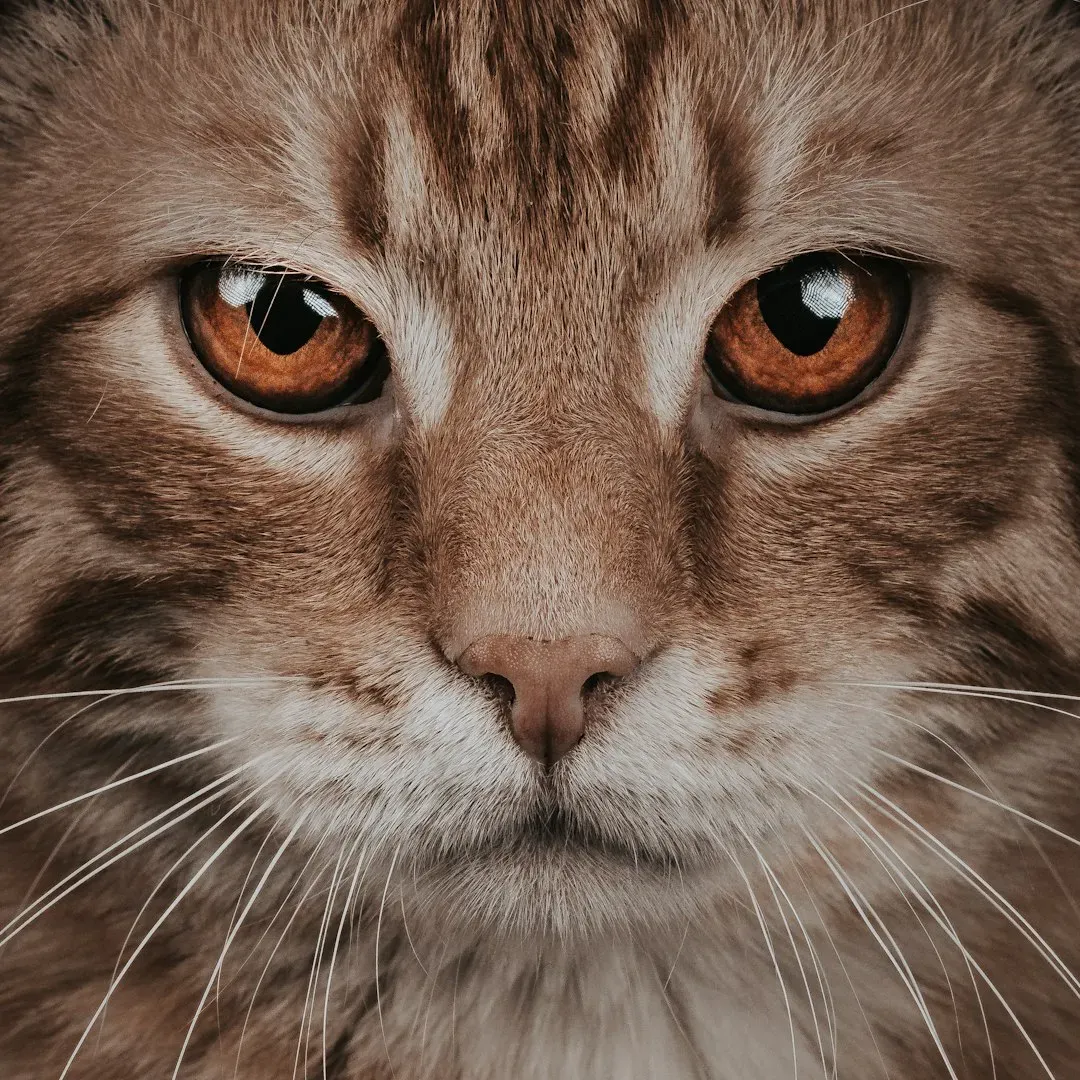
Eye contact carries different weight for cats than it does for people. A prolonged look can feel confrontational while brief or softened glances open the door to connection. Your cat reads these differences instinctively during feeding times or quiet evenings on the couch.
Over repeated days this pattern becomes part of how they judge your intentions. Cats that live together often exchange these looks as a form of greeting or reassurance. The same principle applies when you become part of their social circle.
Discovering the Slow Blink
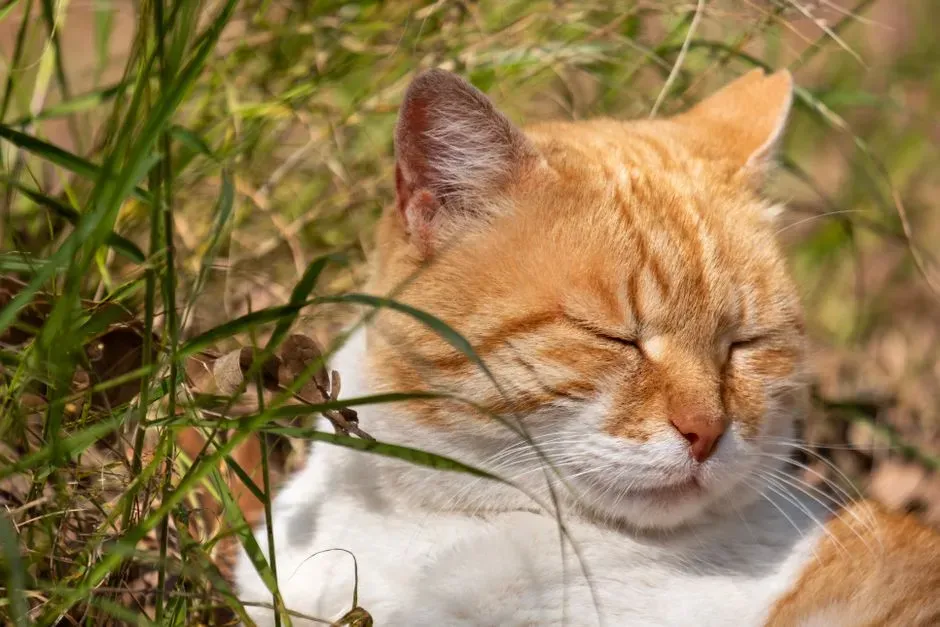
The slow blink stands out as one of the clearest friendly signals in cat language. It involves closing the eyes gradually then opening them again in a relaxed rhythm that shows no threat. Many owners notice their cats offering this look during calm moments around the house.
Returning the gesture in kind can make your cat view you as another member of their group rather than an outsider. The action feels natural once you try it a few times during ordinary interactions. It requires no special tools or training beyond simple awareness of the moment.
Practicing This Behavior Daily
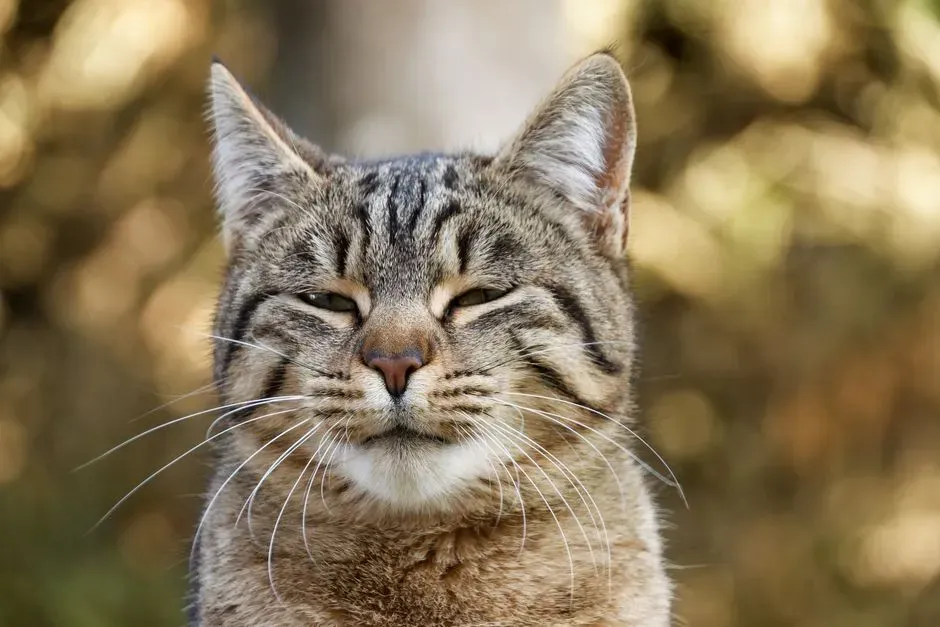
Incorporating the slow blink into morning greetings or evening wind downs turns it into a reliable habit. Start with short sessions when your cat seems relaxed and avoid forcing the timing. Consistency matters more than intensity so a few genuine attempts each day add up quickly.
Over weeks the routine becomes second nature for both of you. Cats respond well to predictable friendly cues that fit into their existing schedule. This approach keeps the interaction light and genuine without turning it into a formal exercise.
Observing Your Cat’s Response
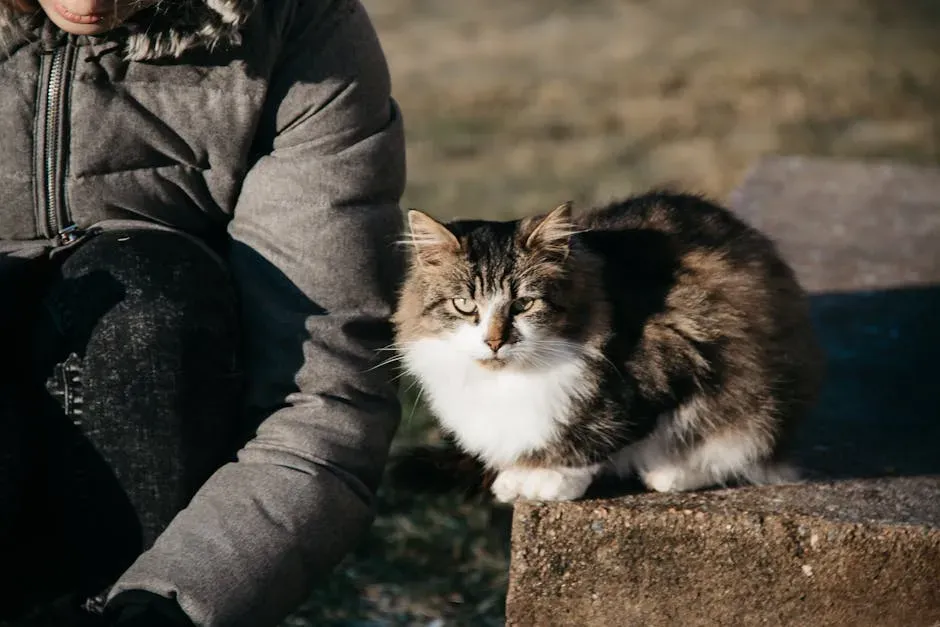
Watch for subtle shifts like a relaxed tail or a return blink that show your cat accepts the signal. Some cats may approach more readily or settle closer after repeated exchanges. These reactions vary by individual personality and past experiences.
Not every cat reacts the same way on the first try yet patience often reveals steady progress. Tracking these small changes helps confirm the behavior is landing as intended. The process stays rewarding because it builds on natural tendencies rather than forcing new ones.
Strengthening the Human Cat Connection
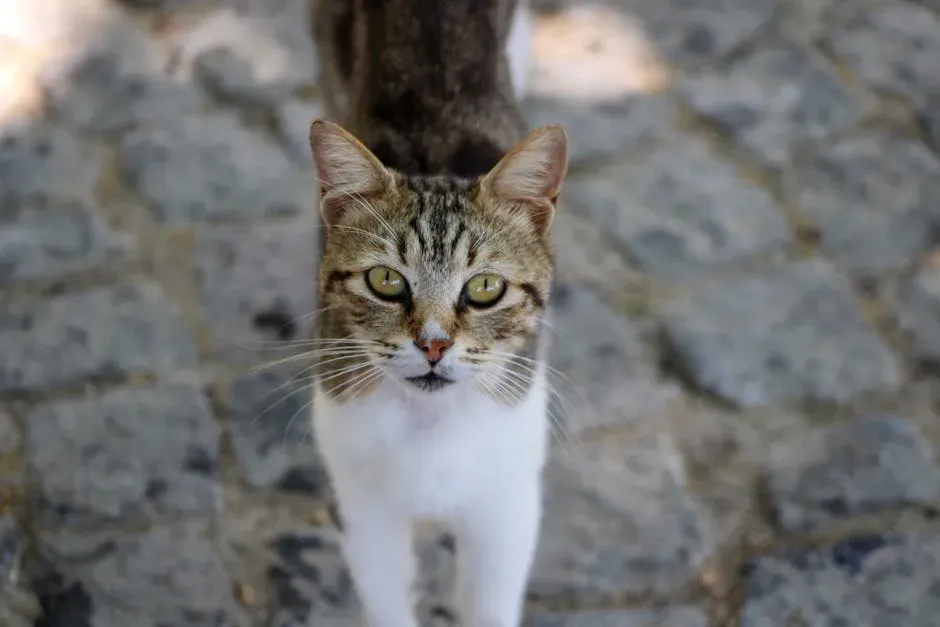
This simple eye contact habit deepens the sense of mutual understanding between you and your cat. It turns ordinary moments into quiet affirmations of trust that last beyond the blink itself. Many owners find their cats seek them out more often once the pattern feels familiar.
The bond grows through repetition rather than dramatic gestures. Cats appreciate consistency in how people communicate with them. Over time the daily practice becomes a shared language that feels comfortable for both sides.
Integrating It Into Your Routine
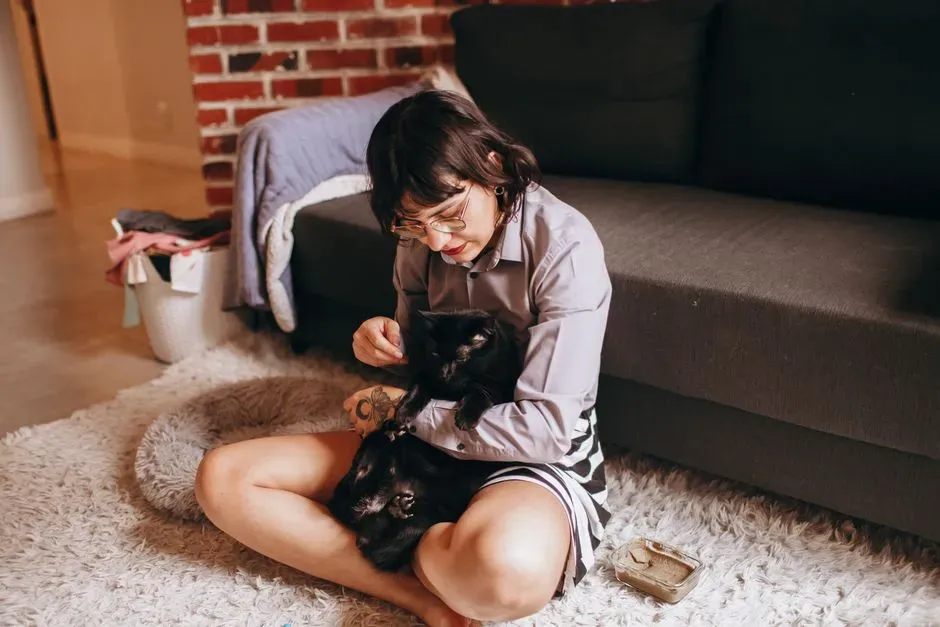
Fit the slow blink into existing parts of the day such as while preparing meals or during quiet reading time. Keep the focus on relaxed delivery so it never feels like work for either of you. Small adjustments in timing help it blend smoothly with everything else happening at home.
The habit stays effective because it respects your cat’s natural pace. Regular use reinforces the idea that you belong in their social circle. This approach keeps the connection fresh without requiring extra effort or equipment.
Once you notice how this one daily choice reshapes your cat’s view of you the rest of the relationship often feels more balanced and easy. It is a quiet reminder that the smallest consistent gestures can carry the most meaning in a shared home.
