
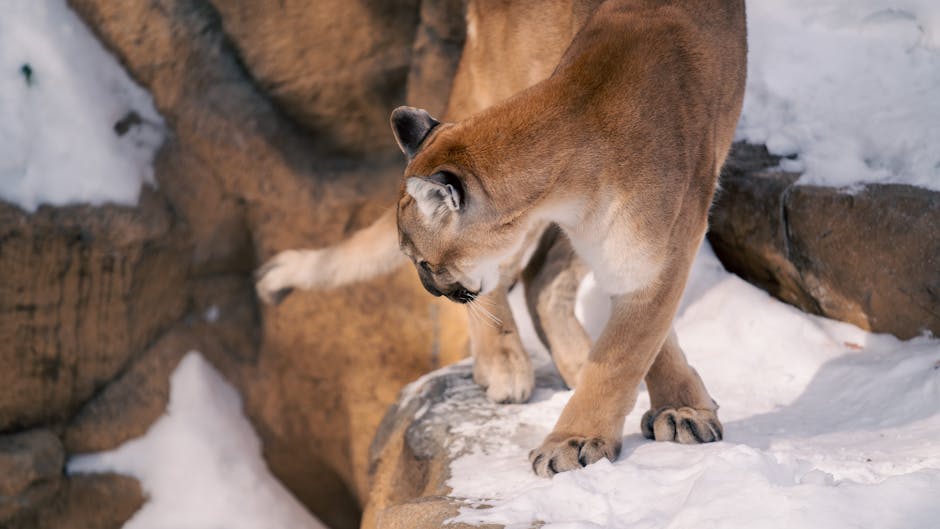
Grand Canyon National Park Stands Out
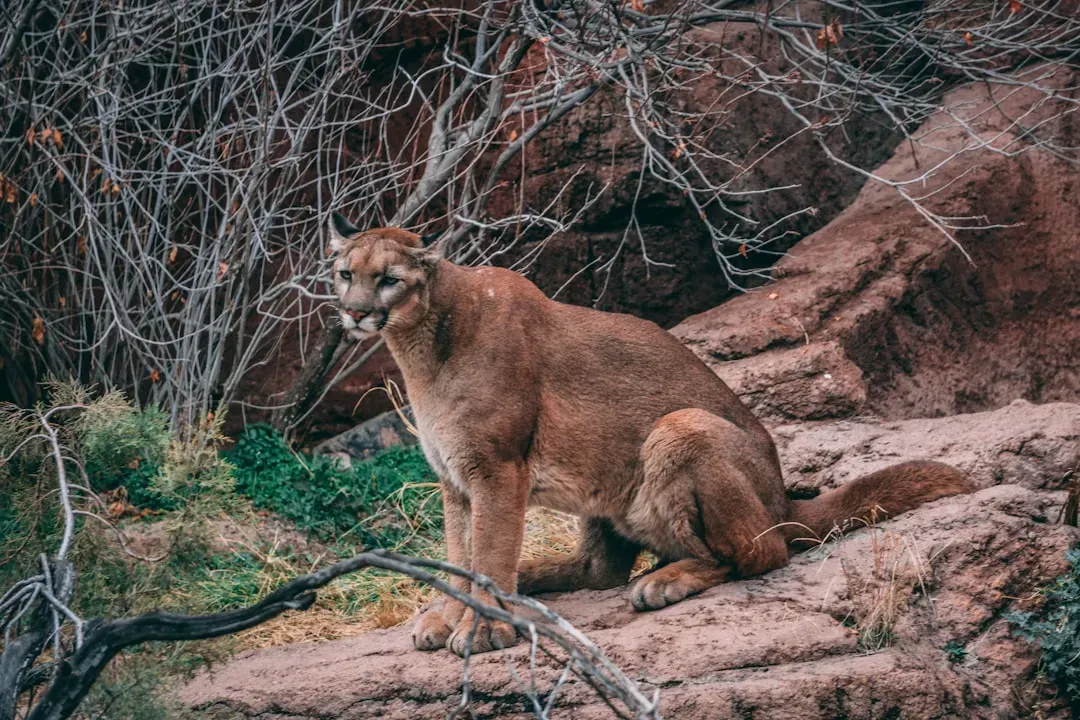
Grand Canyon National Park supports one of the larger known populations of mountain lions among national parks. Estimates place roughly one hundred of these cats within its vast boundaries. The rugged terrain and abundant prey create suitable conditions for them to thrive away from heavy human traffic.
Visitors who explore the more remote rims or inner canyon trails increase their odds slightly. The park spans millions of acres, giving the animals space to roam without constant disturbance. This combination of habitat quality and size sets it apart from smaller or more crowded preserves.
Ideal Habitat Features
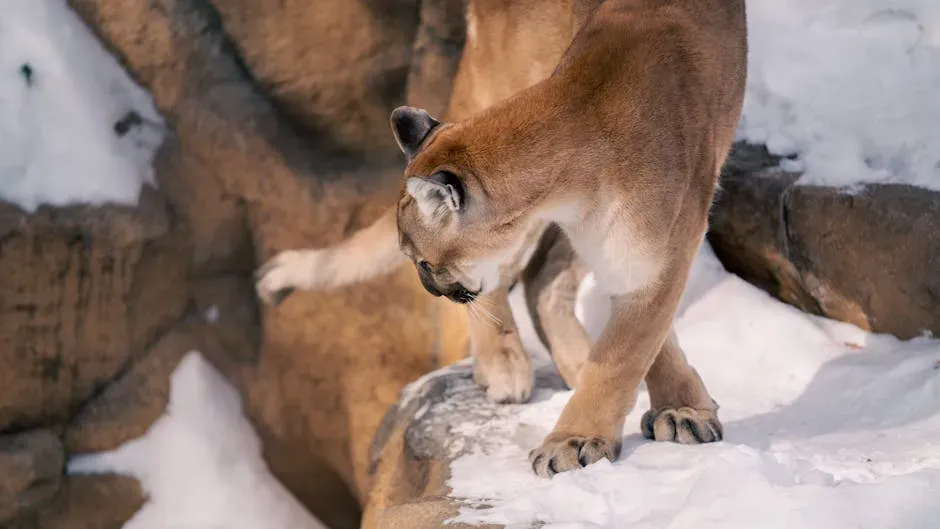
Steep cliffs, dense pinyon juniper woodlands, and reliable water sources define prime mountain lion country inside the canyon. These elements allow the cats to hunt mule deer and bighorn sheep while staying hidden during daylight hours. The varied elevations also support year round activity rather than seasonal migrations.
Remote side canyons offer the kind of solitude these predators prefer. Fewer trails mean less foot traffic, which helps maintain natural behavior patterns. Such conditions explain why biologists note consistent signs of presence throughout the park.
Best Times For Potential Sightings
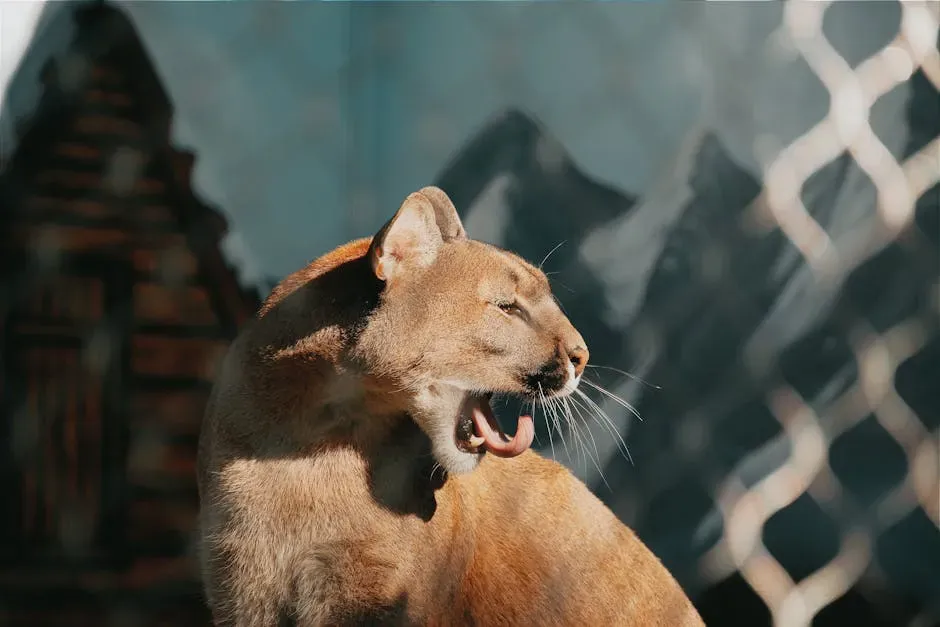
Dawn and dusk provide the highest activity windows for mountain lions across most western parks. Cooler temperatures encourage movement when the sun sits low on the horizon. Winter months can concentrate prey and predators near lower elevations where snow is lighter.
Shoulder seasons reduce overall visitor numbers compared with summer peaks. This quieter atmosphere sometimes translates to better wildlife viewing opportunities in general. Still, patience and luck play larger roles than any calendar date.
Safety Considerations On The Trails

Traveling in groups and making noise helps reduce surprise encounters with any large predator. Keeping children close and dogs leashed follows standard park guidance for mountain lion areas. Carrying bear spray offers an extra layer of protection if needed.
Staying on established paths limits the chance of stumbling into a den or hunting ground. Rangers emphasize awareness of surroundings over fear, since attacks remain extremely rare. Reporting any sighting to park staff contributes to ongoing monitoring efforts.
What To Look For Instead Of The Cat Itself

Fresh tracks in soft soil or snow often provide the first clue of recent passage. Scat containing hair and bone fragments signals active hunting nearby. Scrape marks on trees or prominent rocks mark territorial boundaries.
Trail cameras set by researchers capture far more images than casual hikers ever see. These indirect signs remind visitors that the animals are present even when invisible. Learning to read the landscape adds depth to any outing.
Comparing Other Strong Contenders
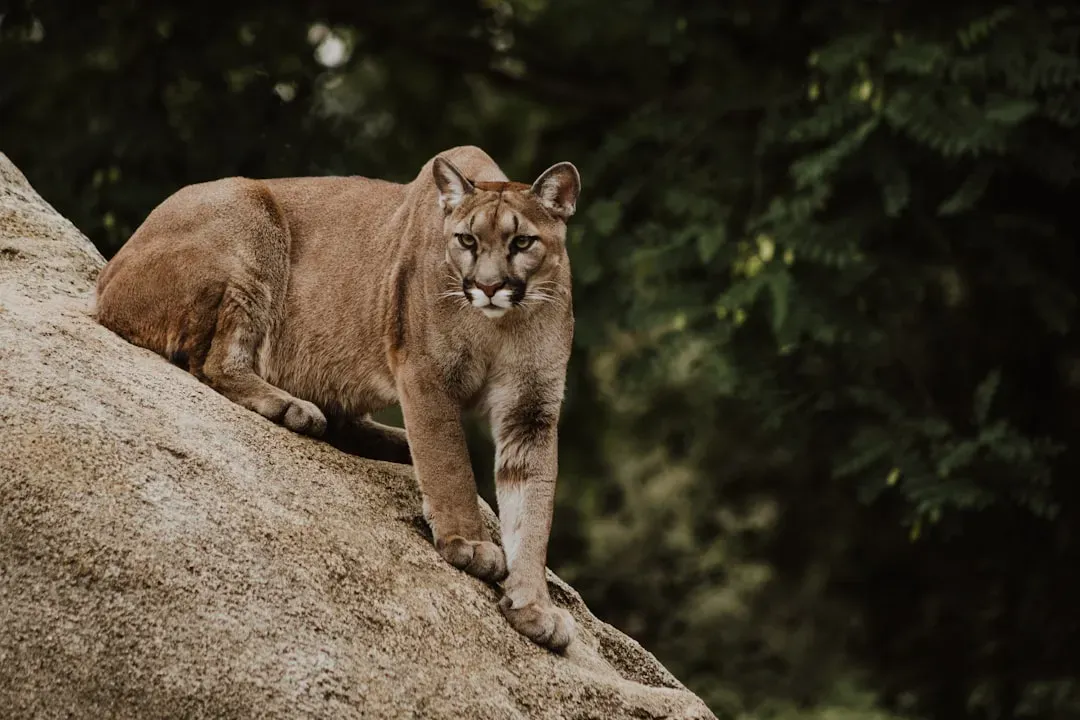
Yellowstone hosts a smaller resident population concentrated in the northern range. Big Bend in Texas supports around two dozen individuals across its desert mountains. Zion and nearby Utah parks also record occasional sightings amid their dramatic canyons.
Each location offers unique scenery and varying levels of accessibility. Grand Canyon edges ahead due to its documented population size and sheer scale. Travelers often combine visits to several parks for broader chances across different ecosystems.
A Thoughtful Approach To Wildlife Encounters
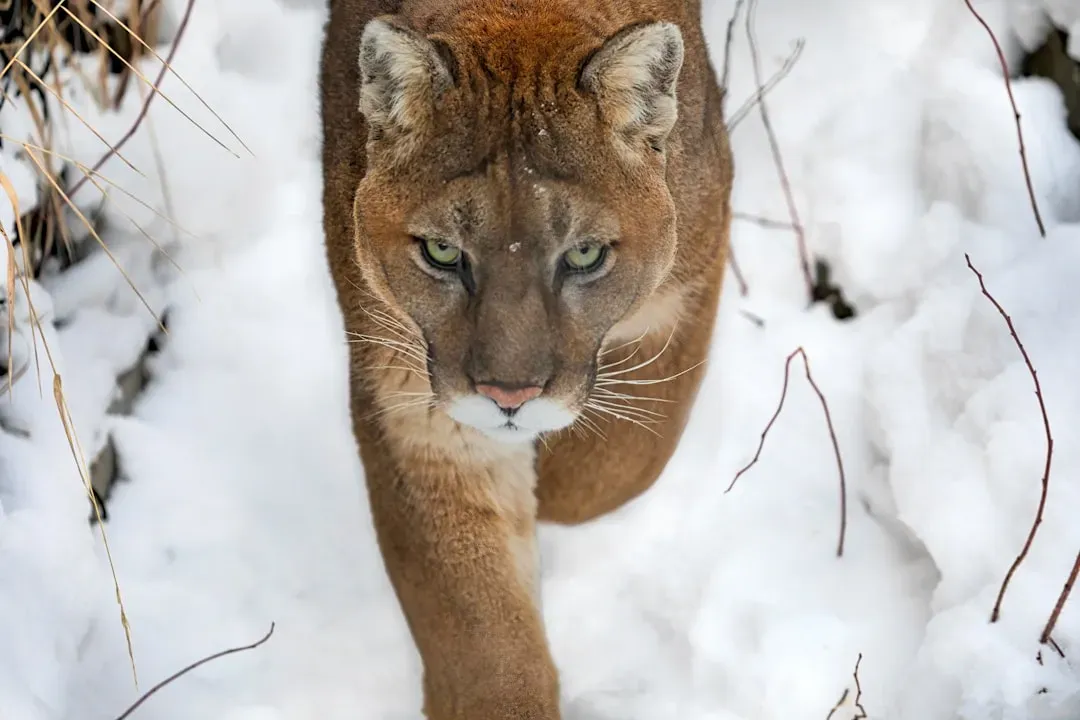
Respect for these elusive cats means accepting that most trips will end without a sighting. The real reward lies in experiencing wild places on their own terms rather than chasing guarantees. Preparation and realistic expectations turn any visit into a worthwhile adventure.
Ultimately, Grand Canyon offers the strongest combination of habitat and population density for those hoping to cross paths with a mountain lion. The memory of even a fleeting glimpse stays with people long after they leave the rim. That quiet possibility keeps drawing explorers back to the trails.
