
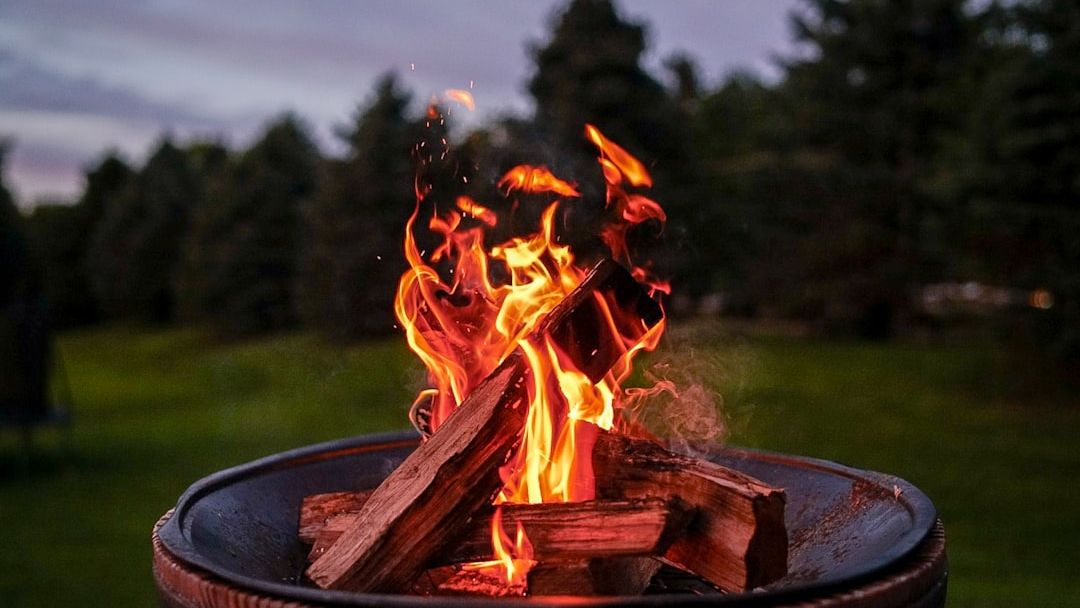
Think about the last time you sat near a campfire. The way the light flickers across faces and the steady crackle fills the air often creates a sense of ease that feels hard to explain. Many people notice this pull even when modern life offers plenty of other ways to stay warm and safe.
That quiet attraction may trace back much further than backyard gatherings or camping trips. It connects to instincts shaped long ago when fire played a central role in staying alive. Exploring those roots helps make sense of why the experience still resonates today.
Fire as Our Earliest Ally
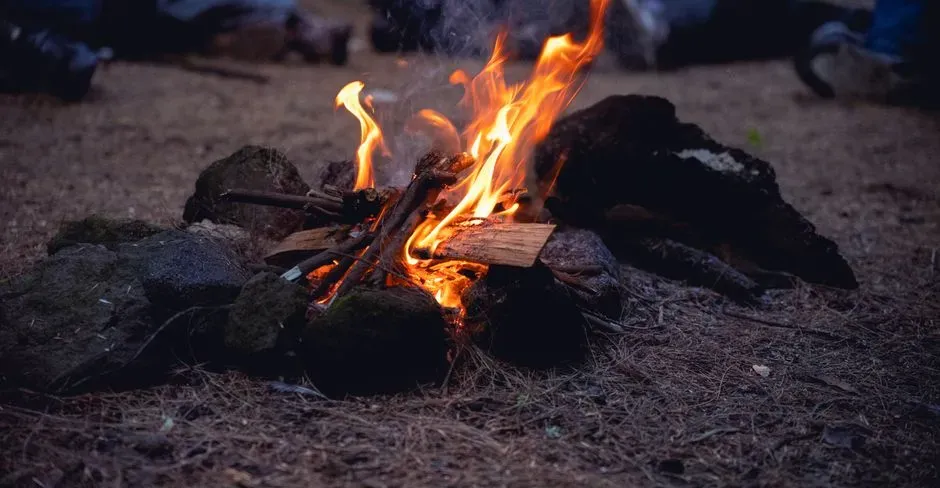
Early humans learned to control fire hundreds of thousands of years ago. This skill gave them a reliable source of light after sunset and a way to keep temperatures manageable during cold nights. Groups that mastered it gained a clear edge in harsh environments where other options were limited.
Over generations the presence of a controlled flame became linked with security and continuity. People gathered near it because it marked a spot where basic needs could be met more easily. That association lingered in human behavior long after daily survival pressures changed.
Protection From the Unknown
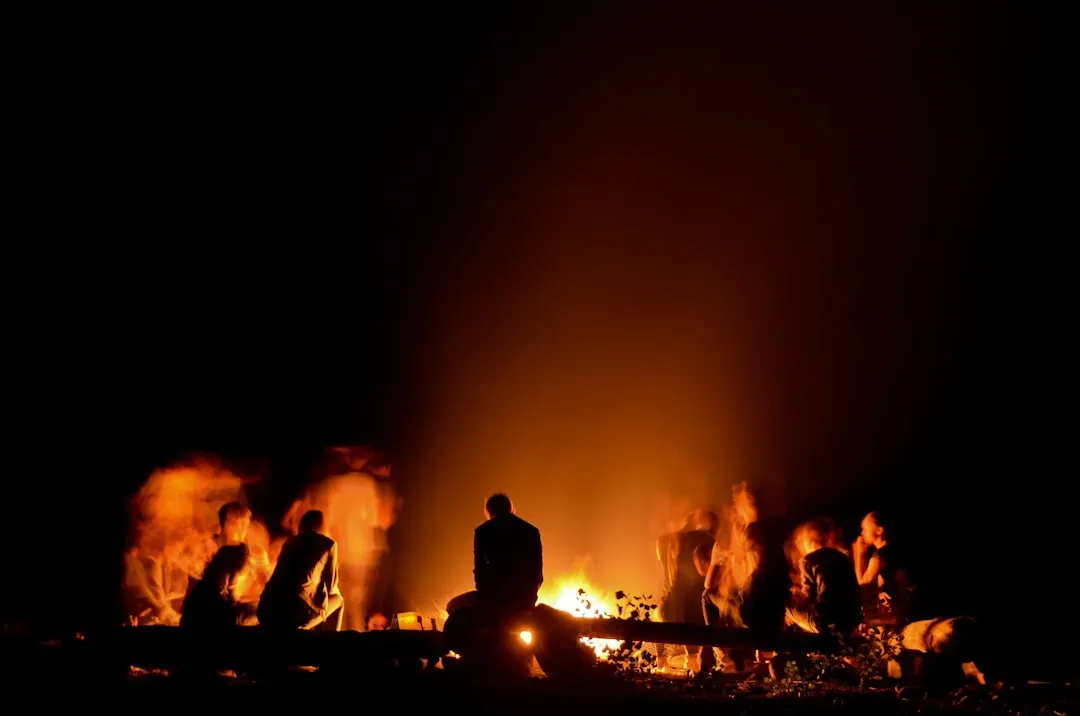
Darkness brought real risks for our ancestors. Predators moved more freely at night and visibility dropped sharply. A steady fire created a visible boundary that helped keep threats at a distance while people rested.
The brain likely developed a preference for that circle of light because it reduced uncertainty. Even now the sight of flames can lower feelings of vulnerability in open spaces. This response operates below conscious awareness yet shapes how comfortable we feel outdoors after dark.
The Warmth That Drew Us Together
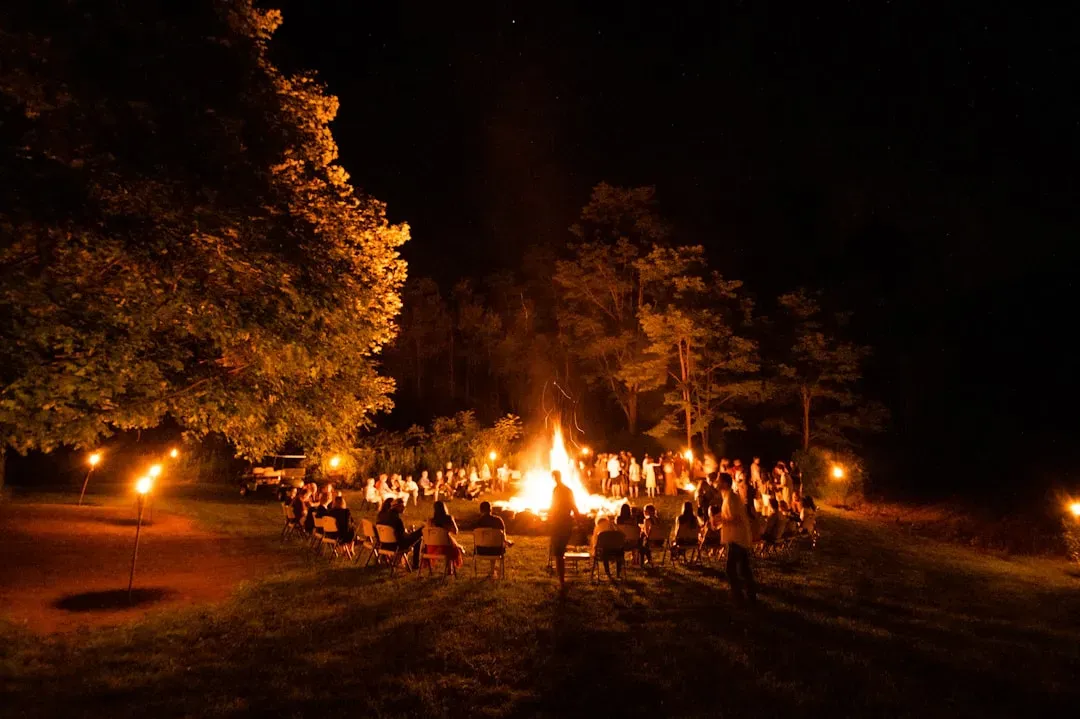
Sharing heat around a fire encouraged people to stay close. Physical proximity supported cooperation and simple communication during evenings when work slowed. Those repeated moments helped strengthen group ties that mattered for long term survival.
Today the same warmth still invites conversation and shared attention. The experience feels familiar because it echoes patterns that once supported community bonds. Many notice conversations flow more easily when everyone faces the same central point of light and heat.
Light in the Darkness
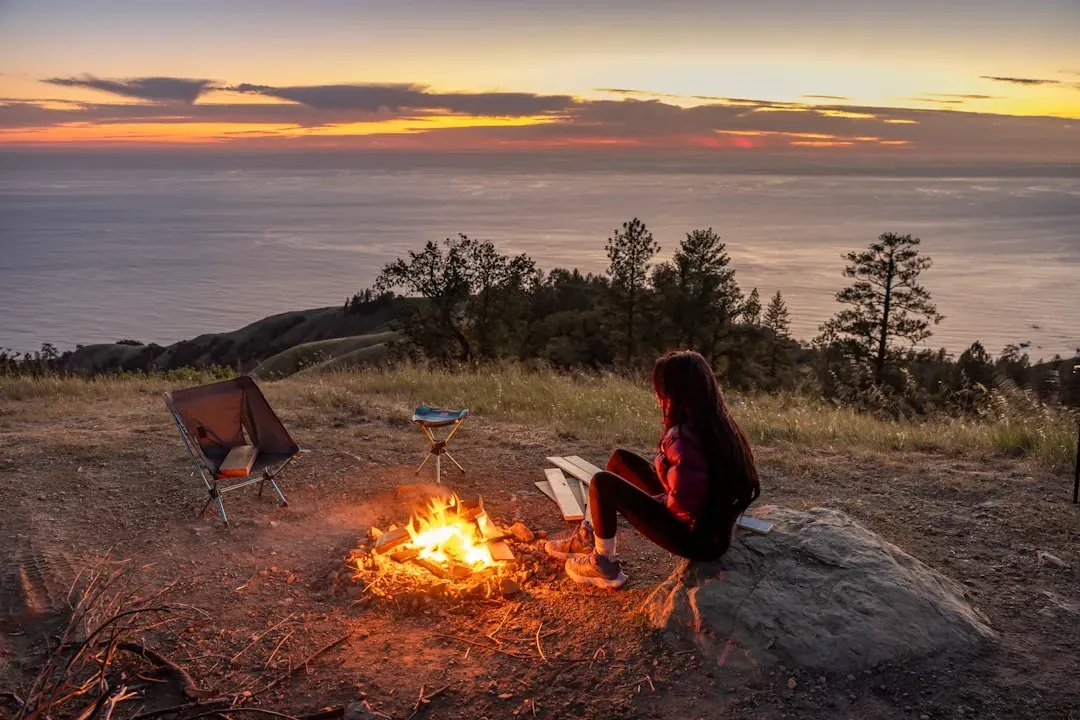
Fire extended usable hours beyond sunset. Tasks like tool repair or food preparation could continue safely. This practical advantage turned the flame into a daily resource rather than an occasional luxury.
The visual appeal of moving light may also play a role. Human eyes are drawn to dynamic patterns that signal activity and change. A campfire provides exactly that kind of gentle motion without overwhelming the senses.
Cooking and Nourishment
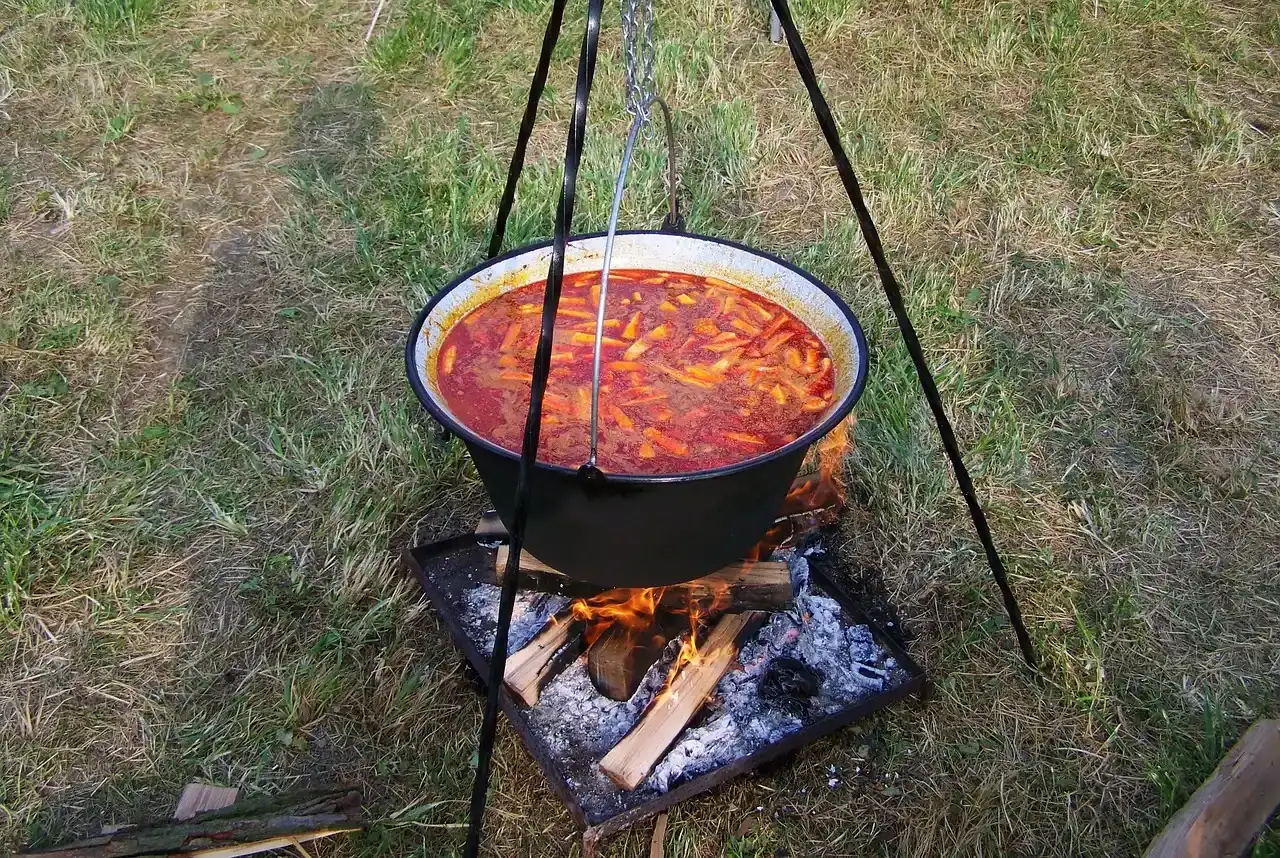
Heat transformed raw food into something easier to digest and safer to eat. Cooking expanded the range of available nutrition and reduced the energy spent on chewing tough plants or meat. Groups that used fire this way could support larger populations over time.
The smell of food cooking over open flames remains appealing for similar reasons. It signals a reliable source of energy and comfort. Even when meals come from modern kitchens the outdoor version often feels more satisfying because it taps into those older associations.
The Ritual of Gathering
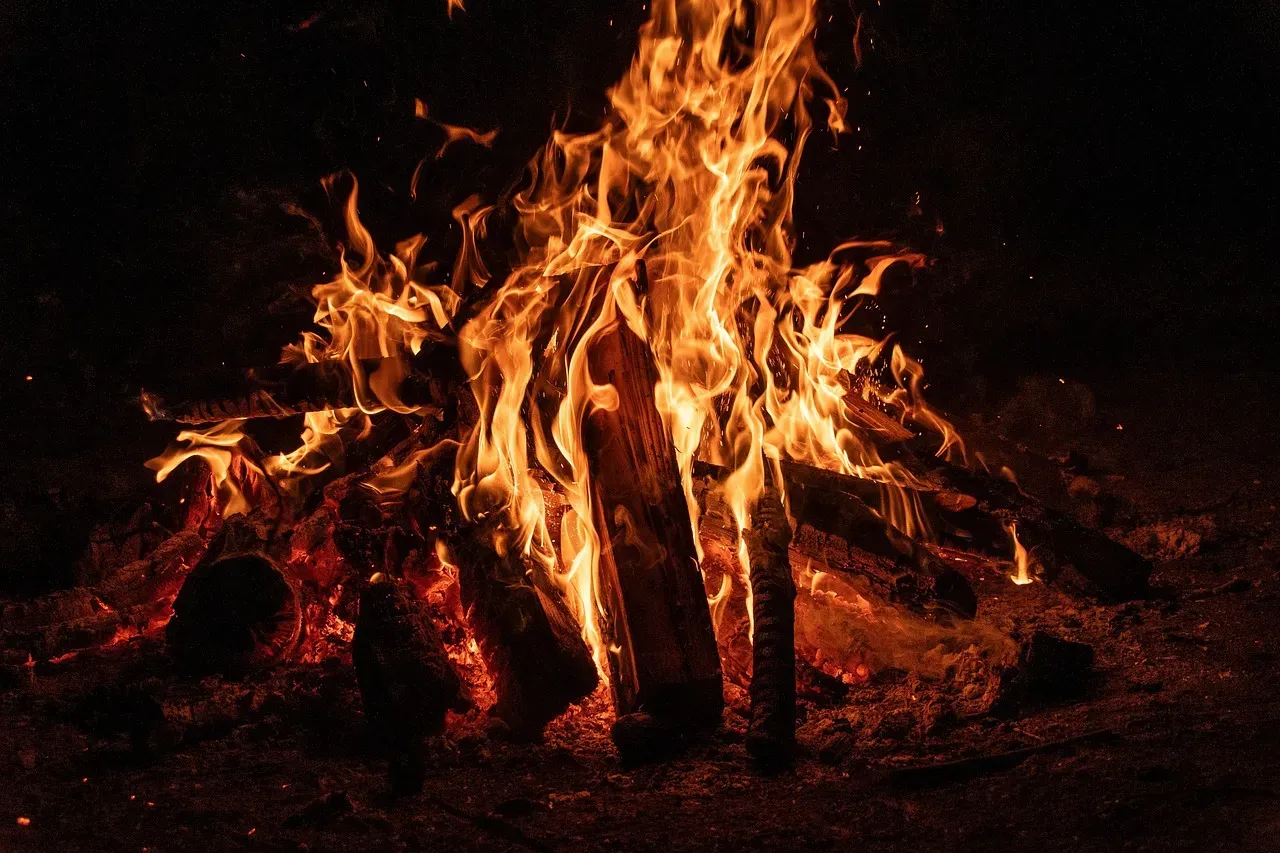
Campfires created natural focal points for evening routines. Stories were shared, plans were made, and children learned through observation. These repeated gatherings turned the fire into a social anchor rather than just a tool.
Modern versions of the same setup still trigger that sense of occasion. People arrange seating in a circle and settle in for longer talks. The structure feels instinctive because it mirrors patterns that once helped groups stay coordinated and connected.
Honoring an Old Instinct in New Times
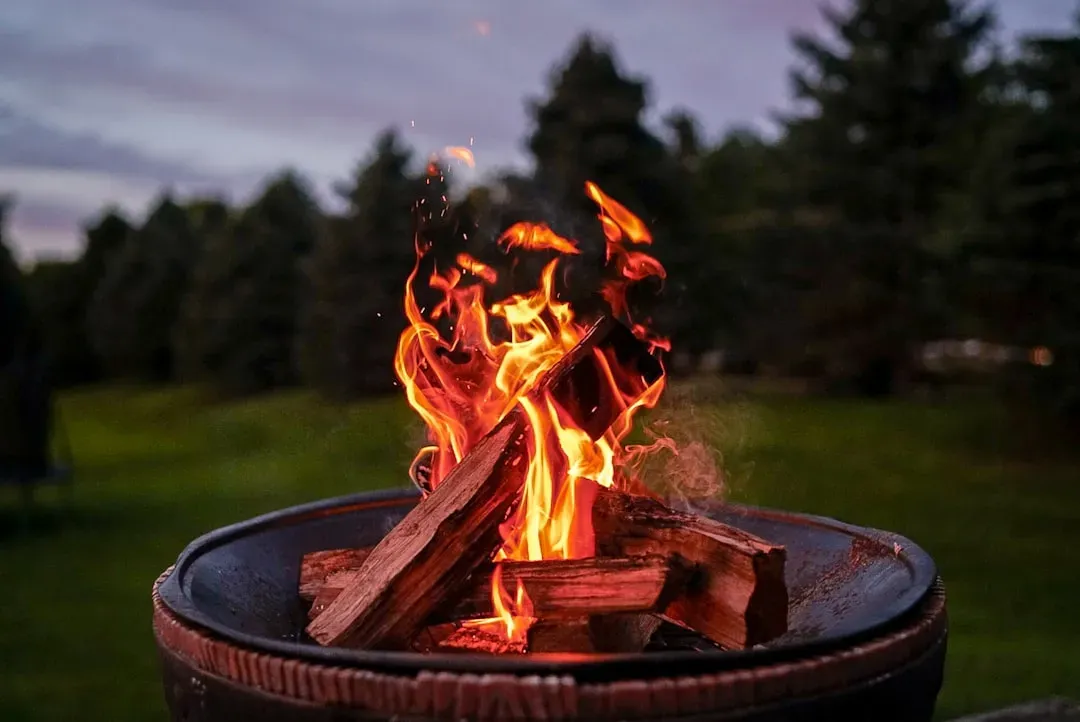
Recognizing the survival roots of campfire appeal does not require rejecting modern comforts. It simply explains why the experience continues to feel rewarding even when electricity and indoor heating are available. The instinct persists because it once supported real advantages in a different world.
Taking time to enjoy a fire now and then can serve as a small reminder of those origins. It offers a break from constant screens and artificial light while still delivering the same basic sense of presence. In that way the ancient pull remains useful rather than outdated.
