
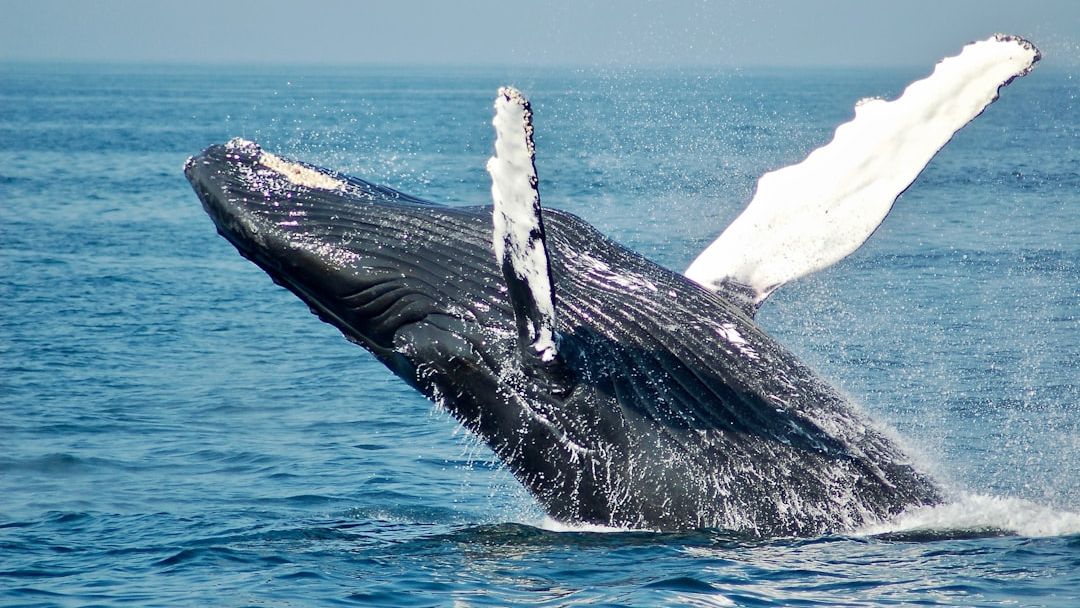
Whale songs drift through the deep like living threads, linking individuals across vast distances in ways that feel almost deliberate. The idea that a tune born in one stretch of water could echo in another population so soon afterward invites a closer look at how these animals pass along their sounds.
The Basics of Humpback Whale Communication
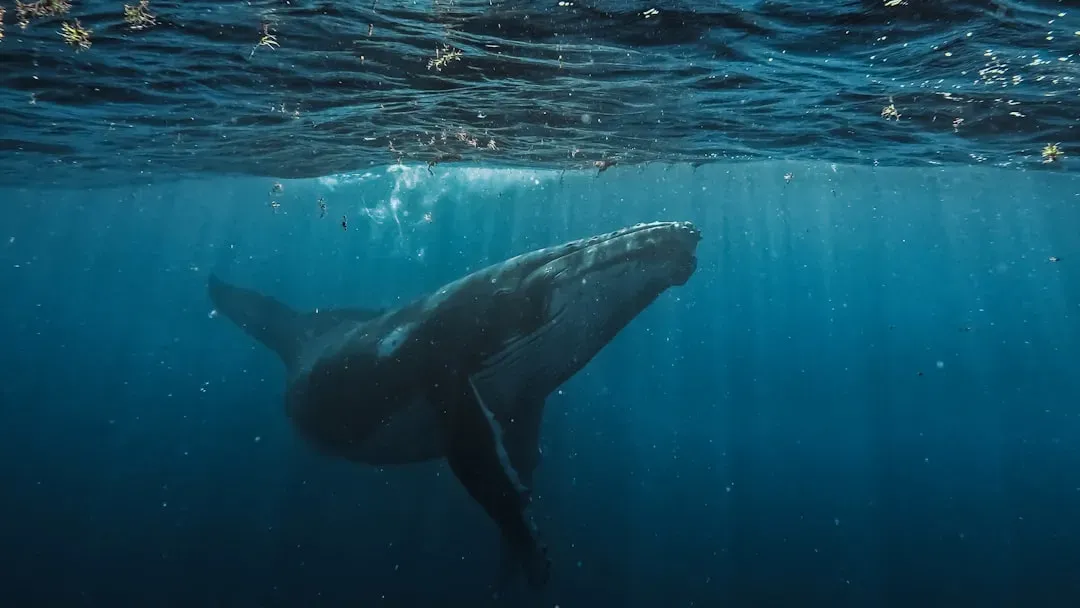
Humpback whales produce long, structured sequences of sounds that males repeat during breeding seasons. These songs consist of themes built from phrases and individual units that shift gradually over time within a group. Researchers have tracked how entire populations maintain similar versions for months before noticeable alterations appear.
The complexity stands out because it requires memory and coordination among singers who may not interact daily. Songs serve as displays that likely help with mating or social bonding. Observations show consistency across hundreds of miles when groups share feeding or migration routes.
Signs of Shared Songs Across Distant Groups

Recordings from separate ocean basins sometimes reveal matching patterns that emerge without obvious physical contact between the groups involved. This overlap suggests pathways for sound exchange that go beyond simple coincidence. Studies of South Pacific populations have documented how certain song types move eastward in waves that connect breeding grounds separated by thousands of kilometers.
Genetic data indicates these populations remain distinct, which makes the acoustic similarities more striking. The patterns appear in new locations after periods that feel compressed compared with typical evolutionary timelines. Such sharing points to active uptake rather than independent invention in each area.
The Process of Song Learning and Adoption
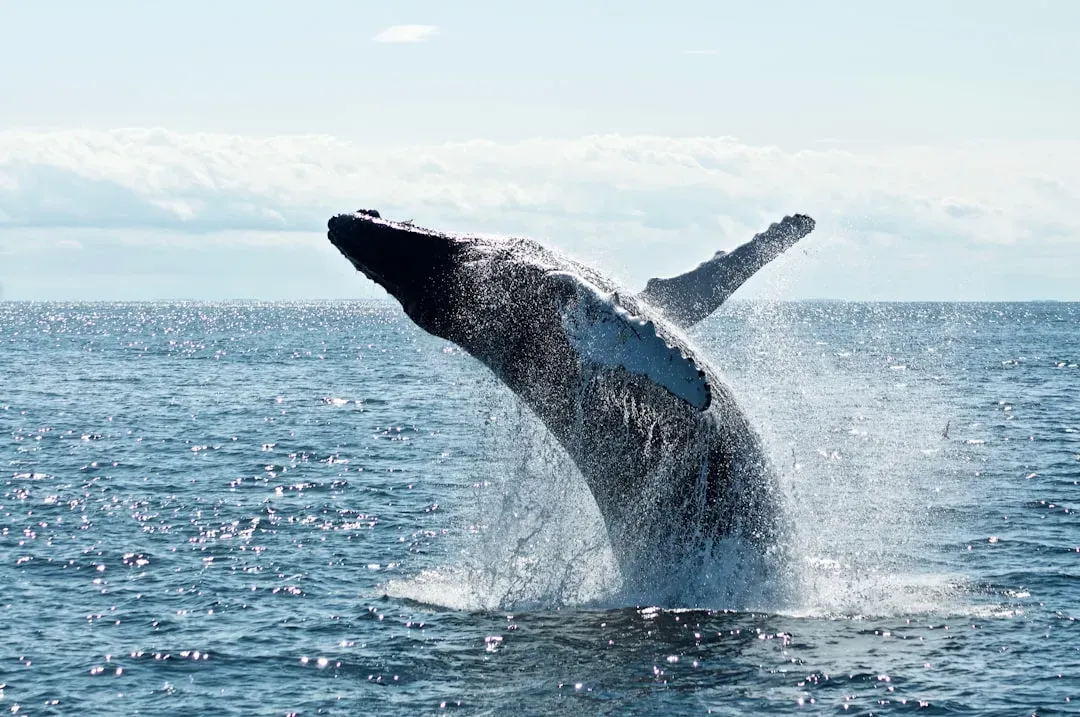
Younger whales seem to pick up elements from experienced singers they encounter during migration or on shared grounds. Imitation plays a central role, allowing a novel phrase or theme to enter the local repertoire. Once a few individuals adopt the change, it can spread through the group as others match the new version.
This uptake happens through repeated exposure rather than formal teaching. The result is a collective shift that feels coordinated even though no single leader directs it. Field data from multiple seasons shows how small initial adoptions can lead to full replacement of older material.
Speed of Change Compared to Human Fads
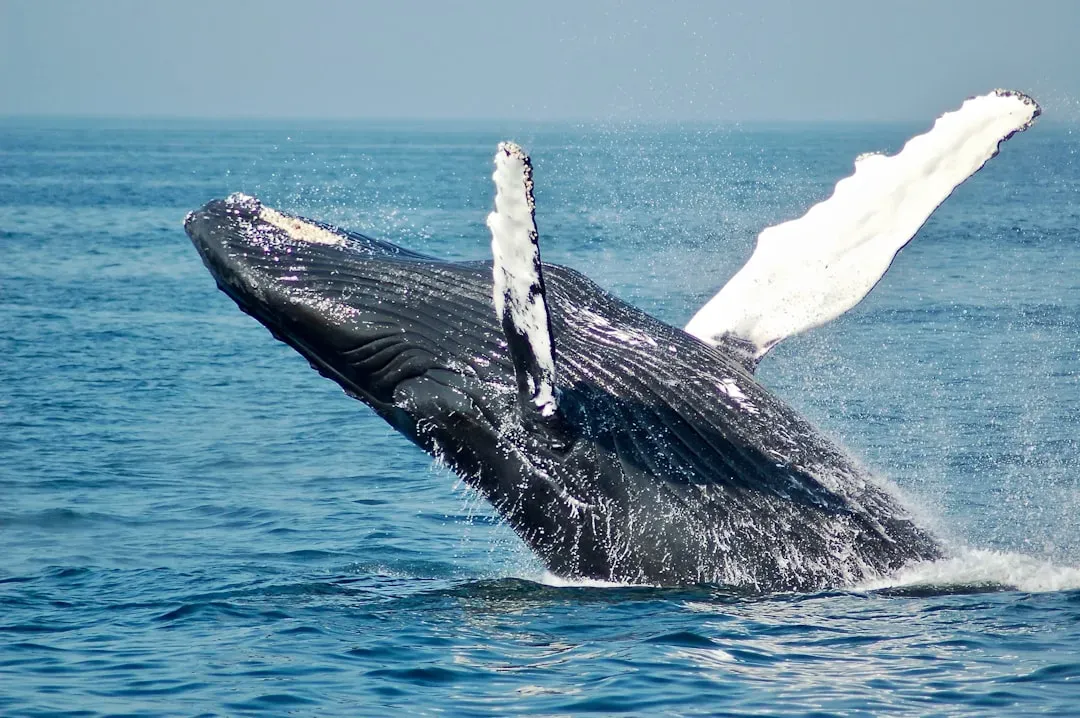
Human trends in music or fashion often take months or years to cross regions even with modern media. Whale song shifts sometimes compress similar distances into shorter windows, creating the impression of accelerated diffusion. The headline scenario of weeks between origin and appearance elsewhere highlights how quickly imitation can operate in these marine networks.
Revolutions where one population’s song overtakes another have been noted within a couple of seasons in documented cases. That pace outstrips many everyday human cultural movements that rely on deliberate sharing or commercial push. The difference underscores how direct acoustic contact can accelerate the process in whales.
Psychological Parallels in Cultural Spread
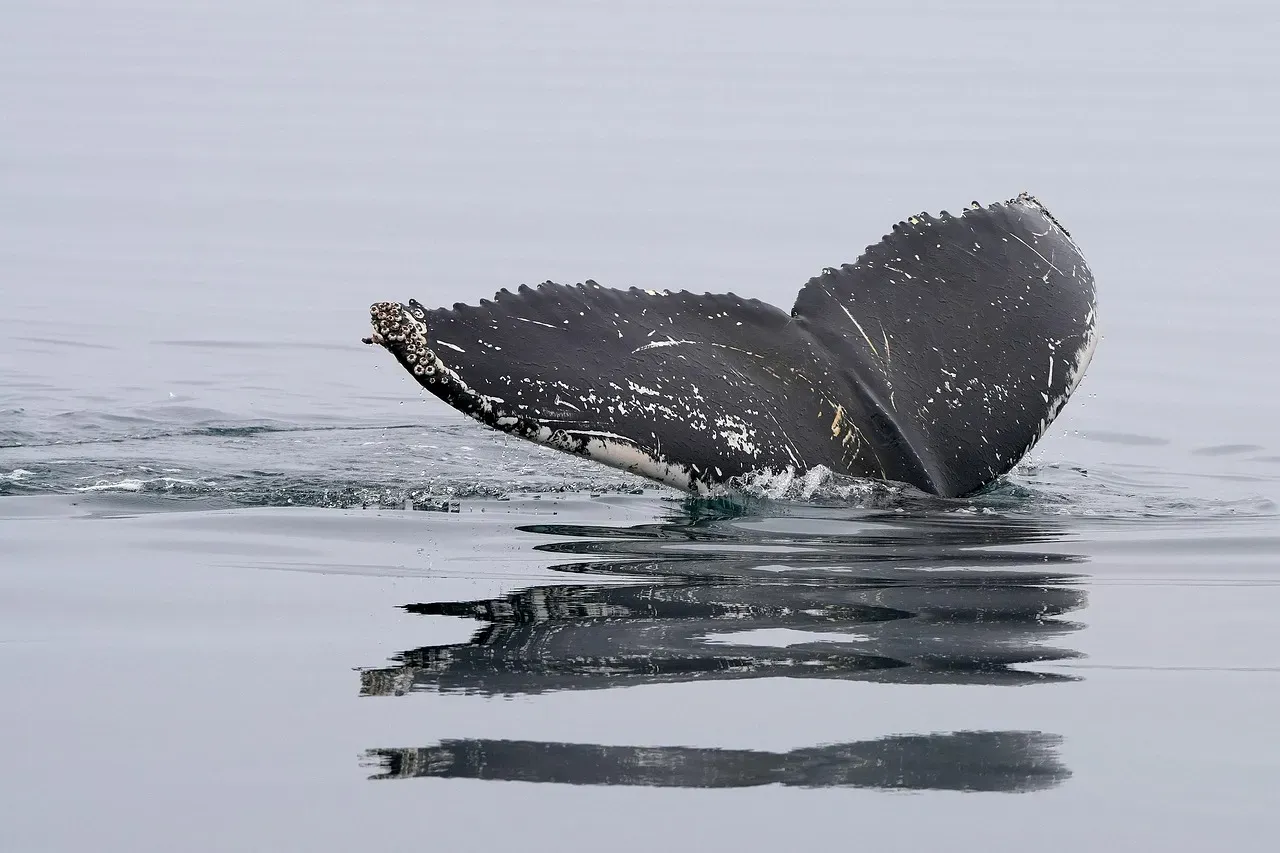
Cultural transmission in psychology refers to the passing of behaviors or knowledge through social learning rather than genetics alone. Whale song changes fit this framework because they rely on observation and copying across individuals. The rapid uptake mirrors how humans adopt slang or melodies after brief exposure in social settings.
Both systems show conformity pressures that encourage matching the current standard. In whales the drive appears tied to reproductive success, while in people it often connects to belonging. The parallel suggests basic learning mechanisms operate across very different species when social conditions align.
Challenges to Traditional Views of Animal Behavior
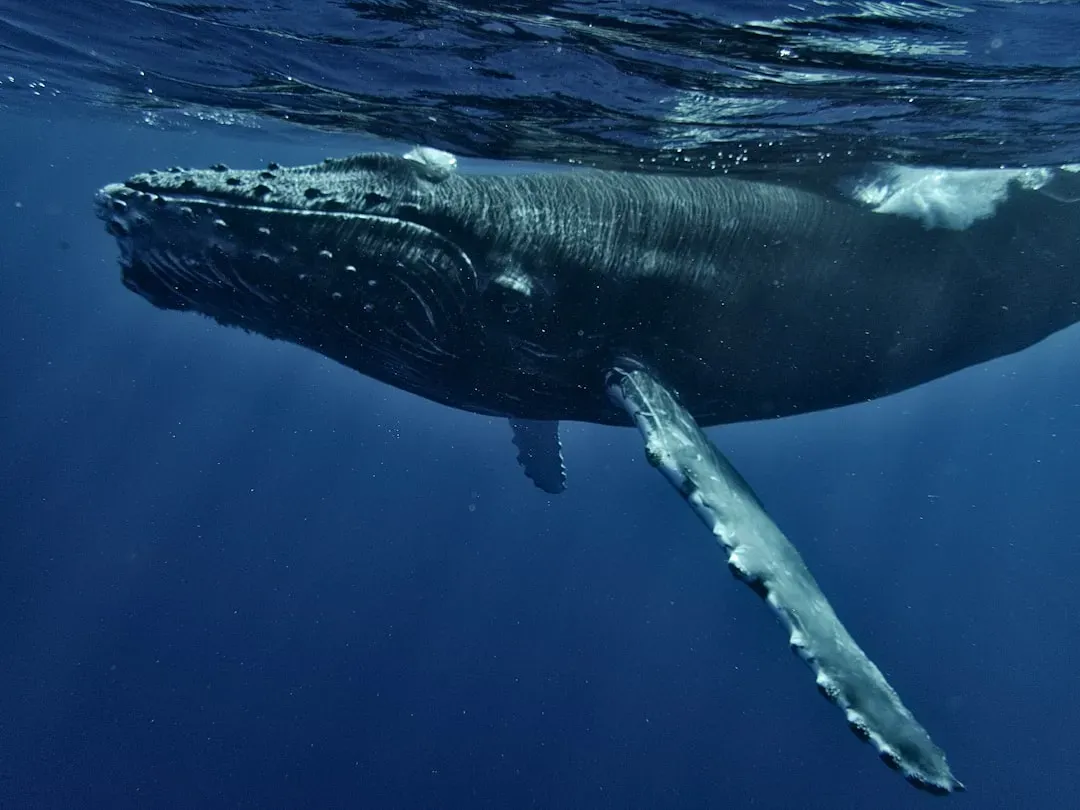
Older models treated most animal sounds as fixed instincts passed down genetically. Whale evidence pushes against that limit by showing flexible, learned adjustments that persist and evolve. Some researchers still debate whether every change stems purely from culture or includes other influences like individual innovation.
The mixed findings keep the discussion open rather than settled. Continued monitoring of recordings helps clarify how much stems from imitation versus other factors. This ongoing work refines what counts as culture in nonhuman animals.
Reflecting on What Whale Culture Teaches Us
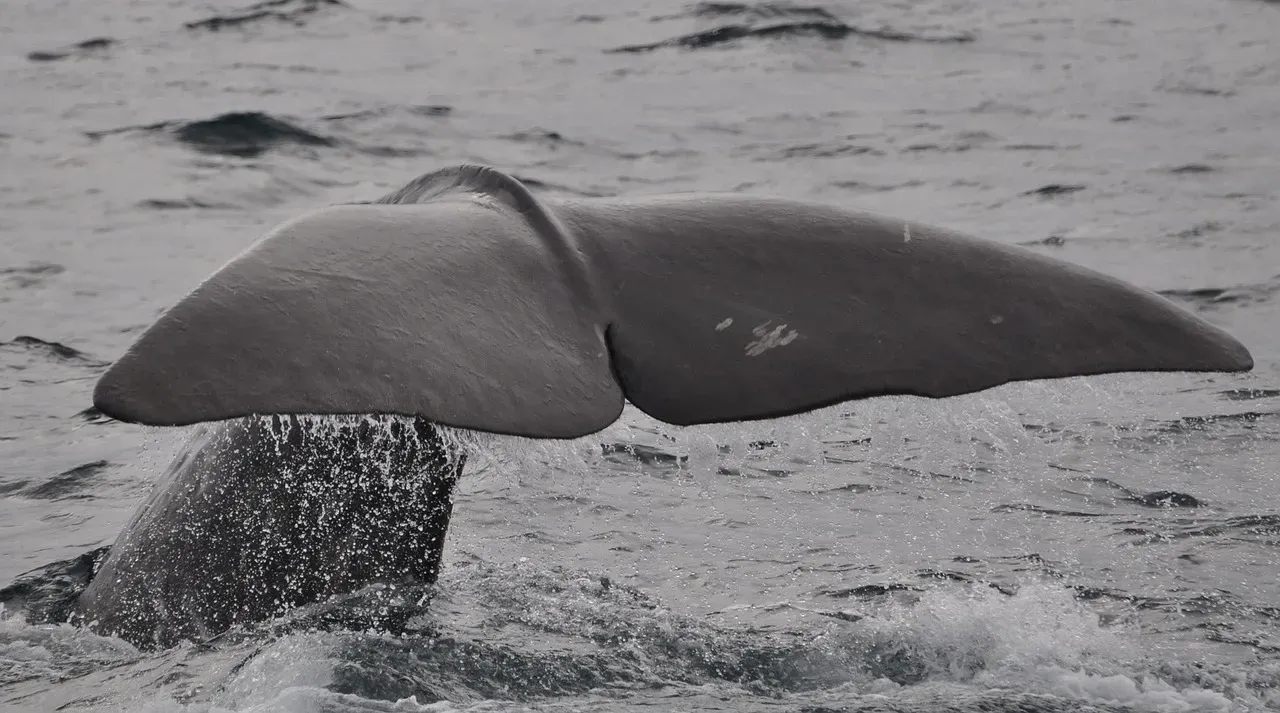
Watching these ocean exchanges reminds us that culture does not require language or technology to take hold. The speed involved invites humility about how quickly groups can align when conditions favor copying. It also raises questions about protecting the spaces where such transmission occurs.
In the end the resemblance to human patterns feels less like a competition and more like a shared thread in how living things connect and adapt. That quiet parallel lingers long after the songs fade back into the water.
