
The Ocean Was Radically Hotter Than You’d Expect
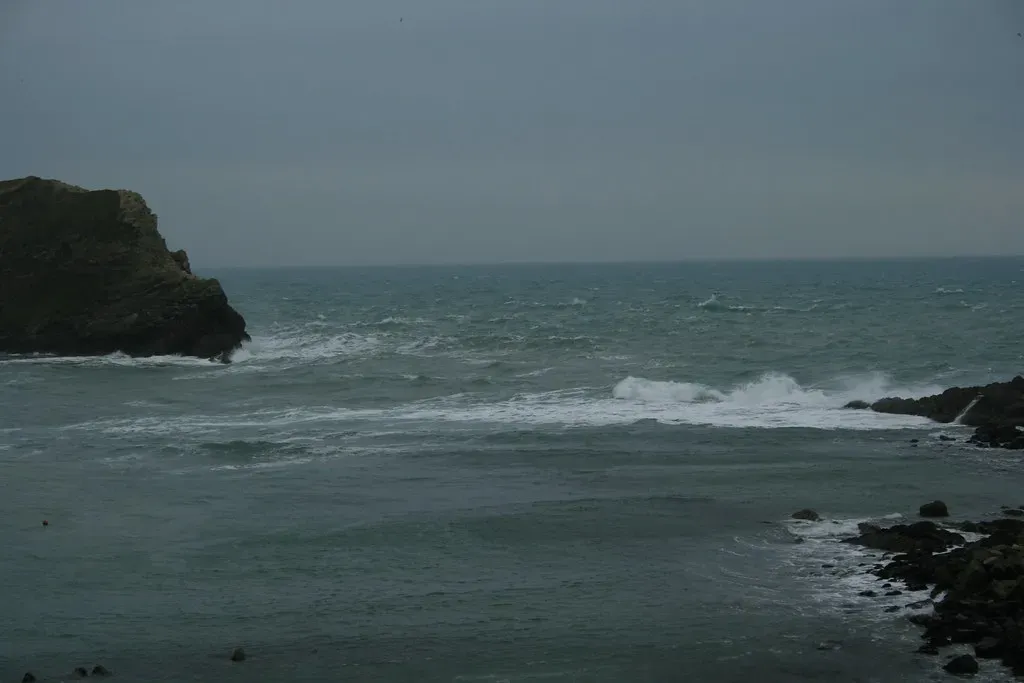
Most films set in prehistoric times portray the ocean as a cold, dark, almost ominous place. The lighting is moody, the water is deep blue or black, and there’s an implied chill that makes everything feel more threatening. The actual prehistoric ocean was, at various points in history, staggeringly warm.
Studies of shell chemistry from foraminifera show that during the Cretaceous period, the Antarctic ocean surface was a balmy 26 to 32 degrees Celsius, roughly the temperature of a warm tropical sea today. That’s the Antarctic. Not the equator.
Research using oxygen isotope data has identified seven major global warming events across Earth’s history, and during those periods, sea surface temperatures were roughly 5 to 30 degrees Celsius higher than the present-day level. A prehistoric ocean scene that looked like a sunlit Caribbean lagoon would, in many cases, be far more accurate than the dark, foreboding depths that cinema always reaches for.
The Food Chains Were More Complex and Brutal Than Any Movie Dares to Show
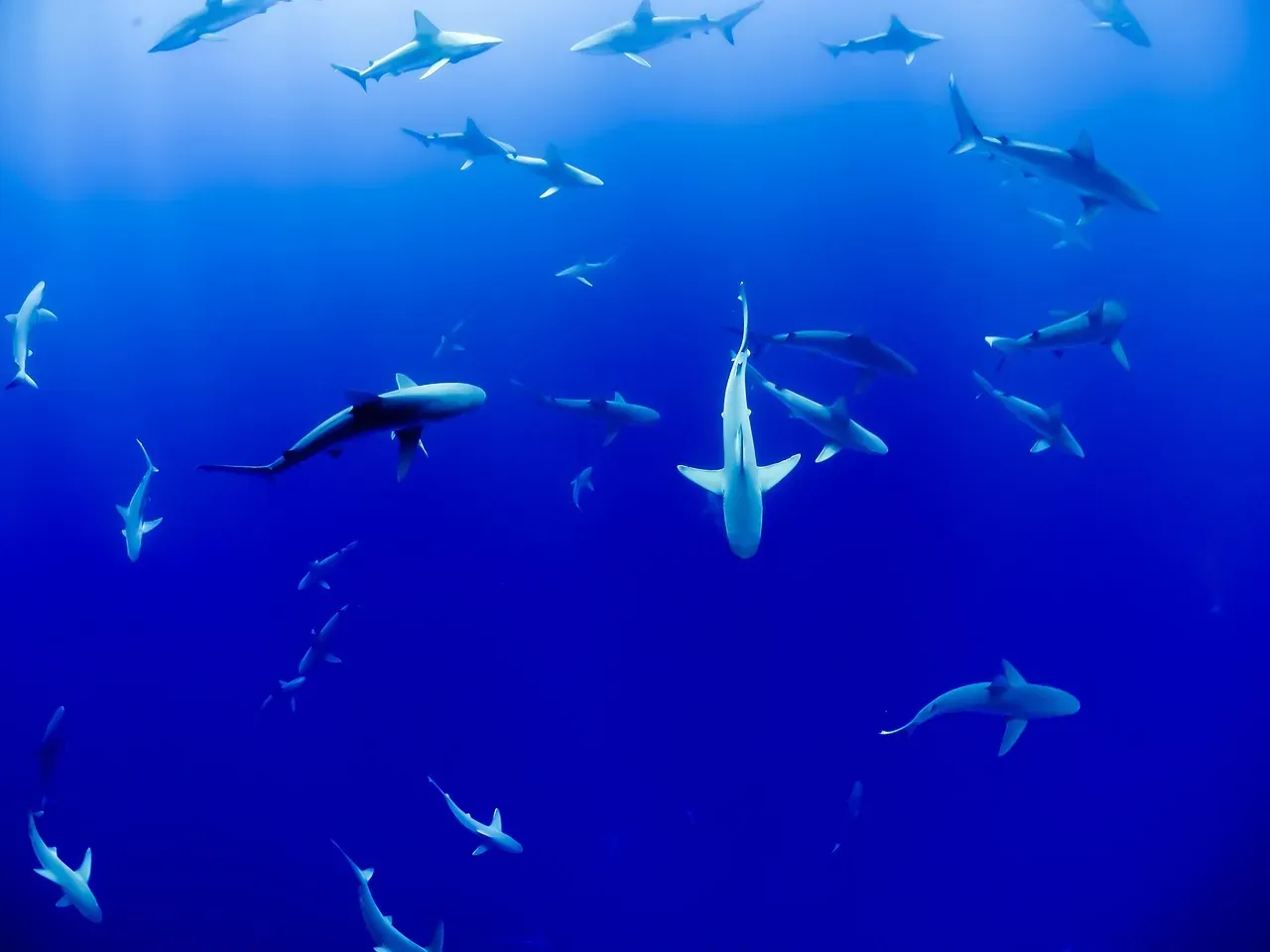
Films love a single, iconic monster. One shark. One sea reptile. A lone predator hunting through empty water. The actual prehistoric ocean was a stacked, intricate web of violence that operated on a scale we’re only beginning to understand.
The Mesozoic era, shaped by rising sea levels and warmer global temperatures, fueled a surge in marine biodiversity. Regions like the Paja Formation in Colombia supported plesiosaurs, ichthyosaurs, and vast numbers of invertebrates, creating one of the most intricate marine food webs ever identified. This wasn’t one monster in an empty sea. It was a densely populated ecosystem of competing giants.
Pliosaurs, for example, were a terrifying aspect of ocean life from 200 to 65 million years ago. They were mighty predators that enjoyed the combined advantage of strength, speed, and a jaw full of sharp, ridged teeth designed for repeated bite attacks. The unsettling detail movies miss is that the biggest threat to a pliosaur was very often another pliosaur. Apex predators preying on each other, with no safe resting point anywhere in the water column.
Megalodon Looked Nothing Like the Movie Version
Megalodon has become the unofficial mascot of prehistoric ocean horror, starring in blockbusters and documentaries alike. The version audiences keep seeing is essentially a Great White Shark inflated to bus size, with the same sleek grey body and the same cinematic menace. The real animal was considerably more unusual.
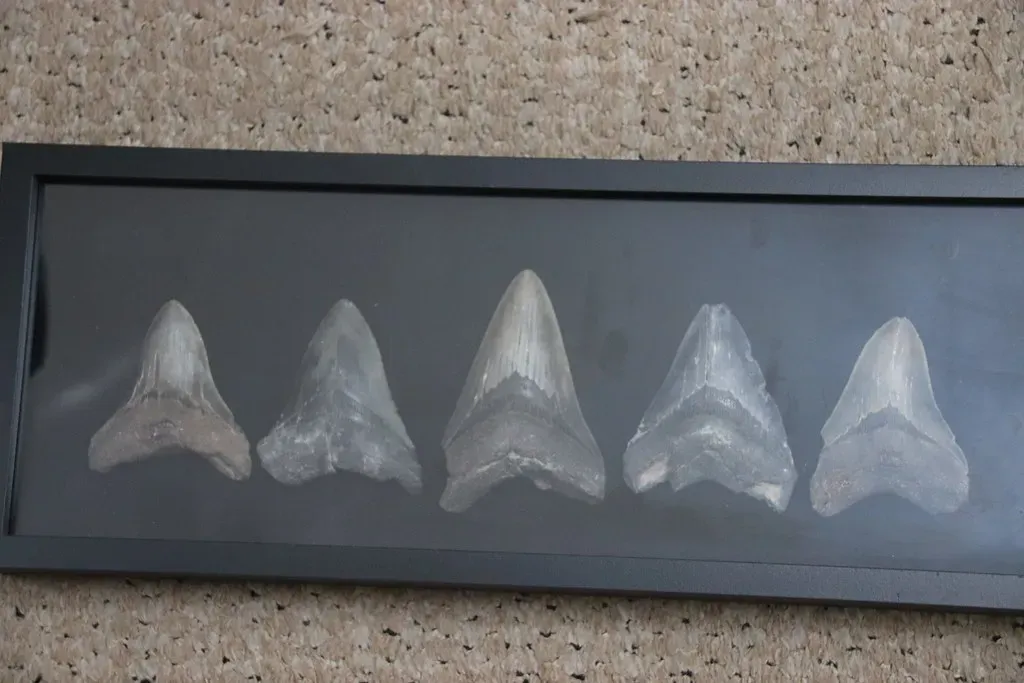
Because Megalodon was a cartilaginous fish, its skeleton didn’t fossilize fully, meaning we know it almost entirely from its teeth and a few vertebrae. Despite the popular idea that Megalodon coexisted with dinosaurs, they actually lived from roughly 25 to 1.5 million years ago, meaning they missed the last dinosaur by approximately 40 million years. Hollywood keeps staging impossible meetings between creatures that never shared the same era.
Megalodons swam the warm oceans that persisted until the last ice age in the early Pleistocene, which may have stripped them of their breeding grounds and food supply. Their body proportions, coloring, and precise behavior remain genuinely uncertain. The confident, hyper-realistic CGI predator in modern films is, in a very real sense, a well-funded guess.
Some Creatures Were So Strange They Defy Easy Description
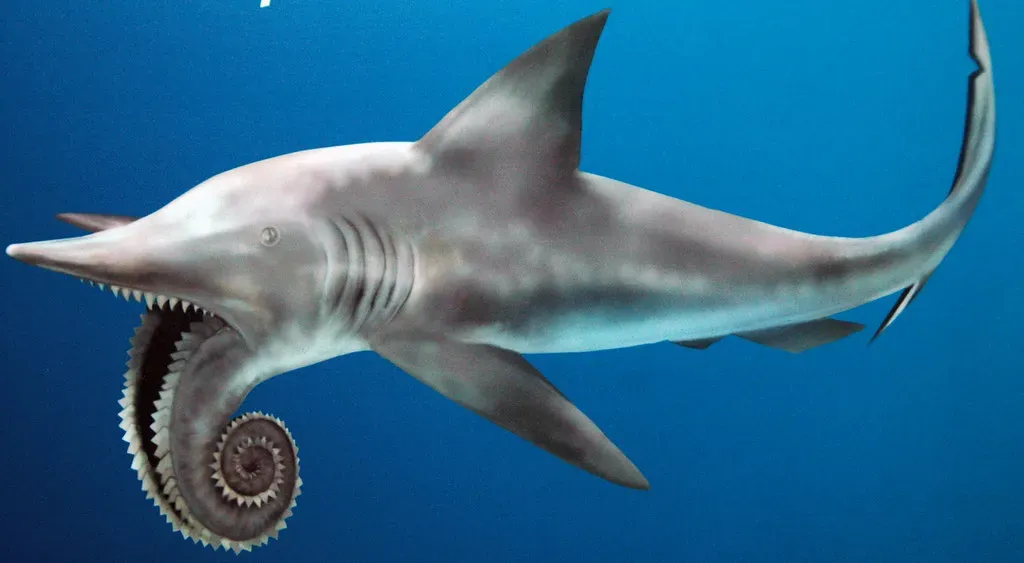
Films tend to give prehistoric animals a familiar visual logic. Big jaws, visible muscles, a body plan that audiences can immediately process as dangerous. The actual fossil record is full of creatures that would confuse a modern audience before they frightened one.
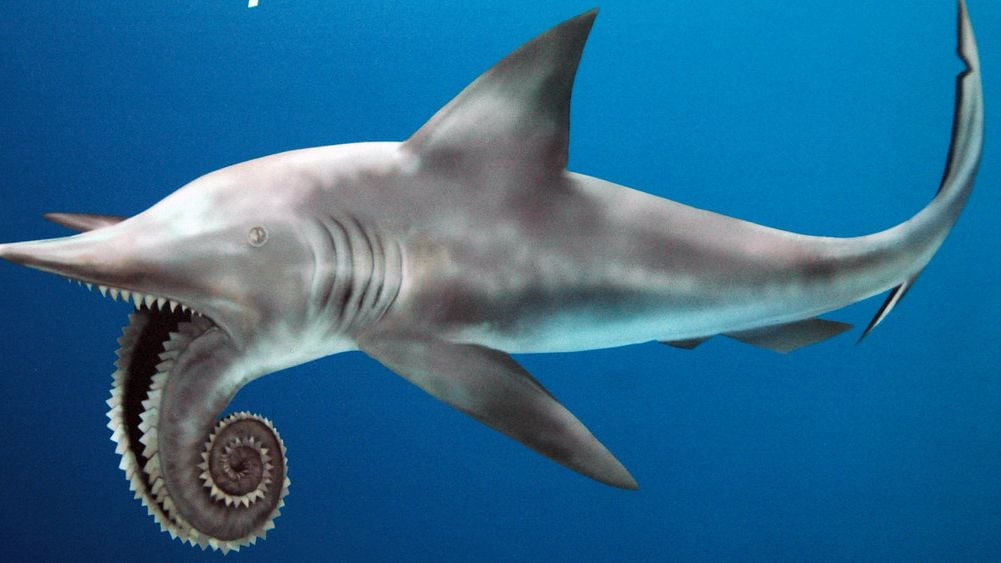
One of the genuinely strangest prehistoric sea animals was the Helicoprion. It looked like a normal shark right up until the point where its mouth began, where the lower jaw ended in a circular, saw-like shape that looks more like industrial equipment than a living creature. That bizarre spinning blade structure remained a scientific mystery for over a century. No film has ever attempted to render it accurately, presumably because it looks too strange to be believed.
Dunkleosteus didn’t even have teeth in the conventional sense. Instead, it had sharp bony plates in its mouth that acted like self-sharpening shears. These hardened jaw plates created enormous blade-like protrusions capable of a chomping force estimated between 1,000 and 21,000 pounds per square inch, enough to eat through bone like a cracker. That’s not a creature that translates neatly into a movie monster template.
The Mosasaur Was Nothing Like Its Jurassic World Appearance
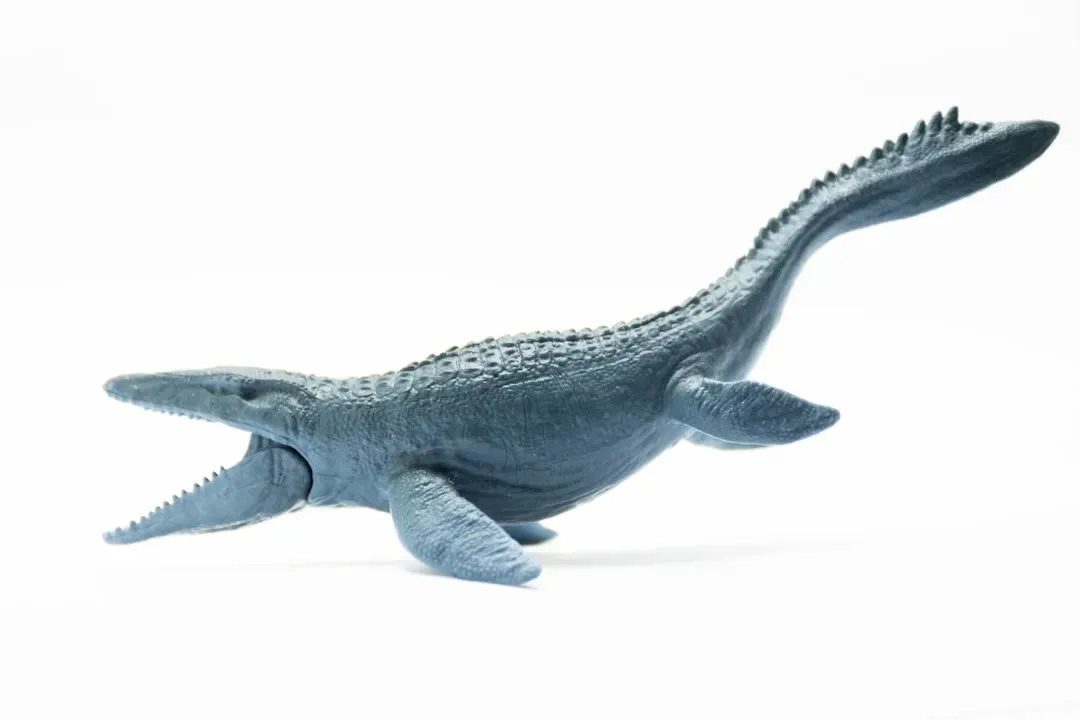
Perhaps no prehistoric marine creature has been more distorted by cinema than the Mosasaurus. In the Jurassic World franchise, it’s depicted as a building-sized leviathan that erupts from the water to swallow animals whole, apparently kept in a theme park pool. The real animal was genuinely impressive without needing any of that embellishment.
Mosasaurus was actually more closely related to snakes and lizards than to dinosaurs. They were massive, often reaching around 50 feet in length. What made them truly fearsome was a long, double-hinged jaw and sharp, spiked teeth designed to hold onto and tear prey. The jaw was double-hinged with a flexible skull, enabling them to gulp prey whole much like modern snakes. That’s terrifying enough without inflating them to the size of a submarine.
Mosasaurus and Megalodon never actually coexisted, being separated by roughly 50 million years. The dramatic clash between these two animals that films hint at or imply would have been physically impossible. They lived in entirely different worlds, separated by an extinction event and tens of millions of years of evolution.
Prehistoric Oceans Survived Catastrophic Chemistry Changes
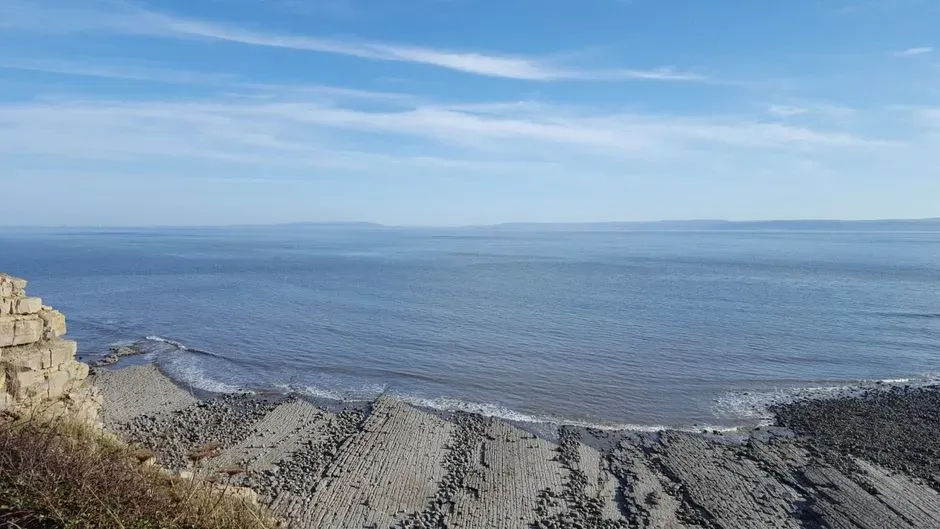
One of the most overlooked facts about prehistoric oceans is that the water itself changed dramatically over geological time. Its chemistry, acidity, oxygen content, and salinity all shifted in ways that periodically rewrote the rules of who could survive in it. No movie has ever tried to portray this, and it’s genuinely more disturbing than any creature feature.
Scientists believe that changes in ocean chemistry, alongside the rise in atmospheric and oceanic oxygen concentrations, were among the major driving mechanisms behind the radical turnover of marine life during the Cambrian explosion. The ocean wasn’t just a stage on which evolution played out. It was an active participant, sometimes poisoning the very creatures that called it home.
The Cambrian period, which occurred approximately 542 to 488 million years ago, included the biggest evolutionary explosion in Earth’s history. Some researchers believe this happened due to a combination of a warming climate, more oxygen in the ocean, and the creation of extensive shallow-water marine habitats, creating an ideal environment for larger and more complex body shapes and ecologies. The ocean’s chemistry was, in effect, flipping switches that determined the shape of life itself.
Super-Predators Existed That Have No Modern Equivalent
Modern oceans have apex predators. Orca, great white sharks, sperm whales. They’re impressive, ecologically important, and occasionally capable of behavior that surprises even experienced marine biologists. None of them come close to what prehistoric oceans supported at their most extreme.
Recent research from McGill University, published through the scientific record of the Paja Formation in Colombia, has established that the Early Cretaceous marine food web reveals the highest trophic levels ever estimated for any ecosystem, ancient or modern. These weren’t just big animals. They occupied a predatory position in the food chain that simply has no living parallel today.
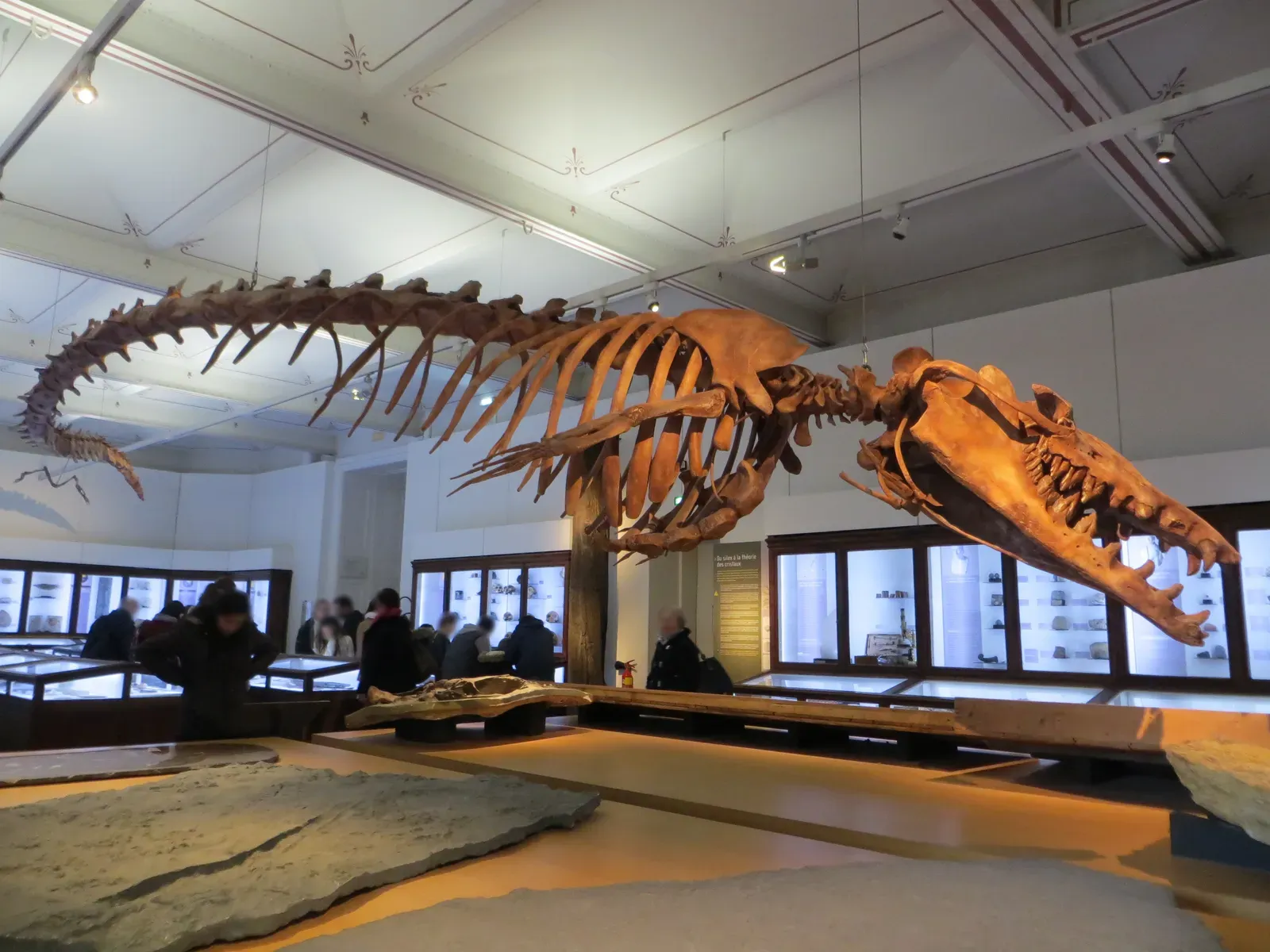
Basilosaurus, encountered in the prehistoric ocean some 35 million years ago, was nothing short of extraordinary. The long-headed, 70-foot predator resembled a combination of a sea serpent and a stretched-out whale, and it was in fact a primitive ancestor of modern whales. Its peculiar appearance was confusing even to early scientists, the name Basilosaurus literally translates to “king lizard,” owing to the mistaken assumption that it was a massive reptilian creature. A warm-blooded giant that looked like a sea monster and hunted like one too.
New Discoveries Keep Proving the Ocean Was Stranger Than We Thought
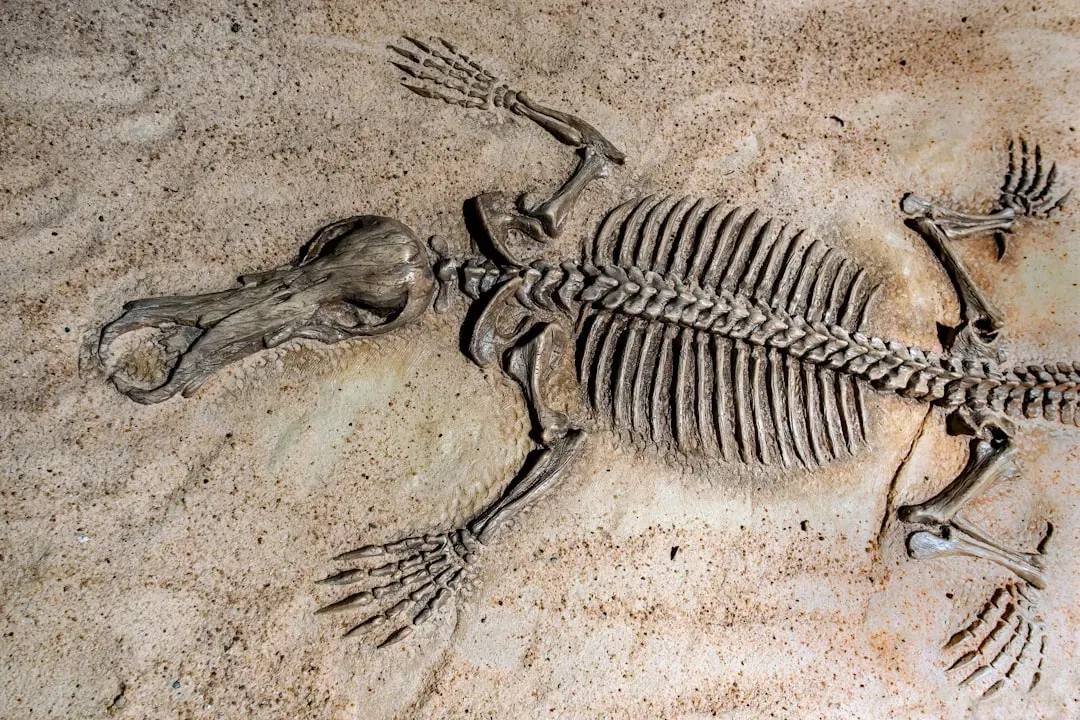
Here’s the part that should genuinely unsettle anyone who thinks we’ve figured out what prehistoric oceans looked like. Scientists are still finding entirely new creatures, and some of the most significant discoveries have happened very recently. The picture keeps changing, and it keeps getting stranger.
Described as a brand-new species in 2024, Ichthyotitan is now widely considered the biggest marine reptile that ever lived, measuring roughly 25 meters from snout to tail. For context, that’s longer than most commercial aircraft. Fossils discovered in Somerset were so massive they were initially mistaken for dinosaur remains. Later analysis identified them as belonging to this new ichthyosaur species, estimated at about 25 meters long, which likely dominated Triassic seas much like orcas do today.
In early 2026, paleontologists identified a new species of ancient marine reptile from Germany’s Posidonia Shale fossil beds, a previously unknown type of plesiosauroid that inhabited Earth’s oceans nearly 183 million years ago. The specimen is a nearly complete skeleton that even preserves remnants of fossilized soft tissue, originally excavated in 1978 but whose unique anatomical features have only now been fully recognized through comprehensive scientific analysis. A fossil sat in a collection for nearly fifty years before anyone understood what it actually was.
Conclusion: The Real Story Is Better Than the Movie
Cinema has a legitimate problem with prehistoric oceans. The truth is that they were too strange, too chemically volatile, too ecologically dense, and too populated with creatures that don’t fit neatly into the visual grammar of a thriller. A faithful depiction would leave many audiences genuinely disoriented rather than simply scared.
That’s not a failure of storytelling. It’s actually a compliment to the real history. The ocean that existed before us was so unlike anything we experience today that accurately portraying it demands a kind of cognitive stretch that blockbuster filmmaking rarely asks of its audience. The creatures were real, the temperatures were extreme, the food chains were brutal, and new discoveries keep arriving to remind us how much we don’t yet know.
Perhaps the most unsettling thought of all is this: we’ve only scratched the surface of what’s preserved in rock and sediment around the world. Every year, a fossil that was sitting unremarked in a museum drawer gets reanalyzed and turns out to be something entirely new. The prehistoric ocean isn’t a closed book. It’s still being written, one discovery at a time, and it keeps surprising the people doing the writing.
