
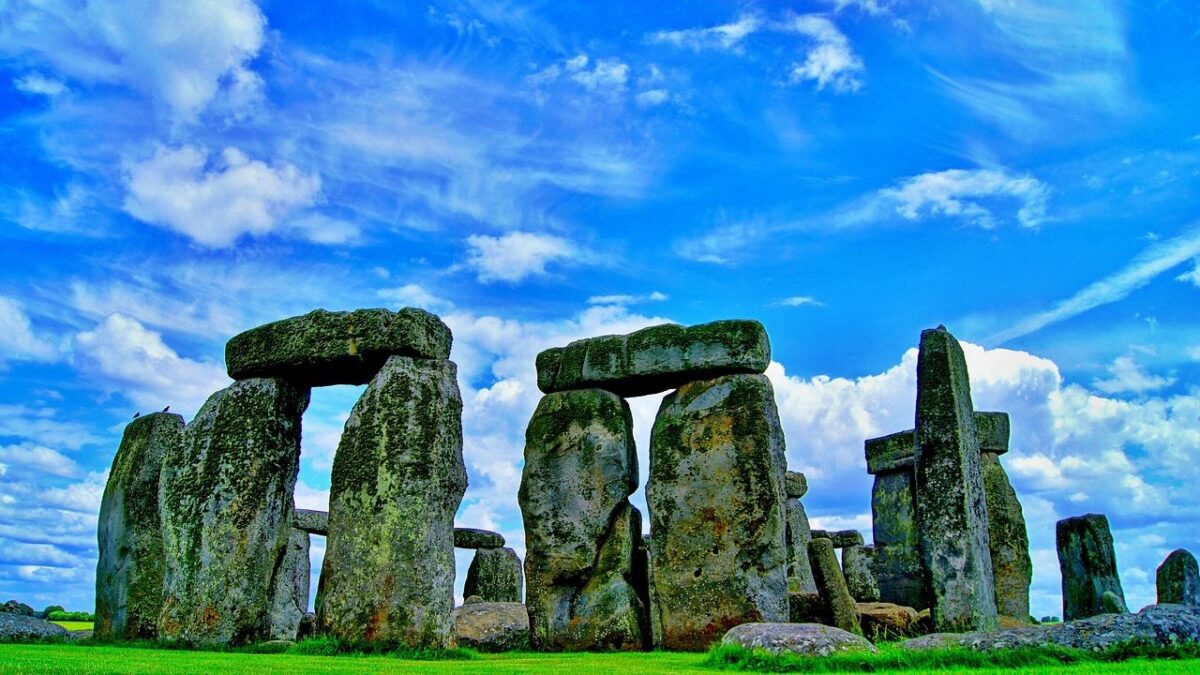
History often feels neatly divided into chapters, with prehistory fading away just as the first written records emerge. Yet the boundaries blur more than we expect, revealing moments when stone age innovations brushed against the edges of recorded civilizations or when Ice Age creatures lingered into eras we associate with pharaohs and early cities.
These overlaps challenge our sense of linear progress and show how human ingenuity, migration, and survival stretched across what we once saw as sharp divides. Exploring them brings a fresh perspective on how the distant past shaped what came after.
The Last Woolly Mammoths and Egypt’s Pyramid Era
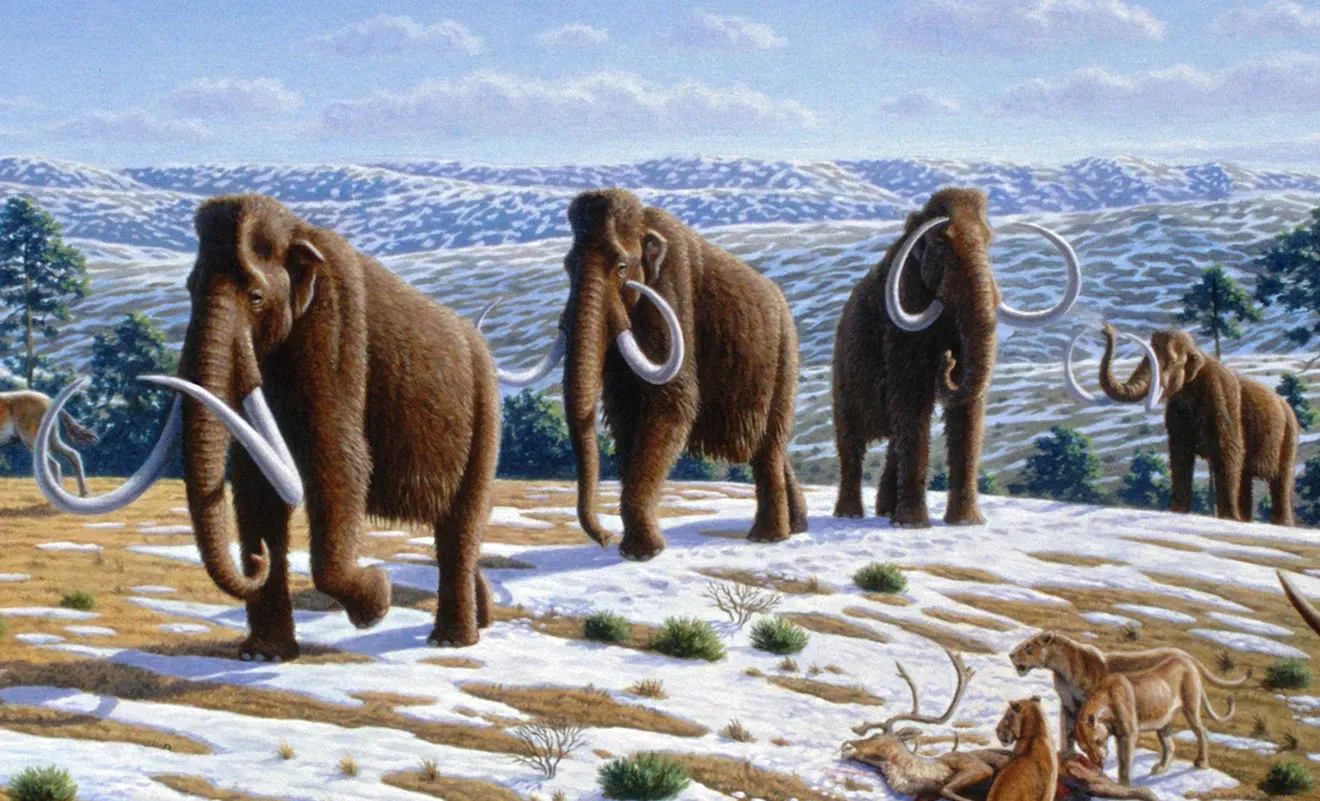
Woolly mammoths vanished from most of the world thousands of years earlier, yet small herds clung to life on remote Wrangel Island in the Arctic until roughly 2000 BCE. This timeline places their final days squarely within the broader window of ancient Egyptian civilization, when pyramid building had already begun centuries before. The Great Pyramid of Giza rose around 2580 BCE, meaning these massive Ice Age survivors roamed the planet while early dynastic Egypt developed its monumental architecture.
Archaeological finds confirm that mammoths adapted to shrinking habitats long after the end of the last Ice Age. Their persistence highlights how isolated populations can outlast expectations, bridging what we label as prehistory and the start of recorded ancient events. Such coexistence reminds us that extinction events unfold gradually rather than all at once across the globe.
Göbekli Tepe and the Dawn of Complex Societies
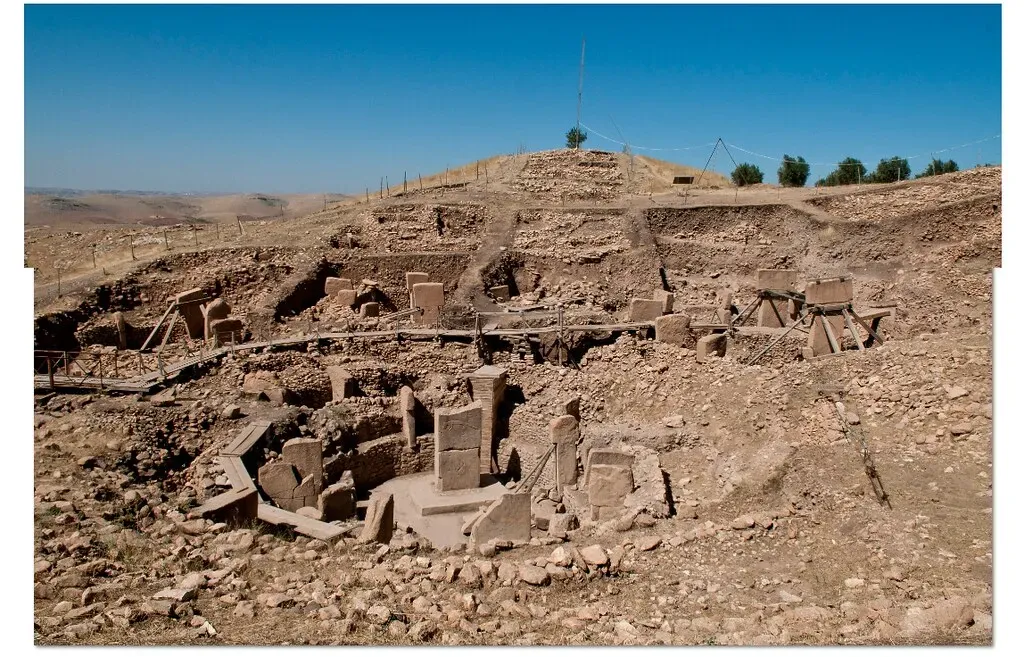
Built around 9600 BCE in what is now Turkey, Göbekli Tepe features massive carved stone pillars arranged in circles, complete with intricate animal reliefs. This site predates agriculture and settled villages by centuries, yet it shows organized labor and symbolic thinking usually linked to later historical periods. Its construction required coordinated effort from hunter gatherer groups, upending assumptions about when monumental architecture first appeared.
Excavations reveal layers of use spanning over a thousand years, with later structures built atop earlier ones. The site’s location near the Fertile Crescent places it at the threshold where prehistory transitions into the Neolithic foundations of ancient Near Eastern cultures. These discoveries suggest symbolic and social complexity emerged earlier than many written records imply.
Stonehenge Construction Amid Bronze Age Shifts
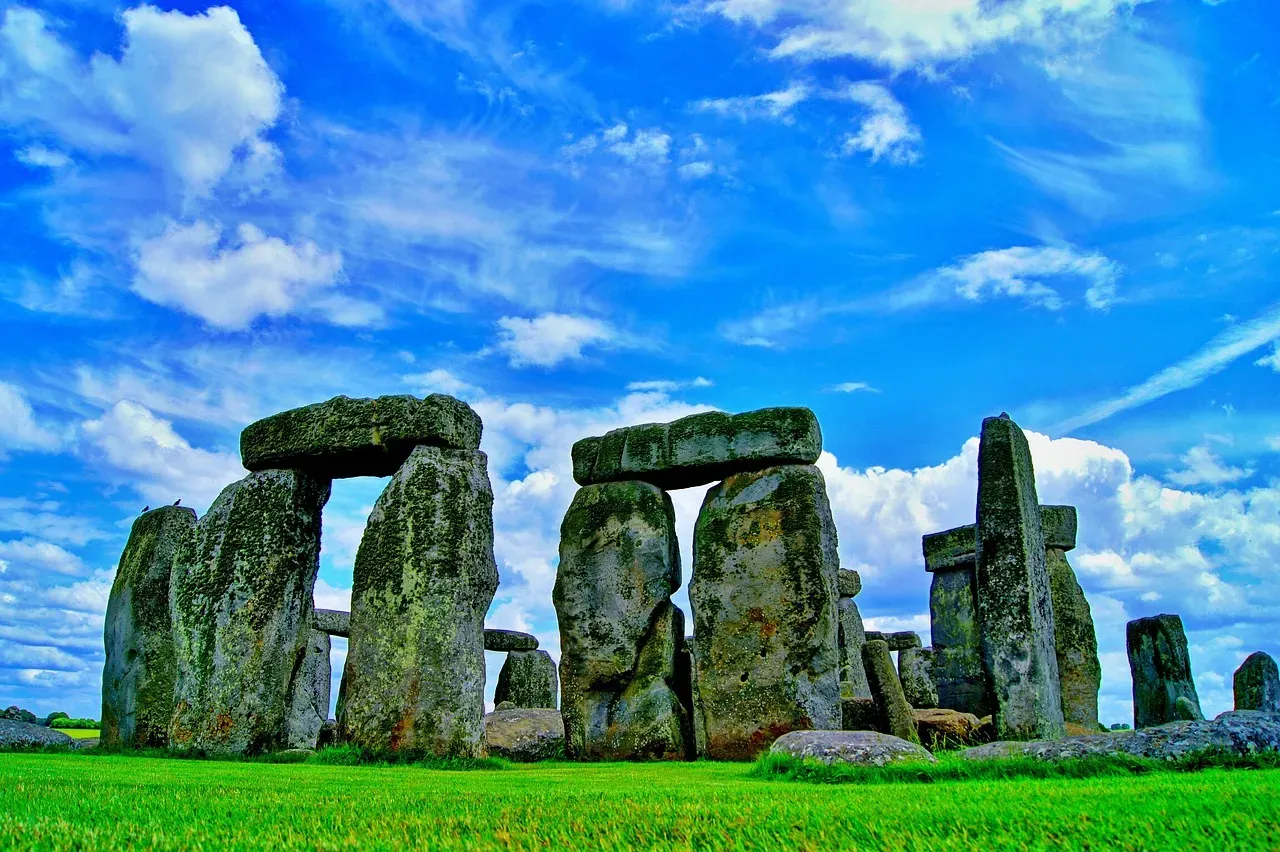
Stonehenge’s main phases of building occurred between 3000 and 2000 BCE, a time when metalworking began spreading across Europe. This places the monument’s creation during the early Bronze Age, when societies started transitioning from purely prehistoric tool traditions to those involving copper and tin alloys. Nearby burials contain artifacts that link the site to emerging trade networks.
The alignment of stones with solar events demonstrates sophisticated astronomical knowledge among people without writing systems. As ancient Egypt and Mesopotamia developed scripts, communities in Britain erected these enduring structures using only oral traditions and practical skills passed across generations. The overlap shows parallel developments in different regions at varying stages of technological change.
Cucuteni Trypillia Settlements and Early Urban Experiments
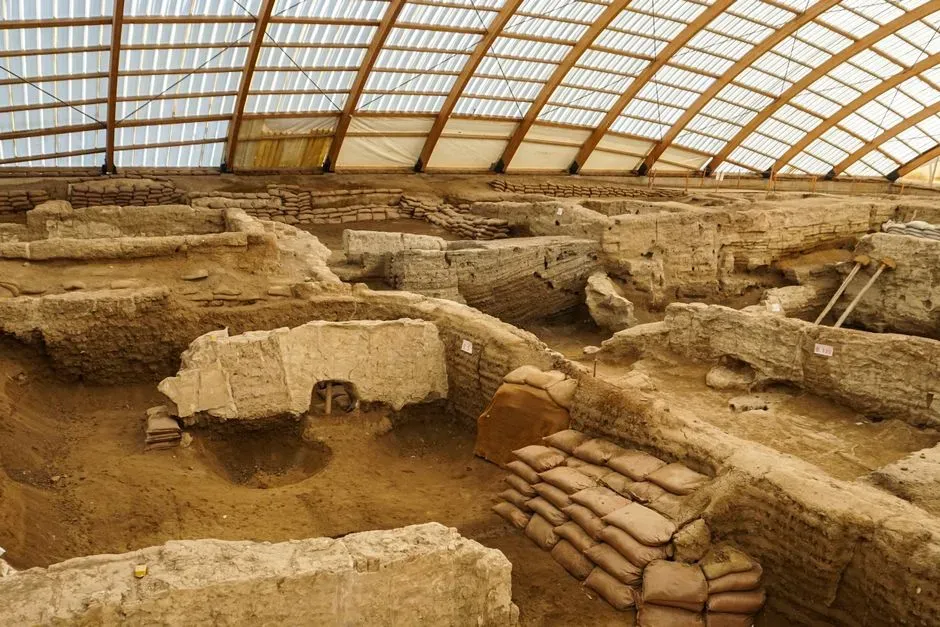
Large settlements of the Cucuteni Trypillia culture flourished in Eastern Europe from about 5500 to 2750 BCE, with some sites housing thousands of inhabitants in planned layouts. These mega sites featured multi room houses and communal spaces long before the rise of Mesopotamian city states. Their scale rivals later historical urban centers yet belongs firmly to the Chalcolithic period without written records.
Evidence of periodic rebuilding and possible ritual burning of structures points to complex social organization. The culture overlapped chronologically with the earliest phases of Sumerian development, illustrating how dense populations and proto urban life arose independently in multiple areas. Such findings expand our view of prehistory as capable of supporting sophisticated communities.
Catalhoyuk’s Neolithic Village Life Near Historical Thresholds
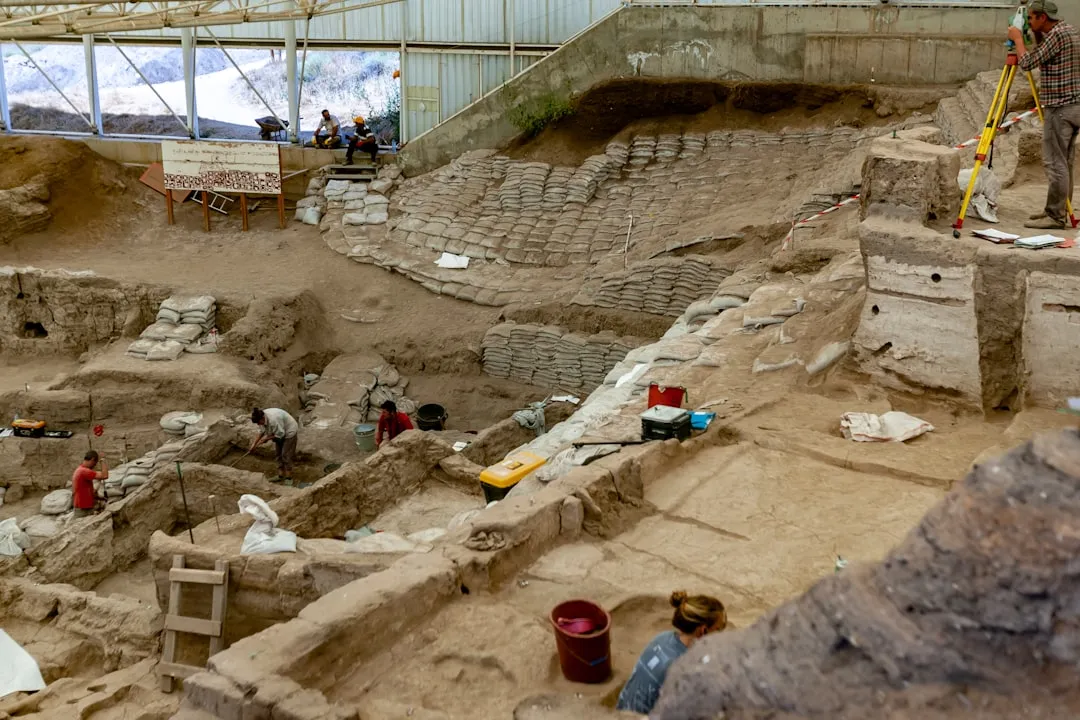
Occupied from roughly 7100 to 5700 BCE in Anatolia, Catalhoyuk stands out for its dense cluster of mud brick homes accessed via rooftops rather than streets. Residents practiced early farming and animal domestication while maintaining rich symbolic traditions through wall paintings and figurines. This long inhabited site bridges the gap between mobile hunter gatherers and the more settled societies that followed in recorded history.
Its location in a region that later hosted Hittite and other ancient cultures adds layers of continuity. Artifacts show trade connections reaching distant areas, hinting at networks that would influence later historical exchanges. The site’s duration demonstrates gradual cultural evolution rather than abrupt shifts from prehistory to antiquity.
Proto Writing Symbols and the Lead Up to Scripts
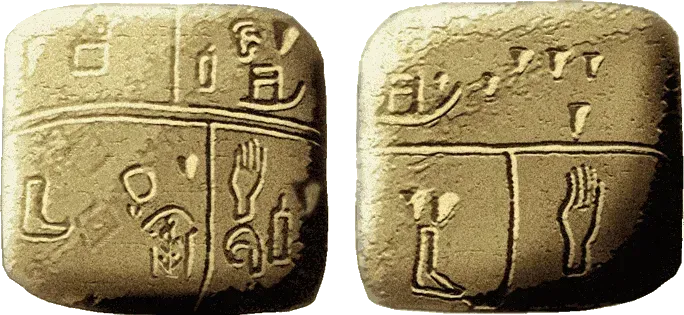
Symbols found on artifacts from the Vinca culture in the Balkans date back to around 5300 BCE, appearing on pottery and figurines well before the cuneiform of Sumer. These markings suggest early attempts at recording information through repeated motifs, though they remain undeciphered. Their appearance coincides with growing social complexity in Neolithic Europe.
Similar symbolic systems appear in other prehistoric contexts, such as Jiahu in China around 6000 BCE. These examples prefigure the invention of full writing systems in ancient civilizations by millennia. They reveal incremental steps toward literacy that unfolded across separate regions long before historical documentation began.
Megalithic Traditions Persisting Into Early Historical Periods
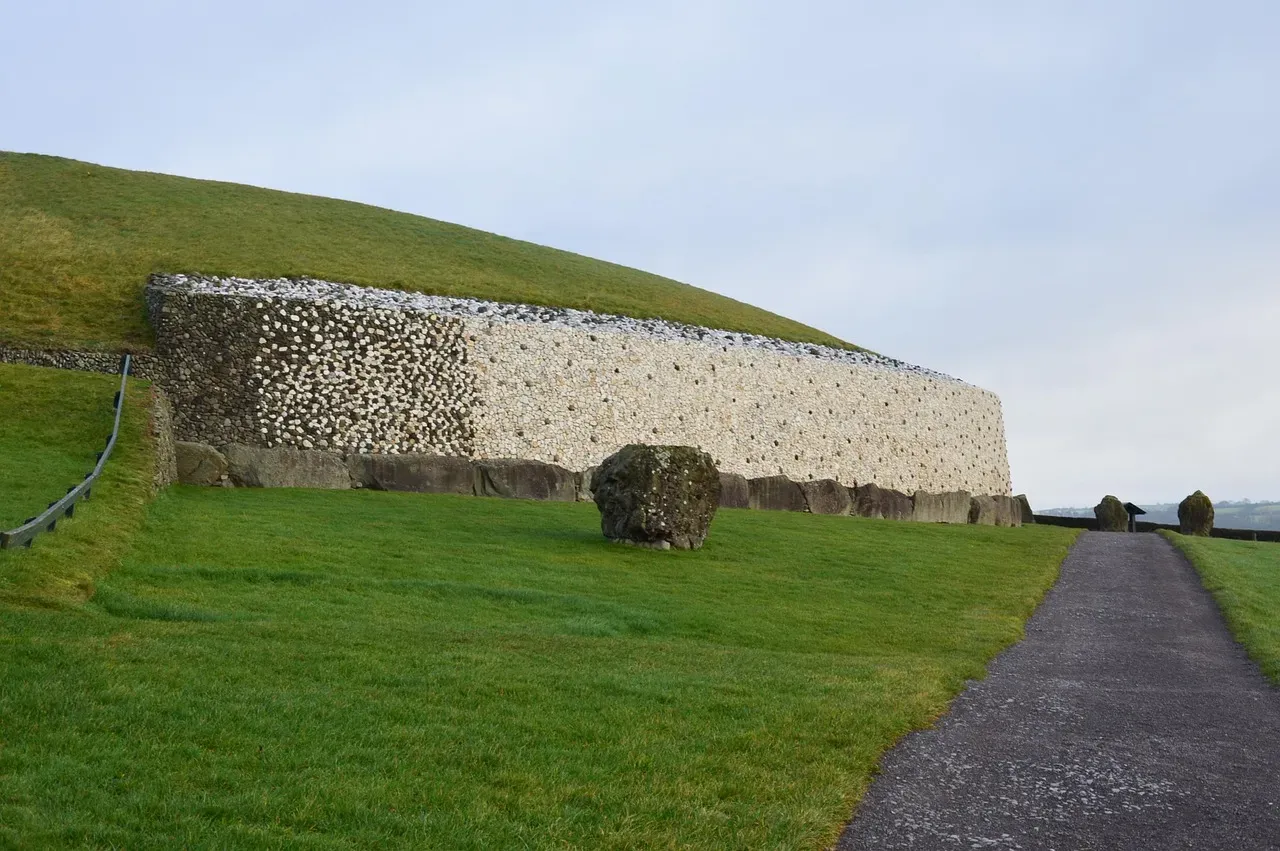
Megalithic tombs and monuments in Western Europe continued to be used and modified into the early Bronze Age, overlapping with the rise of Mycenaean Greece and other proto historical societies. Sites like Newgrange in Ireland, constructed around 3200 BCE, saw ongoing ritual activity for centuries afterward. This extended use connects purely prehistoric engineering feats to eras with emerging oral histories.
Similar patterns appear in the Mediterranean, where dolmens and standing stones remained culturally relevant as nearby cultures adopted writing. The persistence of these structures shows how material culture from prehistory influenced later communal identities. Such continuity underscores the gradual nature of historical transitions worldwide.
Teotihuacan Ruins and Aztec Cultural Memory
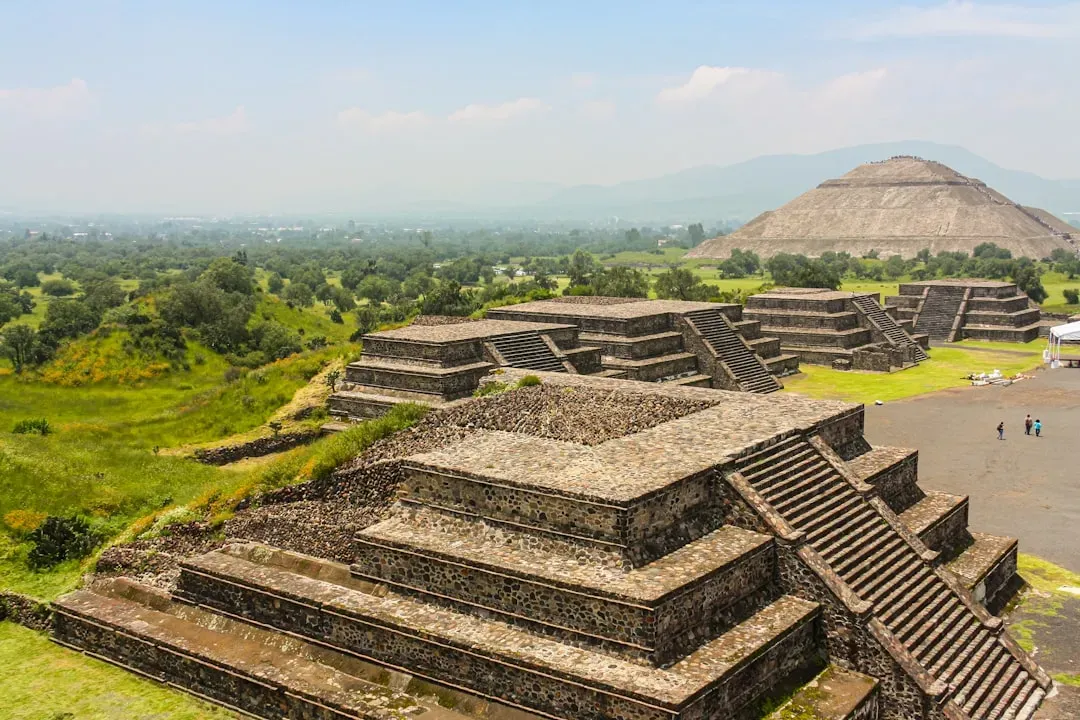
Teotihuacan reached its peak between 100 and 550 CE as a massive planned city in central Mexico, complete with pyramids and wide avenues. By the time the Aztecs rose to power centuries later, the site lay in ruins yet held deep mythic significance for them. Aztec leaders conducted rituals there and incorporated its architectural ideas into their own capital.
This later engagement with a prehistoric urban center illustrates how ancient societies actively interpreted and drew from earlier achievements. The Aztecs lacked direct written records of Teotihuacan’s builders but wove the place into their cosmology. The overlap reveals layers of cultural transmission across time without continuous documentation.
Reflecting on Blurred Boundaries
These instances reveal that the line between prehistory and ancient history often dissolves under closer examination, shaped more by regional differences in writing adoption than by any universal timeline. They encourage a more fluid understanding of human development, where innovations and survivals cross supposed divides with ease. Recognizing such connections deepens appreciation for the resilience and creativity that define our shared past.
In the end, these overlaps invite us to view history as a continuous weave rather than isolated segments, reminding us how much remains to uncover about the threads that link eras we once kept separate.

- 16 Surprising Things a Single Hummingbird Does Every Day That Most Gardeners Would Simply Never Believe - August 3, 2026
- 14 Things Your Senior Cat Does in Its Final Season That Vets Say Owners Rarely Ever Recognise - August 3, 2026
- 17 Dog Breeds That Get Easier With Every Year and 9 That Get Considerably Harder - August 3, 2026