
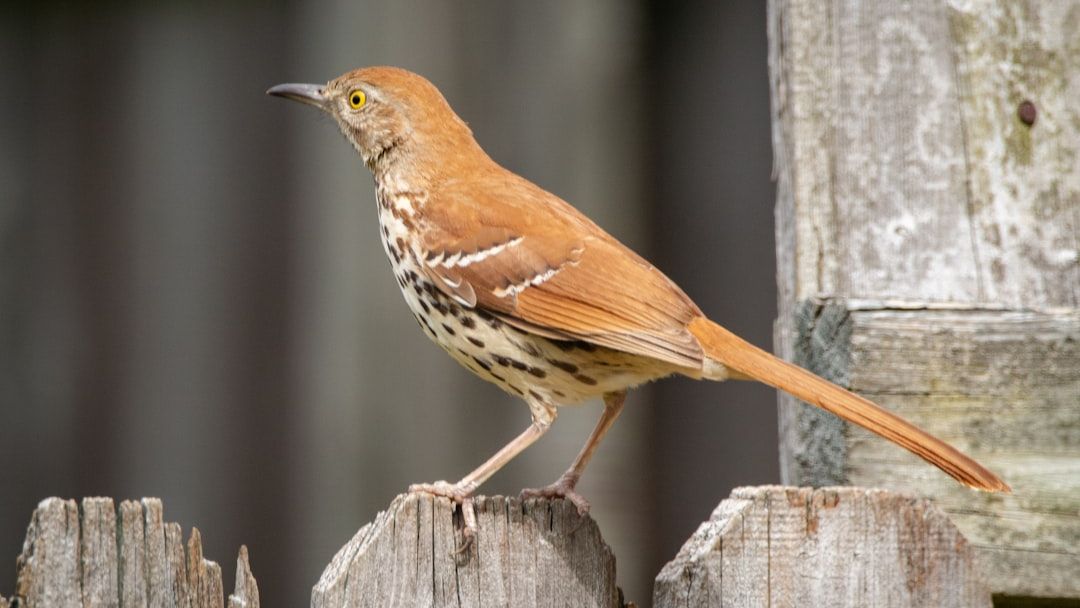
Some birds do more than sing. They borrow voices from the world around them, slipping into the calls of other species or even mechanical noises with such precision that listeners pause and wonder what they are really hearing. This talent turns ordinary moments in the woods or backyard into small surprises. The ability shows up across continents and habitats. It draws attention because it blurs the line between one creature and another.
Superb Lyrebird

The Superb Lyrebird stands out for its range. Males in Australian forests copy the songs of dozens of other birds, then add the whine of a chainsaw or the click of a camera shutter without missing a beat. Observers have watched people search the undergrowth for the source of those industrial sounds only to spot the bird itself. Its syrinx allows rapid switches between tones. The result fools even experienced birders at first listen. Over time the mimicry helps the bird defend territory and attract mates in dense rainforest.
Northern Mockingbird
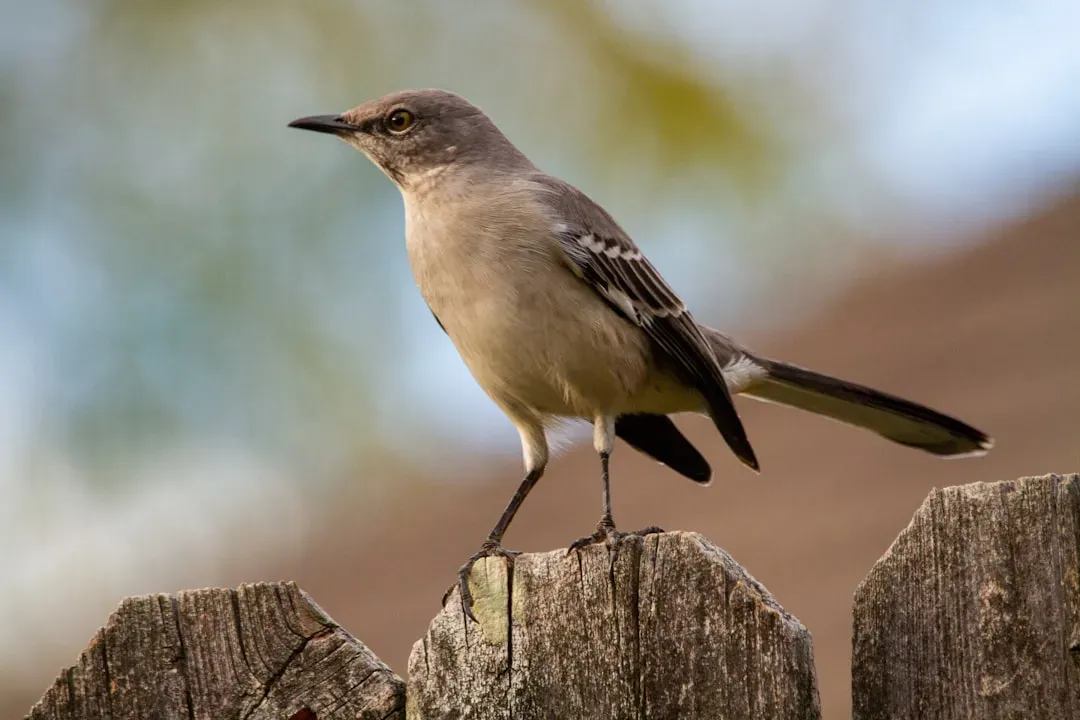
Northern Mockingbirds fill North American suburbs and fields with borrowed phrases. One bird may string together imitations of cardinals, jays, and even frogs, repeating each snippet several times before moving on. The clear delivery makes the performance convincing enough that people sometimes count separate species when only one singer is present. These birds stay active into the night during breeding season. Their persistence turns quiet evenings into layered concerts. The skill appears early and improves with practice as young birds listen and copy.
Brown Thrasher
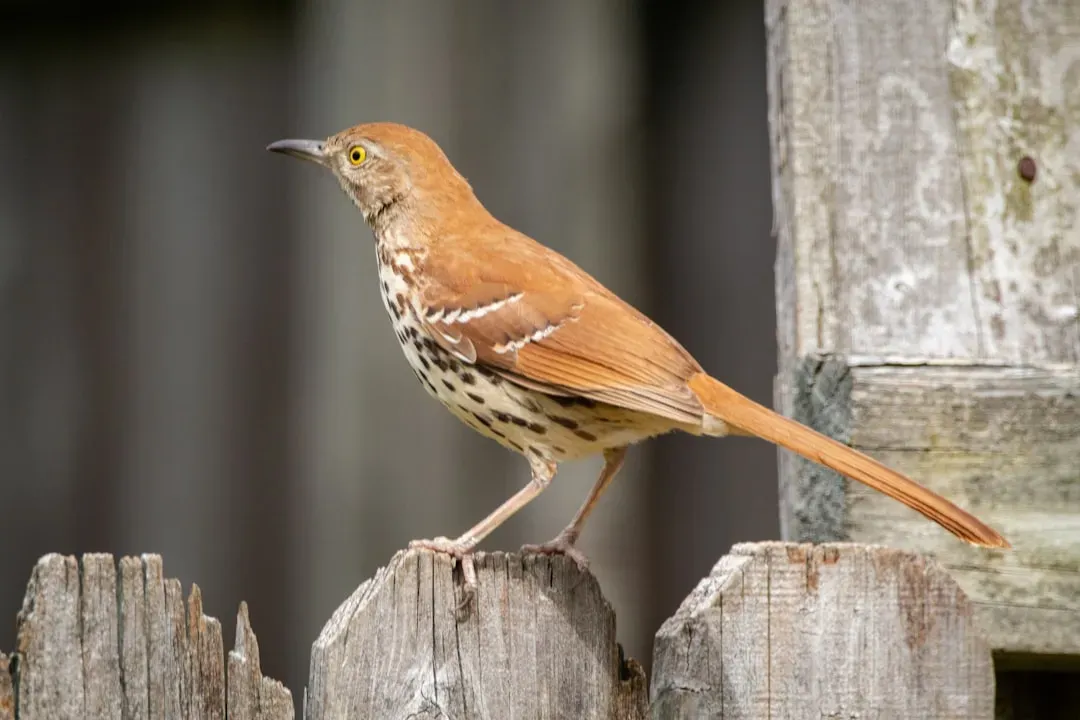
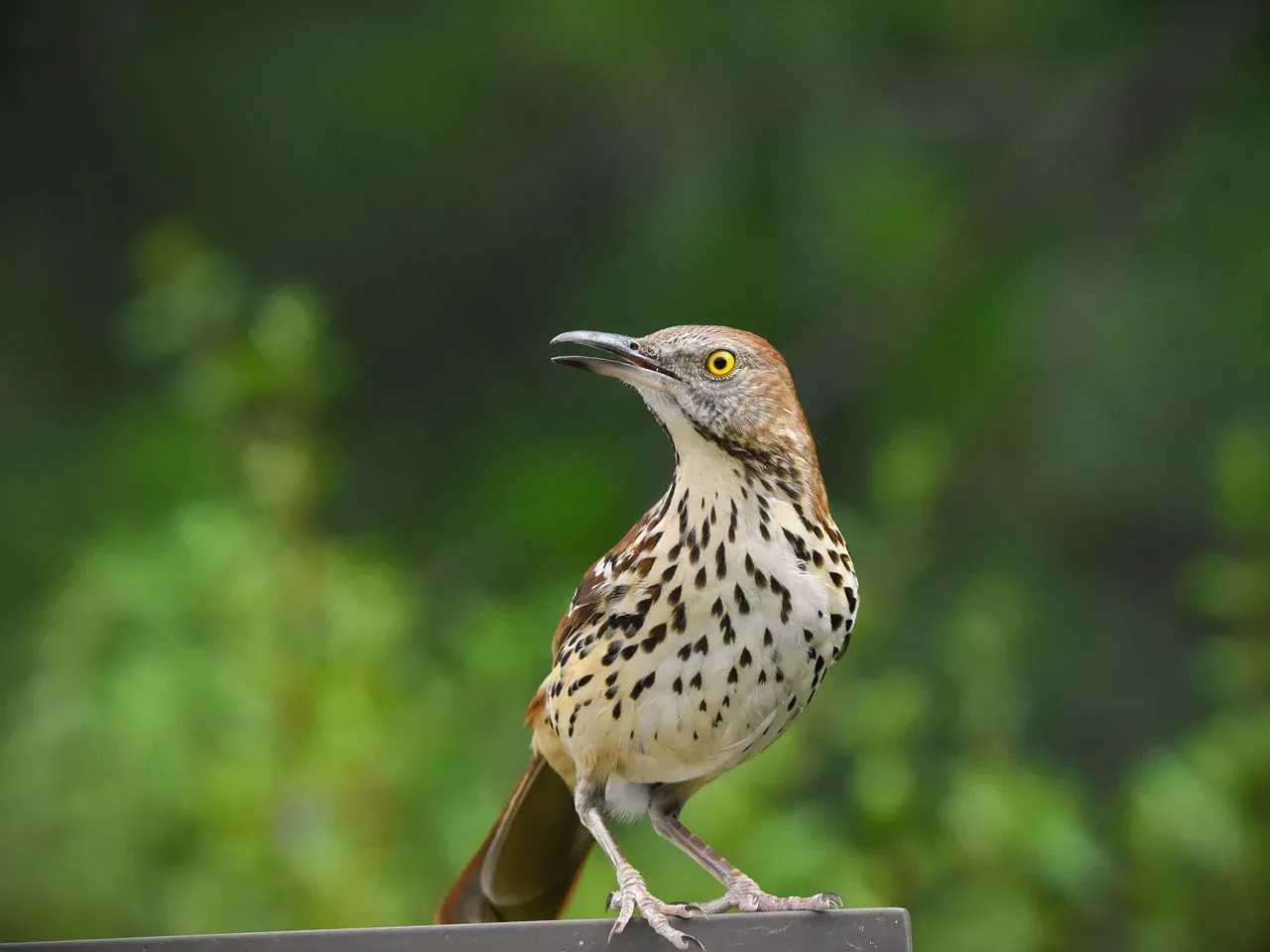
Brown Thrashers carry one of the largest song repertoires among North American species. They weave in hundreds of imitations drawn from local birds and ambient noises. The phrases come in pairs, giving the performance a measured rhythm that still surprises listeners who expect a single consistent voice. Thickets and hedgerows provide cover while the bird sings from exposed perches. The variety helps it stand out in noisy spring choruses. Listeners often realize the source only after the pattern repeats across several minutes.
Gray Catbird
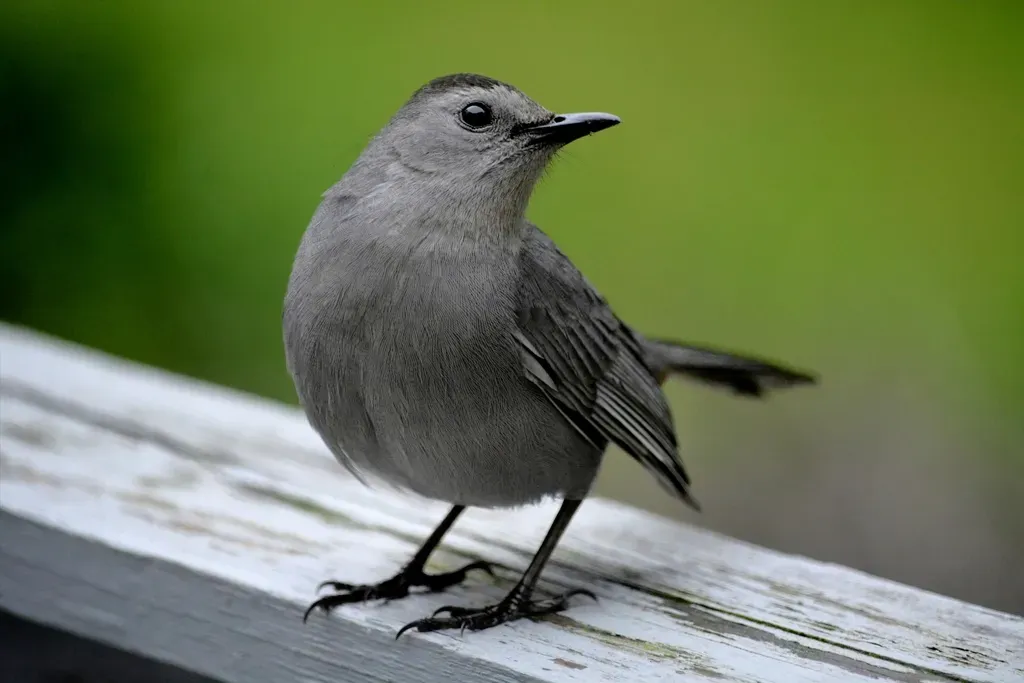
Gray Catbirds slip cat like mews into longer streams of copied notes. They borrow from warblers, thrushes, and even mechanical sounds in suburban yards. The mix creates an unpredictable flow that keeps nearby animals and people guessing. These birds favor dense shrubs where they remain hidden while performing. The mimicry serves both territorial and social functions. Over a season the same individual may expand its collection as new sounds appear in the environment.
European Starling
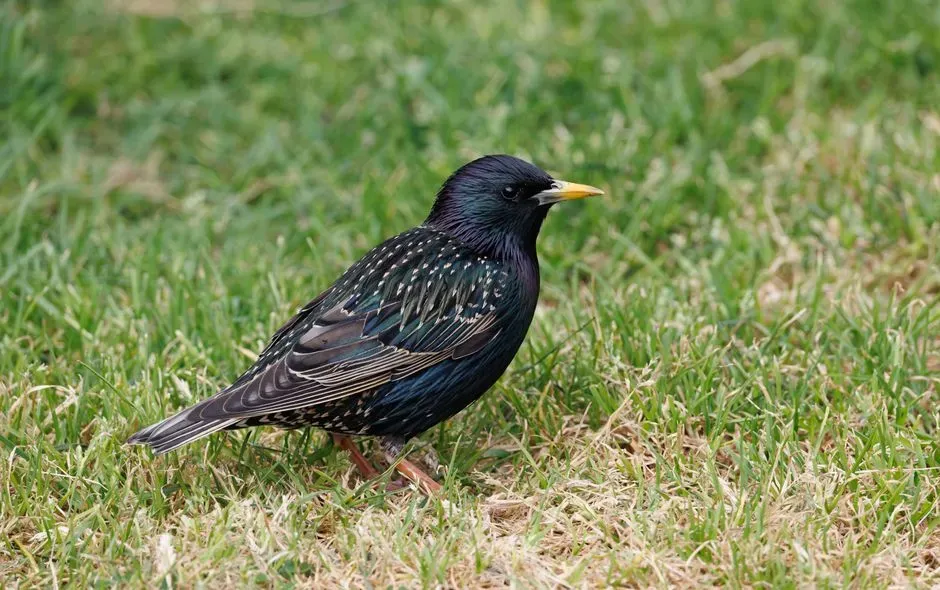
European Starlings bring mimicry into city parks and farms across continents. They copy other birds, whistles, and everyday objects such as ringing phones or car alarms. The imitations arrive in quick succession, often woven into their own rattling songs. Flocks add layers as multiple birds contribute different copied elements. The result can sound like an entire soundscape compressed into one tree. Starlings learn these tricks throughout life, updating their repertoire with whatever catches their attention.
African Grey Parrot
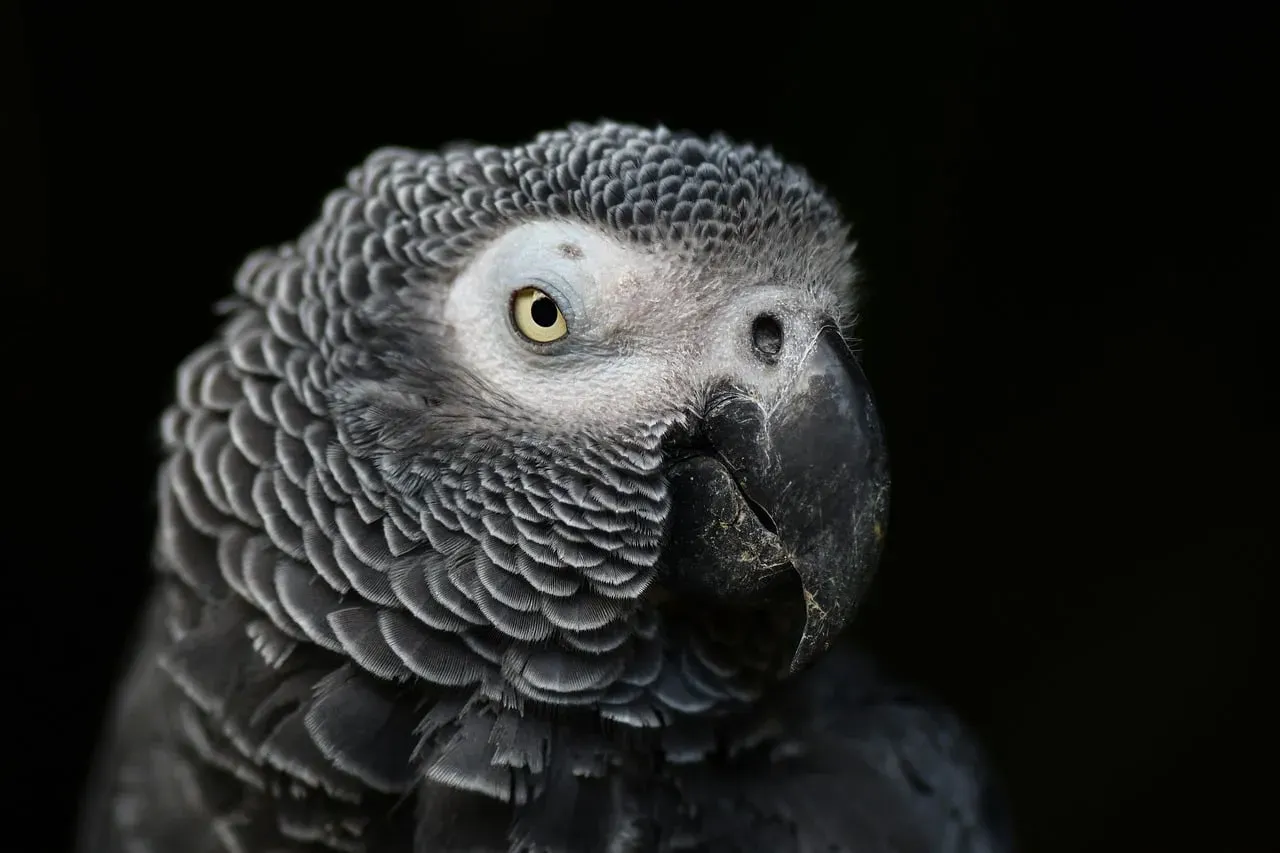
African Grey Parrots demonstrate mimicry both in the wild and in homes. They reproduce human speech patterns and environmental sounds with striking accuracy. In forests they copy the calls of other species to blend or communicate. Their large brains support rapid learning of new phrases. Captive birds often pick up dozens of words and sounds within months. The clarity of their delivery makes casual listeners double check whether another person is nearby.
Common Hill Myna
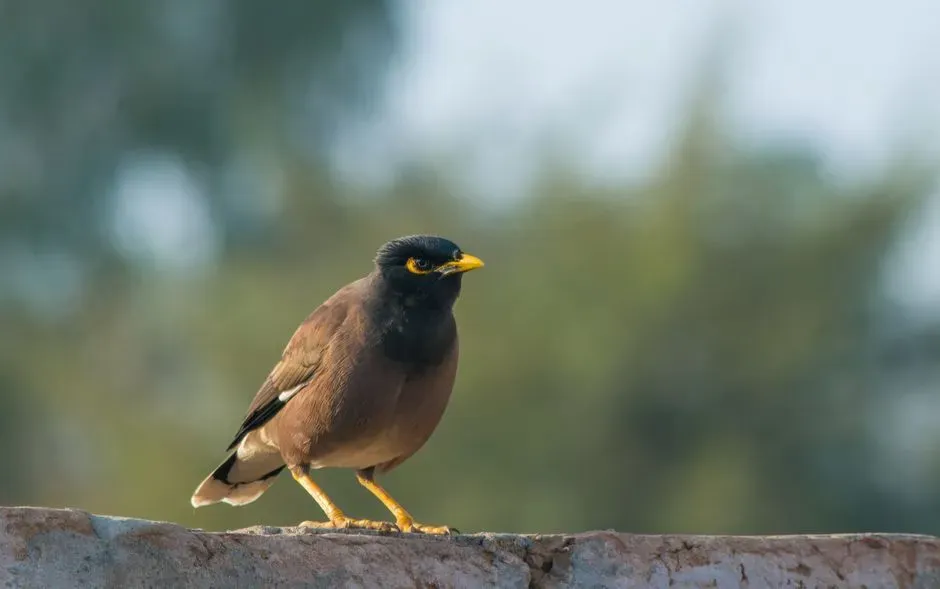
Common Hill Mynas earn reputations as top talkers among pet birds. In Southeast Asian forests they copy the calls of hornbills and other residents with precision. Their strong voices carry through dense canopy. The birds favor fruiting trees where they gather in small groups. Mimicry helps them interact with neighbors and signal food sources. Owners of captive mynas often report the birds reproducing entire sentences after brief exposure.
Blue Jay
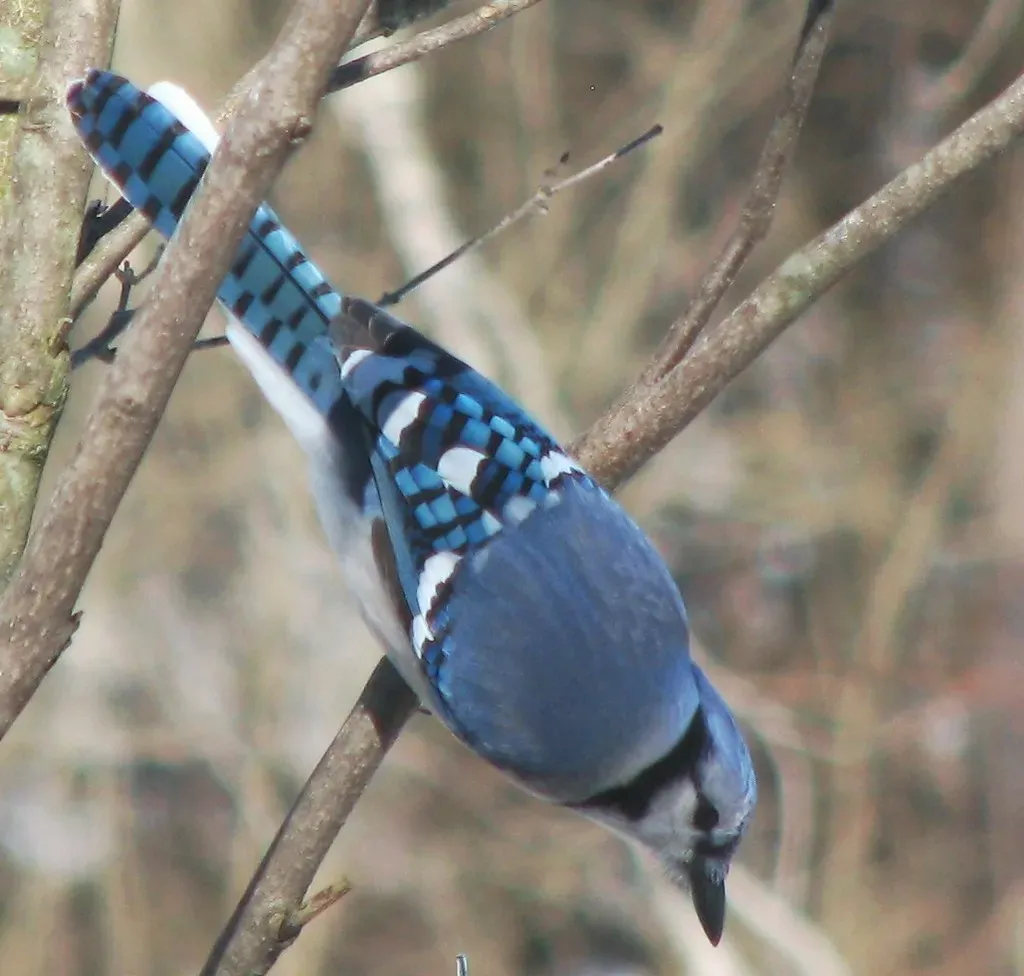
Blue Jays insert hawk calls into their own vocabulary. The sharp, descending notes can clear a feeder as smaller birds scatter in response. The imitation serves as a practical alarm or distraction during foraging. These jays live across eastern North America in varied woodlands. They add the hawk sounds to a broader set of rattles and whistles. The trick works because the copied call matches the original so closely that the reaction feels immediate.
Sage Thrasher
Sage Thrashers bring mimicry to arid western landscapes. They intersperse imitations of meadowlarks and other grassland species within their own melodic lines. The performance stands out against the sparse vegetation where sound travels far. Males sing from low shrubs during the breeding season. The borrowed phrases enrich an already varied song that helps define territory boundaries. Listeners in open country often trace the source back to a single bird after several minutes of varied notes. The talent for mimicry reveals how flexible bird communication can be. These species remind us that the soundscape around us holds more layers than a quick glance or listen suggests.

- What It Means When a Dog Refuses to Enter a Room It Once Loved - August 6, 2026
- 9 Scenic Wetlands Every Wildlife Photographer Should Visit - August 6, 2026
- Animal Cognition Says Goats Remember How to Solve a Puzzle Months After Learning It - August 6, 2026