

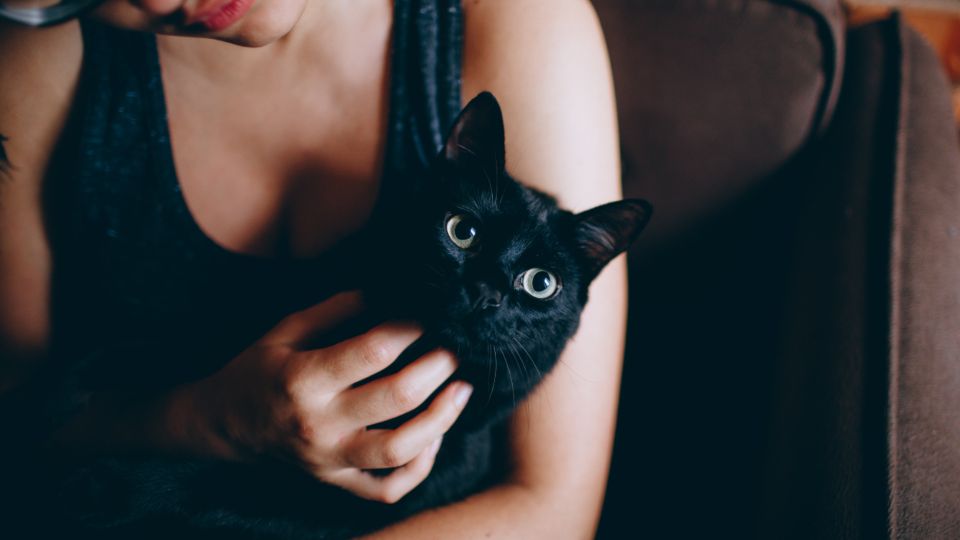
Cats have a reputation for being independent and a little mysterious, which sometimes leads people to underestimate what is going on behind those steady eyes. Yet anyone who has watched a cat figure out a tricky latch or adjust its behavior based on subtle household changes knows there is often more going on than meets the eye.
Intelligence in cats shows up in quiet, practical ways rather than flashy tricks. The following signs point to mental flexibility that goes beyond basic survival instincts.
They Figure Out How to Open Doors and Cabinets
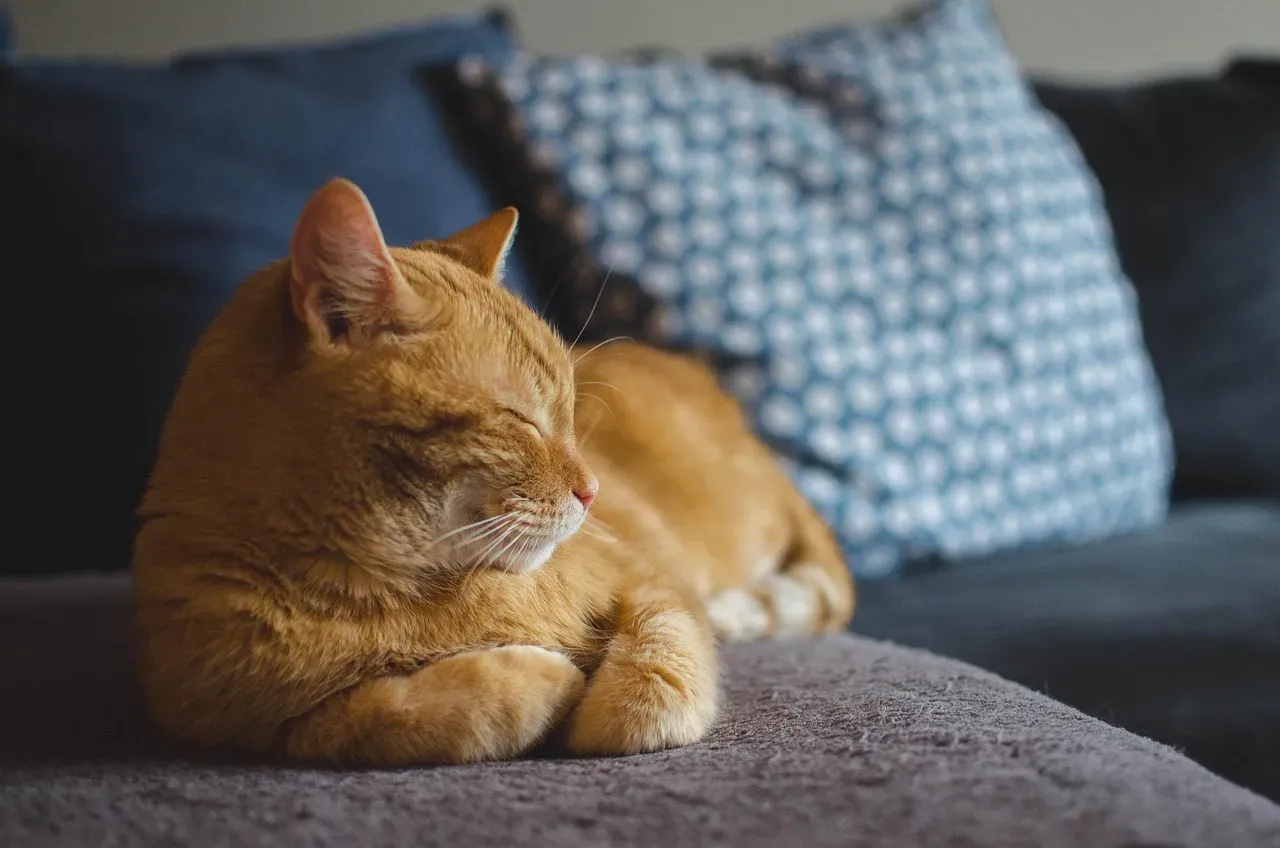
Many cats learn to push or pull handles after watching people do it a few times. They test different angles until something gives, showing a willingness to experiment rather than repeat the same failed motion.
Once they succeed, they remember the sequence and apply it to similar doors around the house. This kind of trial and error learning reveals planning that extends past immediate hunger or play.
They Anticipate Daily Routines With Precision
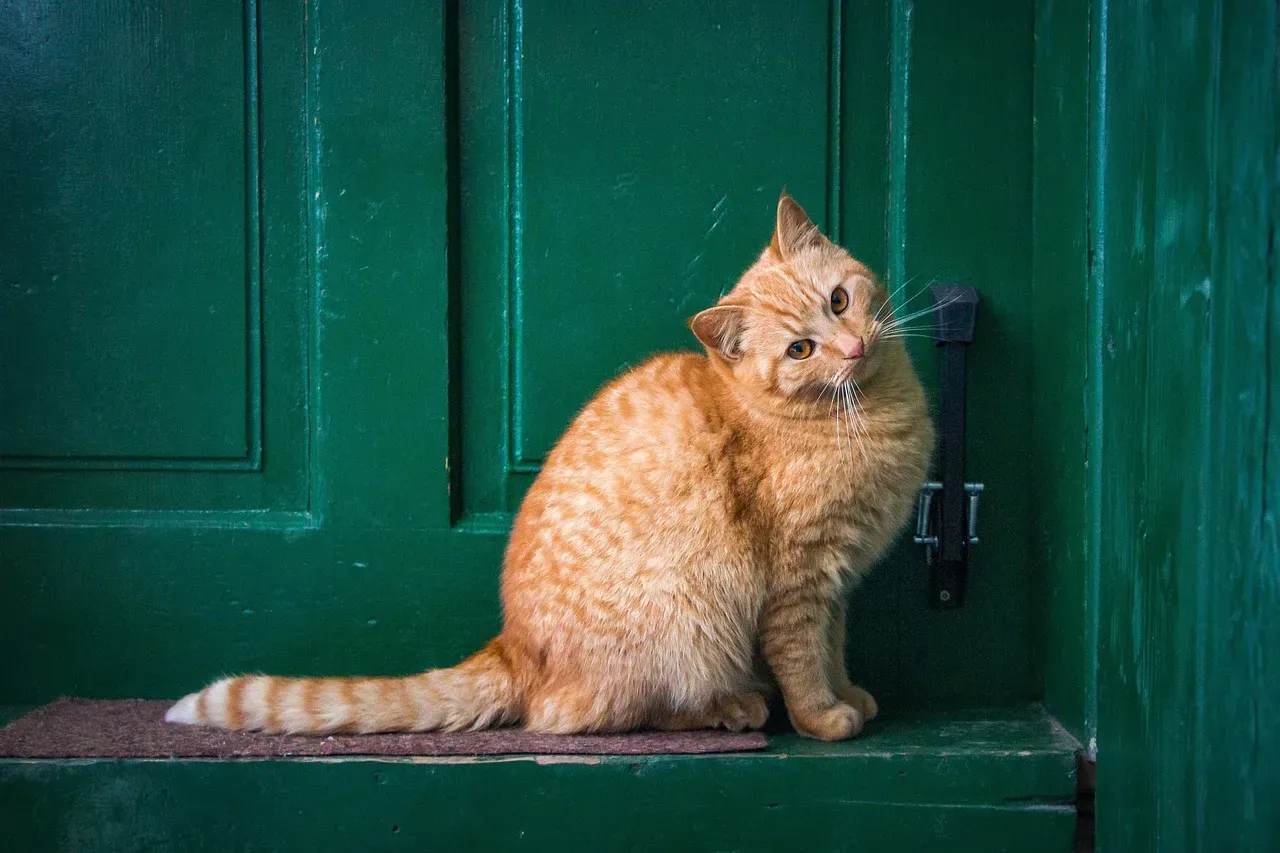
A cat that waits by the door minutes before its person usually arrives home has noticed patterns in time and sound. It connects distant cues like the garage door or footsteps in the hallway with the arrival of food or attention.
That same cat may start vocalizing or positioning itself near the treat jar at the usual hour even when the clock changes with daylight saving. Such timing shows an internal sense of schedule that helps it prepare for what comes next.
They Adjust Their Communication Based on Who Is Listening
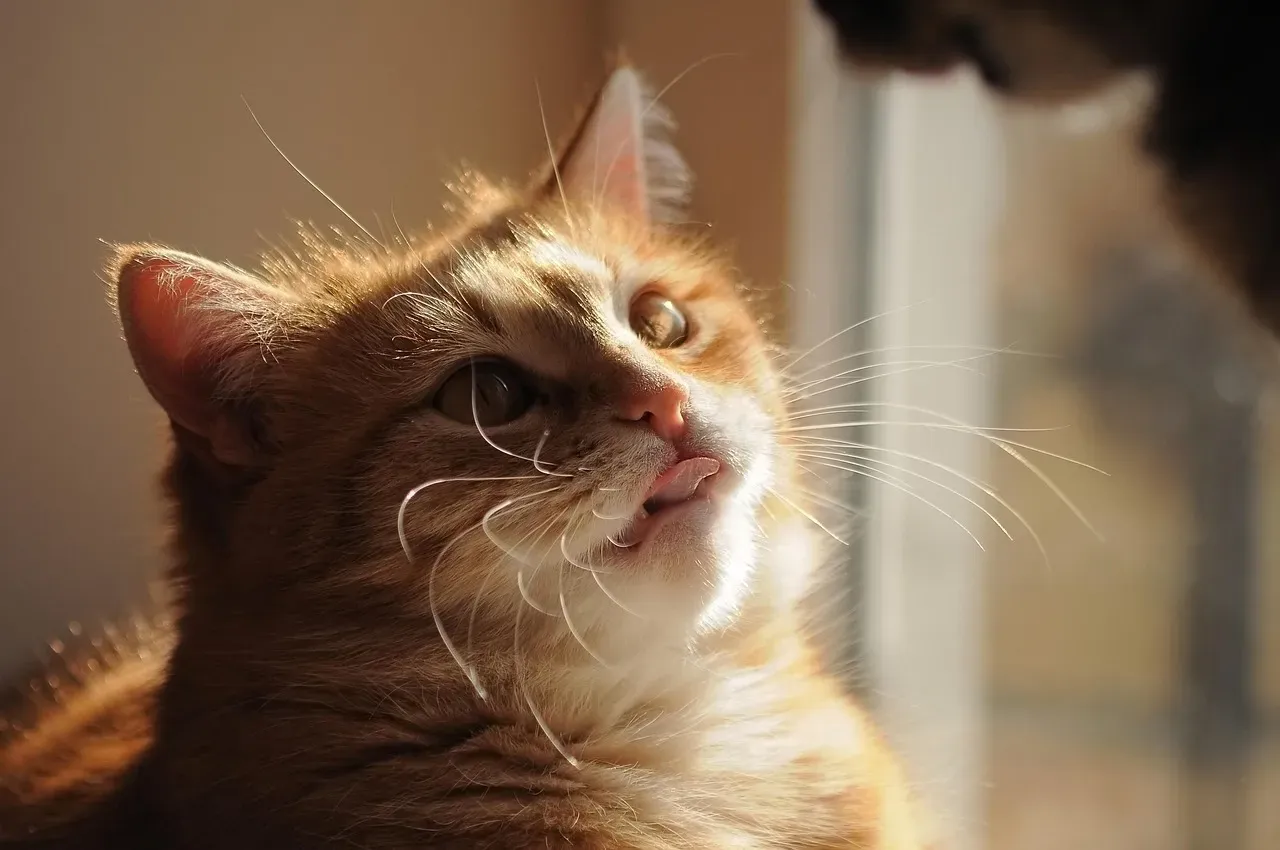
Cats often use different meows or body postures depending on whether they are addressing another cat or a human. They shorten or lengthen sounds and add specific tail flicks when they want a particular response from their owner.
Over time they refine these signals after seeing which ones produce results. The ability to tailor messages to the audience points to an awareness of how others perceive and react to them.
They Learn by Watching Rather Than Only by Doing
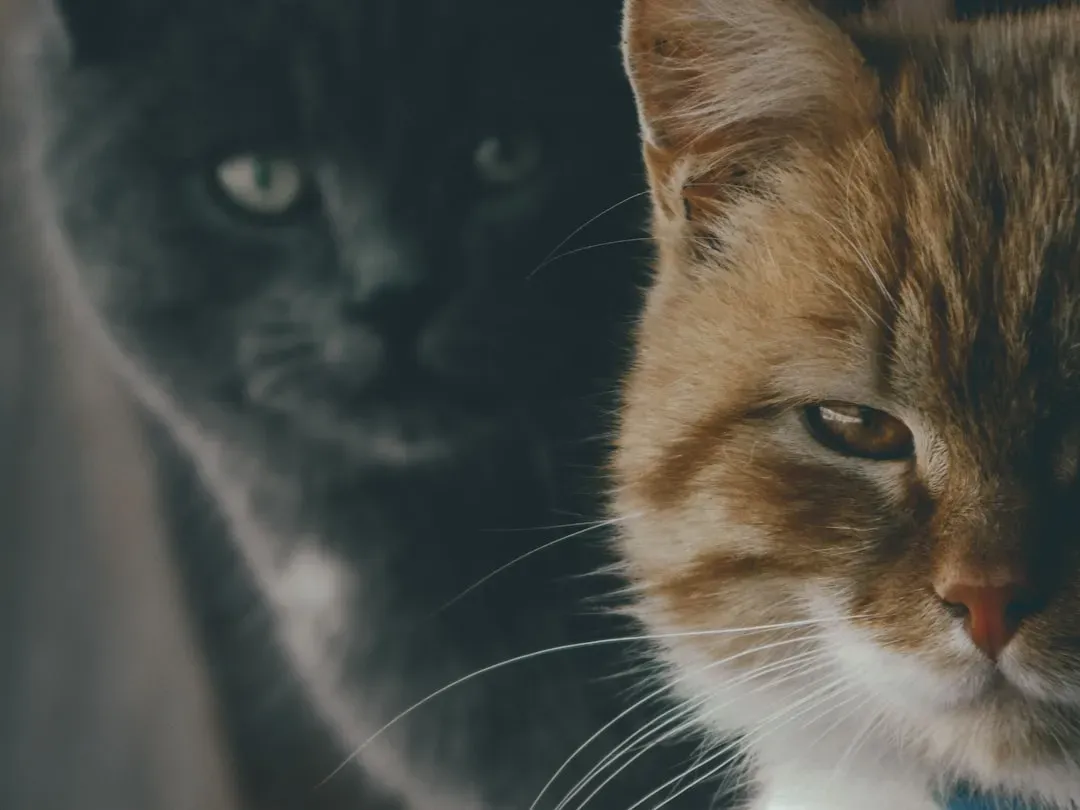
Some cats observe a person or another pet solve a simple task and then copy the action later when the opportunity arises. They do not need to attempt every step themselves first.
This observational learning lets them skip unnecessary mistakes and apply the method in new situations. It suggests they track cause and effect even when they are not the ones performing the action.
They Navigate New Spaces With Little Hesitation

When moved to a different home or even a hotel room, certain cats quickly map the layout and locate resources without much exploration time. They remember where the litter box and water bowl were placed after one or two circuits.
They also notice small changes, such as a moved piece of furniture, and investigate only what is new. This efficient mapping reduces stress and shows strong spatial memory.
They Recognize Individual People and Their Habits
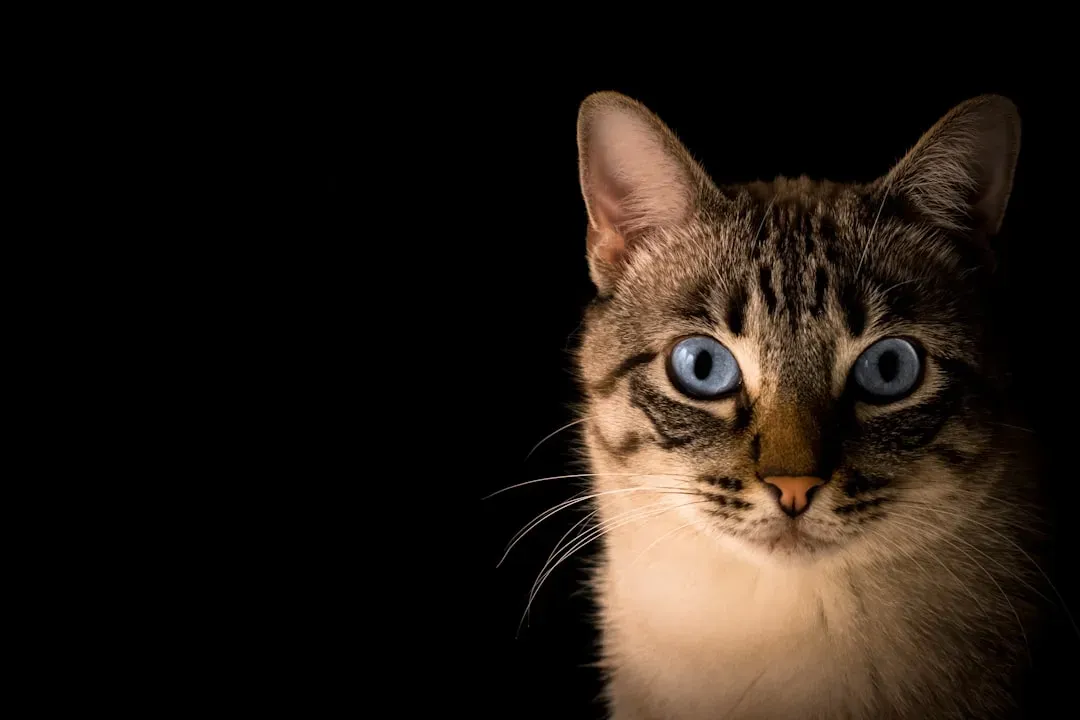
Cats often greet specific family members differently, reserving certain behaviors for the person who feeds them or the one who plays at night. They may ignore visitors while seeking out the resident who usually opens the window at a set time.
Over months or years they keep these distinctions even when appearances change slightly, such as a new haircut or clothing. The consistency indicates they form lasting mental categories for the humans around them.
They Use Objects as Tools in Everyday Situations
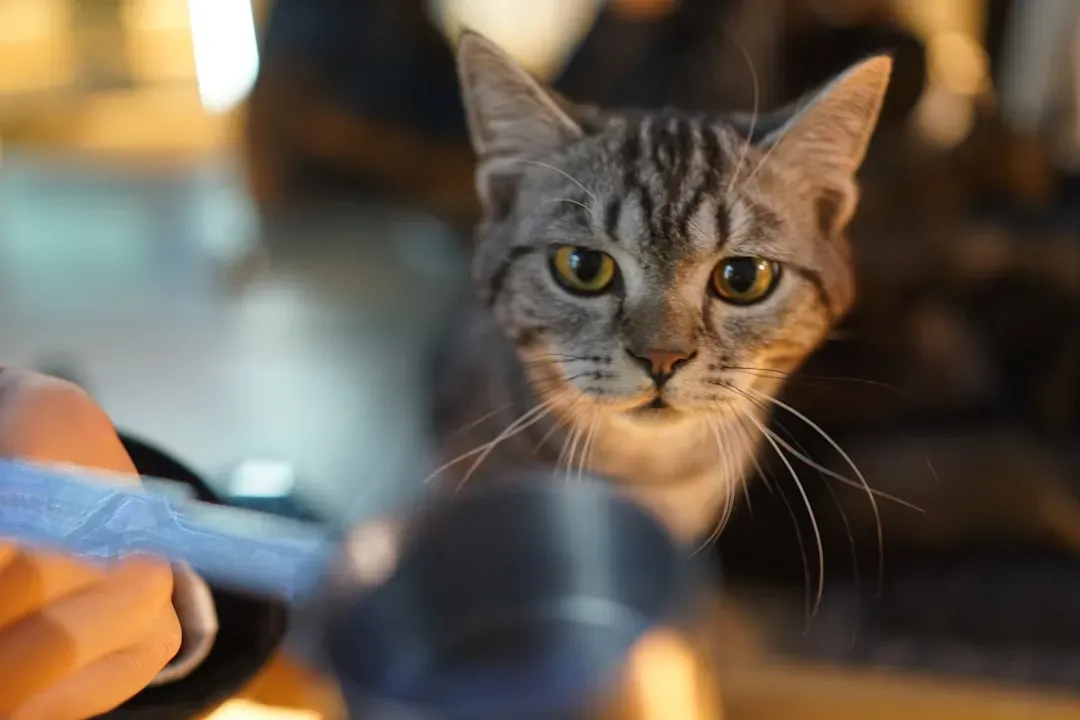
A cat might push a toy under a couch with its paw and then use another object to retrieve it, or knock items off a shelf to create a path. These actions go beyond random play and serve a clear purpose.
They repeat successful techniques across different rooms and objects. Such manipulation shows they understand basic physical relationships and can apply them flexibly.
They Remember Locations and Events Over Long Periods
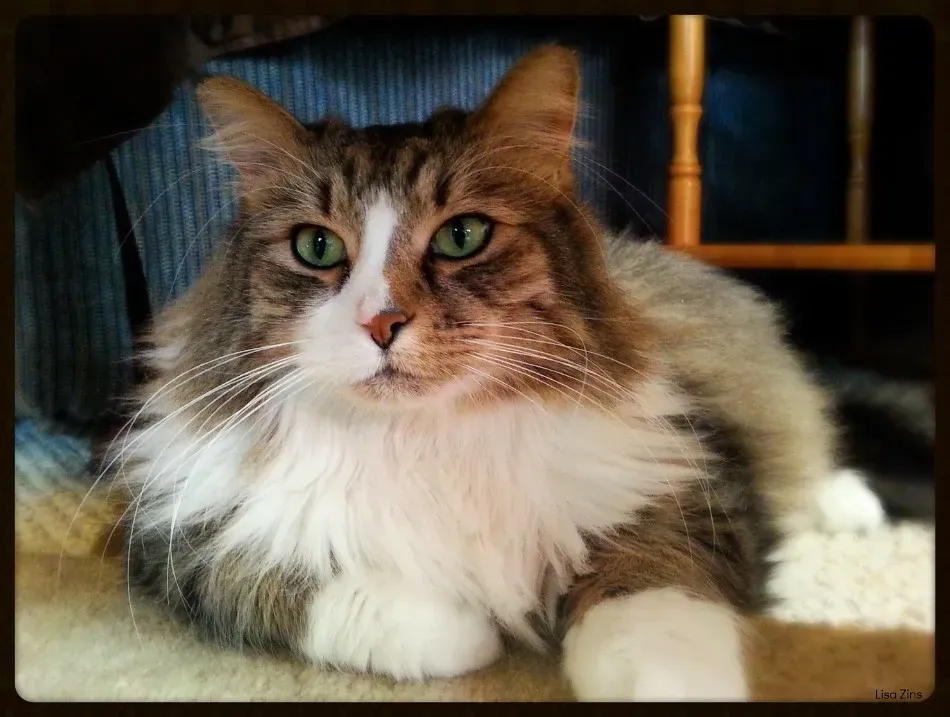
Cats that return to a favorite hiding spot months after last using it demonstrate memory that lasts well beyond a single day. They also avoid areas where something unpleasant once happened, even if the trigger is no longer present.
This long term recall helps them plan movements and avoid repeating mistakes. It reflects an ability to store and retrieve information that supports daily decision making.
They Sense and Respond to Human Emotional Shifts
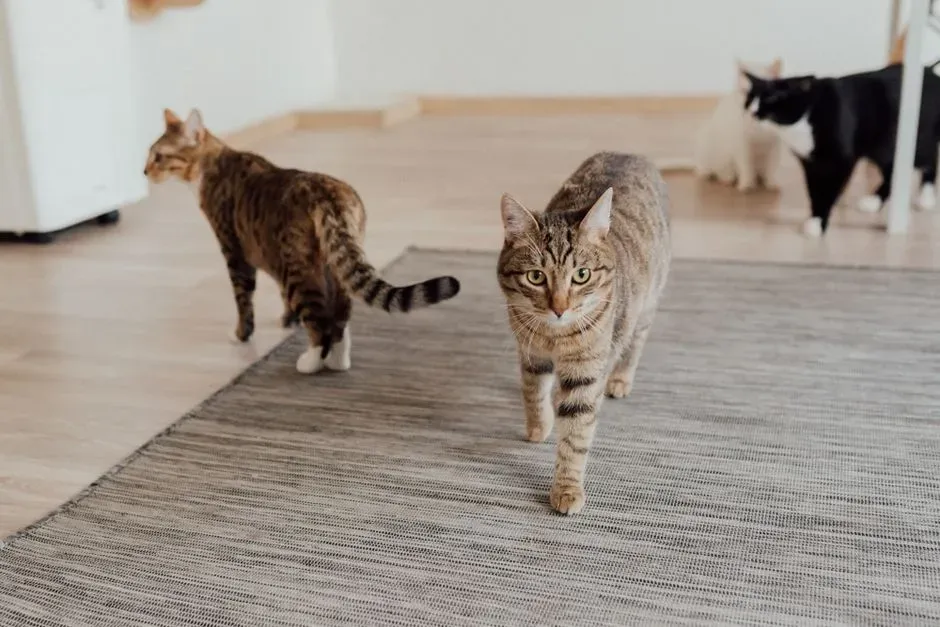
Many cats approach or keep distance based on subtle changes in a person’s voice or posture during stress or sadness. They may settle nearby without demanding attention or offer a gentle head bump when tension rises.
These responses appear consistent across different people and situations, suggesting the cat tracks emotional cues rather than reacting only to its own needs. The pattern points to a form of social awareness that strengthens the bond over time.
Paying attention to these behaviors can shift how someone views their cat from a simple companion to a thoughtful housemate. The real reward comes from noticing the small adjustments your own cat makes each day and recognizing the quiet intelligence behind them.
