
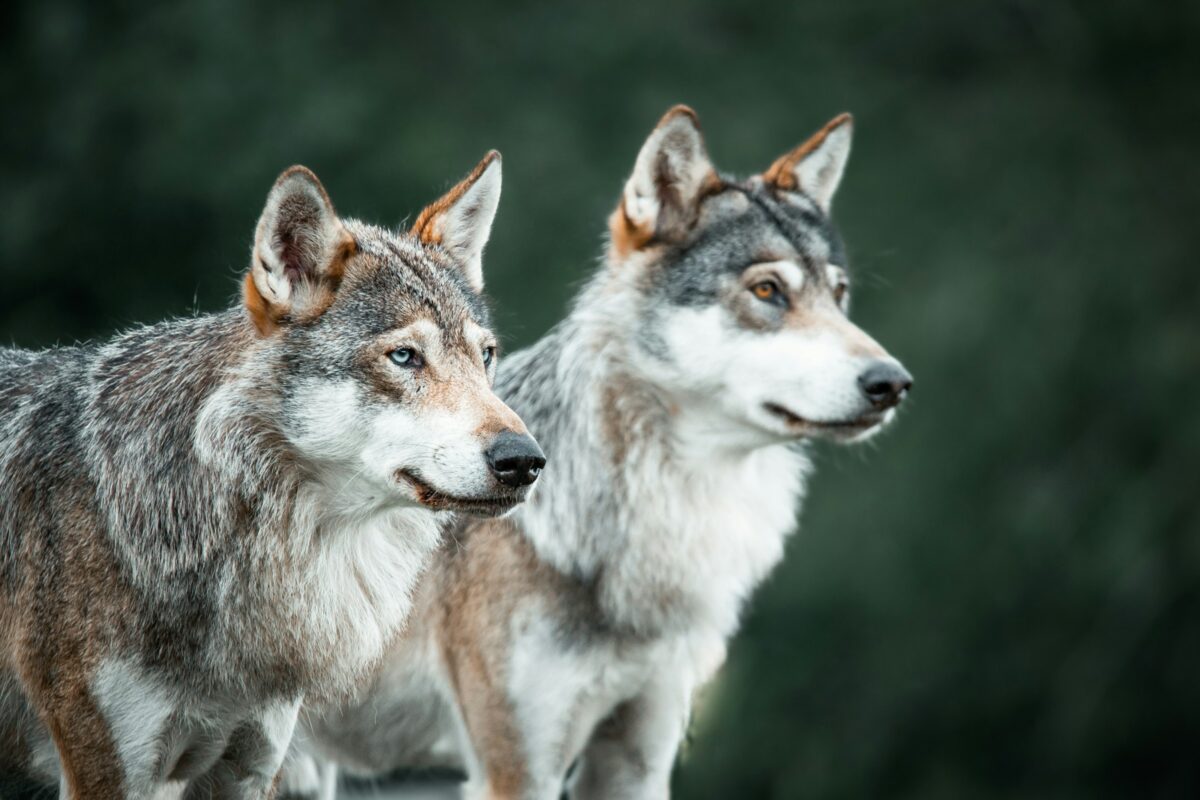
Montana’s vast wilderness offers hikers breathtaking landscapes and the chance to encounter diverse wildlife, including the elusive gray wolf. While wolf attacks on humans are exceedingly rare, understanding their behavior and ecology enhances both safety and appreciation of these remarkable animals. Here are ten essential insights every Montana hiker should know about wolves.
Wolves Are Social Creatures
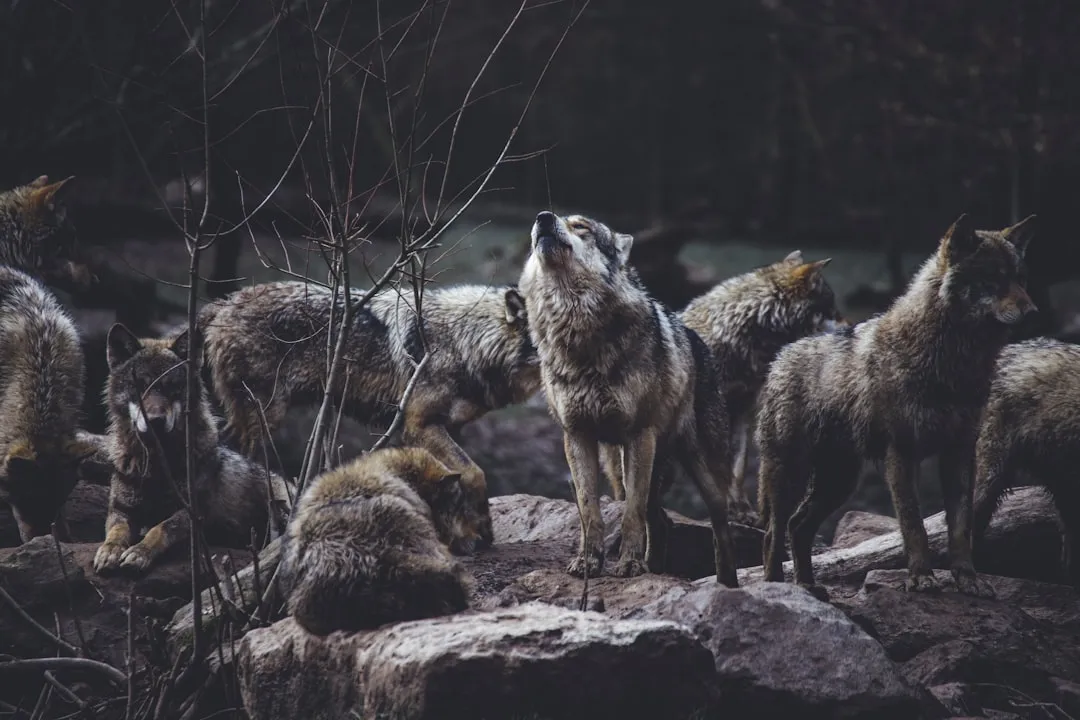
Wolves live in structured packs typically consisting of a breeding pair and their offspring. These family units collaborate in hunting and raising pups, showcasing a complex social hierarchy. Observing a pack in the wild offers a glimpse into their cooperative nature and strong familial bonds.
Each pack maintains a defined territory, which they defend against intruding wolves. This territorial behavior ensures access to resources and reduces conflicts. For hikers, recognizing that wolf packs are protective of their domain underscores the importance of respecting wildlife boundaries.
Wolves Have Expansive Territories
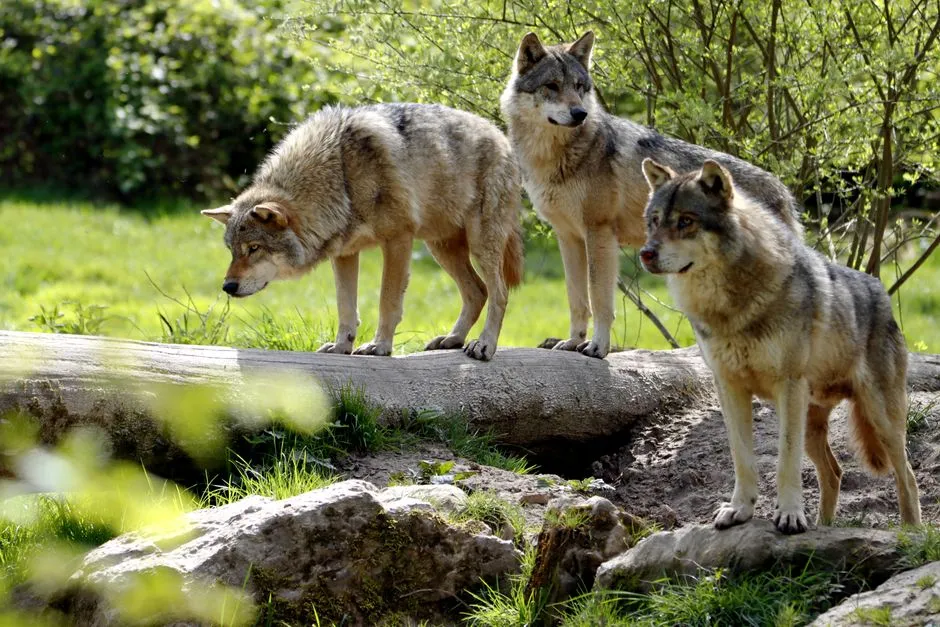
A single wolf pack’s territory can span hundreds of square miles, encompassing diverse habitats. In Yellowstone National Park, for instance, pack territories average around 428 square kilometers. This vast range allows wolves to follow prey migrations and adapt to seasonal changes.
For hikers, this means that wolf presence isn’t confined to remote areas; they can traverse regions frequented by humans. Staying alert and informed about local wildlife activity is crucial when exploring Montana’s backcountry.
Wolves Are Primarily Nocturnal
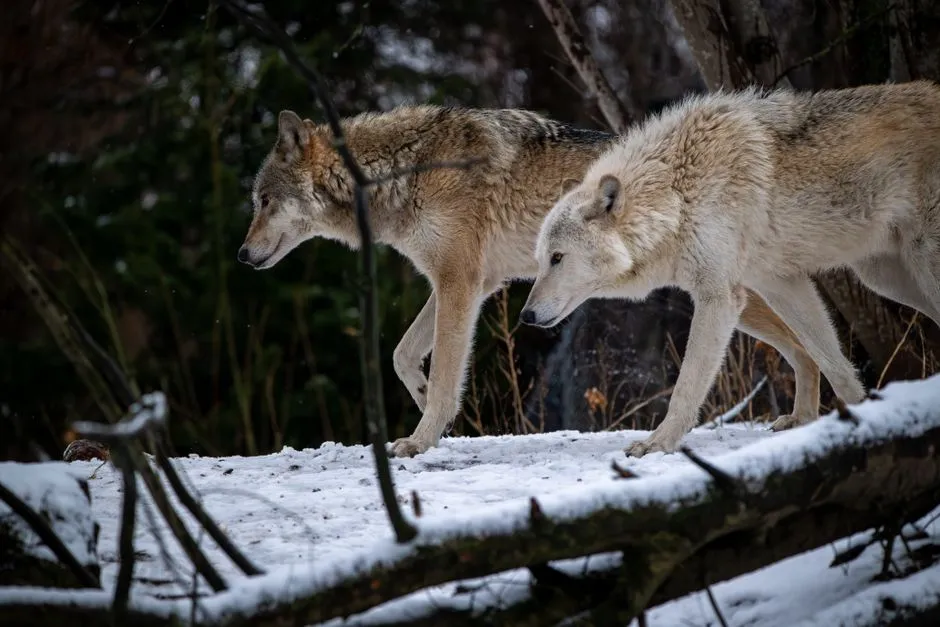
Wolves are most active during dawn and dusk, aligning their hunting patterns with the movements of prey species like elk and deer. This crepuscular behavior reduces the likelihood of encounters with humans, who are typically active during daylight hours.
However, hikers venturing out early in the morning or late in the evening should be more vigilant. Making noise and staying on established trails can help minimize unexpected encounters during these peak activity periods.
Wolf Attacks on Humans Are Extremely Rare
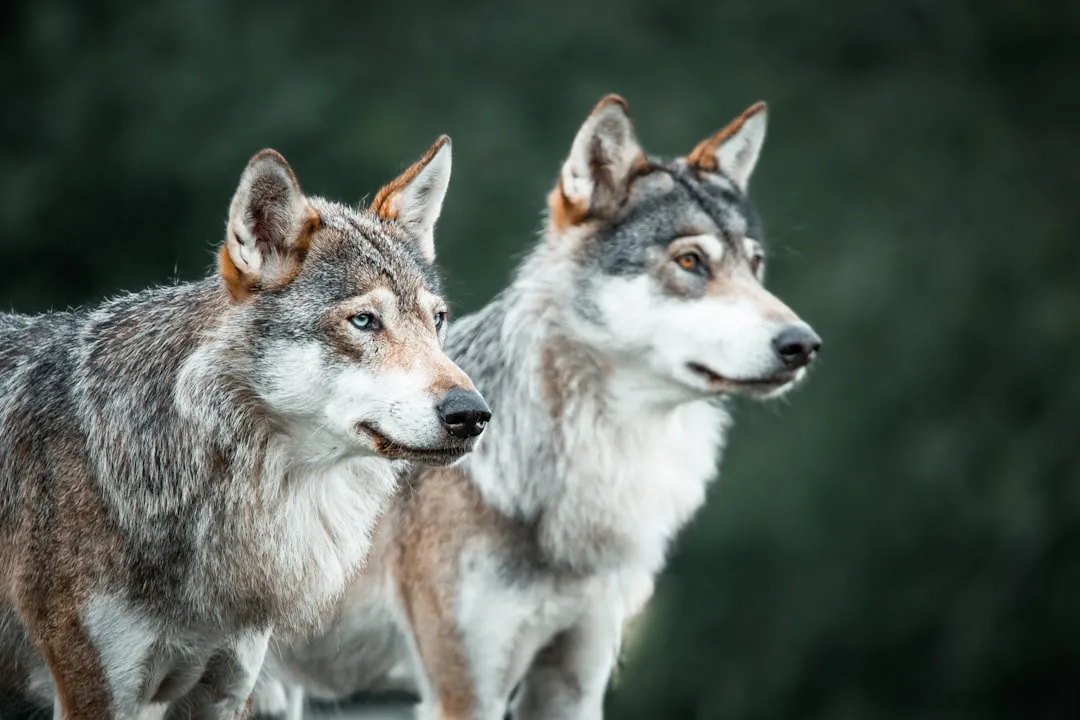
Despite their portrayal in folklore, wolves pose minimal threat to humans. Documented cases of wolf attacks are exceedingly uncommon, and wolves generally avoid human interaction. Their natural wariness means they are more likely to flee than confront a person.
This doesn’t mean hikers should be complacent. Maintaining a respectful distance and not attempting to feed or approach wolves ensures both human safety and the well-being of the animals.
Wolves Play a Vital Role in Ecosystems
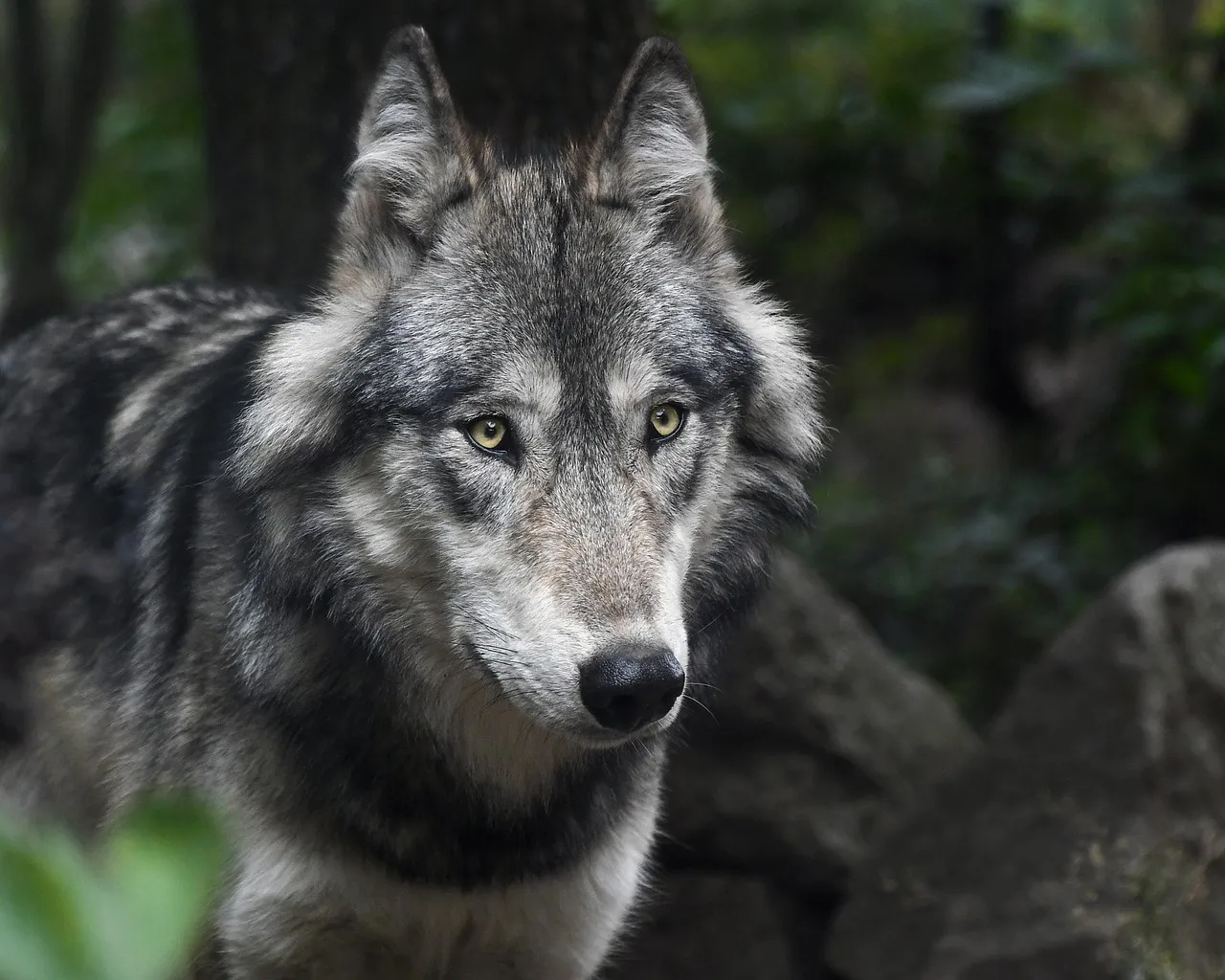
As apex predators, wolves help regulate prey populations, preventing overgrazing and promoting biodiversity. Their presence can lead to healthier forests and more balanced ecosystems. For example, the reintroduction of wolves to Yellowstone has been linked to increased aspen and willow growth due to reduced elk browsing.
Understanding this ecological role highlights the importance of coexisting with wolves. Hikers can appreciate that these animals contribute to the health of the very landscapes they come to enjoy.
Recognizing Wolf Signs Enhances Awareness
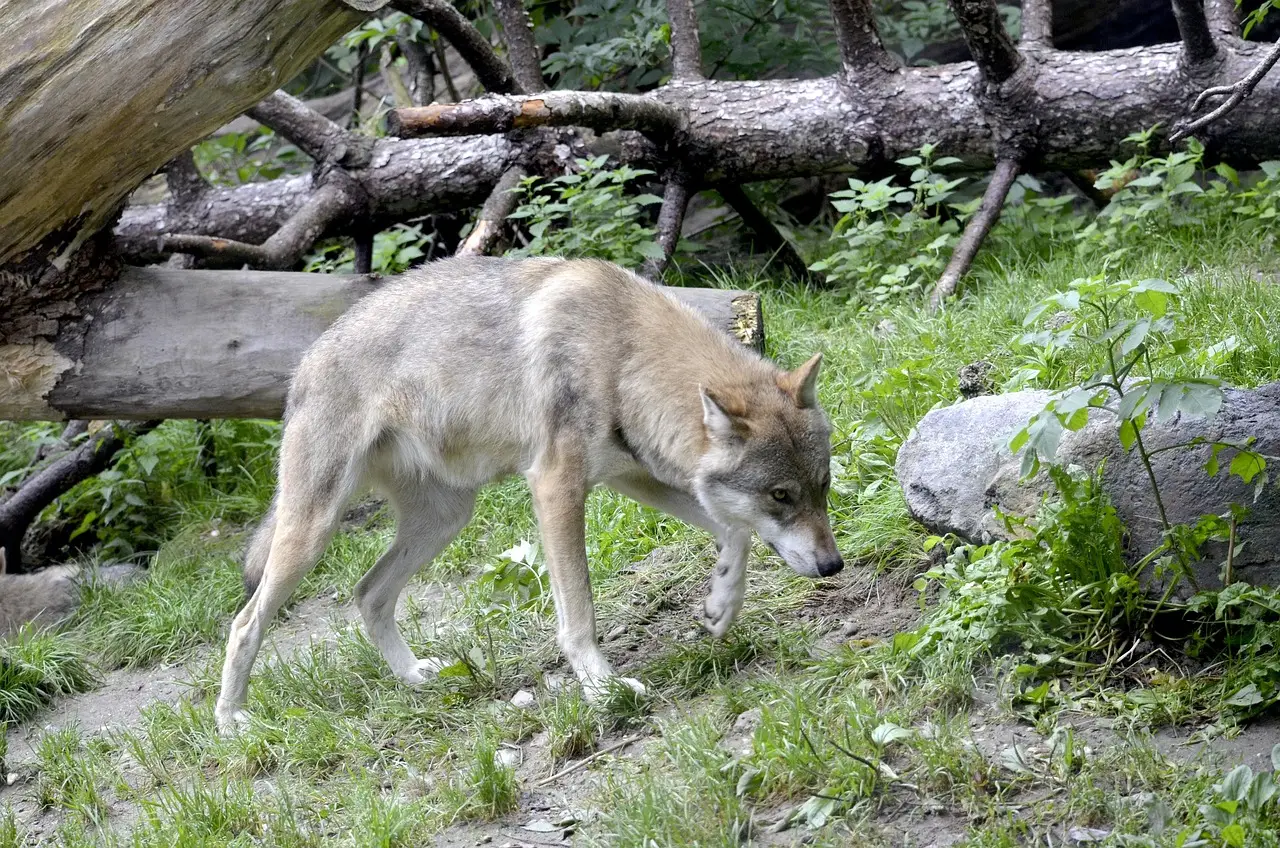
Being able to identify wolf tracks and scat can inform hikers of recent wolf activity in an area. Wolf tracks are about 5 inches long and 4 inches wide, with four toes and claws in an oval shape. Their scat is typically over an inch in diameter and may contain hair and bone fragments.
Noticing these signs allows hikers to be more cautious and make informed decisions about their route. It’s a reminder that the wilderness is shared with wildlife, and awareness is key to safe and respectful exploration.
Proper Food Storage Deters Wildlife Encounters

Just as with bears, improperly stored food can attract wolves and other wildlife to campsites. Hikers should use bear-proof containers and hang food at least 10 feet off the ground and 4 feet away from tree trunks. This practice minimizes the risk of drawing animals into human areas.
By securing food and disposing of waste properly, hikers help keep wildlife wild. This not only protects humans but also prevents animals from becoming habituated to human food sources, which can lead to problematic behaviors.
Traveling in Groups Reduces Risk

Hiking in groups is generally safer in wildlife-rich areas. The presence of multiple people can deter curious animals and provides assistance in case of an emergency. Group members can also help each other stay vigilant and make noise to alert wildlife of their presence.
Solo hikers should take extra precautions, such as informing someone of their itinerary and expected return time. Carrying bear spray and knowing how to use it is advisable for all hikers, regardless of group size.
Leashing Dogs Protects Both Pets and Wildlife

Dogs can provoke defensive behavior in wolves, especially if they chase or bark at them. Keeping dogs on a leash prevents them from running off and potentially encountering wildlife. This practice also protects native animals from stress or harm caused by domestic pets.
In some areas, dogs are not permitted on trails to protect both wildlife and the pets themselves. Always check local regulations and consider leaving pets at home when venturing into wolf habitats.
Educating Yourself Enhances the Hiking Experience
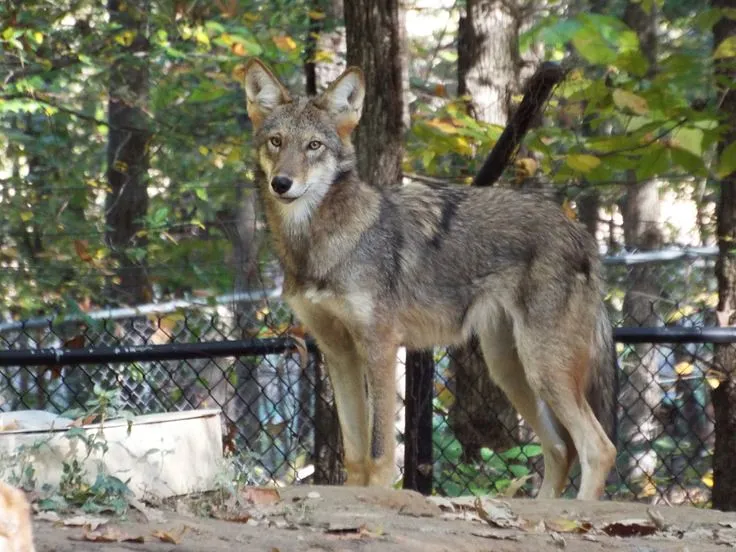
Knowledge about wolf behavior, ecology, and conservation efforts enriches the hiking experience. Understanding the role wolves play in Montana’s ecosystems fosters a deeper appreciation for the wilderness. It also empowers hikers to make informed decisions that promote safety and conservation.
Before heading out, consider reading up on local wildlife and attending ranger-led programs. Engaging with educational resources enhances both enjoyment and stewardship of Montana’s natural treasures.
In conclusion, while the thought of encountering wolves might evoke a mix of awe and apprehension, being informed transforms fear into respect. By understanding and respecting these magnificent creatures,
