
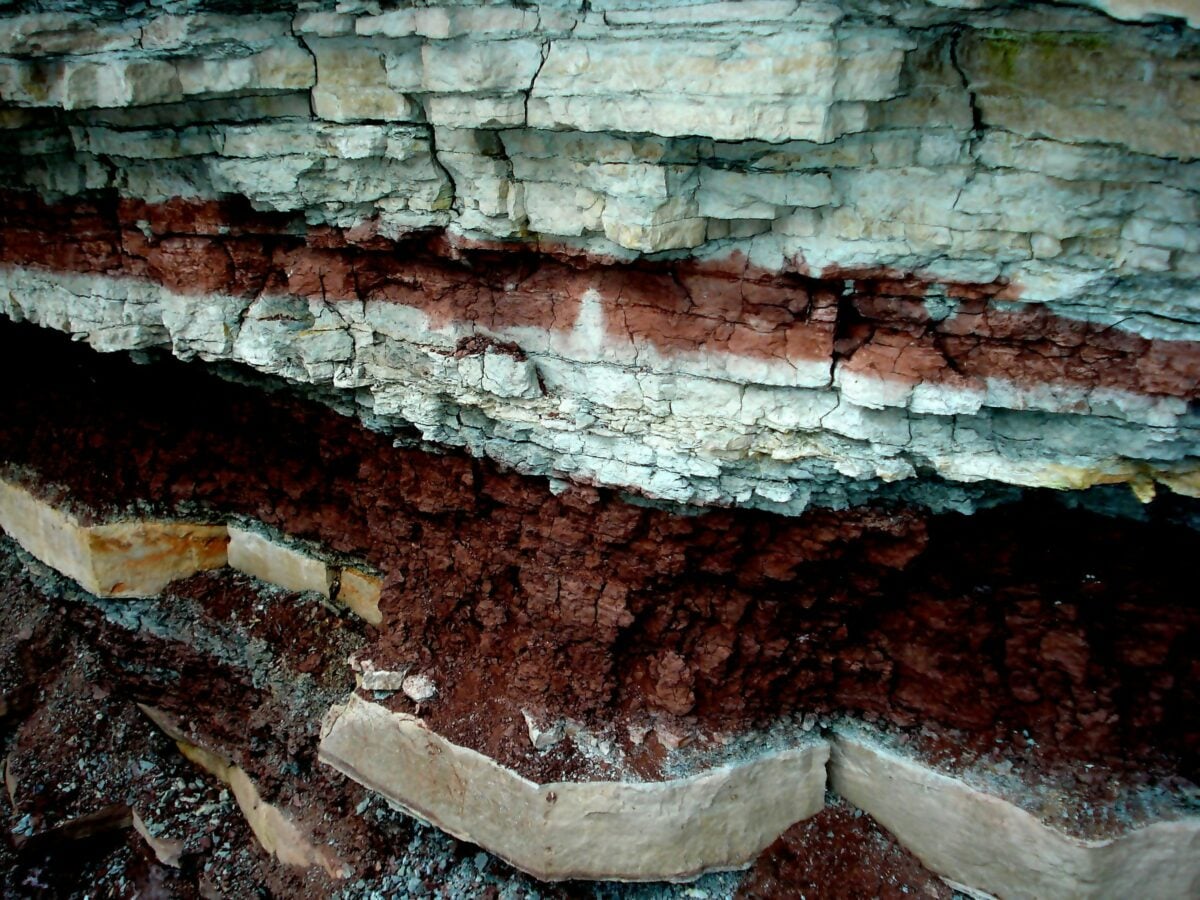
Imagine stepping into a landscape where time has stood still for over 200 million years. Petrified Forest National Park in Arizona offers just that – a mesmerizing window into Earth’s distant past. Beyond its stunning vistas, this park harbors secrets that challenge our understanding of nature and time. Here are ten fascinating facts about the Petrified Forest that seem almost impossible.
Ancient Tropical Forest Turned Desert
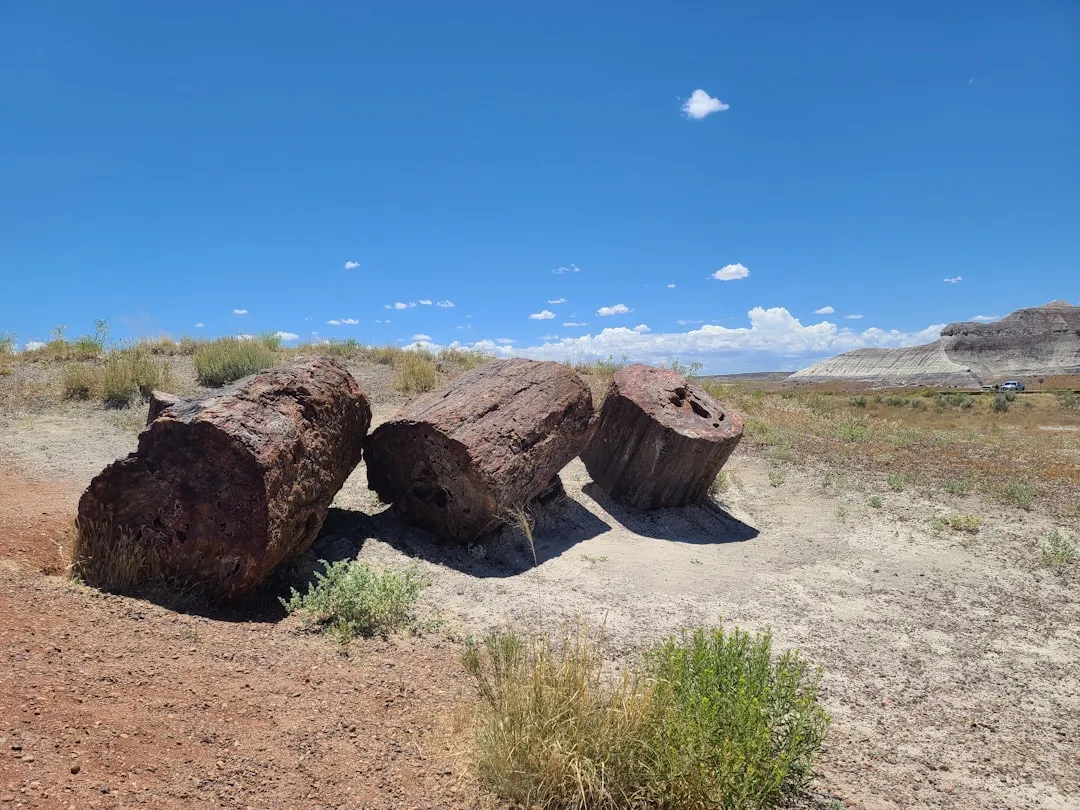
It’s hard to believe, but this arid expanse was once a lush, tropical forest. During the Late Triassic Period, around 225 million years ago, the region teemed with towering trees and diverse wildlife. Over time, geological shifts transformed this verdant paradise into the desert landscape we see today.
The remnants of this ancient ecosystem are preserved in the form of petrified wood, offering a tangible link to a world that existed long before humans walked the Earth. This dramatic transformation underscores the ever-changing nature of our planet.
Home to One of the Largest Concentrations of Petrified Wood
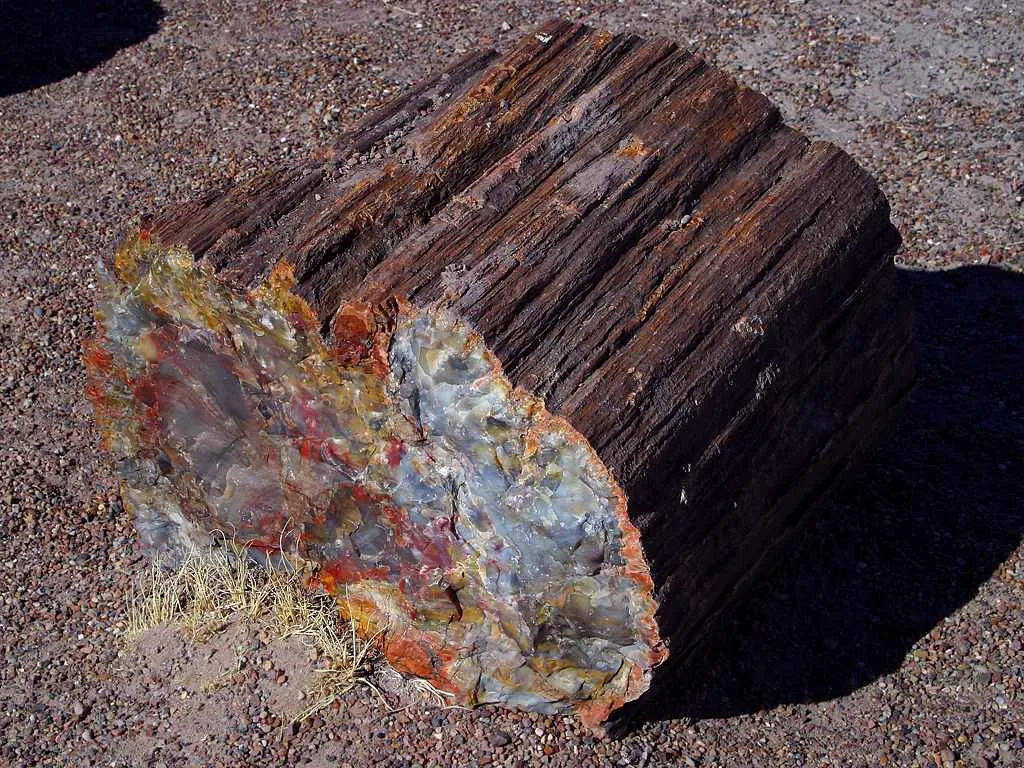
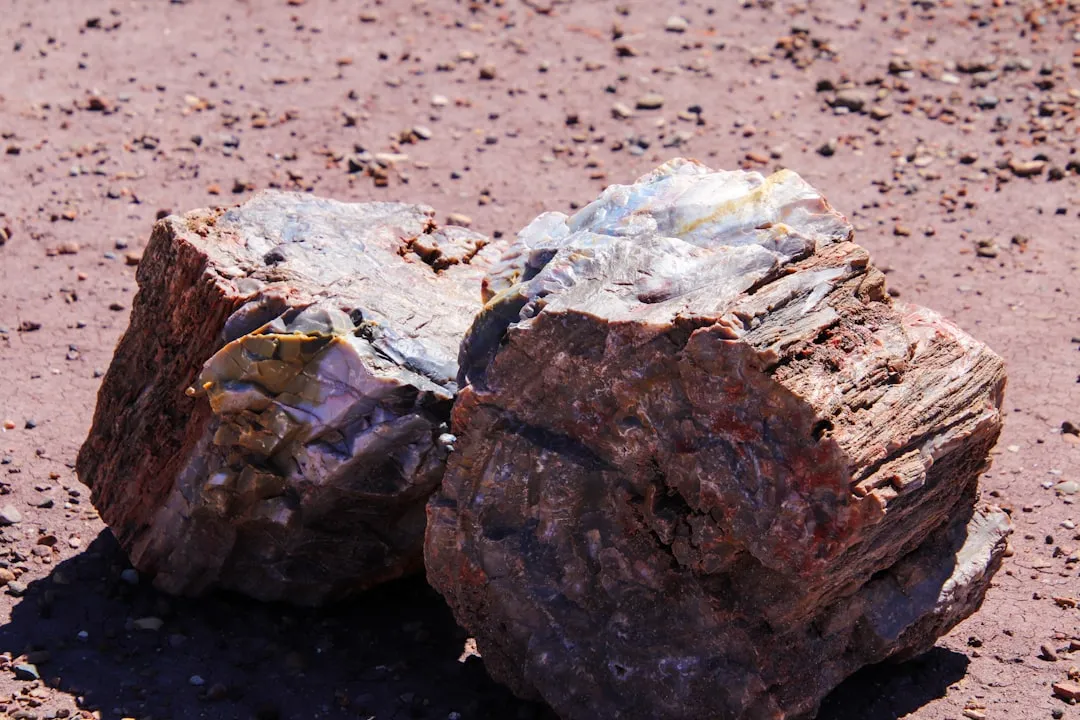
Petrified Forest National Park boasts one of the world’s most extensive and colorful collections of petrified wood. These fossilized logs, some measuring over 190 feet in length, are scattered throughout the park, creating a surreal landscape.
The vibrant hues of the petrified wood result from minerals like iron and manganese infiltrating the logs over millions of years, replacing organic material with stone. This process has left behind a kaleidoscope of colors, making each piece unique.
A Paleontologist’s Treasure Trove
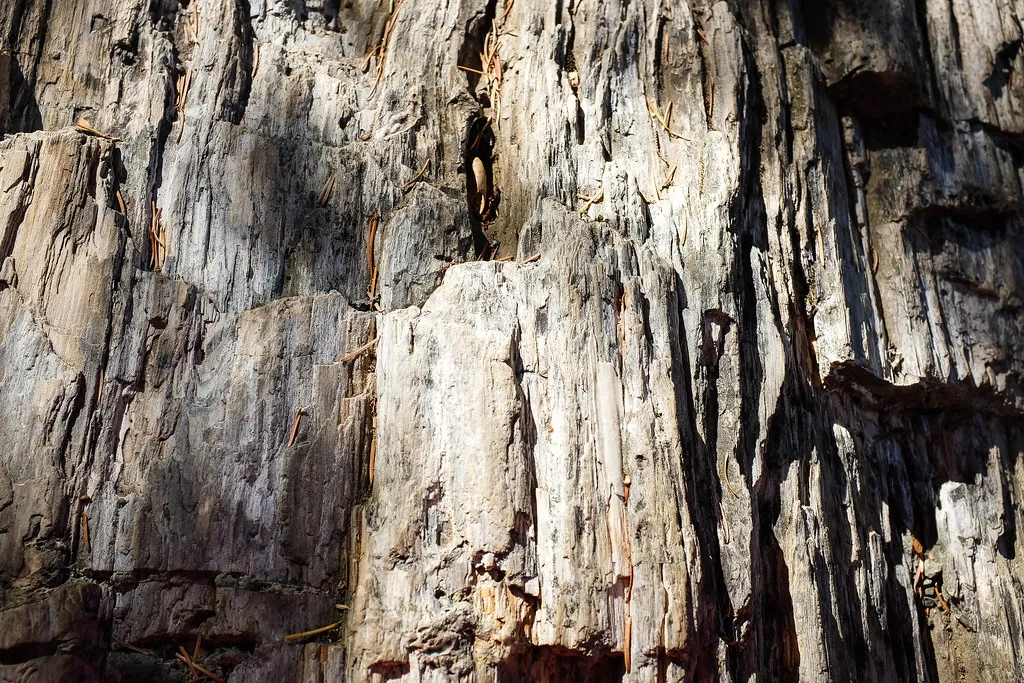
Beyond its petrified wood, the park is a goldmine for paleontologists. Fossils of ancient ferns, cycads, and even early dinosaurs have been unearthed here, providing invaluable insights into prehistoric life.
These discoveries have significantly advanced our understanding of the Late Triassic Period, shedding light on the evolution of early vertebrates and the ecosystems they inhabited.
Over 13,000 Years of Human History
The park isn’t just a natural wonder; it’s also rich in human history. Evidence suggests that humans have inhabited this area for over 13,000 years, leaving behind more than 800 archaeological sites.
From ancient petroglyphs to remnants of Puebloan villages, these sites offer a glimpse into the lives of the people who once called this region home. Their stories are etched into the very fabric of the landscape.
Route 66 Runs Through It
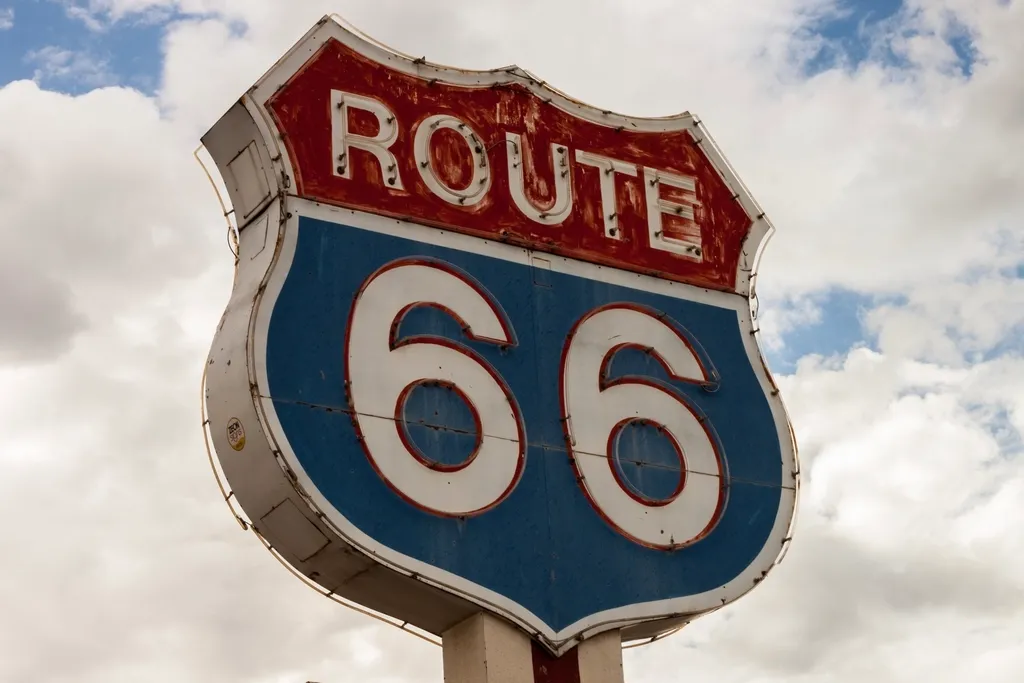
Adding to its historical significance, Petrified Forest National Park is the only national park that contains a segment of the historic Route 66. A rusty 1932 Studebaker marks the spot where this iconic highway once crossed the park, serving as a nostalgic reminder of America’s love affair with the open road.
This unique feature connects the park to a broader narrative of American history, blending natural wonders with cultural heritage.
International Dark Sky Park
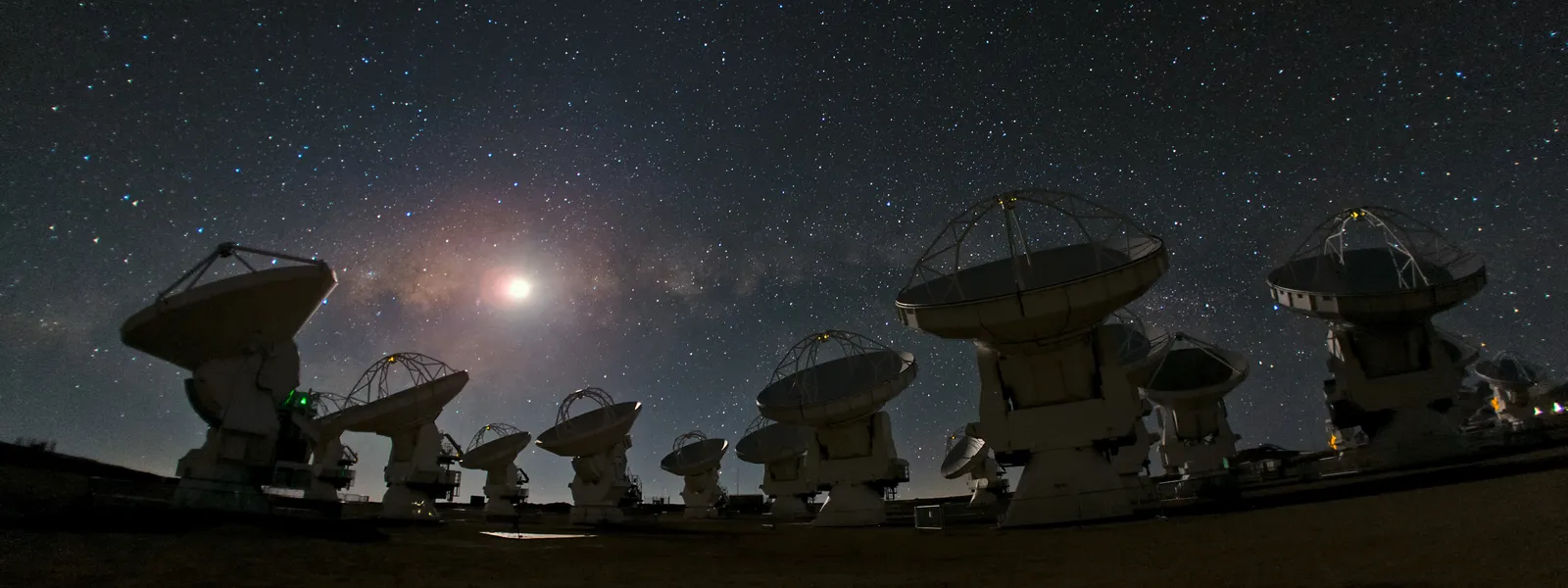
In 2018, the park was designated an International Dark Sky Park, recognizing its exceptional night skies. With minimal light pollution, visitors can gaze upon a celestial display that rivals any in the world. ([visitnationalpark.com](https://www.visitnationalpark.com/park/petrified-forest?utm_source=openai))
This designation not only enhances the visitor experience but also underscores the park’s commitment to preserving natural darkness as a resource.
Geological Unconformity Spanning Millions of Years
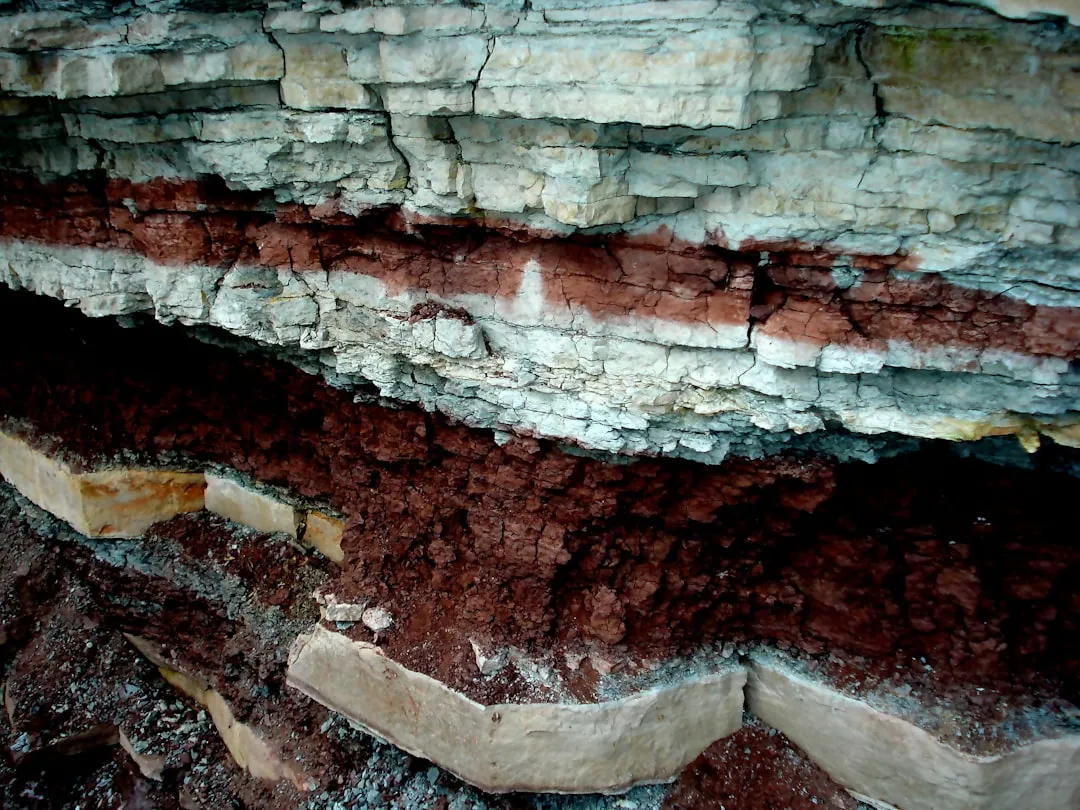
The park’s geology reveals a massive unconformity – a gap in the geological record representing about 190 million years. This missing time is evident where the Chinle Formation meets the much younger Bidahochi Formation.
Such unconformities are like missing chapters in Earth’s history, prompting geologists to piece together the story through the clues left behind.
Vibrant Painted Desert
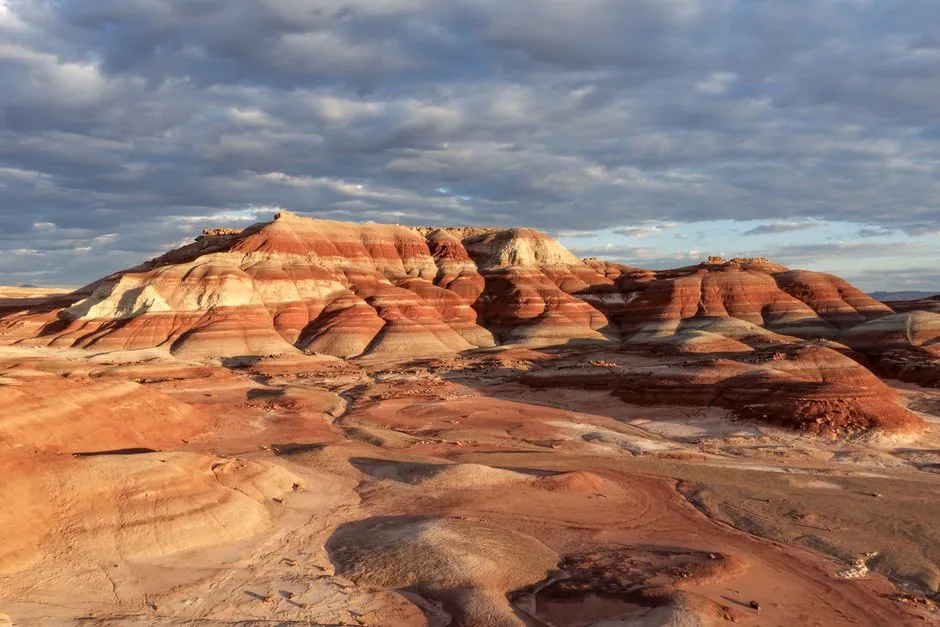
The northern part of the park encompasses a portion of the Painted Desert, renowned for its multi-hued badlands. The colors result from layers of sedimentary rock and volcanic ash, creating a mesmerizing palette that changes with the light.
This natural artistry offers photographers and nature enthusiasts a visual feast, showcasing the dynamic interplay between geology and time.
Agate House: An Ancient Dwelling
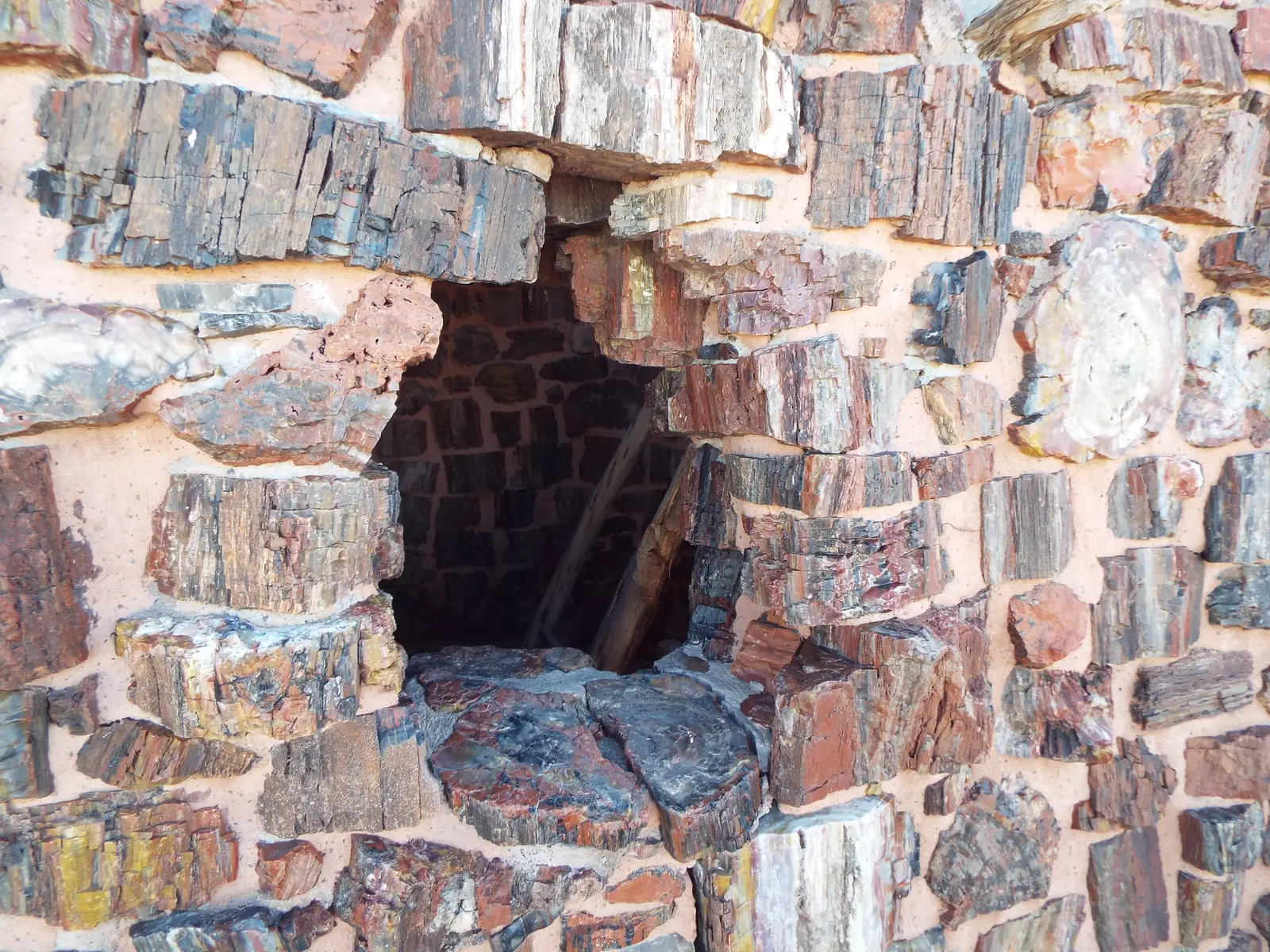
Within the park lies Agate House, a reconstructed seven-room pueblo built entirely from petrified wood. Dating back to around 1100-1150 AD, it stands as a testament to the resourcefulness of the ancestral Puebloan people.
This unique structure offers a tangible connection to the past, illustrating how ancient peoples utilized the natural resources at their disposal.
Dynamic and Evolving Landscape
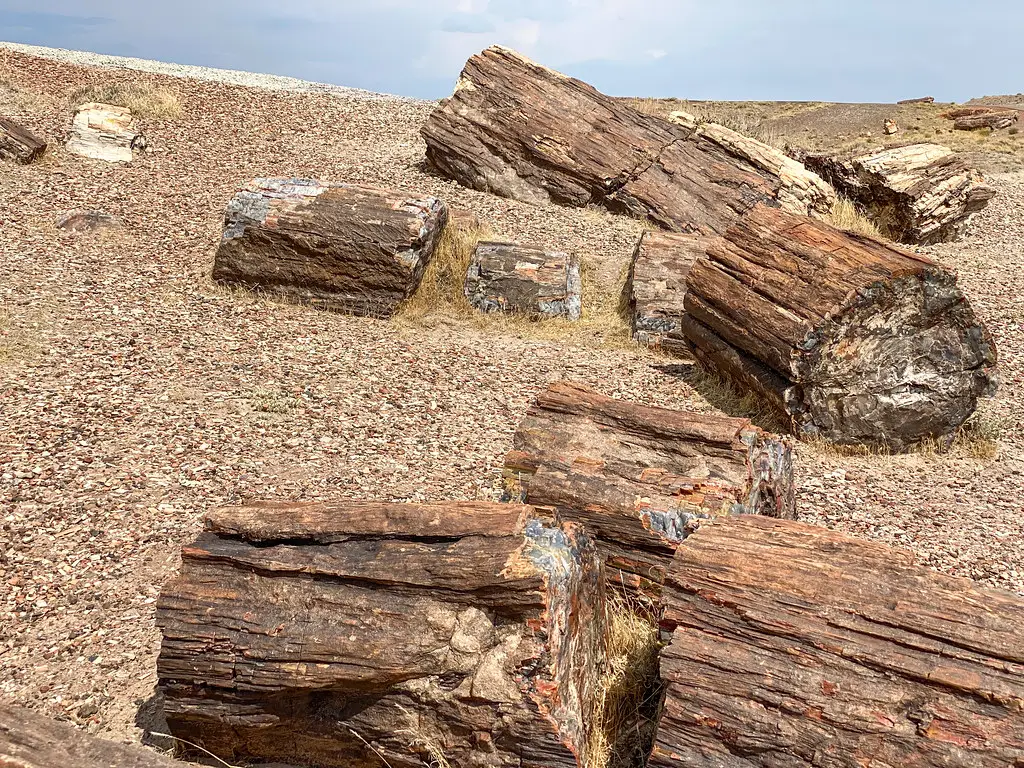
Despite its ancient origins, the park’s landscape is continually evolving. Erosion, sediment deposition, and other geological processes are constantly at work, reshaping the terrain and revealing new fossils.
This dynamic nature ensures that the park remains a living laboratory, offering fresh discoveries and insights with each passing year.
Petrified Forest National Park is a place where the impossible becomes tangible. Its unique blend of geological wonders, rich history, and vibrant landscapes challenges our perceptions of time and nature. Visiting this park isn’t just a journey through space; it’s a voyage through time, offering a profound connection to Earth’s ancient past. Isn’t it astonishing how a single place can encapsulate so many wonders?
