
Imagine walking through your neighborhood and spotting a Rottweiler behind a fence, its deep bark resonating through the air. Instinctively, you might feel a twinge of fear, assuming aggression. But what if that bark was merely a greeting, a canine “hello” rather than a threat? Misunderstandings like this are common, leading to unfair stereotypes about certain dog breeds. Let’s delve into five breeds often mislabeled as aggressive and uncover the true meanings behind their behaviors.
Rottweiler: The Misunderstood Guardian
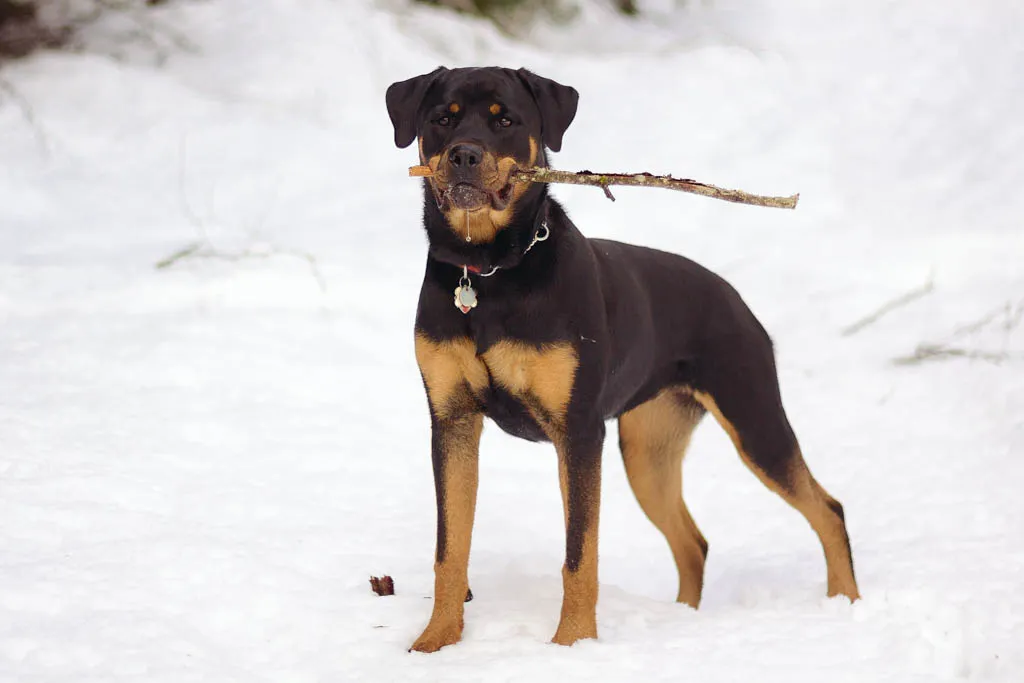
Rottweilers, with their imposing stature and intense gaze, are frequently perceived as aggressive. Historically bred as guard dogs, their protective nature is deeply ingrained. However, this doesn’t equate to unwarranted aggression. When a Rottweiler stands tall and alert, it’s often assessing its environment, ensuring everything is in order. A wagging tail paired with a deep bark can be a sign of excitement or a desire to engage, not hostility. Recognizing these cues can help dispel the myth of the “aggressive Rottweiler.
Doberman Pinscher: The Loyal Protector
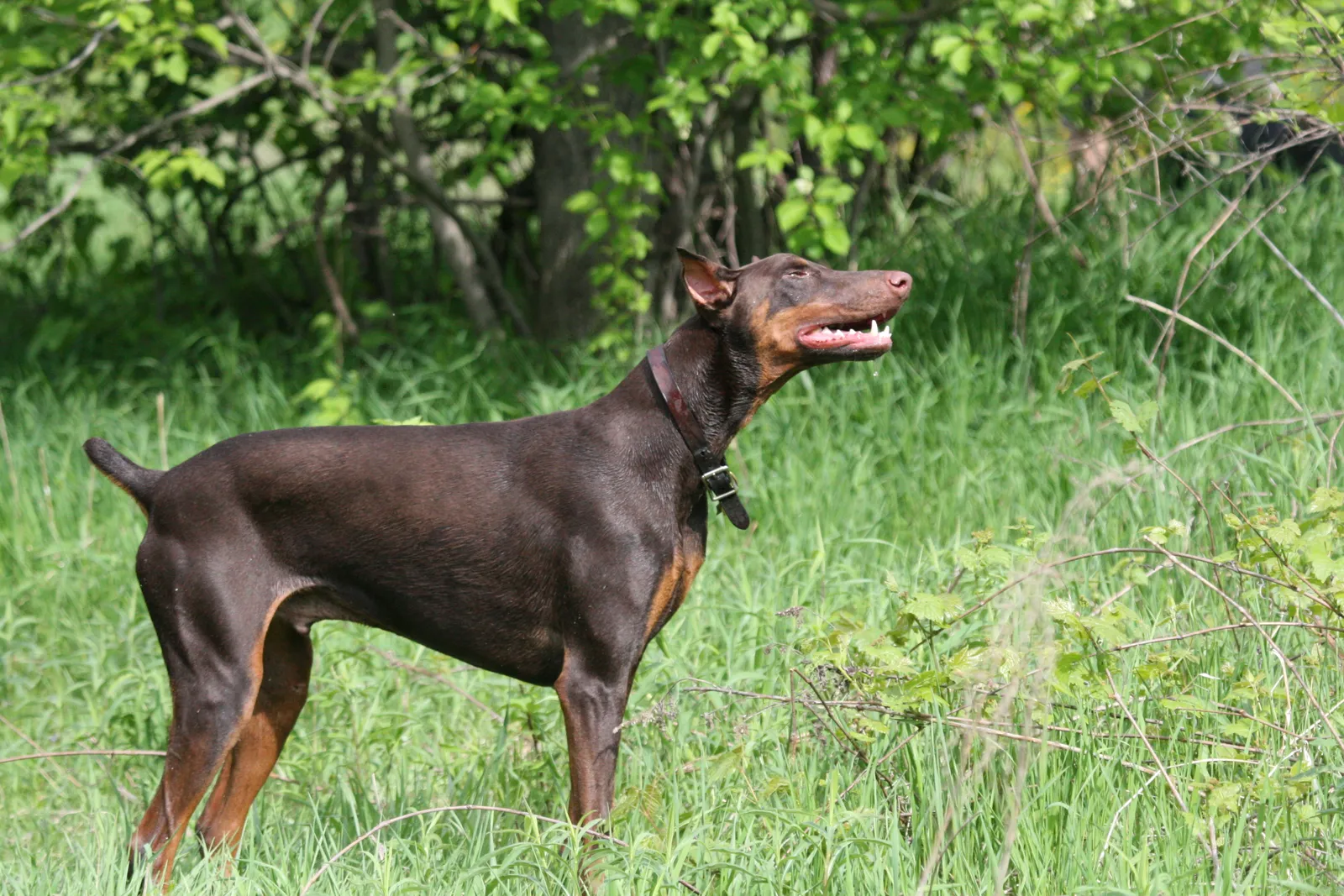
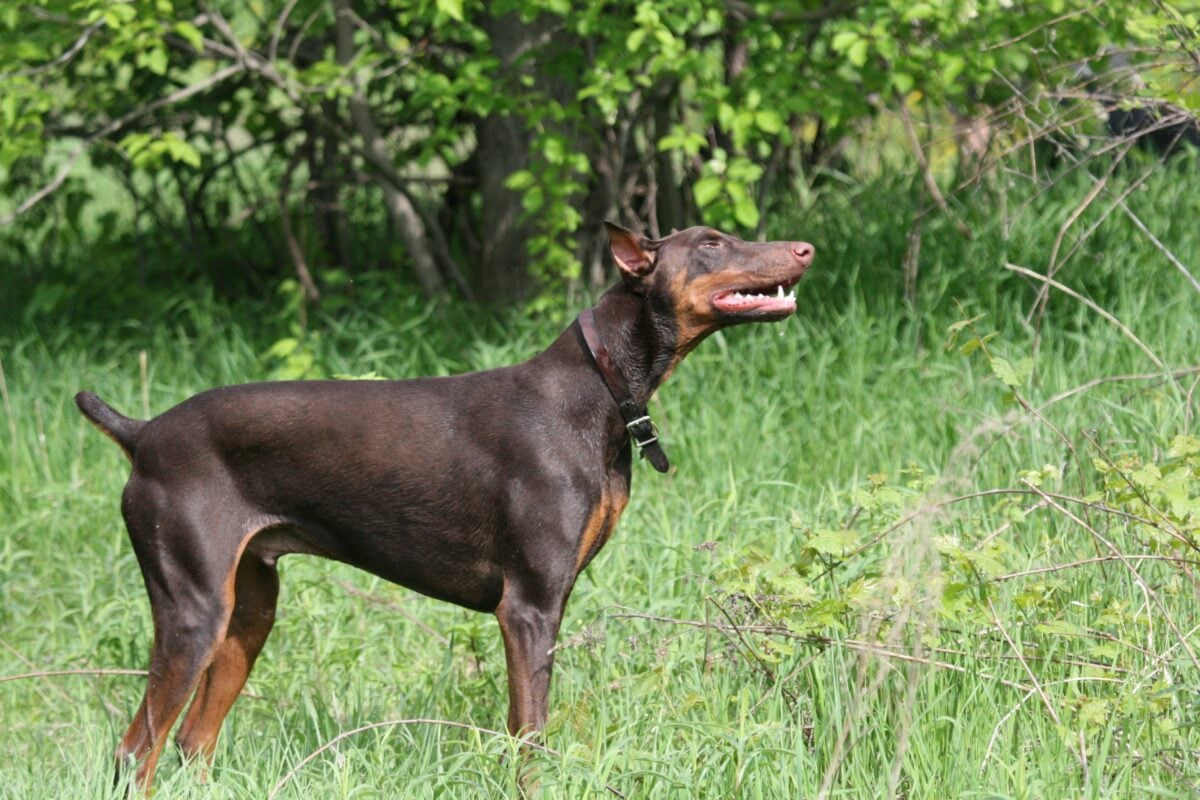
Dobermans are sleek, powerful, and often cast in roles of fierce protectors. While they are indeed loyal and vigilant, their behaviors are frequently misinterpreted. A Doberman’s erect ears and focused stare might seem intimidating, but these are signs of attentiveness, not aggression. When they lean into their owners or nudge with their noses, it’s a display of affection and trust. Understanding these signals reveals the Doberman’s true nature as a devoted companion.
Chow Chow: The Reserved Companion
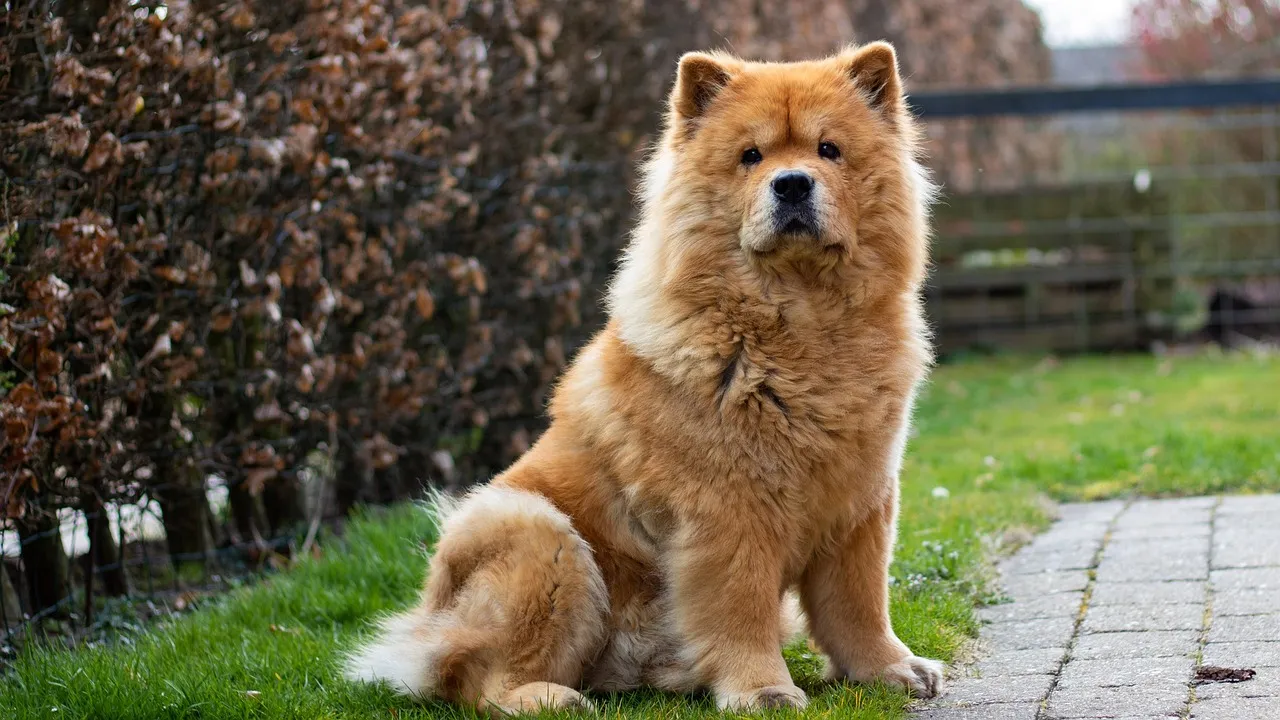
With their lion-like mane and aloof demeanor, Chow Chows can be perceived as standoffish or even hostile. In reality, they are independent and reserved, often choosing to bond deeply with their families while remaining indifferent to strangers. A Chow Chow’s tendency to maintain distance isn’t a sign of aggression but rather a reflection of their dignified nature. When they do approach with a wagging tail or a gentle nuzzle, it’s a significant gesture of trust and affection.
American Pit Bull Terrier: The Affectionate Athlete
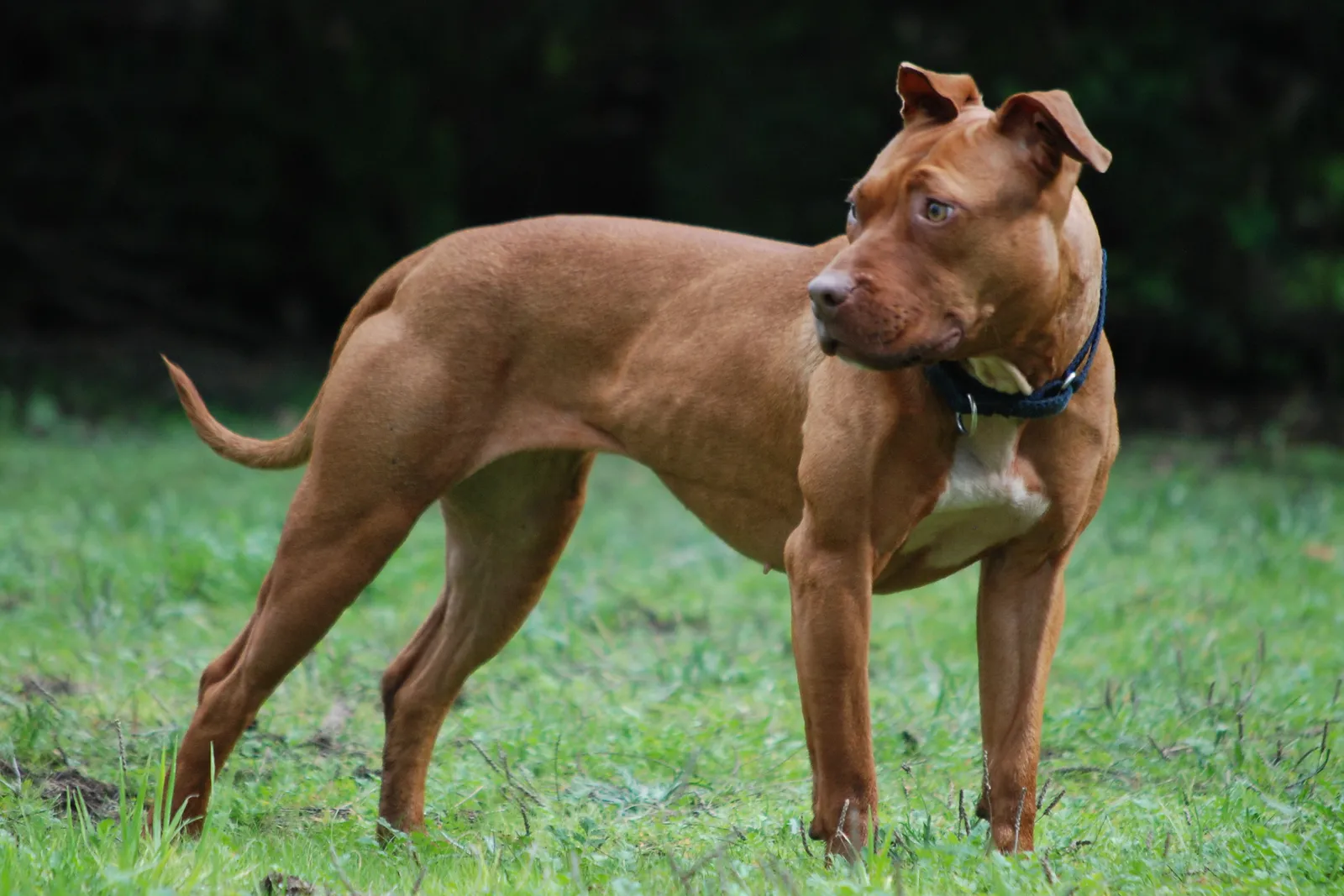
Pit Bulls have been at the center of controversy, often labeled as inherently aggressive. This stereotype overlooks their history as “nanny dogs,” known for their gentle disposition towards children. A Pit Bull’s muscular build and energetic play can be misread as aggression. However, behaviors like tail wagging, playful barking, and a relaxed body posture indicate a friendly and affectionate nature. Proper training and socialization further highlight their loving temperament.
German Shepherd: The Versatile Worker
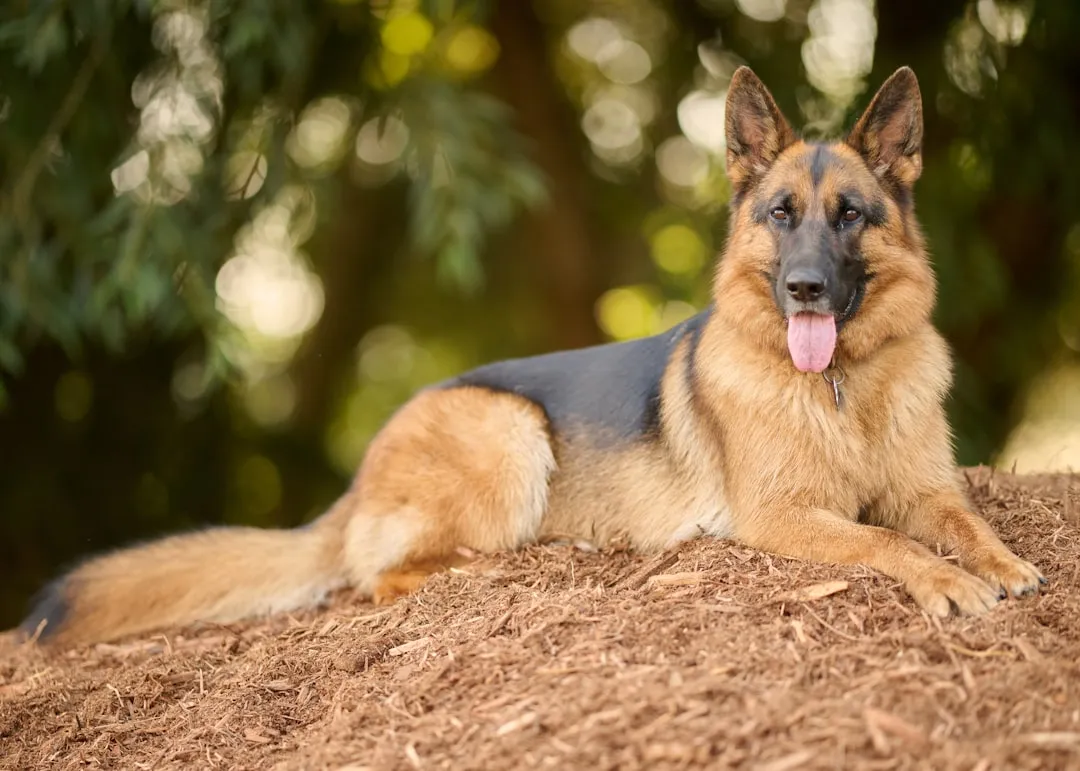
German Shepherds are renowned for their intelligence and versatility, serving roles from police work to family companions. Their alertness and protective instincts can be mistaken for aggression. When a German Shepherd stands tall, ears perked, and eyes focused, it’s often in a state of readiness, not hostility. A relaxed tail wag and a playful bow are clear indicators of their friendly intentions. Recognizing these signals helps in appreciating their balanced nature.
In conclusion, it’s crucial to look beyond breed stereotypes and understand the individual behaviors and signals of each dog. Misinterpreting a dog’s actions can lead to unnecessary fear and perpetuate harmful myths. By educating ourselves and observing canine body language, we can foster better relationships with our four-legged friends. So, next time you encounter one of these breeds, will you see the aggression or the affection?

- 5 Dog Breeds That Vets Say Are Consistently Misread as Aggressive – and the Behavioral Signals That Actually Explain What They Are Doing - July 18, 2026
- 7 Facts About Octopus Intelligence That Marine Biologists Say Should Change the Way We Think About What Counts as a Mind - July 18, 2026
- 8 Animals That Have Been Documented Outsmarting Humans in Controlled Experiments – and the Species at the Top of the List Was Not the One Researchers Expected - July 18, 2026