
You expect the vet visits. You expect the slower mornings. What you don’t expect is the moment you realize your old cat isn’t fading — she’s transforming into something steadier, softer, and quietly braver than the kitten she used to be.
Most people assume an aging cat’s story is just “she sleeps more now” and leave it there. But underneath the slower steps and longer naps is a whole language of trust, adaptation, and hard-won calm that most owners never learn to read. Once you know what to look for, you’ll never see your senior cat the same way again.
#1 – They Move Slower, But Still Choose To Be Near You
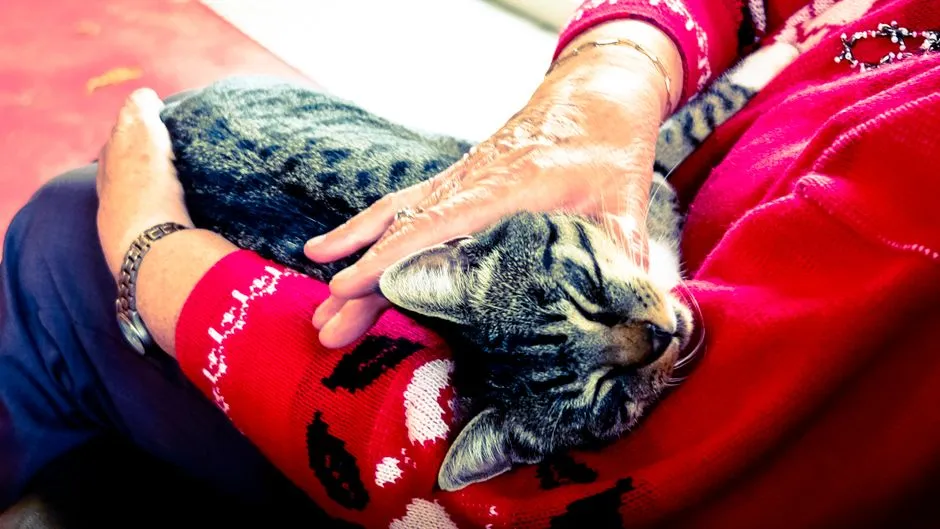
A cat who’s truly struggling tends to retreat and hide. A cat who moves slower yet still follows you from room to room is telling you something completely different: I’m older, but I still choose you. That small shadow at your feet, even at half-speed, is a quiet act of devotion.
You might notice they no longer sprint up the stairs but will calmly climb them anyway just to curl up on the bed you’re in. They may hesitate before jumping to a high perch, or settle for a lower one instead, but they still make the effort to stay within eyesight. Many people misread this as clinginess or frailty. In reality, it’s a sign of trust and emotional stability — they know exactly where they feel safe and wanted, and they’re spending their limited energy getting there.
Fast Facts
- Most veterinarians consider cats “senior” starting around age 11
- Indoor cats often live 12-18 years, with some reaching their early 20s
- Slower movement alone isn’t automatically a red flag if appetite, litter habits, and mood stay steady
- Twice-yearly vet checkups are commonly recommended once a cat reaches senior status
#2 – Their Eyes Look Softer, Not Duller
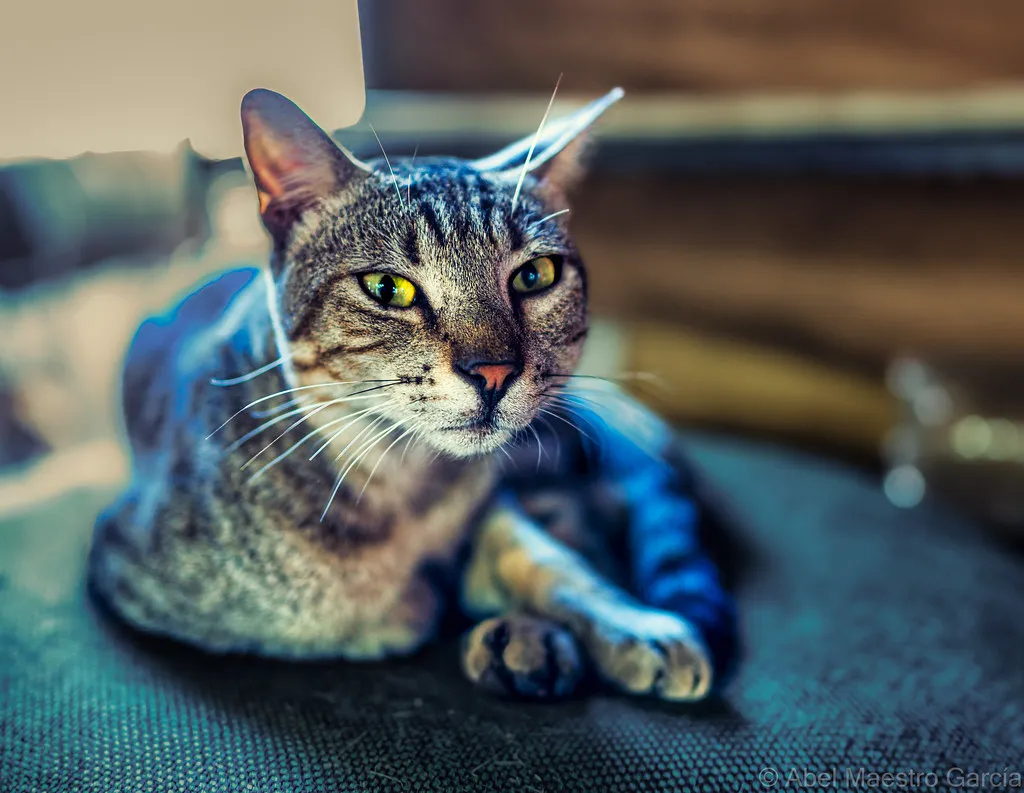
Most people panic the first time they notice a little cloudiness in their cat’s eyes. Any change deserves a vet check, but not every softening of the gaze is a tragedy. Often, senior cats develop a gentle, almost “knowing” look that has nothing to do with blindness and everything to do with experience.
Watch how they look at you when you speak. Younger cats track every flick of your hand; older cats often hold your gaze longer, blinking slowly, as if they’ve decided you’re more important than the movement behind you. This “soft eye” behavior shows up as:
- More slow blinks when you make eye contact
- Less frantic scanning, more calm, deliberate observing
It’s not that their world has shrunk; it’s that they’ve finally decided what’s worth paying attention to.
#3 – They Accept Help Without A Fight
When a cat lets you help them, that’s not weakness — that’s trust. A young, fiery cat might fight nail trims, pill time, or brushing to the death. An older cat who calmly lets you lift them onto the couch or wipe their eyes is showing a different kind of strength: they’ve decided you’re safe enough to be vulnerable with.
You might see them lean into a gentle lift instead of tensing up, or allow grooming in the hard-to-reach spots they used to guard. Some guardians hate seeing this shift because it reminds them of aging, but behaviorists often see it as one of the clearest markers of deep, hard-earned trust. Especially telling is when they tolerate small indignities — a harness, a vet visit, a warm compress — and look to you for reassurance instead of searching for an escape route.
#4 – Their Sleep Runs Deep, Open, and Unafraid
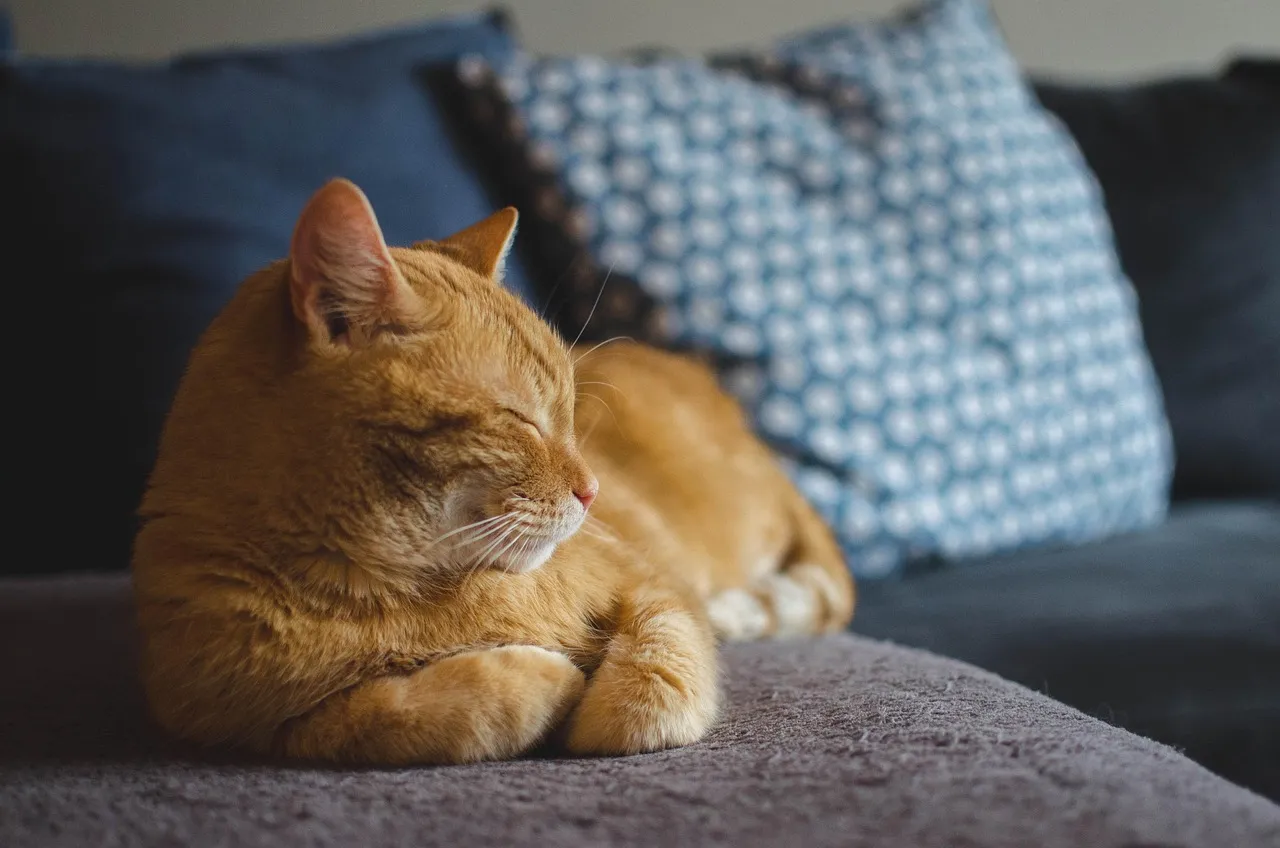
Everyone knows older cats sleep a lot. What most people miss is the quality of that sleep. A stressed or unwell cat will often doze lightly, startle easily, or sleep hidden away. A senior cat who sprawls out in the open, belly half-exposed, sinking into long, uninterrupted naps, is telling you their nervous system has finally gone quiet.
Notice where they choose to sleep and how they react to normal household noise. Senior cats who nap near high-traffic areas, like the couch corner or your desk, are combining rest with companionship — they’re not checked out, they’re finally relaxing on their own terms. When a cat feels safe enough to genuinely switch off like that, it’s physiological proof their body isn’t braced for danger anymore.
#5 – Their Play Slows Down, But The Spark Never Leaves
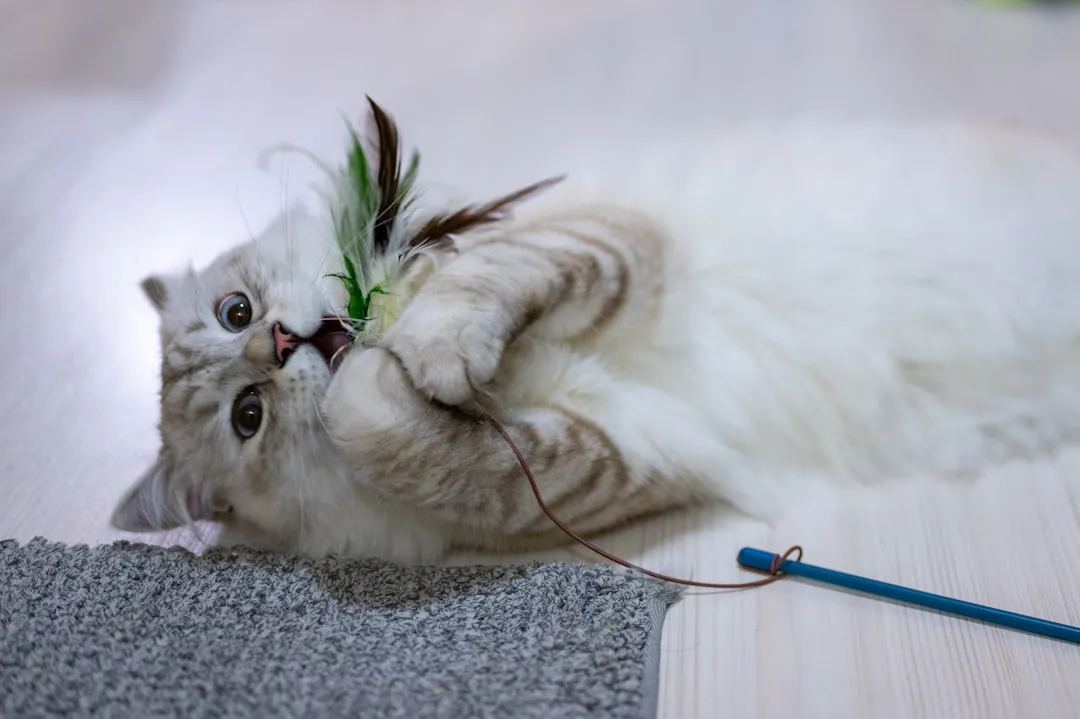
If you’re waiting for wild kitten zoomies from a 14-year-old, you’ll be disappointed. What most people miss is that older cats trade speed for intention. They may not chase a toy for twenty minutes, but they’ll stalk it with surgical focus for two.
Instead of leaping wildly, they might bat from a sitting position, roll onto their side to bunny-kick, or land one solid pounce and call it a day. That’s not laziness; it’s energy budgeting. Some people see this as “barely playing,” but feline behavior experts see any voluntary play in a senior cat as a strong sign their cognitive wheels are still turning and their hunting instinct still burns underneath it all.
#6 – They Trade Novelty For Stability On Purpose
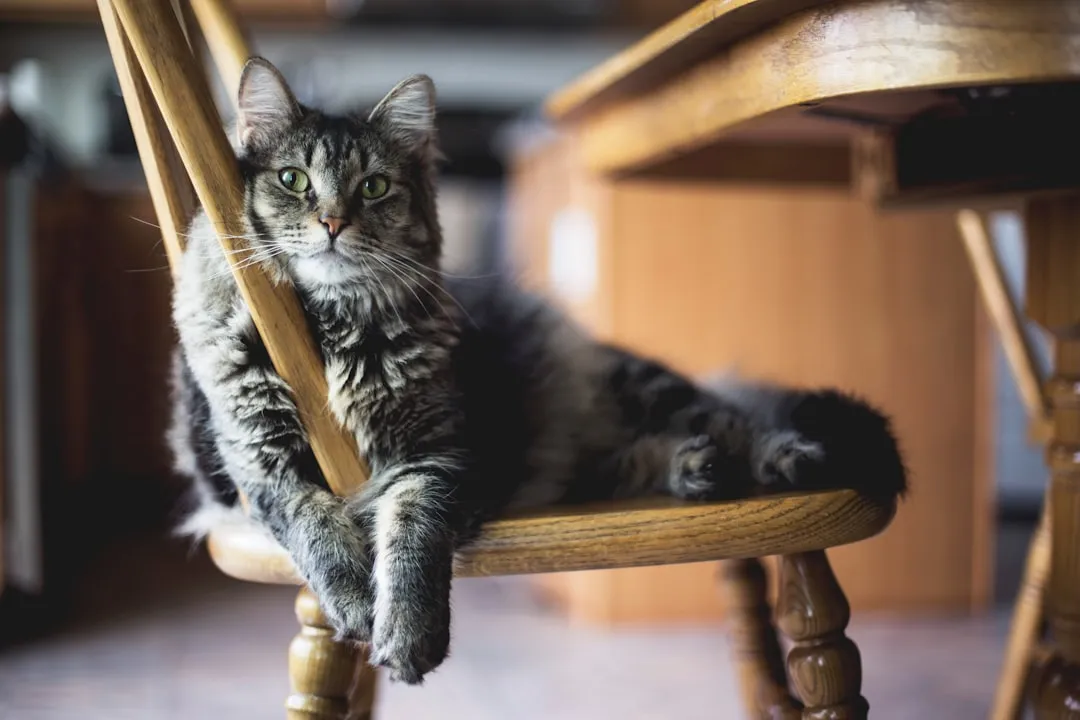
When they were young, your cat probably explored every new box, bag, and visitor like it was a mission. Older cats often quietly opt out, watching from their favorite spot instead of diving in. That’s not giving up on life — it’s a shift in priorities. They’ve decided safety and routine matter more than constant excitement.
You might see them ignore new toys but light up over their old, familiar ones, or settle on one or two “main” sleeping spots instead of rotating daily. This preference for predictability is often linked to lower anxiety and a stronger sense of control. Some people misread it as boredom and start over-stimulating their senior cat, when really, the greatest kindness is a calm, consistent environment with only small, gentle changes.
Quick Compare
- Young cat: investigates every new box, bag, or guest immediately
- Senior cat: watches first, then decides if it’s worth the energy
- Young cat: rotates toys and sleeping spots often
- Senior cat: sticks to one or two trusted favorites
#7 – They Ask For What They Need, Clearly and Calmly
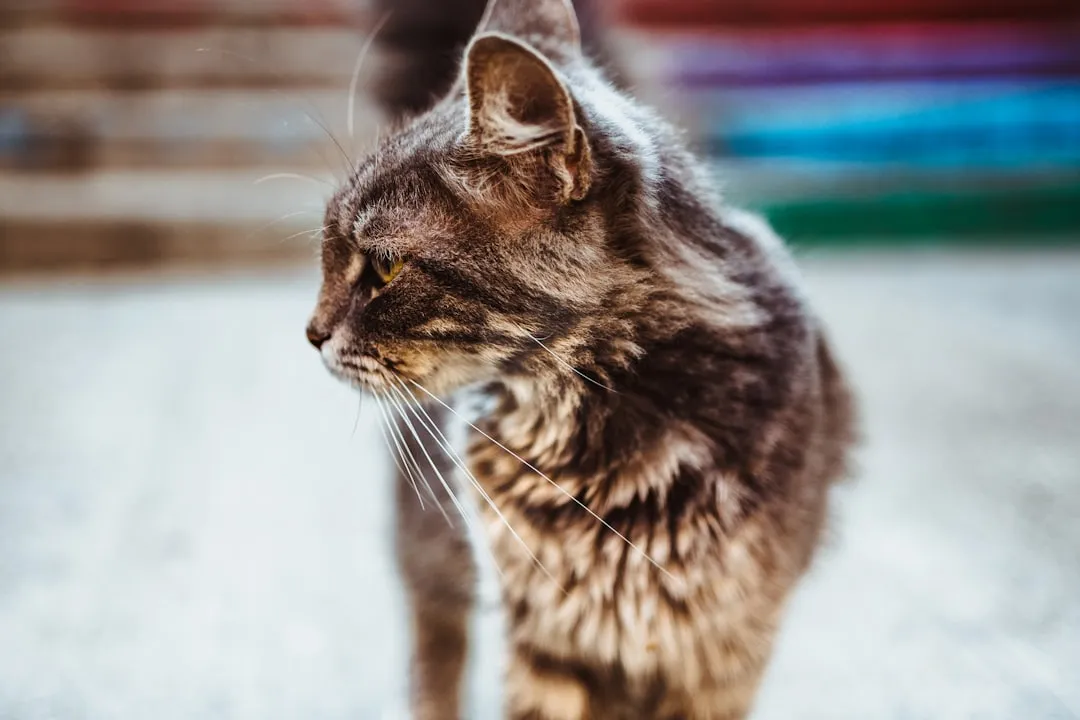
Ironically, many cats become more expressive as they age — not louder, but clearer. A senior cat aging gracefully often develops very specific ways of asking for what they want, whether it’s a certain spot on the couch, a particular meal time, or a door opened “just so.”
You might notice distinct meows for food, attention, or access, or a quiet, insistent stare when they need something. This isn’t them becoming demanding; it’s them relying on a long history of you listening. When an older cat calmly reminds you of a routine — sitting by the bowl at the right time, trotting to the bedroom at night — that’s cognitive health paired with real emotional confidence. Sudden loud yowling or confusion is different and should never be ignored, but steady, purposeful communication usually just means they feel entitled to your care, in the best possible way.
#8 – They Groom Selectively Instead Of Obsessively
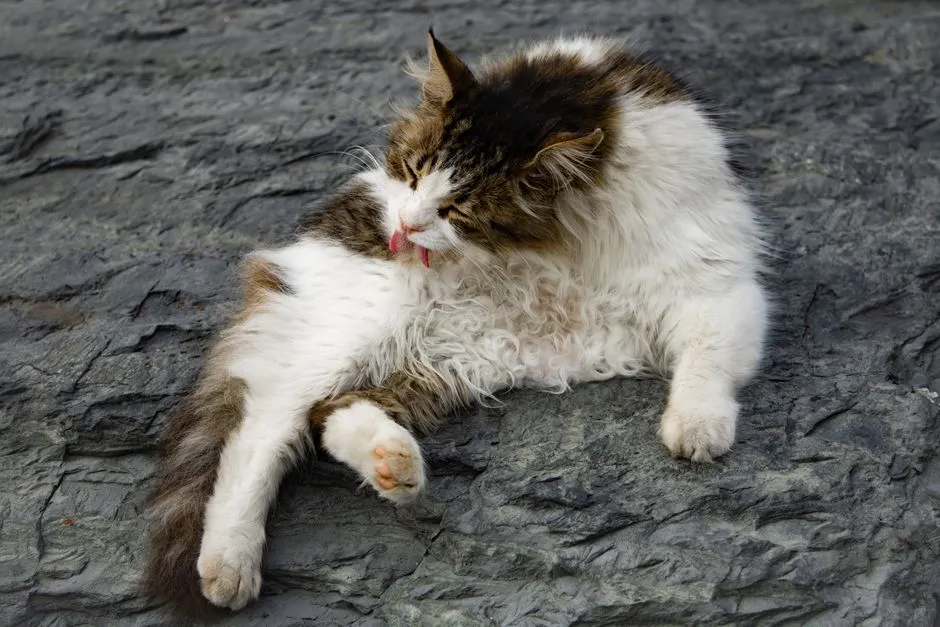
A young cat might groom almost frantically, as part of staying on high alert. An older cat with quiet strength often grooms the important areas well and lets go of perfection. You’ll see a clean face, paws, and front legs, while the lower back or belly gets a little less attention. This isn’t neglect — it’s triage.
Many guardians step in with gentle brushing and find their senior cat actively leans into the help, purring as you tackle the spots they can no longer reach themselves. Totally matted fur, a greasy coat, or sudden over-grooming patches are warning signs that need a vet’s attention. But a slightly scruffier, obviously comfortable older cat who still keeps their core areas tidy isn’t giving up — they’re making wise choices about where to spend their limited effort.
#9 – They Stay Social, Just Entirely On Their Own Terms
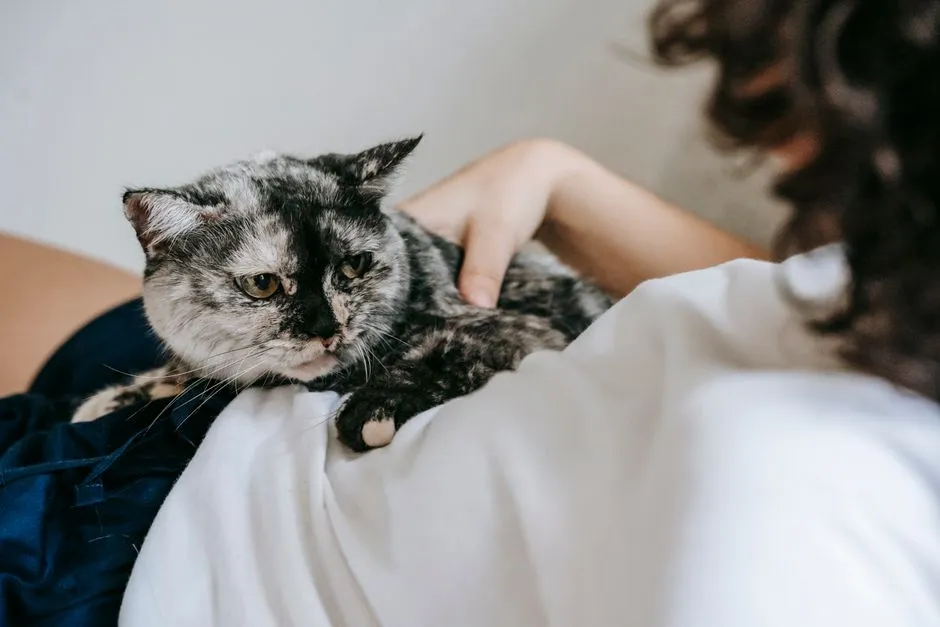
Many people assume older cats become antisocial. Often, the opposite is true — they become more selective, not less loving. A senior cat might leave the noisy living room but later appear quietly on your lap once things calm down, choosing timing, distance, and duration very deliberately.
They may no longer tolerate being scooped up or passed around, especially with kids or guests, and that boundary-setting is healthy self-advocacy, not crankiness. Guardians who respect these limits usually see deeper, sweeter affection in return: head bumps at bedtime, gentle purring at your side during TV time, that slow, intentional climb into your lap. They’re not withdrawing from you — they’re refining the relationship.
Worth Knowing
- Selective socializing is common in senior cats and isn’t the same as withdrawal
- Cats who set boundaries with handling but still seek out affection later are showing healthy self-advocacy
- Consistent short bursts of affection can indicate stronger bonding, not weaker
#10 – They Negotiate With Their Territory Instead Of Abandoning It
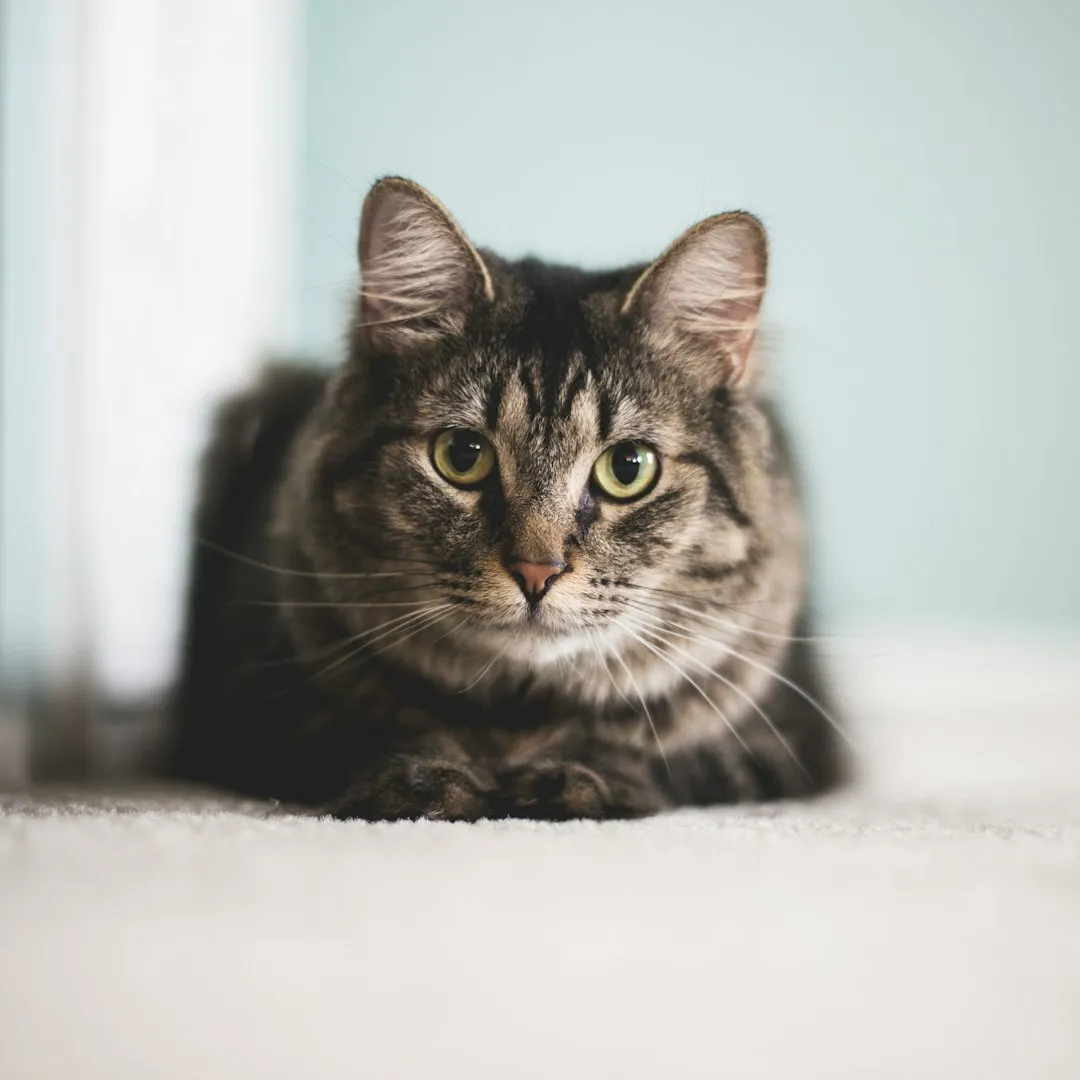
A cat who’s truly failing will often give up favorite spots altogether. A cat aging with quiet strength negotiates with the environment instead. They might stop jumping to the highest shelf, but they’ll gladly use a stool, ramp, or chair “step” to reach a slightly lower perch.
You may notice they choose window sills over tall bookcases, or sleep in the middle of the bed instead of on the headboard. When you add steps or soft ramps and they quickly adopt them, that’s cognitive flexibility at work. Many people take down cat trees “because she’s old now,” which can quietly shrink a senior cat’s whole world. It’s often kinder to modify access than remove the territory entirely — when they keep patrolling, just on gentler paths, that’s resilience in action.
#11 – They Eat More Deliberately, Not Just Less
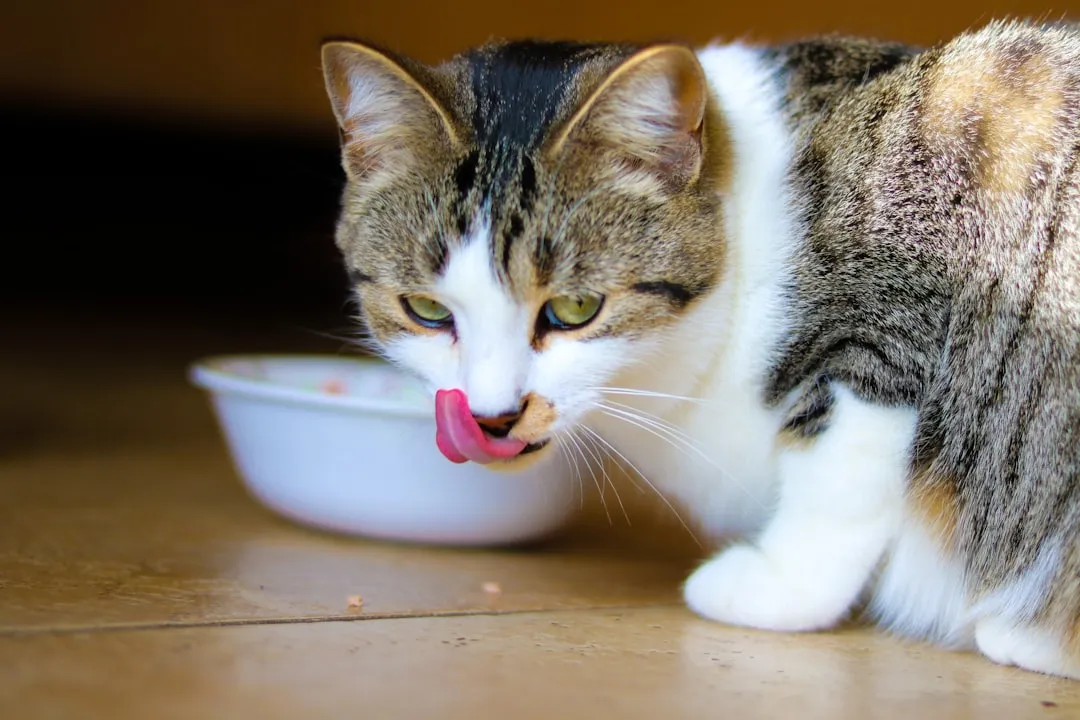
Appetite changes in senior cats can signal real health issues and must be monitored closely. But beyond the medical concerns, many older cats become surprisingly deliberate eaters. They may prefer smaller, more frequent meals, warmer food, or specific textures that are easier on aging teeth and digestion.
You might see them walk away from a full bowl, then calmly return later, still showing strong interest in food but at a slower, more measured pace. People sometimes mislabel this as “picky” and get frustrated. In reality, it’s a sign they’re tuning into their own needs instead of just inhaling whatever’s in front of them. Adjusting bowl height, texture, and schedule to match reinforces their sense of control and dignity.
#12 – They Meet Minor Disruptions With Surprising Calm
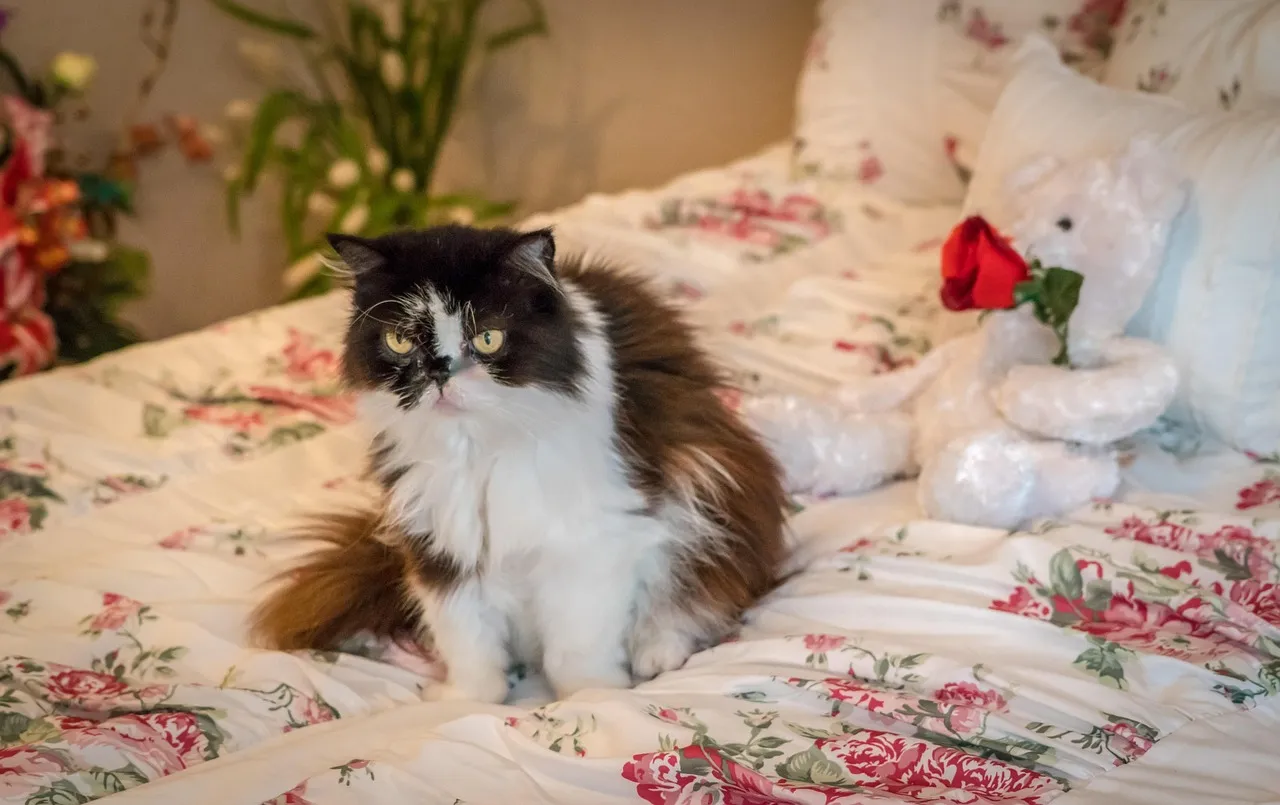
Remember how your younger cat reacted to the vacuum, visitors, or a moved piece of furniture? Many seniors actually become less reactive over time, as long as they’ve had a stable, kind home. They’ve seen enough to know what’s actually dangerous and what’s just noise.
You may notice they glance at the vacuum and go straight back to napping, or watch guests from afar without vanishing for hours. This isn’t apathy; it’s emotional maturity. Chronic stress can still exist in older cats, especially ones with a rough history, but when a long-loved senior stays steady during minor changes, it’s one of the clearest signs they’ve internalized your home as a safe base.
#13 – They Build Small, Sacred Rituals With You
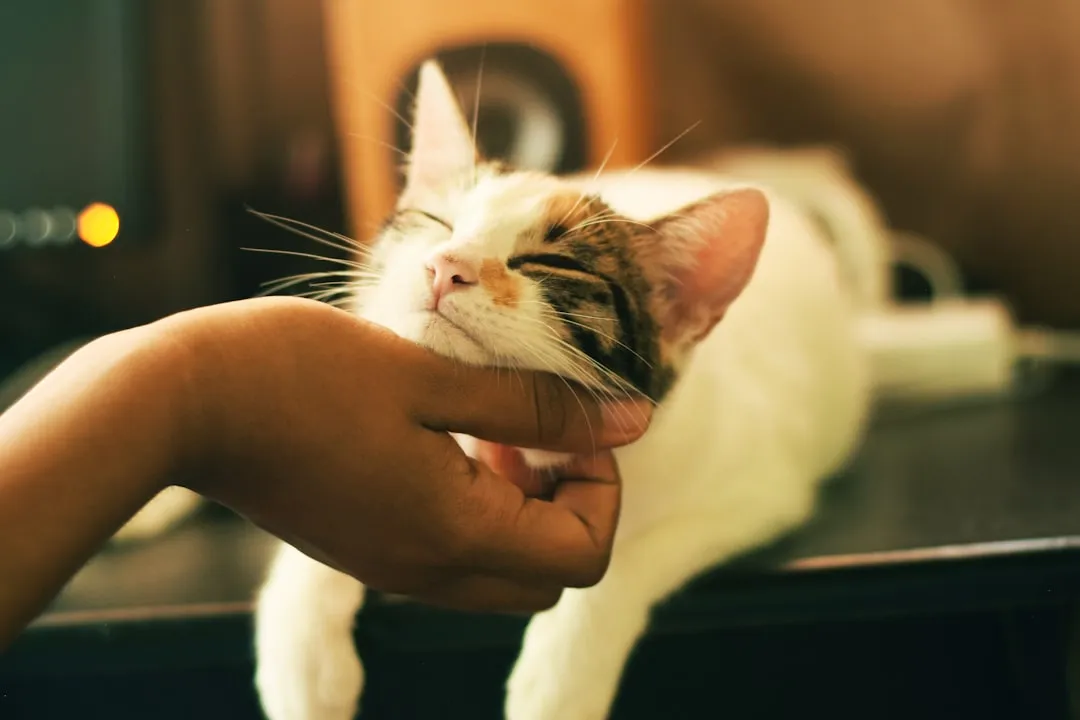
One of the most quietly heartbreaking — and beautiful — signs of a cat aging well is the appearance of shared rituals. Maybe they meet you at the door every evening, insist on a particular spot next to you during coffee, or only drink water when you’re in the bathroom. These routines aren’t accidents; they’re co-created habits that bring them comfort.
Watch for consistent timing — same hour, same place — and a gentle insistence if you “forget” the routine. These rituals reveal memory, attachment, and a strong sense of time, and they show that your presence has become part of their coping system. Some people dismiss this as cats “just liking routine,” but the specifics — the way they wait for you, the exact spot they choose — are deeply personal. They’ve woven you into the architecture of their day.
At a Glance
- Rituals often center on timing: the same hour, same doorway, same chair
- A cat who “reminds” you of a skipped ritual is showing strong memory and attachment
- These patterns are considered signs of cognitive health, not just habit
#14 – They Let Their Guard Down Like Never Before
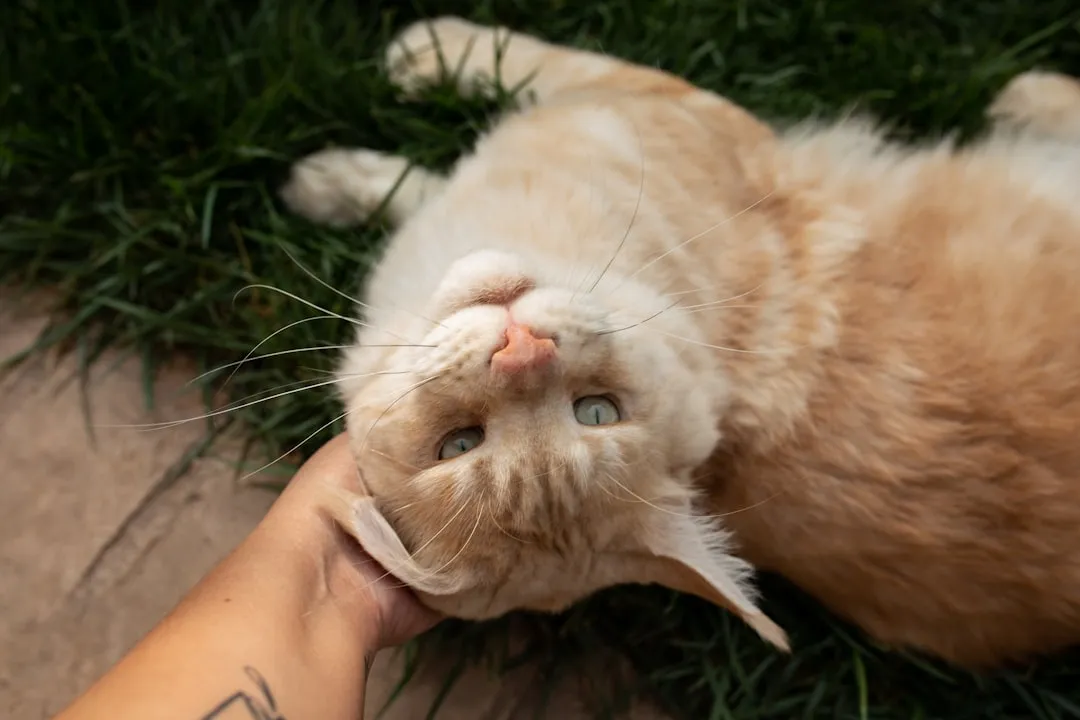
Here’s the part that surprises longtime cat people the most: some seniors become more affectionate in old age than they ever were as adults. The semi-feral rescue who never sat on a lap suddenly curls up on your chest. The once-independent tomcat starts sleeping pressed against your side every night.
This isn’t just “getting cold” or seeking warmth. It’s a late-life decision to trust more deeply. Cats who survived their early years on high alert sometimes only feel safe enough to truly relax after a decade of consistent kindness. You might see them expose their belly, fall asleep in more vulnerable positions, or seek out your scent when you’re away. It’s the ultimate sign of graceful aging: choosing connection over self-protection, even as their body slows down.
A cat has absolute emotional honesty: human beings, for one reason or another, may hide their feelings, but a cat does not.
Ernest Hemingway
The Bottom Line
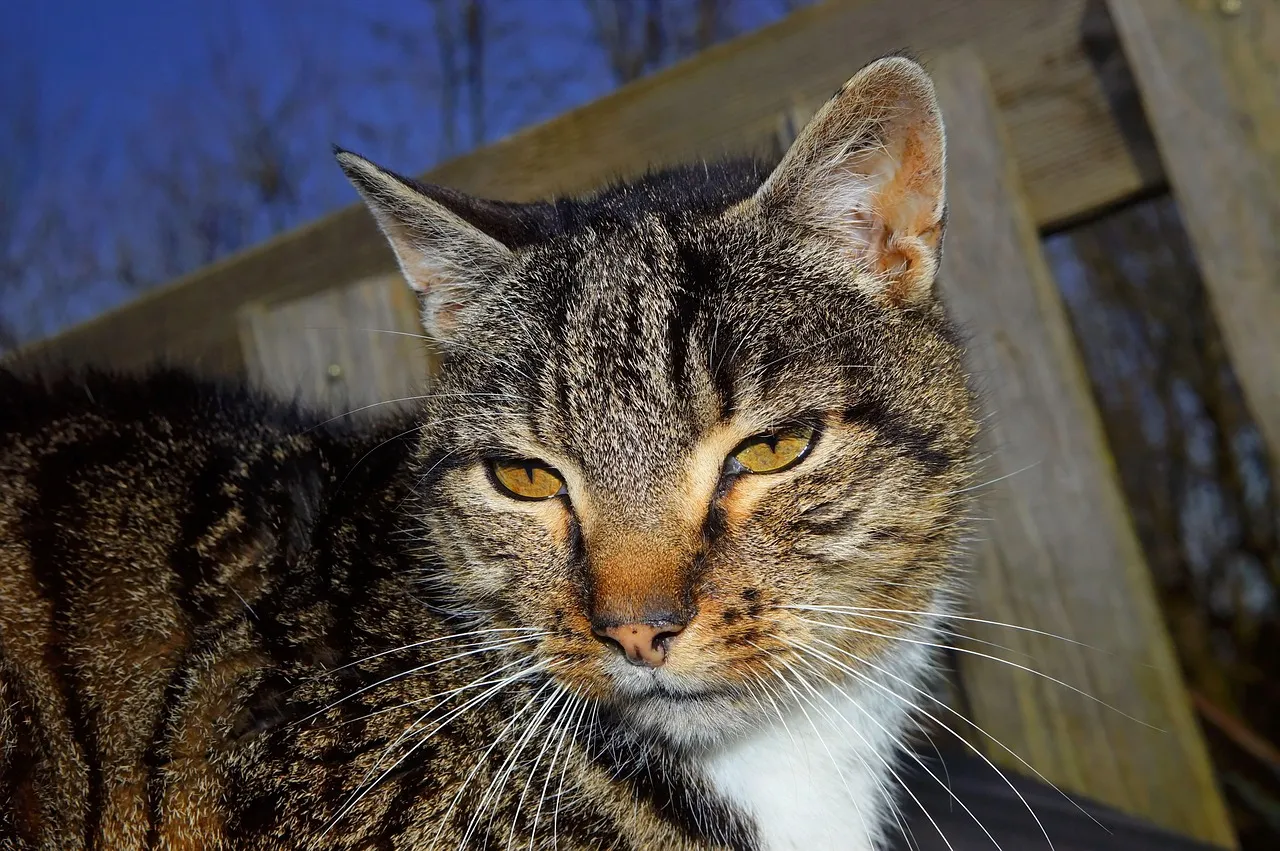
An older cat aging with quiet strength doesn’t look like a kitten in denial. It looks like exactly what it is: a small, seasoned predator who’s learned which battles still matter. Slower steps, softer eyes, shorter play, and sharper routines aren’t just “old cat stuff” — they’re proof of adaptation, trust, and hard-earned emotional security.
We should stay vigilant for pain and illness, always. But we also owe our seniors the respect of seeing their choices as wisdom, not weakness. So look again at your old cat curled up in her favorite spot — and ask yourself which of these fourteen signs you’ve been walking past without ever really seeing them.
