
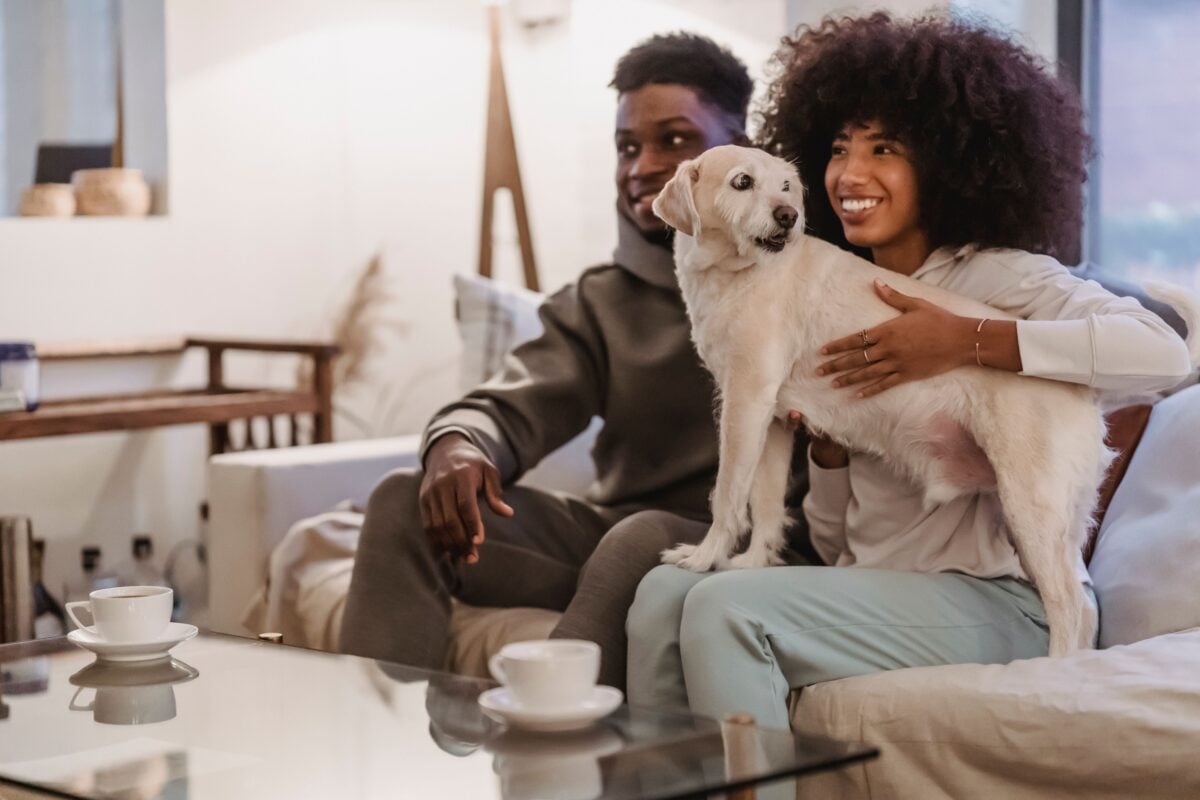
Most people see the gray fur creeping in around a dog’s muzzle and quietly assume the good years are behind them. Slower walks, longer naps, a little stiffness getting off the couch – surely that means the joy is fading too, right?
Vets say that assumption is flat-out wrong, and it’s costing owners the chance to actually see what’s happening in front of them. A lot of senior dogs are just as content, if not more so, than they were as chaotic, zoomy puppies – the happiness just shows up quieter, smaller, and easier to miss if you’re only watching for youthful energy. Here are the real signs vets look for, and once you know them, you’ll never look at your old dog the same way again.
#1 – They Still Get Up Just to Follow You Around the House
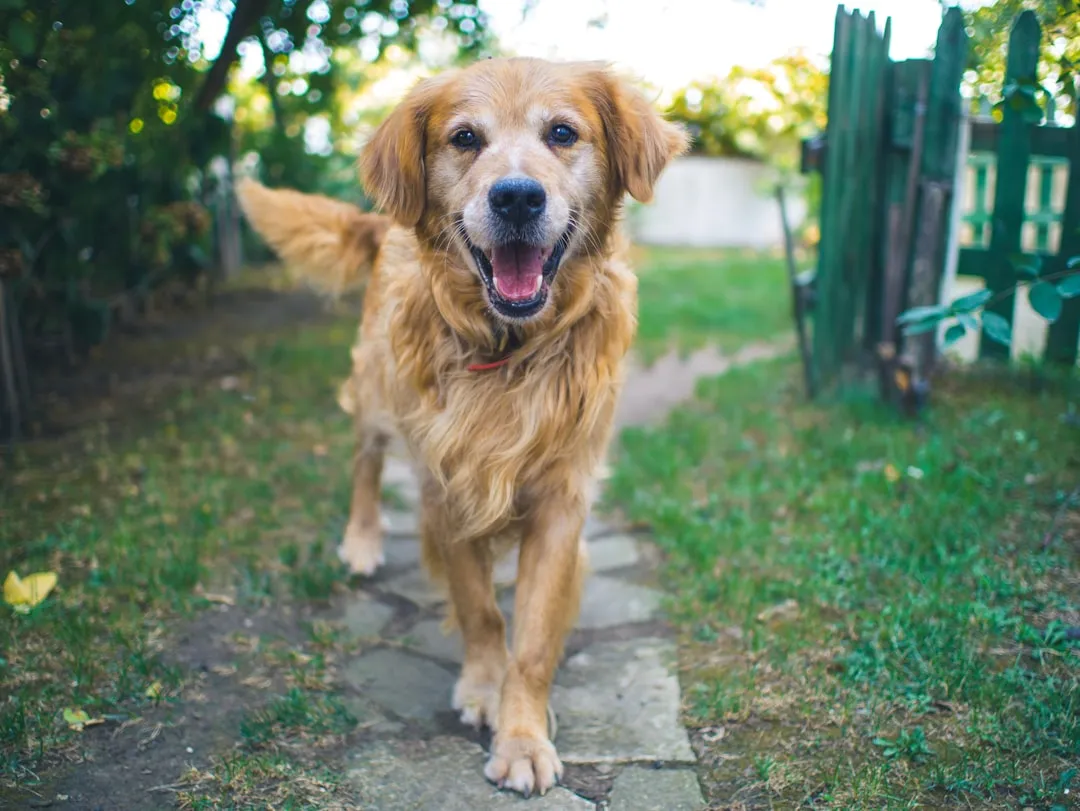
Here’s a green flag most owners walk right past: your senior dog still chooses to shadow you from room to room. Vets call this “velcro behavior,” and it’s one of the clearest signs of an engaged, emotionally healthy older dog. If a gray-muzzle dog hauls themselves off a comfy bed just to see what you’re doing in the kitchen, they still care deeply about their world – and about you specifically.
That effort costs more with aging joints, which is exactly why it matters so much. Maybe they don’t sprint anymore. Maybe they pause at the doorway, catch their breath, or take the slow route through the hallway. That’s completely fine. The real signal isn’t speed, it’s intent – they *want* to be wherever you are. A dog whose inner light is still on will keep making that choice, even when it’s harder than it used to be.
#2 – Their Tail Still Finds Its Easy, Default Wag
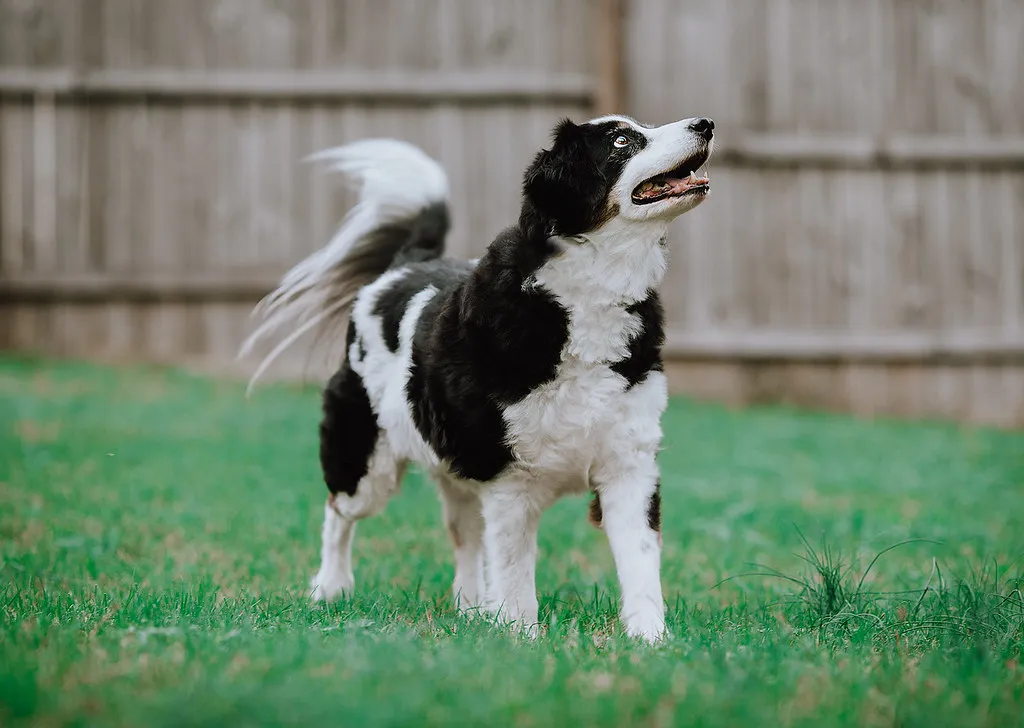
Senior-dog vets quietly watch one thing in the exam room before anything else: tail language. A gray-muzzle dog who walks in, spots their person, and lets the tail do a loose, easy sweep is telling you something real. That relaxed side-to-side motion is a sign of genuine emotional well-being, not just muscle memory.
Don’t confuse intensity with happiness here. Older dogs rarely do the frantic, whole-body “propeller” wag of a six-month-old puppy. Their version might be a lazy, thumpy wag on the couch, or a soft little flutter the instant you say their name. If the tail lifts and moves when you talk, touch, or walk into the room, you’re watching genuine contentment play out in real time. A tail that stays dropped, stiff, or completely still is the thing that should actually worry you.
Quick Compare
- Puppy wag: fast, full-body, almost a propeller motion
- Senior wag: slower, looser, often just the tip or a lazy thump
- Both count: speed doesn’t matter, willingness to wag does
- Real warning sign: a tail that stays stiff, tucked, or still
#3 – They Still Light Up at the Sound of a Treat Bag
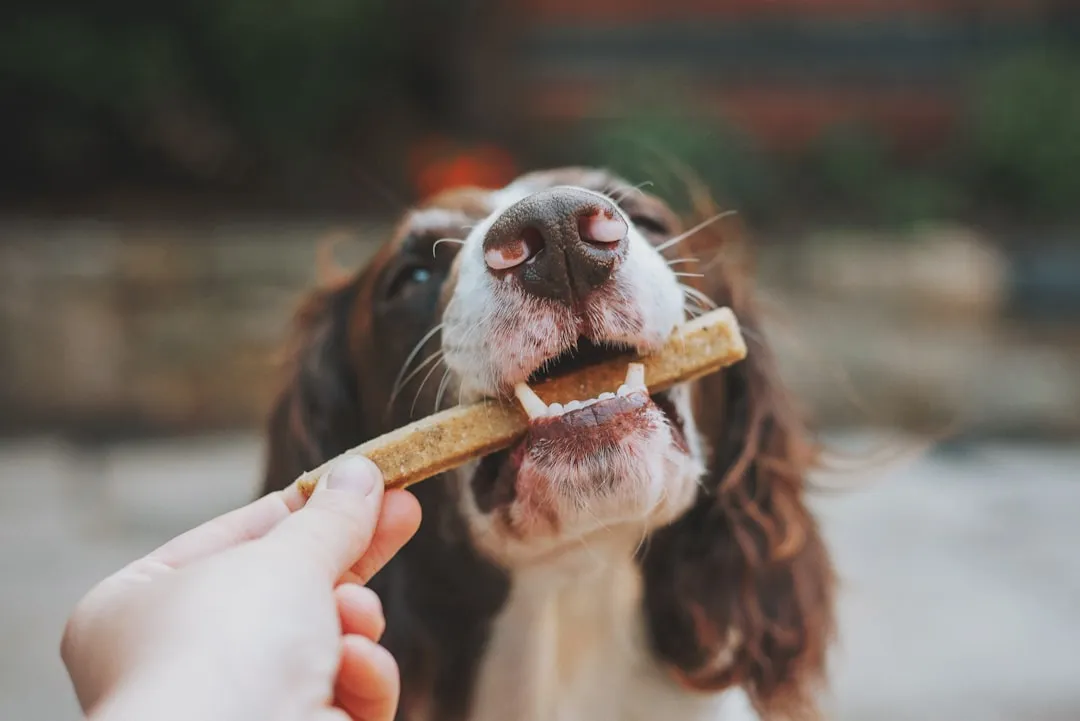
Most owners panic the moment a senior dog slows down at mealtime. Vets are far more interested in the pattern than any single meal. A gray-muzzle who still perks up for snacks is often still loving life, even if the enthusiasm looks a little different than it used to.
You might notice the “menu” has quietly changed – hard kibble loses its appeal while soft, smelly food wins every time, or crunchy biscuits get traded for softer training treats. That’s not pickiness. It’s often teeth, smell, or comfort doing the deciding. But if they’ll still work for a piece of chicken, or come trotting – even hobbling – toward the sound of the fridge opening, that’s a dog with drive left in the tank. Dogs who are truly checked out tend to lose interest in food entirely, even the good stuff.
#4 – They Still Have Short, Silly Bursts of Play
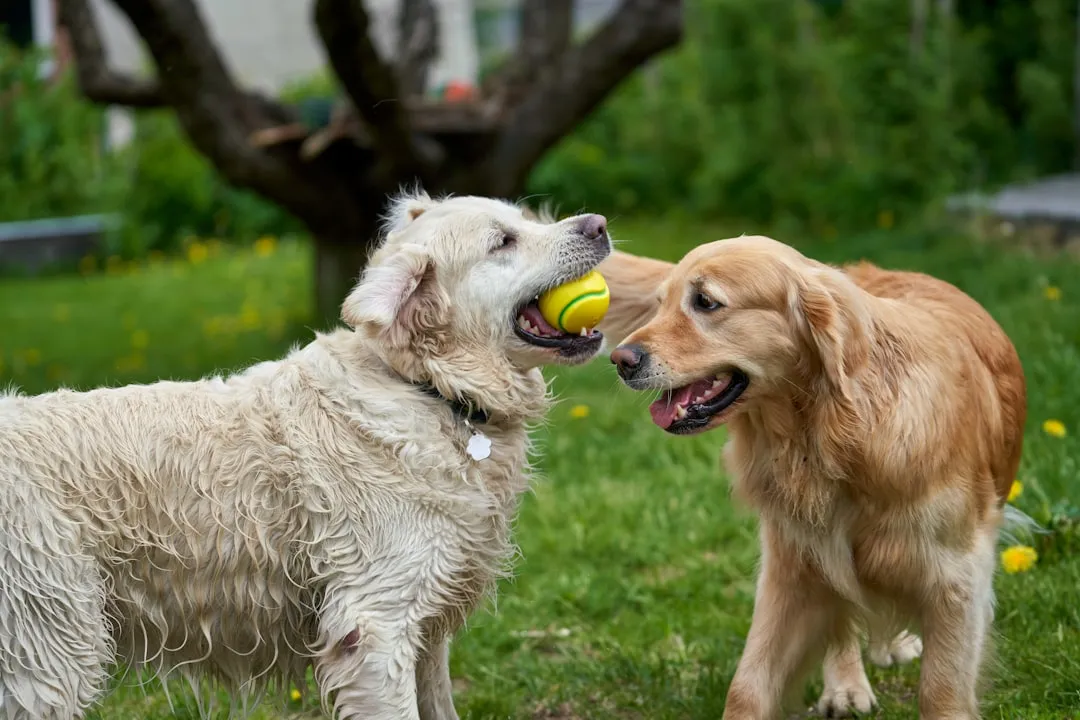
No, your 13-year-old isn’t going to body-slam a tennis ball like a teenager, and expecting that is exactly where a lot of owners get it wrong. Vets say even a 60-second play bow from a senior dog is a genuine win worth celebrating, not a sad shadow of what used to be.
Senior play often looks like a highlight reel instead of a full game – a few happy wags with a plush toy before retreating to bed, or one slow-motion fetch where the dog proudly parades the ball around like a trophy. The duration barely matters. What matters is the *choice* to engage at all. Dogs in constant pain or advanced decline typically withdraw from play completely, so if your gray-face still has goofy moments in them, that’s a real sign they’re still having fun.
#5 – They Can Still Drop Into a Deep, Peaceful Sleep
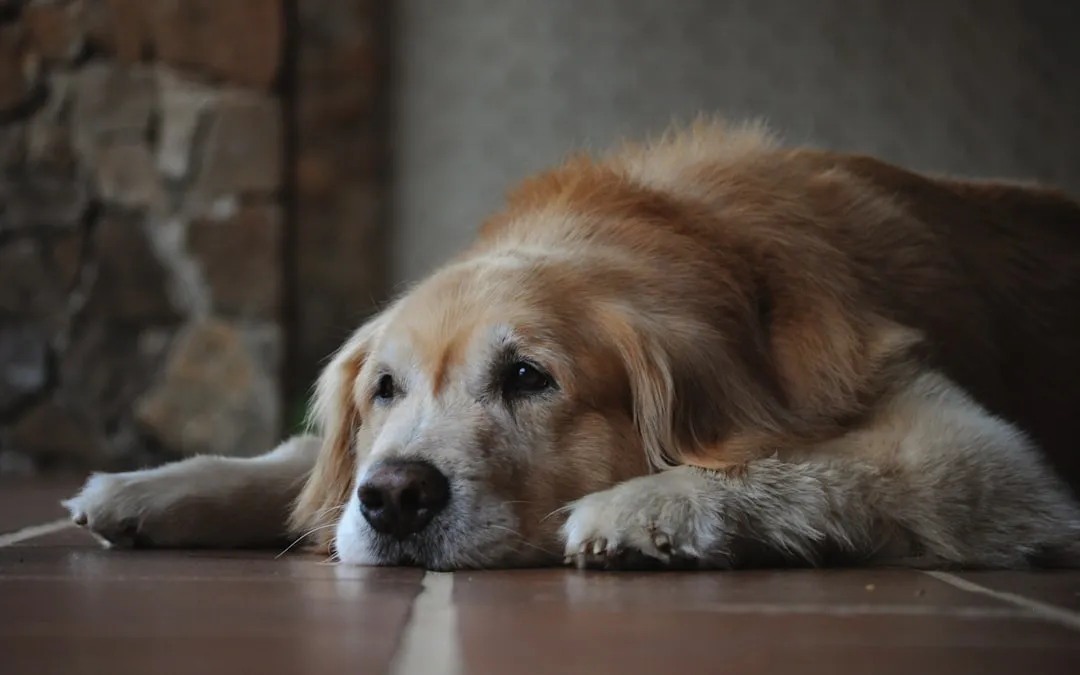
This one catches a lot of people off guard: being able to relax deeply is actually a health and happiness marker in senior dogs, not a sign of decline. A gray-muzzle who curls up, sighs, and drifts into a solid nap is showing you they feel safe and comfortable in their body and their home.
Vets worry far more about restless seniors – the ones pacing all night, constantly repositioning like nothing feels right, panting and whining for no obvious reason. Old dogs sleeping more is completely normal. The real question is how they act between naps. If they wake up, check in, grab a drink, maybe angle for a snack, then flop back down and snore contentedly, that’s a life with decent quality behind it. Calm is not the same thing as depressed.
#6 – They Still Get Excited for a Walk, Even a Short One
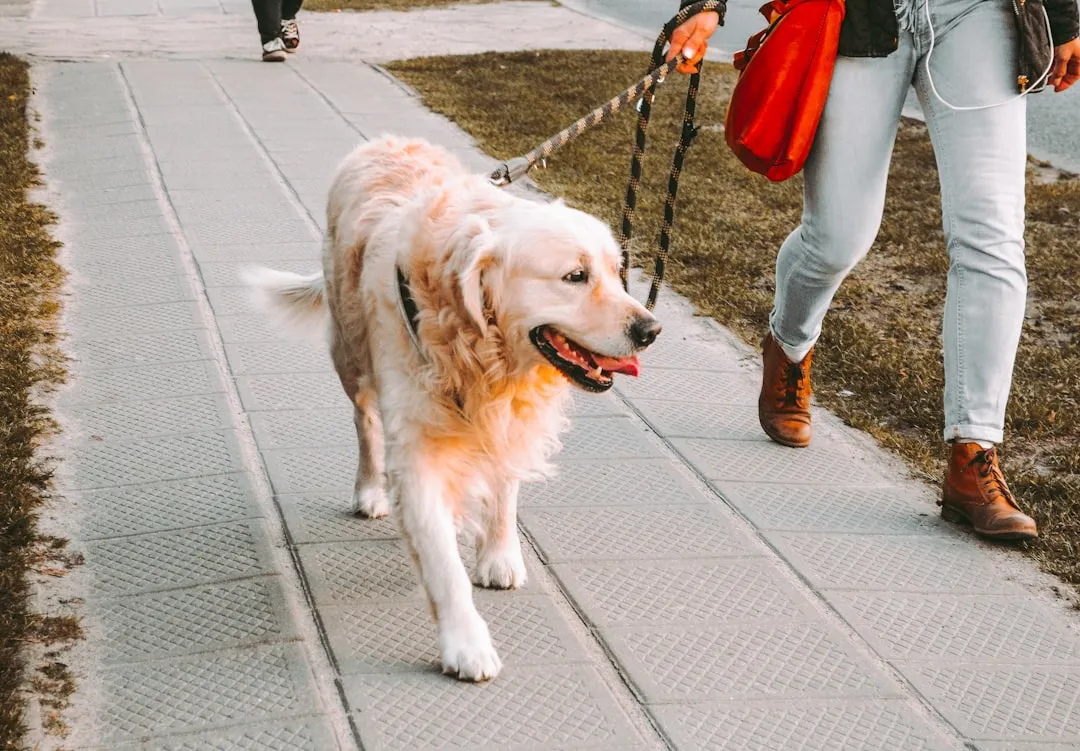
Most people judge their dog’s happiness by how far the walk goes. Vets don’t. What actually matters is that your senior dog still gets excited for the leash at all. A dog who shuffles happily toward the mailbox to sniff it is still pulling real emotional satisfaction out of the world.
For gray-muzzles, quality beats distance every time. They might prefer two ten-minute sniff walks over one 45-minute hike, or stand in one fascinating spot with their nose working overtime instead of marching a mile. If they show real enthusiasm – ears up, tail moving, eyes bright – the second you say “walk?”, that’s the green flag that counts. The moment they consistently hide or look stressed about going out is when vets start thinking differently. Until then, the desire itself is the good news.
Fast Facts
- A slow lap around the yard still delivers real exercise and enrichment
- Sniffing gives an aging dog mental stimulation without straining the joints
- Two short walks often suit older bodies better than one long outing
- Leash excitement matters more than mileage when judging quality of life
#7 – They’re Still Curious About Every New Smell and Sound
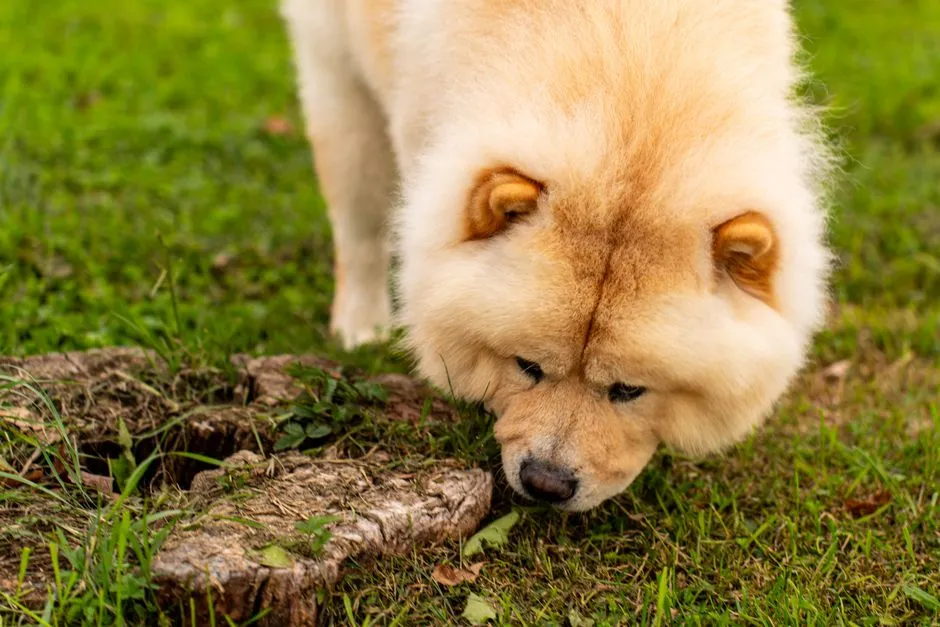
A lot of owners assume mental decline the second their senior dog looks a little “spacey.” Vets look for something more specific: curiosity. A gray-muzzle who still pauses to sniff a new bag, investigate a package, or tilt their head at a strange noise is mentally engaged with the world, not checked out of it.
You might notice longer sniffing sessions on walks, or more interest in “reading” pee-mail than sprinting around the park – both totally normal shifts from physical play to sensory exploration. As long as they still *care* enough to investigate, their brain is finding things worth paying attention to. Total apathy – no sniffing, no head turns, zero reaction to anything new – is a far bigger concern than a few slow-motion senior moments.
#8 – They Still Lean In and Ask for Affection
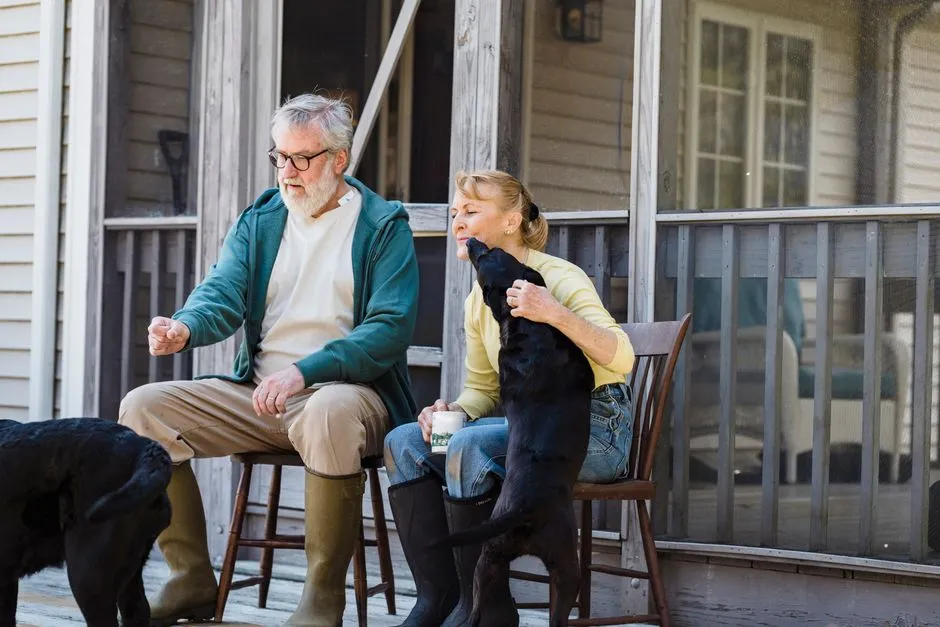
When vets talk about quality of life in older dogs, one quiet test comes up again and again: does the dog still want to be loved on? A senior dog who deliberately leans into your hand, nudges for chest rubs, or rearranges their whole body just to be touching you is telling you they still find real comfort and pleasure in connection.
The way they ask for it often changes with age. Instead of jumping into your lap, they back up and sit heavily against your legs. Instead of rolling dramatically for belly rubs, they just rest their chin on your knee and sigh. None of that is sad – it’s just older. What actually worries vets is a previously affectionate dog going completely withdrawn, flinching from touch, or hiding from the family. As long as they still seek out contact, even the quiet, subtle kind, something in life still feels good to them.
#9 – Their Daily Routine Still Makes Perfect Sense to Them
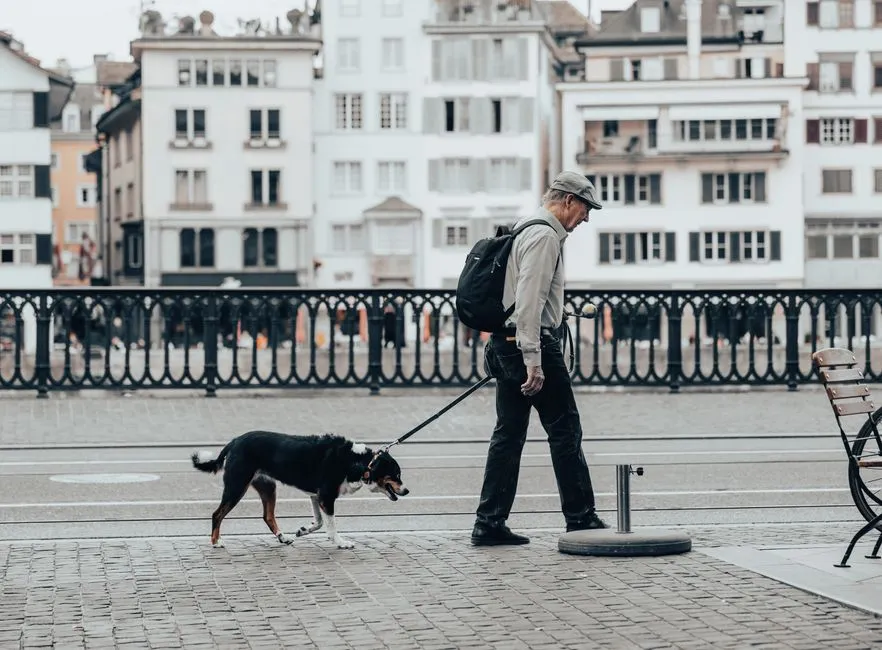
One of the most underrated signs a gray-muzzle is doing okay: they still basically know how their day works. If they drift toward the kitchen at breakfast time, park themselves by the door around walk time, or migrate to the couch the second your show comes on, their internal “life script” is still running smoothly.
Some drift is normal with age – waking up earlier, napping more, standing in a doorway for a second like they’re thinking something over. What actually worries vets is *total* disconnection: a dog who can’t find their own water bowl, seems lost in a house they’ve lived in for years, or forgets how to get through a familiar door. That can point toward canine cognitive dysfunction. But a dog who still anticipates meals, walks, and bedtime cuddles is still engaged in their own rhythm, even if it’s softer and slower now.
#10 – Their Good Days Still Outnumber the Bad Ones
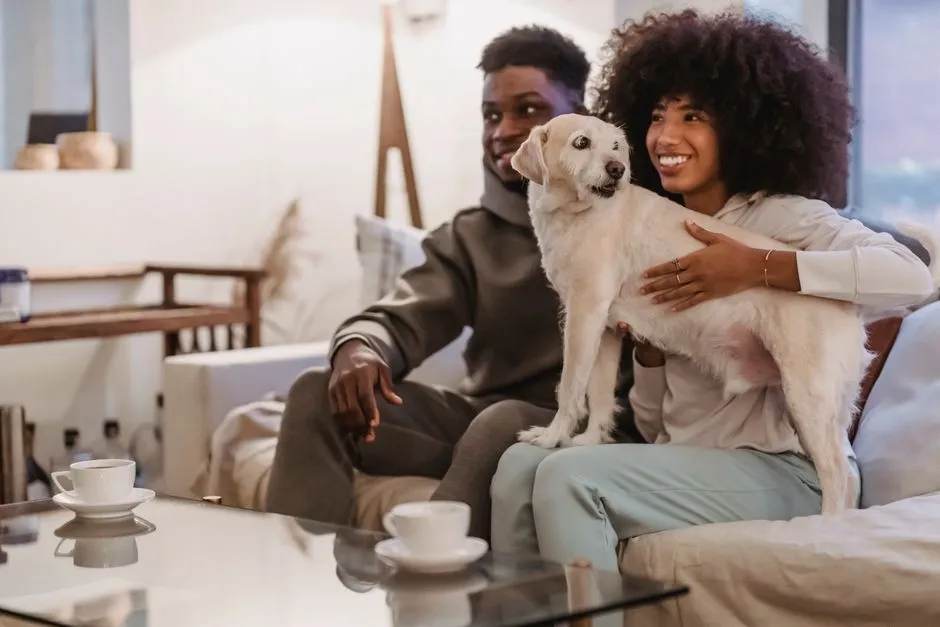
Most owners wait for one dramatic, unmistakable crash to know when things have changed. Vets don’t work that way – they look at the ratio instead. If you can honestly say your dog still has more comfortable, interested days than truly miserable ones, most vets consider that a dog with a genuinely decent quality of life.
A good day might mean eating willingly, going outside without a fight, interacting with the family even briefly, or resting comfortably without visible distress. A bad day looks like obvious pain, refusing food, or total withdrawal. One rough day here and there isn’t a crisis. It’s only when the bad days start massively outnumbering the good ones that vets start having harder conversations. Until that tipping point, plenty of gray-muzzles are quietly living lives they still find worth showing up for – even if it doesn’t look Instagram-worthy.
At a Glance
- Good day: eats willingly, moves around, seeks contact, rests easy
- Bad day: refuses food, hides away, shows visible pain or distress
- One rough day isn’t a crisis – it’s the overall pattern that counts
- Some owners track good vs. bad days on a simple calendar to spot trends
#11 – They Can Still Enjoy Old Favorites, Just With a Little Help
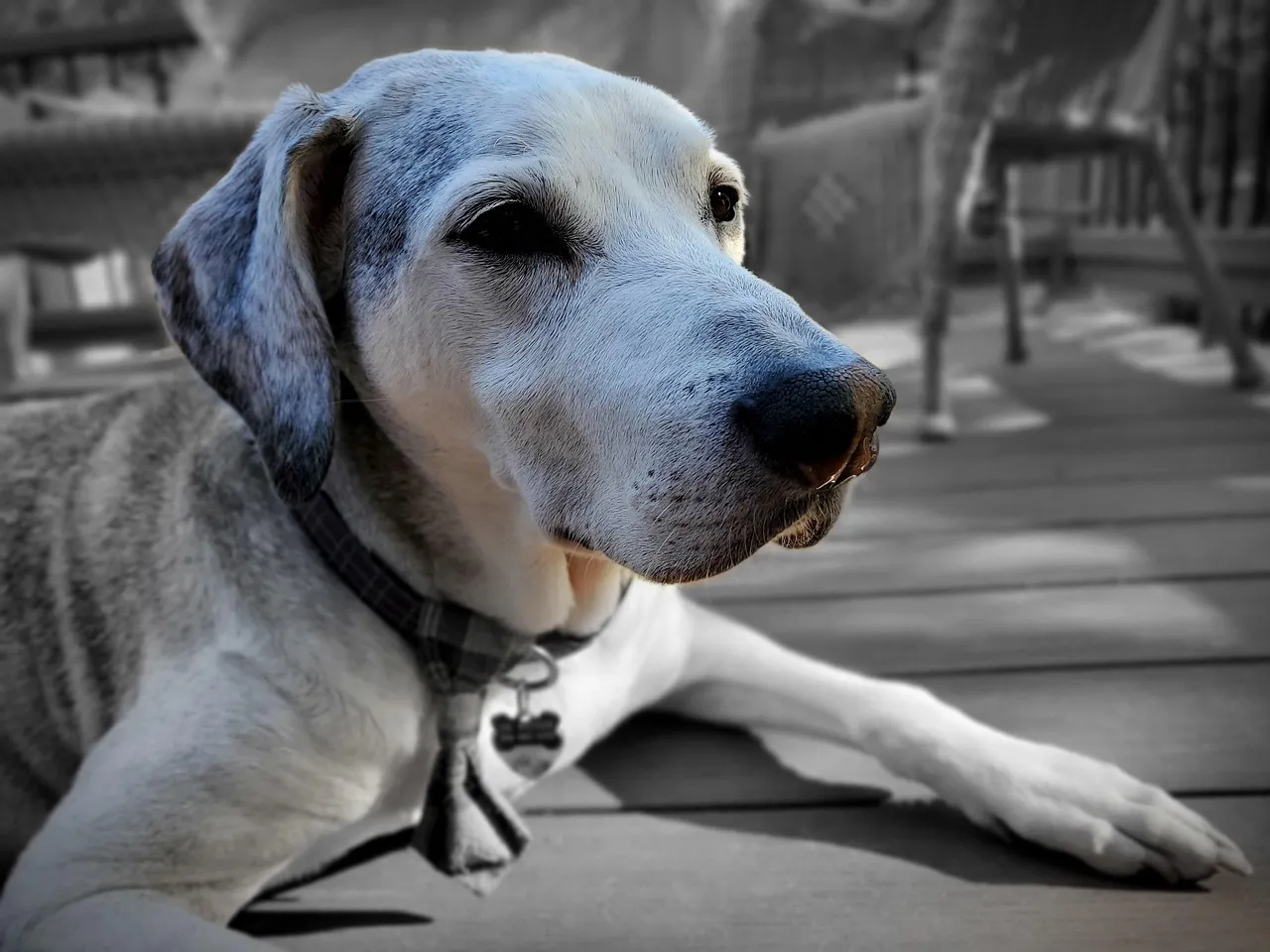
Most owners draw an all-or-nothing line: either the dog acts young, or life must be bad now. Vets see it differently. If a senior dog can still enjoy even one or two of their old favorite activities with a little reasonable support, that’s a strong sign real pleasure is still very much alive in there.
Maybe that means car rides with a ramp instead of a jump, sunbathing on the deck instead of running the fence line, or a gentle tug on the floor instead of full-contact wrestling. The activity itself matters less than the spark you see the moment it happens. Arthritis meds, harnesses, ramps, and orthopedic beds that keep a dog able to participate aren’t “prolonging suffering” – they’re just accommodating age. The real red flag is when even those heavily modified, low-effort favorites stop bringing any joy at all.
#12 – Their Eyes Still “Light Up” in the Moments That Matter
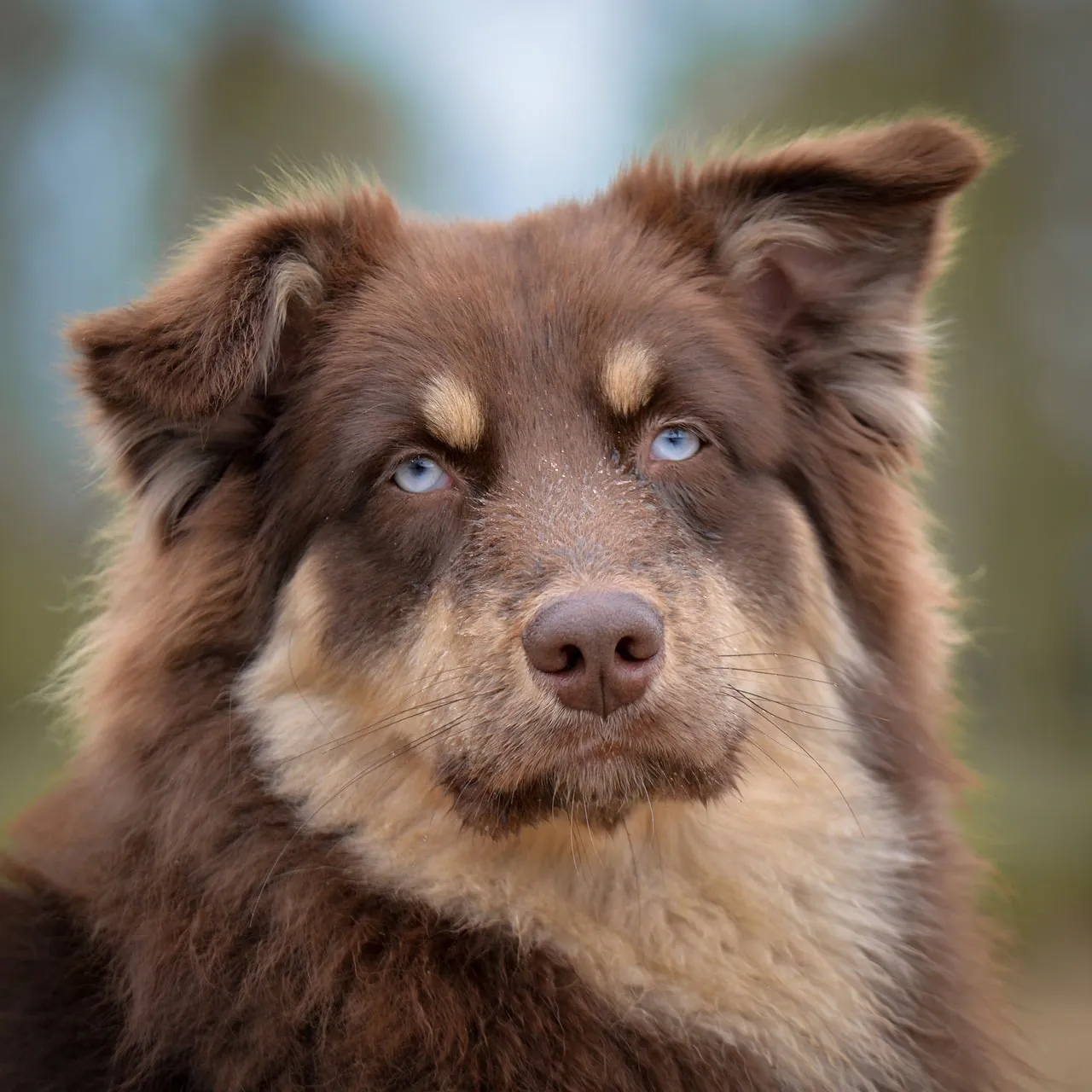
Ask any vet or vet tech who’s spent years around senior dogs, and they’ll tell you the eyes speak their own language. A gray-muzzle whose eyes still brighten at the leash, a loved person walking in, or the crinkle of a treat bag is telling you there’s still emotional color in their world.
That tiny sparkle matters more than it sounds. You might catch a slow-moving body paired with an eager, locked-in look the second something good happens, or soft, relaxed eye contact whenever you talk to them. Cloudiness from normal aging or cataracts doesn’t cancel that expression out – this isn’t about sharp vision, it’s about emotional response. A truly shutting-down dog usually has a dull, far-away gaze most of the time, with little change no matter what’s happening around them. If your old dog still has sparkle moments, their inner life still has meaning attached to it.
#13 – They Still Tell You Exactly What They Need
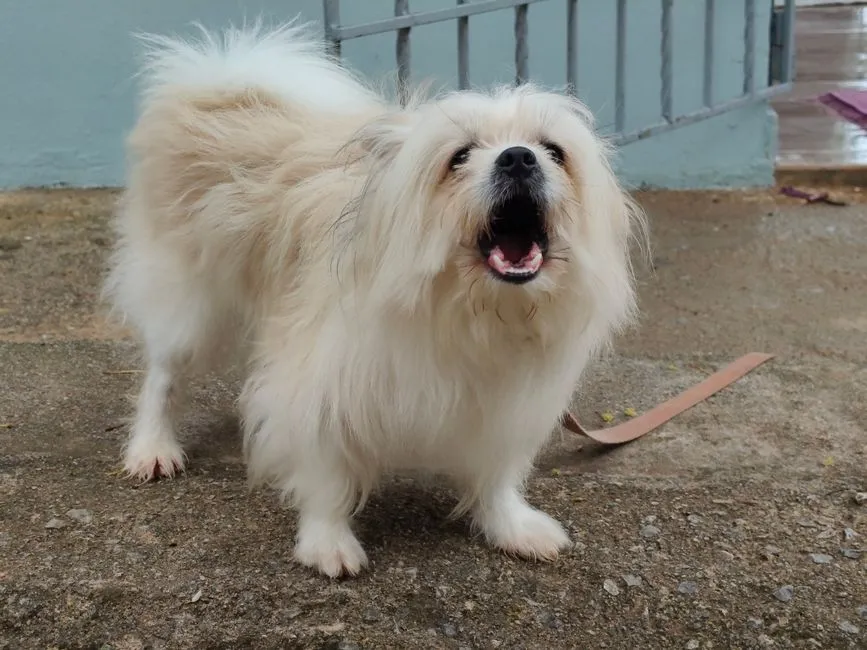
A dog who’s still trying to communicate is a dog who hasn’t given up. If your senior pup still barks at the door, paws at the water bowl, whines for dinner, or grumbles when something’s uncomfortable, they’re engaged enough to advocate for themselves – and that’s a genuinely good sign, not an annoying one.
Communication can actually get louder or a little stranger with age, like more vocal complaining about being moved, or extra barking because their hearing or eyesight isn’t what it was. Cognitive decline can complicate the picture, but vets take it very seriously when a dog stops asking for anything at all. A quiet dog isn’t always a happy dog. The senior who still says, in their own way, “hey, fix this,” whether it’s an empty bowl or a tangled blanket, is still invested in making their own life better.
Worth Knowing
- Barking at the door or pawing at a bowl signals continued engagement, not misbehavior
- Extra vocalizing can trace back to hearing or vision changes, not distress alone
- A dog who stops asking for anything at all is a bigger concern than a noisy one
- Simple fixes – raised bowls, nightlights, non-slip rugs – can ease a lot of complaints
#14 – They Still Seem Genuinely Glad You Exist
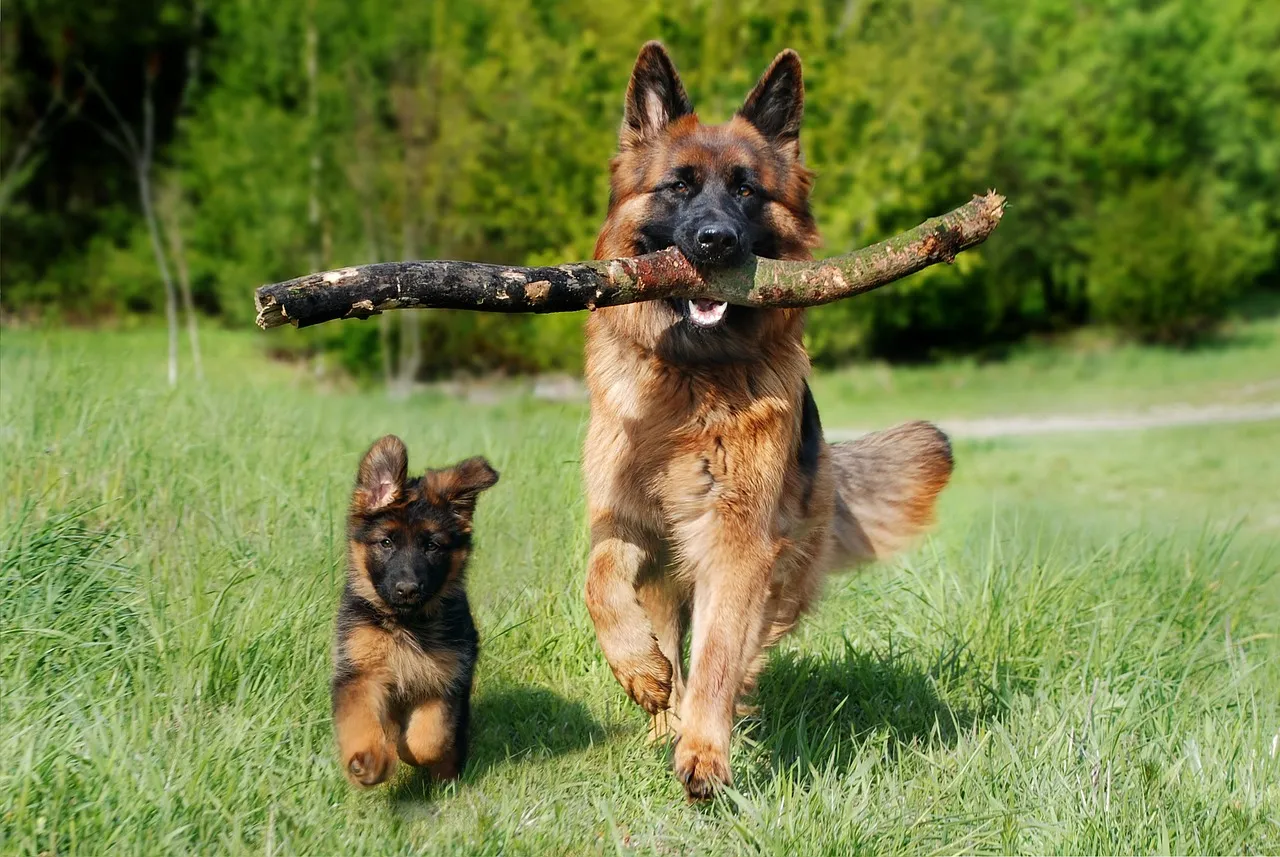
Here’s the one vets and lifelong dog people quietly hold onto more than any other: does your dog still seem glad that *you* exist in their world? Not in a dramatic, puppy way – just in the small, daily moments that are easy to miss if you’re not paying attention.
A tail thump when you walk into the room. A content sigh when you lie down beside them. A weak but determined effort to stand up and greet you anyway. This is arguably the deepest sign a gray-muzzle is still living their best possible life for their age – they relax more when you’re near, they orient toward your voice, they choose to spend their limited energy being in your space. When even your presence stops offering comfort, that’s when the conversation with your vet changes. But as long as your old dog still chooses you – eyes, tail, body leaning your way – something very real and very good is still happening for them.
The Bottom Line
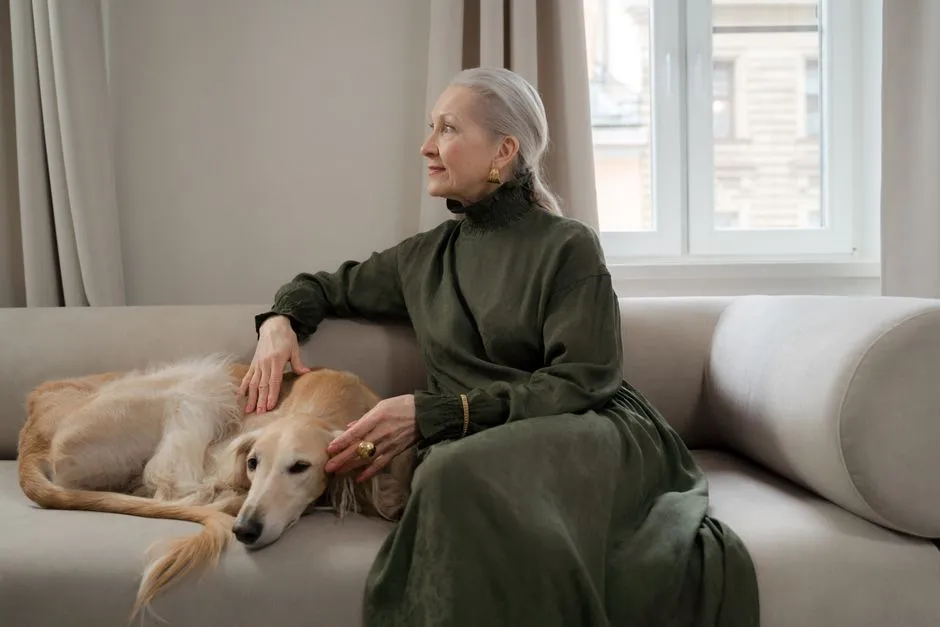
Here’s the harsh truth most people don’t want to hear: a senior dog’s best life doesn’t look anything like a puppy’s, and judging them by puppy standards is one of the biggest mistakes owners make. A gray-muzzle doesn’t need to run five miles, dominate the dog park, or learn new tricks to be genuinely happy.
They need comfort, low-stress enrichment, pain control, and – more than anything else – continued interest in food, smells, routines, touch, and you. If you’re still seeing tail thumps, curiosity, clear communication, and that soft, unmistakable “you’re my person” look, your older dog is almost certainly getting far more out of life than outsiders assume just by watching them nap.
Some owners keep dogs going long past the point they should. Others give up the second the zoomies fade, mistaking a slower pace for a smaller life. The truth sits in the middle, and it’s measured in exactly the small, easy-to-miss moments above. So where do you land – and what signs do you actually watch for in the gray-muzzle you love?

- 13 Signs the Wild Birds in Your Yard Have Come to See You as Safe - July 24, 2026
- 14 Signs a Gray-Muzzle Dog Is Still Living Its Best, Vets Say - July 24, 2026
- 13 Signs a Horse Has Let Down Its Guard Only for You - July 24, 2026