
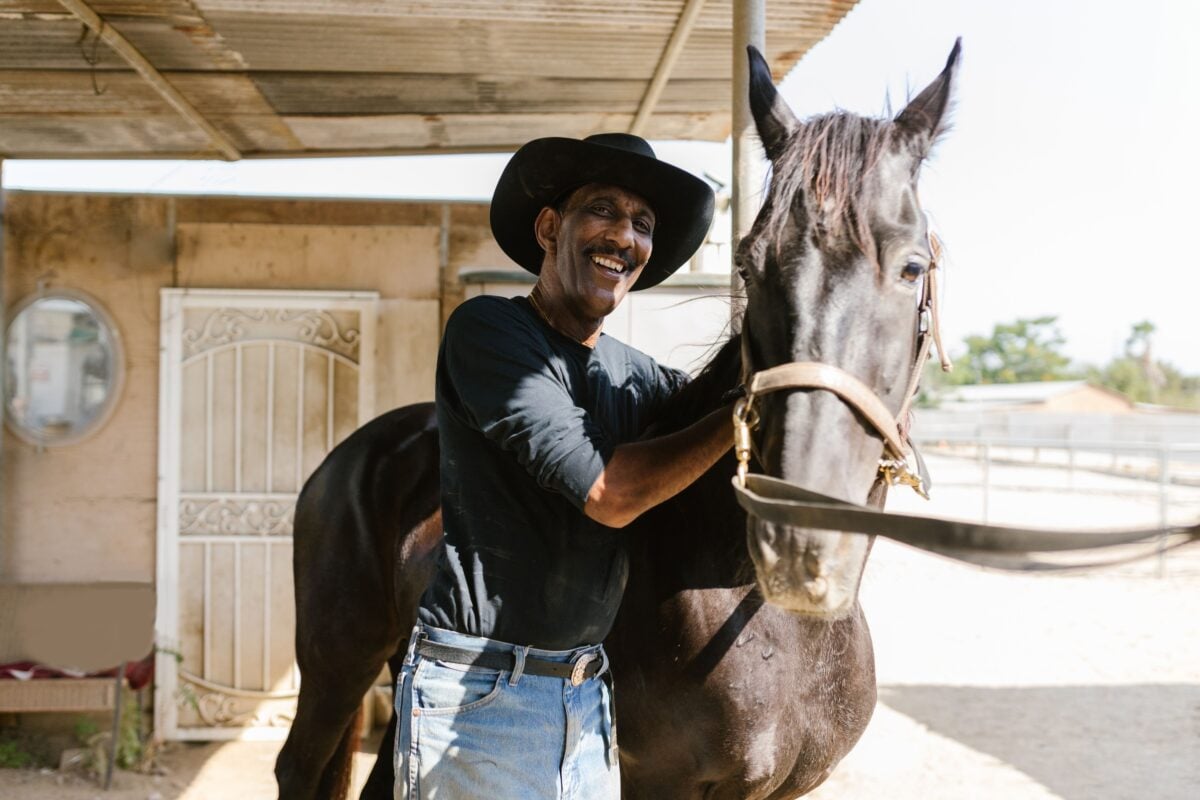
Spend a little time watching horses in a field and it becomes pretty obvious: they’re not just big, silent grass-eating machines. They flirt, bicker, sulk, and sometimes light up with a kind of quiet happiness that feels almost human. The hard part is that they rarely express those feelings in ways we were taught to notice, so a deeply anxious or lonely horse can easily be mistaken for “lazy,” “naughty,” or “dull.”
Once you start to see their emotional signals, though, you can’t unsee them. Small details – how a horse blinks, where it stands in the herd, how quickly its breathing changes – suddenly tell a whole story. This article dives into that story: the science, the subtle signs, and the very real inner lives of horses, so you can become the kind of human who doesn’t just manage a horse, but actually understands one.
The Science Behind a Horse’s Feelings
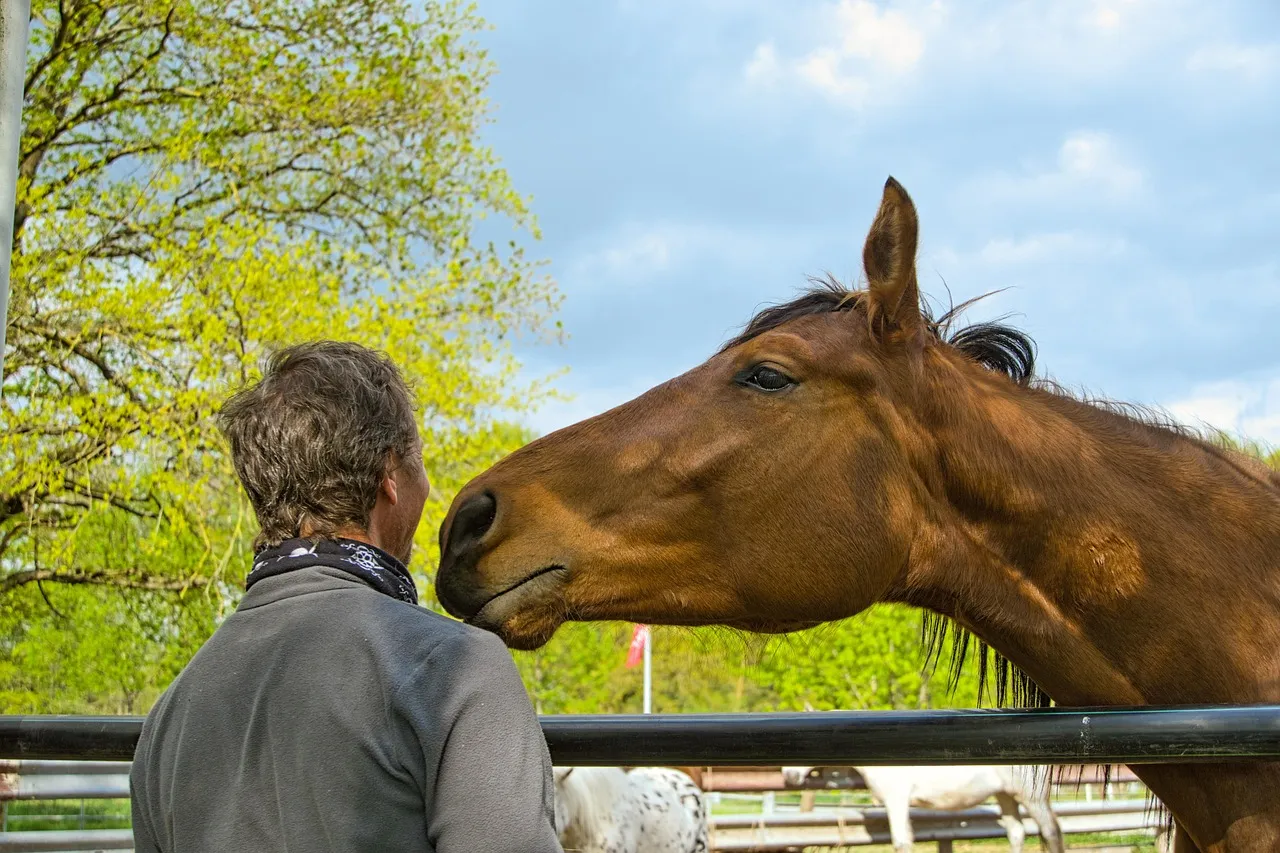
Horses have brains that are wired for survival, social connection, and learning, and those three things shape almost every emotion they experience. Their limbic system, the part of the brain involved in fear, bonding, and memory, is highly developed, which is why a single bad experience at a trailer or vet clinic can stick with a horse for years. They also have a strong stress response, with adrenaline and cortisol surging quickly when they’re scared or confused.
At the same time, horses are incredibly sensitive to patterns and reinforcement, which means they can learn safety and confidence just as powerfully as they learn fear. When their environment is predictable, their handlers are calm and consistent, and their social needs are met, their nervous systems tend to settle. Thinking of horses as emotionally responsive mammals – rather than programmable equipment – changes how we interpret their behavior from the ground up.
Reading the Face: Eyes, Ears, and Mouth
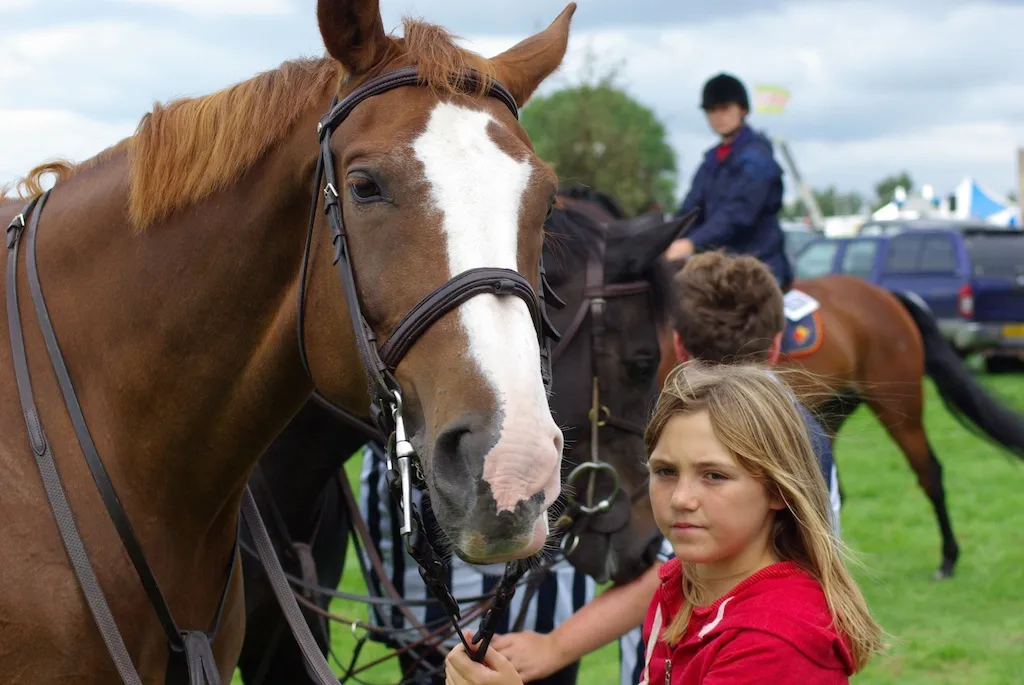
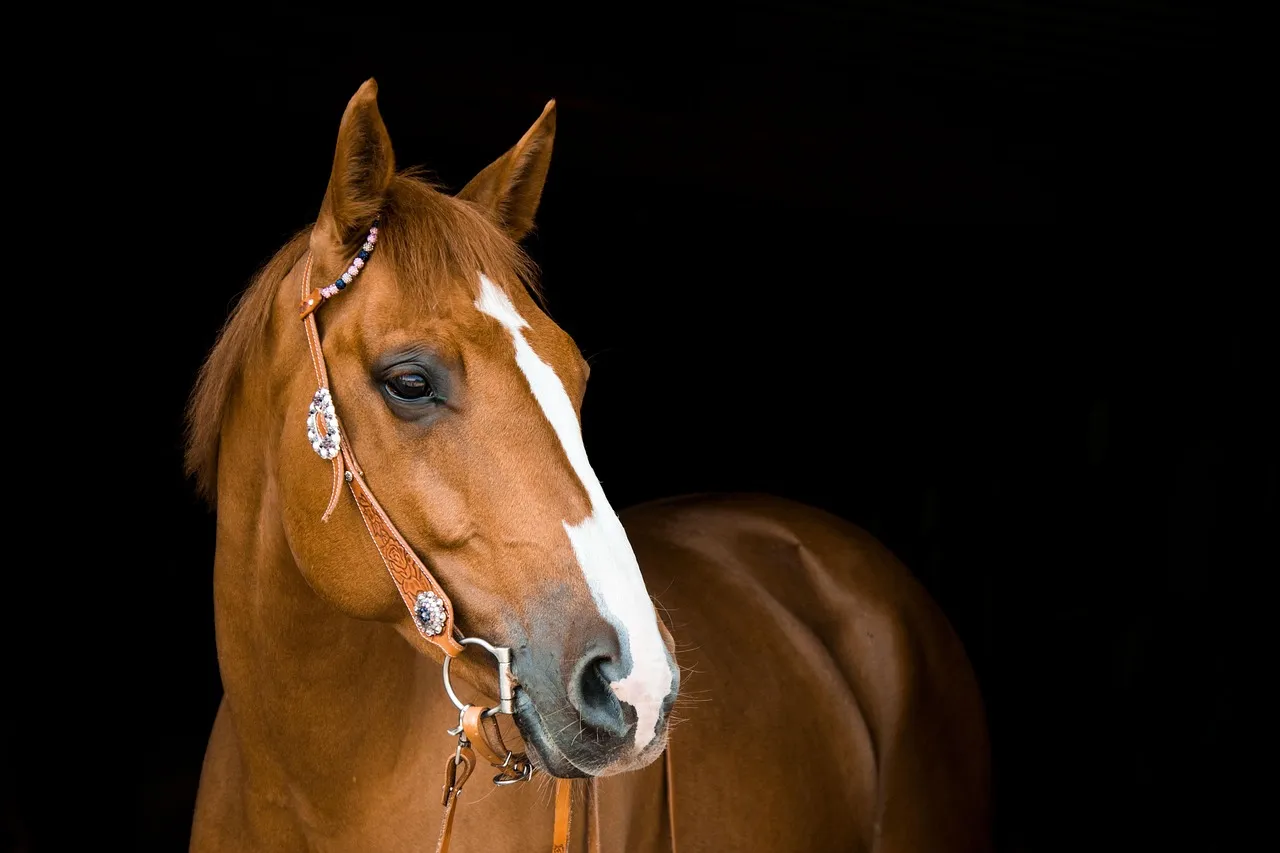
If you want to understand how a horse feels, start by studying its face like you’d study a friend’s. Anxiety often shows up in the eyes first: they may look wide, with more of the white visible, or they might seem fixed and staring instead of soft and blinking. The skin above the eyes can wrinkle, and you’ll sometimes see rapid, shallow blinking when a horse is stressed or overwhelmed. The ears give more clues – twitching back and forth, locked in one direction, or constantly swiveling can all hint at tension.
The mouth also tells a surprisingly rich story. A tight, pinched mouth with a hard-looking jaw often goes hand in hand with discomfort or anxiety, especially if the horse is clenching the bit, grinding its teeth, or chewing with no food in its mouth. On the other hand, a relaxed lower lip, gentle licking and chewing after pressure, and a soft jaw usually signal that the horse is processing and starting to release tension. Paying attention to just these three areas – eyes, ears, and mouth – can transform guesswork into something closer to emotional literacy.
Posture, Movement, and the “Feel” of Anxiety
An anxious horse rarely hides it from the neck down. You might see a high head carriage, rigid neck, or tail clamped tightly or swishing sharply. Hooves that keep shifting, pacing the fence line, or dancing around at the mounting block all point to a body that cannot settle. Some anxious horses go the other way and look almost frozen: stiff, braced, and “shut down,” as if they’ve decided that numbing out is safer than reacting.
Breathing is another powerful indicator. Quick, shallow breaths, repeated snorting, or a heart rate that feels like a drum under your hand are signs the nervous system is on high alert. Over time, chronic anxiety can show up as ulcers, weight loss, or recurring tension-related issues like tight backs and sore shoulders. When you start to feel the difference between a body that moves like a spring about to snap and one that flows like water, you’re starting to sense anxiety long before it explodes into a big, obvious reaction.
Loneliness in a Herd Animal: Subtle but Serious
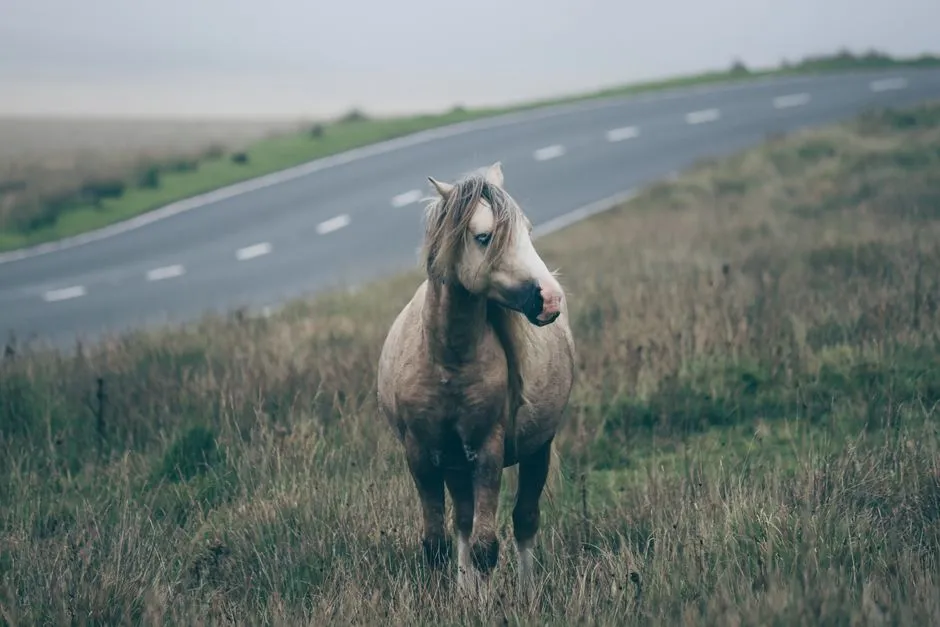
Horses are deeply social animals, designed by evolution to live in groups where they groom, play, and watch for danger together. When a horse is kept alone or separated too much, loneliness can creep in so slowly that it looks like “good behavior.” A lonely horse may stand in one spot for long stretches, watch the horizon or neighboring fields obsessively, or call out when other horses leave and then go eerily quiet. That quiet isn’t always calm; sometimes it’s resignation.
Other horses show loneliness through frustration and clinginess. They might be impossible to lead away from their barn mates, work themselves into a sweat when left alone, or crash through fencing to get back to a companion. In my own experience, the saddest horses I’ve met weren’t the spooky ones – they were the ones who had stopped trying to connect at all. Offering real social contact, even just a compatible friend over the fence or in the next paddock, can change a horse’s emotional baseline in a way no training gadget ever will.
Recognizing Joy, Curiosity, and Contentment
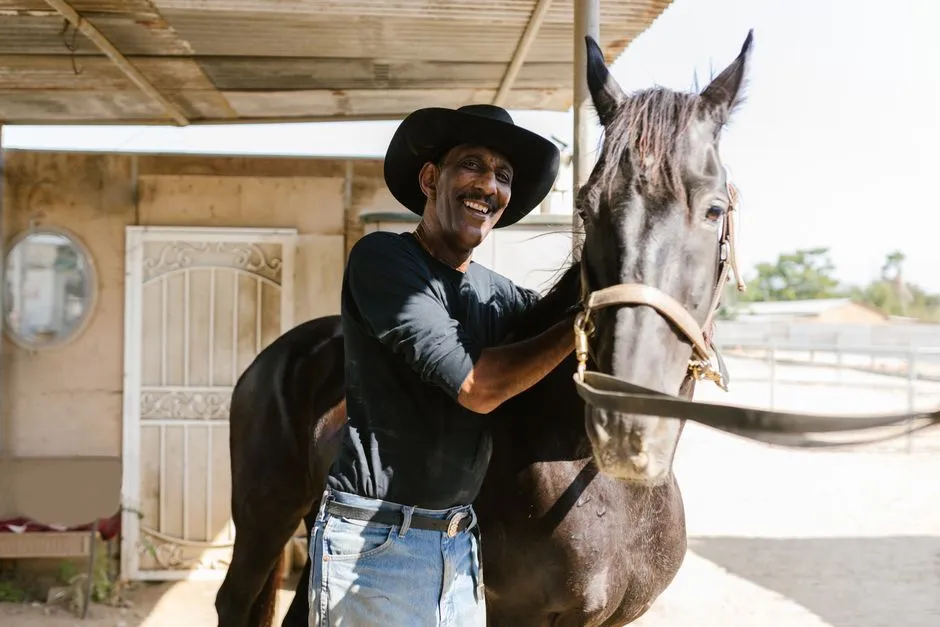
People often get so focused on fixing problems that they forget to look for joy. Joy in horses can be subtle, but once you spot it, it’s addictive. A joyful horse at liberty might toss its head, canter with a loose, bouncy stride, or kick up its heels in a playful buck that looks more like dancing than fleeing. You see it when a horse trots up to greet you with bright eyes and a swinging tail, or when it explores a new object with interest rather than fear.
Contentment is quieter but just as important. A content horse grazes with a relaxed posture, rests a hind leg while dozing, or stands shoulder-to-shoulder with a friend in easy companionship. You might notice soft eyes, a gently lowered neck, and a body that seems to melt into grooming or scratching sessions. To me, one of the purest signs of a happy horse is when it chooses to stick around even when the halter comes off, as if saying that being with you is a pleasant option, not just a job.
When “Bad Behavior” Is Actually Emotional Distress
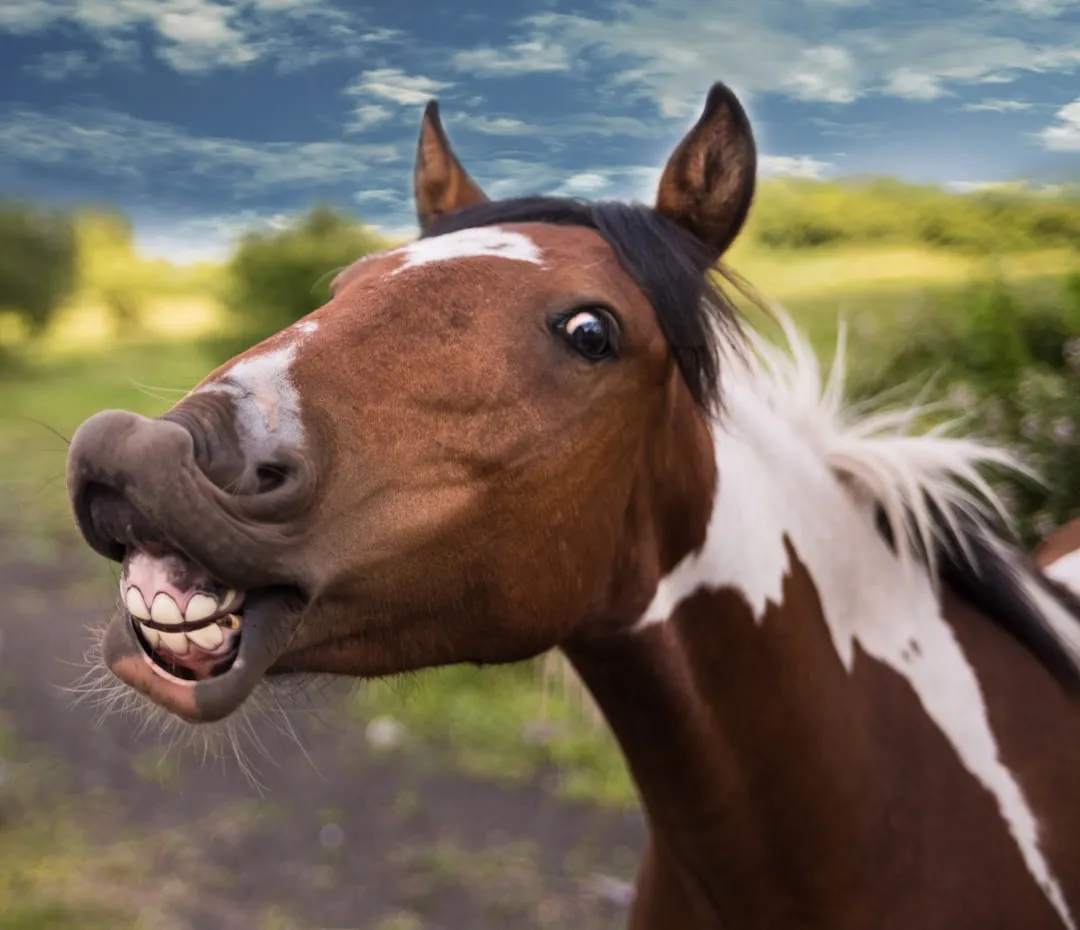
Many of the behaviors riders label as naughty – biting, kicking, rearing, balking, refusing jumps – are often a horse’s version of shouting that something is wrong. A horse that starts pinning its ears when saddled, snapping when the girth is tightened, or swishing its tail under saddle may be in pain, anxious, or both. Punishing those signals without investigating the cause is like taping over a warning light on a car dashboard and pretending the engine is fine.
There’s also the quieter type of distress, where a horse seems “lazy,” slow, or completely uninterested in anything. Sometimes this is physical fatigue or poor fitness, but it can also be emotional shutdown after too much pressure, too fast, with too little understanding. I’ve ridden horses who felt like they had given up on having an opinion because every opinion had been argued with. When we start asking, “What feeling is behind this behavior?” instead of “How do I stop this right now?” we open the door to real change.
Helping Horses Feel Safer and Less Alone
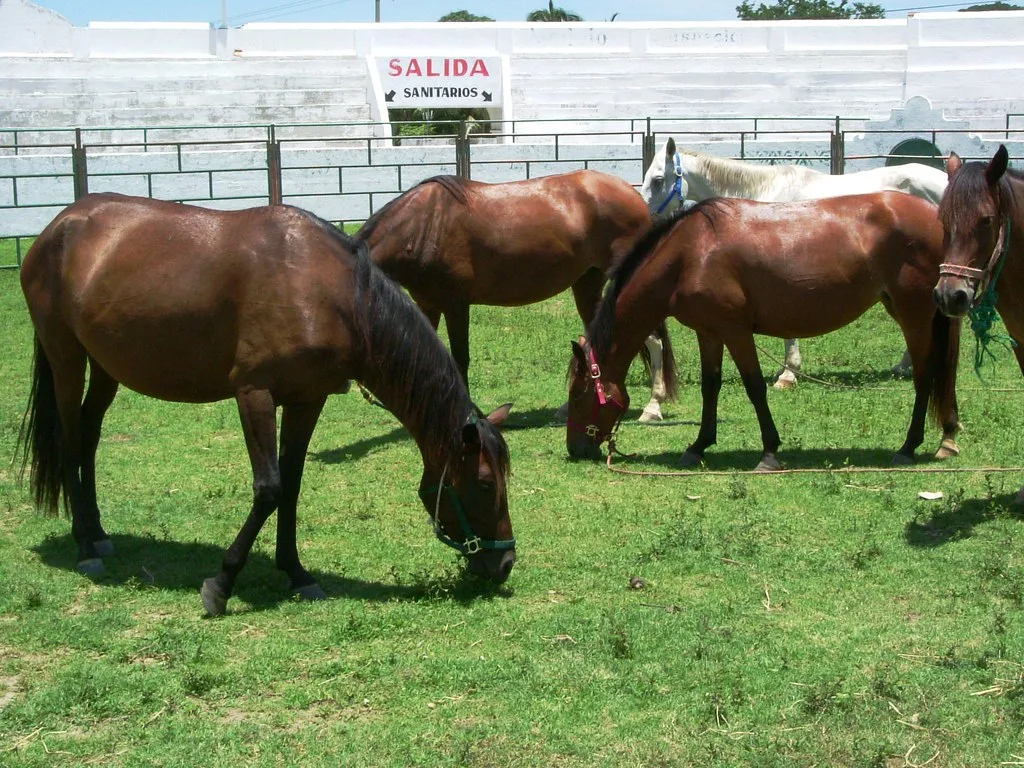
The good news is that the same things that support human mental health – safety, predictability, social connection, and meaningful activity – also help horses thrive. Providing a stable social group or at least compatible neighbors, plenty of turnout, and a routine the horse can count on goes a surprisingly long way. Slow, thoughtful exposure to scary situations, with room for the horse to think and process, builds confidence rather than just suppressing fear.
Your own emotional state matters, too. Horses are masters at reading body language and tension, and they often mirror our anxiety back to us. Showing up calm, clear, and patient is not some fluffy extra; it is part of the training. Instead of treating emotional support as an afterthought, we should see it as a core piece of horsemanship, right alongside saddle fit, nutrition, and hoof care. A horse that feels safe and understood learns faster, performs better, and is a far more joyful partner.
Why Emotional Honesty With Horses Matters
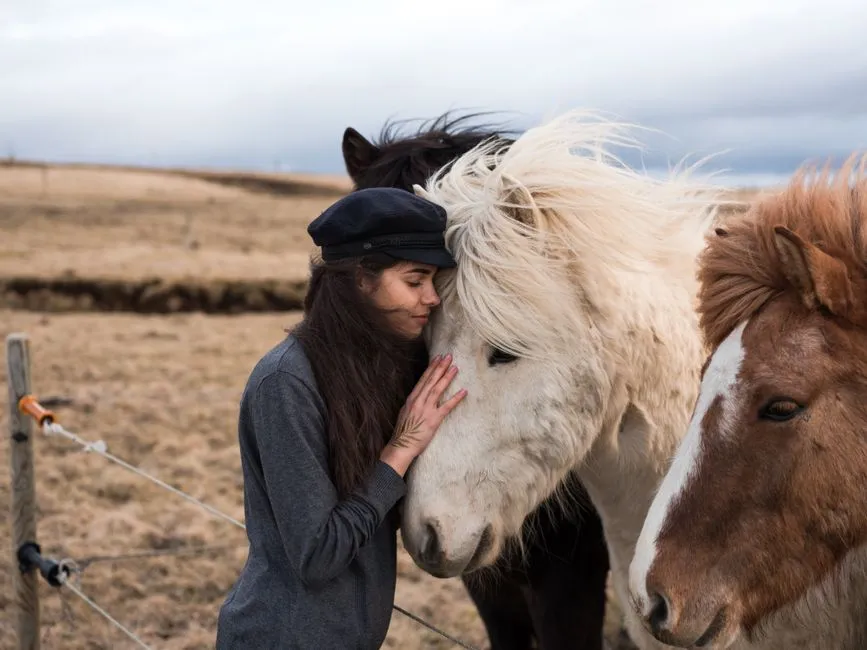
Seeing horses as emotional beings can be uncomfortable because it forces us to rethink how we use them. It becomes harder to justify harsh gadgets, rushed training, or lonely housing when you accept that the horse on the other end is capable of anxiety, loneliness, and genuine joy. In my opinion, this discomfort is a good sign; it means we are finally treating horses less like tools and more like sentient partners whose inner worlds deserve respect.
When you learn to read your horse’s emotional life, something quiet but radical shifts. You start celebrating not just the big wins in the arena, but the small, meaningful moments: the first deep sigh in a scary place, the day your horse walks away from the herd to stand next to you, the soft eye that tells you it feels safe in your hands. Those are not trivial details; they are the heart of the relationship. In the end, the real question isn’t whether horses feel deeply – it’s whether we’re willing to slow down, listen, and let their emotions change the way we show up for them. What might your horse be trying to tell you that you have not yet learned how to hear?
