
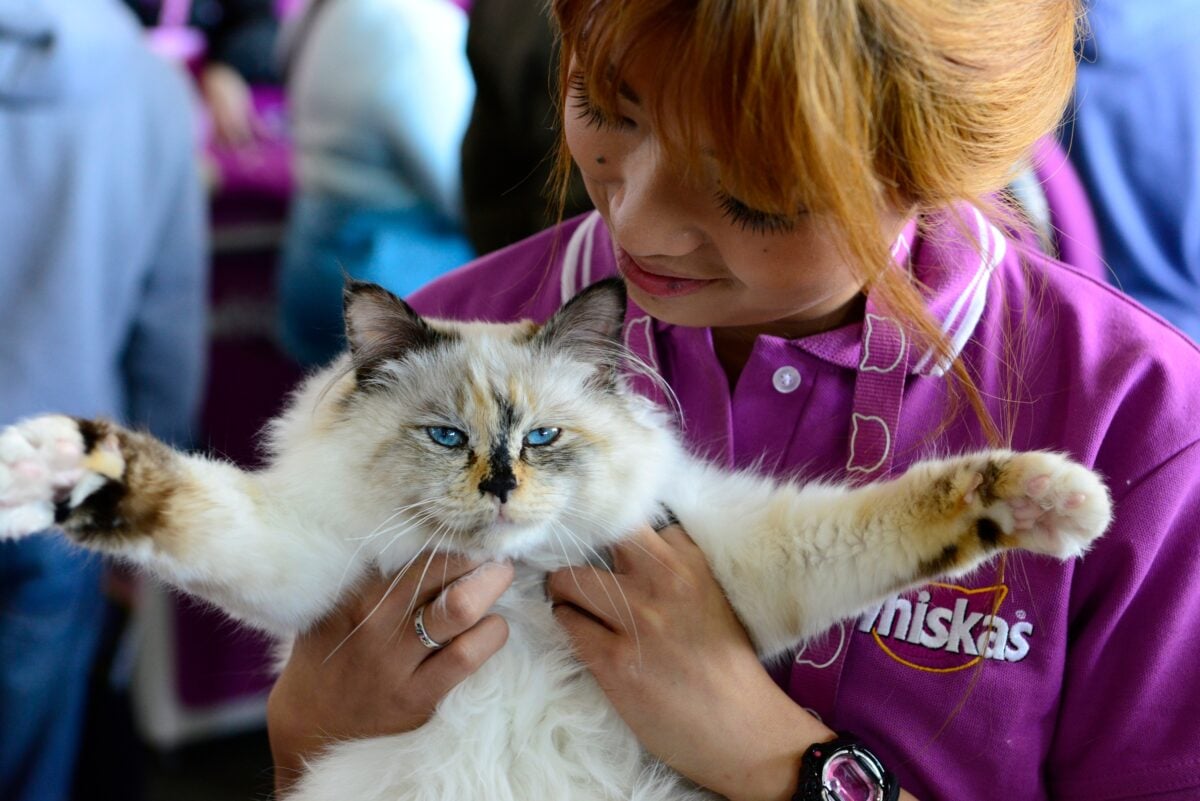
Cats have this disarming way of looking right through you, then half-closing their eyes as if they’re sharing a secret. Many people call it a “kitty kiss,” but animal science suggests there’s something deeper going on. That slow, dreamy blink is not just cute; it’s part of a surprisingly complex emotional and social language that evolved to keep cats safe, connected, and calm. If you have ever found yourself slow-blinking back, wondering whether your cat actually understands you, you are already stepping into that language. Modern research on feline behavior hints that this mutual blinking is doing much more than we used to think, from reducing stress to building trust in ways that go beyond simple affection. Once you see what is really happening behind those relaxed eyelids, every slow blink will feel a little more like a conversation and a little less like a mystery.
The Science Behind the Slow Blink: What Researchers Are Actually Seeing
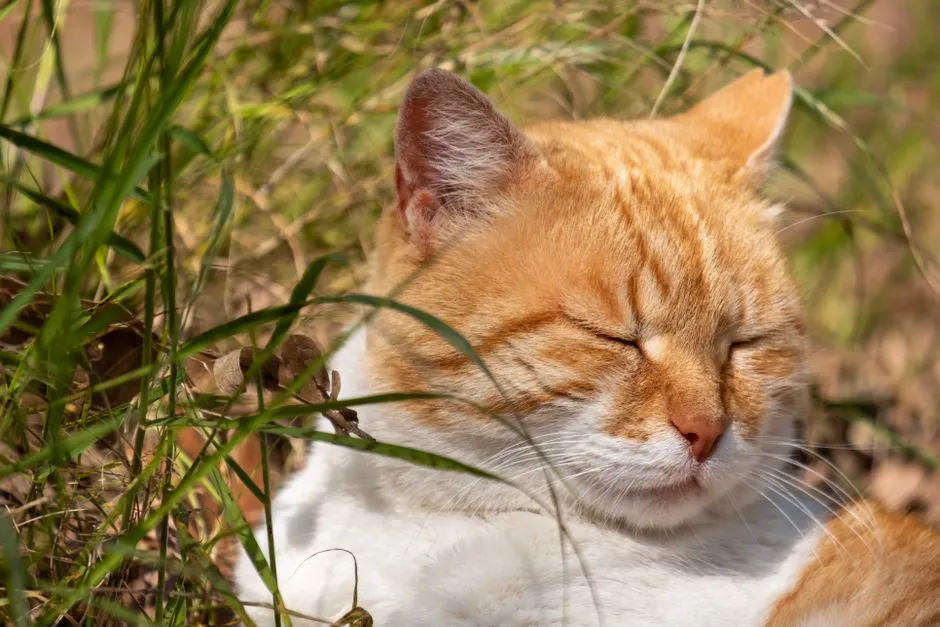
One of the most striking things about the slow blink is that it keeps showing up when cats feel relaxed and safe. Behavioral studies comparing cat facial expressions in different situations have found that the slow, soft eye closure tends to appear in low-stress, familiar environments rather than during alert or threatening moments. It is the exact opposite of the wide-eyed stare you see when a cat is startled, anxious, or ready to defend itself. Researchers have also started testing how cats respond when humans deliberately use slow blinking. In controlled experiments, cats approached people more often after those people used slow blink sequences, compared with neutral or direct staring faces. That suggests the slow blink is not just a random sleepy moment, but a social cue that cats can recognize, interpret, and respond to in a consistent way.
From Survival to Softness: Ancestral Roots of a Vulnerable Gesture
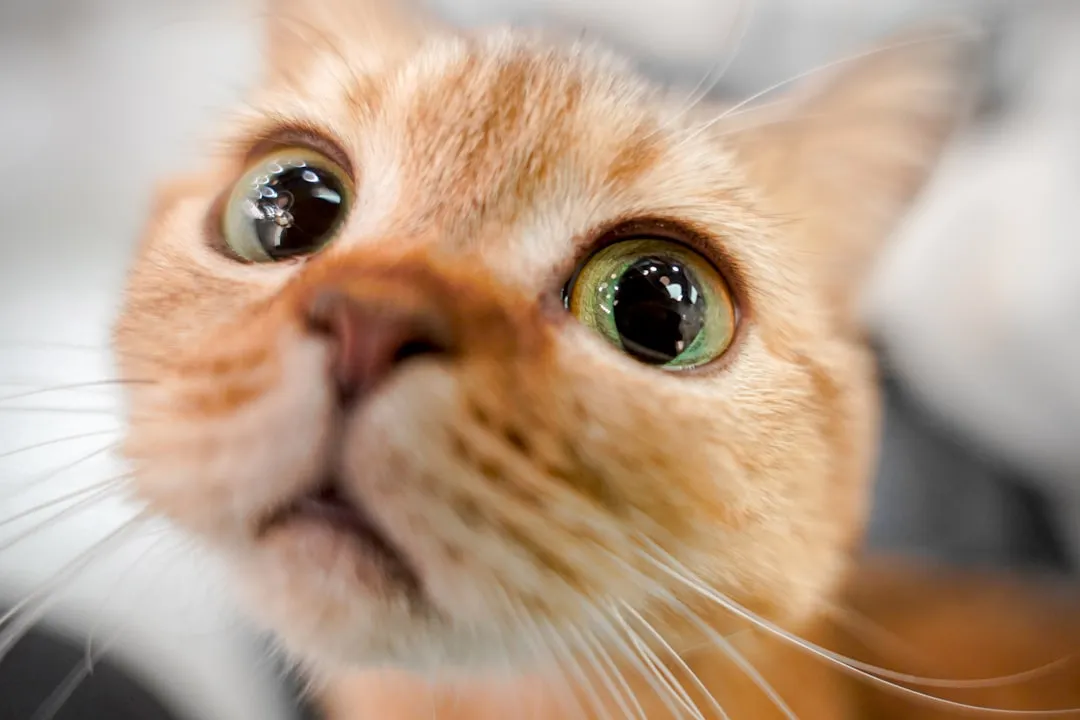
If you think about it in survival terms, closing your eyes in front of another animal is a bold move. For a small predator like a cat, even a brief eyelid droop is a moment of vulnerability. Out in the wild, you would not casually shut your eyes around something you see as a real threat, because that could be the difference between escaping or becoming prey yourself. That is why the slow blink is such a powerful signal: it basically broadcasts that the cat does not feel the need to stay on full alert around you. This is where affection and safety blend together. Over time, as cats moved from wild territories into our homes and social groups, some of their defensive signals softened into communication tools. The slow blink looks like sweetness, but it is rooted in an ancient calculation about risk. When your cat offers you that relaxed eye contact, it is quietly saying that, on some instinctive level, it trusts you enough to let its guard down.
Slow Blinking as a Social Bridge Between Cats and Humans
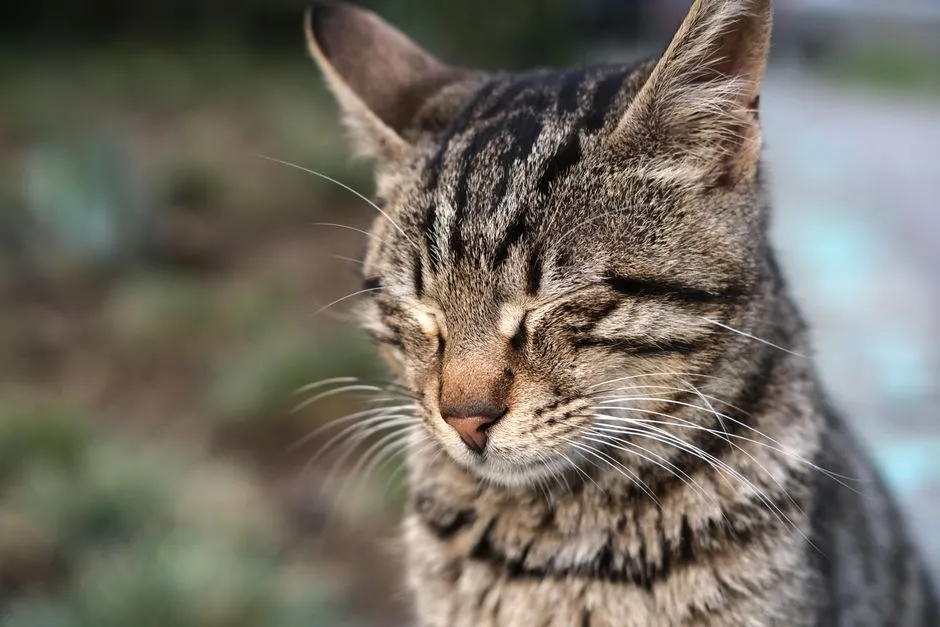
Cat behavior can often feel one-sided, like we are constantly guessing what they want while they maintain their mysterious aloofness. Slow blinking is one of the few signals that clearly travels in both directions. When you slowly narrow your eyes and gently blink at your cat, you are tapping into a communication style that they already use with other cats they consider non-threatening. You are speaking, in a rough way, a dialect they recognize. What is especially interesting is how quickly many cats seem to pick up on humans who slow blink. People who routinely use soft eye contact and slow blinks around cats often report that unfamiliar cats warm up faster, approach more confidently, or at least look less tense. It is not magic, and it will not instantly fix every skittish personality, but as a social bridge it is far more reliable than talking in baby voices or overloading them with touching before they are ready.
Stress, Safety, and the Nervous System: Why the Blink Feels So Calming
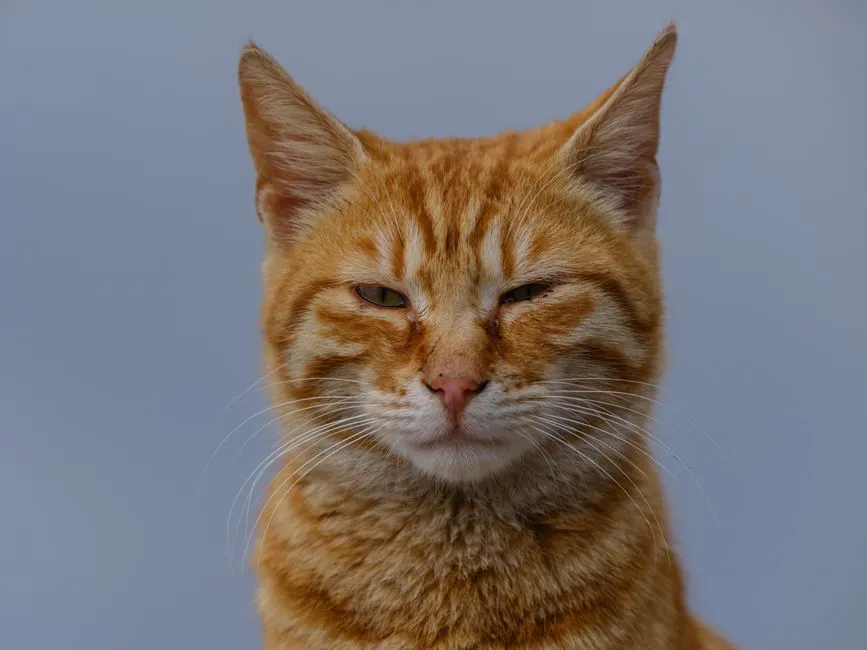
There is also a nervous-system angle to all of this that I find really compelling. Fear and hypervigilance show up in the body as wide eyes, quick scanning, and rigid muscles – signs that the cat’s system is leaning toward fight-or-flight mode. The slow blink, in contrast, goes along with looser facial muscles, relaxed whiskers, and a soft, unhurried posture, which are more consistent with a calmer physiological state. The body is not just acting relaxed; it is likely feeling safer at a deeper level. When you respond with your own slow blink, you are giving a non-verbal “you’re safe here” signal right back. Over time, this kind of repeated, gentle interaction can help shape how a cat feels about a particular space or person. Instead of associating you with unpredictable handling or loud movements, your cat starts pairing you with cues that say safety, predictability, and calm. In a world that can feel huge and chaotic to a small animal, that is more than affection – it is emotional regulation.
Beyond Affection: Power, Conflict, and the Choice Not to Stare
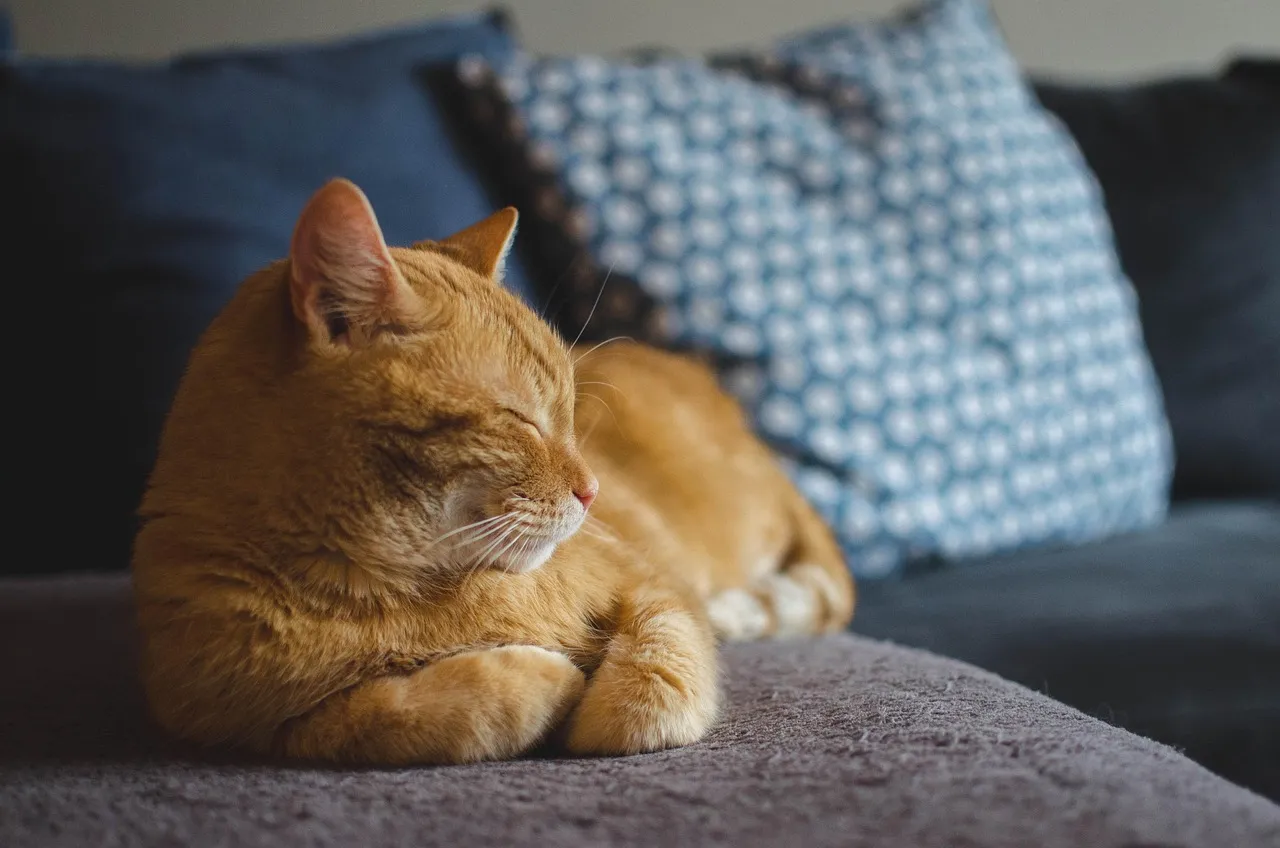
One thing people rarely talk about is that eye contact in many species is tied to dominance and conflict. A hard, unbroken stare between animals can be the opening move in a threat display, a way of saying “I see you, and I am not backing down.” Cats are no exception: a fixed stare can be part of tension between two cats, especially when they are deciding who should move, who owns the space, or who has first claim to a resource. The slow blink flips that script. Instead of locking into a stare, the cat softens its gaze, looks away slightly, and lets the lids fall. That can be read as an intentional choice to de-escalate, almost like saying “I am not here to challenge you.” When we mirror that behavior as humans, we are essentially refusing to engage in what could be read as a dominant, challenging stare. This is where the slow blink’s meaning stretches beyond simple “I love you” into something more like mutual disarmament.
How to “Talk Back” With Your Eyes Without Overdoing It
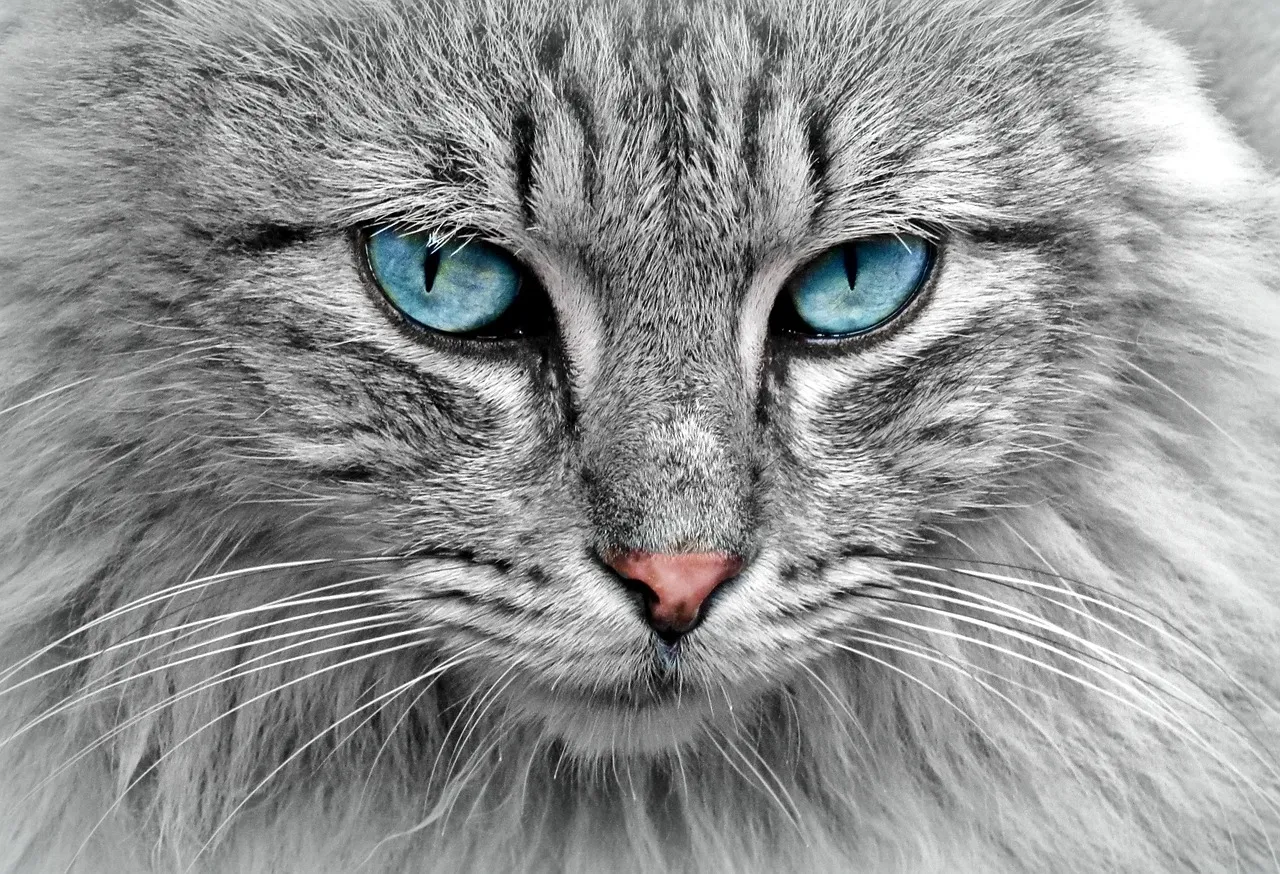
A lot of people ask whether they are doing it right when they try to slow blink at their cats, and honestly, the basics are simple. You can start by catching your cat’s gaze briefly, softening your face, then slowly closing your eyes for a second or two before opening them gently again. Think of it more as a lazy, unhurried eye rest than a sharp, fast blink. If your cat chooses to look away or walk off, that is fine; forcing a moment defeats the whole point of safety. What matters most is context and respect. Pair slow blinks with quiet environments, predictable routines, and handling that honors your cat’s boundaries. Just like with people, a single friendly gesture does not erase a dozen stressful experiences. But when slow blinking is part of a pattern of gentle, patient behavior, many cats eventually start returning the gesture, or at least stop reading your gaze as something to brace against.
Why Some Cats Blink Slowly and Others Just…Stare
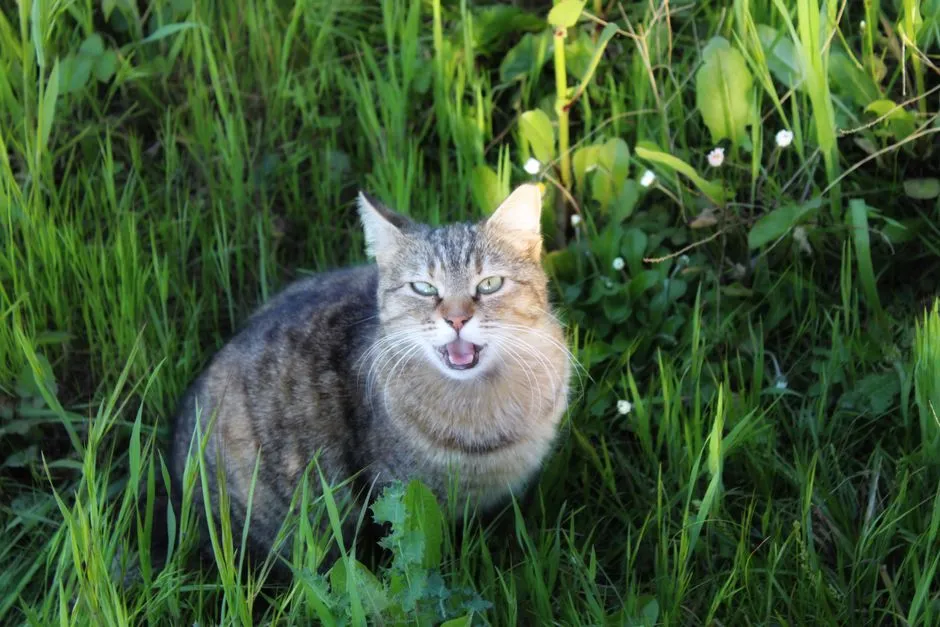
Of course, not every cat plays by the same social rules. Some are naturally more expressive with their faces and eyes, offering frequent slow blinks and soft looks to humans and other cats they know well. Others are more reserved, stoic, or anxious, and may rarely show obvious slow-blink behavior even if they are relatively comfortable in their environment. Personality, early socialization, and previous experiences with humans all shape how much a cat leans on this particular signal. It is also important not to overinterpret or pressure a cat that simply does not blink back on command. A cat who prefers to show safety through resting closer to you, choosing to sleep in your room, or calmly grooming in your presence is not less attached just because it is stingy with slow blinks. In my own experience, the most sensitive or previously stressed cats can take the longest to share those soft eye moments, but when they finally do, the message feels even louder: not just affection, but a hard-won, cautious trust.
What Slow Blinks Reveal About How Cats See Us
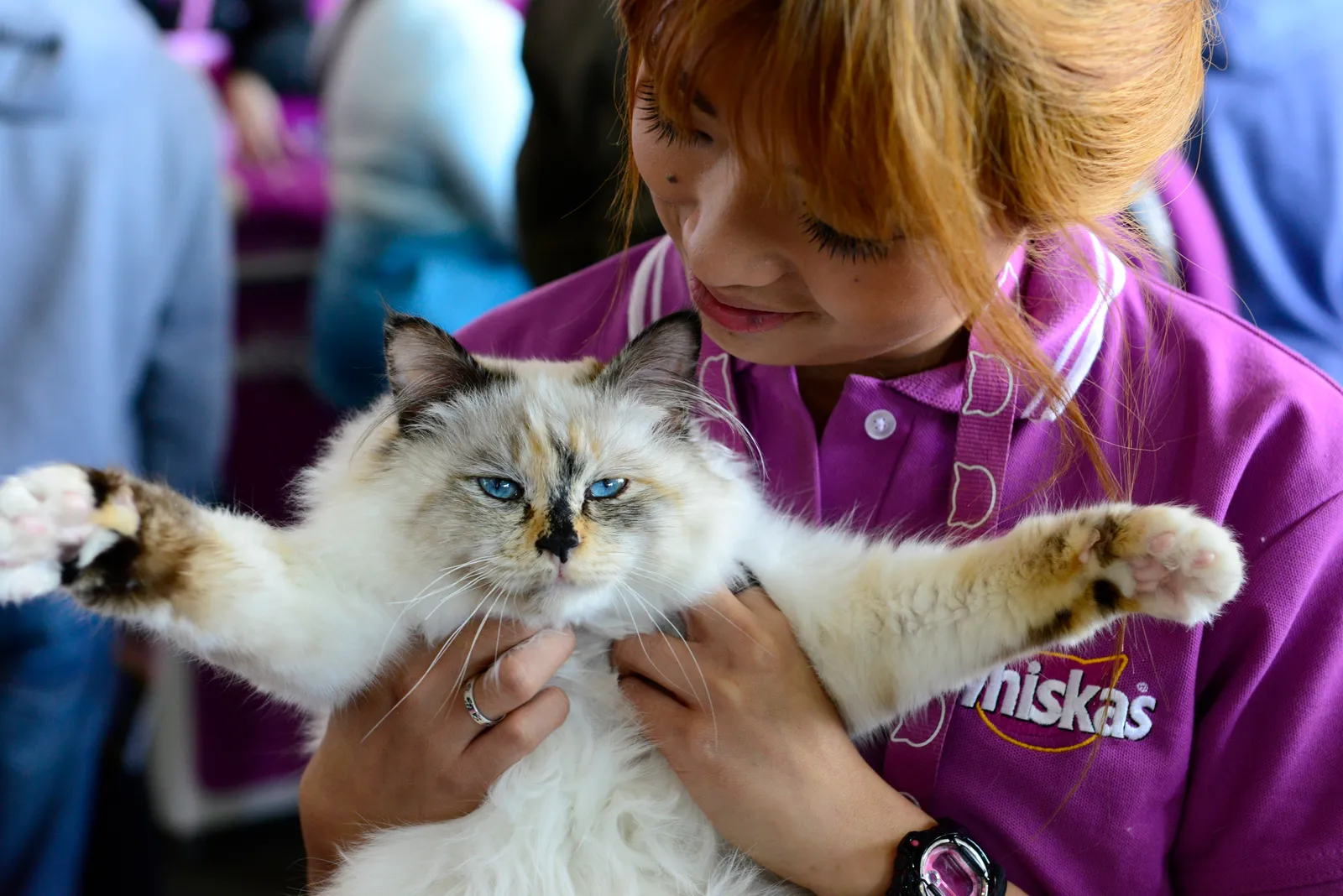
When you step back and look at the bigger picture, the slow blink tells a surprisingly humbling story about how cats have adapted to our world. They are taking an ancestral survival system, originally tuned to other animals, and using it to negotiate life with a completely different species. The fact that so many cats choose to relax their eyes around us suggests they do not just tolerate humans; in many households, they are actively weaving us into their own social maps. To me, that means the slow blink goes beyond affection into the realm of recognition. Your cat is not necessarily thinking in words, but its body is saying, “You are part of my safe zone.” That is a quiet, profound form of acceptance, rooted not in obedience or ownership, but in daily evidence that you are not a threat. In a world where we often expect unconditional devotion from pets, a single, hard-earned slow blink feels more honest – and, in a way, more precious – than any fantasy of constant, unquestioning love.
Conclusion: A Small Gesture With Big Emotional Gravity
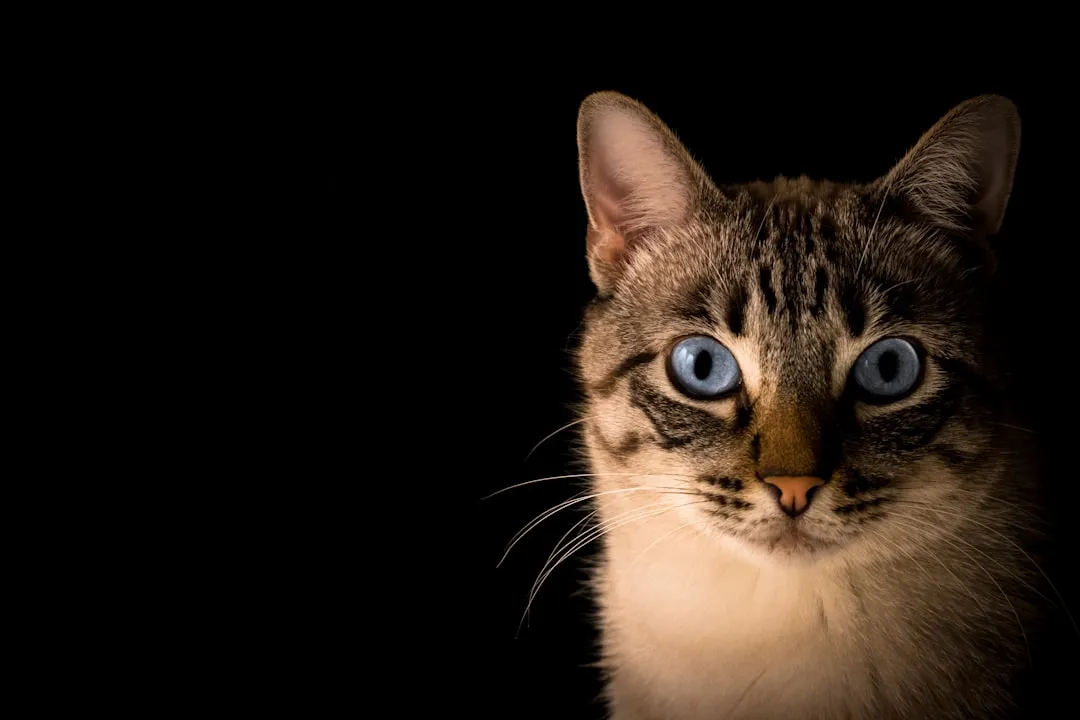
In the end, the slow blink is a tiny movement with a lot of emotional weight behind it. It emerges from survival instincts, nervous-system patterns, and social rules that cats did not invent for our sake, yet they let us into that quiet language anyway. Reducing it to a simple “cat kiss” sells it short; it is really a living signal that says, “Right now, in this moment, I feel safe enough with you to drop my guard.” That is not just affection – it is a verdict on the relationship you have built together. If anything, I think we should treat the slow blink less like a trick to trigger and more like a privilege to receive. You cannot force it, and you should not expect it on demand, but you can absolutely earn it through gentleness, patience, and respect. So the next time your cat half-closes those eyes and lets a slow blink drift your way, ask yourself: is there any compliment, in their language, that carries more meaning than that?

- 8 Reasons Cedar Waxwings Pass Berries From Beak to Beak - July 26, 2026
- 8 Backyard Trees That Owls Prefer After Sunset - July 26, 2026
- 9 Things Chickadees Remember About Reliable Backyard Feeders - July 26, 2026