

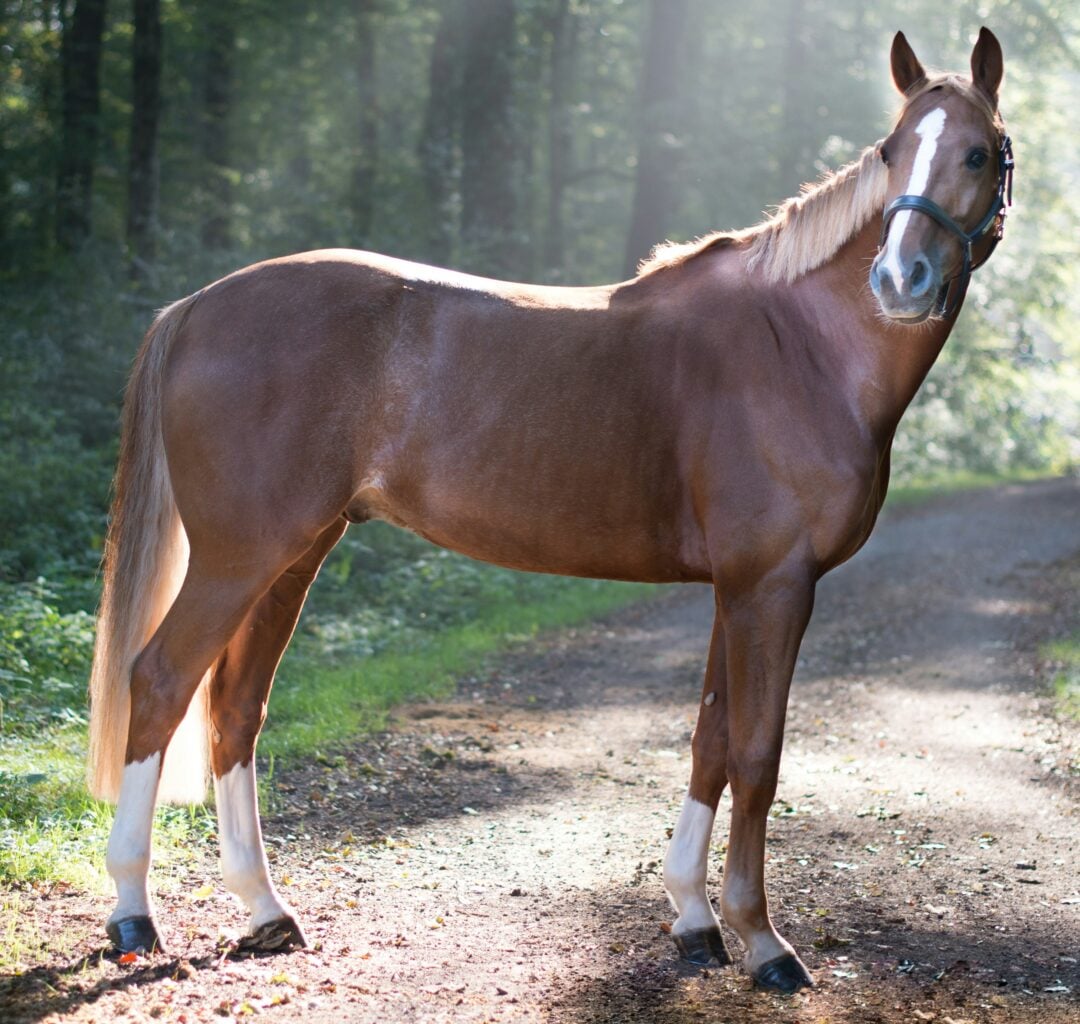
Most new horse owners think choosing a breed is about looks, price, or a gut feeling in the pasture. Vets know better. They’re the ones who get the call after the “perfect match” turns into a hospital bill, a shattered rider, or a horse suddenly branded “dangerous” for reacting exactly the way its breeding designed it to.
Some of the most photographed, most Instagram-adored breeds on the planet are the ones vets privately steer beginners away from, every single time. This isn’t a hit piece on any breed – it’s what actually happens when a horse built for speed, sensitivity, or upper-level sport gets handed to someone who’s never held a lead rope. Here’s the list vets wish more people saw before they signed the check.
#1 – Thoroughbred
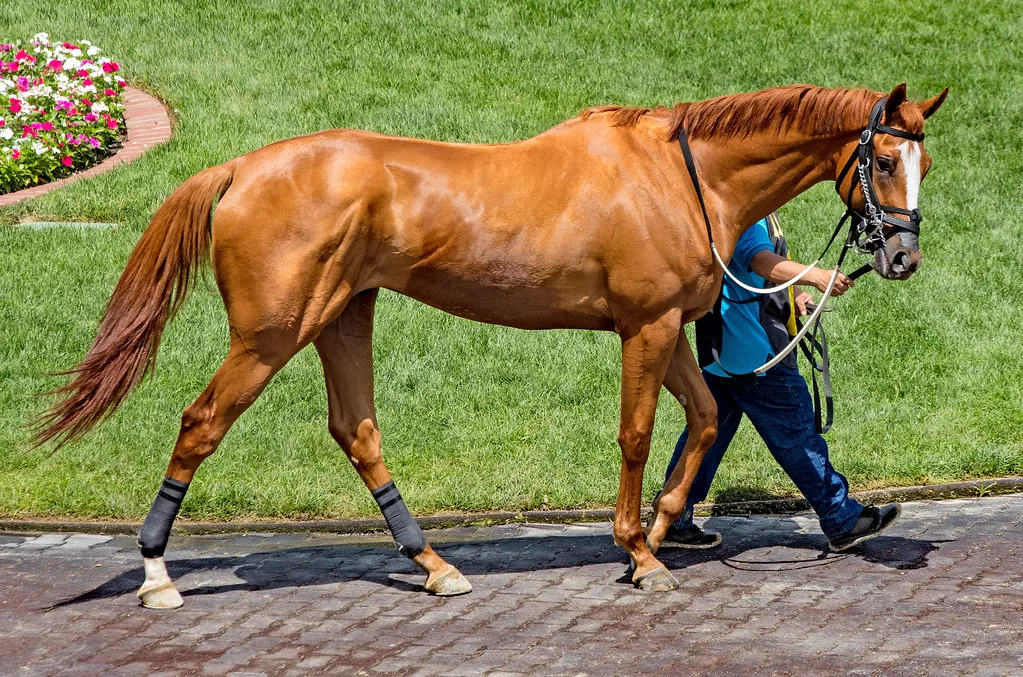
Thoroughbreds are the poster child for “seemed like a great deal on Facebook.” They’re fast, athletic, and ex-racehorses are often cheap or even free. But vets quietly warn that this is a high-octane sports car, not a first car for a nervous teen.
Many off-track Thoroughbreds come with old racing injuries, ulcers, and high anxiety that demands careful management, not casual weekend riding. Even the calm ones are bred to react fast and run – the opposite of what a shaky beginner needs. Joint support, careful shoeing, ulcer control, and a feeding program that won’t light them up like a firework are the norm, not the exception. Experienced riders love them. Novice owners get overwhelmed.
Fast Facts
- Most off-track Thoroughbreds (OTTBs) come off the track between ages 2 and 6
- Ulcers are extremely common in horses coming straight out of active race training
- Restarting a former racehorse for a new discipline often takes 6 to 12 months with a skilled trainer
- Many OTTBs need real turnout and decompression time before any new job begins
#2 – Arabian
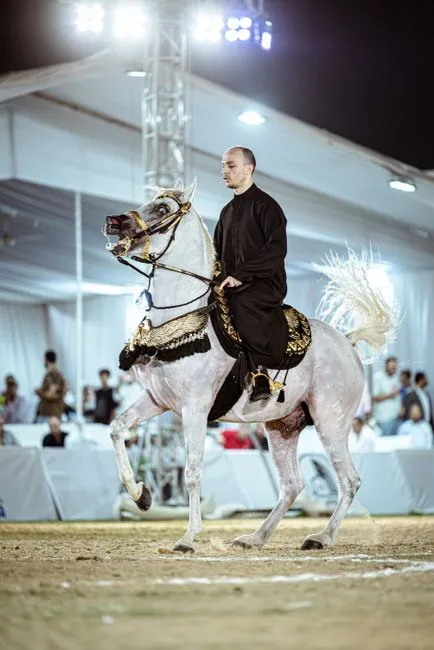
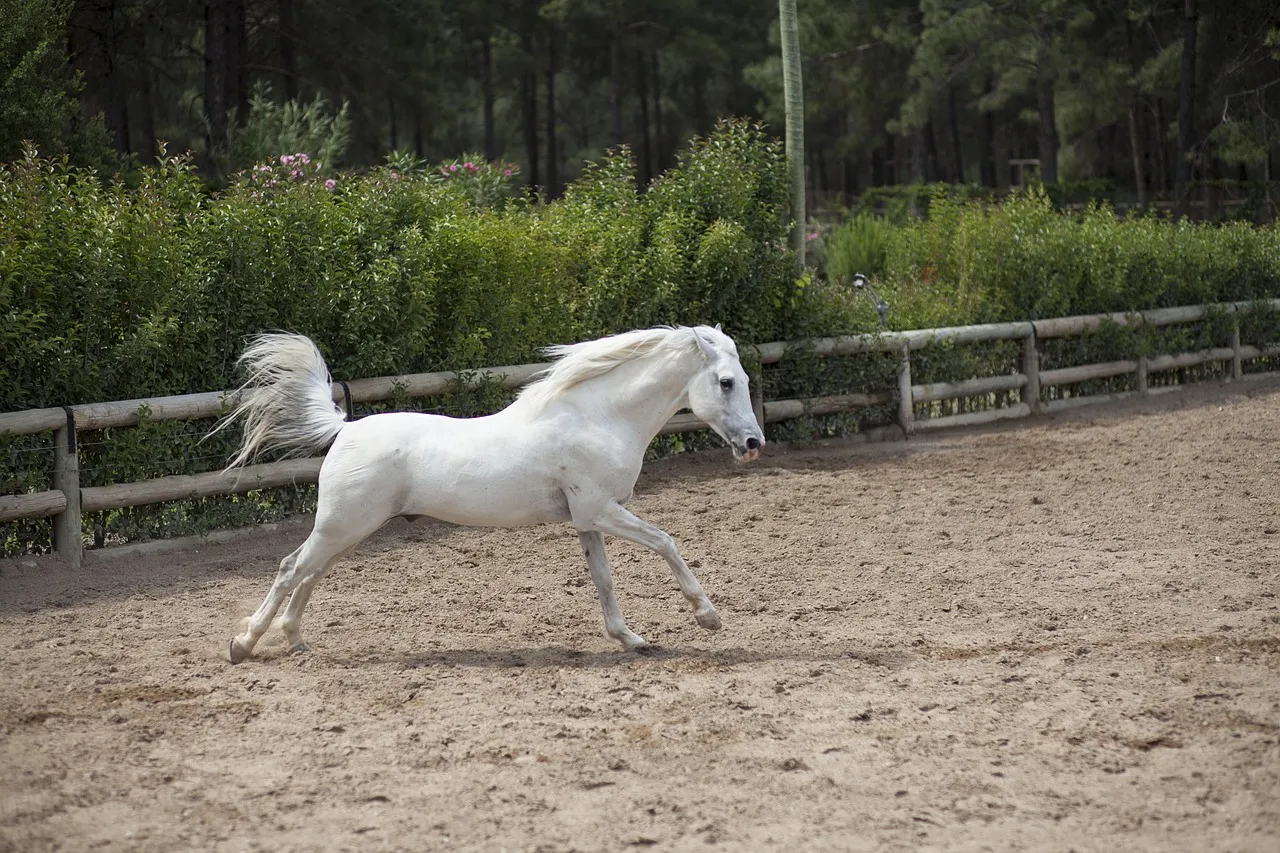
Arabians have a cult following, but vets know they’re not a safe default for first-timers. Bred for endurance and sensitivity, they’re often extremely intelligent, alert, and reactive – which sounds romantic until a plastic bag blows across the arena and your “desert dream” spins out from under you.
Their sharp minds punish inconsistent handling fast, learning your bad habits as quickly as your good ones. Vets see a recurring pattern: a green owner buys a dainty Arabian because it looks “less scary” than a big draft, assuming smaller means safer. In reality, a wound-up, under-worked Arabian can become a spook-and-spin machine, leading to falls, lost confidence, and vet bills from entirely avoidable accidents.
#3 – American Saddlebred
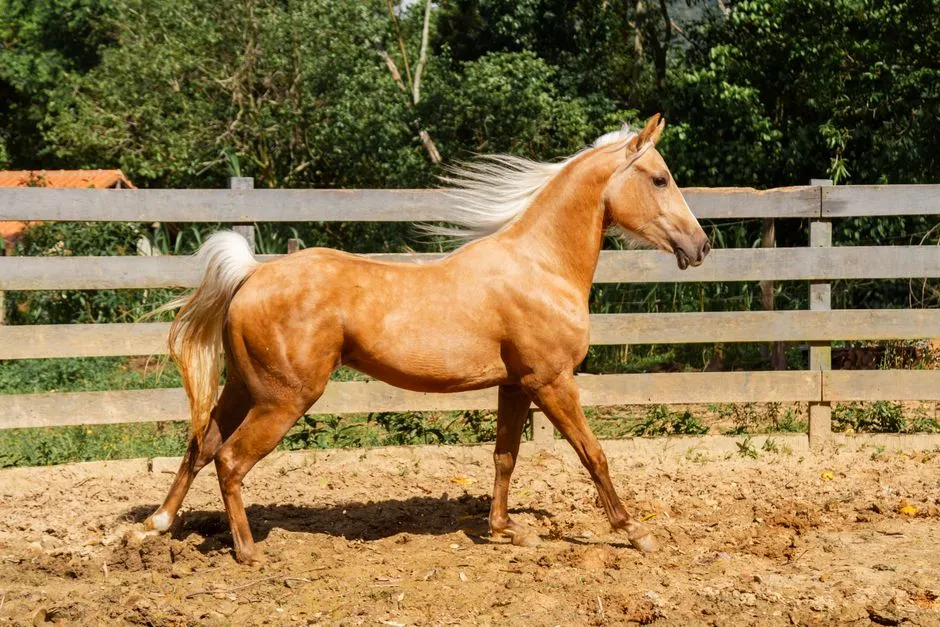
American Saddlebreds look like parade horses for royalty, and that’s exactly the problem. They’re bred to be animated, expressive, and “up.” Vets see them for back soreness and hoof issues tied to specialized show shoeing, then watch those same horses get sold as “family safe” once they age out of the ring.
That older Saddlebred sounds like a bargain on paper. In reality, you may be buying years of high-intensity training and baggage that confuses a novice rider. Many are sweet by nature, but their show-bred gaits can feel like sitting on a spring, and tiny mistakes feel huge to a horse that sensitive. Fans insist they’re underrated trail horses – vets just caution that the transition rarely goes as smoothly as the ad implies.
#4 – Standardbred (Ex-Harness Racers)
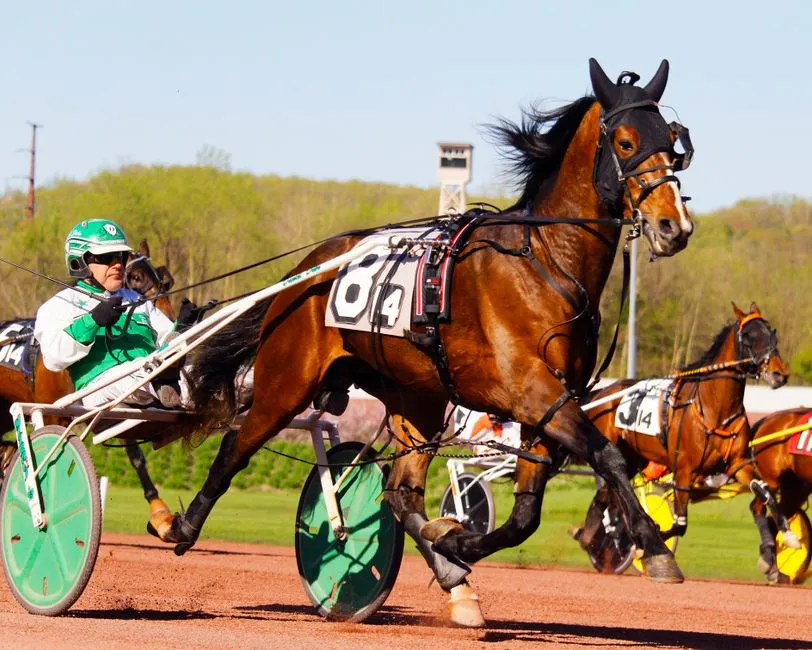
Standardbreds are often advertised as “bombproof bargains,” especially ex-harness racers who no longer compete. Vets see a different side: old racing wear and tear, tendon issues, and awkward transitions into saddle work. These horses are trained to pull, not carry, and to move in specific gaits at speed. Re-training them for balanced, relaxed riding can be a multi-year project, not a quick flip.
The big trap is the word “quiet.” Many Standardbreds do seem calm in hand – but add a saddle, new aids, and a nervous rider, and you’re piling confusion on top of chronic stiffness. Kissing spines, hock arthritis, and hoof problems aren’t rare in this group. For a well-supported experienced rider, they can be a fantastic project. For someone hoping for a turnkey trail buddy, vets quietly suggest looking elsewhere.
#5 – Friesian
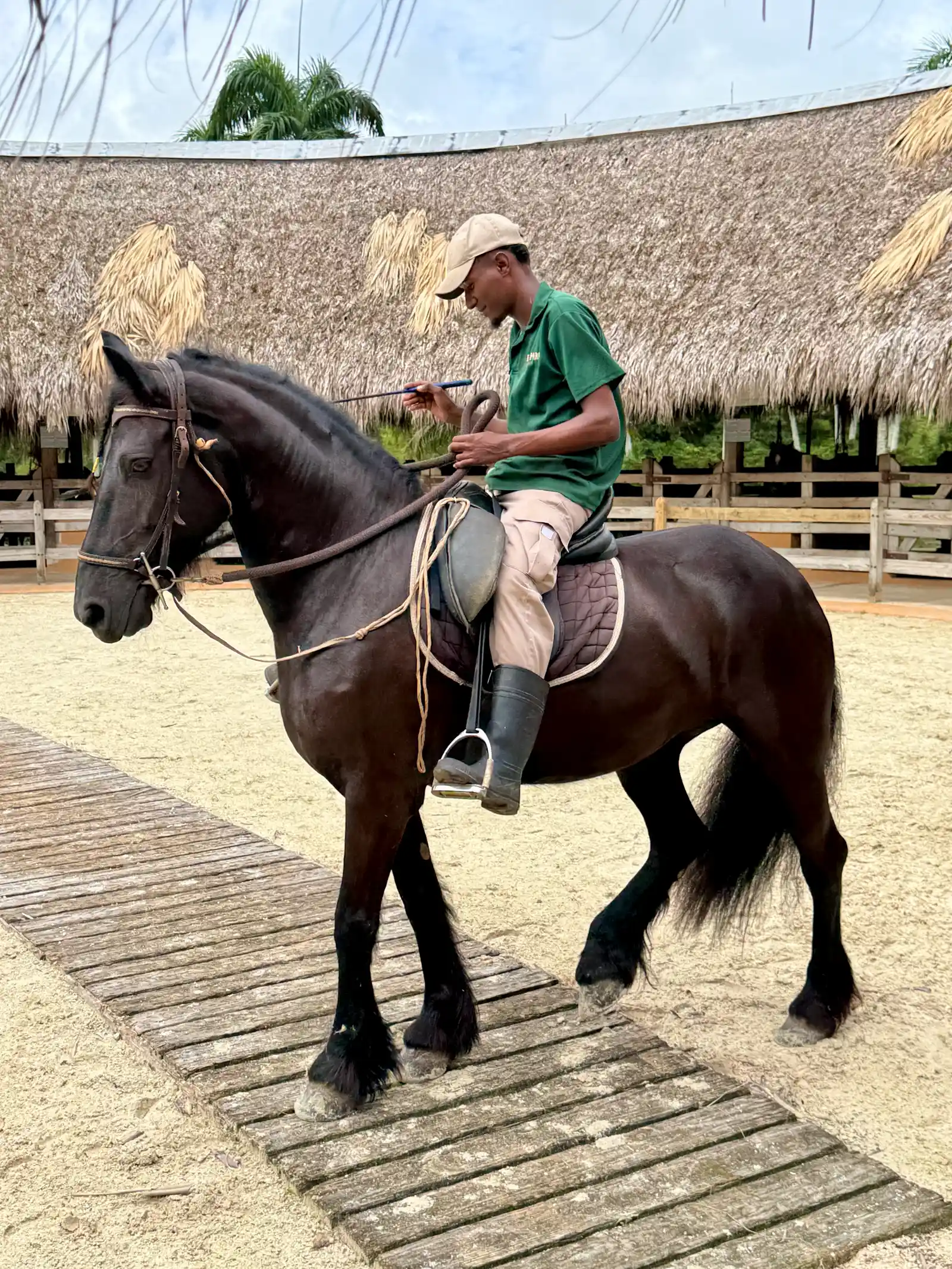
Friesians dominate social media feeds – glossy black coats, flowing manes, fairy-tale vibes. What those posts leave out is how structurally and medically demanding this breed can be. Vets point to higher-than-average risk of megaesophagus, aortic rupture, and certain neurological problems, plus chronic feather mites and skin infections under all that hair.
Their big, lofty movement feels dramatic but can be bone-jarring for beginners with weak cores and shaky seats. They’re often later-maturing, so heavy riding too early stresses joints and backs. It’s not that Friesians are bad – they’re a premium-care breed, better suited to experienced handlers who know exactly what they’re signing up for.
#6 – Akhal-Teke
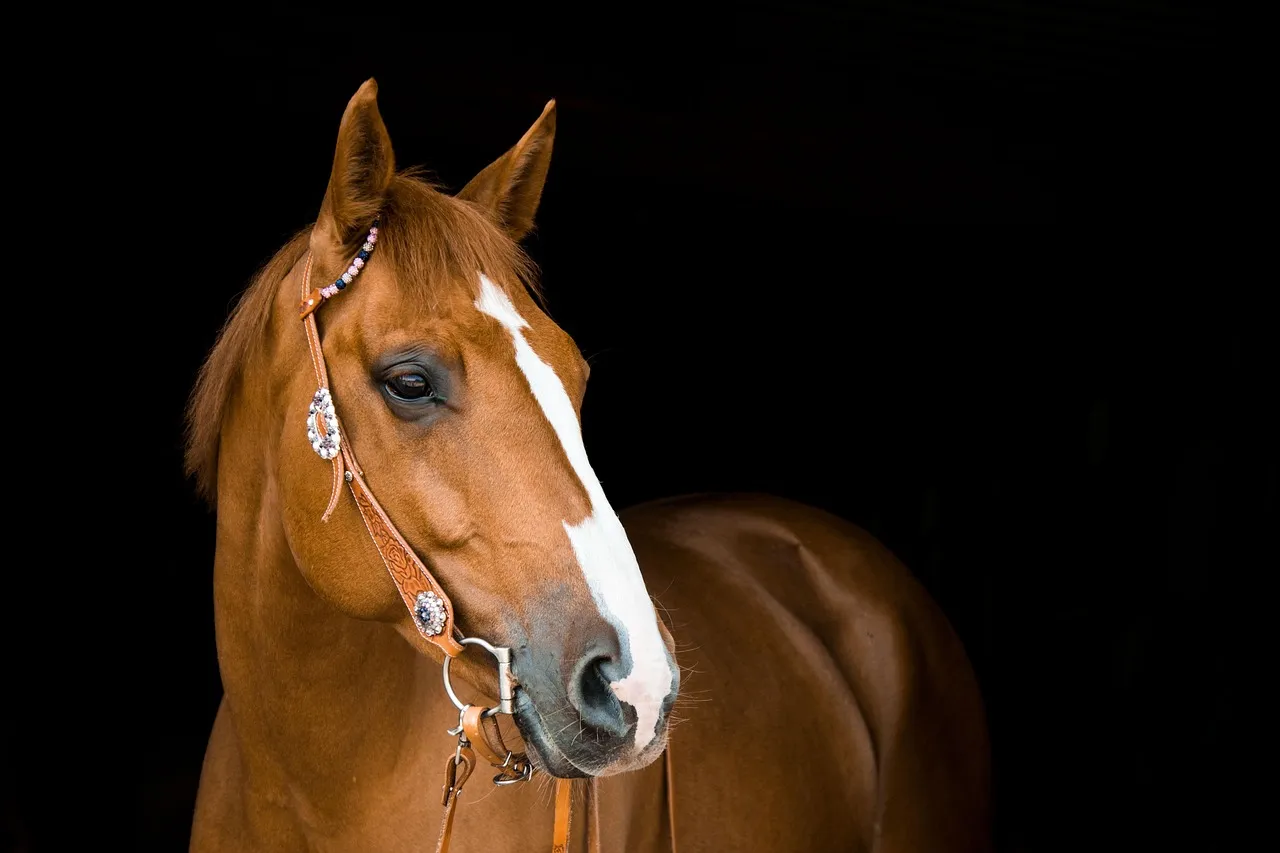
The Akhal-Teke is the ultra-exotic “golden” breed that turns heads everywhere. That uniqueness is exactly why vets advise new owners to think twice. These horses are typically extremely sensitive, lean, and high-endurance, closer in temperament to a razor-sharp sport horse than a chill backyard mount.
Their thin skin and fine coats make them prone to rubs and saddle fit issues, and because they’re rare, you can’t just find a local trainer who’s dealt with the breed before. Behavior issues or pain reactions can escalate fast when nobody nearby understands the quirks. For a serious rider with a strong team, they’re fascinating. For a first-time buyer working off a glossy internet photo, it’s a recipe for mutual frustration.
#7 – Marwari and Kathiawari (Curly-Eared Exotics)
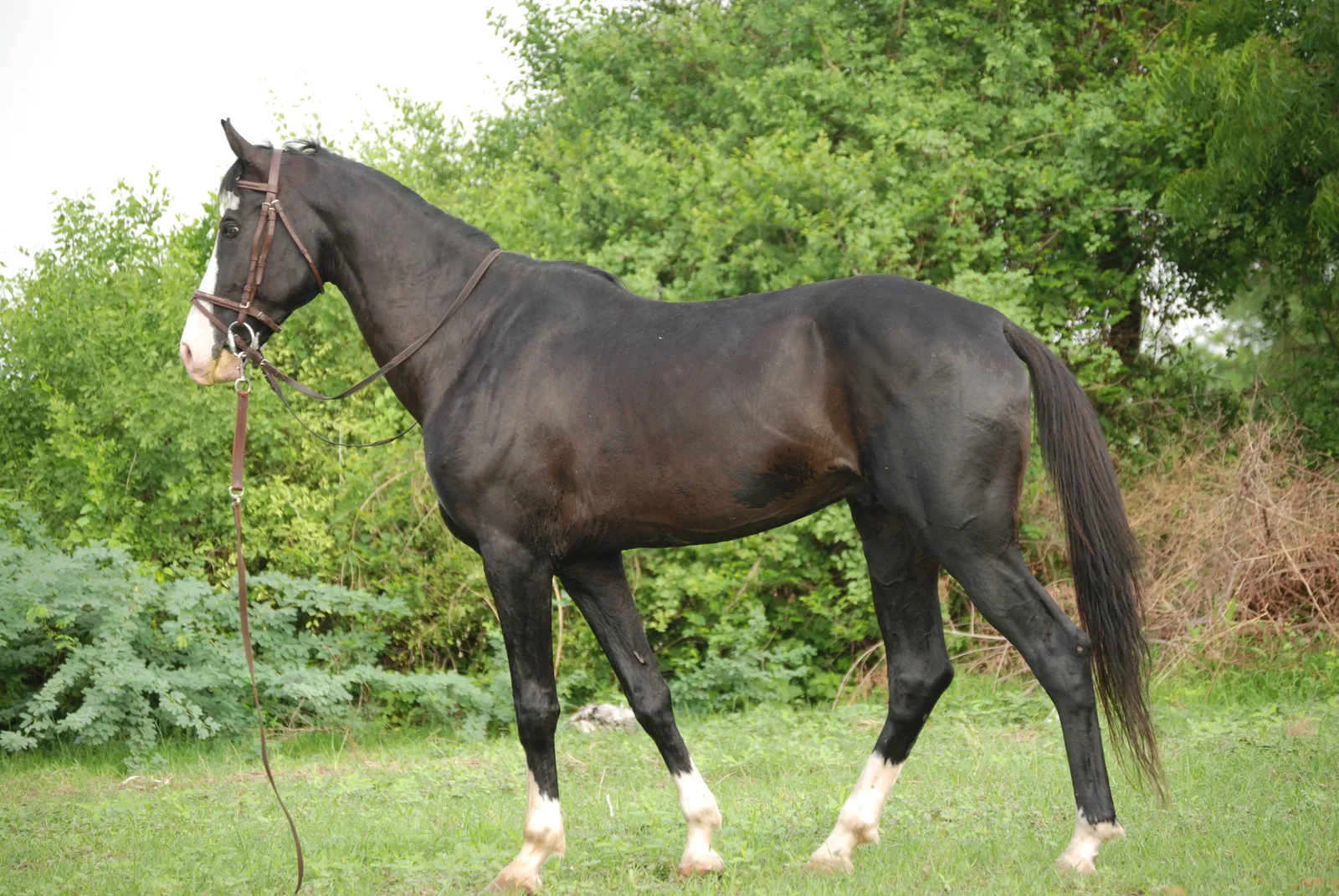
The Marwari and Kathiawari – famous for their inward-curving ears – are trending as “bucket list” horses. Equine vets see the potential for culture shock on four legs. These breeds evolved around India’s specific climate, management, and feed. Dropped into a completely different environment, they can struggle with diet changes, hoof issues, and skin problems nobody warned the new owner about.
Their temperament tends to be forward and alert, with a strong flight instinct. Combine that with rarity – meaning fewer vets and farriers with hands-on experience – and you get a horse quickly labeled “difficult” when the real problem is mismanagement. They’re captivating, but vets firmly file them under “experienced owners only.”
#8 – Warmbloods Bred for High-Level Sport
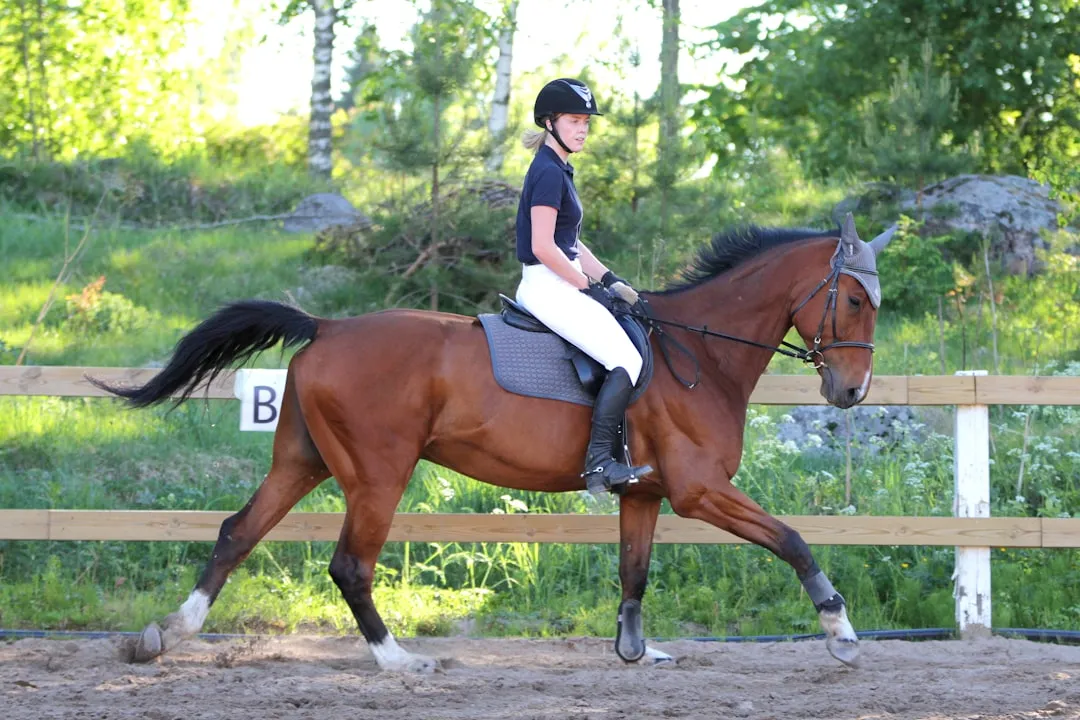
European warmbloods scream status: dressage rings, jumping arenas, six-figure price tags. But not every warmblood is a gentle giant. Lines bred for upper-level competition are often massive, powerful, and mentally sharp, with gaits that are huge and expressive. Vets routinely treat sport warmbloods for suspensory injuries, hock and stifle issues, and back pain – problems that need proactive management, not “call the vet when he limps” care.
A common mistake: a beginner buys a 17-hand “show horse” coming down from FEI levels, assuming an older competitor will be easier. In reality, you now own a horse trained for precision who gets frustrated by wobbly aids. That tension shows up as spooks, bolt-like leaps, or worse under pressure. With professional support, warmbloods are brilliant. Without it, they can terrify new riders and drain bank accounts fast.
#9 – Andalusian and Lusitano (Untested Baroque Types)
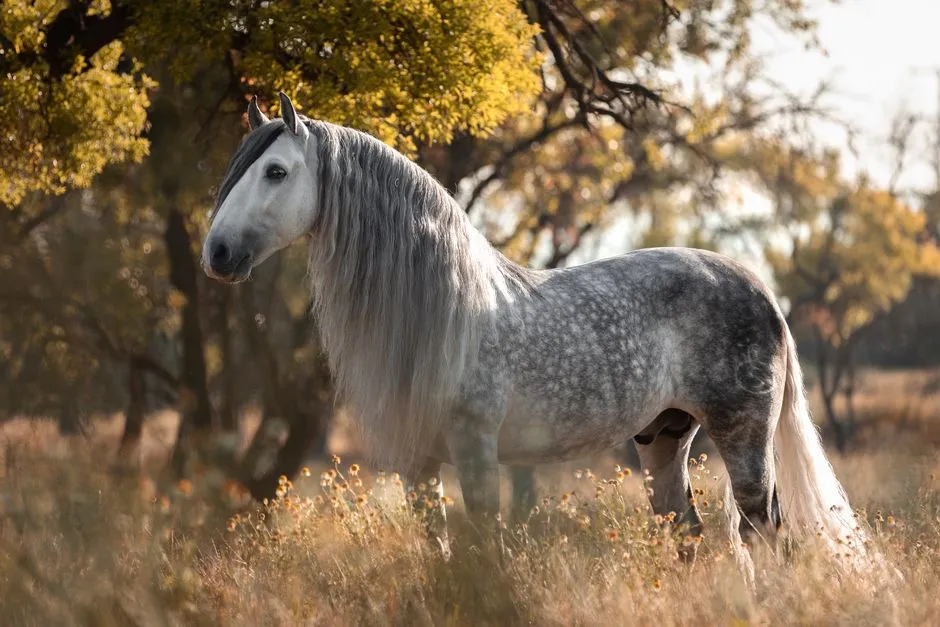
Andalusians and Lusitanos look like movie war horses for a reason – and that’s precisely why they’re risky for novices. Bred for bullfighting, classical dressage, and quick, collected maneuvering, they’re sharp, agile, and intensely responsive. Trainers note how fast these breeds pick up on rider tension; a nervous beginner can accidentally teach them to anticipate and overreact.
Health-wise, their compact frames and powerful hindquarters can be prone to hock, stifle, and neck issues when training or management is off. Vets also see a disproportionate number of poorly bred “backyard” Andalusians sold under a fancy label, with conformational issues to match. Well-bred, well-trained Iberians are incredible – but they belong with confident riders who already have good balance and timing.
#10 – Fjord (When Bought Just for “Cute”)
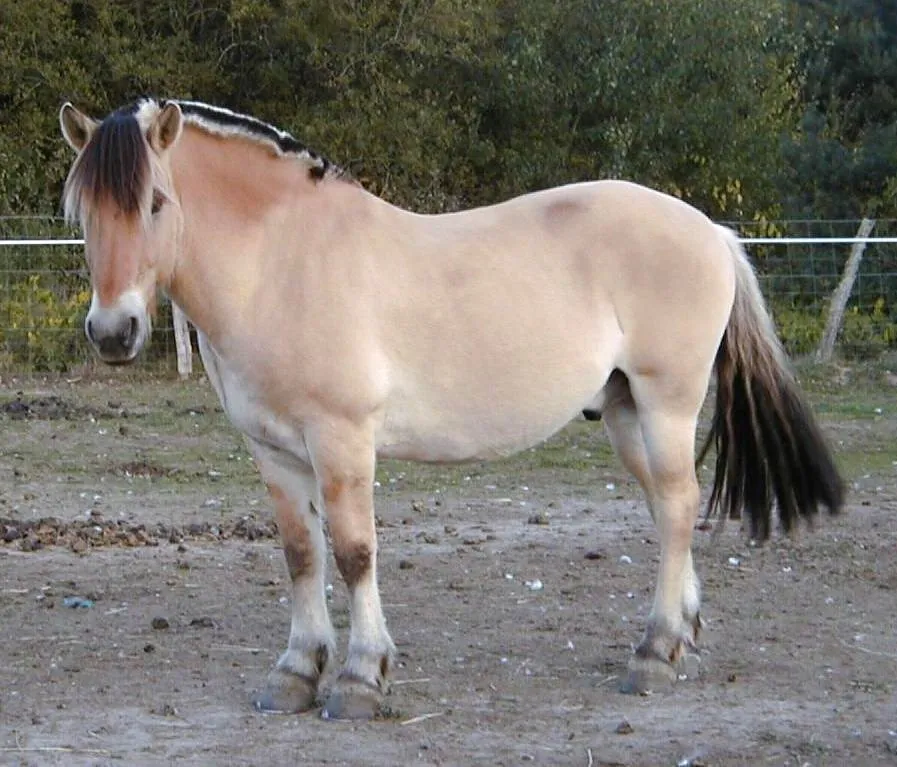
Norwegian Fjords look like big plush toys with mohawks, which is exactly how first-time owners get in trouble. That adorable look hides a strong-willed, draft-like brain in a compact body. Farriers often describe Fjords as “too clever by half” – they test boundaries constantly and learn fast if you’re inconsistent, which is where most beginner ground injuries happen.
They’re also extremely easy keepers. Left unmanaged, obesity and laminitis become real risks, and many new owners can’t bring themselves to restrict grass to a horse that “looks hungry.” Their broad backs make saddle fitting tricky too. In the hands of a firm, fair handler, Fjords are fantastic small tanks. In the hands of a conflict-avoidant first-timer, they quietly train the human instead.
#11 – Draft Crosses Sold as “Bombproof”
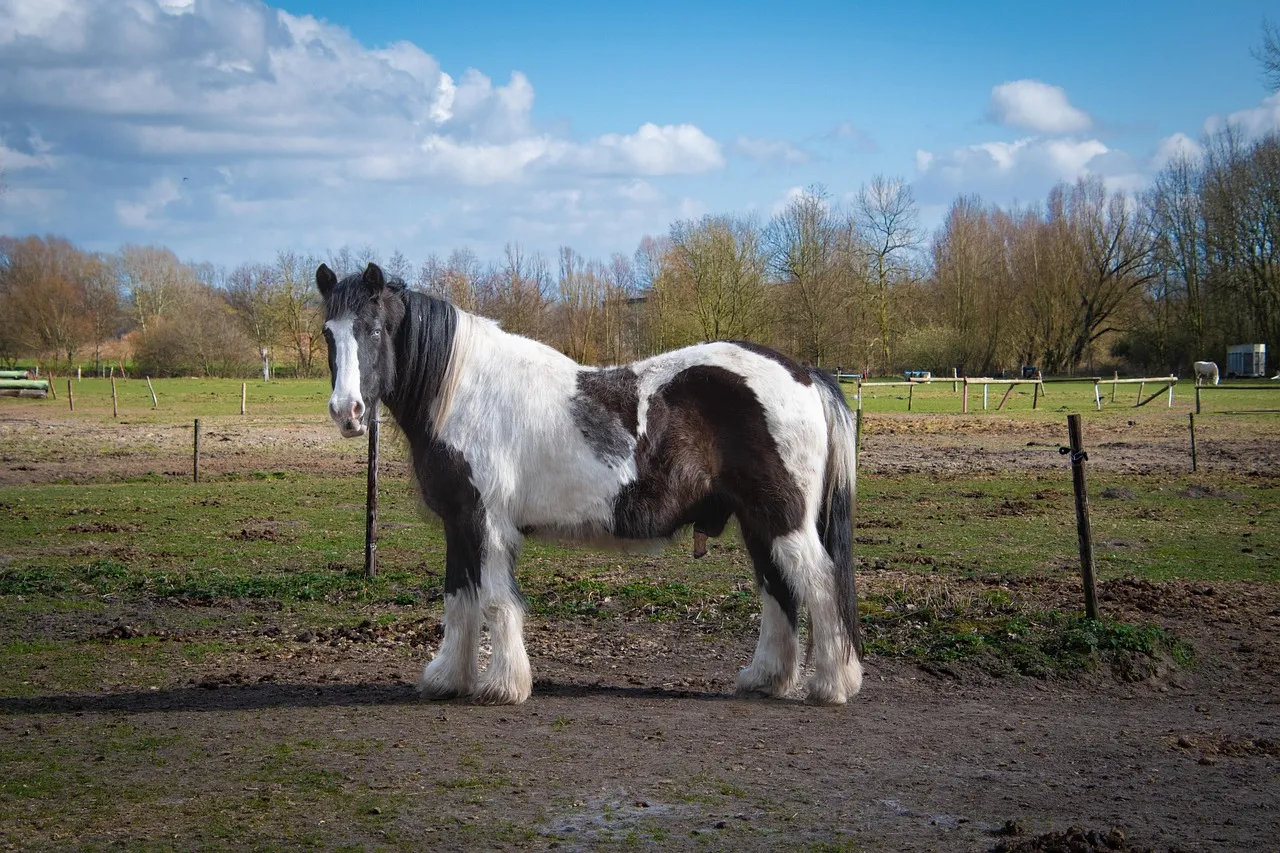
Draft crosses are everywhere in online ads: “safe,” “husband horse,” “anyone can ride.” Vets roll their eyes at that claim more than almost anything else. Many were bred for power and pulling, not subtlety under saddle. Cross that with a hotter breed like a Thoroughbred, and you can get a big, strong, forward horse with more engine than brakes – a tough combination for a nervous newbie.
Their size alone means joint, hoof, and soft-tissue issues get more complex and more expensive to manage. Farrier visits cost more. Tack has to be special-ordered. And if things do go wrong, a 1,400-pound horse that decides not to cooperate is far more dangerous than a 950-pound pony. Good draft crosses exist – but the “gentle giant” label is wildly overused.
Quick Compare
- The ad says “bombproof” – the vet sees a horse built for power, not patience with a beginner’s mistakes
- The ad says “gentle giant” – the vet sees a 1,400-pound animal where every misstep costs more
- The ad says “easy keeper” – the vet sees bigger joints, bigger hooves, and bigger bills as the horse ages
#12 – Paso Fino and Other Hot Gaited Breeds
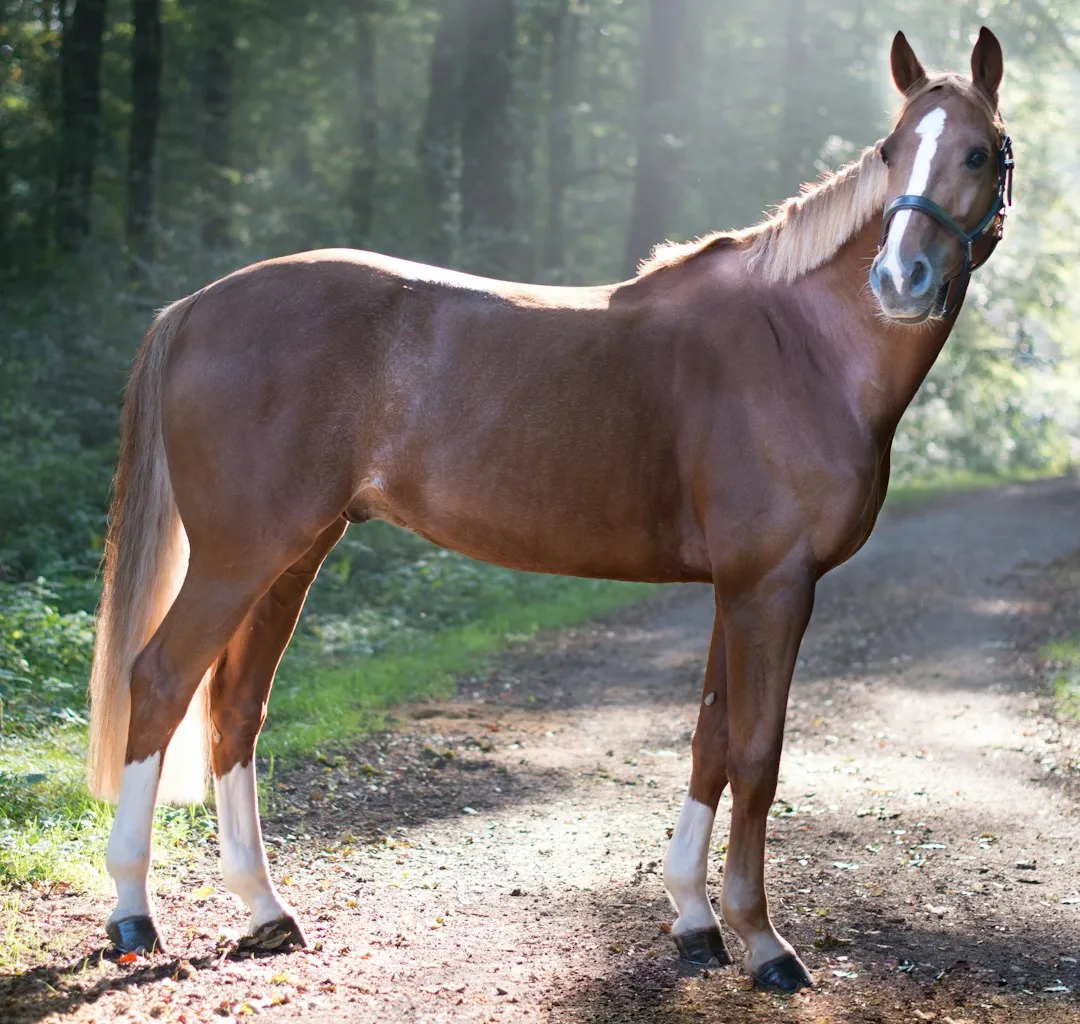
Gaited horses have a loyal following, and vets agree age, training, and individual temperament matter more than breed alone. Still, certain lines of Paso Finos and other hot gaited types are known for being extremely forward, sensitive, and high-energy. New owners often underestimate how much mental stimulation and consistent riding these horses need to stay reasonable.
Learning to ride a smooth, fast intermediate gait correctly isn’t intuitive either. Beginners with unsteady hands often hang on the bit, accidentally amping the horse up and creating a vicious cycle of tension and speed. Add in the sometimes controversial training or shoeing methods in their show world, and you can inherit physical and behavioral baggage you’re not equipped to handle. Vets frequently suggest first-timers start with a steady, plain-gaited type instead.
#13 – Appaloosa (When Temperament Is Ignored)
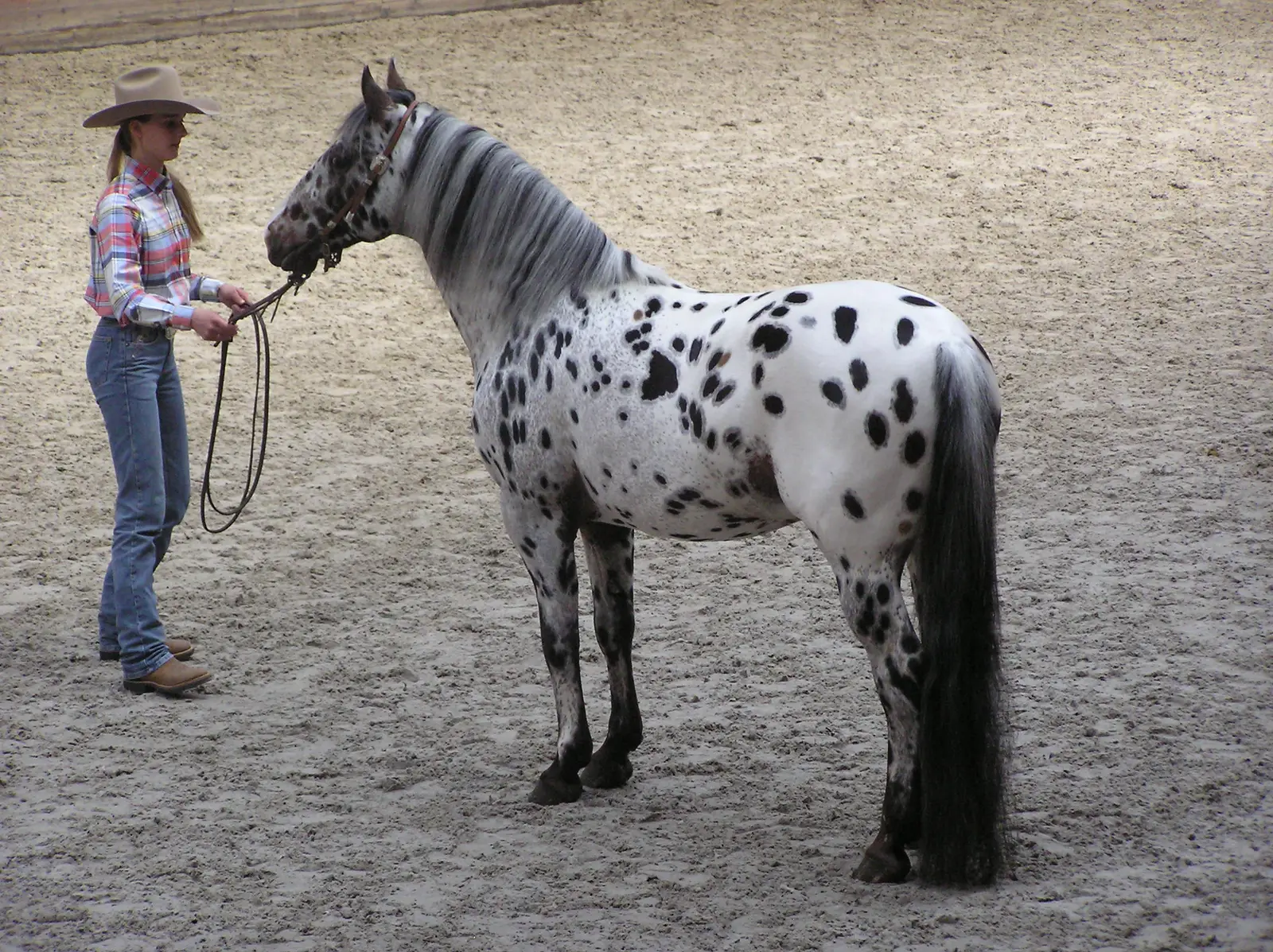
Appaloosas are polarizing. Some riders swear they’re the best all-around partners; others won’t touch them. Vets raise two big red flags. First, certain Appaloosas are prone to recurrent uveitis and sunburn on pink skin around the eyes and nose – meaning lifelong eye care most casual owners never budget for.
Second, temperament variability is huge. Because Appaloosas have been bred for everything from ranch work to show rings, their brains can range from sleepy saint to sharp and stubborn. New owners often buy for the spotted coat and ignore everything else. A strong-minded App that’s been allowed to walk all over humans will absolutely steamroll a timid beginner, especially on the ground.
#14 – Pony of the Wrong Type (Especially Welsh and “Mystery” Ponies)
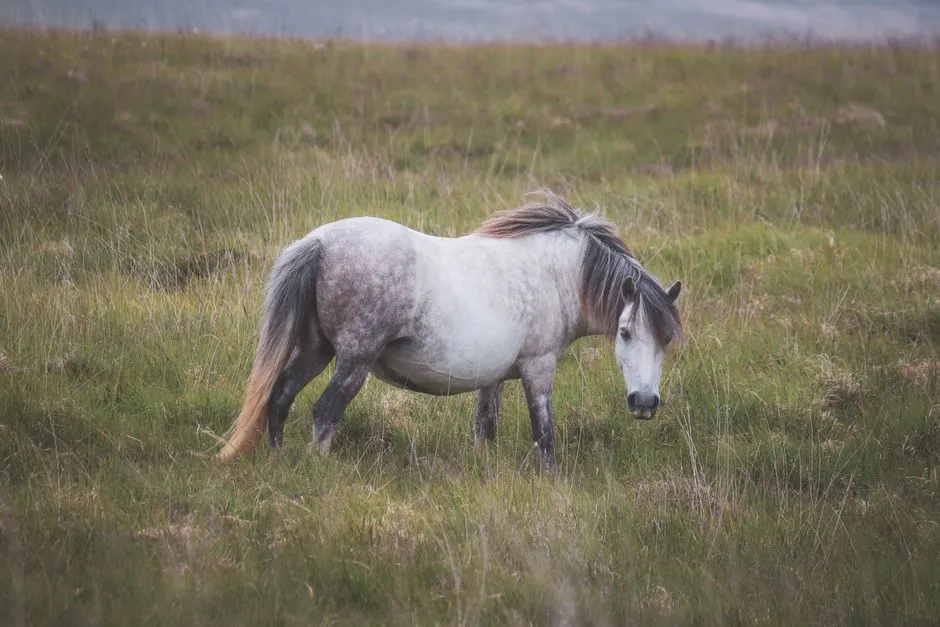
Here’s a controversial one: many vets believe the wrong pony is more dangerous to kids than a full-size horse. Welsh ponies and other hot, athletic types are often wickedly smart, quick, and opinionated. With a good young rider and firm adult supervision, they’re fantastic. Left in a backyard with no real structure, they turn into tiny tyrants that bite, bolt, or dump kids for fun.
“Grade” or mystery ponies bought at auction can be even riskier. Vets see a heartbreaking pattern: sweet-looking ponies with unknown histories, dental issues, or chronic pain, suddenly branded “mean” once they react under saddle. Tack rarely fits, hooves are often neglected, and any behavior problem gets blamed on “pony attitude” instead of the real cause.
#15 – Young Horse of Any Breed
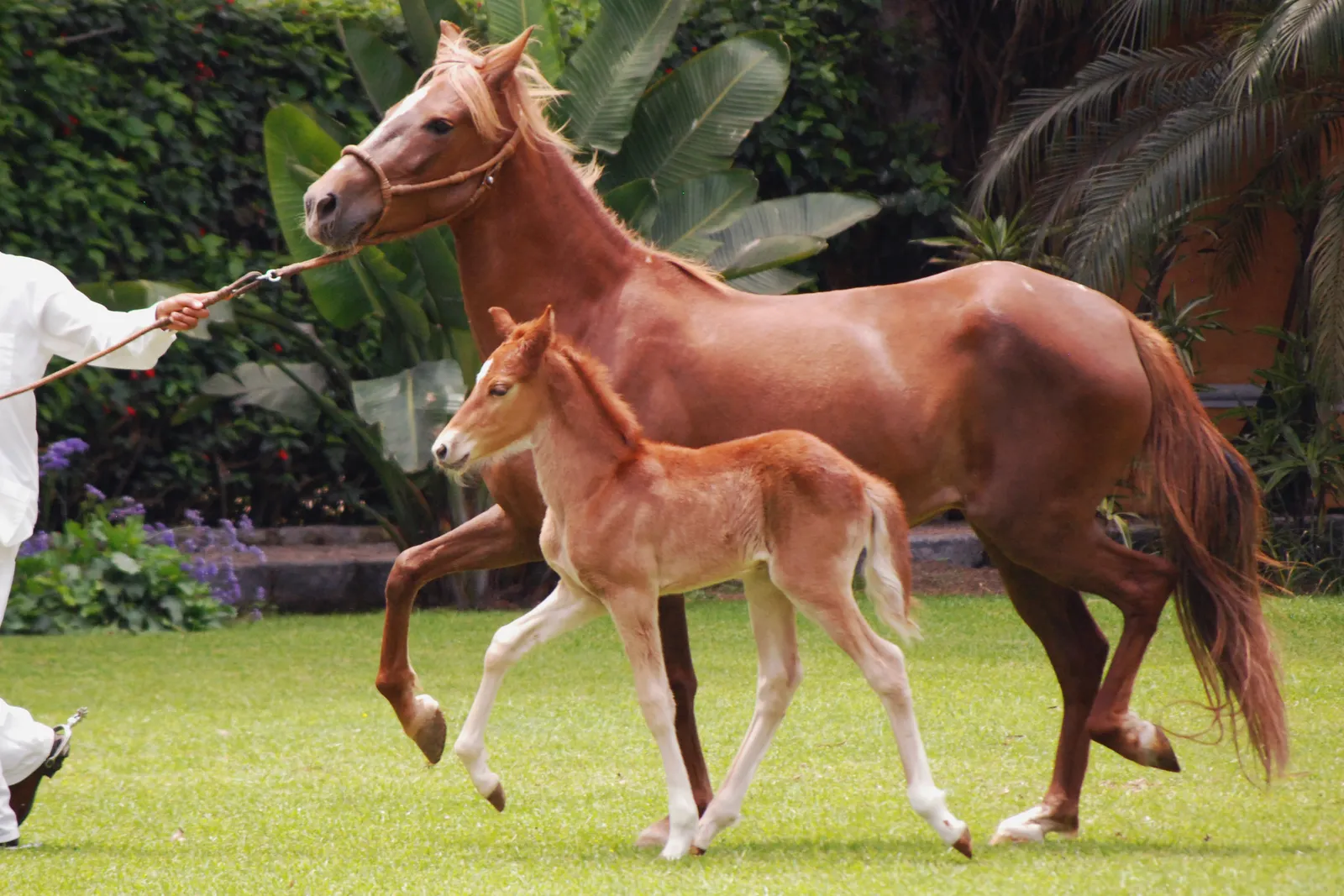
If there’s one thing equine vets repeat like a broken record, it’s this: green plus green equals black and blue. A young horse – two, three, even five years old – is still mentally and physically immature, no matter the breed. Training them takes firm but fair boundaries and a rider with the timing to reward or correct within seconds. Beginners simply don’t have that yet, and that’s normal.
The problem starts when they try to “learn together” with a baby horse. Vets see constant preventable injuries here: pulled-back humans, flipped-over horses, tangled leads, and “accidental” rearing or bucking that becomes ingrained behavior. Growth plates are still closing, so over-riding or bad footing can cause long-term joint damage. For your first horse, age is your friend. Leave the babies to professionals.
#16 – Stallion of Any Breed
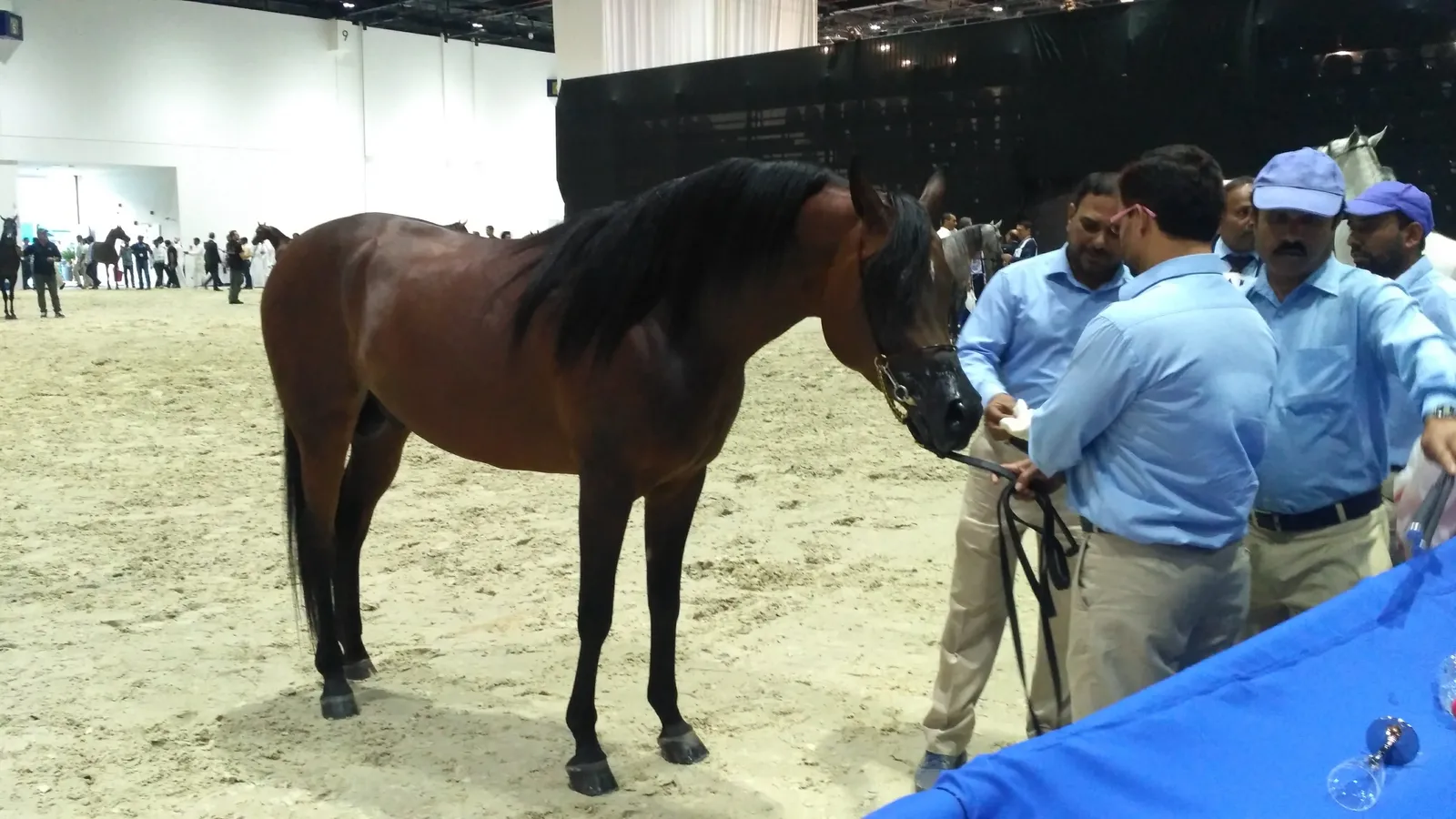
Ask any equine vet what belongs on a “never for first-timers” list, and stallions come up almost immediately. Hormones don’t care how kind the horse “seems.” Even a previously calm stallion can react instinctively around mares, rival males, or stressful new environments – charging fences, striking, rearing, or breaking loose, dangerous even for experienced handlers, let alone someone learning to pick hooves for the first time.
Management is another level entirely: secure fencing, careful turnout choices, strict handling rules, and often limited boarding options. Insurance and liability risks climb too. Many vets are blunt about it – if you’re not actively and professionally breeding, a stallion isn’t just unnecessary, it’s irresponsible. A well-trained gelding is simply safer and saner for almost every new owner.
At a Glance
- Mature stallion behavior isn’t limited to “mare season” – it can show up year-round
- Secure, separate fencing and turnout are considered non-negotiable, not optional
- Many boarding barns simply won’t take stallions at all
- Liability and insurance costs typically run higher for stallion owners
#17 – Rescue or Auction Horse with Unknown History
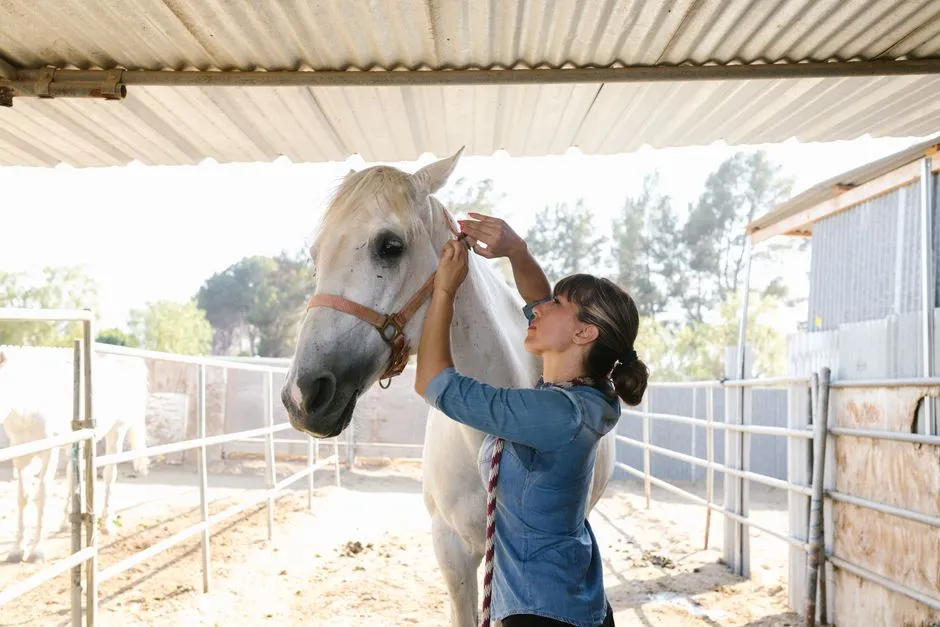
This is where feelings get hurt, but vets say it anyway: a first-time owner using their very first horse to “save one from the auction” is often a disaster for both horse and human. Rescue and sale-barn horses can be wonderful, but they come with unknown medical and training histories. Vets frequently uncover untreated lameness, old fractures, chronic respiratory issues, or deep behavioral trauma that only surfaces once the honeymoon period ends.
New owners are rarely equipped – emotionally, physically, or financially – for a horse that suddenly starts bolting, kicking, or going lame. These horses often need a skilled trainer, a rehab plan, and boundaries that beginners struggle to enforce. Vets quietly recommend supporting rescues through donations or volunteering first, and adopting as an owner only once you have experience and a trusted professional team behind you.
#18 – Extremely Cheap “Project” Horses
The phrase “just needs mileage” might be the single biggest red flag in any horse ad. Extremely cheap “project” horses, regardless of breed, often come with hidden physical problems, serious training holes, or both. Owners offload them because they’re hard to catch, buck, rear, refuse to load, or carry lingering lameness that’s never been diagnosed – all before a nervous beginner even climbs on.
Vets see the pattern constantly: a first-time buyer is lured by the low price, spends a fortune on emergency vet calls, chiropractic visits, special saddles, and a revolving door of trainers, and still ends up terrified to ride. By the time the owner sells, both horse and human are more damaged than when they started. A higher upfront price for a proven, sound horse is almost always cheaper in the long run.
#19 – Extremely Tall Horses (17 Hands and Up)
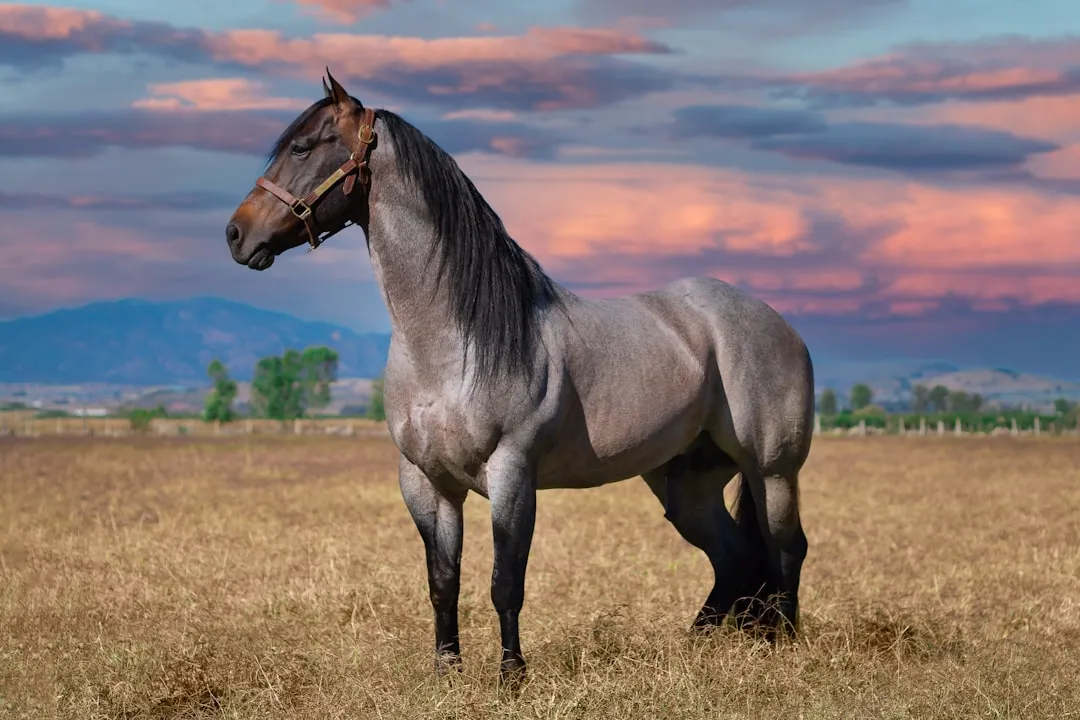
Size impresses non-horse people, but vets know it’s often the opposite of what beginners actually need. Horses 17 hands and taller are physically intimidating, harder to mount, and far more dangerous if they panic. New owners rarely consider that basic care – treating a cut, correcting pushy behavior – gets exponentially harder when the animal’s head is above your reach. A spook from a very tall horse means a much longer, harder fall.
Health-wise, big frames mean more joint stress, shoeing complexity, and potential for soft-tissue injuries. Everything from blankets to trailers must fit that extra height, which usually means extra cost too. For a confident, experienced rider, a big horse is a great match. For someone still learning to pick hooves without flinching, it’s often the wrong starting point entirely.
Worth Knowing
- A fall from 17+ hands covers noticeably more distance than a fall from a pony or small horse
- Blankets, trailers, and tack often need custom or extra-large sizing at extra cost
- Grooming the poll, ears, and topline safely usually requires a mounting block or step
- Bigger frames generally mean higher feed and farrier bills over the horse’s lifetime
#20 – Overly Trendy Crossbreeds (“Designer Horses”)
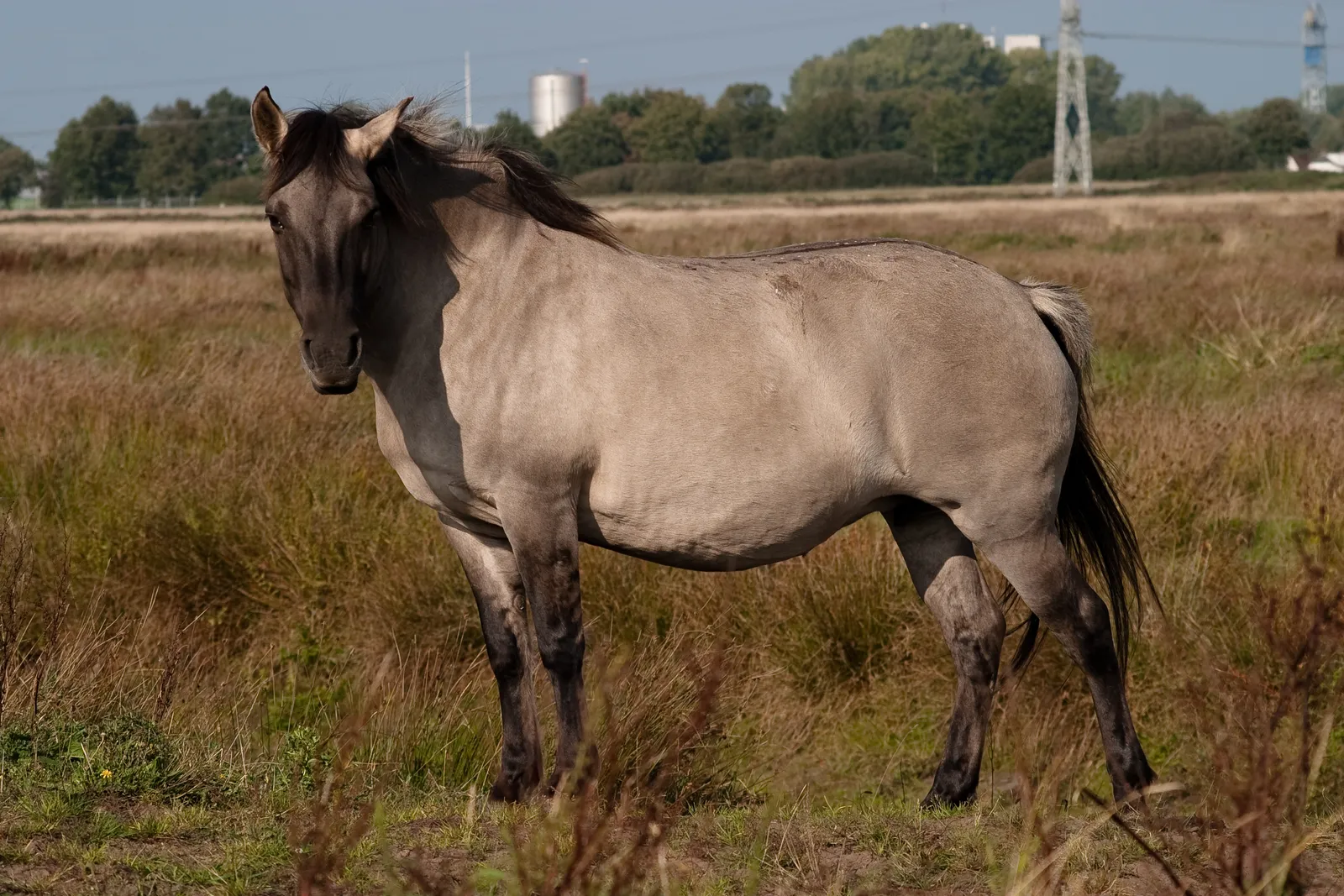
Every few years, a new “designer horse” dominates social media – Gypsy crosses, Friesian crosses, Iberian crosses, you name it. The marketing promises the best of both breeds; vets more often see the worst of each. A hot, reactive breed crossed with a heavy draft type can create a horse with too much power and not enough mental brakes.
Because these crosses are popular, backyard breeding explodes, often without health testing or thoughtful pairing. Vets see an uptick in club feet, weak backs, poor hip structure, and metabolic issues, all wrapped in a flashy, color-forward package that seduces inexperienced buyers. None of that is the horse’s fault – but it becomes the owner’s problem fast. First-timers are far better off with a plain-colored, well-built, older “boring” horse than the latest trend tagged “rare” on Facebook.
#21 – The “Perfect for Beginners!” Horse Without a Vet or Trainer Check
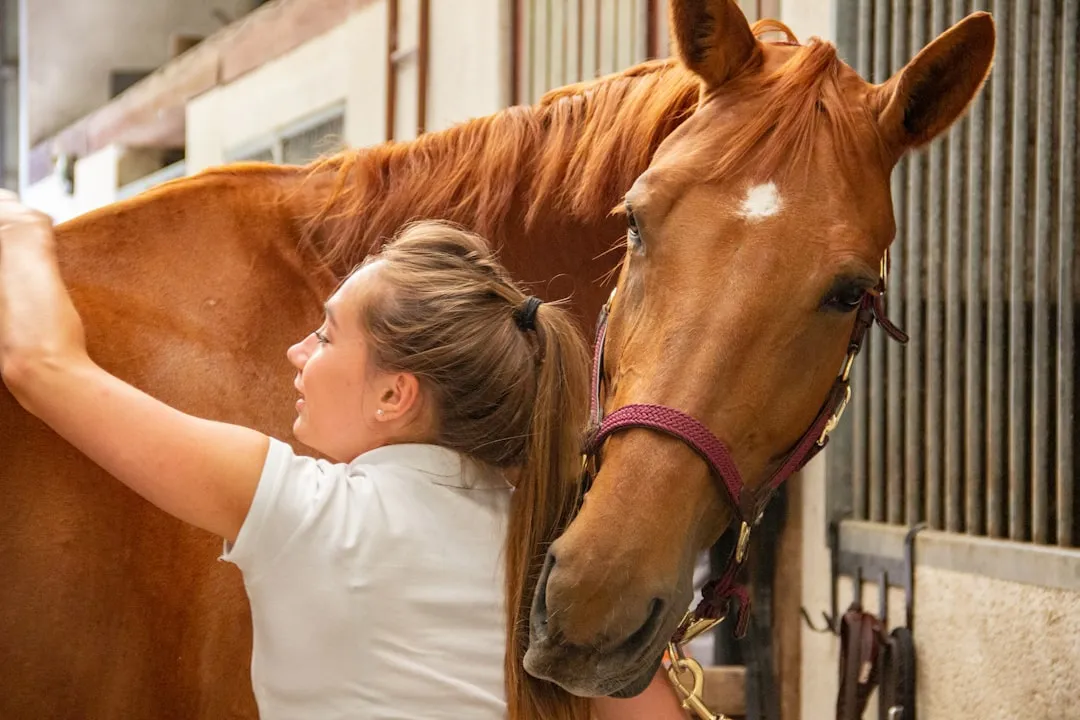
Vets will tell you this is the real breed to avoid: not a specific bloodline, but any horse stamped “perfect beginner horse” without proof. The deadliest combo is a pushy seller, a naive buyer, and no neutral professional involved. “Safe, safe, safe” ads often gloss over Cushing’s disease, chronic laminitis, kissing spines, dangerous behavior under pressure, or sedation used just to get through the test ride. Once the horse is home and the drugs wear off, the truth hits hard.
A genuinely solid beginner horse usually has a long, verifiable history of doing exactly what you want to do, plus a clean bill of health from a pre-purchase exam by your vet – not the seller’s. When a seller resists you bringing in a vet or trainer, treat that as a giant, blinking warning sign.
There is no secret so close as that between a rider and his horse.
Robert Smith Surtees
It doesn’t matter if the horse is a Quarter Horse, Morgan, or grade mutt; without independent eyes on it, you’re gambling your safety and your wallet. That’s the one risk equine vets truly beg new owners not to take.
The Bottom Line
Equine vets aren’t anti-Thoroughbred, anti-Friesian, or anti-rescue. They’re anti-mismatch. Over and over, they treat the fallout when a horse bred for speed, sensitivity, or high-level sport gets dumped into a beginner backyard and expected to behave like a therapy pony.
The pattern is painfully consistent: shattered confidence, spiraling vet bills, and good horses written off as “dangerous” when they were simply wrong for the job. The truth is brutally simple – your first horse should be the most boring, overqualified, under-dramatic animal you can find, no matter what the breed label says.
Do you think vets are being too harsh on any of these breeds, or did they miss one you’d never recommend to a beginner? Drop your take in the comments.
