

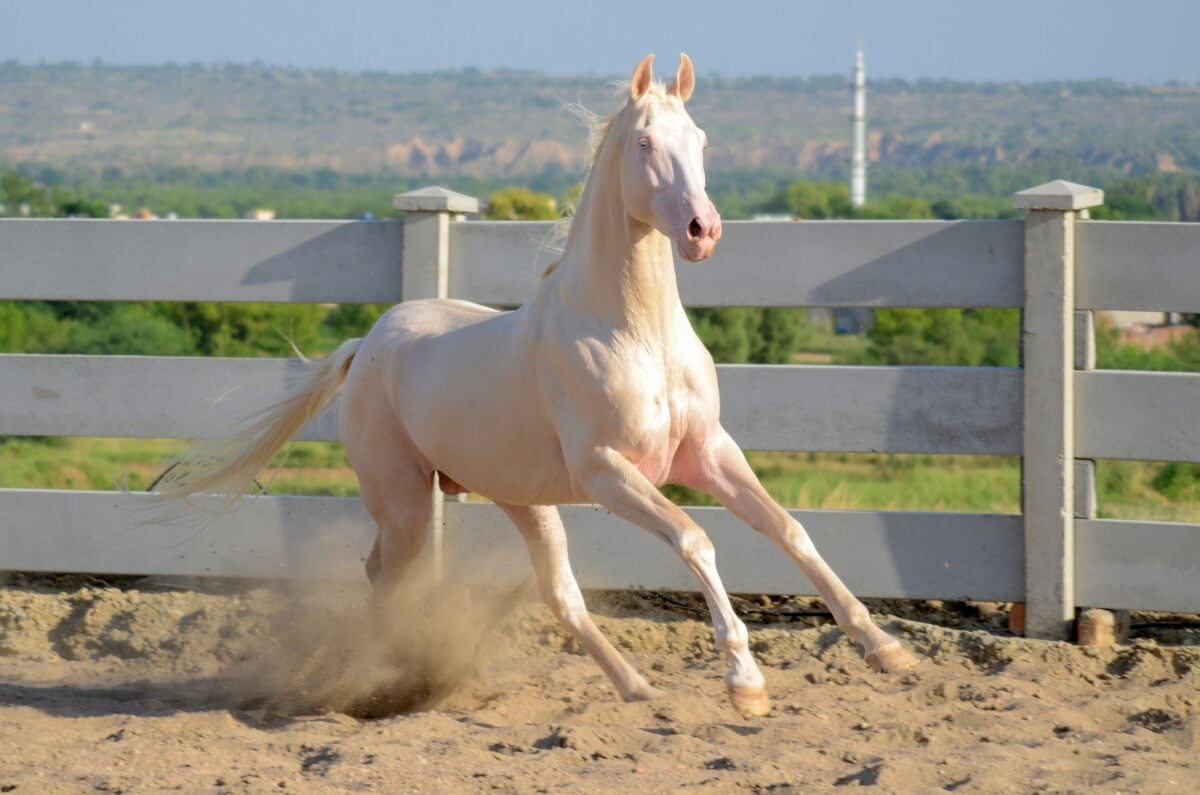
Ask any first-time horse buyer what worries them, and they’ll say price, or maybe temperament. Ask a vet tech instead, and you’ll get a very different answer – usually a wince, followed by a breed name. Not because the horse is dangerous. Not because it’s badly bred. But because the people who work these horses every single day know exactly what’s waiting once the honeymoon period ends.
Some of these breeds hide a genetic time bomb that can kill a foal in its first day of life. Others quietly drain a bank account through vet bills, farrier visits, or grooming supplies nobody warns you about. A few will simply outsmart a beginner rider before lunch. Here are the 24 breeds vet techs bring up when a first-timer isn’t in the room.
#1 – American Quarter Horse
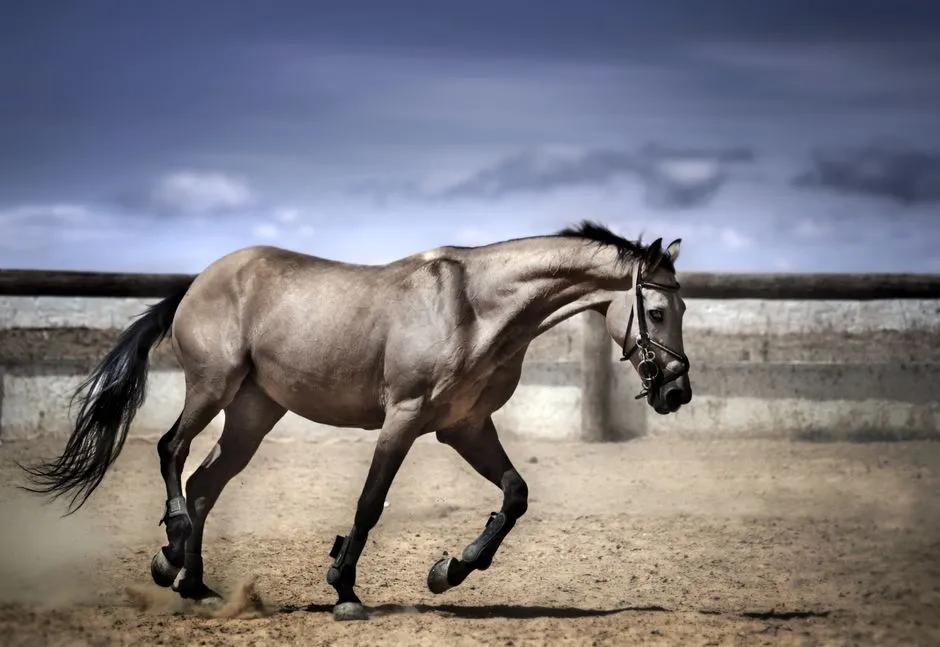
The most “beginner-friendly” breed in America is secretly one of the most genetically loaded. Vet techs love recommending Quarter Horses for their even temperament – they just don’t always mention what can be hiding in the bloodline.
Hyperkalemic Periodic Paralysis, or HYPP, is a dominant genetic disorder, so a foal only needs to inherit the gene from one parent to develop it. Most owners have no idea their horse is a carrier until an episode hits – sudden muscle tremors, weakness, even collapse. Add in Polysaccharide Storage Myopathy, a glycogen-storage disorder that affects more than 10% of Quarter Horses, and genetic testing stops being optional. Plenty of casual buyers skip it anyway, assuming “calm” means “healthy.” It doesn’t.
Fast Facts
- HYPP is a dominant gene – only one carrier parent is needed to pass it on
- PSSM affects more than 10% of Quarter Horses tested
- HYPP episodes can cause muscle tremors, weakness, or full collapse
- Genetic panels can screen for both conditions before purchase
#2 – Arabian
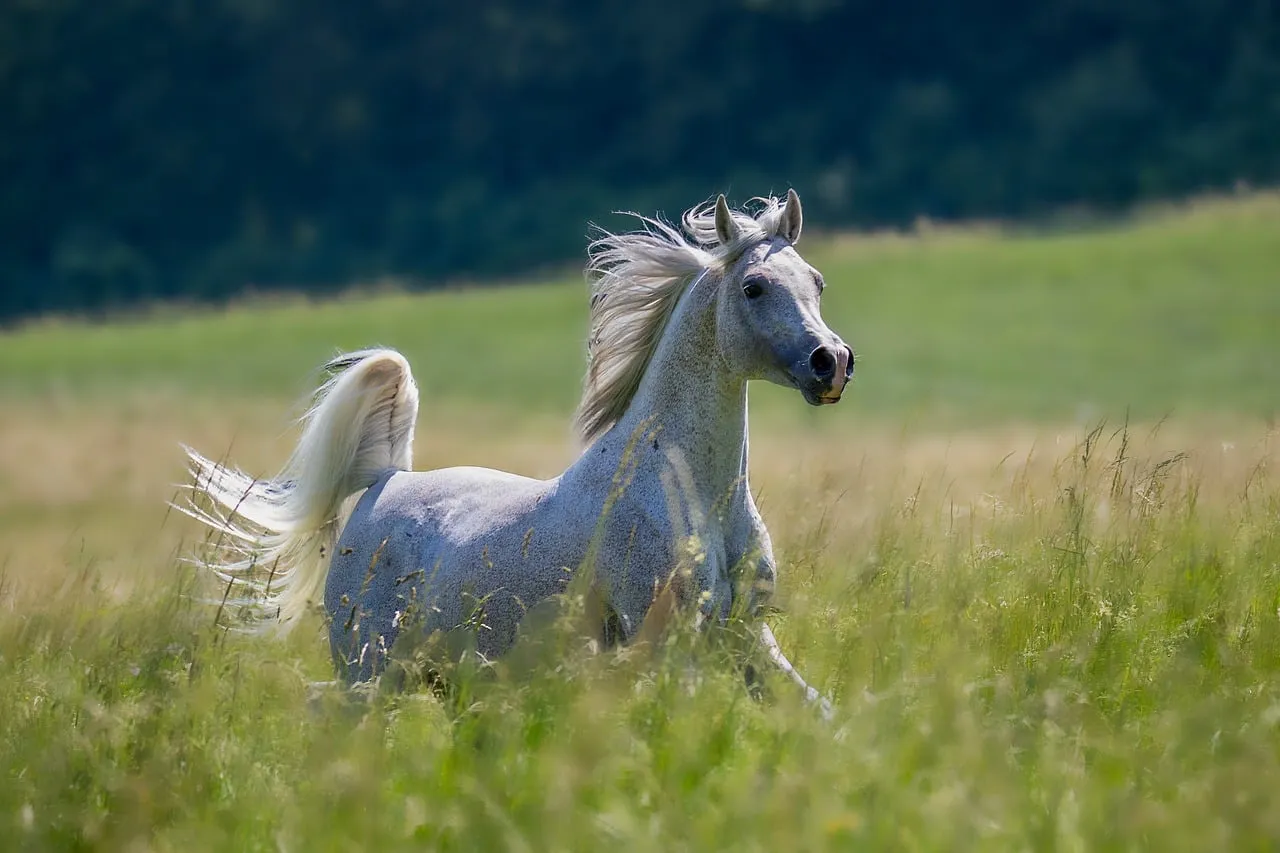
The breed known for beauty is also the one vet techs quietly call the “hot potato” of first horses. Arabians are wildly popular for endurance riding and showing, but their intelligence cuts both ways.
They’re hot-tempered by breed reputation, and that same sharp intelligence that makes them quick learners also makes them quick to exploit a hesitant rider. An Arabian reads uncertainty almost instantly, and a rider who isn’t firm enough will watch bad habits form within weeks. The breed also carries a disturbing list of inherited conditions, including severe combined immunodeficiency and lavender foal syndrome – both of which can be fatal in foals. Most buyers never ask about either before falling for the look.
#3 – Thoroughbred
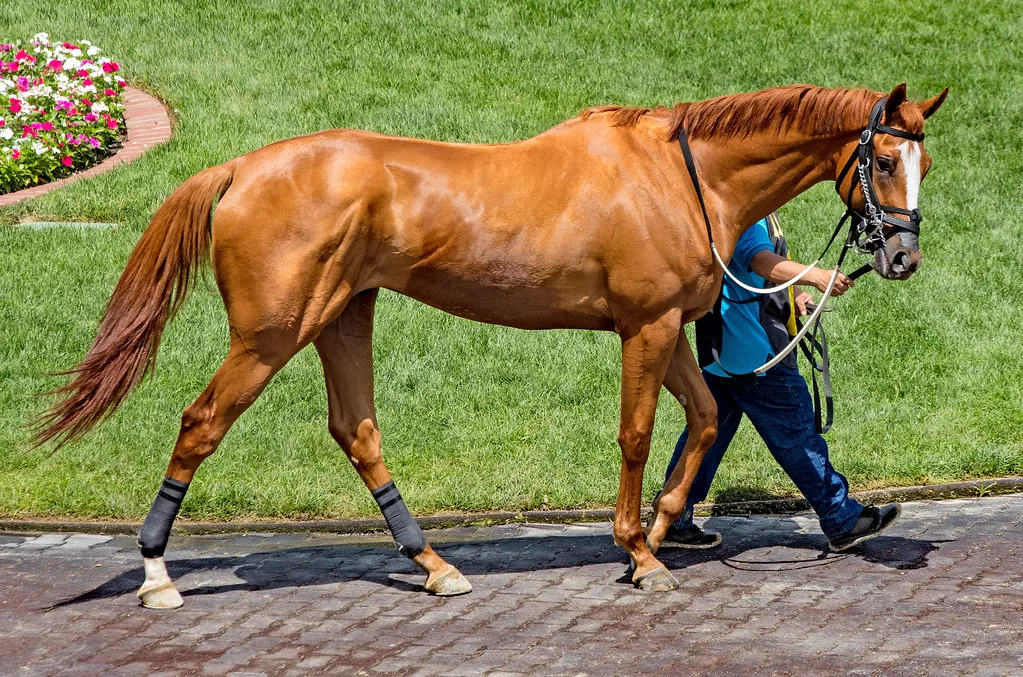
Off-track Thoroughbreds are quietly one of the riskiest “cheap first horse” purchases a beginner can make. They’re everywhere at bargain prices once their racing careers end, which tricks new owners into thinking they’ve found a deal.
The breed tends to run high-strung compared to most others, and while plenty of OTTBs do settle into calm second careers, the vast majority need a rider with light, educated hands from day one. A horse bred for speed and adrenaline doesn’t switch those instincts off the moment it leaves the track. Vet techs see this pattern constantly: a green rider buys a discounted OTTB, and within weeks they’re calling about spooking, bolting, or an injury from a fall. Retraining takes months of professional work, not a weekend clinic.
#4 – Mustang
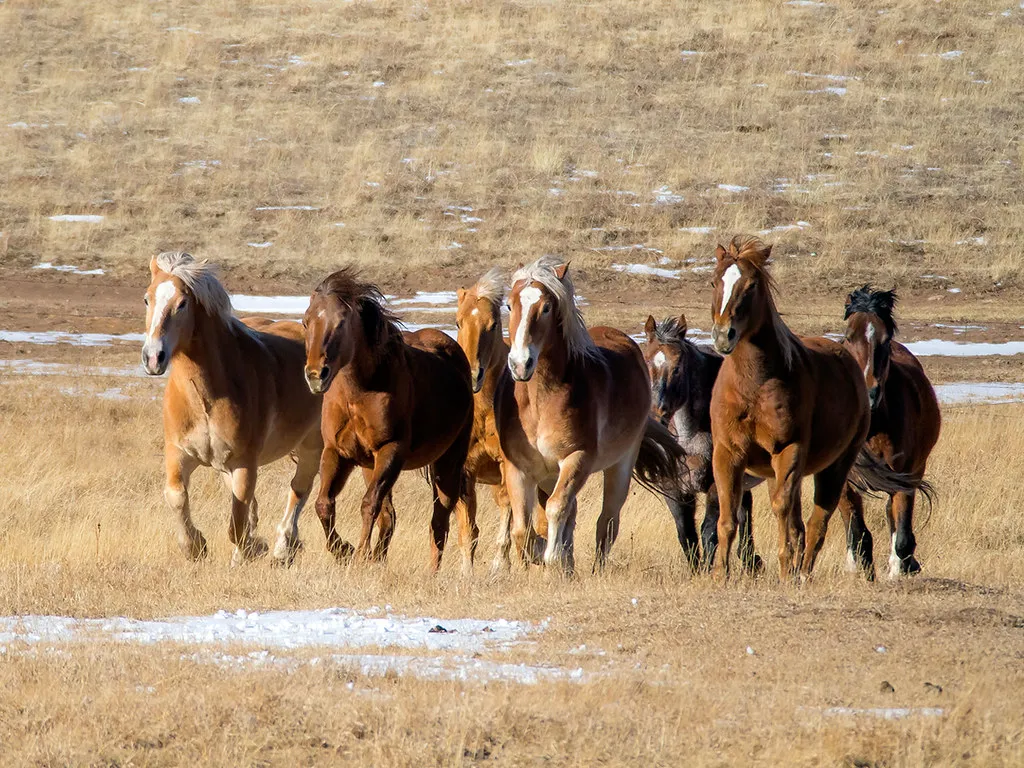
Wild-caught and cheap doesn’t mean easy – it often means the opposite. Mustangs from BLM adoption programs look like an incredible deal to a first-timer, but trainers and vet techs call this one of the biggest traps in the beginner market.
Mustangs make phenomenal trail horses once trained, built for rough terrain and stamina most domestic breeds can’t match. But untouched, they carry a genuinely territorial streak, and they’ll test a handler’s boundaries fast if they sense hesitation or a threat to their space. These horses need an experienced hand to gentle them before a saddle ever goes on. Skip that step, and a first-timer can get hurt fast.
#5 – Friesian
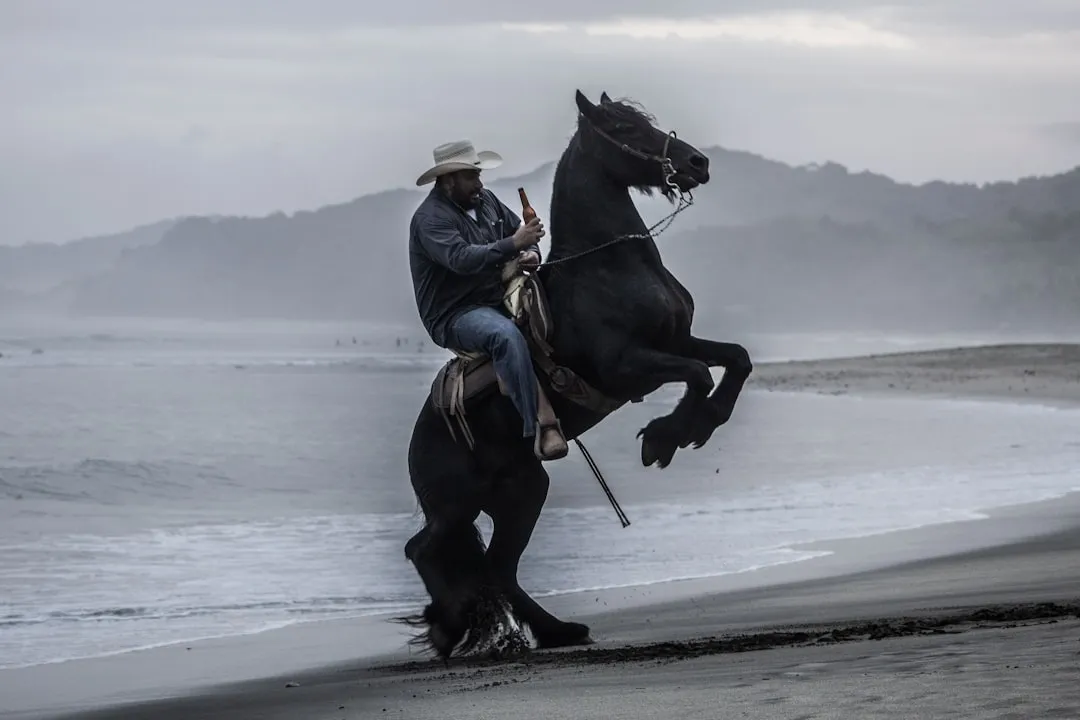
That jet-black, flowing-maned horse all over social media has a health record most influencers never mention. Friesians are gorgeous, but their gene pool is notoriously small, and that comes with consequences.
Because the breed descends from a limited number of founding bloodlines, inherited conditions circulate more easily than in genetically diverse breeds – including a tendency toward dwarfism in some lines and chronic skin conditions tied to their size and build. The heavy feathering on their legs traps moisture constantly, creating a breeding ground for skin infections if it isn’t dried and cleaned religiously. First-time owners often underestimate this commitment entirely – this isn’t a wash-and-go horse. It’s a daily maintenance project with a brush in one hand and a hair dryer in the other.
#6 – Gypsy Vanner
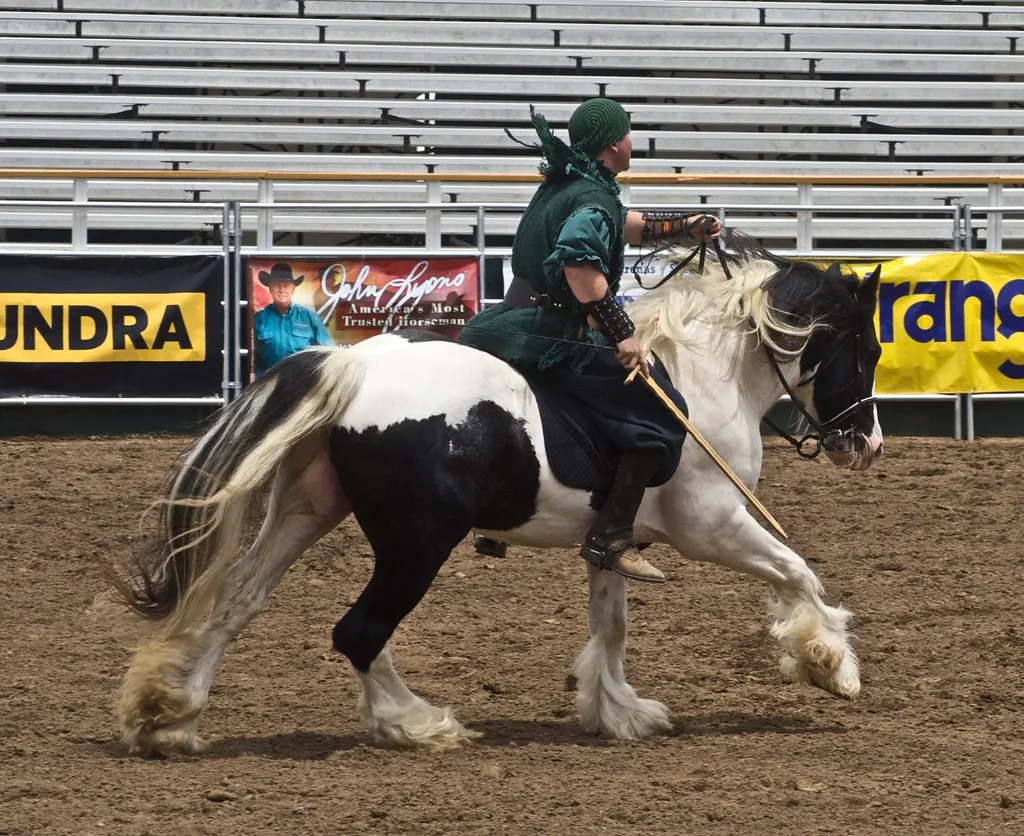
Everyone assumes the calmest-looking horse is the easiest one to own – Gypsy Vanners prove that wrong fast. Vet techs consistently note that temperament isn’t the problem here. Maintenance is.
Gypsy Vanners really are gentle and quiet by nature, but that thick mane, tail, and leg feathering everyone swoons over in photos demands hours of upkeep every week. Left ungroomed, especially in muddy conditions, that same feathering becomes a magnet for feather mites and skin infections. Most first-time buyers budget for the horse itself but forget to budget for grooming supplies, extra vet visits, and the sheer time commitment. A Gypsy Vanner left in a muddy paddock without proper care is basically a mite infestation waiting to happen.
#7 – Shire
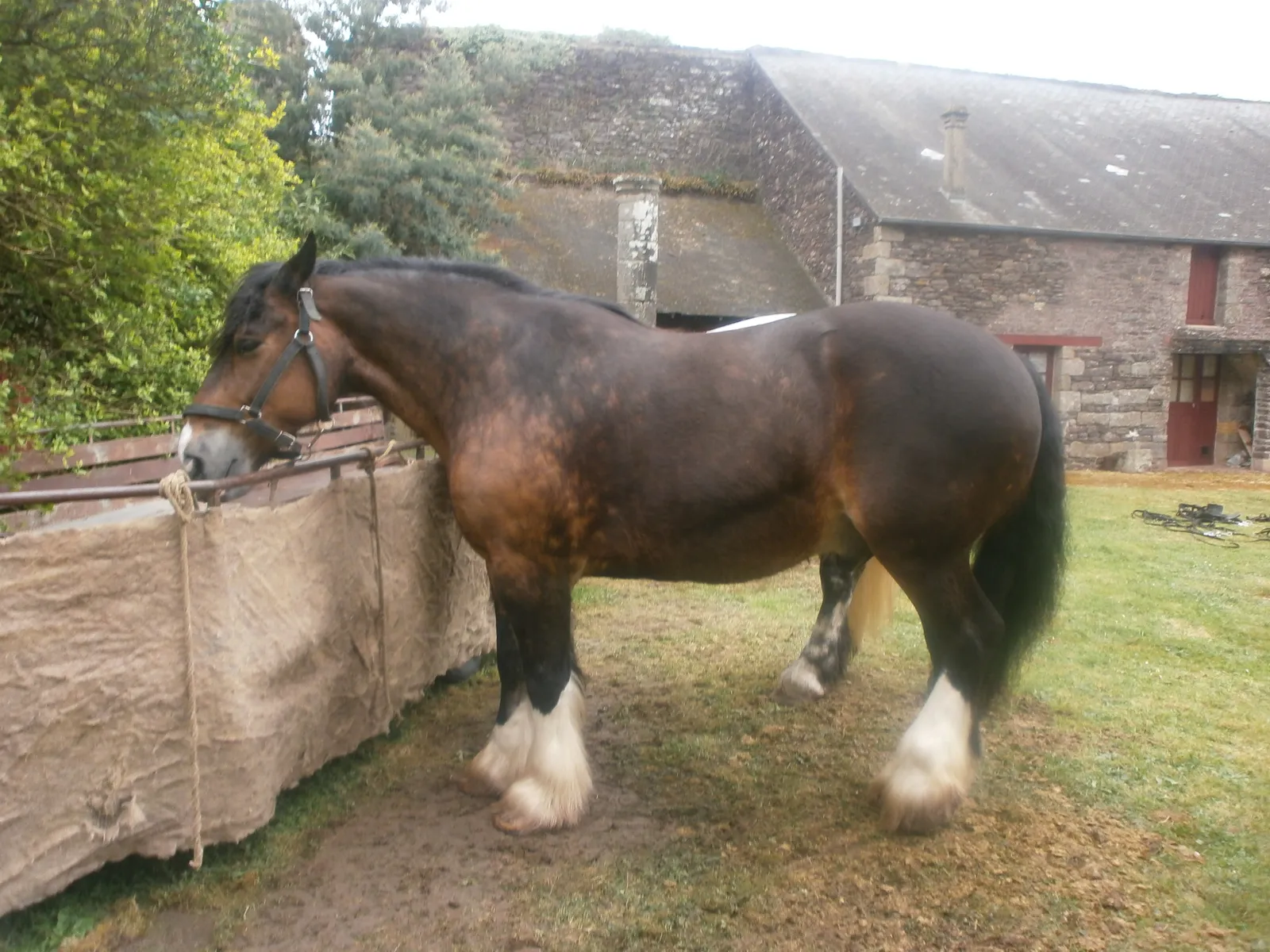
A horse this big doesn’t just need more space – it needs an owner who isn’t intimidated by their own animal. Shires are among the tallest horses in the world, and vet techs say size alone disqualifies most first-timers before health ever enters the conversation.
Fear changes how a person handles an animal, and horses read hesitation instantly – which is exactly why vet techs steer nervous beginners away from a horse this large. Beyond the psychological factor, draft breeds like the Shire face real physical challenges, including chronic progressive lymphedema, shivers, eye problems, respiratory issues, obesity, and laminitis, with their sheer body mass placing extra stress on the lower limbs and hooves. Finding a farrier and vet comfortable working with a horse this size is its own challenge in plenty of areas. It’s not a breed you back into by accident.
#8 – Percheron
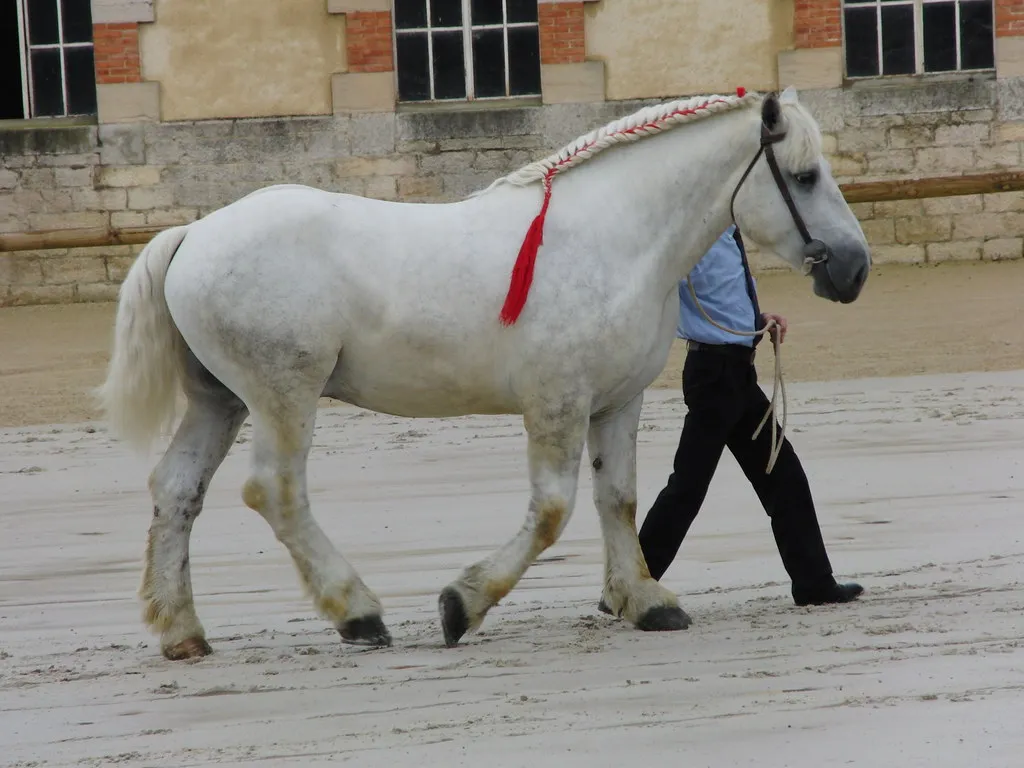
Bigger isn’t just harder to ride – it’s harder to keep contained, period. Percherons are gentle giants, but their sheer mass creates practical problems most beginners never see coming.
Percherons and other large draft types tend to be rough on fencing, leaning their full weight against rails that were never built for that kind of pressure. Vet care isn’t simple either – it can be genuinely tricky to find a farrier willing to service a draft-sized hoof, and specialty tools cost more across the board. Add in the breed’s predisposition toward Polysaccharide Storage Myopathy and, in some lines, Junctional Epidermolysis Bullosa, and you’ve got a horse that demands an experienced support team before a first-timer ever swings a leg over.
#9 – Clydesdale
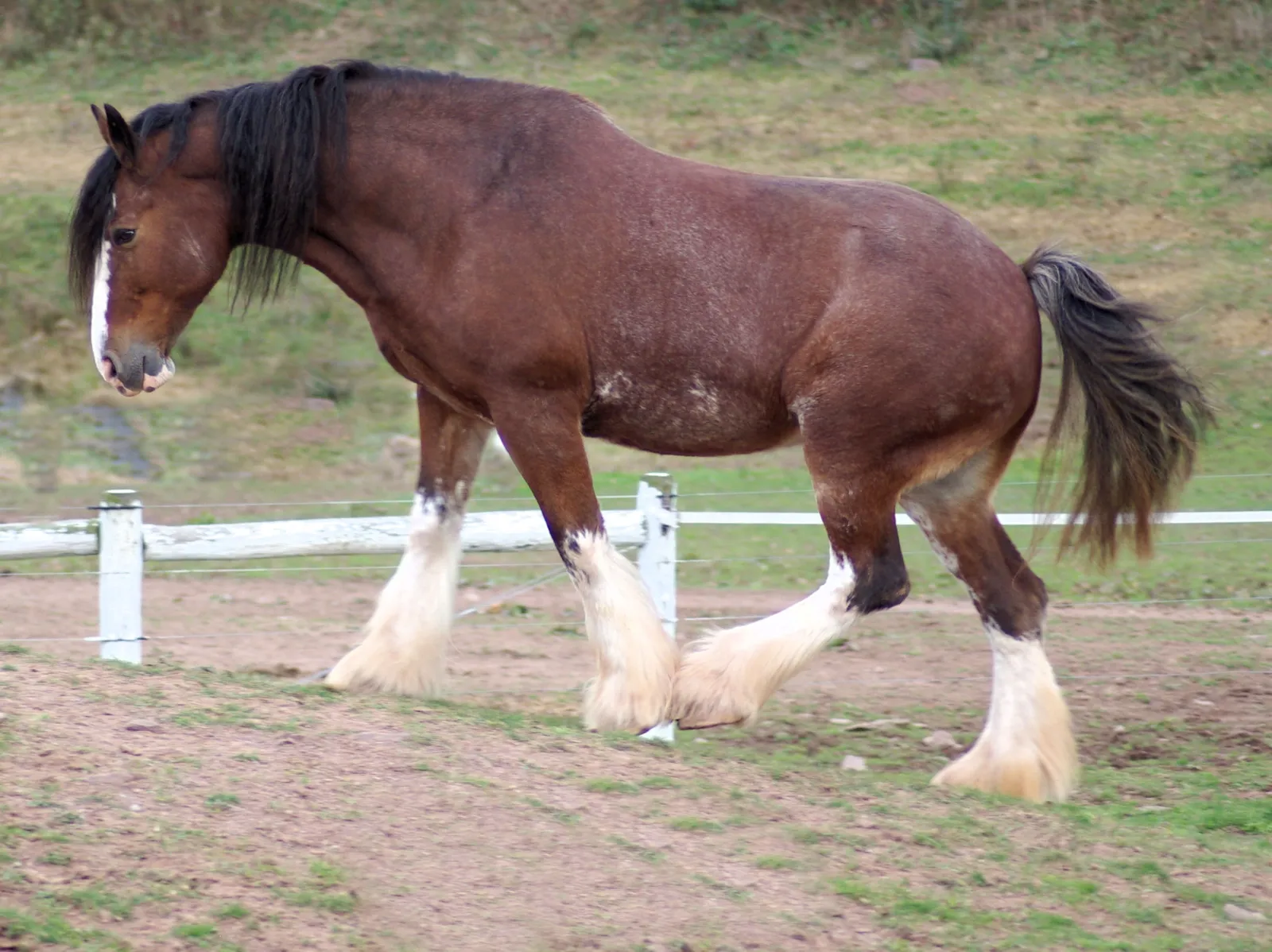
The “beer commercial” horse comes with a beer commercial-sized vet bill. Clydesdales are iconic, feathered, and enormous – and vet techs say their size creates the exact same category of problems seen across every heavy draft breed.
Draft horses as a group are prone to chronic progressive lymphedema, shivers, eye problems, respiratory disorders, obesity, laminitis, and increased complications under general anesthesia. That last one matters more than people think – if a Clydesdale ever needs surgery, anesthesia risk alone becomes a serious conversation between owner and vet. The feathering on their lower legs also demands the same moisture-management routine as Friesians and Gypsy Vanners, and skipping it can make lymphedema symptoms worse. First-timers rarely plan for a horse this labor-intensive.
Quick Compare
- Shire: extreme height, joint stress, hard-to-find specialty farriers
- Percheron: fence damage from body weight, PSSM risk in some lines
- Clydesdale: heavy feathering upkeep, anesthesia risk during surgery
- Belgian Draft: carries the fatal JEB gene in some bloodlines
#10 – Belgian Draft
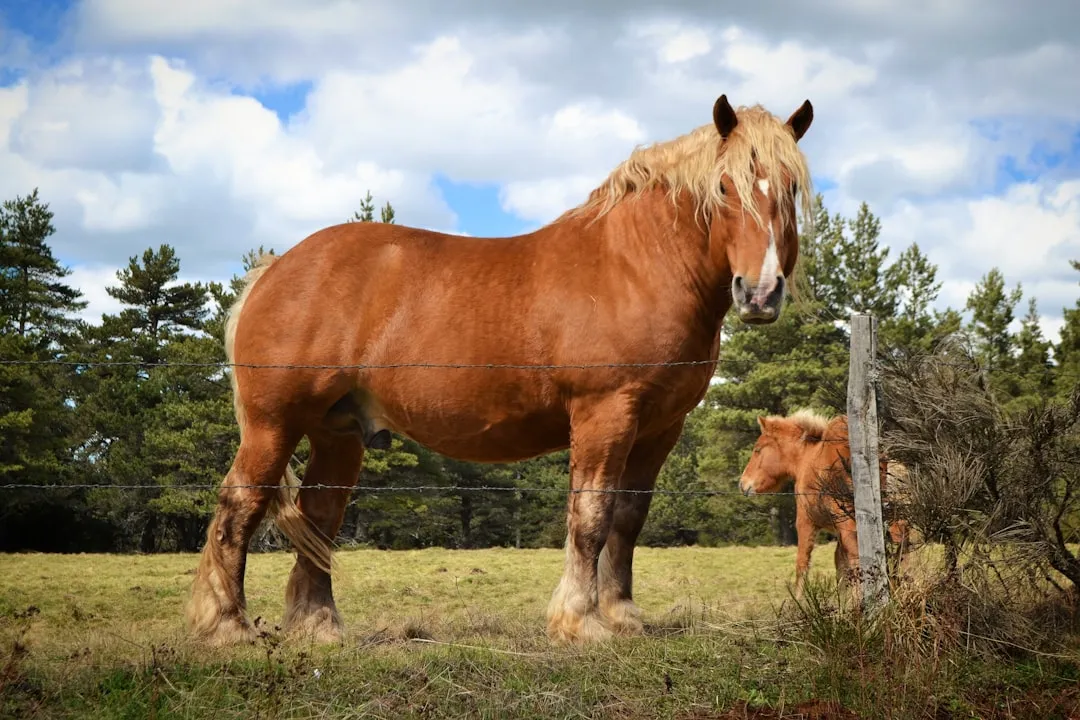
This gentle giant carries one of the deadliest inherited conditions in the entire horse world – and most buyers have never even heard of it. Belgian Drafts are prized for their calm work ethic, but their genetics tell a much darker story.
Junctional Epidermolysis Bullosa, or JEB, is a fatal condition that shows up primarily in Belgian and American Saddlebred foals. Affected foals develop blisters and open sores, their hooves begin to slough off, and there is no cure – euthanasia is the only humane option once it’s confirmed. Responsible breeders now test for the carrier gene, but a first-time buyer working with an unverified breeder could unknowingly end up with a mare carrying this mutation. It’s a heartbreaking outcome that’s entirely preventable with one simple DNA panel most newcomers don’t know to ask for.
#11 – American Saddlebred
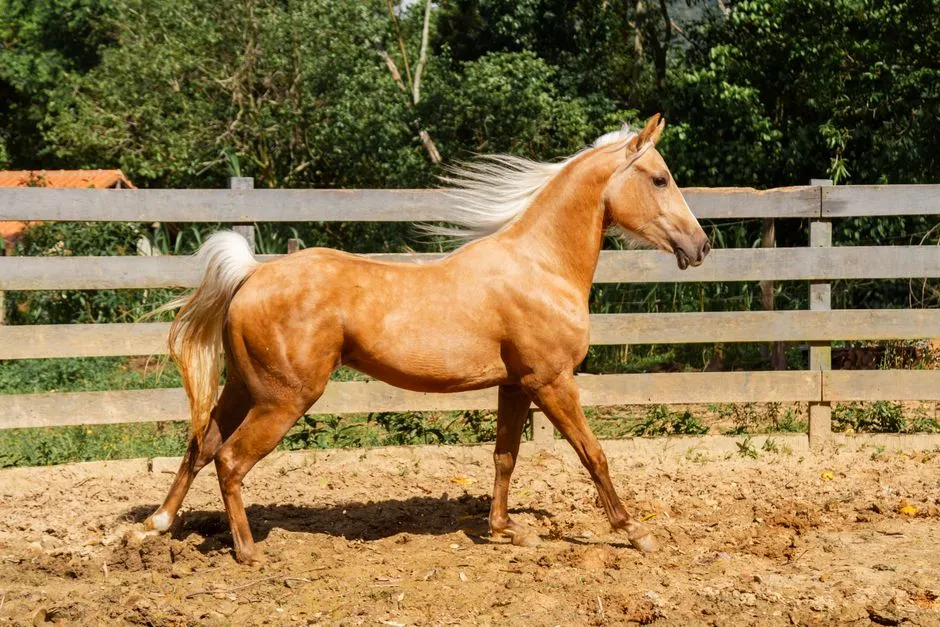
The high-stepping show horse everyone admires shares the exact same genetic time bomb as the Belgian Draft. Saddlebreds are elegant, animated, and popular in the show ring – but vet techs flag the same fatal skin disease seen in draft breeds.
JEB shows up in such visually different breeds because of shared ancestry generations back – some of the foundation horses used to develop both breeds were carriers of the mutation without anyone knowing it. Most first-time buyers assume a flashy show pedigree automatically means a healthy one. It doesn’t. Genetic testing before breeding is now widely available, but plenty of casual sellers still skip it, and buying a Saddlebred for future breeding without that test is a gamble few experienced owners would ever take.
#12 – Miniature Horse
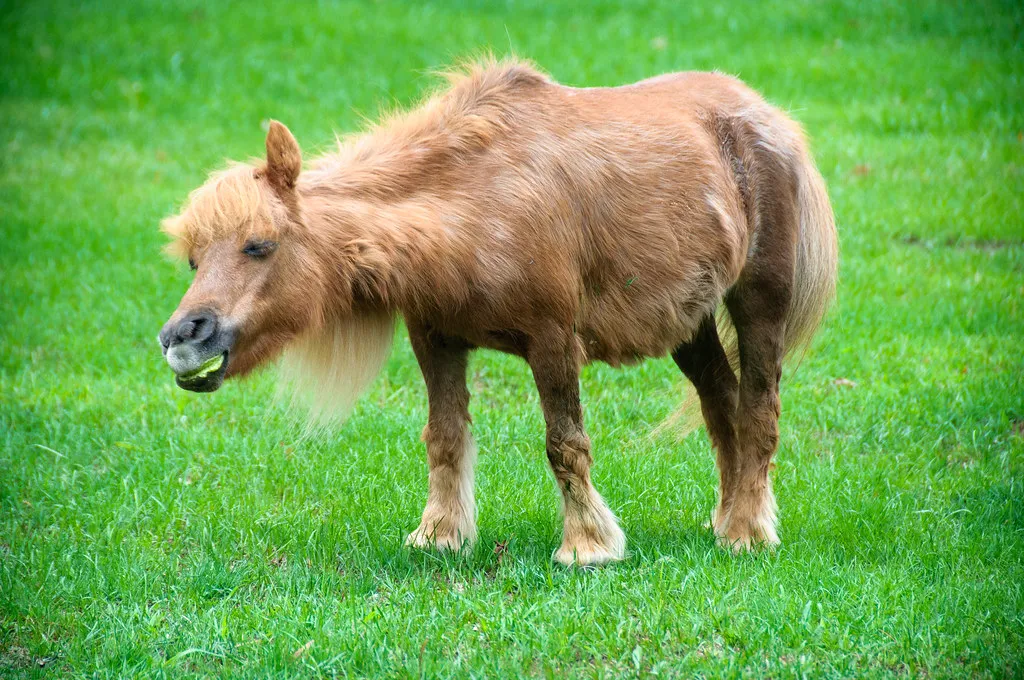
Small enough for a backyard, but nowhere near as low-maintenance as people assume. Miniature Horses get marketed as beginner-friendly purely because of their size, and vet techs say that assumption is exactly what causes problems.
Owners routinely overfeed Minis, assuming a tiny stature needs less monitoring – the opposite is true. Their metabolism makes them highly prone to obesity, insulin resistance, and laminitis, conditions that can permanently damage their hooves if left unmanaged. Dental problems are common too, since their small jaws crowd teeth more than standard-sized breeds do. A first-timer treating a Mini like a pasture pet instead of a horse with real medical needs often ends up at the clinic within the first year.
#13 – Shetland Pony
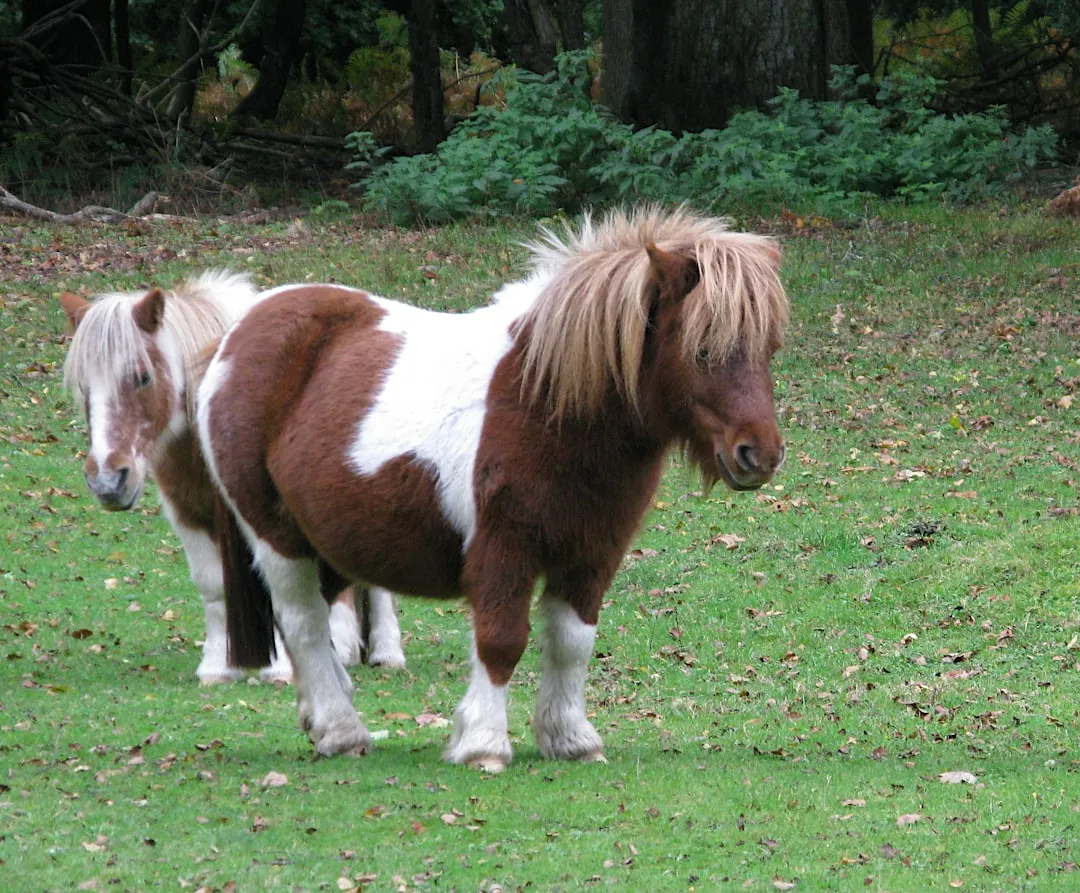
The “perfect kids’ pony” has one of the highest laminitis rates in the entire equine world. Shetlands evolved to survive on sparse island grazing, which means their bodies process modern, calorie-rich pasture terribly.
Vet techs see Shetland laminitis cases constantly, almost always in ponies whose owners assumed something this small needed less grass management, not more. On top of the metabolic risk, Shetlands carry a well-documented predisposition toward upward fixation of the patella, better known as locked stifle – a joint condition that causes a visible hitch in the gait. Owners frequently mistake that hitch for stubbornness rather than a genuine issue needing veterinary attention, which delays treatment and makes it worse.
#14 – Welsh Pony
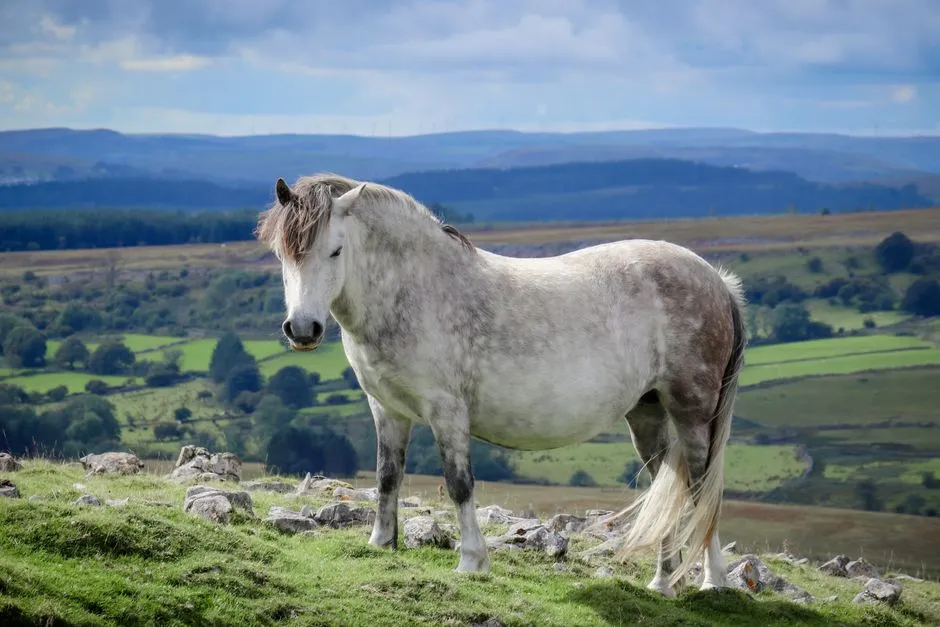
A breed adored by pony-club parents everywhere, but flagged by vets for the same metabolic dangers as the Shetland. Welsh Ponies are hardy, easy keepers – almost too easy for their own good.
That efficient metabolism, built for harsh native terrain, turns into a real liability on lush modern pasture, and even slight overfeeding can trigger laminitis faster than it would in a larger horse. Their genetics also tie into a bigger inherited-disease story: cerebellar abiotrophy, a neurological condition originally isolated to Arabians, has shown up in Welsh Ponies thanks to historical crossbreeding. First-time pony parents tend to assume small equals safe. Vet techs push back on that constantly, especially around grazing limits and unfamiliar neurological symptoms in foals.
#15 – Trakehner
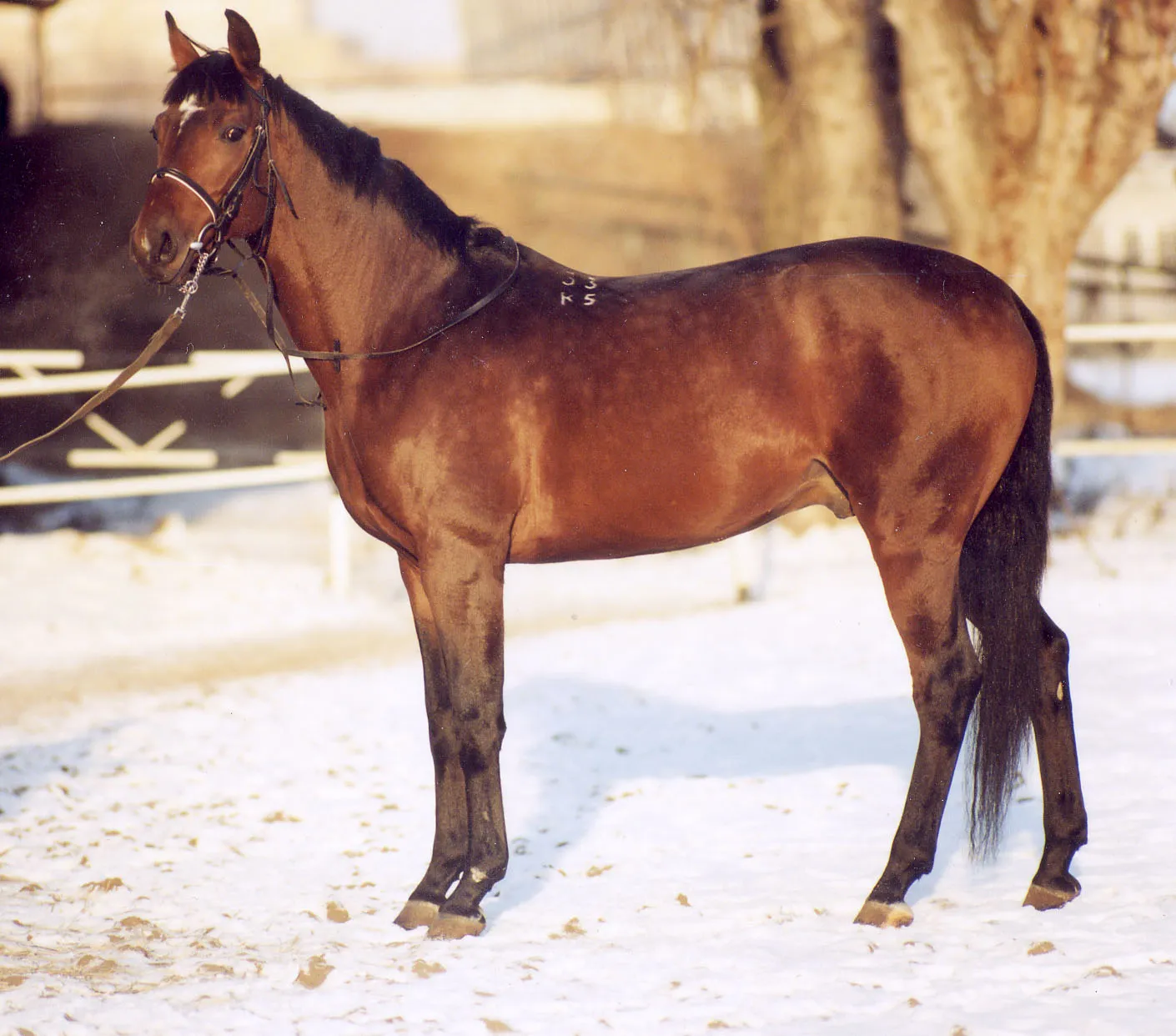
A refined sport horse with an inherited neurological risk most buyers never see coming. Trakehners are elegant, athletic warmbloods popular in dressage and eventing – but their bloodlines carry a hidden legacy from outside the breed entirely.
Cerebellar abiotrophy, the same neurological disease once thought exclusive to Arabians, has turned up in Trakehners and other breeds wherever Arabian bloodlines were used historically to refine type. The unsettling part is that carrier horses often look completely normal and show zero symptoms themselves. That means a healthy-looking Trakehner foal can develop coordination problems and an abnormal gait as it matures – symptoms first-time owners often mistake for simple clumsiness rather than a genetic disease. Almost no one thinks to ask a breeder about CA carrier status before buying.
#16 – Akhal-Teke
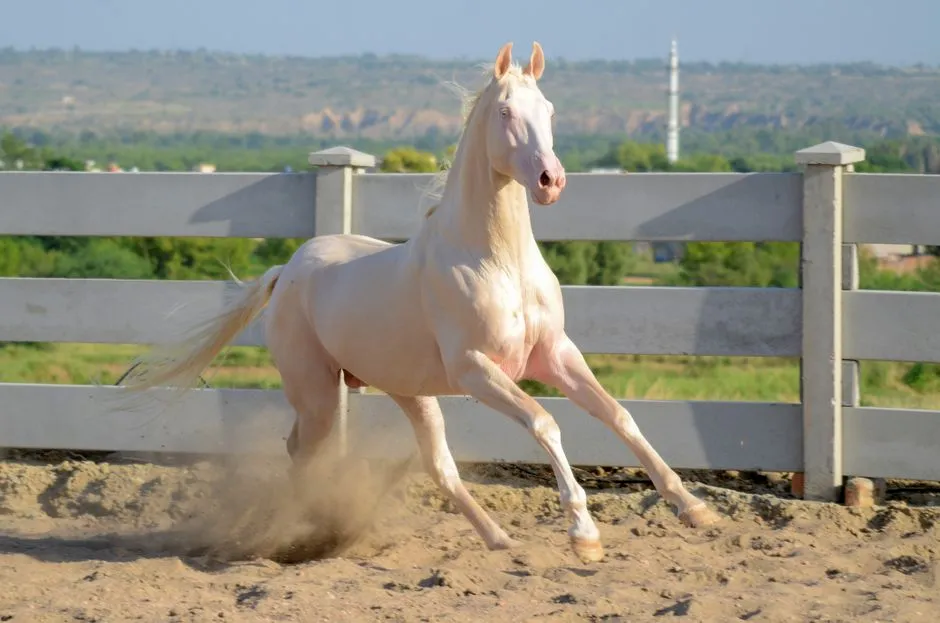
This rare, metallic-coated breed forms an obsession with exactly one person – and it’s not always the new owner. Akhal-Tekes are prized for endurance and a shimmering coat, but their bonding pattern catches first-timers off guard.
The breed is known for forming an intense bond with a single handler, and that loyalty sounds romantic right up until you’re not that person. A beginner who buys an Akhal-Teke already bonded to a previous owner can spend months trying to earn the same trust, and trainers report the horse being noticeably harder to handle for anyone outside that relationship. Because the breed remains rare in the U.S., finding a vet or farrier with real Akhal-Teke experience can be its own challenge depending on where you live. This isn’t a breed to buy on impulse.
Worth Knowing
- Akhal-Tekes remain rare in the U.S., so specialized vets and farriers can be hard to find
- The breed’s coat gets its famous metallic shine from a unique hair shaft structure
- Rehoming an already-bonded Akhal-Teke can take months of consistent, one-on-one handling
#17 – Andalusian
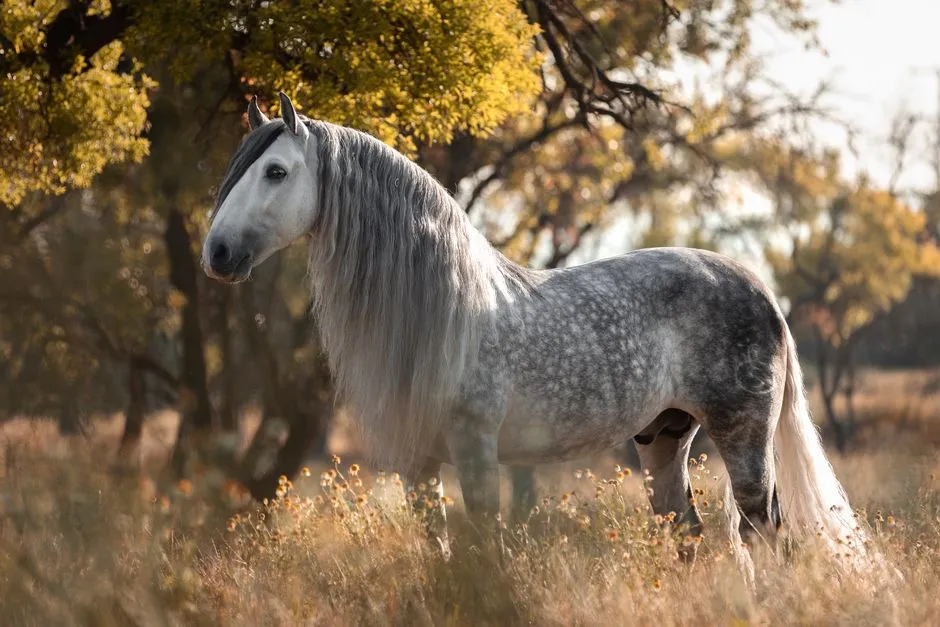
The show-ring showstopper hides a sensitivity level most beginners aren’t prepared to manage. Andalusians are prized for their presence and collected movement, a favorite in classical dressage – but that same sensitivity works against a first-time rider.
These horses respond to the smallest shift in a rider’s seat or hand, which is a gift for someone experienced and a liability for someone still learning basic aids. Inconsistent cues confuse an Andalusian fast, and confusion in a horse this reactive can turn into resistance or anxious behavior under saddle. Vet techs also flag that Andalusians, like many baroque breeds bred for a compact, muscular build, need careful weight and exercise management to avoid the same metabolic issues seen in easy-keeper breeds. A first horse this responsive needs a rider who already has independent balance and quiet hands – not one still developing them.
#18 – Hanoverian

This dressage powerhouse demands more physical fitness from the rider than almost any other breed on this list. Hanoverians are bred for enormous, expressive gaits – exactly the trait that makes them so hard for beginners to sit correctly.
Elite dressage riders spend serious time in the gym building the core strength required just to follow this kind of movement, let alone control it. A novice rarely has that fitness, balance, or muscle control built up yet, and the rider can end up on the ground before they even register what went wrong. This isn’t a temperament issue – Hanoverians are typically willing, trainable horses. It’s a pure physical mismatch, and trainers watch it trip up excited new owners constantly.
#19 – Dutch Warmblood
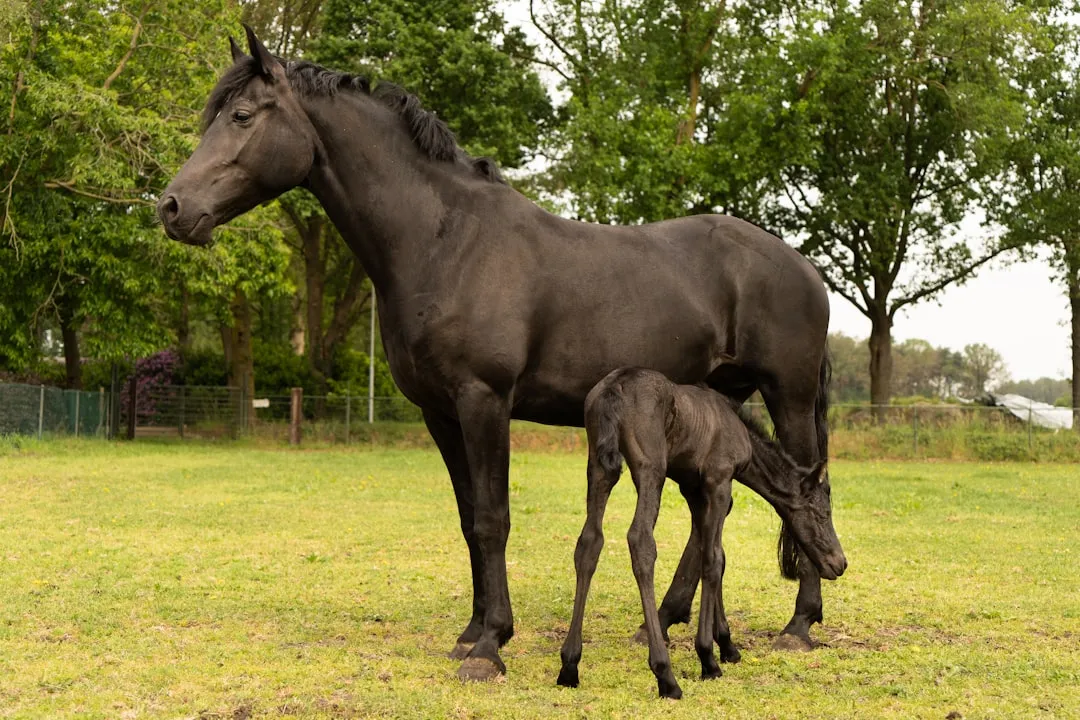
Bred for elite sport, not for forgiving a beginner’s mistakes. Dutch Warmbloods dominate show jumping and dressage arenas worldwide, but their selective breeding for early athletic development comes with a known tradeoff in the joints.
Osteochondritis dissecans, or OCD, is a developmental cartilage disorder that shows a clear predisposition in young, fast-developing horses – and warmbloods top that list. A young Dutch Warmblood can look completely sound in the paddock and still be developing a joint problem underneath, which is exactly why vet techs push hard for radiographs before purchase. Combine that with the breed’s raw power and sensitivity under saddle, and a first-time buyer can end up with a training challenge and an unexpected vet bill in the very same horse. Skipping the pre-purchase exam to save money is one of the most common regrets vet techs hear about later.
#20 – Appaloosa
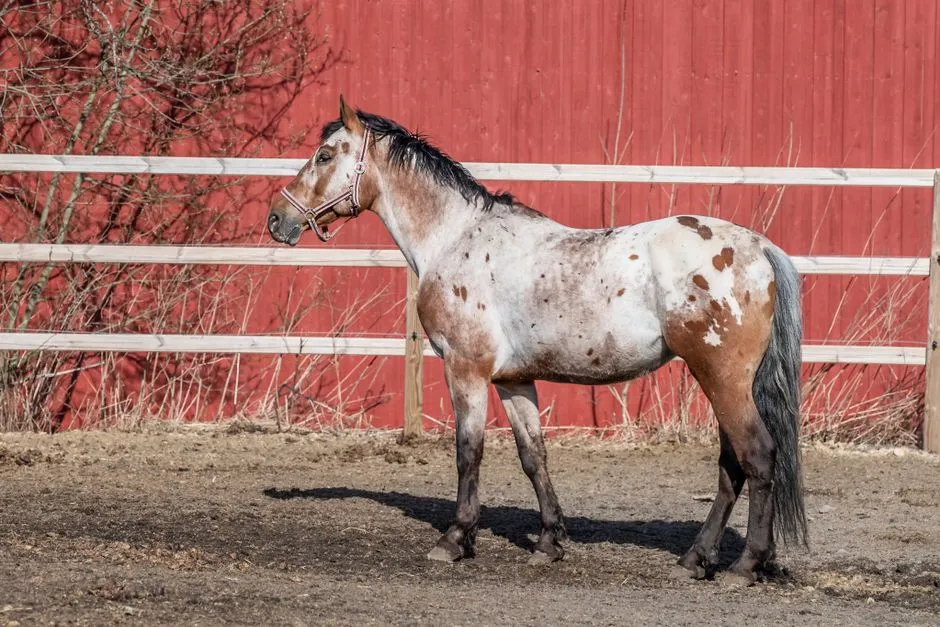
That signature spotted coat is directly linked to a disease that blinds horses – and most owners never make the connection. Appaloosas are beloved for their striking coloring, but eye researchers have found a disturbing pattern tied to that exact genetics.
Appaloosas are roughly eight times more likely to develop equine recurrent uveitis than other breeds, particularly the bilateral form of the disease. ERU is the leading cause of blindness in horses worldwide, and more than half of affected horses eventually lose their sight completely. The same LP gene responsible for the spotted coat pattern has been identified as a direct risk factor, with horses carrying two copies at the highest risk of all. First-time Appaloosa owners almost never test for this before falling for the coat.
#21 – Paint Horse
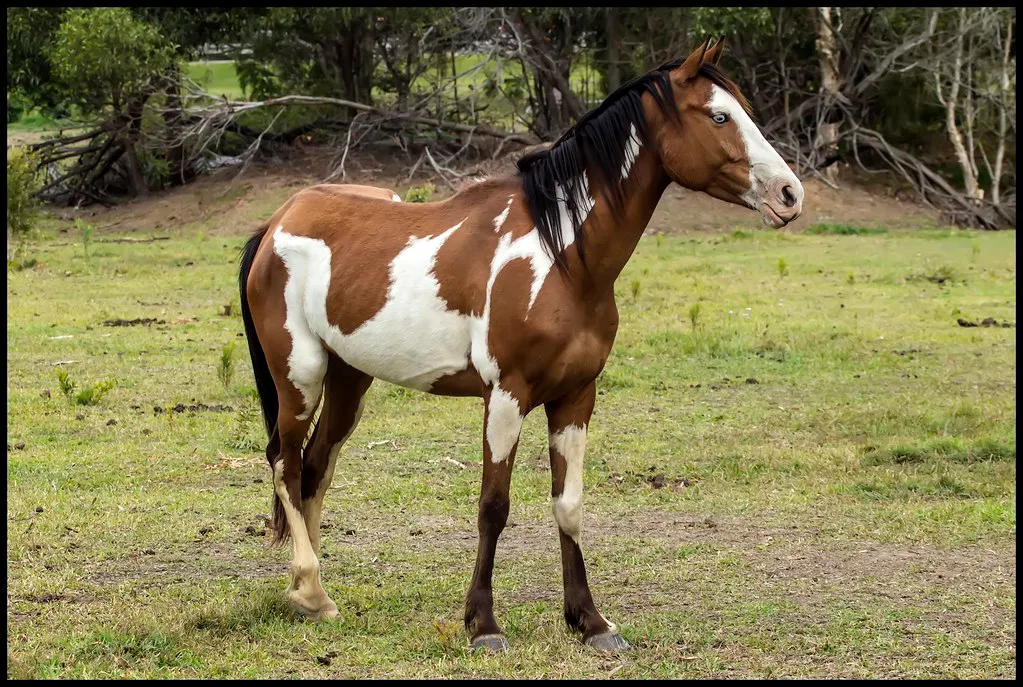
A stunning coat pattern can carry a death sentence for foals – and it’s more common than most breeders let on. Paint Horses come in a rainbow of patterns, but one in particular, frame overo, hides a fatal genetic mutation.
A foal with two copies of the gene is born with lethal white syndrome, while a foal with just one copy is a carrier that appears normal but is often deaf. The numbers here are staggering – in certain overo color patterns, more than 95% of horses tested came back as heterozygous carriers. Affected foals are born pure white and deceptively normal-looking, but their underdeveloped intestinal tract leads to severe colic within hours, and there is no treatment. First-time breeders who skip genetic testing before pairing two overo horses are gambling with a foal’s life without realizing it.
Fast Facts
- Two copies of the frame overo gene cause lethal white syndrome, always fatal within hours
- One copy makes a foal a carrier that often appears normal but may be deaf
- Over 95% of horses tested in some overo lines carry at least one copy of the gene
- DNA testing before breeding two overo horses can prevent the mutation entirely
#22 – Tennessee Walking Horse
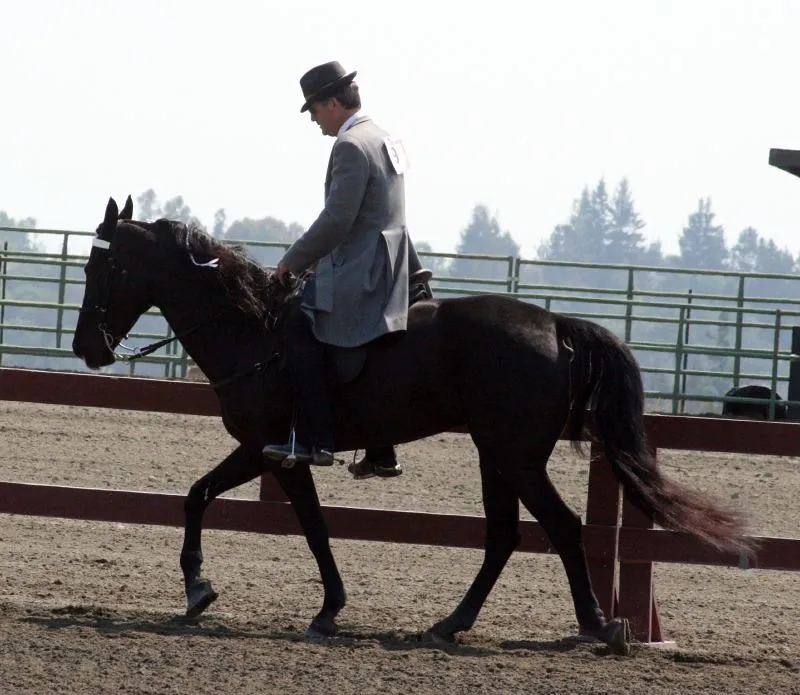
The breed known for its smooth, gliding gait has a controversial history that vet techs still bring up in hushed tones. Tennessee Walking Horses are famous for their unique running-walk, prized by trail riders chasing the most comfortable ride in the industry.
Here’s the friction point most first-timers never expect: the show-ring version of this breed has been dogged for decades by soring controversies, the practice of using irritants or devices to exaggerate the gait for competition. Many equine professionals now argue that buying a “big lick” show-bred Walking Horse quietly supports a training culture that prioritizes appearance over welfare – a genuinely divisive opinion that still splits the Walking Horse community today. For a first-timer who just wants a comfortable trail horse, seeking out pleasure- or trail-bred lines instead of show bloodlines matters enormously, and most buyers have no idea that distinction even exists.
#23 – Icelandic Horse
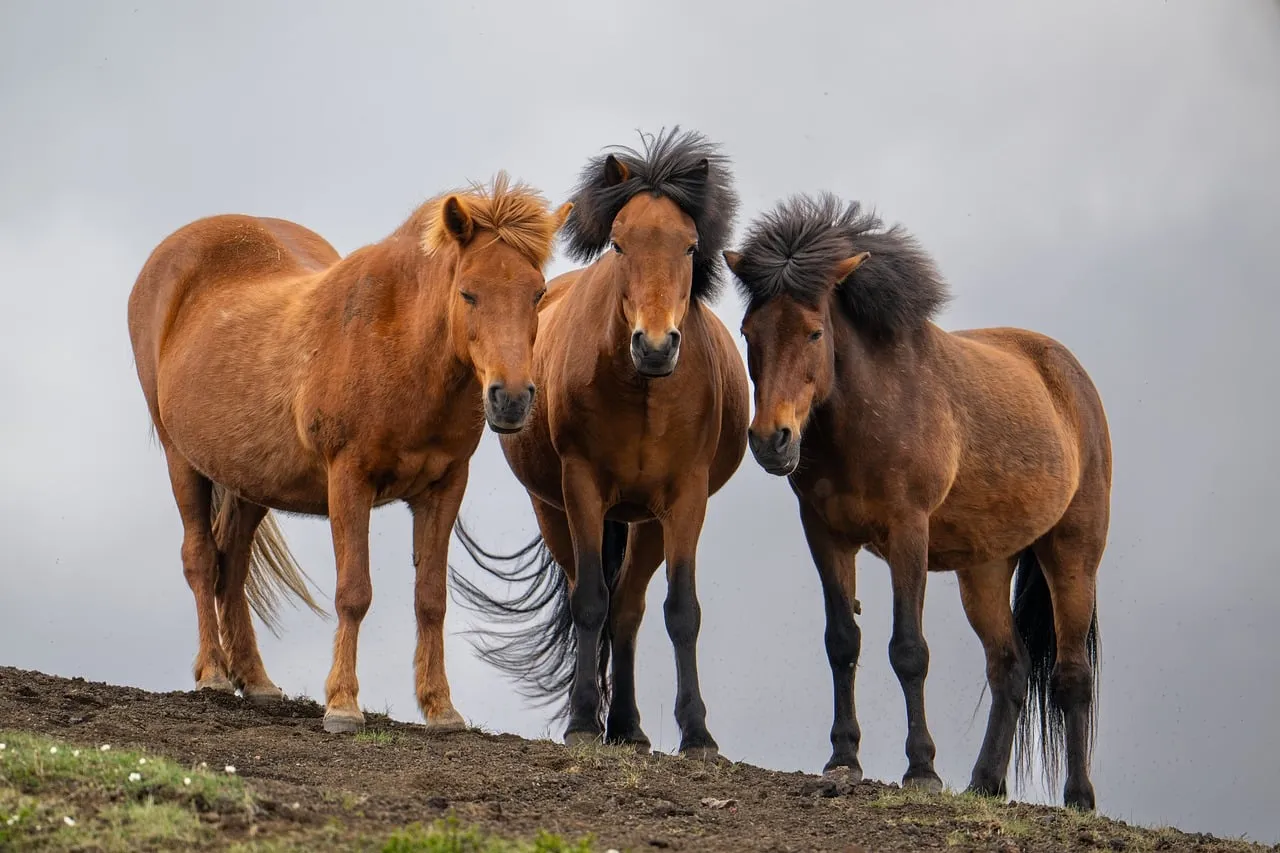
A breed so genetically isolated that its home country won’t even let horses back in once they leave. Icelandic Horses have been bred in near-total isolation for over a thousand years, giving them a unique fifth gait but also making them biosecurity-sensitive in ways beginners rarely anticipate.
Because the population has had minimal exposure to outside disease, importing or exporting one requires strict veterinary protocols most first-time buyers never expect from a horse purchase. On top of that, their small stature and thick double coat make them prone to overheating and metabolic weight gain on rich modern pasture instead of the sparse forage they evolved to survive on. Vet techs often flag Icelandic Horses for the same easy-keeper laminitis risk seen in Shetlands and Welsh Ponies. It’s a breed that rewards experienced management, not casual ownership.
#24 – Australian Brumby
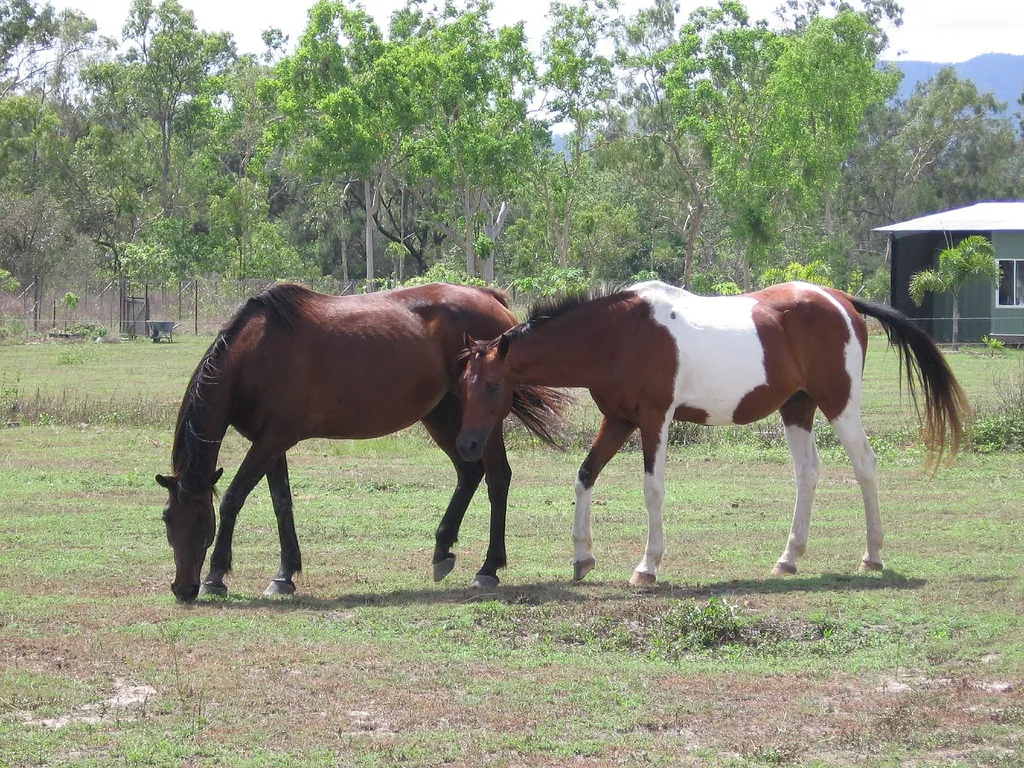
The wildest name on this entire list – and the one vet techs warn first-timers about most bluntly. Brumbies are Australia’s feral horses, and their unpredictable upbringing makes them fundamentally different from every domestically raised breed on this list.
Even a Brumby that’s already been broken can stay shy and difficult to ride, carrying years of feral instinct that don’t disappear just because a saddle went on. It can take a professional handler months, sometimes years, to build the kind of trust a domestically bred foal offers almost from birth. For a first-time owner drawn in by the romantic idea of “rescuing” a wild horse, vet techs are blunt about it: this should be an advanced project, not a first purchase. The risk of injury to an inexperienced handler is simply too high to treat casually.
The Bottom Line
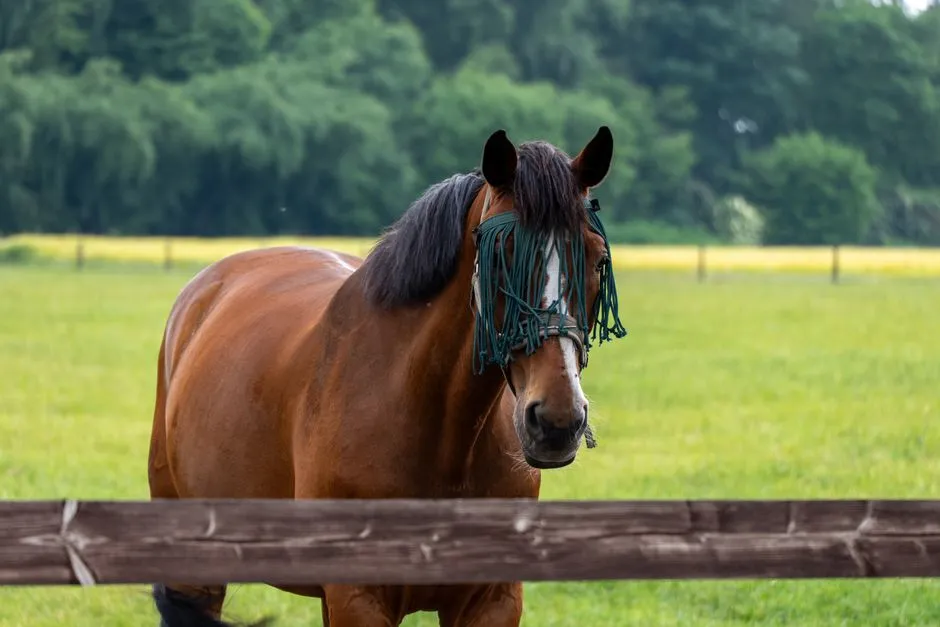
After digging through what vet techs actually see in exam rooms, one thing becomes impossible to ignore: the breeds that look safest on paper are often hiding the biggest surprises. Spotted coats can carry blindness genes. Gentle giants come with lymphedema risk and shredded fencing. “Calm” ponies quietly top the laminitis charts nationwide.
Here’s the opinion vet techs won’t say on camera but will absolutely say in the break room: the entire “beginner-friendly breed” industry has done first-time buyers a disservice. It turned a serious medical and financial assessment into a marketing label, and newcomers keep paying the price in vet bills and heartbreak. The real fix isn’t avoiding these breeds – plenty of people manage every one of them beautifully. It’s refusing to buy on looks alone, and asking about genetic testing, pre-purchase exams, and true maintenance costs before a single check gets signed.
Did your first horse make this list? Tell us what you wish someone had warned you about before you brought them home.
