
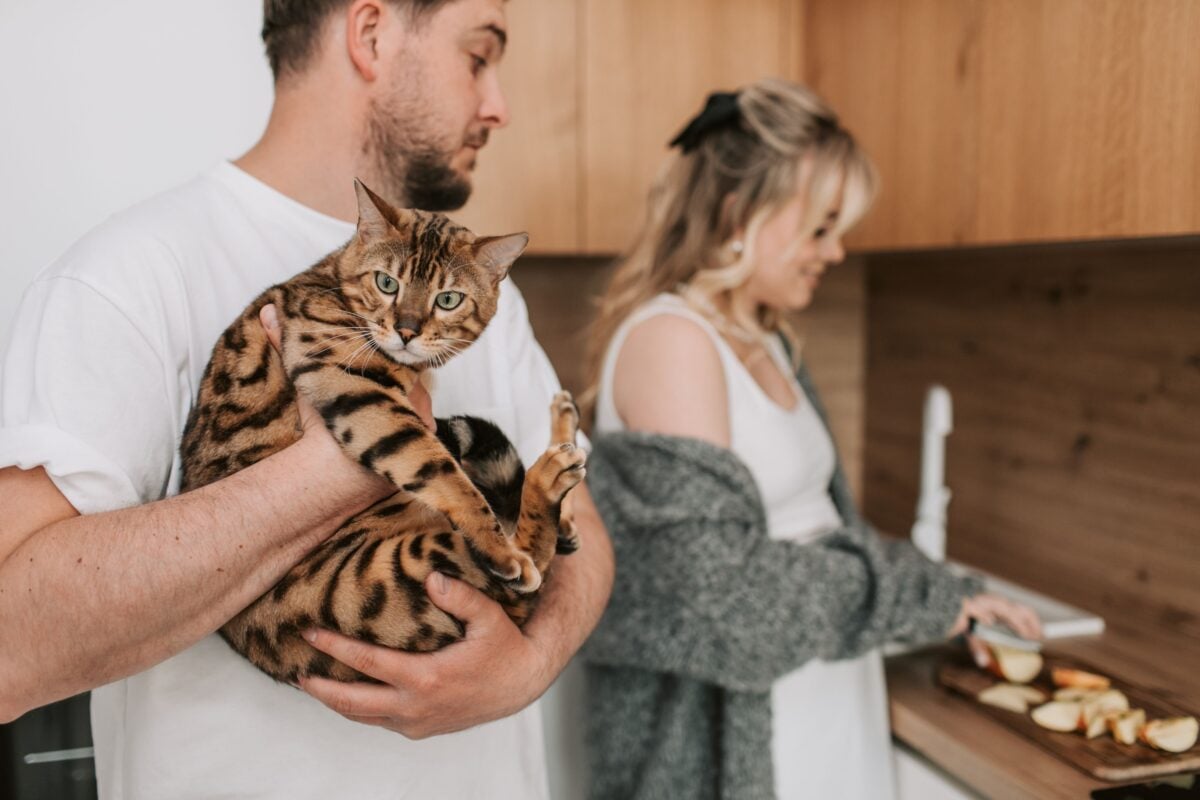
Everyone thinks they’re buying a fancy spotted house cat. What they actually bring home is a half-wild, hyper-intelligent athlete that treats the couch like a jungle gym and every house rule like a polite suggestion. The Instagram version is a cat curled up looking exotic on a windowsill. The real version is shredded toilet paper, 3 a.m. parkour across your ribcage, and a creature that can outsmart a baby gate before breakfast.
Here’s the part nobody tells you at the breeder’s house: almost every Bengal owner learns the exact same 15 lessons, in roughly the same order, usually after something breaks. Some of these cost furniture. A few cost sleep. One or two cost real money. Stick around, because #1 is the twist that makes long-term owners say they’d never go back to a “normal” cat.
#15 – “Regular Cat Toys” Don’t Survive 24 Hours
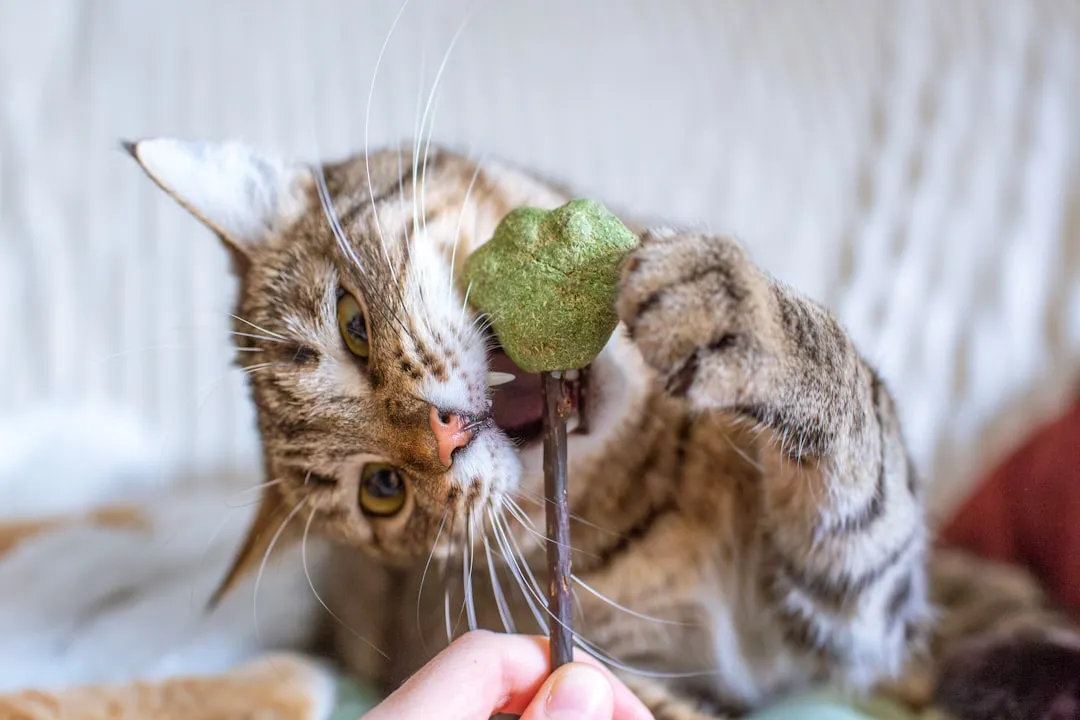
Bengals don’t play like normal cats. They assault toys like prey, over and over, with the kind of commitment a housecat has no business having. That cute feather wand from the pet store? Most owners find it de-feathered and unrecognizable within a single afternoon.
Cheap plastic balls get crushed. Fabric mice get gutted like actual prey. String toys turn into choking hazards the second you look away. This isn’t bad behavior – it’s a high-drive, athletic, hunting-focused breed doing exactly what it was bred to do. So the toy box quietly upgrades itself: steel-wire wands, puzzle feeders, wall-mounted climbers. The bill climbs fast, and so does your respect for what those jaws and claws can actually do.
Fast Facts
- Feather wands often get destroyed within hours of first use
- Sturdier swaps: steel-wire wands, puzzle feeders, wall-mounted climbers
- Fabric mice and string toys carry real destruction and choking risks
- Toy budgets for Bengals typically run higher than for the average house cat
#14 – Your Breakables Are Not Safe Anywhere
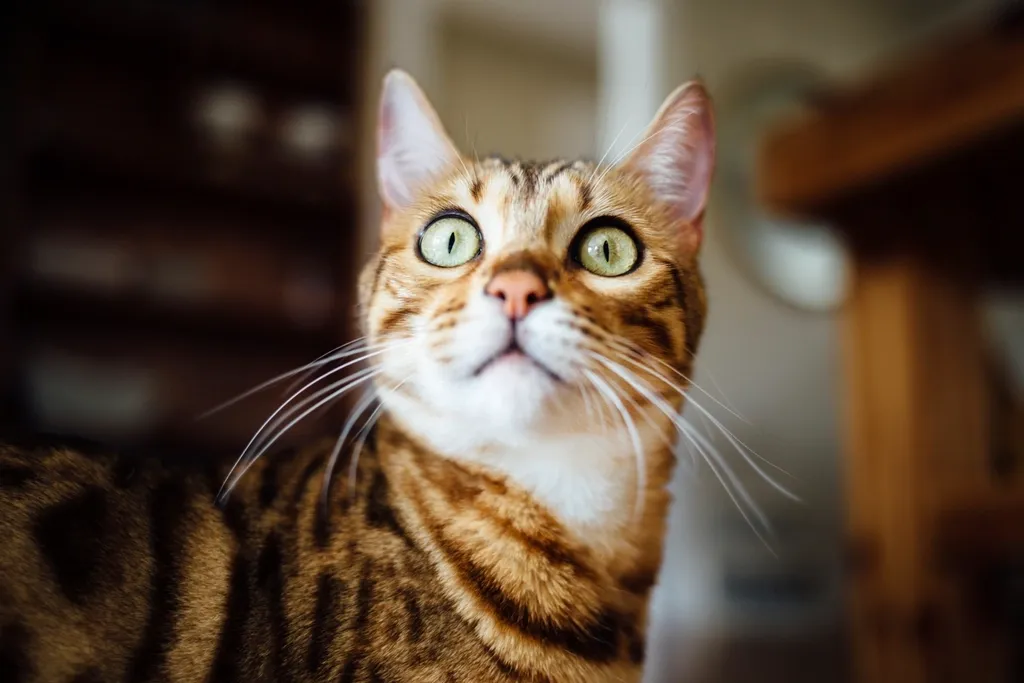
Most new owners assume “I’ll just keep the fragile stuff on a high shelf” solves the problem. Bengal owners eventually learn there is no such thing as out of reach for this cat. Bengals climb like squirrels, jump like small dogs, and will happily launch themselves onto fridge tops, curtain rods, and the tallest bookcase in the house just to see what’s up there.
If it can be climbed, they’ll test it. If it can be knocked off, sooner or later it will be. The hard lesson usually arrives the moment a favorite mug or an heirloom vase meets Bengal physics. Most owners end up clearing high shelves entirely, mounting the TV to the wall, and gluing decor down with museum putty. You don’t cat-proof a house for a Bengal – you toddler-proof it on hard mode.
#13 – If You Don’t Provide Exercise, They’ll Invent It
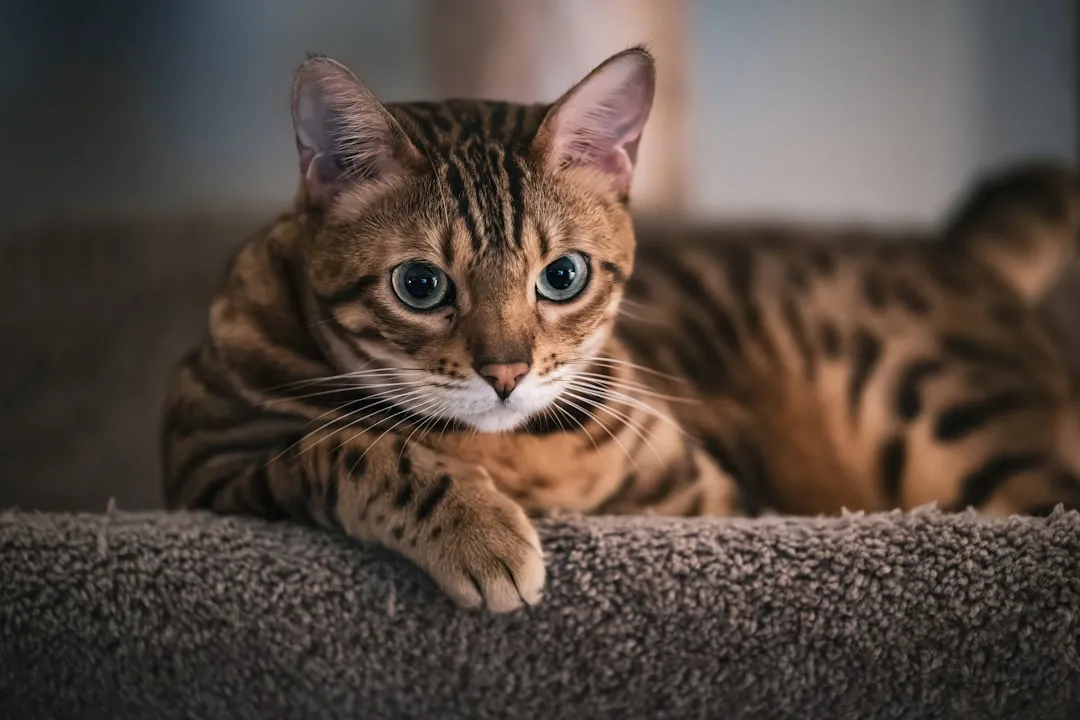
People hear “energetic” and picture a five-minute laser pointer session after work. Then reality hits: Bengals can bounce off the walls for hours, and if that energy doesn’t get a job, it finds one on its own – usually your sofa.
That’s when owners discover shredded upholstery, full-speed zoomies across their sleeping body at midnight, and laps around the countertops like it’s a track meet. Every experienced Bengal owner eventually builds some version of a home gym: tall cat trees, wall shelves, a cat wheel, rotating puzzle toys. It isn’t spoiling the cat – it’s damage control. A bored Bengal doesn’t just get annoying. It gets destructive, loud, and occasionally aggressive.
#12 – They Are Much Louder Than You Think
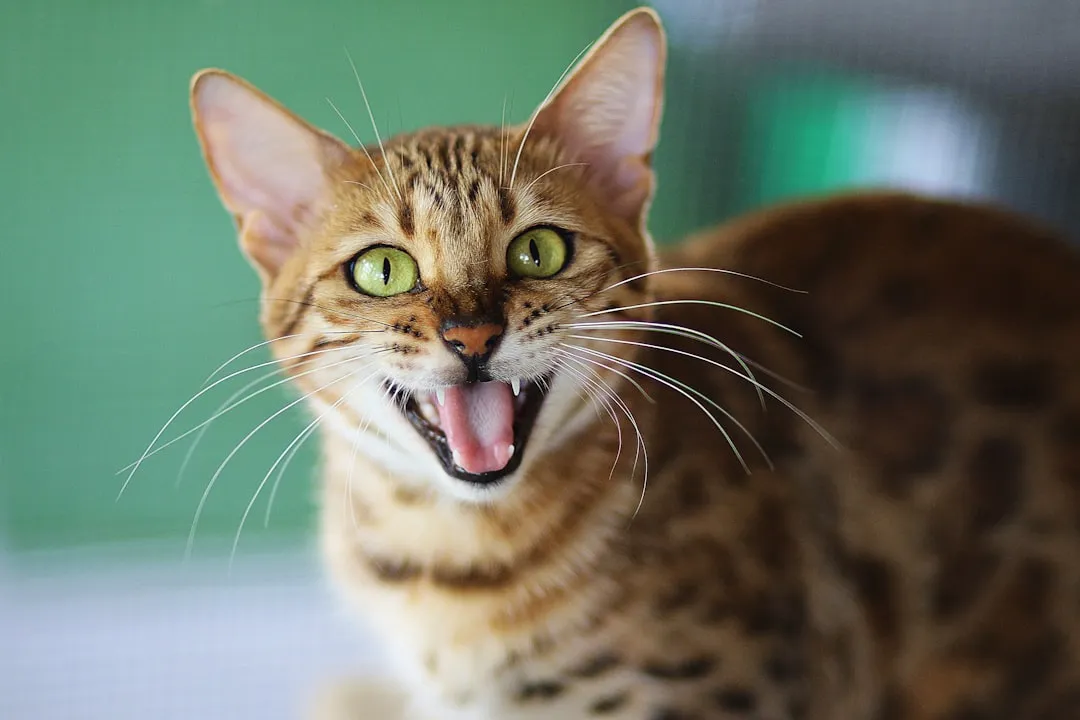
New owners expect the occasional cute meow. Then they hear their Bengal’s full voice for the first time, and it sounds less like a house cat and more like a yodeling toddler with a grievance. Chirps, trills, howls, and strange almost-human “words” – Bengals use all of it to demand food, attention, or access to whatever door you dared to close.
This isn’t random noise. It’s communication, and when they’re bored or under-stimulated, the volume goes up. Apartment dwellers often learn this the hard way, via a neighbor’s note under the door. Training helps – scheduled play, consistent routines, ignoring attention-seeking yowls – but you never fully quiet a Bengal. You just learn to translate them.
#11 – Water Isn’t a Fear; It’s an Obsession

Everyone assumes cats hate water. Bengal owners learn the opposite almost immediately: these cats are weirdly, deeply fascinated by it. Many will stick their paws in a running tap, sit in the shower right after you’ve used it, or try to climb into the tub while it’s still filling. Some figure out how to work the faucet handles themselves.
Left unmanaged, that curiosity turns into a problem fast. Toilets with the lid up, uncovered fish tanks, dripping faucets – all of it becomes an irresistible playground. Owners report soaked countertops, water trails across the floor, and the occasional splashed laptop. Smart owners just work with it: closed toilet lids, secured aquarium covers, and a cat fountain to satisfy the obsession safely. Fighting this instinct is a losing battle.
Why It Stands Out
- Many Bengals paw at running taps or linger in a just-used shower
- Some figure out how to work faucet handles on their own
- Uncovered fish tanks and open toilets become instant playgrounds
- A dedicated cat fountain often redirects the obsession safely
#10 – They Are Escape Artists With Zero Road Sense
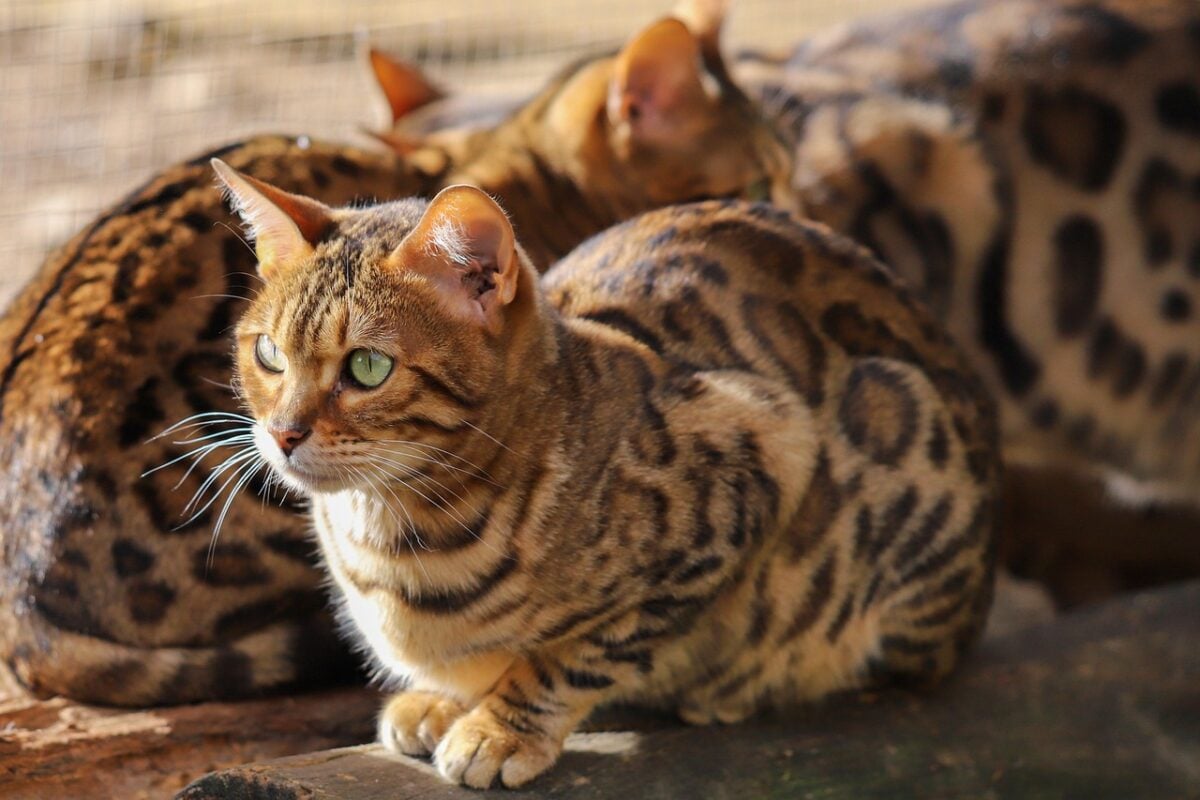
Most new owners treat “indoor cat” as a simple, settled decision. Bengals treat it as a personal challenge. They are notorious door dashers, slipping between your feet the instant a door cracks open. Window screens get tested. Balcony railings get scaled. And unlike a street-smart stray, most Bengals have zero understanding of cars, predators, or how to find their way home.
The hard lesson usually comes as one heart-stopping moment – an open window, a forgotten door, a cat suddenly, terrifyingly gone. Some are found within the hour. Some aren’t. That’s why experienced owners microchip, use breakaway collars with ID, install baby-gate airlocks at the front door, and leash-train for supervised outdoor time. You treat a Bengal like a high-drive dog when it comes to safety, not a lazy sofa cat.
#9 – One Bengal Is Often Not Enough (But Two Is a Shock)
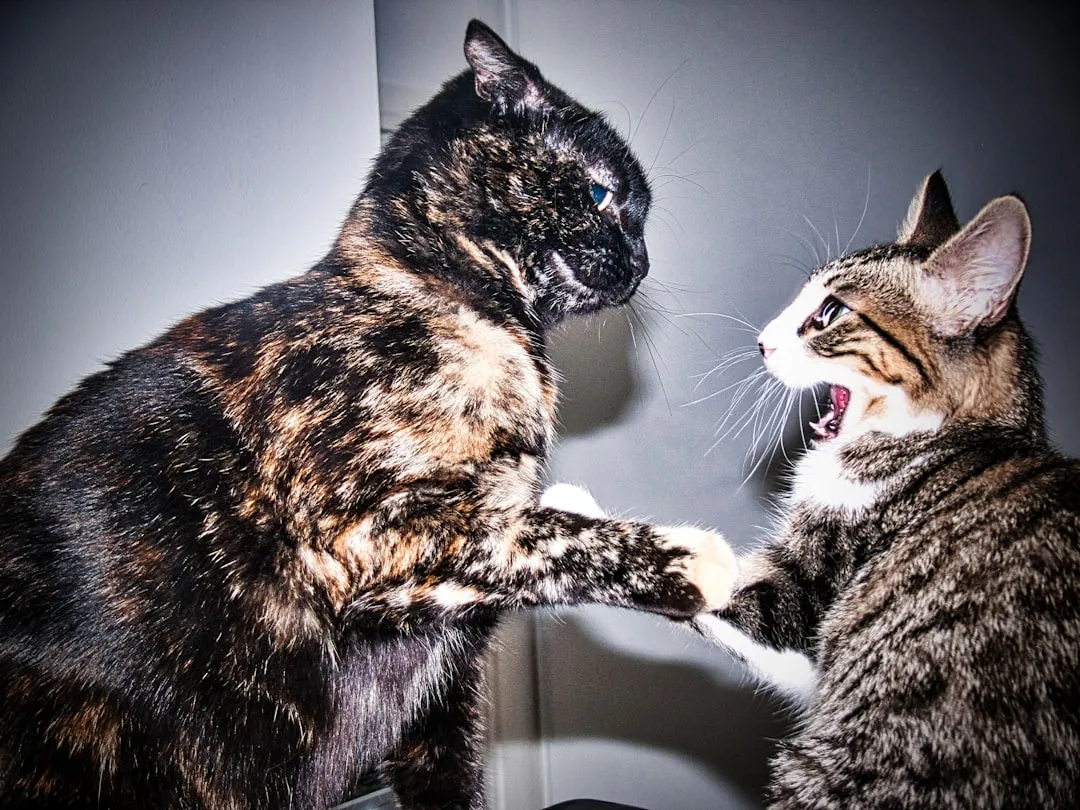
People assume a second Bengal will “calm the first one down.” Sometimes it does – but often it just means you now have two furry missiles amplifying each other’s chaos. They wrestle at full speed, chase each other at insane velocities, and stage tag-team raids on the kitchen counter. The house gets louder, wilder, and somehow, genuinely happier.
The upside is real: their social needs get met, they tire each other out, and you’re no longer the sole entertainment committee. The downside is just as real – double the vet bills, double the food, double the destruction potential. Many owners say two Bengals are actually easier behaviorally, just overwhelming for anyone who pictured a quiet life with white furniture. That fantasy dies fast.
Quick Compare
- One Bengal: every play demand lands on you, but bonding feels more one-on-one
- Two Bengals: they wear each other out, but food, vet costs, and mess double
- One Bengal: generally easier to manage in a small space
- Two Bengals: often calmer individually, louder and wilder together
#8 – “Dog-Like” Isn’t Always the Compliment It Sounds Like

Bengals get marketed constantly as “dog-like,” which sounds charming until you actually live with it. They follow you room to room, demand interactive play on schedule, and can develop real separation anxiety, just like a high-energy dog left alone too long. You are not an optional accessory in their world – you are the main project.
They fetch toys and expect you to throw them back. They wait outside the bathroom door like a tiny impatient bouncer. They greet you loudly at the door if you dared to leave without them. Ignoring a Bengal doesn’t make it independent – it usually makes it louder or more destructive. You don’t own a Bengal so much as enter a relationship with one. If you wanted a background pet, you picked the wrong breed.
#7 – Your Vet Bills Might Not Look Like a Normal Cat’s
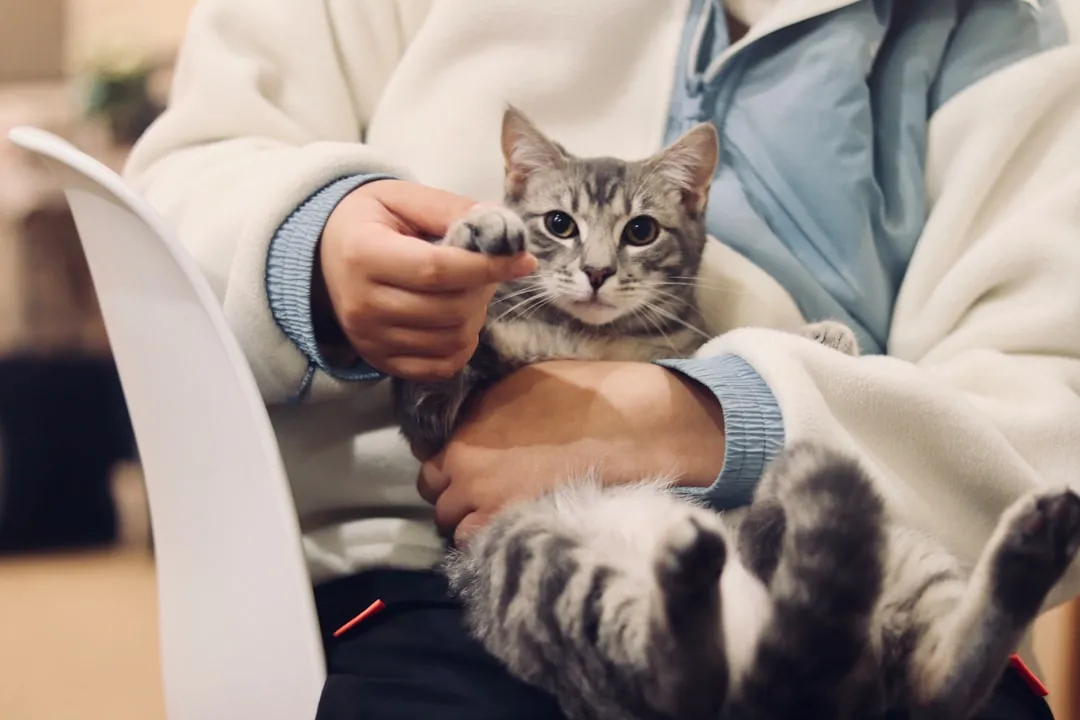
Bengals can be very healthy animals, but they’re still a distinct, selectively bred line, and that can mean higher upfront and long-term costs. Responsible breeders run genetic testing and early screening – costs baked into the purchase price. Cheap, backyard-bred Bengals often skip that step entirely, and owners learn the difference through surprise medical bills later.
The realities add up: pricier food because many Bengals are picky or sensitive, extra diagnostics when something seems “off,” and pet insurance that’s genuinely worth having for a young, high-activity breed. A broken bone from a bad jump, a swallowed toy, a sudden GI issue – none of it is cheap. The breed isn’t doomed to health problems. Being financially unprepared for one is where people actually get burned.
#6 – Mental Stimulation Is Not Optional Enrichment
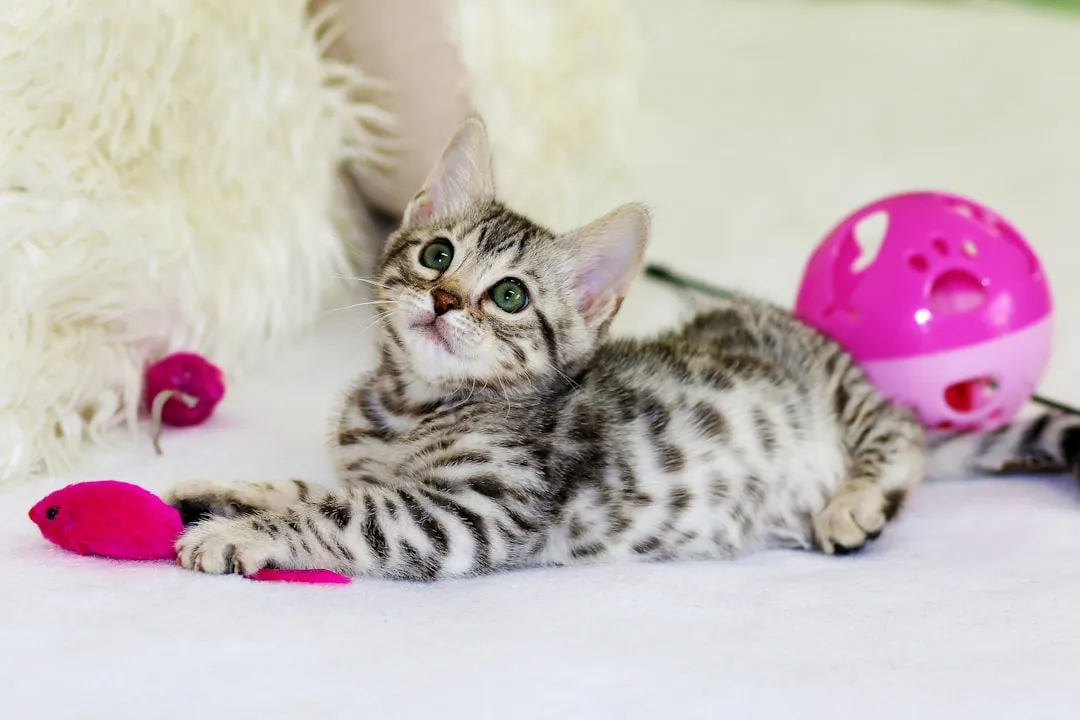
Most cat owners think toys are a nice extra. With a Bengal, mental stimulation is as non-negotiable as food and water. These cats are smart to the point of scheming. Leave one with nothing to do and it won’t just nap – it’ll go looking for a problem to solve, usually by opening a cabinet, unrolling the toilet paper, or figuring out exactly where you hid the treats.
Experienced owners end up running their homes like a puzzle gym: food puzzles and slow feeders at mealtime, short clicker-training sessions, toy rotations so nothing gets stale. The mindset shift matters here – you’re not spoiling the cat, you’re meeting the cognitive needs of a genuinely intelligent animal. Skip that, and the behavioral issues will eventually force your hand anyway.
#5 – Scratching and Climbing Are Needs, Not Bad Behavior
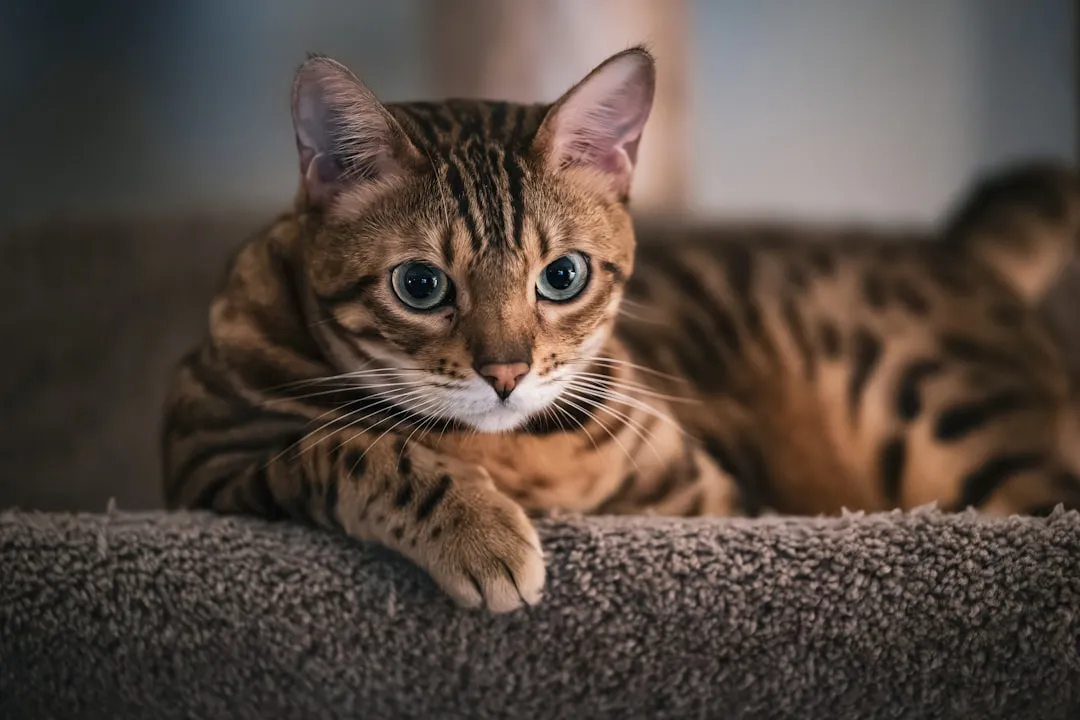
Most people react to scratching as misbehavior to correct. Bengal owners eventually realize it’s a biological requirement, especially for a muscular, high-activity cat. Their claws are tools. Their shoulders and back need that deep stretch. Telling a Bengal not to scratch is like telling a sprinter not to stretch before a run.
The fix isn’t scolding – it’s strategy. Tall, stable scratching posts in the rooms they actually use. Horizontal scratchers for variety. Reward-based training the moment they use the right spot. Climbing works the same way: you can’t just ban the counters and offer nothing else. Wall shelves and tall trees give that instinct somewhere legal to go. The owners who fight this reality instead of redirecting it usually lose – and lose a lot of furniture along the way.
#4 – They Notice Everything, Including Your Entire Routine
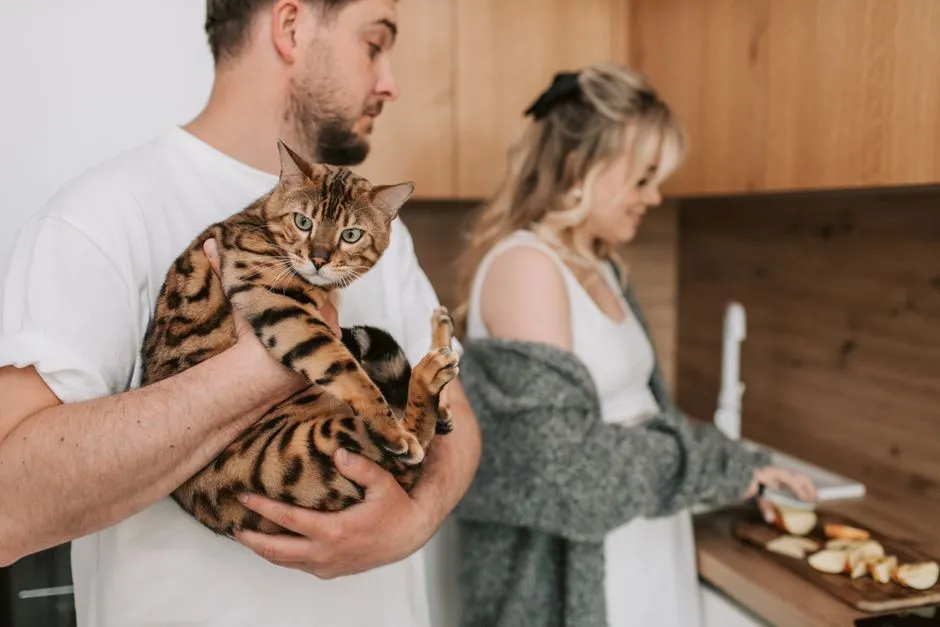
Most cats like routine. Bengals practically study it. They learn the sound of your alarm, your work schedule, even the days you’re more likely to ignore them – and they adjust their strategy accordingly. Owners are often genuinely startled the first time their Bengal starts waking them five minutes before the alarm goes off, or parks by the door right before they’re due home.
It isn’t magic. It’s pattern recognition, and it cuts both ways. Change your schedule and some Bengals get anxious, vocal, or clingy fast. Travel often or work unpredictable hours, and you may see the behavioral fallout directly. On the flip side, they genuinely thrive on consistent mealtimes, predictable play, and respected quiet hours. They’re not robots, but they do better with structure than most cat breeds ever will.
#3 – Early Socialization Quietly Decides Their Whole Personality
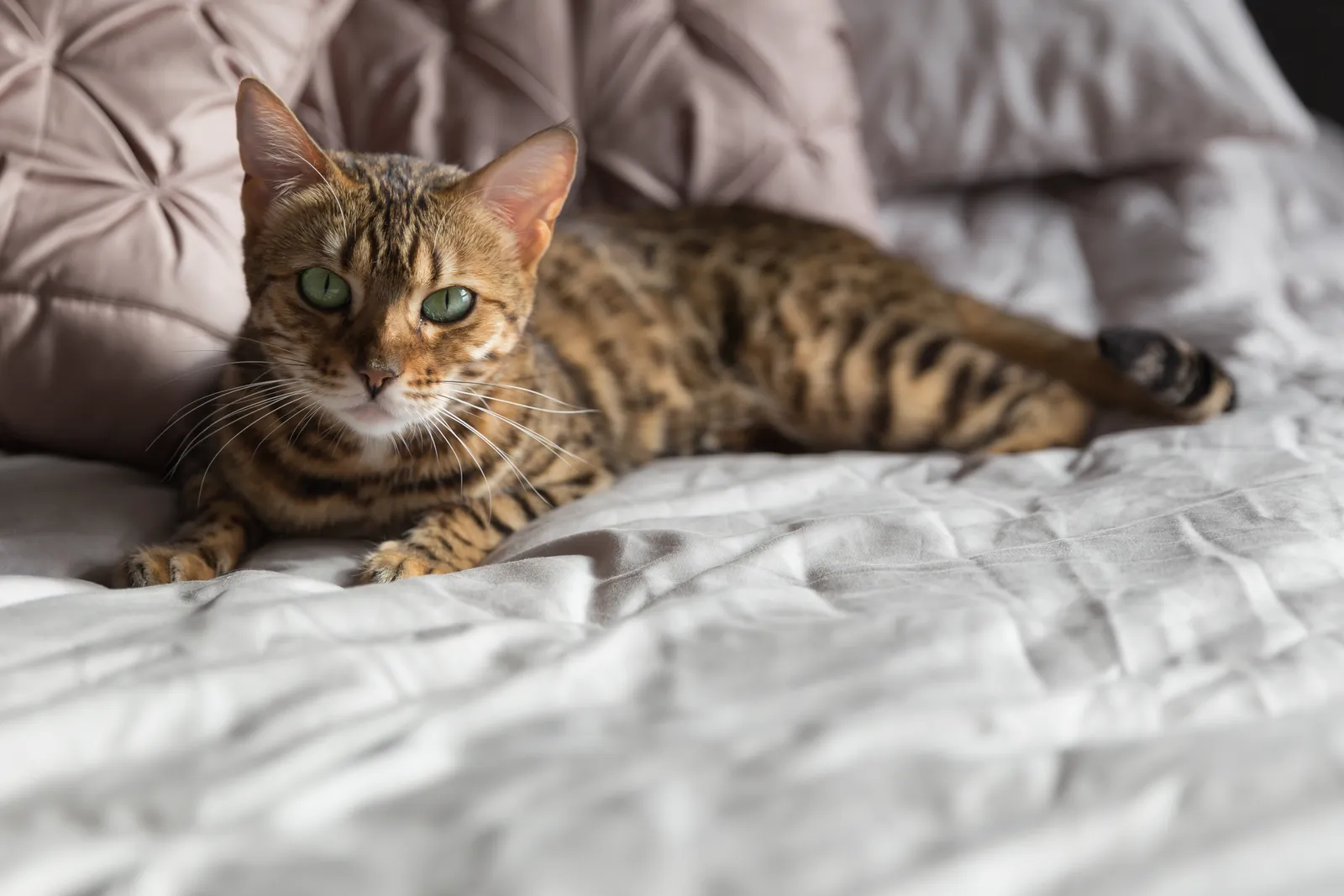
People assume Bengals are just naturally confident and outgoing. Many are – but without early socialization and continued positive experiences, that confidence can curdle into reactivity or fear. A poorly socialized Bengal is a genuine handful: loud, suspicious, and quick to escalate the moment it feels stressed.
Owners who get it right handle kittens gently and often, expose them to new sounds and visitors in a controlled way, and use positive reinforcement around nail trims, carriers, and vet visits. The payoff is a cat that travels better, tolerates the vet, and handles change without a meltdown. Skip it, and you may end up with a Bengal that turns every new situation into a screaming production. This part isn’t luck – it’s built early, on purpose.
#2 – A Chronically Bored Bengal Can Break More Than Your Stuff
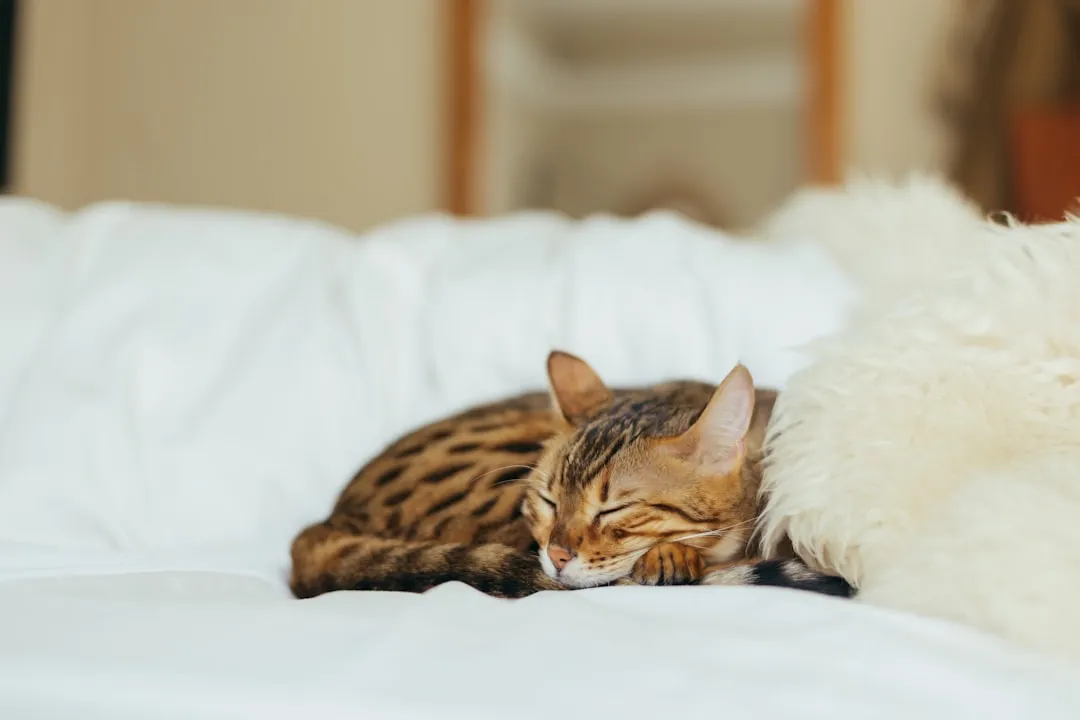
Every cat gets bored sometimes. A chronically bored Bengal becomes a full-time crisis. This is the point where people start actually considering rehoming – not because the cat is evil, but because the human badly underestimated what they signed up for. Destruction, constant howling, aggression toward other pets, litter box problems – they’re almost always rooted in the same unmet needs.
Owners who hit this wall tend to admit the same three things: they thought a Bengal was just a pretty coat, not a working brain attached to an athletic body; they never had a real plan for exercise and attention; and they waited until the behavior got extreme before changing anything. The hard truth is this is a lifestyle cat. Keep your sanity and your belongings by designing your daily routine around that fact – not after the damage is done.
Worth Knowing
- Destroyed furniture or scratching showing up in brand-new spots
- Nonstop howling, especially right when you’re home
- Aggression toward other pets or sudden litter box avoidance
- All of it usually traces back to one root cause: unmet exercise and mental stimulation needs
#1 – Get It Right, and You’ll Never Want a “Normal” Cat Again

Here’s the twist almost every long-term Bengal owner eventually admits out loud: once you survive the learning curve, you’re ruined for other cats. The intensity, the eye contact, the strange 2 a.m. conversations, the way they actually seem to get you – it spoils you completely. They’re not background pets. They’re full-blown personalities sharing your house and, somehow, your headspace.
You start loving the exact things that once drove you crazy – the chatter, the insistence on being involved in everything, the way they collapse into purring mush after a feral fifteen minutes of play. It feels less like owning a pet and more like living with a small, chaotic roommate who happens to have retractable claws. Is it work? Absolutely. Is it for everyone? Not even close. But for the people who click with this breed, nothing else really compares.
The Bottom Line
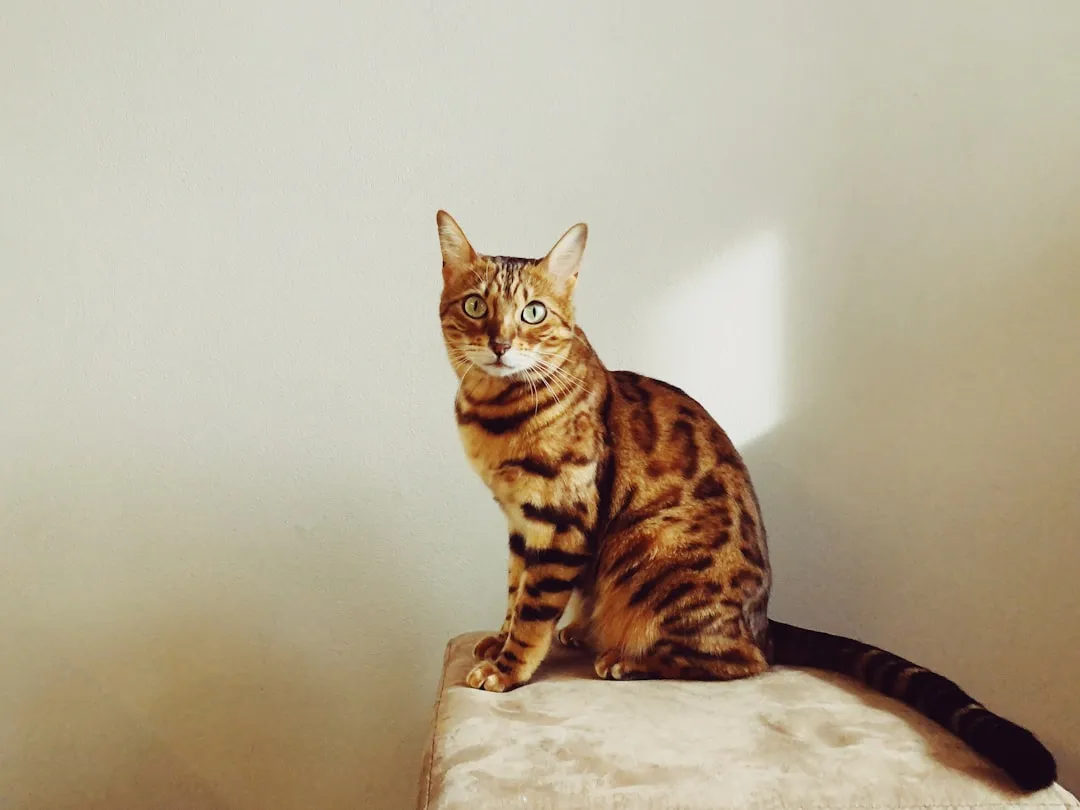
Bengal cats are not “just cats with spots.” They’re high-drive, water-loving, door-dashing, brain-on-fire athletes that will steamroll an unprepared owner without a shred of guilt. The destroyed furniture, the sleepless nights, the frantic vet visits, the escape scares – that’s usually the price people pay for believing the marketing photos and skipping the reality.
Lean into who they actually are, build your home and routine around their needs instead of fighting them, and accept that you’re sharing your life with a small, wild-hearted extrovert – and the payoff is enormous. It’s a level of connection most cat owners never get close to. So here’s the honest question worth sitting with: are Bengals overrated status symbols, or the best-kept secret in the cat world? If you’ve lived with one, you already know exactly where you stand.
