
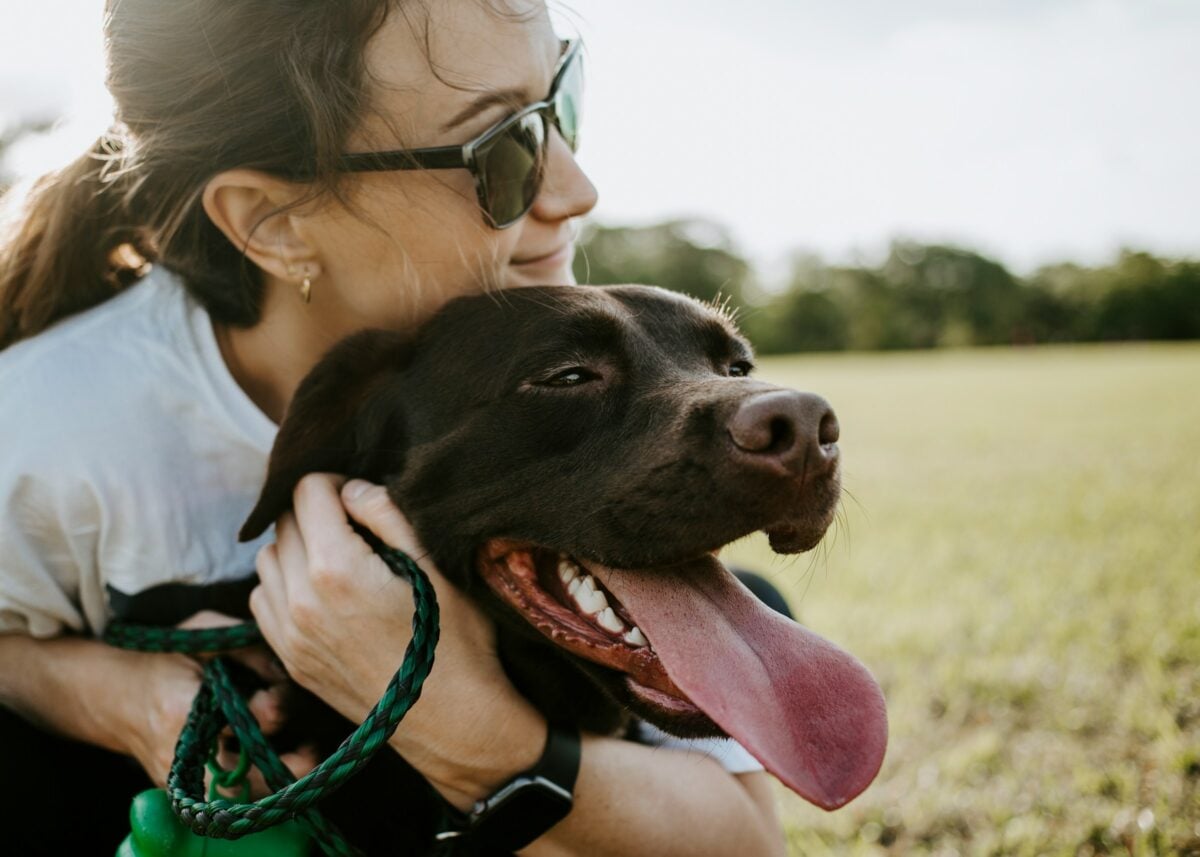
Most dog owners assume their pet loves the whole family the same way – the same tail wag for mom, the same nudge for dad, the same excited spin for the kids. Behaviourists say that assumption is almost always wrong.
Dogs are wired to form one primary attachment, and in a house full of people, that bond is almost never split evenly. One person quietly becomes the center of the dog’s entire emotional world, and everyone else becomes a supporting character it merely tolerates well. The signs are small and easy to miss if you’re not paying attention – but once you know what to look for, you’ll never watch your dog the same way again.
#1 – It Waits by the Door Only for You
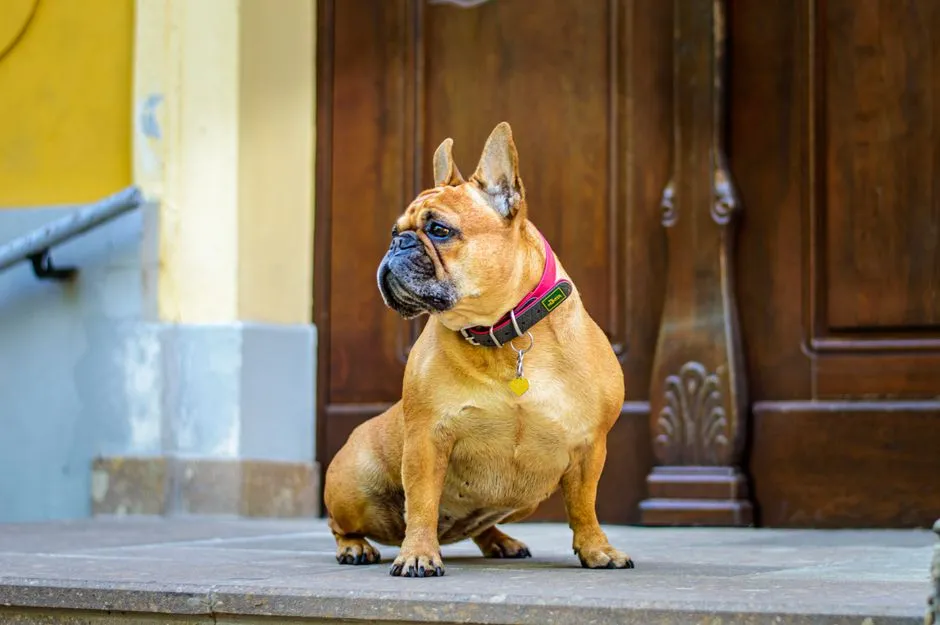
Every dog owner has seen a dog perk up at the sound of a garage door or jingling keys. But behaviourists point out that true “person-specific” waiting looks different – it’s selective, not general.
If your dog camps out by the door specifically when it knows you’re due home, but doesn’t bother when a roommate or partner is expected, that’s not coincidence. Dogs track individual schedules, not just household activity, meaning your dog has essentially built an internal calendar around you specifically. Other family members might get a glance and a tail thump; you get a full vigil.
This behaviour is often dismissed as “he just loves everyone coming home,” but the selectivity is the tell. A dog that only performs this ritual for one person has already told you who its person is. But that’s nothing compared to what happens the second you actually walk through the door.
#2 – It Sighs and Relaxes the Moment You Walk In
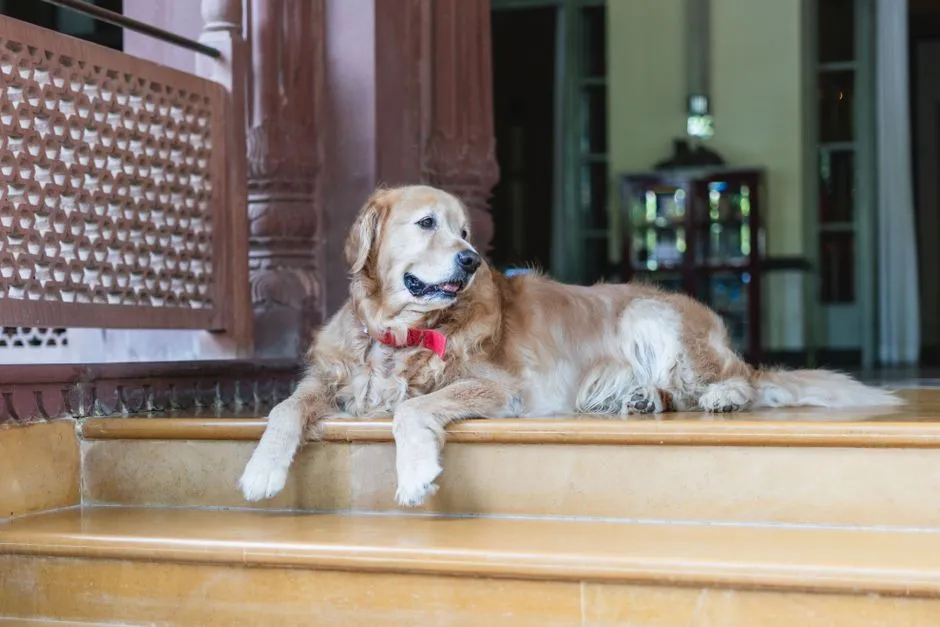
There’s a specific physical shift behaviourists look for: the audible exhale, the dropped shoulders, the flop onto the floor – only when one particular person enters the room.
This isn’t just excitement; it’s a nervous-system response. A dog’s body can visibly downshift out of low-grade alertness the second its chosen person appears, which suggests that person’s presence functions as a safety signal. Other people might get enthusiasm, jumping, or barking – but not this specific release of tension.
Owners often misread this as “he’s calmer with me because I’m quieter,” but the pattern holds even in loud, chaotic households. The dog isn’t relaxing because the room got quiet. It’s relaxing because its person got close – and what happens at mealtime is even harder to ignore.
#3 – It “Checks In” With You Before Eating
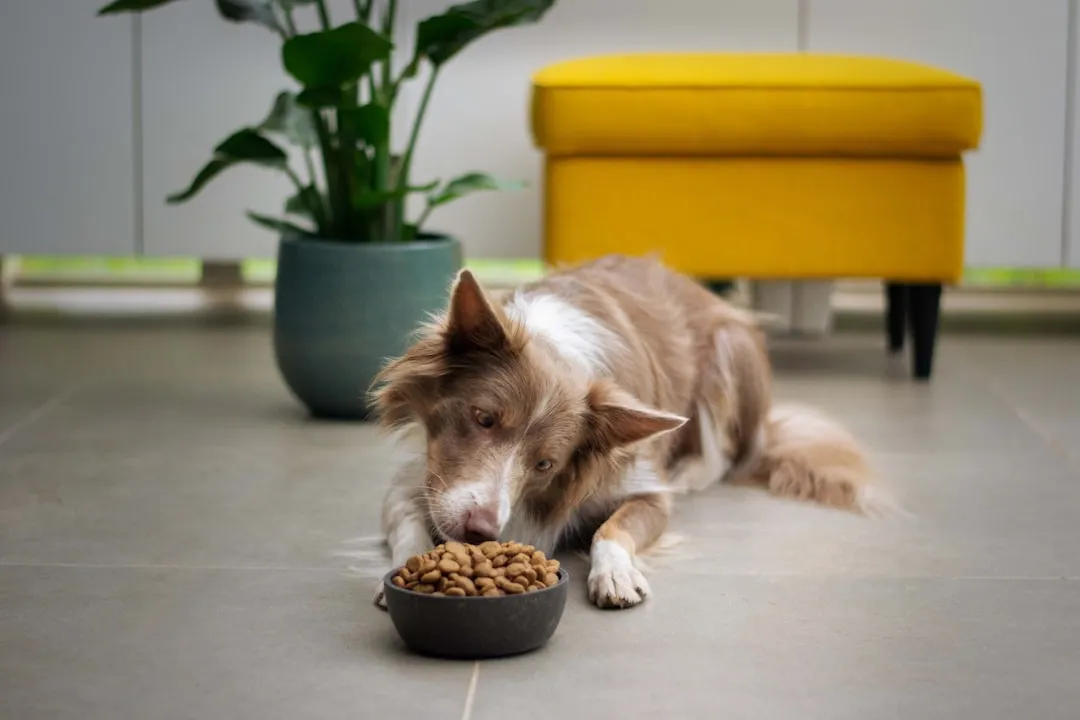
Dogs are food-motivated by nature, so it’s notable when a dog pauses before eating to glance at one specific person, almost seeking permission or reassurance.
Behaviourists describe this as a form of “social referencing” – a dog looking to its chosen person for cues about whether a situation is safe. If your dog hesitates over a full bowl until you nod, smile, or simply stay in the room, it’s treating you as its emotional compass, not just its food source.
This habit rarely applies to every person in the house. A dog might eat instantly around a sibling or roommate but pause and glance toward you specifically before digging in. It’s a small gesture, but it reveals a surprisingly deep level of trust – and it gets even more obvious once you notice how it reacts to your voice.
Fast Facts
- Dogs are capable of forming a primary attachment much like human infants do with a caregiver.
- Behaviourists note that attachment tends to form around consistency and responsiveness, not just who plays the most.
- A dog’s “chosen person” can shift over time if daily routines or caregiving responsibilities change.
- Even in multi-pet or multi-person homes, dogs are known to rank their attachments rather than distribute them equally.
#4 – It Follows Your Voice, Not Your Words
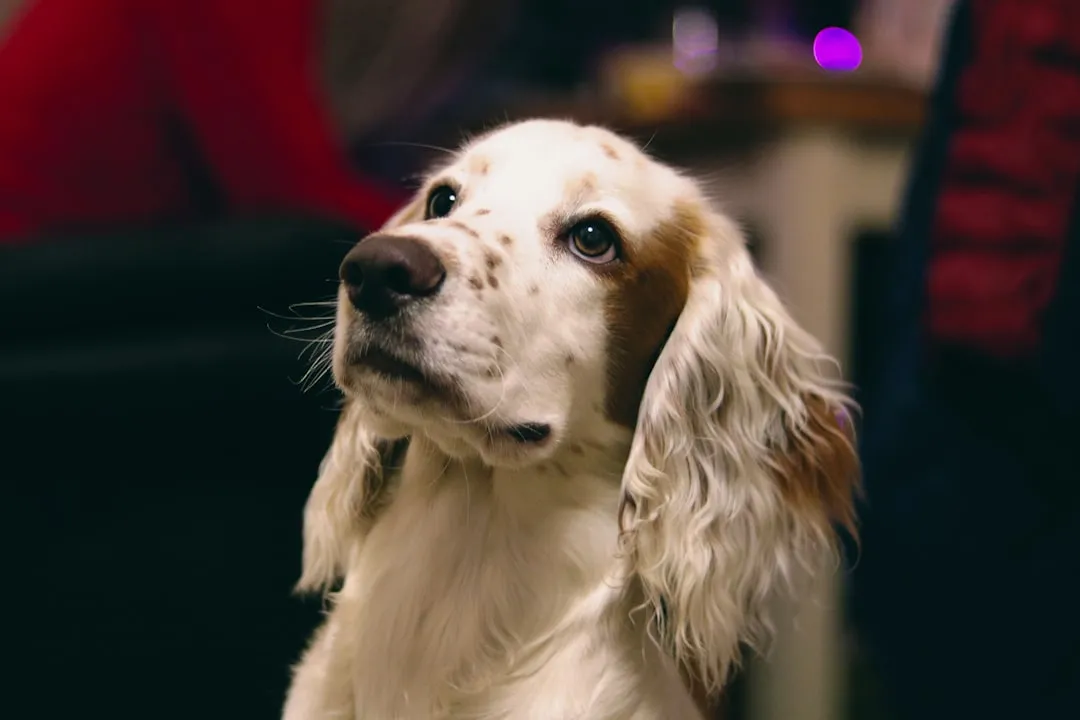
Most people assume a dog responds to commands based on training alone. But behaviourists note that dogs are highly tuned to vocal tone, and one voice often carries more emotional weight than any other.
If your dog reacts instantly to your tone shifting from casual to stern – stopping mid-bark, dropping its ears, or slinking over – while barely reacting to the same tone from someone else, that’s a sign of prioritized listening. The dog isn’t just trained to obey; it’s emotionally wired to monitor your voice specifically, the way people scan a crowded room for one familiar face.
This is often mistaken for “better training” from one household member. But trainers frequently point out that the dog responds the same way even without formal commands – just from tone alone. It’s not about who trained the dog best. It’s about who the dog is listening for.
#5 – It Chooses Your Lap Over Every Other Lap in the Room
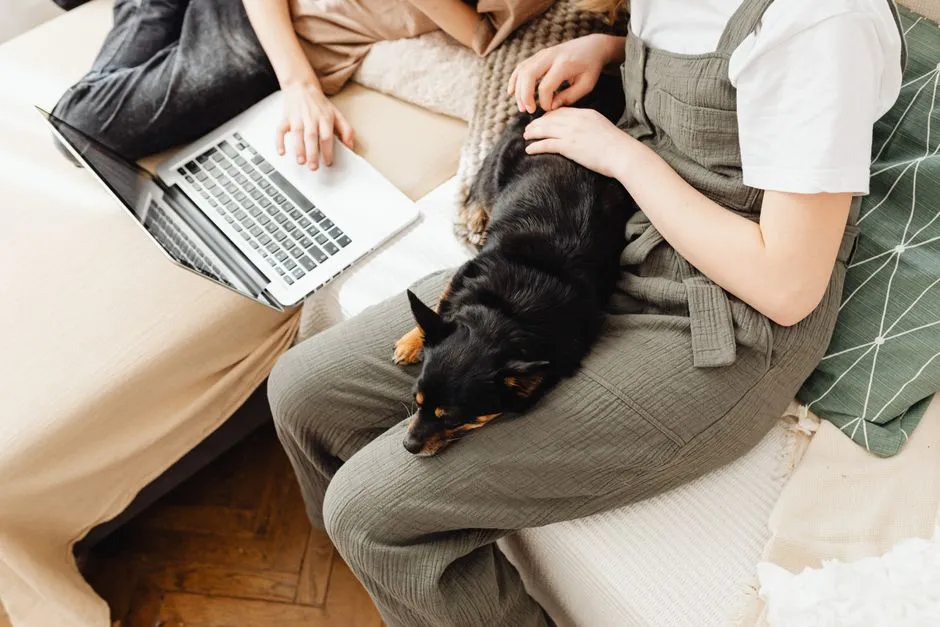
Every dog owner has watched a dog scan a room full of available laps and walk straight past every single one to reach a specific person.
This isn’t random. Behaviourists say dogs make constant micro-decisions about comfort and safety, and lap selection is one of the clearest physical votes a dog can cast. When a dog consistently bypasses easier, closer options to reach one person, it’s revealing a preference it can’t verbally explain.
Some owners assume this is about who feeds the dog or who’s “just more comfortable” physically. But this pattern holds even when the chosen lap belongs to someone with less cushion, less warmth, or less availability. The dog isn’t choosing comfort. It’s choosing a person – and its mood often shifts to match that person’s, too.
#6 – It Mirrors Your Mood Before You Even Say a Word
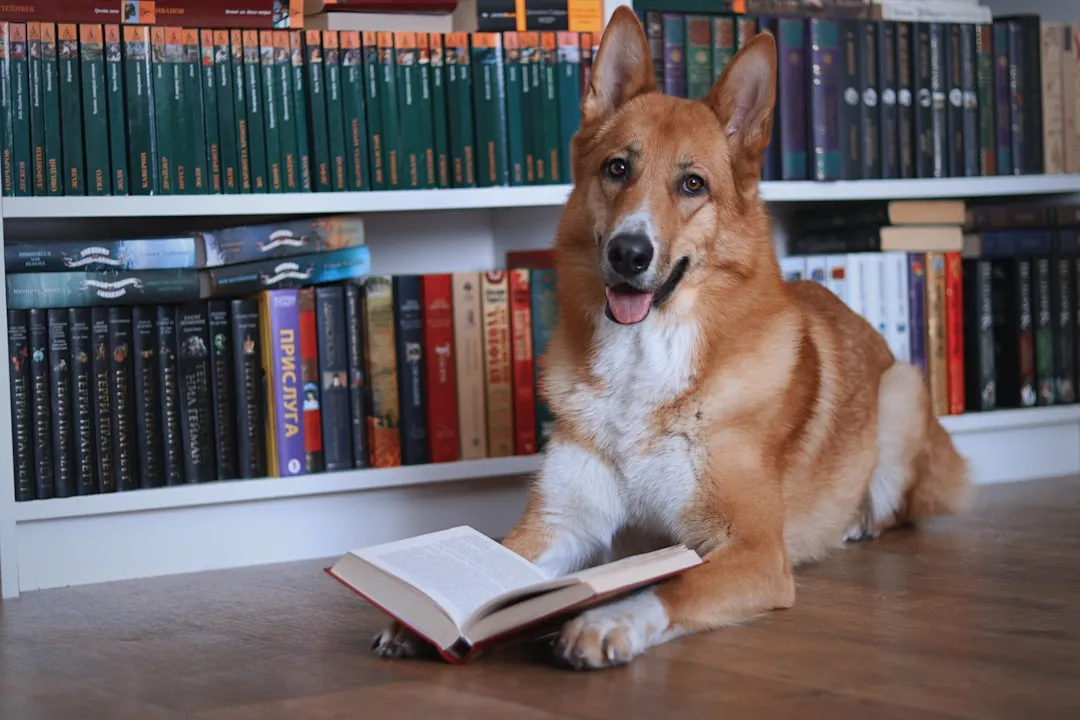
Dogs are remarkably good at reading human emotion, but behaviourists say the depth of that mirroring is usually reserved for one specific person.
If your dog goes quiet when you’re stressed, gets clingy when you’re sad, or becomes noticeably more playful the moment your energy lifts – while barely reacting to the same emotional shifts in others – that’s not coincidence. This selective emotional mirroring suggests the dog has emotionally “tuned in” to one nervous system more than any other in the house.
This is often the most overlooked sign because it feels like empathy rather than attachment. But behaviourists frame it differently: the dog isn’t just being sensitive. It’s monitoring one specific person’s emotional state the way it would monitor a pack leader’s – and when it senses a real threat nearby, that focus becomes even more obvious.
#7 – It Guards You, Not the House
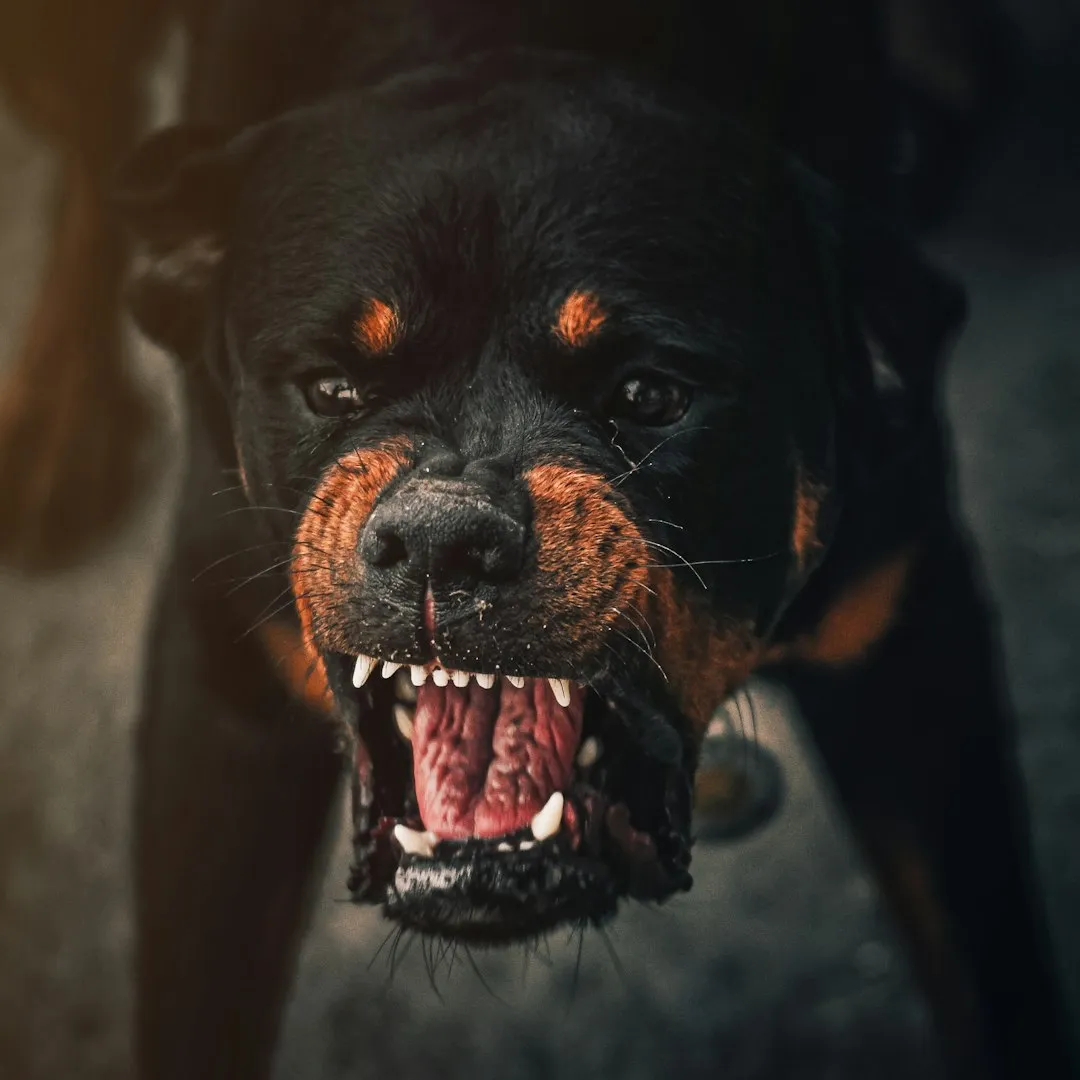
People often assume a protective dog is guarding territory. But behaviourists say true guarding behaviour is frequently person-specific, not property-specific.
If your dog positions itself near you – not the door, not the windows – when a stranger enters, and relaxes only once you relax, it’s not protecting the house. It’s protecting you specifically, treating your safety as its primary responsibility. This is especially telling in multi-person homes where the dog doesn’t extend the same vigilance to everyone equally.
This behaviour is sometimes mistaken for general anxiety or territorial instinct. But trainers point out the difference: territorial dogs react to entry points. Person-guarding dogs react to your body language. If the dog watches you to decide whether to relax, you’re the one it’s protecting – and that protection often extends straight into the bedroom.
#8 – It Has a Different “Alert” Just for Your Footsteps
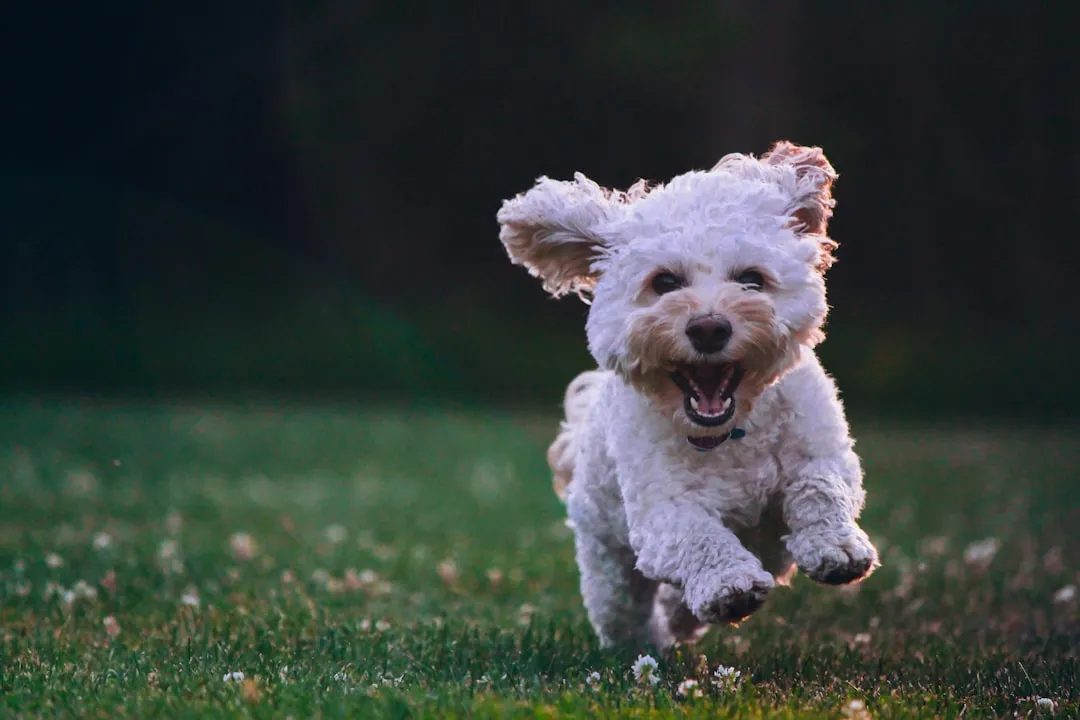
Dogs have famously sharp hearing, but behaviourists say the real giveaway isn’t that a dog hears you coming – it’s that it reacts differently to you than to anyone else.
If your dog’s ears perk up, tail shifts, or posture changes specifically at the sound of your footsteps, distinct from how it reacts to other household members walking by, that’s a sign of selective auditory tracking. The dog has essentially learned to distinguish your gait from everyone else’s and assigned it a unique emotional response.
This is often dismissed as “he just has good hearing,” but the selectivity is the real signal. A dog that reacts the same way to every set of footsteps isn’t playing favourites. A dog that reacts uniquely to yours has already made its choice – and that choice shows up at bedtime, too.
#9 – It Sleeps Touching You, Not Just Near You
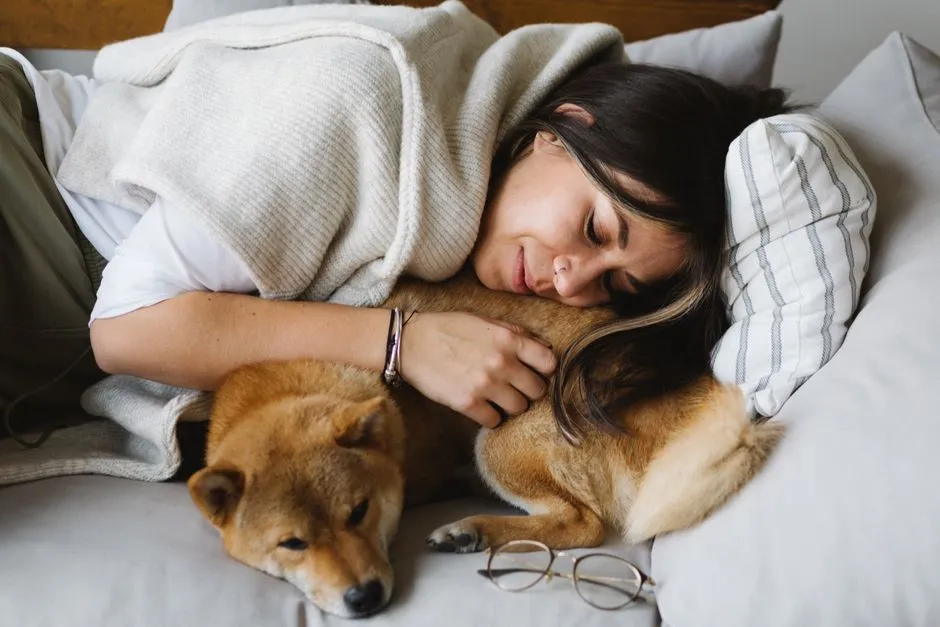
There’s a meaningful difference between a dog sleeping in the same room and a dog sleeping in physical contact with one specific person, and behaviourists say that difference matters.
If your dog consistently seeks out contact – a paw on your leg, its back against your side, its head on your foot – rather than simply occupying the same space, that’s a deliberate choice, not convenience. Physical contact during sleep is one of the clearest non-verbal signals of primary attachment, since dogs are vulnerable while asleep and instinctively choose to be vulnerable near whoever they trust most.
Some owners assume this is just about warmth or the softest spot on the bed. But this pattern often persists even when other spots are more comfortable. The dog isn’t chasing comfort. It’s chasing closeness to one specific person – and that preference shows up in how quickly it listens, too.
At a Glance
- Sleeping in contact, not just nearby, is one of the strongest trust signals a dog can show
- Instant obedience to one person often reflects relationship, not just training quality
- “Velcro behaviour” – following room to room – is usually proximity-seeking, not boredom
- Panic at one specific person’s departure (but not others’) points to a targeted bond, not general separation anxiety
#10 – It Obeys You Instantly but Stalls for Everyone Else
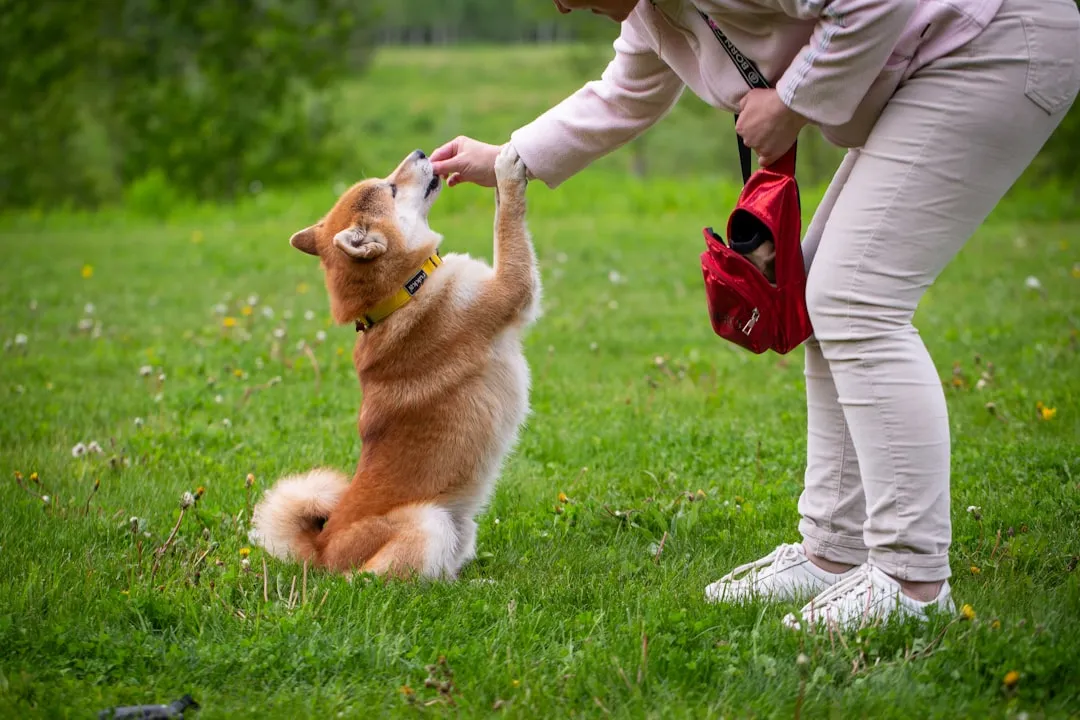
Here’s a friction point worth sitting with: trainers often insist “consistent commands” are what make a dog obedient. But behaviourists argue something more uncomfortable – some dogs simply obey out of attachment, not training.
If your dog responds to “sit” or “come” instantly from you but hesitates, ignores, or half-heartedly complies with the same command from someone else using the same tone and words, that’s not a training gap. It’s a hierarchy of emotional priority, where your requests simply carry more weight because they come from you specifically.
This often causes real tension in households, with other family members insisting they’re “just as consistent.” But consistency isn’t always the deciding factor – relationship is. The dog isn’t confused about the command. It’s just decided whose command matters most, which becomes even clearer when you walk through the house.
#11 – It Follows You Room to Room Like a Shadow
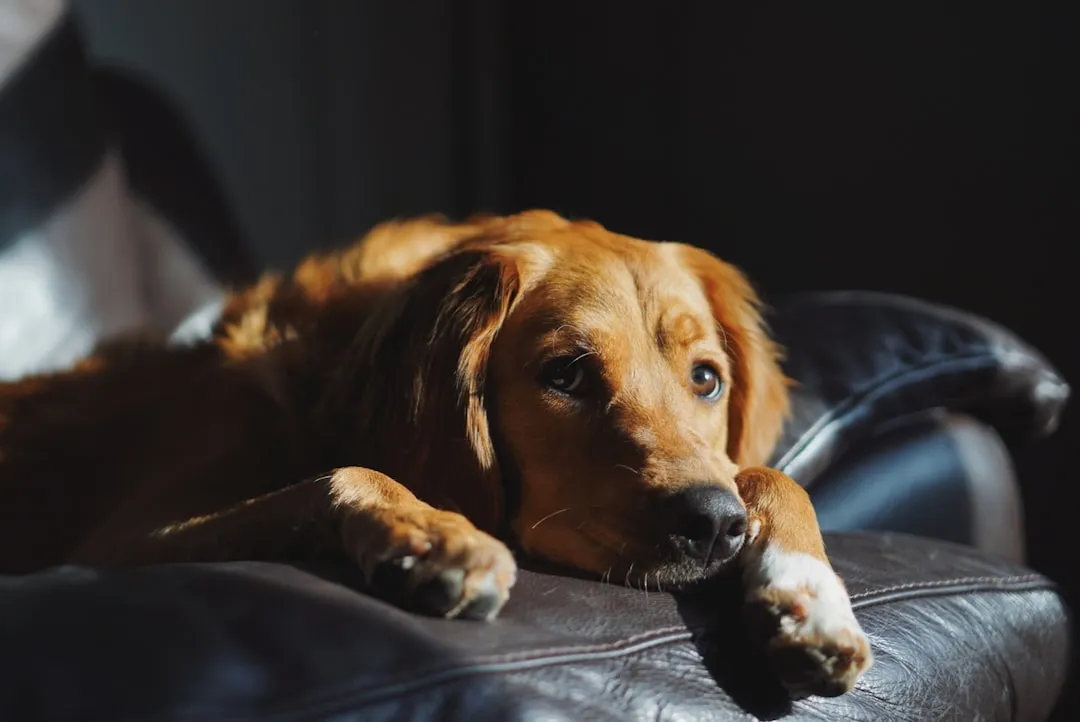
Behaviourists have a term for this: “Velcro behaviour,” and while it’s often framed as a general trait, it’s usually directed at one person specifically.
If your dog gets up and relocates every time you move to another room – even when nothing exciting is happening, even when it was comfortable where it was – that’s not boredom. It’s proximity-seeking behaviour aimed at maintaining closeness to a specific person, and it rarely applies equally to every household member.
Some owners find this endearing; others find it exhausting. But behaviourists caution against training it away too aggressively, since it’s often rooted in genuine attachment rather than anxiety. The real test comes when that person actually leaves the house, because that’s when the difference becomes impossible to ignore.
#12 – It Panics When Only You Leave, Not When Others Do
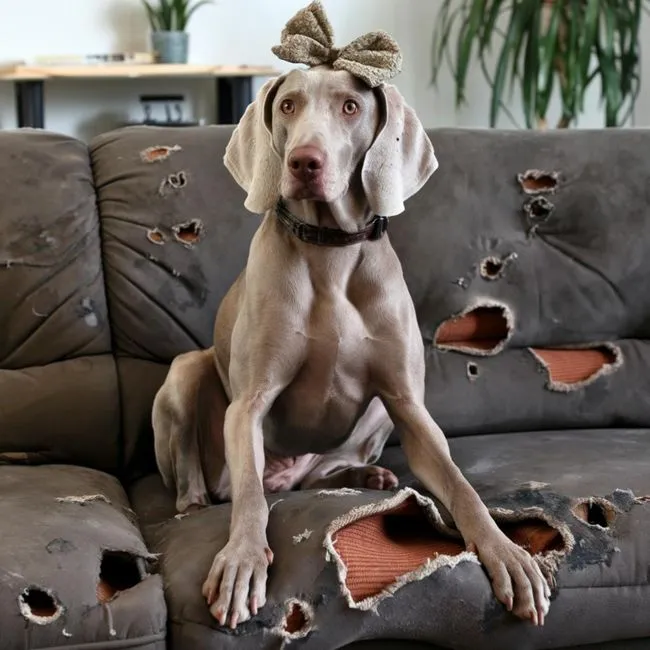
This is one of the more controversial signs, because it challenges a popular assumption: that separation anxiety is about being left alone, period.
Behaviourists increasingly argue that many dogs don’t panic at solitude – they panic at the absence of one specific person. If your dog stays calm when other family members leave the house but becomes distressed, vocal, or destructive only when you leave, the anxiety isn’t general. It’s targeted.
This distinction matters because it’s often misdiagnosed as generalized separation anxiety when it’s really a one-person attachment issue. Some trainers even argue this over-focus isn’t “sweet,” but a sign the dog needs to build broader trust in the household. Either way, it tells you clearly who the dog considers its anchor – and that focus shows up in its eyes, too.
#13 – It Makes Prolonged Eye Contact That Feels Almost Human
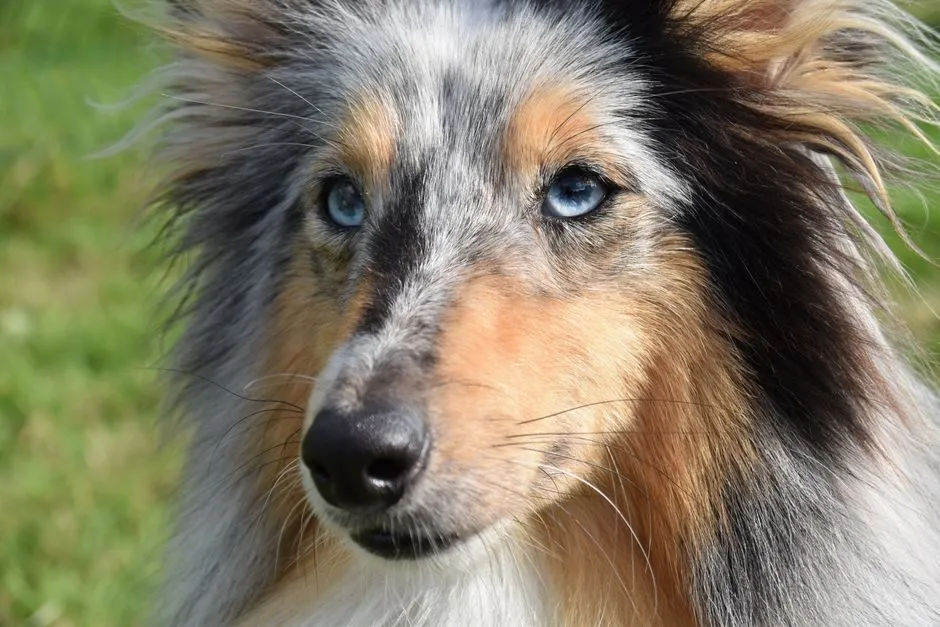
Dogs evolved a unique ability among animals: sustained, intentional eye contact with humans, and behaviourists say it’s rarely distributed equally across a household.
If your dog holds eye contact with you for extended stretches – not the quick glances it gives others, but long, steady, almost searching looks – that’s considered one of the strongest attachment indicators behaviourists track. This kind of prolonged mutual gaze has been linked to oxytocin release in both dogs and humans, essentially mirroring the same bonding chemistry seen between parents and infants.
Other family members might get quick glances, tail wags, or sniffs, but not this sustained, searching gaze. It’s easy to romanticize, but behaviourists frame it plainly: the dog isn’t just looking at you. It’s checking in with you the way it checks in nowhere else, and that shows up the moment you walk through the door, too.
Worth Knowing
- Researchers at Azabu University in Japan convinced dog owners to gaze into their pets’ eyes, and found that oxytocin levels rose not just in the humans, but in the dogs too.
- The lead researcher noted that “owner-dog bonding is comparable to human parent-infant bonding, that is, oxytocin-mediated eye-gaze bonding”.
- Notably, when the team tested hand-reared wolves, they found no such effect, and wolves spent little time gazing into their owners’ eyes, suggesting the trait is unique to domesticated dogs.
#14 – It Has a Separate Greeting Ritual Just for You
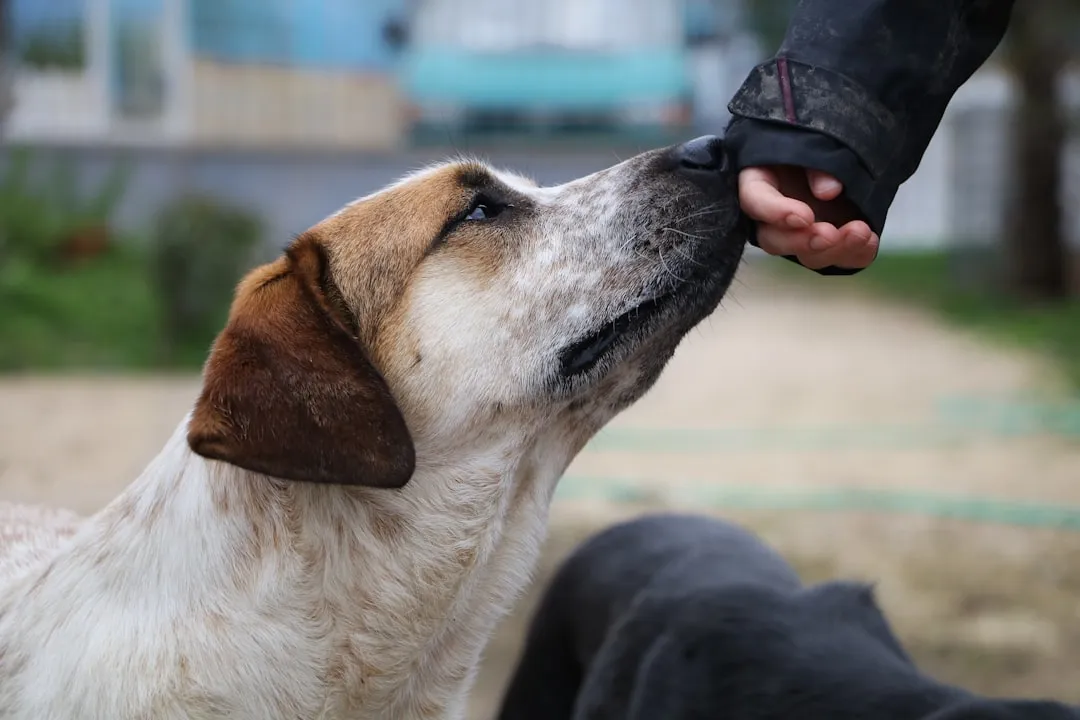
Every dog greets people, but behaviourists say the real tell is when the greeting for one specific person is measurably different from the greeting everyone else gets.
If your dog has a distinct routine reserved just for you – a specific whine, a full-body wiggle, a toy it only brings to you – that’s a sign of individualized bonding, not generic excitement. Dogs are capable of building person-specific rituals, and when one exists exclusively for you, it signals a relationship the dog has mentally categorized differently from all others.
This is sometimes brushed off as “he’s just happy to see everyone,” but the difference in intensity and behaviour gives it away. A generic greeting says “a familiar face is here.” A unique ritual says “my person is here.” And that same instinct kicks in the moment it senses danger nearby.
#15 – It Positions Itself Between You and Perceived Threats
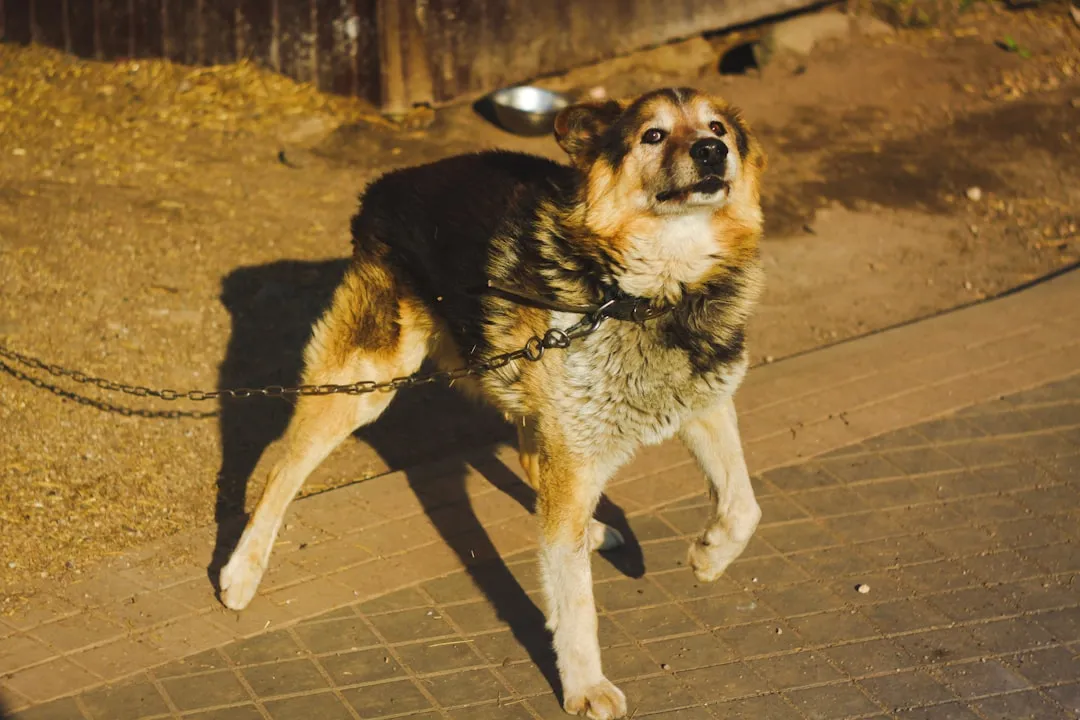
This is a subtle but telling behaviour: a dog that instinctively places its body between you and an approaching stranger, loud noise, or unfamiliar dog, without being asked.
Behaviourists describe this as “interposing” behaviour, and it’s almost always directed at one specific person rather than the household as a whole. The dog isn’t just alert to danger in general – it’s specifically positioning itself to protect you, treating your safety as a priority above its own comfort or curiosity.
Some owners misread this as generalized protectiveness, but it usually doesn’t extend equally to every family member. If your dog does this for you and not for others in the same situation, that’s not random bravery. It’s targeted loyalty, and it often carries over straight into sleep schedules, too.
#16 – It Syncs Its Sleep Schedule to Yours
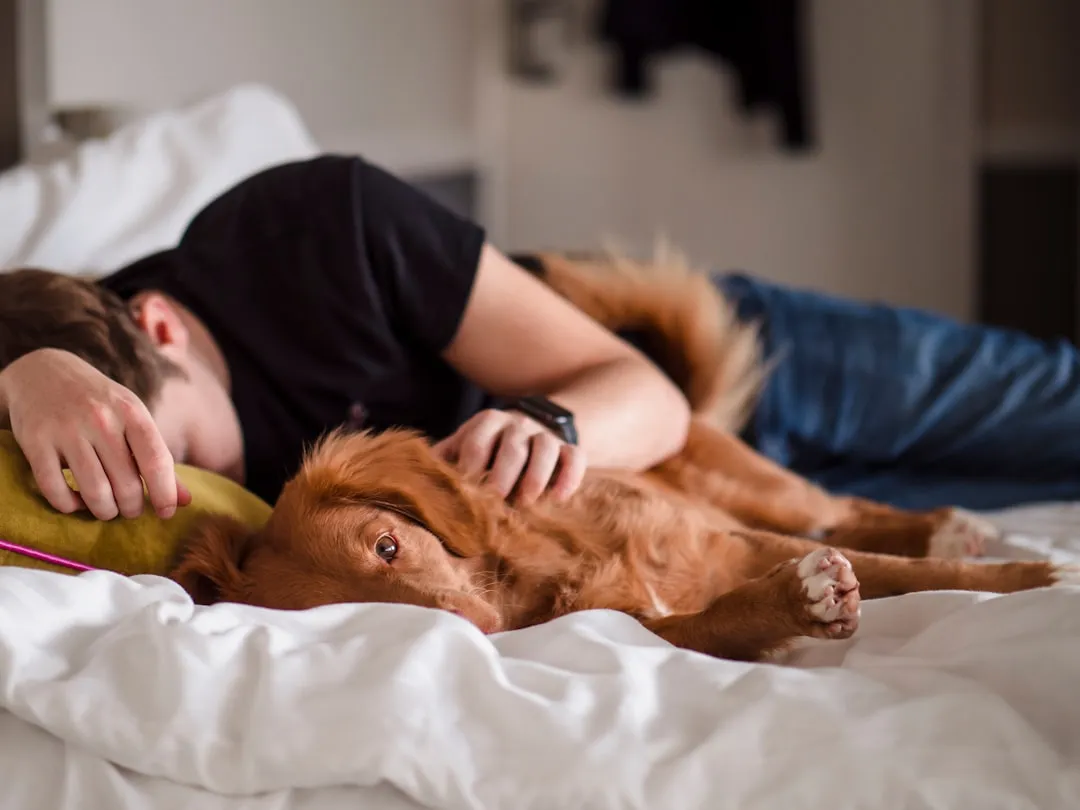
Dogs are naturally adaptable sleepers, but behaviourists note something specific: many dogs unconsciously sync their rest patterns to one particular person’s schedule rather than the household’s general rhythm.
If your dog wakes when you wake, gets restless right before your usual bedtime, or seems “off” when your schedule changes – even if everyone else’s routine stays the same – that’s a sign of biological attunement. The dog has essentially built its internal clock around your patterns specifically, not the house’s overall routine.
This is often mistaken for general household adjustment, but the selectivity gives it away. A dog syncing to the house adjusts to everyone. A dog syncing to you adjusts specifically when your schedule shifts, and ultimately, this constant orientation toward one person adds up to something even bigger.
#17 – It Would Rather Be Near You Than Anywhere Else, Even the Yard
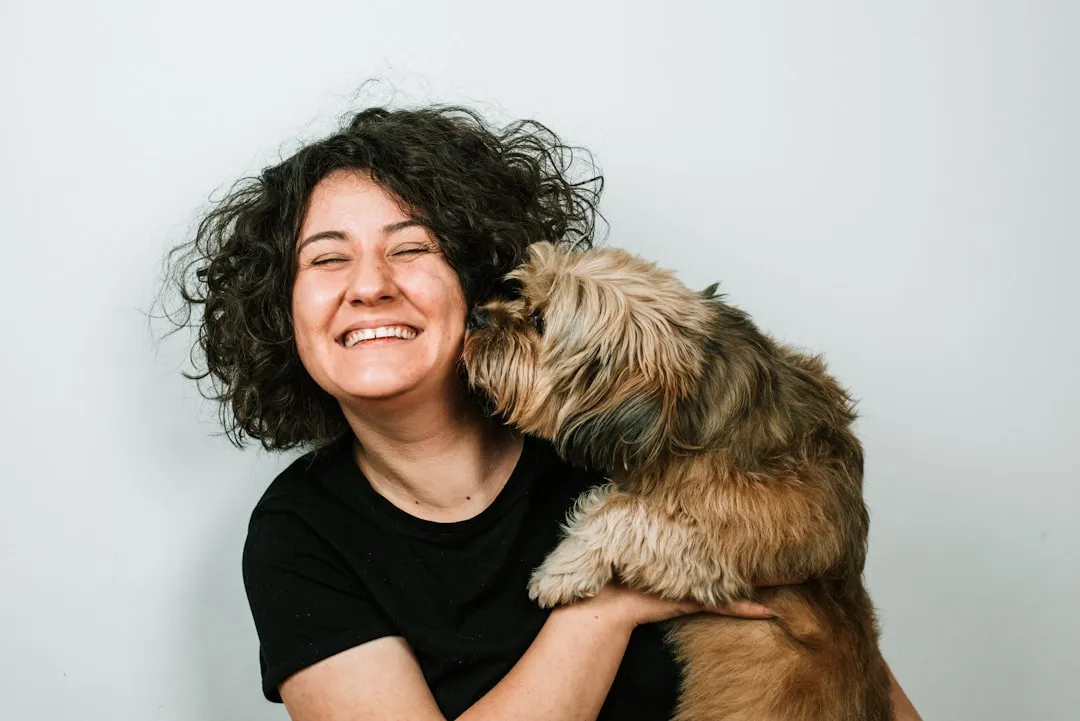
This is the sign behaviourists consider the clearest of all: given a completely free choice – open yard, other family members, favourite toys – the dog still chooses proximity to one person over everything else available.
If your dog would rather lie quietly next to you than run freely outside, play with another family member, or explore a new environment, that’s not laziness. It’s a hierarchy of preference, and it places you firmly at the top, above novelty, above stimulation, above anyone else in the house.
This is often the moment owners finally admit what they’d already suspected. The dog isn’t choosing you because you’re the most exciting option. It’s choosing you because, out of everyone and everything available, you’re simply the one it wants to be near.
The Bottom Line
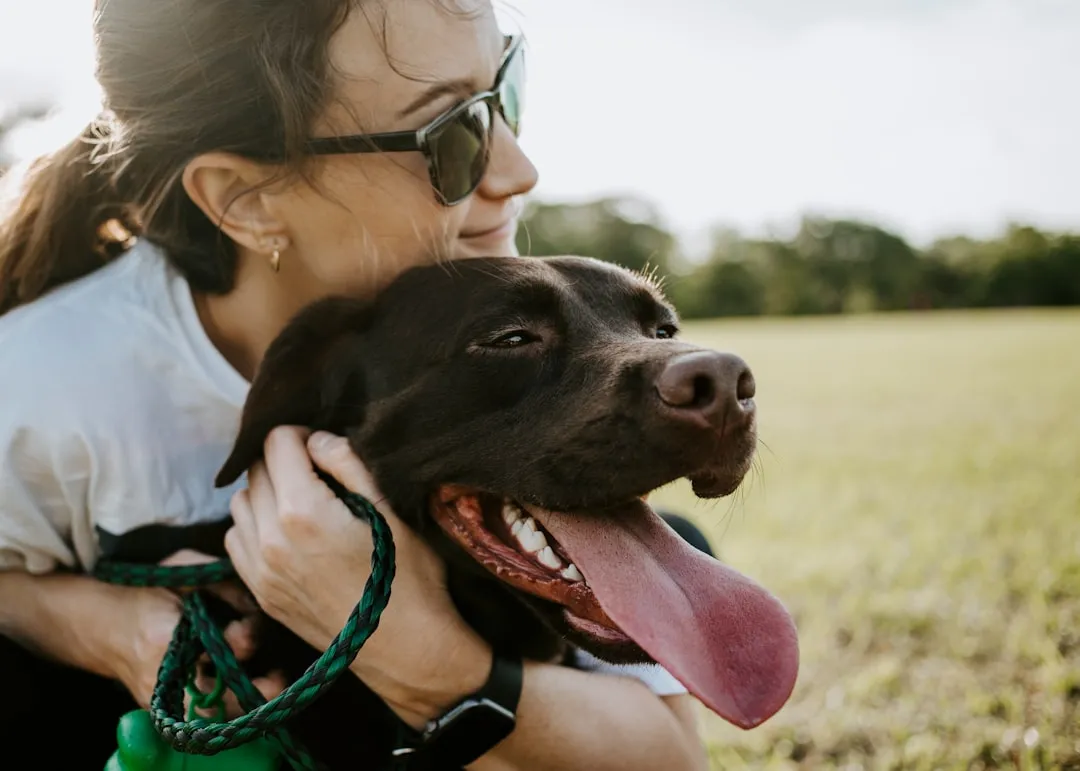
Here’s the uncomfortable truth: dogs don’t love a household equally, no matter how much families want to believe otherwise. They choose one person, and everyone else becomes secondary – not out of malice, but instinct. From syncing sleep schedules to guarding your safety specifically, the pattern is too consistent to dismiss as coincidence.
Quick Compare
- The chosen person: full-body relaxation, instant obedience, contact sleeping, targeted separation distress, sustained eye contact
- Everyone else: friendly greetings, general affection, casual tail wags, no distinct rituals or panic when they leave
Some owners will find this validating. Others may feel a little stung realizing they’re not the chosen one in their own home. Either way, the signs don’t lie – dogs are quietly telling us who they’ve decided to trust with everything, and most of us just haven’t been listening. So look around your own living room tonight: whose lap does the dog actually choose?

- 17 Things First-Time Dog Owners Wish Somebody Had Warned Them About Before They Brought One Home - July 31, 2026
- What Your Old Cat Is Telling You in Its Last Weeks: 14 Signs Most Families Only Understand Later - July 31, 2026
- 16 Things Longtime Owners Say They Learned Far Too Late to Help Their First Dog - July 31, 2026