
Ask any gardener with ten years of dirt under their nails what they’d change, and almost none of them say “buy more plants” or “water more often.” That’s the myth beginners chase. The real regrets live somewhere quieter – in soil tests never taken, beds never planned, and habits they clung to for years too long.
These aren’t cute Pinterest tips. They’re the kind of slow, slightly painful lessons you only earn after a decade of trial, error, and dead tomatoes. Stick with this list, because it gets more uncomfortable – and more useful – the closer you get to number one.
16. Testing the Soil Instead of Guessing at It
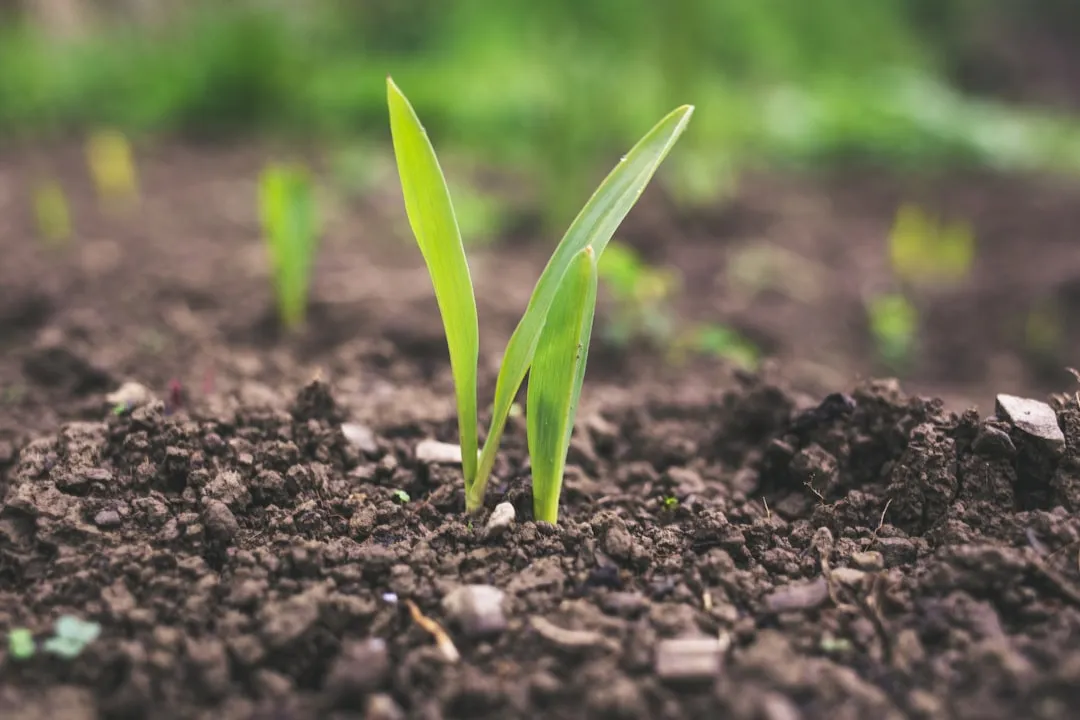
Most disappointing gardens aren’t a “bad gardener” problem. They’re a bad soil problem. Veteran growers almost universally admit they spent years fertilizing blind, dumping “complete” fertilizer on beds without knowing what was actually missing.
A real lab soil test – pH, organic matter, nutrients, sometimes texture – costs less than a couple of nursery impulse buys, yet it changes everything about what you plant and how you feed it. Acidic soil that blueberries love will make brassicas sulk. And soil corrections aren’t a one-season fix; they’re a multi-year project that goes a lot faster once you know your starting numbers.
Fast Facts
- Basic soil tests measure pH, nitrogen-phosphorus-potassium levels, and organic matter percentage.
- A standard mail-in lab test typically costs between $15 and $50.
- Most vegetables prefer a soil pH between 6.0 and 7.0.
- Results usually arrive within one to three weeks from a local extension office.
15. Choosing Real Compost Over Fancy Fertilizer Bags
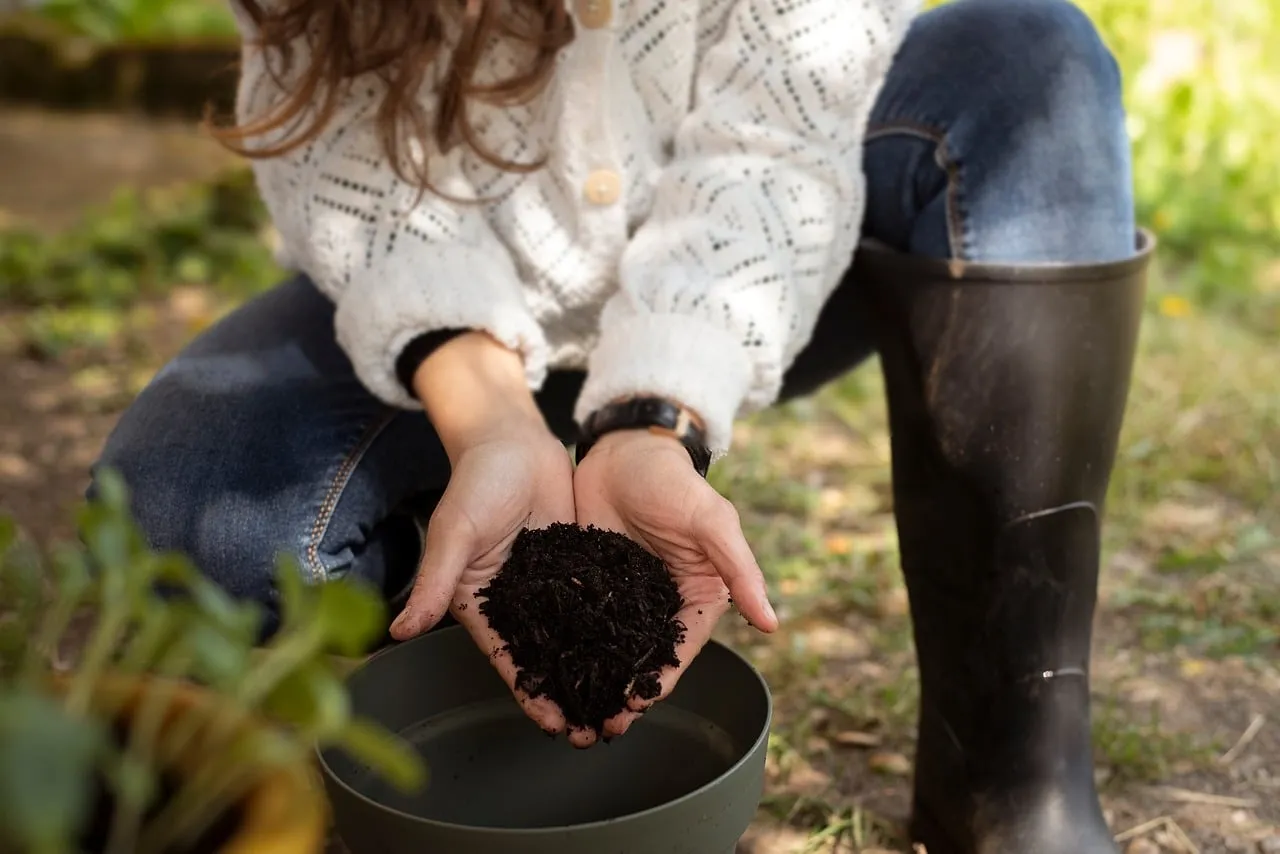
The quiet revolution in experienced gardens isn’t a miracle product. It’s obscene amounts of good compost. Beginners get hypnotized by NPK ratios on shiny bags; long-timers eventually realize that living, well-structured soil solves problems bottled nutrients never touch – water retention, disease resistance, steady nutrition.
Good compost feeds the soil microbiome that actually makes nutrients available to roots, and it improves clay and sandy soil alike in ways synthetic fertilizer can’t fake. The two moves veterans wish they’d made sooner: building a real home compost system instead of sending organic “waste” to the curb, and paying for mature, screened compost instead of cheap, salty half-finished bags. Once beds hold moisture longer and plants bounce back faster without constant feeding, going back feels absurd.
14. Locking In Permanent Beds and Paths Early
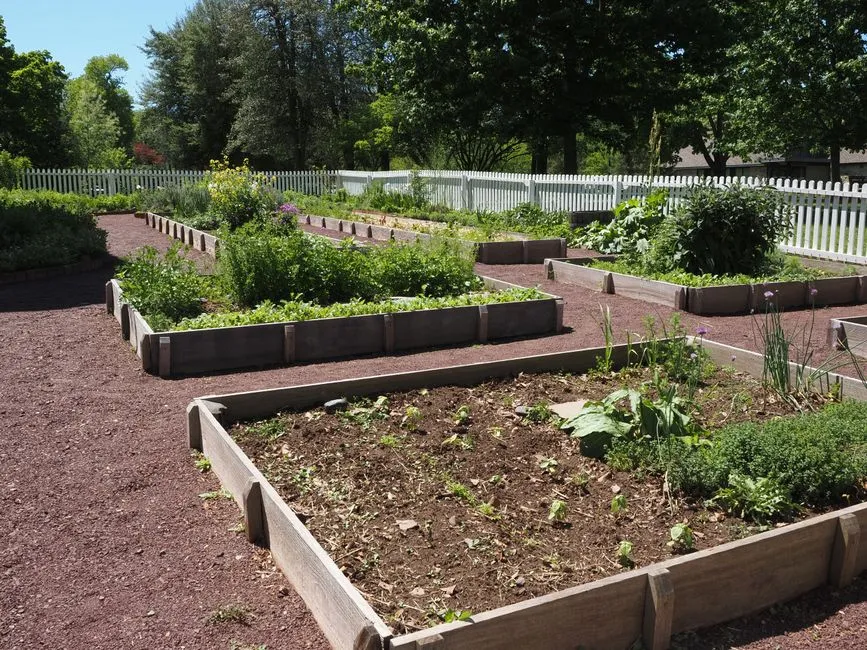
Most people start by tilling “wherever looks good.” Ten years later, they’re still tripping over hoses and compacting the same soil they’re trying to grow in. Experienced gardeners almost always wish they’d committed early to permanent beds and dedicated paths.
A defined layout – raised beds, in-ground beds with real paths, or no-dig strips – stops you from ever stepping on your planting areas, which preserves soil structure and worm channels that take years to build. Beds no wider than twice your arm’s reach, paths wide enough for a wheelbarrow you actually own – a few hours with a tape measure early on saves entire seasons of frustration later.
13. Treating Mulch as Mandatory, Not Decoration
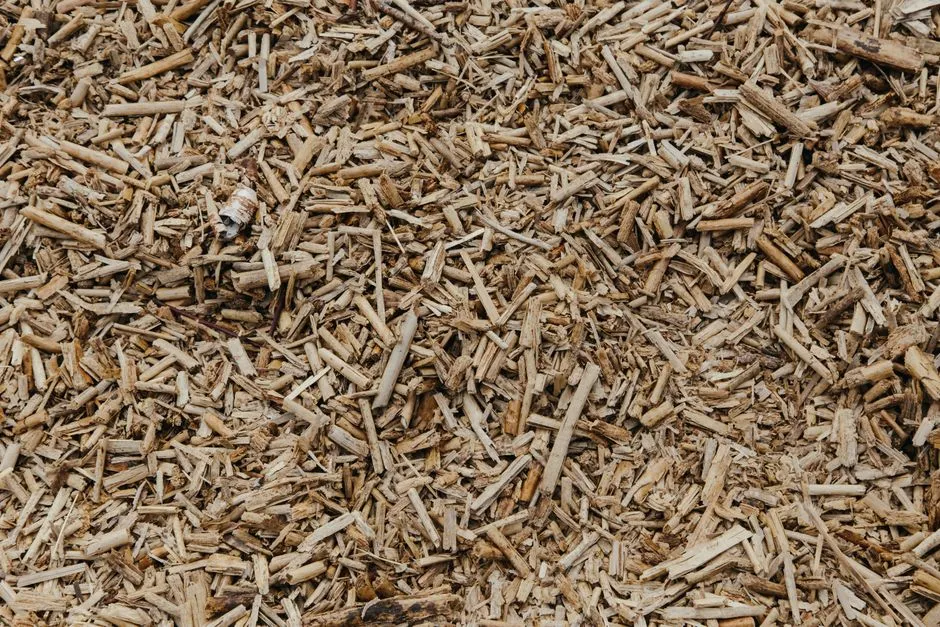
If there’s one universal “why didn’t I do this sooner” habit, it’s mulching. Beginners treat it as cosmetic. Veterans know it’s water savings, weed control, and soil insurance rolled into a single move.
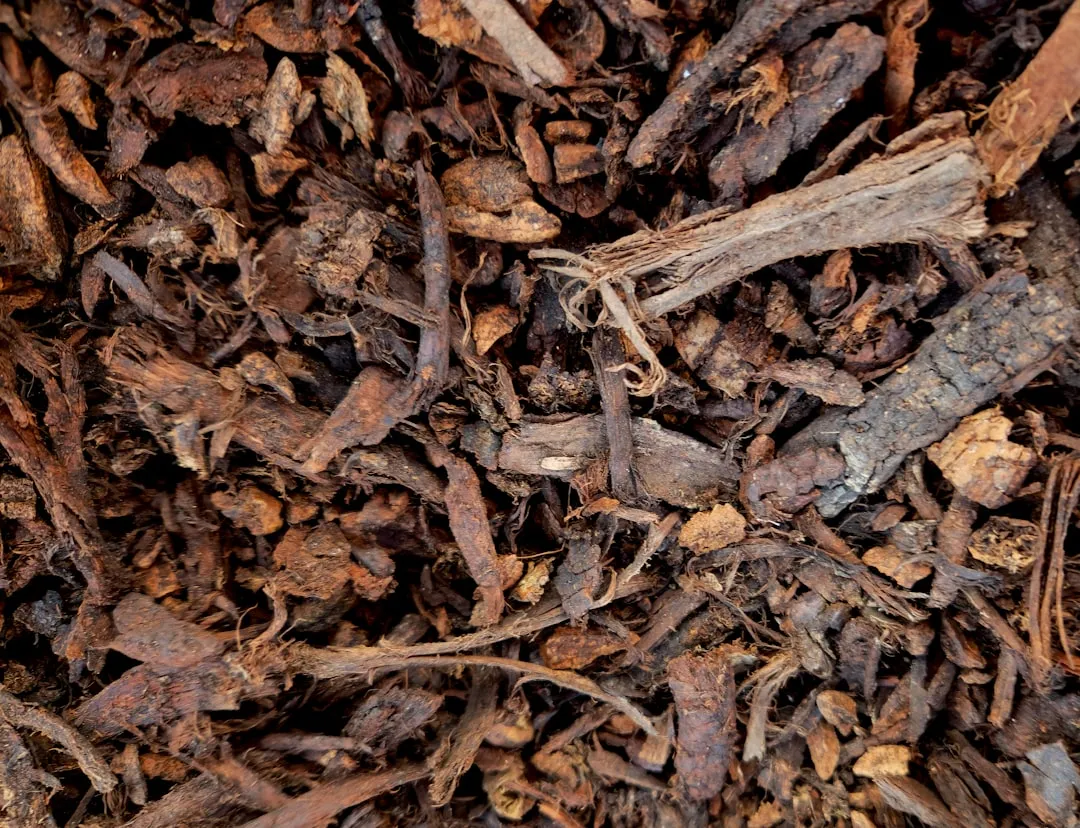
A 5–8 cm layer of shredded leaves, straw, or wood chips cuts evaporation, stabilizes soil temperature, and blocks weed seeds from ever seeing sunlight. In heatwaves, mulched beds can stay several degrees cooler at root level – often the difference between bitter, stressed crops and steady producers. The part most people underestimate is how much time it gives back: instead of constant weeding, you pull the occasional intruder and top up the layer once or twice a season.
12. Growing for Your Real Climate, Not the Catalog Photo
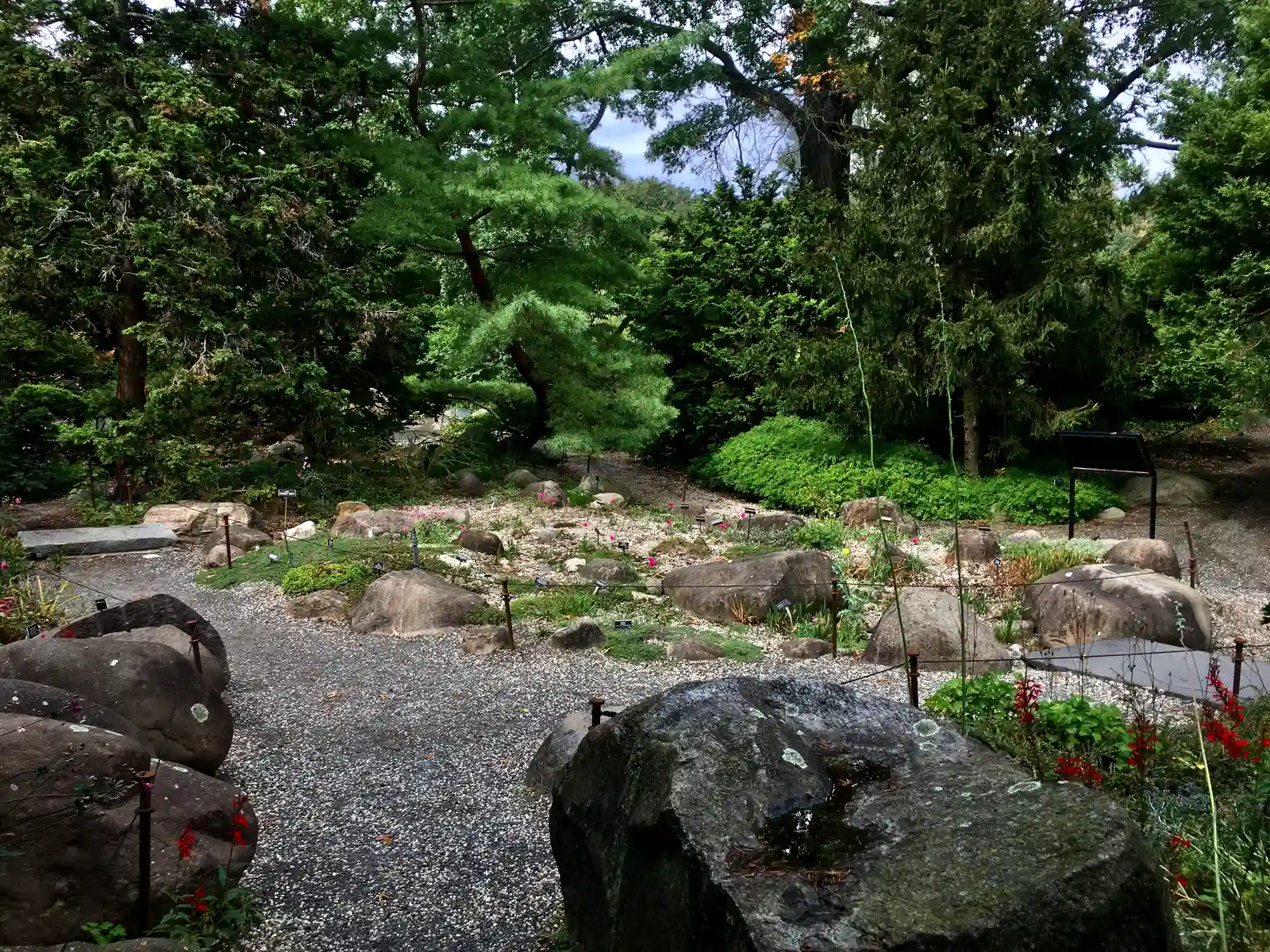
Ask a seasoned gardener what they’d change first, and a lot say some version of: “I’d stop pretending I lived somewhere else.” For years people push borderline varieties – lavender in boggy shade, tomatoes needing a longer season than their frost dates allow – because catalog photos are seductive.
Experienced growers eventually accept their actual zone, microclimate, and weather patterns, tracking real frost dates instead of vague “spring” and “fall,” and paying attention to the heatwaves and winds that scorch or desiccate plants. Survival rates jump and maintenance drops the moment plant choices match real conditions instead of what’s trending online.
11. Switching to Drip Irrigation Before Burnout Hit
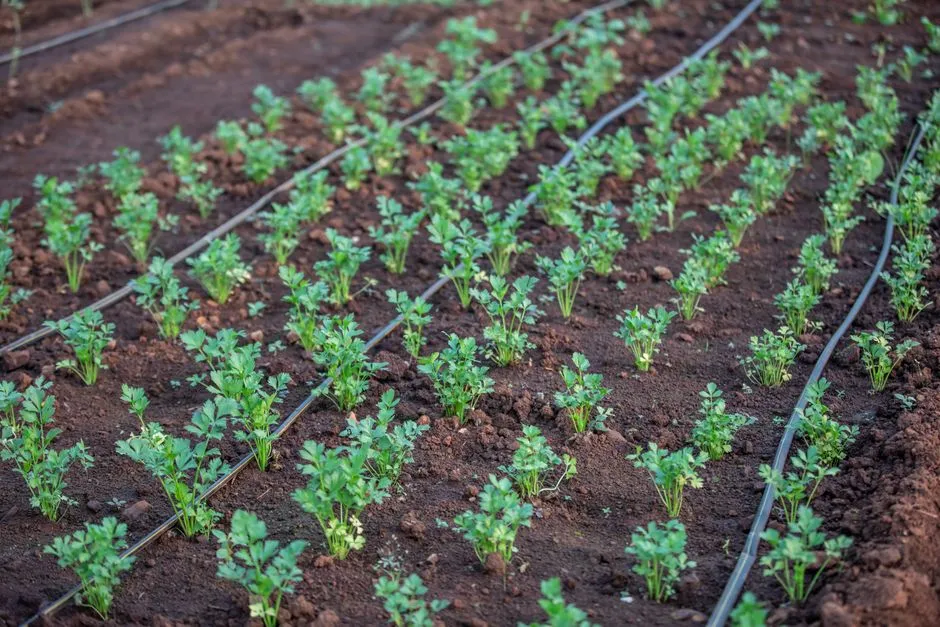
Hand-watering an entire productive garden sounds romantic right up until it becomes a slow-motion burnout. Growers who install even a basic drip or soaker system almost always wish they’d done it a decade sooner.
Drip delivers water directly to the soil surface, minimizing evaporation and keeping foliage dry, which cuts down on foliar diseases like powdery mildew. Plants care more about consistent moisture than sheer volume, and a simple morning timer beats rushed evening watering every time – translating over a season into fewer split tomatoes and sturdier plants. Once watering stops dictating the schedule, nobody goes back to dragging hoses daily.
Why It Stands Out
- Delivers water straight to the root zone instead of soaking leaves and pathways.
- Pairs naturally with mulch to lock moisture in even longer.
- Runs on a basic timer, freeing up mornings and evenings.
- Cuts down on fungal issues tied to wet foliage.
10. Growing Fewer Varieties, But Growing Them on Purpose
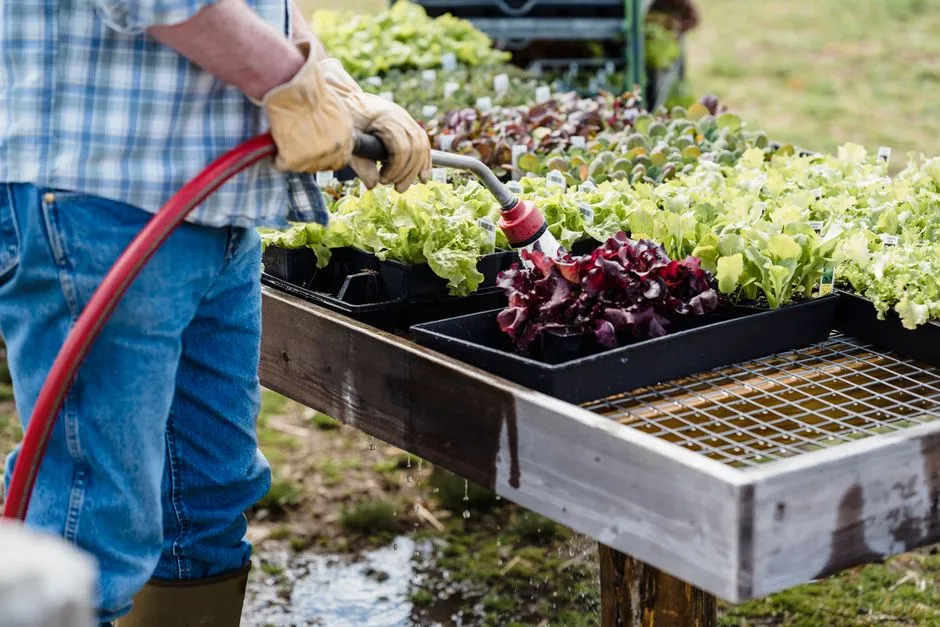
The rookie impulse is one of everything. The veteran move is almost the opposite. After years of chaos, experienced gardeners pivot to fewer crops in more rational quantities – two reliable cherry tomato varieties instead of five, block-planted lettuce instead of scattered chaos.
Grouped crops make pests easier to monitor, harvesting and succession planting streamline, and seed ordering shrinks from overwhelming to manageable. Too much diversity in a small space, it turns out, can be as paralyzing as too little.
9. Planting Fruit Trees and Perennials Like Infrastructure, Not Décor
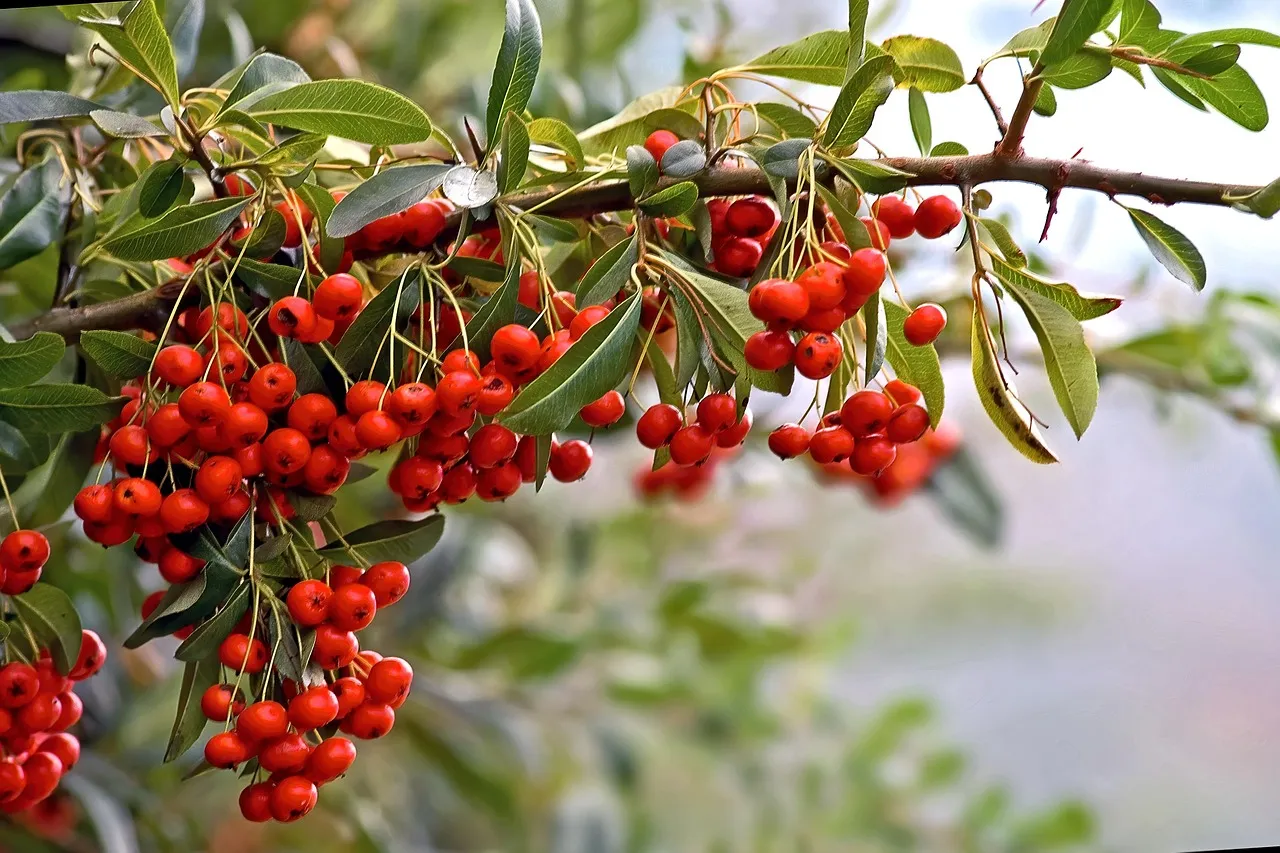
Most beginners treat perennials like oversized annuals. Experienced gardeners treat them as infrastructure. Fruit trees, berry bushes, asparagus, rhubarb, and perennial herbs create a backbone that produces year after year with less input, which is why so many veterans wish they’d planted at least one fruit tree the day they moved in, or committed to an asparagus bed even knowing it meant waiting three years for a full harvest.
A mature blueberry hedge or dwarf apple tree eventually becomes as much a structural element as a fence line, shaping wind, shade, and pollinator flow. Ironically, many gardeners spend a decade replanting short-lived things while postponing the plants that could have been feeding them all along.
A garden is a grand teacher. It teaches patience and careful watchfulness; it teaches industry and thrift; above all it teaches entire trust.
Gertrude Jekyll
8. Learning Local Pests Before Panicking Over Dying Plants
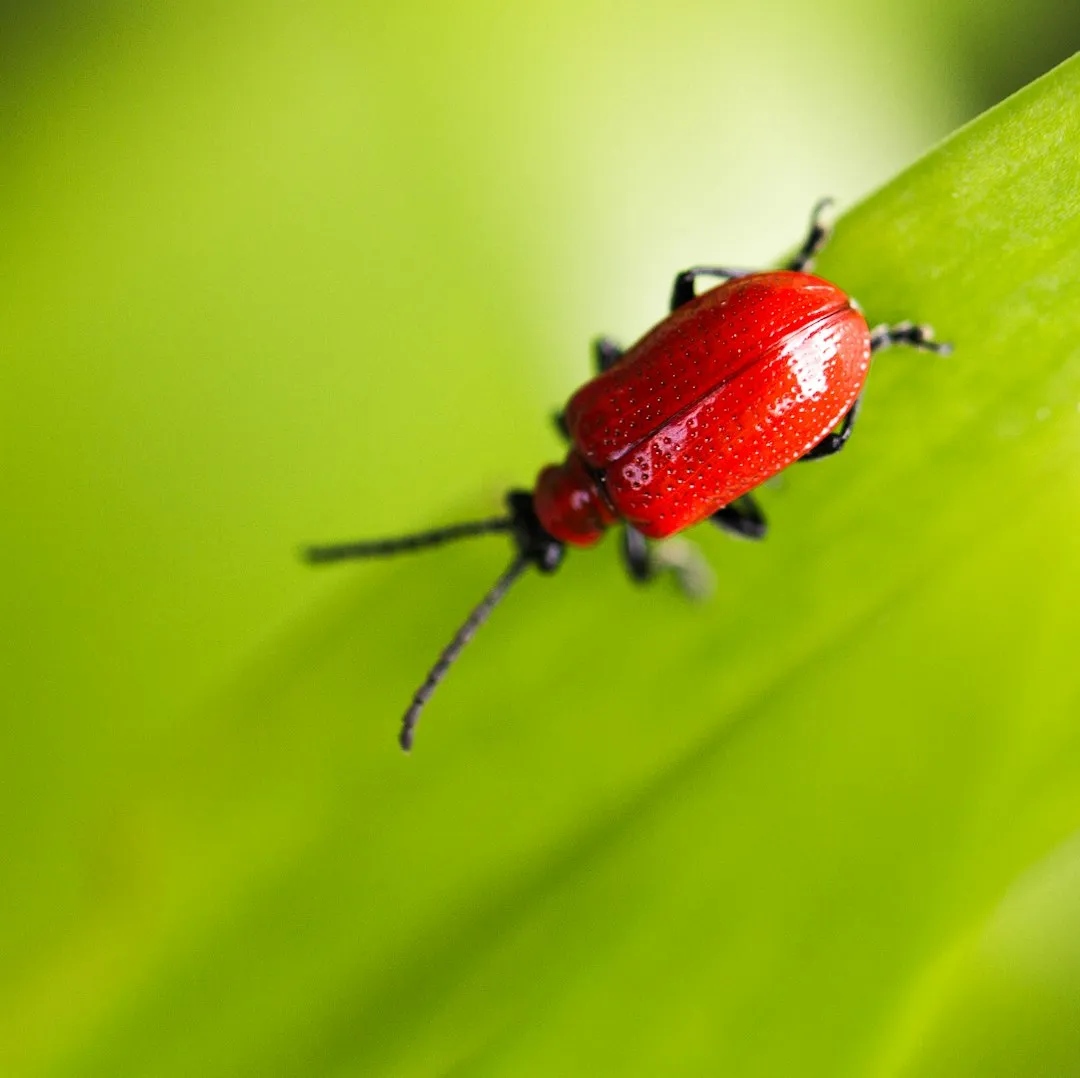
Most people don’t start reading about pests and diseases until something is already dying. Experienced growers flip that script, learning the common local issues – cabbage worms, squash vine borers, late blight, aphids – ahead of time and building simple prevention into the routine.
Insect netting, crop rotation, cleaning up diseased debris, and spacing for airflow beat any last-minute spray. Veterans also learn to tolerate a certain amount of chew, because a perfectly unblemished garden usually means overuse of chemicals, and panic-spraying can wipe out the beneficial insects that would have balanced the system on their own.
7. Rotating Crops Before the Soil Turns Against You
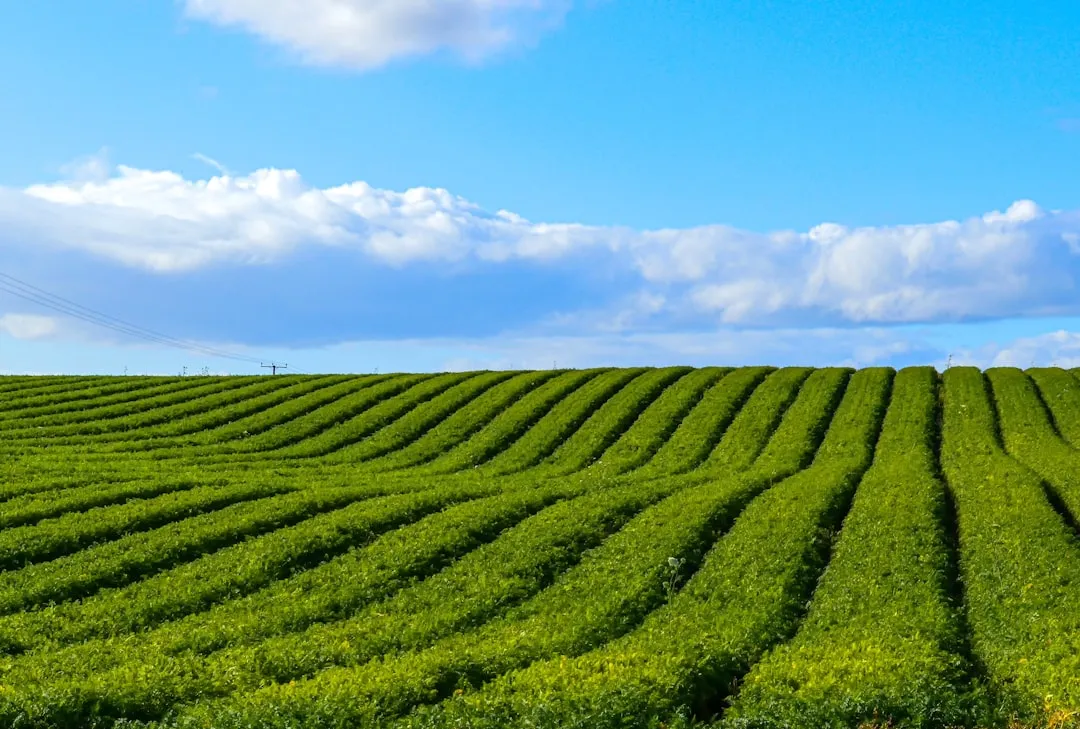
Rotation sounds fussy until your tomatoes catch a soil-borne disease you can’t shake. Different plant families have specific nutrient needs and specific vulnerabilities, and planting tomatoes in the same spot year after year is basically an invitation for pathogens and nematodes to move in permanently.
A simple 3–4 year rotation – heavy feeders one year, legumes or a cover crop the next – doesn’t need to be perfect, just consistent, and it noticeably cuts problems like clubroot or fusarium. Once a disease establishes itself in the soil, fixing it can take years, or it may never be fully possible, which is exactly why so many veterans call rotation the boring choice they wish they’d respected from year one.
At a Glance
- Heavy feeders: tomatoes, corn, squash – deplete nutrients fastest.
- Legumes: beans, peas – replenish soil nitrogen naturally.
- Root crops: carrots, onions, potatoes – break up compaction.
- Leafy greens and brassicas: fill the remaining rotation slot.
- General rule: avoid repeating a plant family in the same bed for 3-4 years.
6. Planting Cover Crops Instead of Leaving Beds Bare
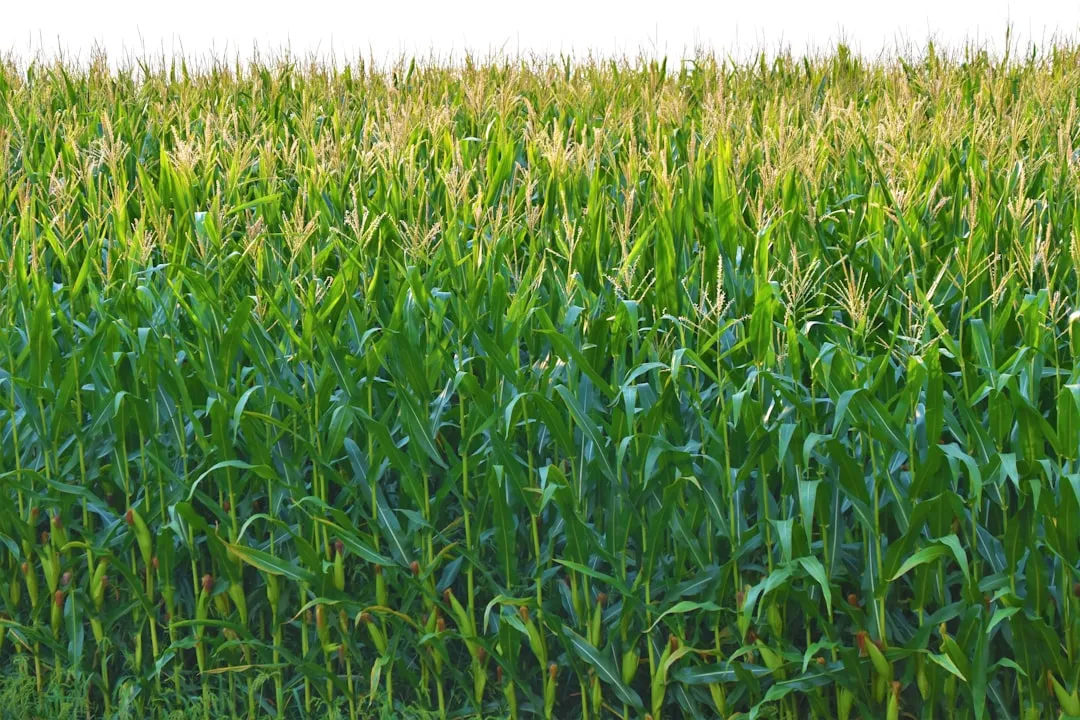
Bare soil isn’t “resting.” It’s eroding, oxidizing, and losing life. Experienced growers eventually discover cover crops – rye, clover, vetch, buckwheat – as one of the most powerful tools they wish they’d started with from day one.
Cover crops protect soil from heavy rain and sun, feed microbes with root exudates, and sometimes fix atmospheric nitrogen into usable form; chopped and dropped, they become free green manure. Even small raised beds benefit from a winter rye and clover mix, and over time cover-cropped beds turn darker, crumblier, and easier to work, while weeds decline simply because they never get the sunlight window they need.
5. Keeping a Garden Log Instead of Trusting Memory
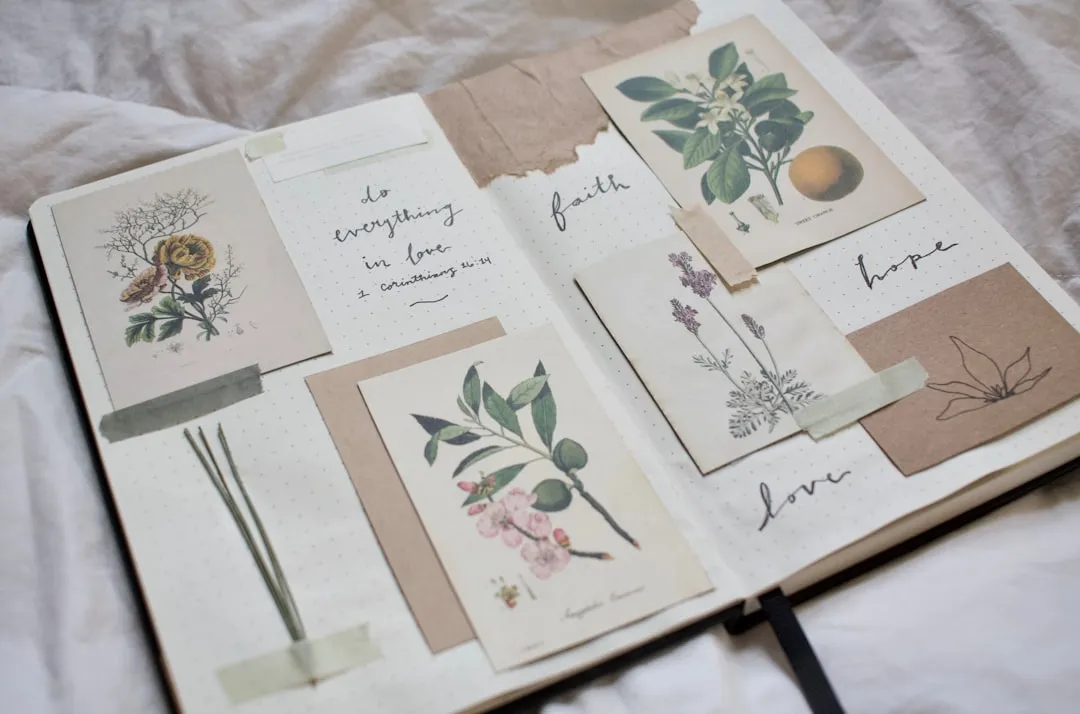
The unsexy choice that changes everything is keeping records. Most beginners assume they’ll remember what variety they planted where, when the first frost hit, which bed grew the best carrots. Ten years later, they admit they remember almost none of it.
A simple notebook with sowing dates, varieties, weather notes, and harvest impressions becomes a long-term blueprint, revealing patterns like the “disease-resistant” tomato that always fails in humid weather, or the lettuce that never bolts early no matter the season. Data turns vague feelings into actual decisions, and the most common regret among veterans isn’t a failed crop – it’s not having a ten-year log to learn from, which meant re-running the same experiments over and over without realizing it.
4. Feeding Pollinators Before the Garden Demanded It
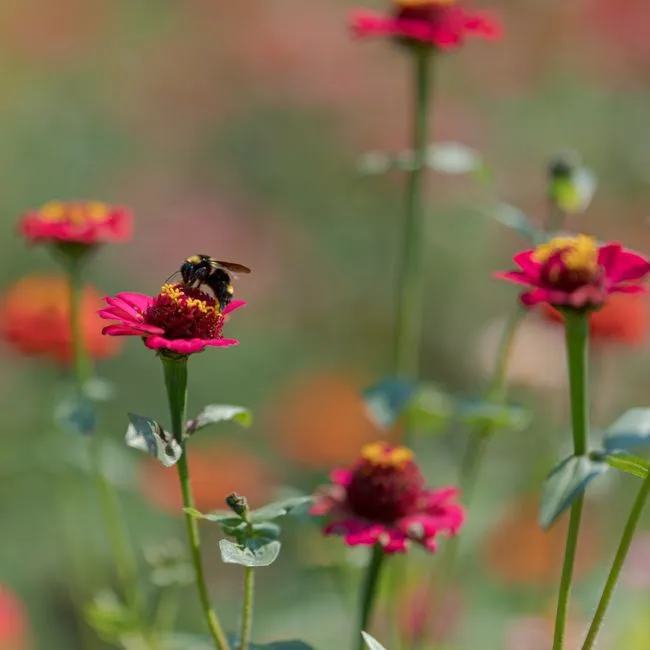
Most new gardeners focus entirely on veggies and fruit, then wonder why pollination is spotty and pests explode. Long-time growers eventually realize they were running a one-sided system, and that pollinator-friendly plantings – flowering herbs, native perennials, even deliberately “sacrificial” plants – support the bees, hoverflies, and predatory wasps that keep pest populations in check.
A border of blooming plants can be as valuable as another bed of tomatoes. Experienced gardeners often wish they’d planted long-blooming, nectar-rich species spanning the entire season, and left a little intentional mess – hollow stems, leaf litter – for overwintering insects. More diversity simply means fewer boom-bust pest cycles and a garden that regulates itself.
3. Shrinking the Garden to Match Real Life, Not Ambition
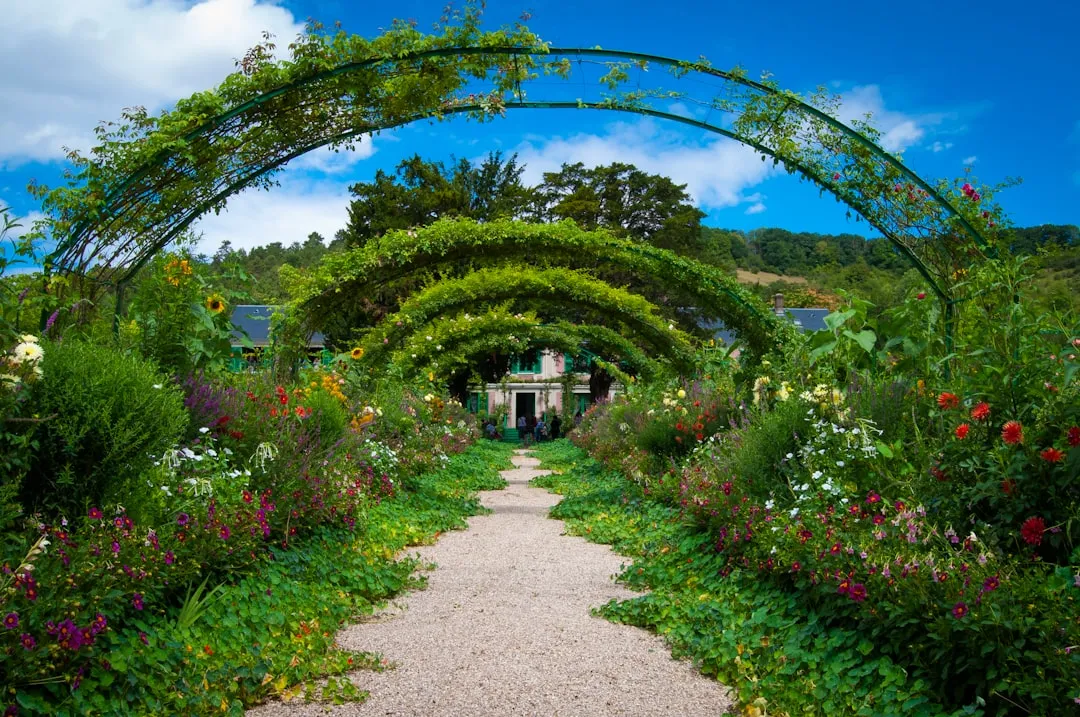
One of the most brutally honest choices veterans wish they’d made sooner is shrinking. Many started too big – too many beds, too many high-maintenance plants – exciting in May, guilt and overwhelm by midsummer.
Experienced growers eventually design gardens that fit their real schedules and energy: fewer, larger beds with mulch and drip irrigation, or reliable staples swapped in for labor-intensive crops. Here’s the controversial part – several high-yield crops simply aren’t worth it in small, busy households. Corn, which needs space and suffers badly from pests in tiny plantings, often gets cut in favor of compact, high-value crops like leafy greens, herbs, and bush beans. Once scale matches reality, people actually keep up with the garden instead of dreading it.
Quick Compare
- Large, sprawling garden: higher total yield potential, but far more weeding, watering, and harvesting time.
- Right-sized garden: easier to keep up with weekly, less guilt, steadier output per hour invested.
- Space-hungry crops like corn: often traded for compact, high-value picks like greens and bush beans.
2. Learning to Prune Properly Instead of Hacking and Hoping
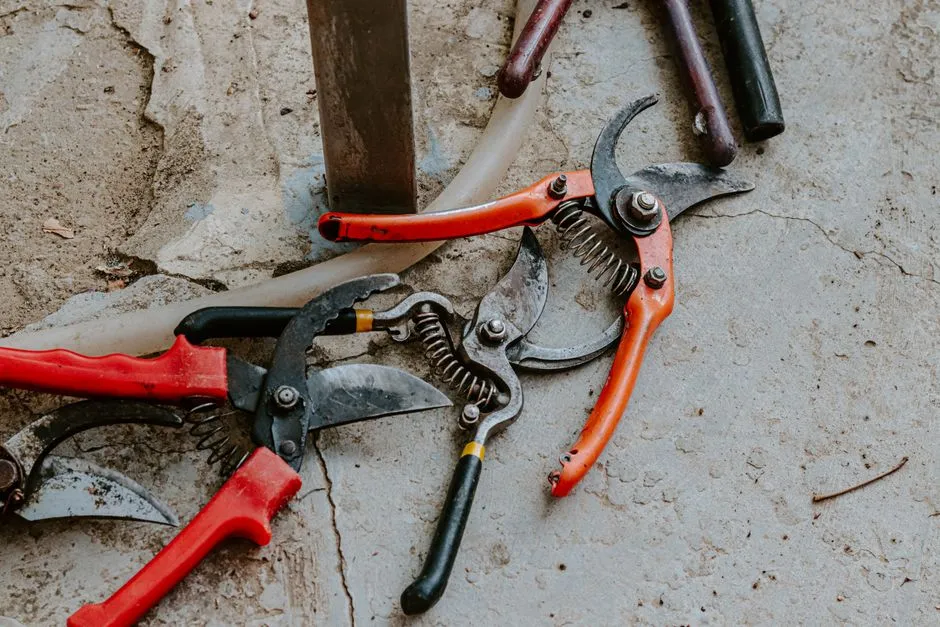
A shocking number of “problem plants” are really just victims of bad pruning. Experienced gardeners frequently confess they mangled fruit trees, raspberries, roses, and tomatoes for years because they never took one afternoon to learn the basics.
Each plant has its own logic – where it bears fruiting wood, how it responds to cuts, what shape maximizes light and airflow – and a single good pruning lesson can rescue a struggling tree and double its fruiting potential over time. Better-structured plants resist wind and snow damage, airflow improvements cut fungal problems, and trained vines make small spaces far more efficient. Pruning mistakes can stunt or kill perennials outright, and recovery takes seasons, which is why so many veterans say, almost word for word, “I wish I’d learned this in year one instead of year ten.”
1. Letting Nature Lead Instead of Controlling Everything
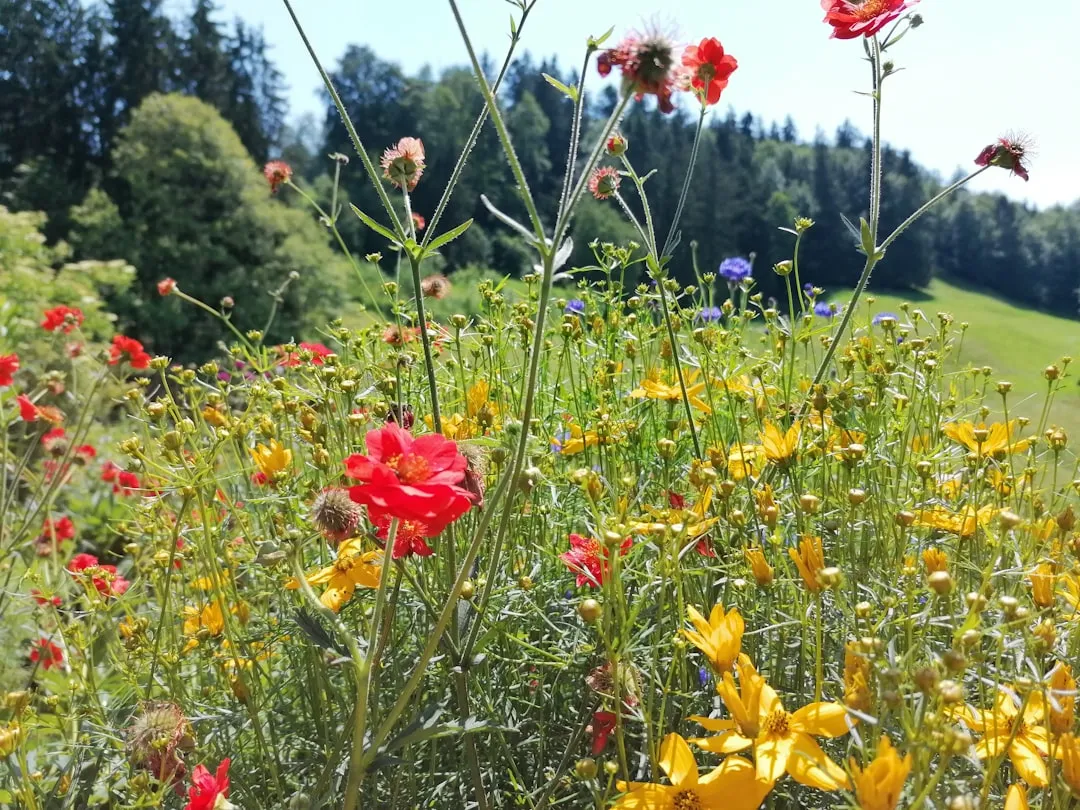
The deepest shift most experienced gardeners wish they’d made earlier isn’t a product or a technique. It’s a mindset. In the early years, people try to control every variable – sterile soil, pristine beds, instant removal of any “volunteer” plant, constant tilling, heavy chemical intervention.
Over time, many realize the healthiest, most resilient gardens are semi-wild collaborations with the existing ecosystem, not sterile outdoor kitchens. Veterans disturb soil less, tolerate the weeds that protect bare ground or feed pollinators, and save seeds from whatever thrives in their exact microclimate. This isn’t neglect – it’s strategic laziness, doing the few things that matter most and letting nature handle the rest. Ironically, the gardens that look effortless usually belong to people who finally stopped fighting nature and started partnering with it.
The Bottom Line
After a decade in the dirt, almost no experienced grower says “I wish I’d bought more gadgets” or “I wish I’d planted more random varieties.” Their real regrets are about fundamental choices they postponed: testing soil, building organic matter, locking in smart layouts, and respecting their real climate and capacity.
The harsh truth is that plenty of popular gardening habits – bare soil, over-tilling, aesthetic perfection, endless expansion – quietly sabotage long-term success. What actually pays off is boring on paper and powerful in practice: mulch, compost, drip irrigation, rotation, cover crops, perennials, records, and a willingness to let ecosystems, not catalogs, set the rules. Adopt even a handful of these “decade-too-late” choices now, and you’ll skip years of frustration other gardeners had to earn the hard way.

- 18 Plants Lifelong Gardeners Say They Regret Ignoring for Far Longer Than They Ever Should Have - August 1, 2026
- The 18 Signs Your Aging Cat Has Chosen You to Be Beside It When the Time Finally Comes - August 1, 2026
- If You Are Getting Your First Dog, These 17 Regrets Are the Ones Owners Name Most - August 1, 2026