
Most people picture a cat’s final months as a blur of vet visits, medication schedules, and anxious phone calls. That’s the story we tell ourselves. But hospice vets who actually sit on the floor with dying cats tell a different story – one where the biggest wins have nothing to do with treatments at all.
It’s the small, almost boring stuff: a rug in the right spot, a bowl raised two inches, a voice that doesn’t switch into ‘sick talk.’ Some of it will surprise you, and a few of these comforts are things loving owners get backwards without ever realizing it. Here’s what vets, hospice nurses, and behaviorists say actually matters – starting with the small stuff and building toward the one decision they say changes everything.
#17 – Keeping the Room Quiet… but Not Silent
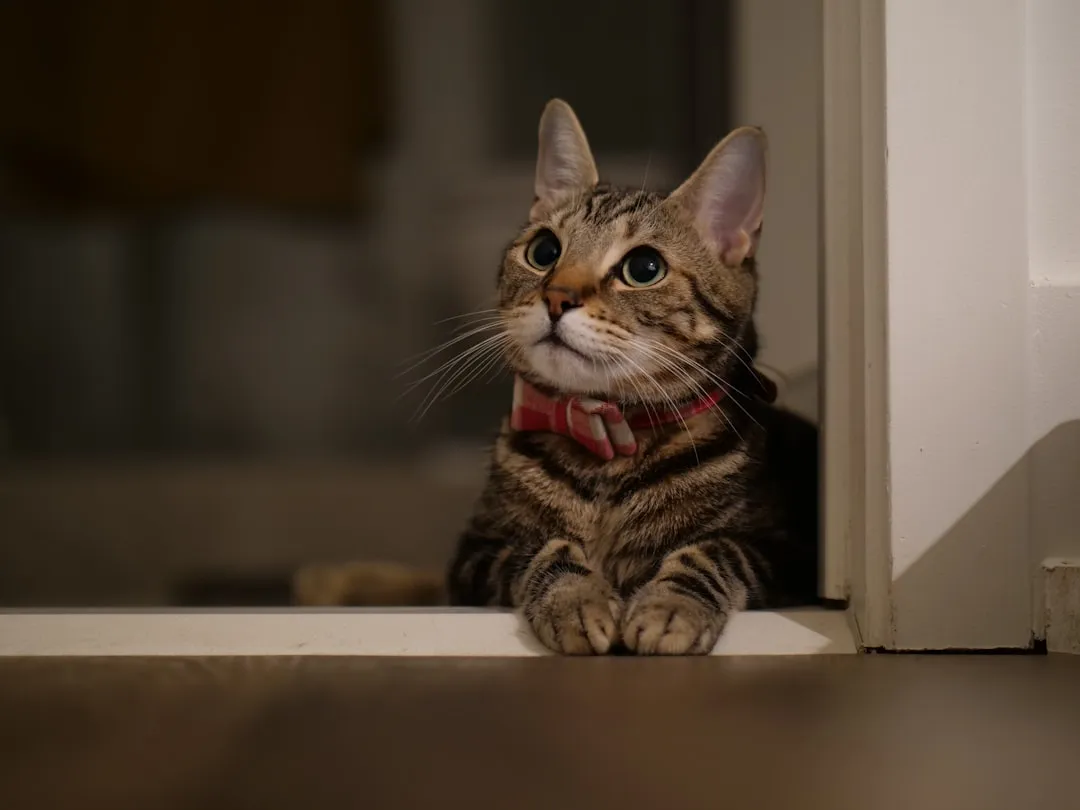
Vets say terminal cats don’t want chaos, but they also don’t want to feel cut off from the world. A blasting TV, kids thundering down the hall, or a vacuum roaring to life can spike stress and even pain perception in a sick body. But a totally silent, closed-off room can feel like abandonment.
The sweet spot is a calm, low-stimulus space where the cat can still hear normal family life without being stuck in the middle of it. Door slightly open, voices at a normal volume, no surprise noises.
- Soft background sound – a quiet radio, white noise, or familiar TV voices – is genuinely comforting.
- Sudden noise, like a phone alarm or a laugh right above their bed, is a real stressor.
Most hospice vets will tell you plainly: stress management is pain management. Get the soundscape right, and cats sleep deeper and startle less.
#16 – A Predictable Daily Rhythm
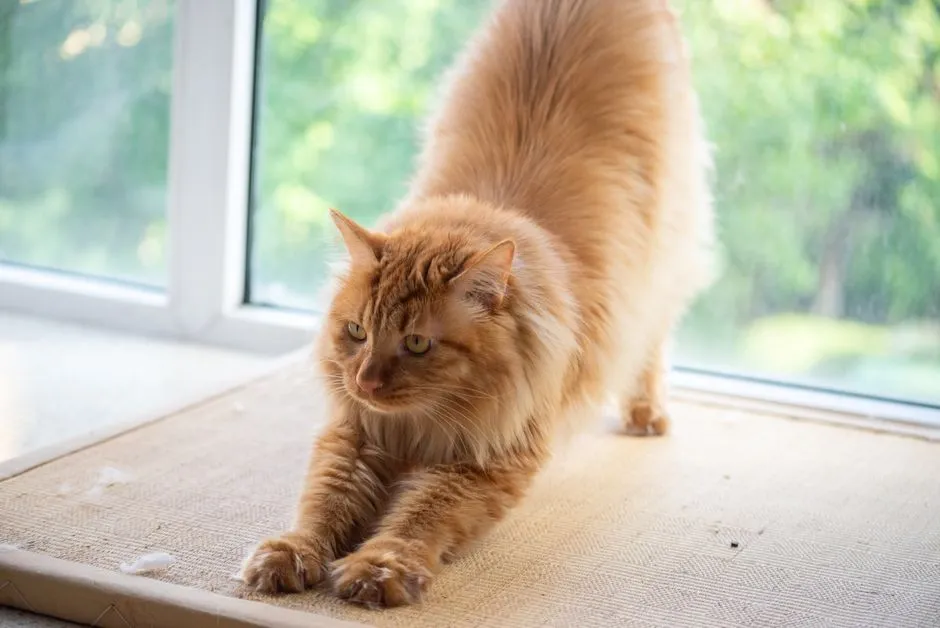
Most owners chase ‘more time’ when a cat is dying. Vets chase something quieter – better time – and that starts with predictability. Cats are creatures of routine, and when their own bodies feel unreliable, a chaotic schedule on top of that is exhausting.
Hospice vets often recommend steady windows for meals, meds, litter scooping, and gentle check-ins. It’s not a military timetable. It’s a handful of anchors a cat can count on.
- Cats coping with chronic pain often do better when they can anticipate what’s coming next.
- Predictable routines make it easy to notice change – like a cat suddenly skipping a favorite snack or greeting.
Morning meds, an afternoon nap in the sun, an evening cuddle – same order, same feel. Owners are often shocked how much calmer a cat becomes once the day stops feeling random.
#15 – A Truly Low-Entrance, Easy-Access Litter Box
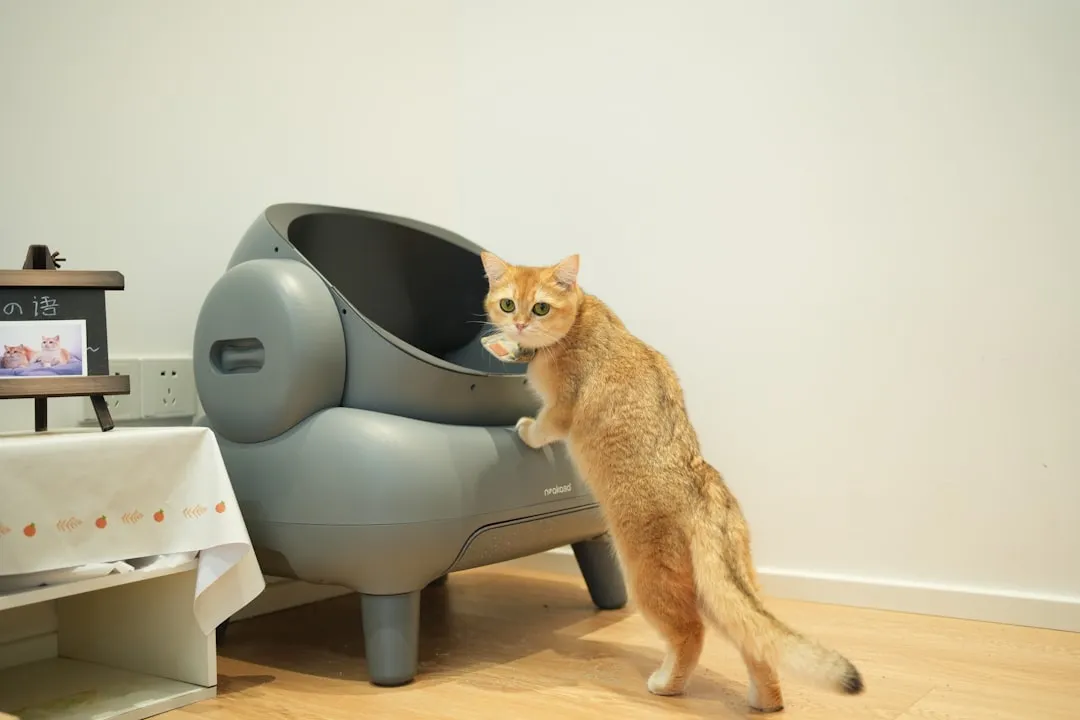
Most people keep the same box a cat has used for years and assume it’s still fine. Vets see the aftermath: constipation, accidents, and cats quietly holding urine because stepping in hurts too much to bother.
Arthritis, muscle loss, and general weakness turn a simple hop into a real obstacle. Hospice vets push hard for a different setup.
- A low, wide entrance – even a shallow baking tray works.
- Litter boxes on every floor, so stairs stop being a barrier.
One of the more disturbing things vets describe is watching a frail cat strain just to climb into a high-sided box. If stepping into the litter hurts, many cats simply go less – which creates dangerous urinary and bowel problems on top of everything else. A flat, easy box near the bed sounds small. It can quietly preserve a cat’s comfort and dignity for months.
Fast Facts
- Degenerative joint disease affects the vast majority of cats over age 12, often with no obvious limping.
- Cats mask joint pain far better than dogs, so subtle behavior shifts are usually the first real clue.
- A litter box entrance under about three inches high tends to be far more manageable for arthritic cats.
#14 – Soft, Grippy Flooring Under Their Feet
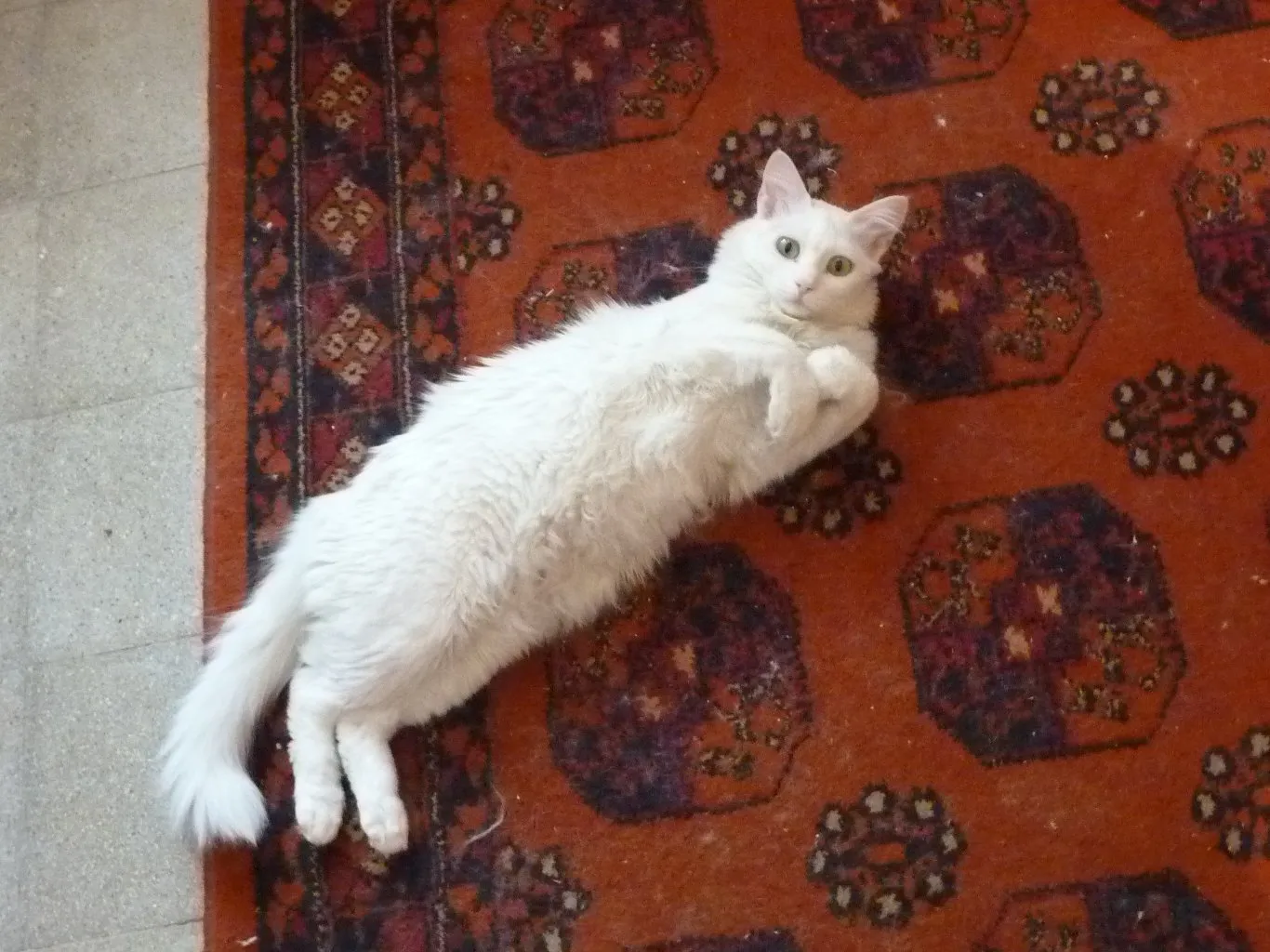
Tile and hardwood look clean, but to a frail cat they’re basically ice. Vets regularly watch older, weak cats splay their legs and slide while trying to reach water or the litter box.
That slip isn’t just scary in the moment – it can cause real injury, or convince a cat it’s safer not to move at all. Palliative-care vets quietly recommend a few fixes.
- Non-slip runners or yoga mats along the main path from bed to food to box.
- Small rugs with grippy backing at every turn or step-down.
Owners tend to underestimate how much effort walking takes when joints ache and muscle is fading. Give a sick cat secure footing, and they often look ‘more energetic’ simply because moving isn’t terrifying anymore. If you’ve ever watched your cat pancake on a slick floor, that’s not clumsiness – that’s a cat telling you something.
#13 – Multiple Cozy Nests at Different Temperatures
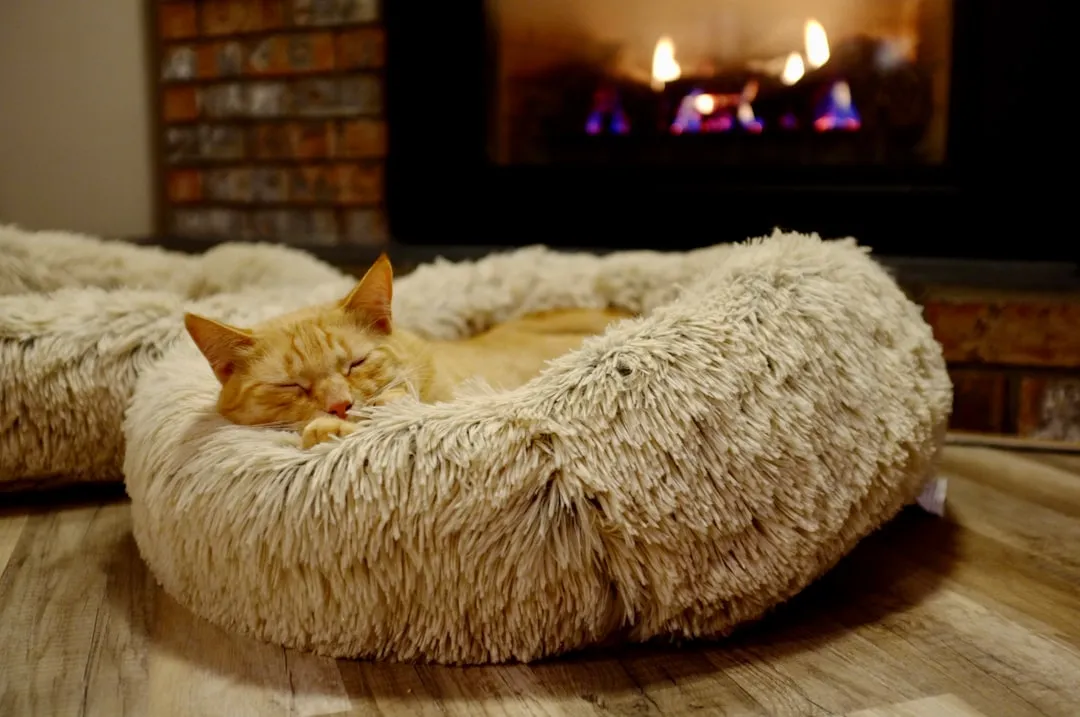
Most people set up one ‘sick bed’ and consider the job done. Hospice vets know better – dying cats have fluctuating internal thermostats. One hour they’re chasing heat, the next they’re panting and crawling away from it.
Forcing a cat to stay in a single spot is a quiet cruelty nobody talks about. A better setup gives them options.
- One warm, padded nest with a microwavable heat pad or thick blanket.
- One cooler, breathable spot nearby, like a cot-style bed or a light towel.
The critical detail: every option has to be easy to step into, never a jump. Offer these micro-choices, and many cats start rotating through them all day, self-regulating in a way pain meds alone can’t touch. Control over comfort turns out to be a real quality-of-life boost.
#12 – Elevated Food and Water Bowls, Even Just a Few Inches
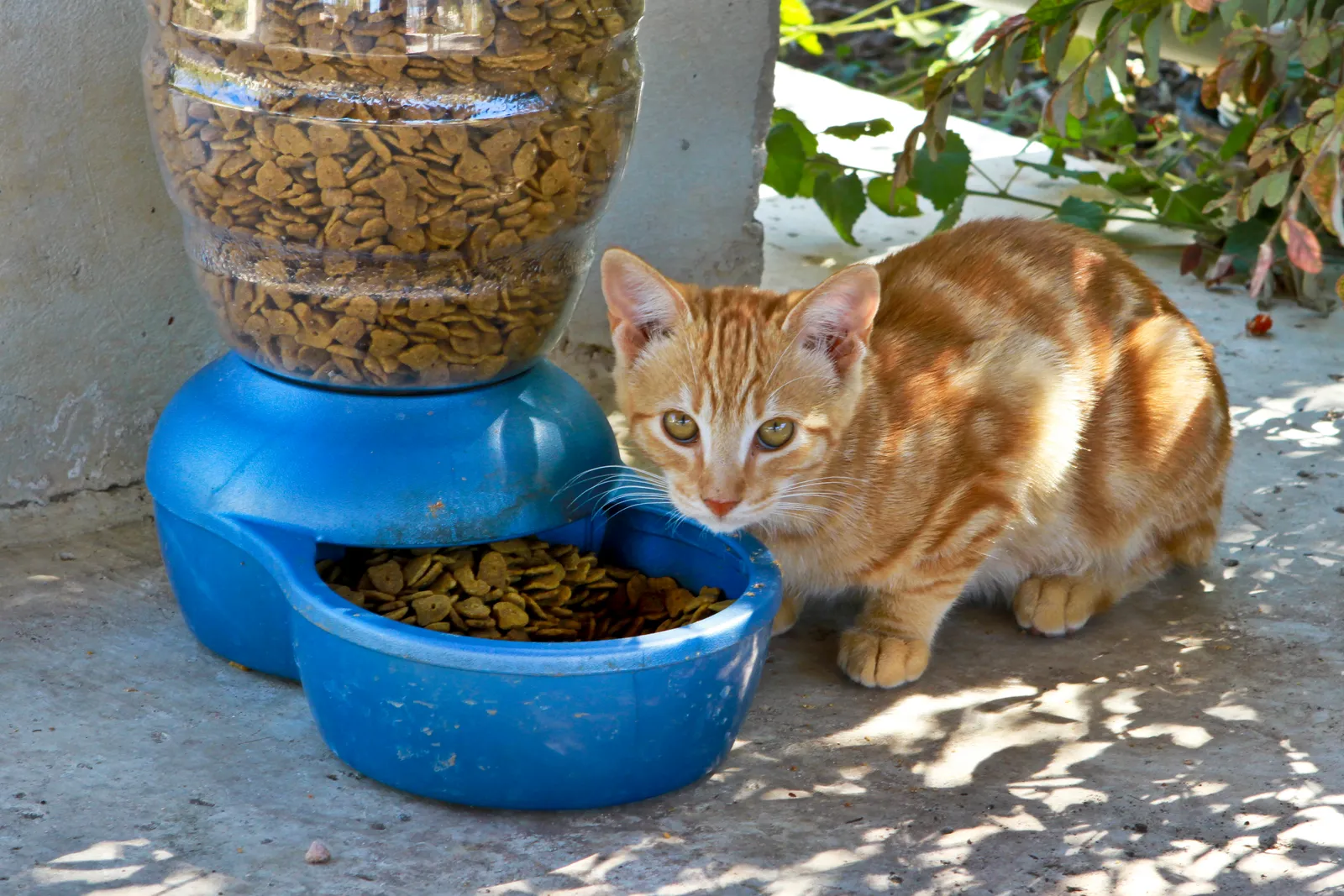
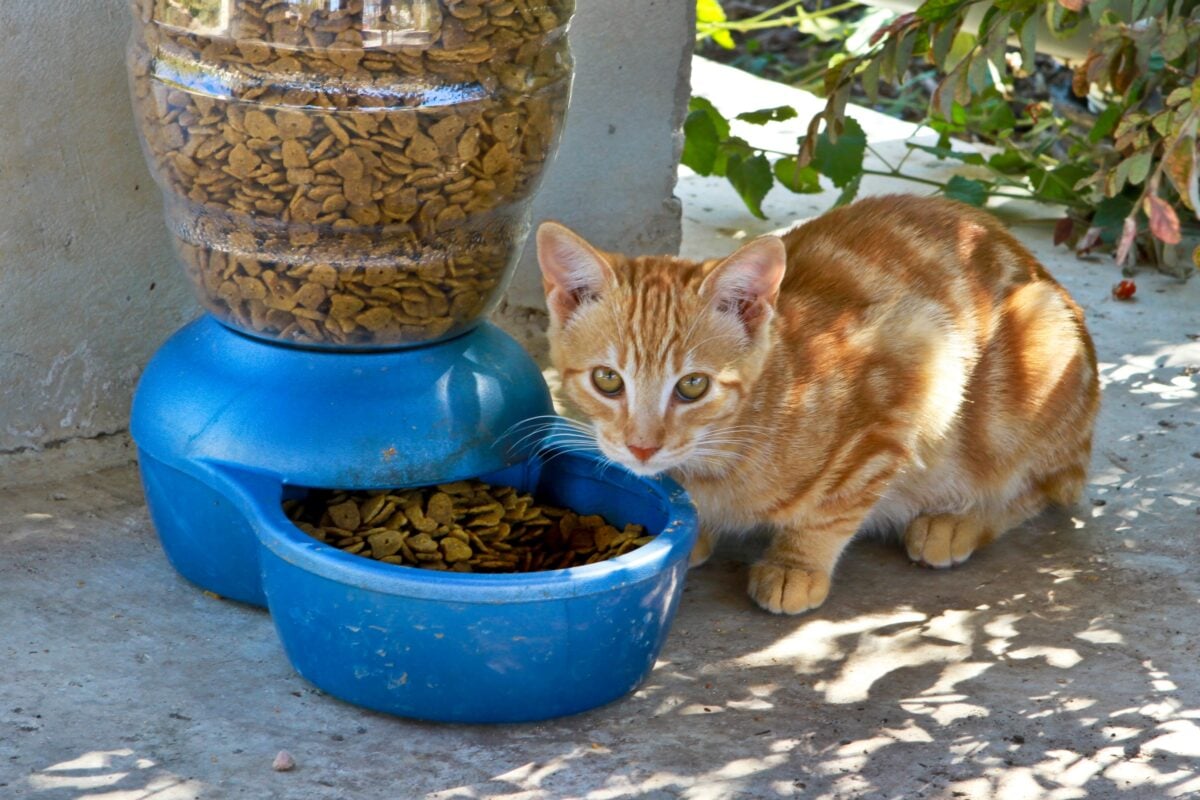
If your cat has arthritis, kidney disease, or heart trouble, eating off the floor can be genuinely hard work. Vets often see cats labeled ‘picky’ when the real issue is that bending the neck or front legs hurts, or makes breathing harder.
Raising the bowl even slightly can change everything. Hospice vets have a few standard suggestions here.
- Bowls raised to roughly chest height when the cat is standing or sitting comfortably.
- Wider, shallower dishes to avoid whisker stress and make food easier to reach.
Owners are often stunned when the exact food a cat ‘rejected’ on the floor disappears once the bowl is gently elevated. Less strain on joints and chest means more willingness to eat and drink – and in end-of-life care, small gains in appetite and hydration are wins worth chasing.
Quick Compare
- Floor-level bowl: forces neck and chest flexion, harder on arthritic joints and tight breathing.
- Elevated bowl: lets a cat eat while sitting upright, easing strain on both joints and lungs.
- Whisker fatigue: wide, shallow dishes cut down on whisker overstimulation that can turn a cat off food entirely.
#11 – Gentle, Regular Grooming They Can’t Do Themselves
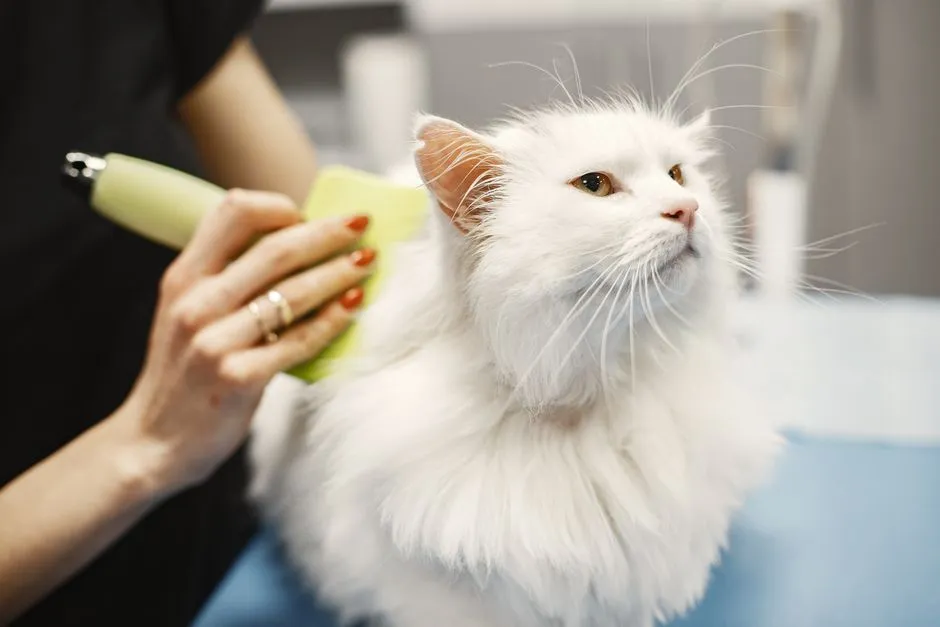
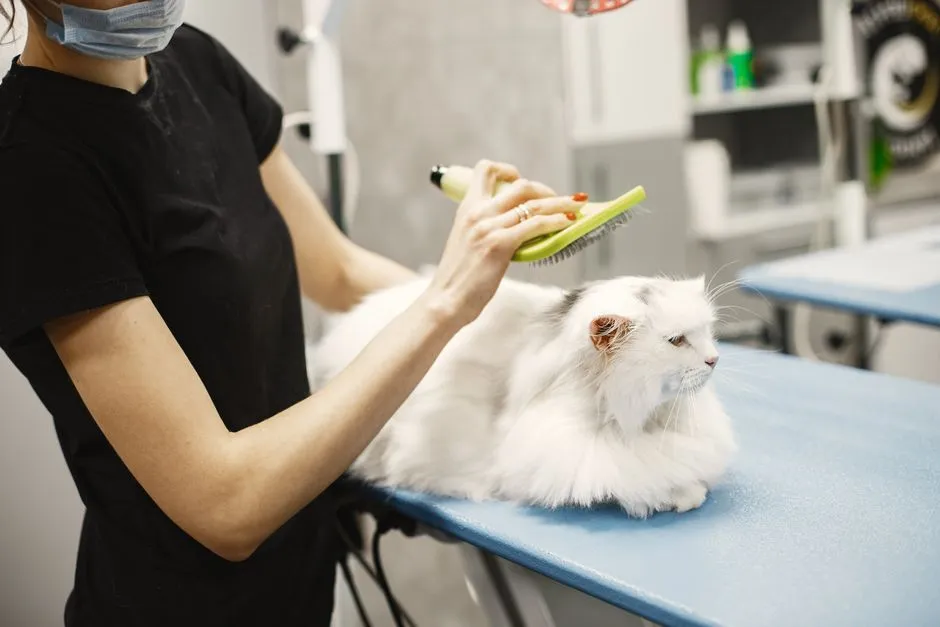
This is where a lot of people unintentionally miss the mark, assuming an old, sick cat simply stops caring how she looks. Vets and technicians strongly disagree. When cats are too weak or sore to groom, they don’t just look unkempt – they often feel itchy, uncomfortable, and exposed.
The trick is doing it for them, not to them.
- Soft brushing of favorite areas – cheeks, neck, along the back – kept short.
- A warm, damp cloth to clean around the eyes, mouth, and rear when needed.
Done right, grooming becomes a comfort ritual instead of a cosmetic chore. Many cats visibly relax once someone gently takes over the job their body can no longer manage – and it’s not unusual to hear purring from a cat that hasn’t purred in weeks.
#10 – Warmth That’s Safe, Steady, and Optional
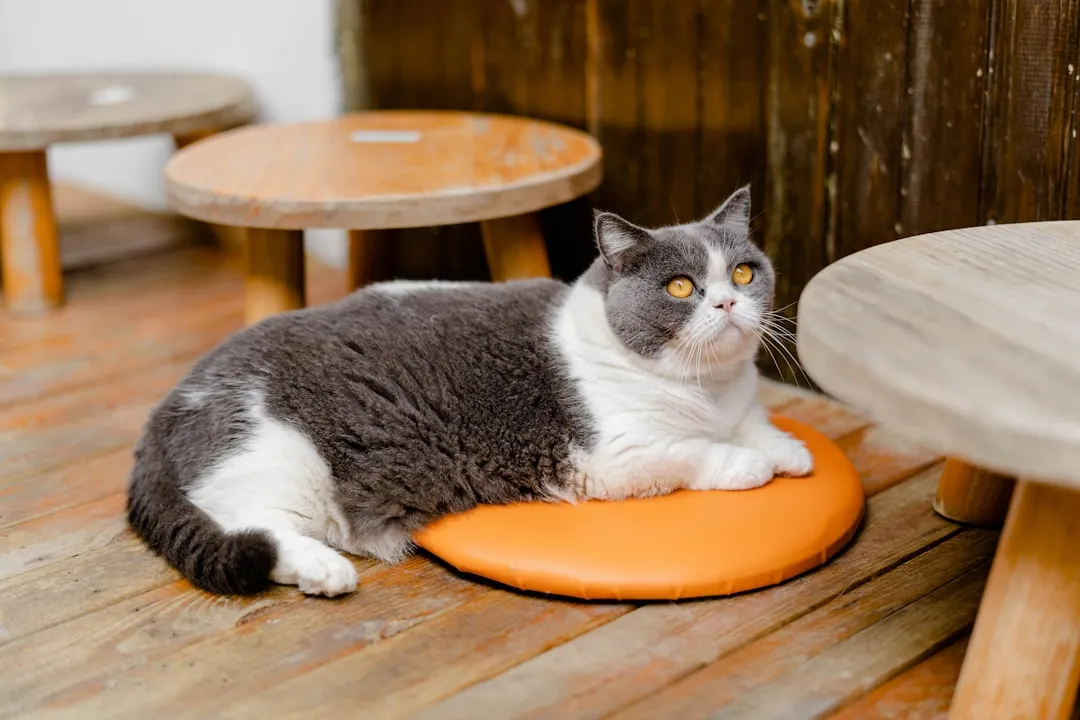
In the final months, a lot of cats turn into heat-seekers, curling up against laptops, radiators, anything that gives off warmth. What most owners don’t realize is that impaired circulation and a thinning body make it harder to hold onto heat – and much easier to get burned.
That’s why vets are so specific about how warmth is offered, not just whether it’s offered.
- Microwavable heat disks or hot water bottles wrapped in a thick towel.
- Electric heating pads only with a low setting, an automatic shutoff, and room for the cat to move away.
The non-negotiable rule: warmth must be optional, never trapped underneath a body that can’t shift away from it. Done wrong, heat is genuinely dangerous. Done right, hospice vets say it’s one of the most soothing sensations a sick cat can feel.
#9 – Pain Relief That’s Proactive, Not Just for When They Yowl
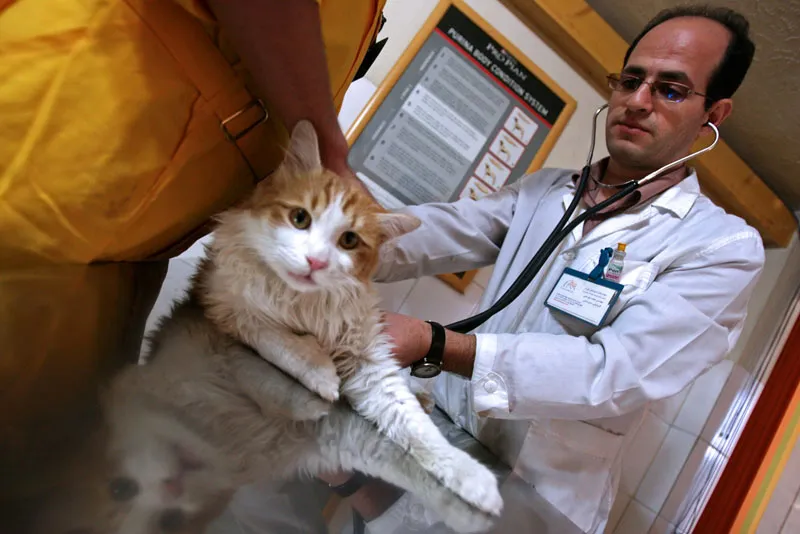
Here’s one of the more uncomfortable truths hospice vets bring up: most cats are under-treated for pain in their final months. Cats are experts at hiding discomfort, so owners often wait for crying, limping, or obvious distress – signs vets say show up embarrassingly late in the process.
The comfort that actually matters looks different from what most people expect.
- A vet-designed pain plan given on a schedule, not just doled out ‘as needed.’
- A willingness to adjust medication when you notice subtle shifts, like less jumping or more hiding.
Plenty of owners get nervous about ‘too much medication’ and unintentionally accept a level of daily pain they’d never tolerate in a human. Vets who do this work every day are blunt about it: a slightly sleepy cat is almost always better off than a quietly suffering one. You cannot cuddle away untreated pain.
Worth Knowing
- Reduced jumping onto favorite perches is one of the earliest, most overlooked pain signals.
- Hiding more than usual, even from favorite people, often signals discomfort rather than dislike.
- A sudden drop in grooming frequency can mean pain, not laziness.
#8 – Short, Respectful Cuddle Sessions on Their Terms
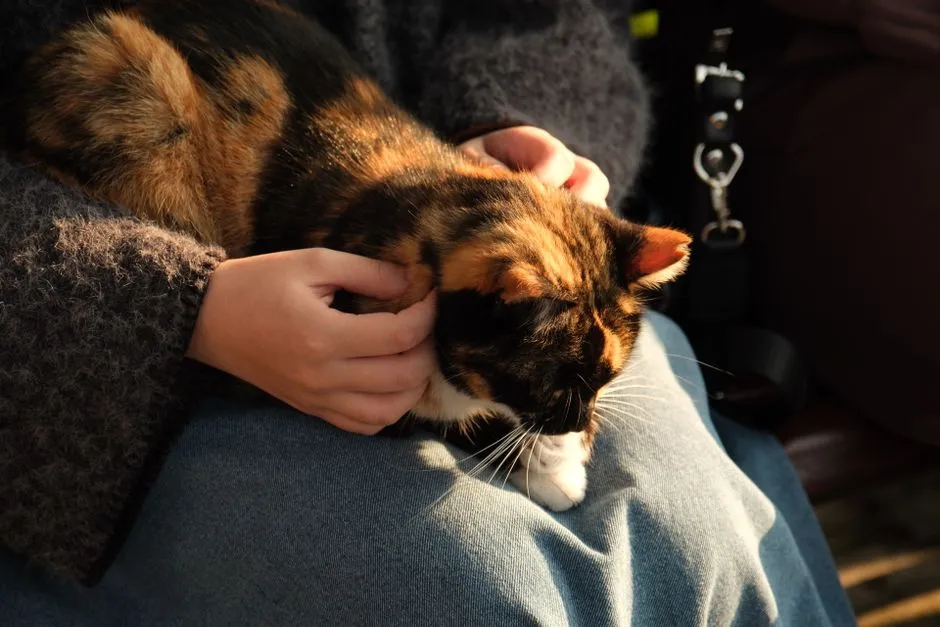
In the final months, plenty of owners try to make up for lost time by holding or petting their cat constantly. Vets see the other side of that coin: over-handling a frail, nauseated, or sore cat can be pure misery, even when it comes from pure love.
What actually matters isn’t more cuddles – it’s better ones.
- Let the cat initiate when possible: approach, pause, and wait for them to lean in.
- Stick to the spots they still enjoy – many prefer cheeks, the top of the head, or under the chin over full-body strokes.
Patterns emerge fast. Some cats want brief, frequent check-ins; others want one longer session followed by hours of sleep. Forcing affection because you need it can quietly erode their trust and comfort. In hospice care, love often looks more like restraint than reaching.
#7 – Easy Bathroom Help and Odor Control That Protects Dignity
This is the part nobody wants to discuss, but vets insist it matters enormously. In the final months, many cats deal with occasional urine dribbles, fecal staining, or missed litter boxes. Ignoring it is unsanitary. Overreacting with scolding or harsh cleaning is emotionally cruel.
Hospice-savvy vets recommend a gentler middle path.
- Puppy pads or washable pads tucked under favorite sleep spots, just in case.
- Warm, damp cloths to clean soiled fur, followed by a dry towel – never harsh scrubbing.
Odor control matters here too, mostly for the cat’s sake. Strong urine and fecal smells can stress a sick cat out and even suppress appetite. Frequent, calm cleanups protect both hygiene and dignity – unglamorous work that vets say quietly changes the whole tone of the final months.
#6 – Soft, Slow Feeding, Including Hand-Feeding When Needed
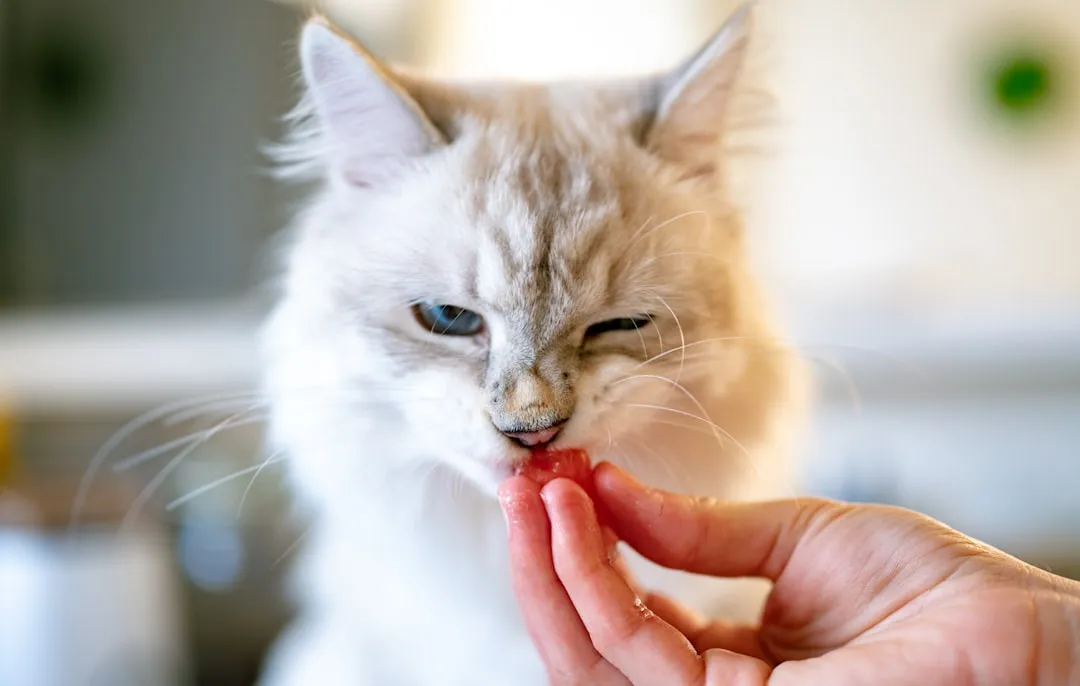
By the final months, eating itself can feel like a chore – nausea, mouth pain, and fatigue all stack up. Owners often respond by buying fancier food and leaving out bigger bowls, hoping something finally sticks. Vets talk instead about tiny, low-pressure meals and gentle encouragement.
The strategies that actually work are quieter than a new brand of food.
- Smaller portions offered more often, warmed slightly to boost the smell.
- Hand-feeding bites from a finger or spoon for cats who can’t reach the bowl well.
The line vets draw is firm: no forcing, no ‘just one more bite’ wrestling matches. If eating turns into a battle, you’re stealing comfort, not offering it. Quiet, relaxed offers – especially with soft talk while you sit nearby – can turn a meal back into connection. For some cats, that five-minute hand-feeding ritual becomes the best part of their whole day.
#5 – A Clear Safe Place Away from Guests and Other Pets

Plenty of families assume keeping life ‘normal’ means continuing parties, visitors, and full run of the house with the other pets. Hospice vets see it differently – in the final months, most cats need at least one completely predictable, interruption-free sanctuary.
In practice, that usually means one specific space.
- A room or corner used only by immediate family, with bed, box, food, and water close together.
- Clear house rules: when the cat is there, nobody pokes, picks up, or shows off the cat to friends.
This isn’t isolation – it’s control. The cat gets to choose connection or retreat on their own terms. Vets often see dramatic shifts when a bullied or over-pestered cat finally gets a gated-off or closed-door space of their own. Feeling safe turns out to be its own form of pain relief.
#4 – Familiar Smells, Not Constantly ‘Freshened’ Spaces
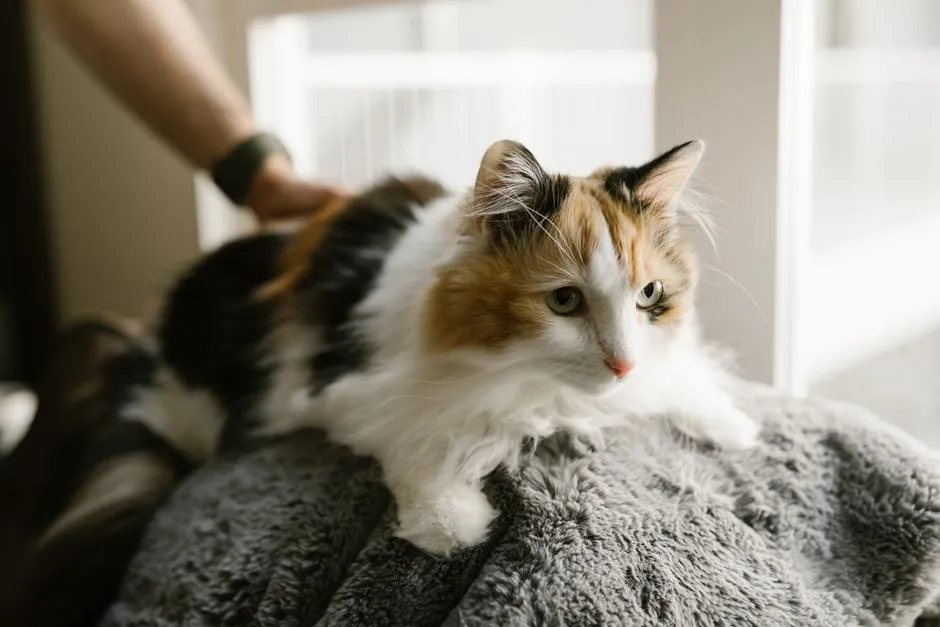
Well-meaning owners sometimes go on a cleaning spree around a sick pet – new detergents, plug-in air fresheners, sprays labeled ‘pet odor eliminator.’ Vets quietly cringe at this. A dying cat’s world runs mostly on smell and touch, and stripping their bed of familiar scent can be deeply unsettling.
Hospice vets tend to say less is more here.
- Skip scented candles, sprays, and strong cleaners near the cat’s main area.
- Wash bedding only when truly soiled, and keep at least one item – a blanket, an old shirt – that smells like home.
A cat’s nose is far more sensitive than yours will ever be. What smells pleasant to you can be overpowering, even nauseating, to a cat who’s already queasy. In the final months, comfort smells like you, their own scent, and the familiar background of a house they know – not artificial ‘fresh linen’ from a wall plug.
#3 – Being Spoken to Like a Family Member, Not a Medical Project
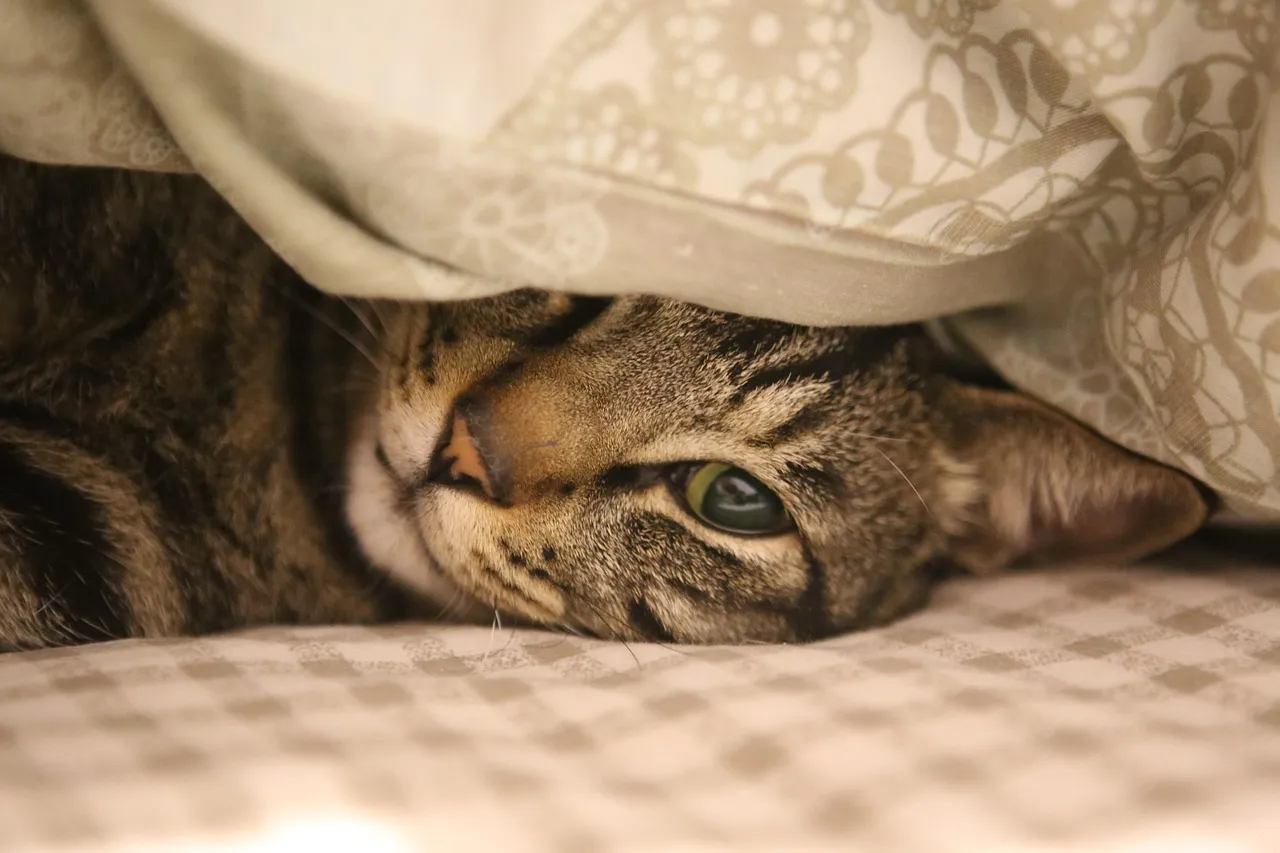
This is the emotional comfort most people underestimate. Late-stage care can turn clinical fast – meds, sub-Q fluids, symptom charting. Hospice vets who do this work at home repeatedly stress the same thing: your cat still recognizes your voice patterns, your mood, and the way you say their name. They are not a case file.
Comfort here is less about tasks and more about tone.
- Talking to them during care tasks in the same voice you used when they were healthy.
- Saying their name, narrating what you’re doing, even chatting about your day.
There’s no science claiming your words ‘explain’ the illness to them. But vets and techs who’ve sat through thousands of end-of-life cases will tell you cats often relax at the sound of normal, affectionate conversation – not the tense, whispery ‘sick talk’ people slip into without noticing. Treating them like a loved one instead of a fragile object changes the entire feel of those last months.
#2 – Owners Who Watch the Daily Joy Meter, Not Just the Calendar
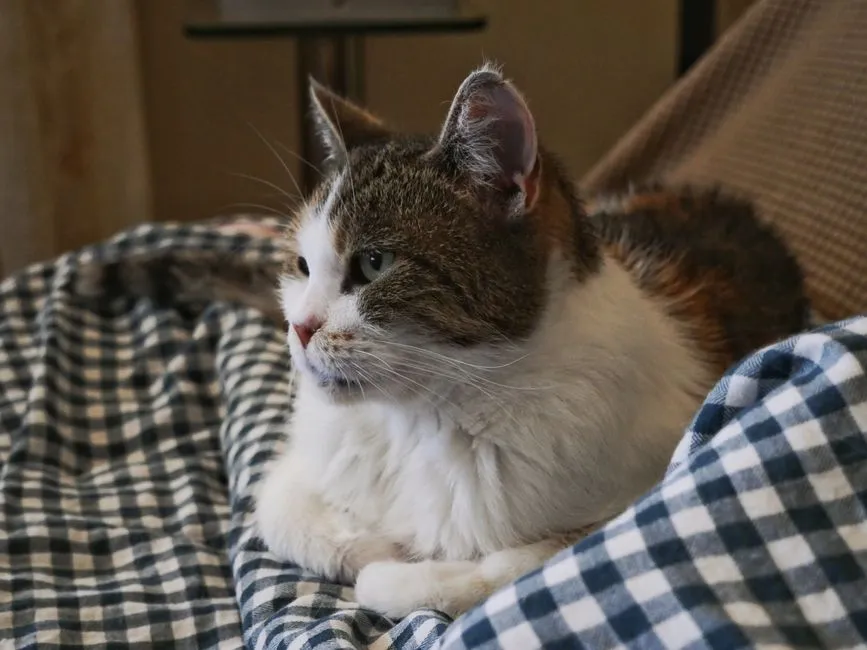
Here’s where many people quietly go wrong. They hang on for ‘one more month’ or ‘until after the holidays,’ while their cat’s day-to-day experience slowly crumbles underneath that plan. Hospice vets push for something they sometimes call the Daily Joy Meter – not ‘is she still alive,’ but ‘how many good moments did she actually have today.’
They often ask owners to track two simple things.
- Is your cat still choosing to do anything they used to enjoy – purring, grooming, greeting you, sunbathing?
- Are the bad moments – pain, panic, labored breathing, repeated vomiting – starting to outnumber the good ones?
The small comfort here isn’t a blanket or a toy – it’s clarity. Once you stop pretending every day is equal, you can make kinder decisions about treatment, and eventually, about when to let go. Cats don’t understand calendars. They understand whether today felt safe, bearable, and occasionally good.
At a Glance
- Good-day markers: eating with interest, purring, seeking a favorite lap, normal breathing at rest.
- Warning markers: repeated vomiting, labored breathing, hiding all day, refusing food and water.
- A simple daily checklist can reveal patterns days before they’d otherwise be obvious.
#1 – A Timely, Peaceful Goodbye Instead of Endless ‘Just One More Day’
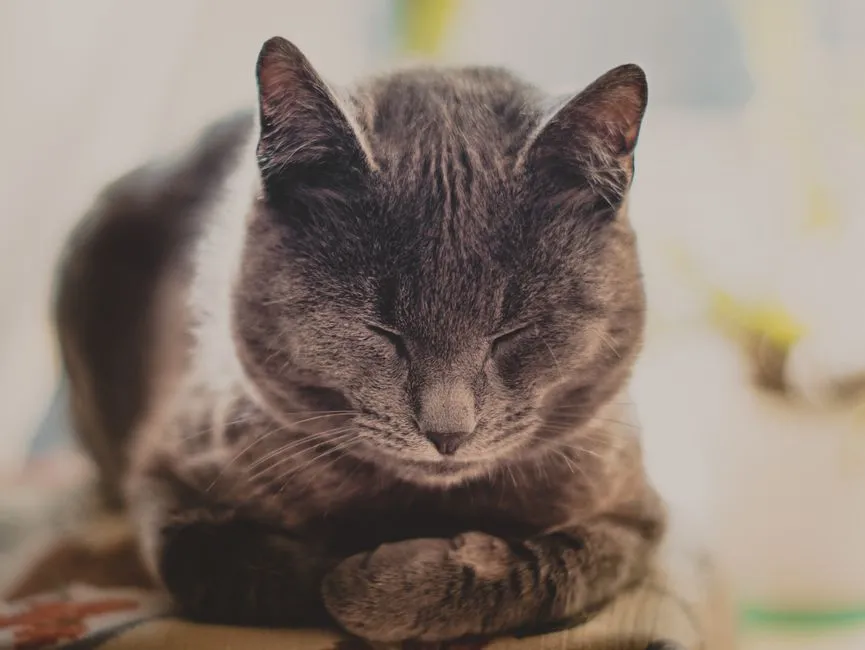
Hospice vets are blunt about this one, even when it upsets people to hear: the single biggest comfort you can offer a dying cat is not stretching their suffering past the point of dignity. Many owners, out of love and fear of grief, unintentionally trap their cat in a body that hurts, waiting for a miracle that isn’t coming.
The experts’ view on this is stark and consistent.
- A slightly ‘too early’ euthanasia is almost always kinder than a clearly ‘too late’ one.
- Waiting for a dramatic crisis – gasping, collapse, unmanageable pain – means the cat’s last memories are terror, not comfort.
A peaceful, planned goodbye at home or in a calm clinic room isn’t a failure. It’s the final comfort on the list. The last gift isn’t another week – it’s protecting them from that week if it would mostly be suffering. Almost every hospice vet will tell you the same thing: the cats who were released gently are the ones who truly had comfort in their final months, because someone was brave enough to stop when comfort was no longer possible.
The Bottom Line
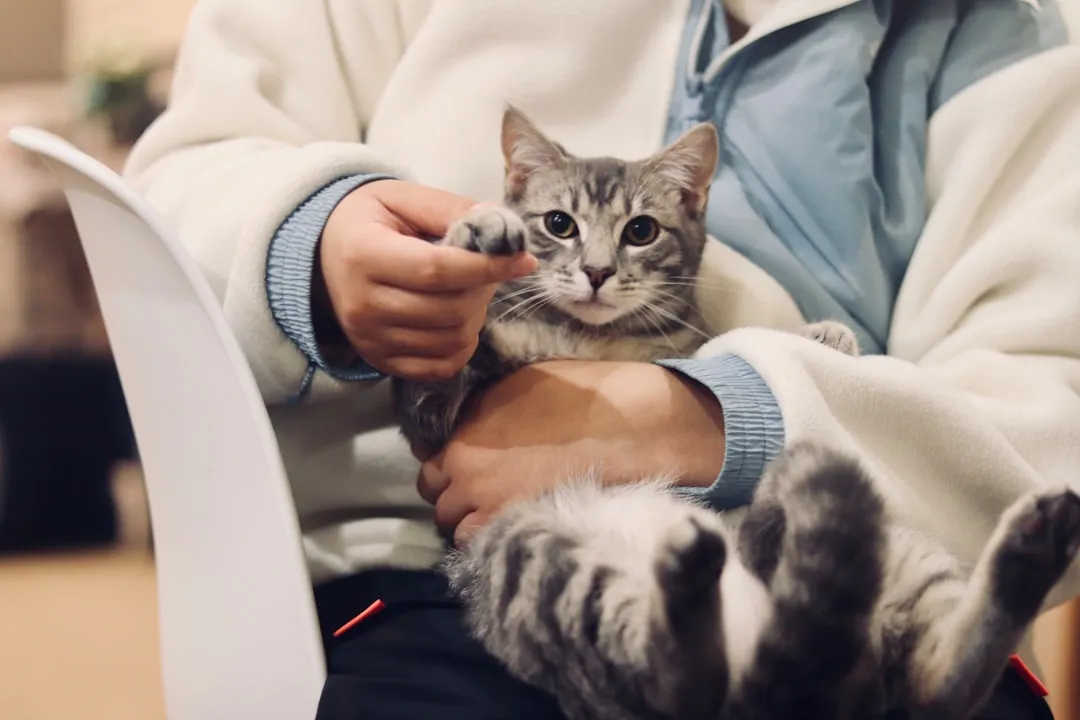
Strip away the guilt, the gadgets, and the internet noise, and vets are remarkably consistent about what actually matters. It isn’t an Instagram-worthy bucket list. It’s quiet, practical mercy – soft footing instead of slippery floors, a low litter box instead of heroic stair climbs, proactive pain relief instead of waiting to see how bad it gets.
And yes, eventually, a goodbye chosen for the cat’s comfort rather than the human’s fear of loss. Some people will argue for fighting on ‘as long as possible’ no matter what. But if you actually listen to the professionals who sit on clinic floors with dying cats every single day, the real act of love isn’t length – it’s quality, chosen on purpose, even when it’s the hardest choice in the room.
Do you agree with the vets, or do you think we give up too soon? That’s worth sitting with.
