
If you picture the Great Lakes, you probably see lighthouses, sailboats, and crowded summer beaches. What most people do not see in their mind’s eye is a wolf padding along a rocky shoreline, a sturgeon older than your grandparents rising from the depths, or a black bear casually swimming between islands like it owns the place.
The truth is, the Great Lakes are less like a calm Midwestern postcard and more like a freshwater version of a rugged coastal wilderness. From apex predators to ancient fish and quietly recovering icons, the region is buzzing with wild stories that rarely make national headlines. Let’s pull back the curtain on ten animals that prove the Great Lakes are far wilder than most Americans realize.
1. Gray Wolves: Ghosts of the Northwoods
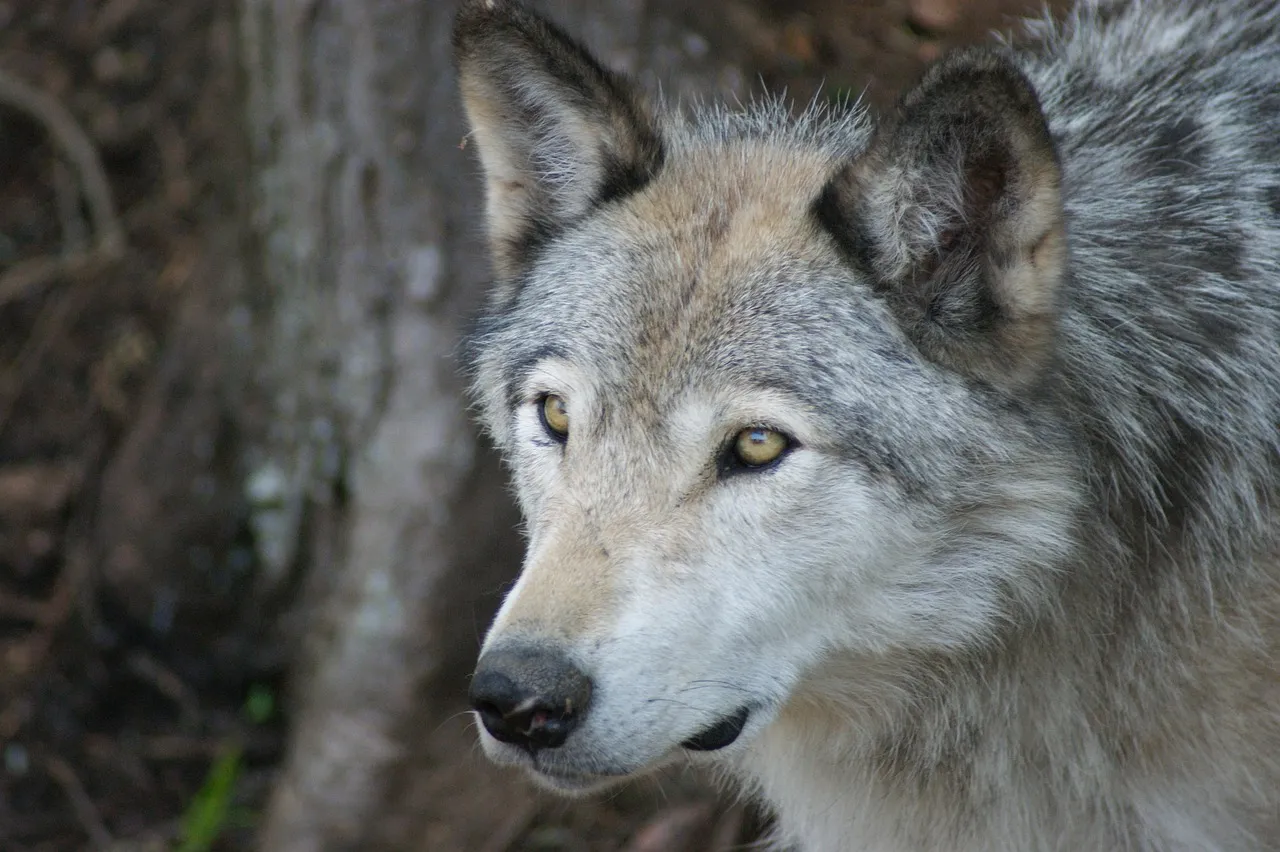
The idea of wolves living in the Great Lakes still shocks a lot of people, but gray wolves have quietly reclaimed large stretches of northern Minnesota, Wisconsin, and Michigan’s Upper Peninsula. They haunt deep pine forests, marshy lowlands, and even logging roads, often leaving only paw prints and distant nighttime howls as clues. On Isle Royale in Lake Superior, wolves are literally shaping the forest by preying on moose and influencing how vegetation grows.
What makes wolves so captivating here is how close they live to people without being seen. Families might be roasting marshmallows at a cabin while, a few miles away, a wolf pack is moving silently along a ridgeline. Their return is a reminder that, even in a region crisscrossed by highways and dotted with vacation homes, true top predators are back on the landscape, doing the messy, necessary work of keeping ecosystems in balance.
2. Moose: The Great Lakes’ Giant, Shy Shadows
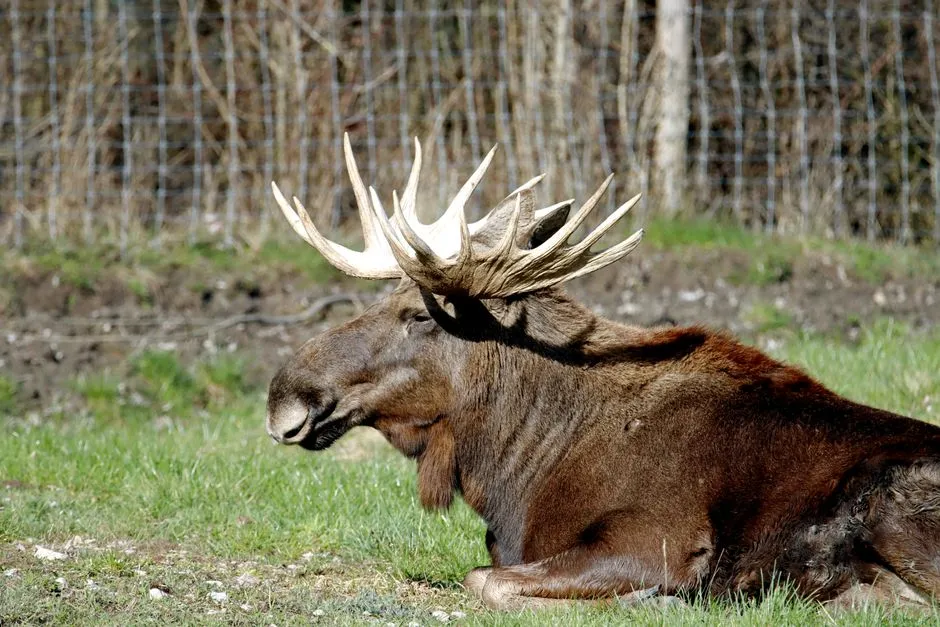
Moose may feel like an animal you associate with Alaska or northern Maine, but they are very much a Great Lakes story, especially in northern Minnesota and parts of Michigan. Seeing one up close is surreal: they look like someone mashed together a horse, a camel, and a deer, then super-sized the whole thing. A full-grown bull can stand taller than most people even at the shoulder, and yet they slip into bogs and spruce thickets like smoke.
In places like Isle Royale and the Superior National Forest, moose are not just impressive; they are ecological engineers. By browsing on shrubs and young trees, they influence how forests regenerate after fires or logging. Their struggles with warming temperatures, ticks, and changing winters also turn them into living barometers of climate stress in the Great Lakes. When moose have a tough time, it is often a warning that the entire northern ecosystem is starting to feel the heat.
3. Black Bears: The Secret Swimmers and Beach Crashers
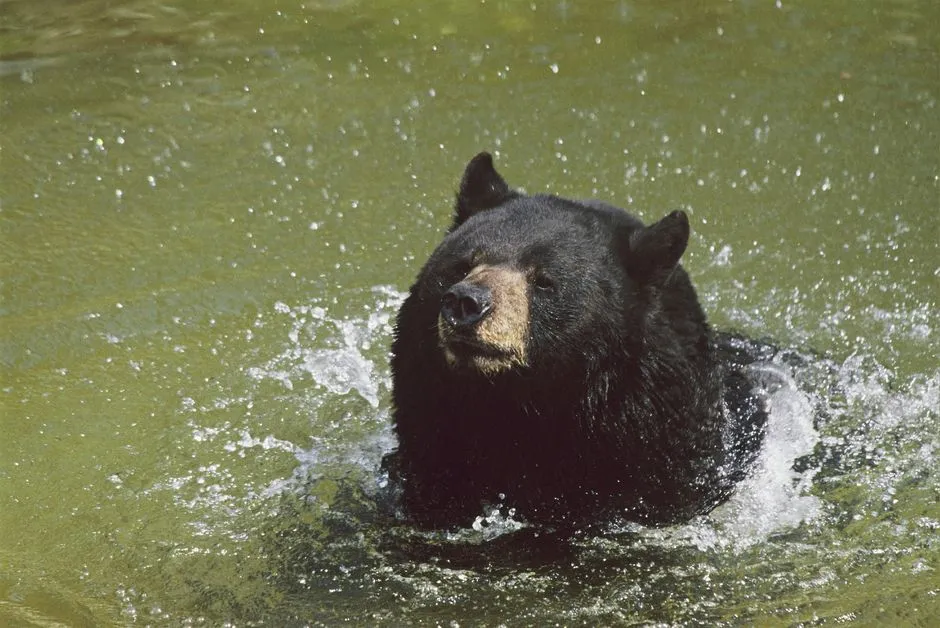
Black bears are often seen as forest animals, but in the Great Lakes, they are just as much creatures of shorelines and islands. It still surprises people to learn how strong swimmers they are; bears have been spotted paddling between islands in Lake Superior and along remote peninsulas of Lakes Michigan and Huron. Imagine canoeing across a misty bay and realizing that dark shape in the water is a bear heading confidently to a new patch of wild blueberries.
As forests have regrown and human hunting pressure has changed, black bear populations have rebounded in many Great Lakes states. They are opportunists, which means they love acorns, berries, and, if we are not careful, camp food and garbage. Their presence just a few miles from resort towns and lakeside suburbs is a vivid reminder that this region is not a domesticated playground; it is still wild enough that a large omnivore can wander through, leaving paw prints on sandy beaches most people think only belong to dogs and kids.
4. Bald Eagles: Comeback Kings of the Coastlines
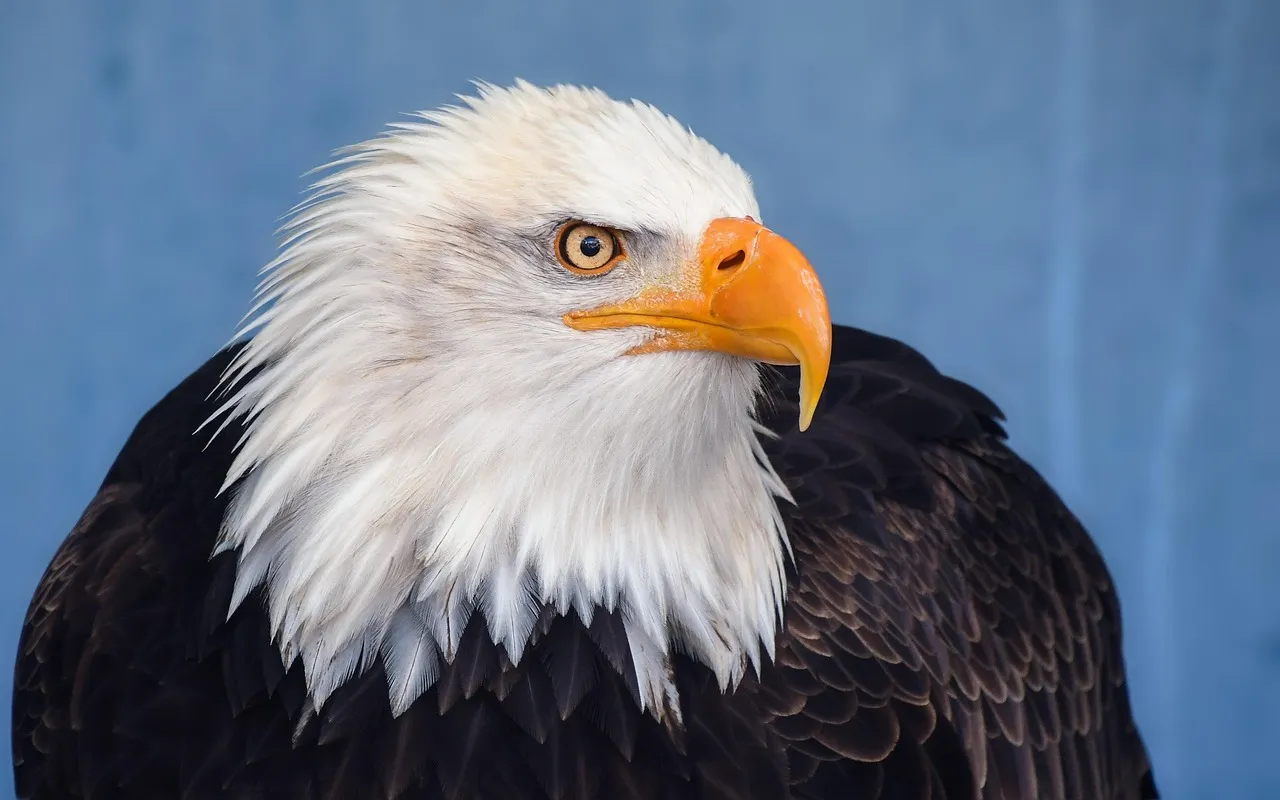
There was a time when spotting a bald eagle along the Great Lakes was a rare thrill bordering on a miracle. Now, in many areas, you can scan the shoreline and have a decent chance of seeing one gliding above the water or perched in a dead tree, watching for fish. Their rebound is one of the great conservation turnarounds in North American history, tied to cleaner water, bans on certain pesticides, and decades of relentless protection.
What makes their presence so powerful is the contrast: these massive, regal birds sharing airspace with cargo ships, ferries, and jet skis. I remember kayaking on a busy summer day and having an eagle drift overhead, totally ignoring the noise below. That calm, almost indifferent presence feels like nature’s quiet way of saying that, when we give a little ground and reduce our pollution and disturbance, the wild will come back stronger than most of us dare to expect.
5. Lake Sturgeon: Ancient Giants in Freshwater
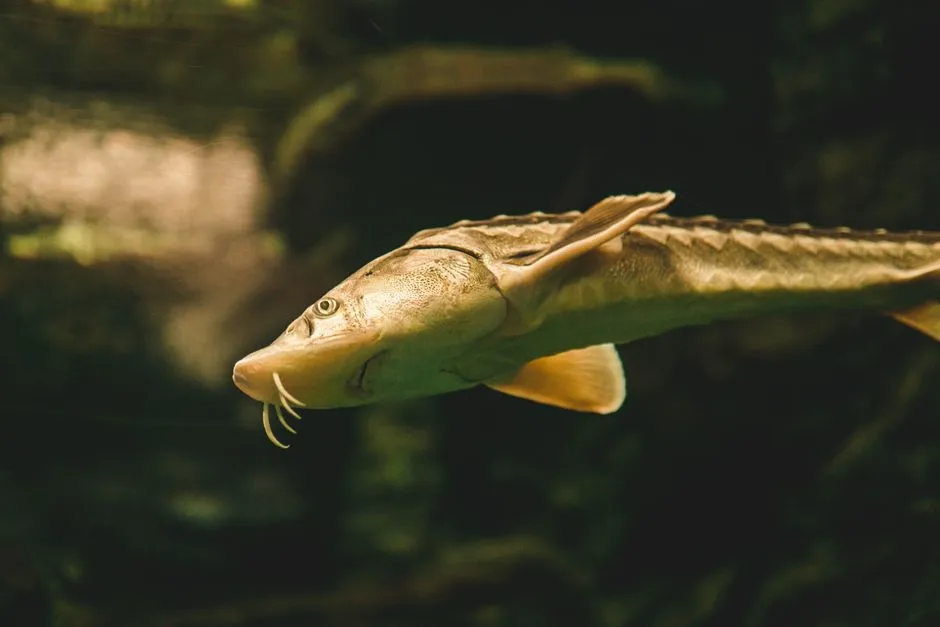
Lake sturgeon are like something out of a prehistoric documentary, only they are very real and still swimming beneath Great Lakes waves. Long, armor-plated, and sometimes stretching longer than a grown person, these fish have been around since the age of dinosaurs. Some individuals can live for many decades, meaning a single sturgeon can outlast multiple generations of human families fishing the same river mouth.
Overfishing, pollution, and habitat damage hammered their populations in the last century, but in many rivers that flow into the Great Lakes, people are working to bring them back. Watching a sturgeon leap out of the water on a spawning run is unforgettable; it looks like a living fossil launching itself into the modern world. Their slow, stubborn recovery is proof that the Great Lakes are not just pretty scenery but home to truly ancient, globally significant wildlife that deserves the same awe we reserve for whales and sharks.
6. Common Loons: Wilderness Voices on Busy Lakes
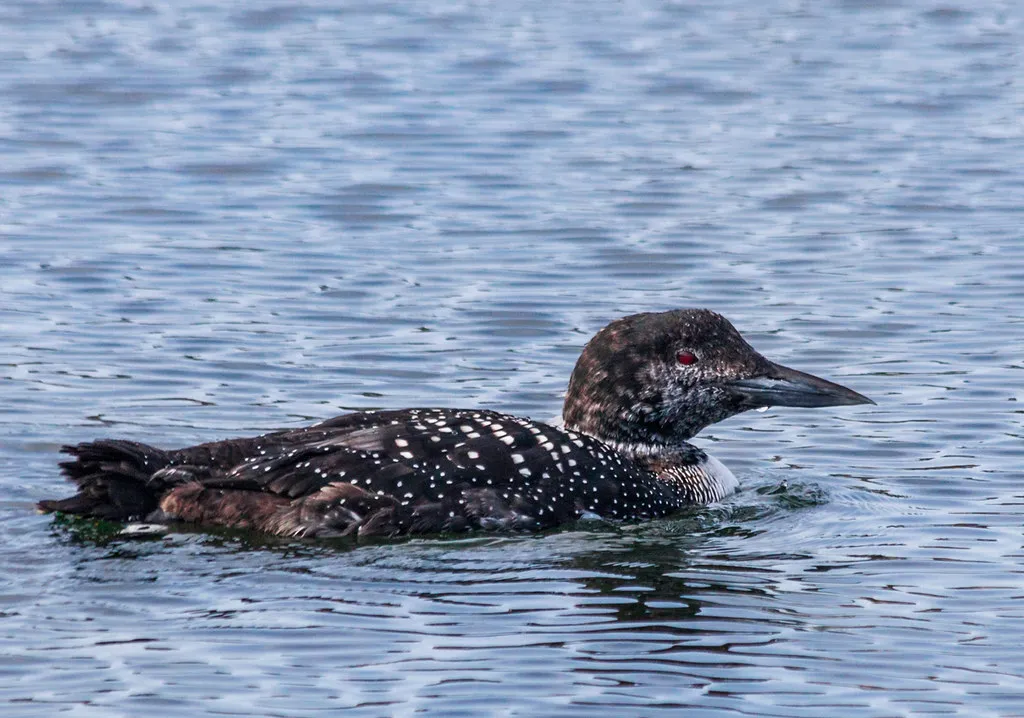
Few sounds say “north” quite like a loon’s haunting call echoing across dark water at dusk. Loons nest on cleaner, quieter lakes in the Great Lakes region, building floating nests and diving like feathered torpedoes after fish. Their striking black-and-white patterns and red eyes look almost too dramatic for an ordinary summer lake, as if someone imported them from a remote Canadian wilderness.
What catches you off guard is hearing that wild, wavering call in a region where you might also hear speedboats, fireworks, and nearby traffic. Loons are particular about water quality and disturbance, so their presence signals that some lakes are still just wild enough, just clean enough, to support them. When a loon surfaces right next to a dock festooned with string lights, it is a jolt of perspective: this is not just a human vacation spot, it is serious habitat for a demanding, sensitive species.
7. Sandhill Cranes: Prehistoric Birds in Farm Country
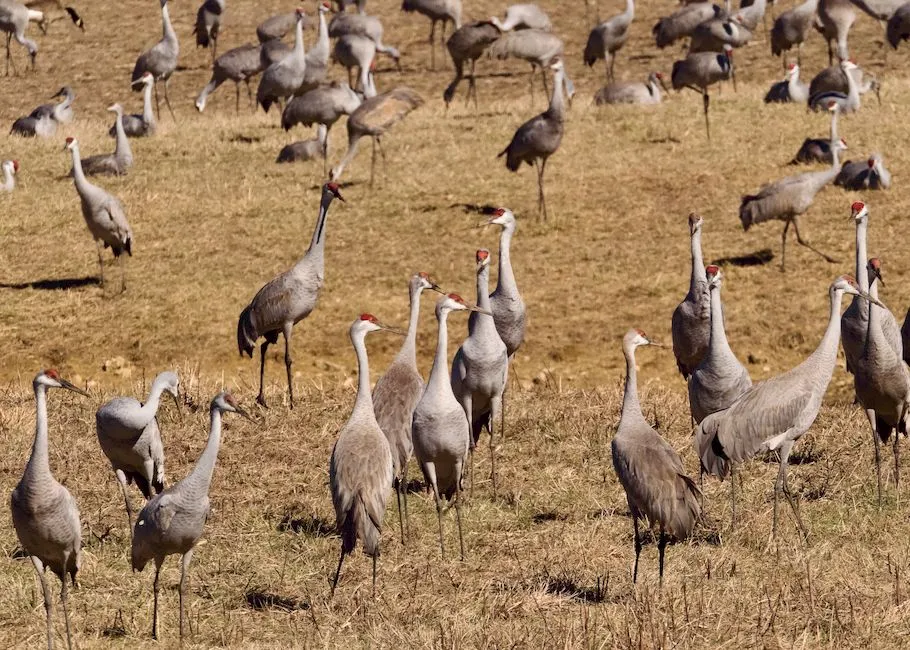
Sandhill cranes look and sound like they walked straight out of another era. Tall, slate-gray, with that splash of red on the head, they stride through wetlands and farm fields like they own them. Their calls are loud, rolling trumpets that carry a surprising distance; if you are not expecting it, hearing them over a Great Lakes marsh at dawn can raise the hairs on your arms.
In many Great Lakes states, cranes have gone from scarce to regular sights, gathering in marshes, wet meadows, and even stubble fields after harvest. This recovery is quietly amazing, because it means large, open wetlands and surrounding habitats have somehow persisted among all the roads, subdivisions, and industrial sites. Spotting a pair of cranes dancing in a flooded field near a busy highway is one of those Great Lakes contradictions that drives home how layered and resilient this landscape really is.
8. American Martens and Fishers: The Forest’s Stealth Operators
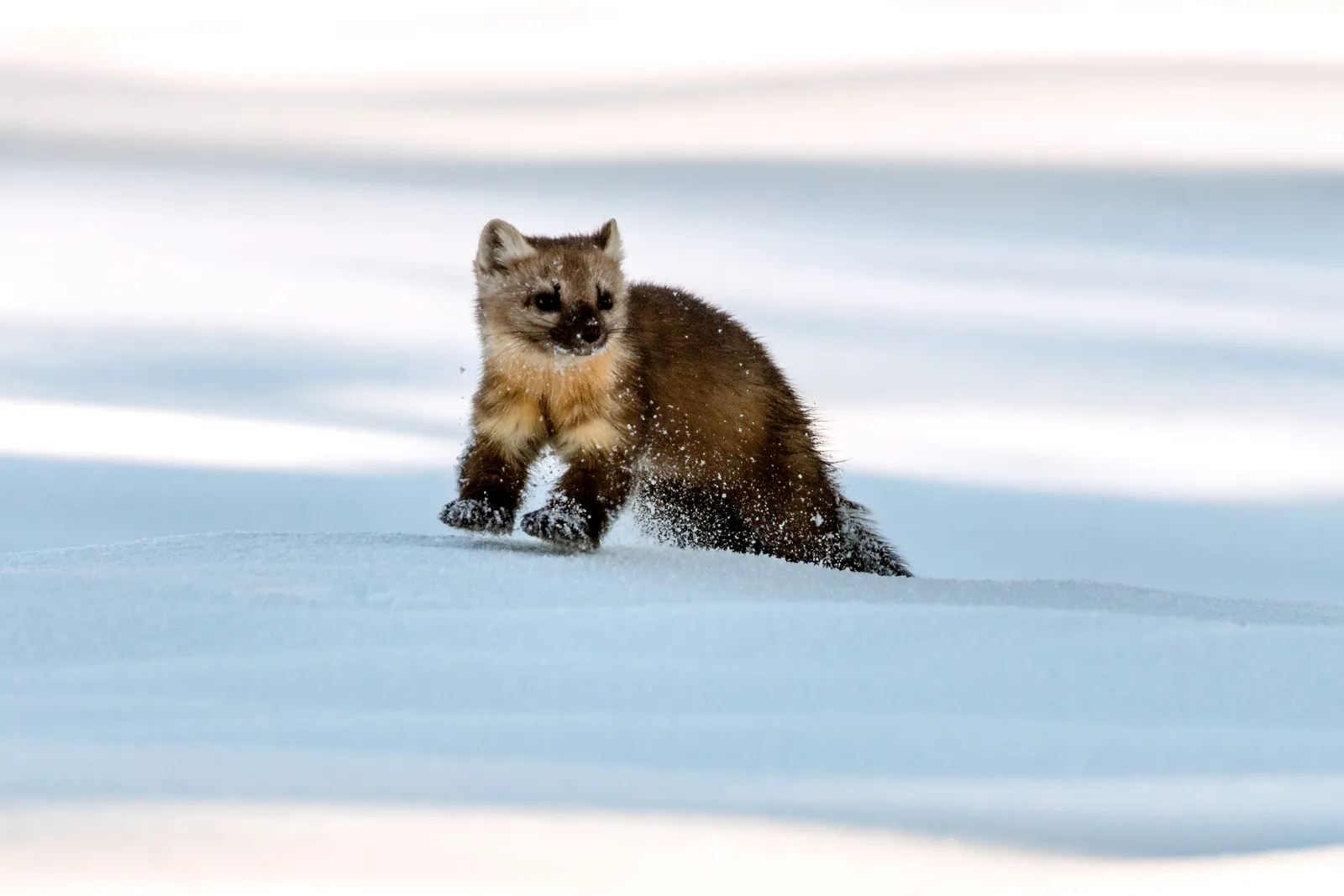
Most people have never heard of American martens or fishers, yet these small forest carnivores are slowly reclaiming parts of the Great Lakes region. Martens are agile, tree-loving hunters that thrive in mature, complex forests. Fishers are a bit larger, wilder looking, and surprisingly fierce for their size, capable of taking on prey many people assume only larger predators go after.
These animals were pushed out by logging, trapping, and habitat loss, but reintroduction efforts and recovering forests have given them a second shot in some areas. You are unlikely to see them, which in some ways makes them even more thrilling. Knowing that martens and fishers are out there, slipping along branches or weaving between fallen logs in the same woods where families hike and hunt mushrooms, underscores how multilayered Great Lakes forests still are beneath the surface of everyday recreation.
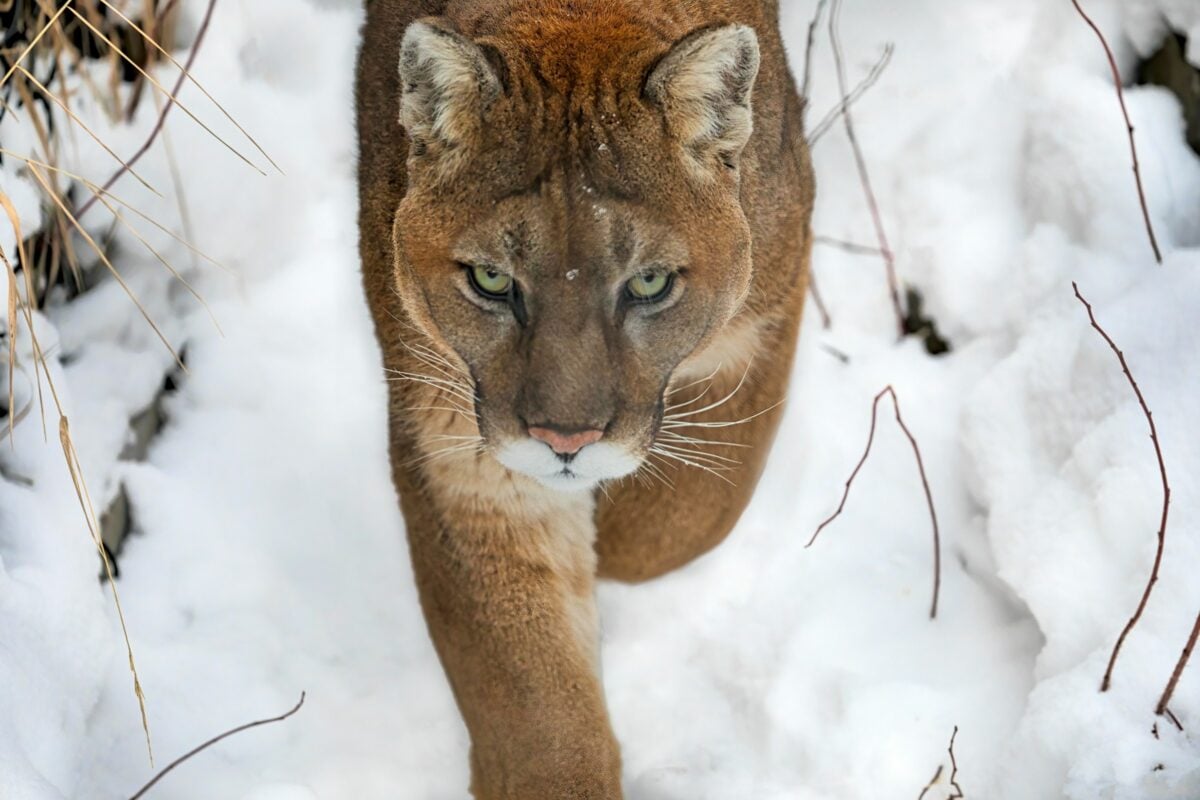
9. Cougar Sightings: The Rumors That Will Not Die
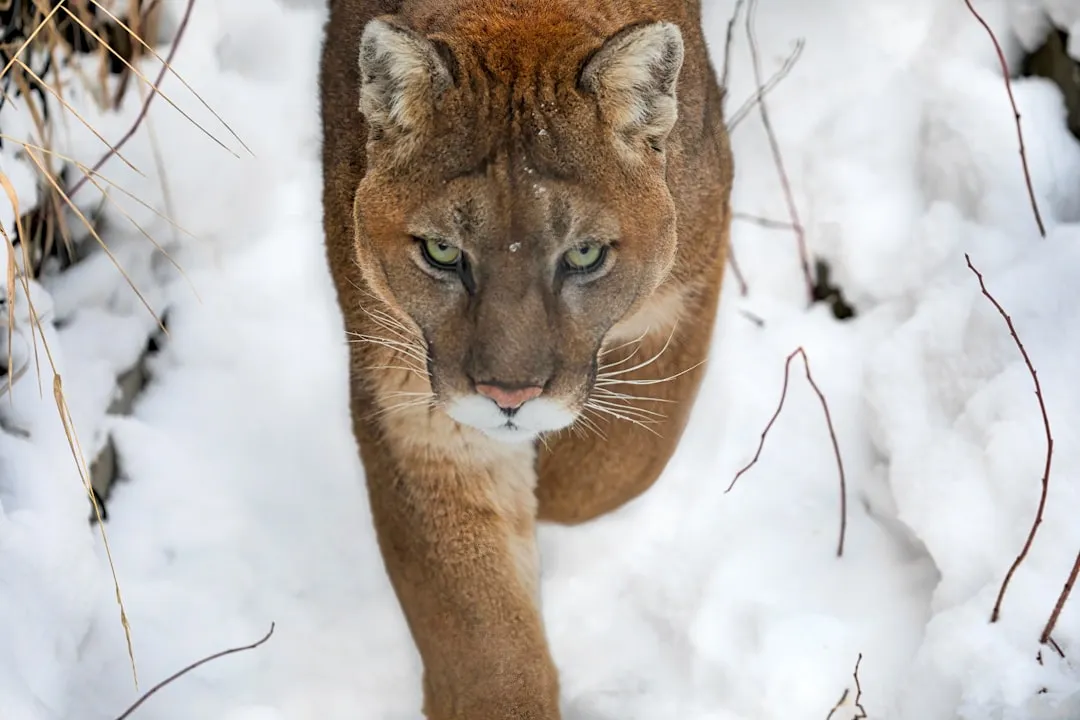
If you spend enough time talking to people who live around the Great Lakes, you will eventually hear a story about a long-tailed cat crossing a road, appearing in a trail camera, or vanishing into a cornfield. Cougars, also called mountain lions, were once native to this region but were driven out long ago. In recent decades, confirmed sightings of dispersing individuals from western populations have popped up in several Midwestern states, keeping the debate very much alive.
Whether or not breeding populations are truly re-established in the Great Lakes core, the fact that these big cats can travel huge distances and occasionally turn up here is a powerful reminder of how connected North American wildlands still are. The possibility that a top feline predator might be prowling somewhere in the same broader landscape as malls and interstates challenges the comforting idea that we have neatly boxed off the wild. It suggests that, even when we think we are in full control, nature is still testing the boundaries.
10. Invasive and Native Fish Mash-Up: A Predator’s Playground
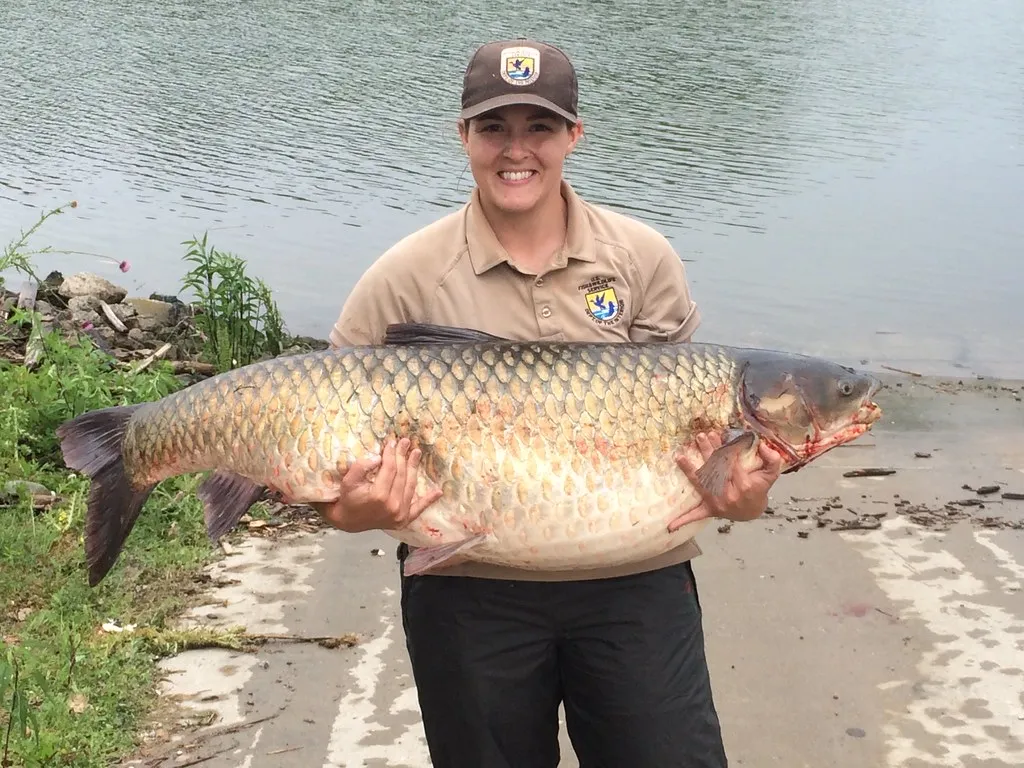
The Great Lakes are often talked about in terms of their invasive species crisis, and for good reason: sea lamprey, zebra and quagga mussels, and round gobies have dramatically reshaped the underwater world. But in the middle of this upheaval, big native and introduced predators like walleye, northern pike, muskellunge, and lake trout still carve out their roles. Below the surface, it is a constantly shifting drama of who eats whom, as food webs reorganize around new arrivals and old residents.
Anglers chasing muskies or trophy lake trout are not just participating in a sport; they are interacting with one of the most complex freshwater ecosystems on the planet. You have ancient species like lake trout rubbing fins, metaphorically speaking, with recent invaders and stocked game fish. This mash-up creates a kind of underwater frontier, a place where humans can tweak management plans and fishing rules, but the fish and the lake’s own dynamics ultimately write the final script.
Conclusion: The Great Lakes Are Not Tame, They Are Testing Us
When you stack all these animals together – wolves pacing through northern forests, sturgeon older than your favorite band, cranes bugling over farm fields, and bears swimming between islands – it becomes impossible to see the Great Lakes as a domesticated backdrop to Midwestern life. This is a region where ancient lineages and comeback stories collide with highways, shipping lanes, and lakeside condos. In my view, we are wildly underestimating how much true wilderness still pulses under the surface of this landscape.
The real question is not whether the Great Lakes are still wild; they clearly are. The question is whether we have the humility and patience to share this place with creatures that do not care about our schedules, our property lines, or our vacation plans. To me, the Great Lakes are a test of whether a modern society can live alongside big predators, ancient fish, and strange, demanding birds without always needing to be in charge. Looking at these ten animals, would you still guess this region is just calm water and gentle shoreline, or does it feel a lot more like a hidden frontier?

- 10 Animals That Make the Great Lakes Region Wilder Than Most Americans Realize - August 16, 2026
- 9 North American Animals That Look Harmless Until They Feel Cornered - August 16, 2026
- 9 North American Animals That Look Harmless Until They Feel Cornered - August 16, 2026