
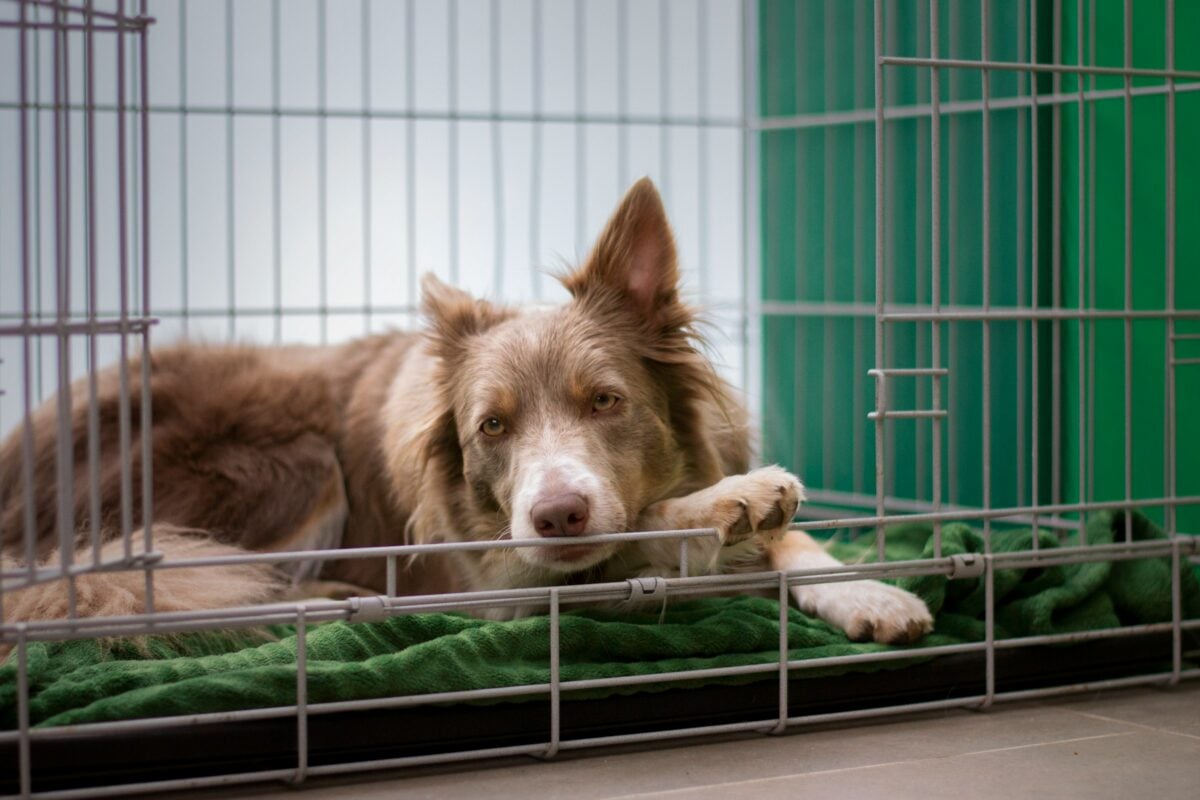
You’d think a dog’s whole future gets decided over weeks of training, trial walks, and slow trust-building. That’s the story most adopters believe. But ask anyone who’s worked the intake desk at a busy shelter, and they’ll tell you something that sounds almost unfair: they usually know within 60 minutes.
Not guesses. Not gut feelings pulled from thin air. Real, repeatable patterns that experienced staff have watched play out thousands of times, in thousands of dogs, long before any adopter ever signs paperwork. What actually happens in that first hour is stranger, more specific, and far more revealing than most people imagine – and once you see it laid out, you’ll never look at a shelter dog’s “first day” the same way again.
#1 – The Doorway Test: How a Dog Walks In Writes Their Own Future

The moment a dog crosses that first threshold, staff are already reading them. It’s not a gentle welcome – it’s an involuntary, high-stress personality test the dog didn’t know they were taking. A dog who plants their feet and has to be coaxed or dragged in isn’t just being difficult. It often points to deep fear, poor socialization, or a history of rough handling that hasn’t fully surfaced yet.
The opposite extreme raises just as many eyebrows. A dog barreling through the door, dragging the leash handler like a sled dog, isn’t showing confidence – staff usually read that as over-arousal, a nervous system running hot with no brakes. The dogs who actually do best are the quiet middle: the ones who pause, sniff the air, then choose to step forward under gentle pressure. That small moment of choosing curiosity over fear is often the very first clue about how a dog will handle a doorbell, a toddler, or a chaotic first week in a new home.
#2 – The Touch Reaction: What a Single Flinch Reveals
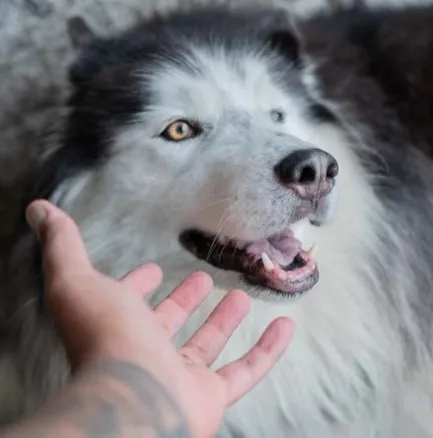
When a vet tech or staffer reaches out to touch a new arrival, it looks casual. It isn’t. That first contact is an informal, split-second assessment of how the dog processes fear, and it tells rescuers more than most owners realize. A dog who softens into the touch, blinks slowly, or leans in slightly is showing something valuable: trust is possible here, even if it’s fragile right now.
The pattern that actually worries experienced staff isn’t growling. It’s stillness. Most adopters see a frozen dog and think “calm.” Shelter staff see a dog who has shut every warning system off, and know that a sudden freeze under pressure can flip into a bite faster than almost anything else. A dog who turns their head away, licks their lips, or steps back is coping – awkwardly, but actively. That’s workable. A statue isn’t.
Fast Facts
- Softening into touch, slow blinks, or leaning in signal early trust
- Head turns, lip licks, or stepping back count as active coping, not defiance
- A frozen, motionless dog is often closer to a bite risk than a growling one
- Staff often flag “shutdown” dogs for extra support, not less
#3 – The Face and Eyes: The Micro-Expressions Staff Never Ignore
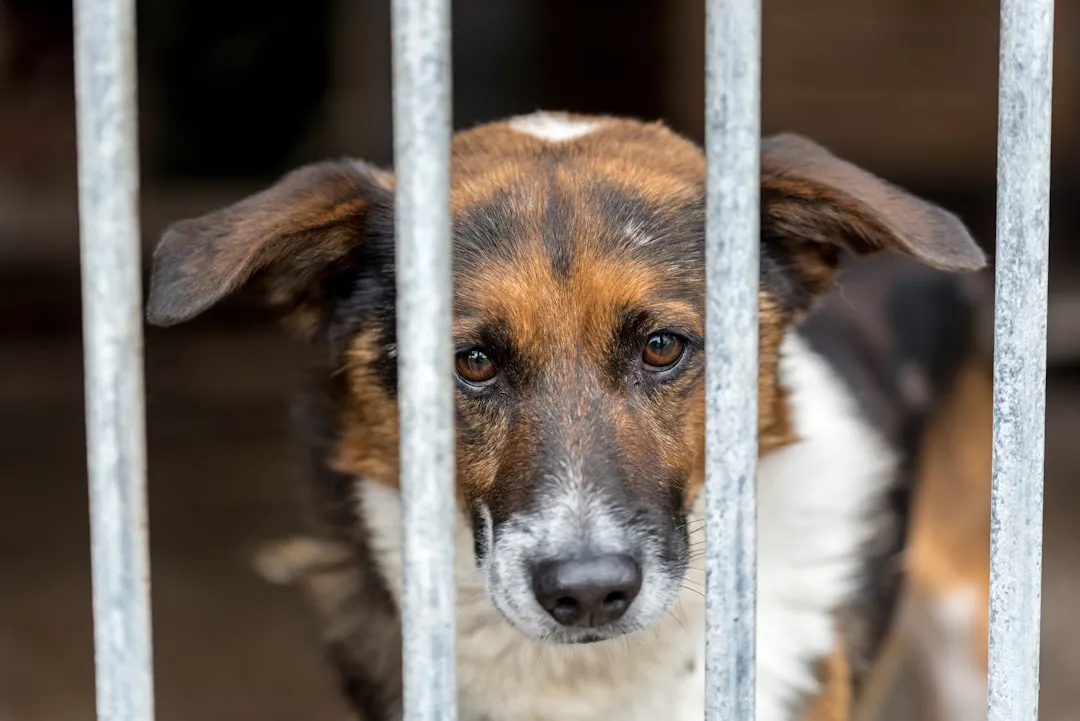
Most people walk past a kennel and see “sad shelter eyes.” Staff see a report card written in muscle tension. They’re watching for the difference between a soft blink and a hard stare, a loose jaw and a pinched one, a dog who can glance at a person and then look away versus one who locks on and doesn’t move.
That soft glance-away is dog language for I see you, you’re not a threat, I’m okay – and dogs who do it tend to settle into ordinary homes with far less drama. The dogs who worry staff most are often the quiet ones nobody flags as a problem: flat ears, glassy eyes, a face with almost no expression at all. That’s not calm. That’s a nervous system that has given up responding, and it frequently comes undone weeks later in a busy household that assumed it was adopting the “easy one.”
#4 – The Vet-Room Posture: A Full-Body Stress Map
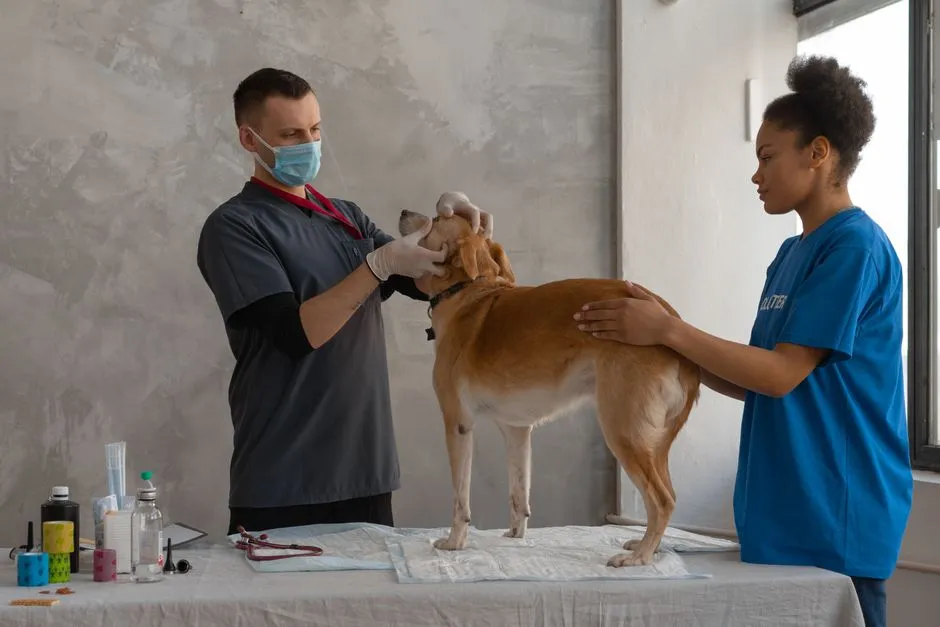
The first health check isn’t really about vaccines – it’s a live stress test disguised as a routine exam. In those ten or fifteen minutes, staff are watching how a dog’s entire body responds to restraint, pokes, and cold metal tables. A dog who can take a treat, offer a small wag, or shift their weight without spiraling is showing something rescuers call resilience, and it’s one of the strongest predictors of success in a loud, unpredictable family home.
What matters even more than the initial reaction is the recovery in between moments. Does the dog bounce back after the scary part, or does the fear just keep stacking? Dogs who start nervous but slowly begin sniffing the exam room by the end are quietly telling staff they know how to self-soothe. The ones who spiral from anxious to full meltdown, or never come back down at all, usually get flagged for experienced handlers only – sometimes before the exam is even finished.
#5 – The Kennel Entry: Handling Sudden Isolation
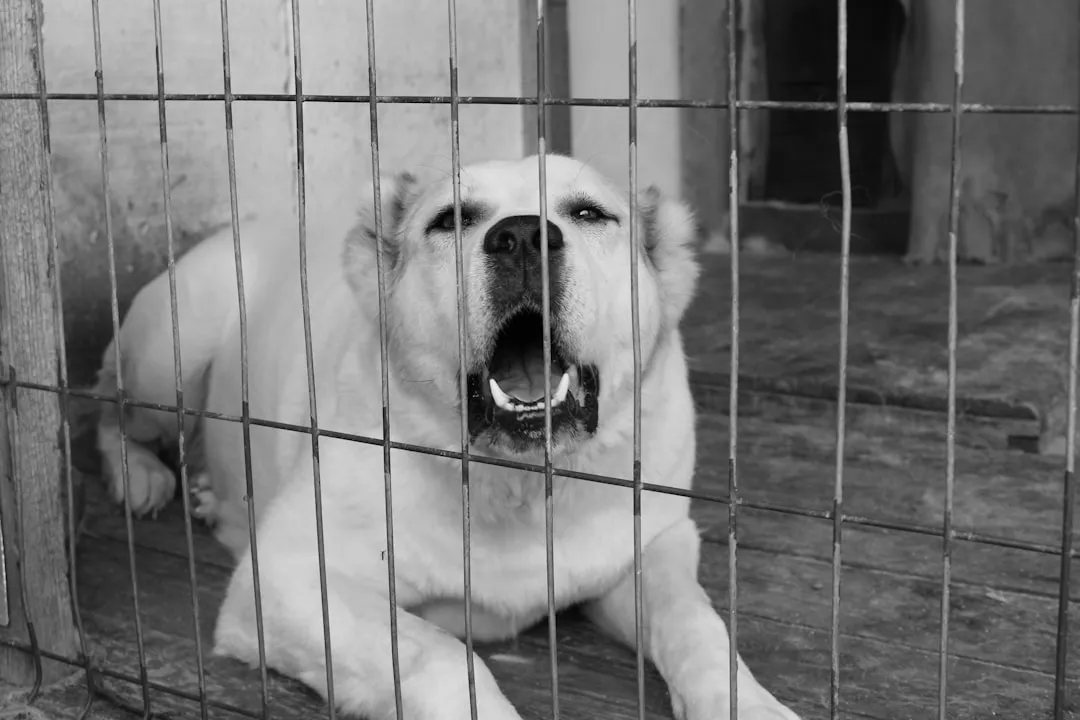
People underestimate how brutal that first kennel moment actually is. New smells, echoing barks, a metal door clanging shut, and then, suddenly, alone. Staff pay close attention to what happens in the five minutes right after that door closes, because it’s one of the rawest windows into a dog’s coping style they’ll ever get.
A dog who paces, whines briefly, then starts sniffing the bedding or a toy is stressed but still functional – these are usually the dogs sleeping soundly within days of arriving in a real home. The red flags look almost opposite to each other: a dog throwing themselves at the gate in a screaming panic, or a dog curled into the corner, refusing to eat, refusing to even lift their head. Both patterns often predict separation-related struggles down the line, and staff start quietly matching these dogs with very specific kinds of adopters – patient, home-based, unshakeable.
Quick Compare
- Adapts well: Paces briefly, then sniffs bedding or a toy
- Overwhelmed: Throws themselves at the gate, barking or screaming
- Shut down: Curls into a corner, won’t eat, won’t lift their head
- Best long-term fit: Dogs who self-soothe within minutes
#6 – The First Dog-to-Dog Signal: Beyond “Good With Other Dogs”
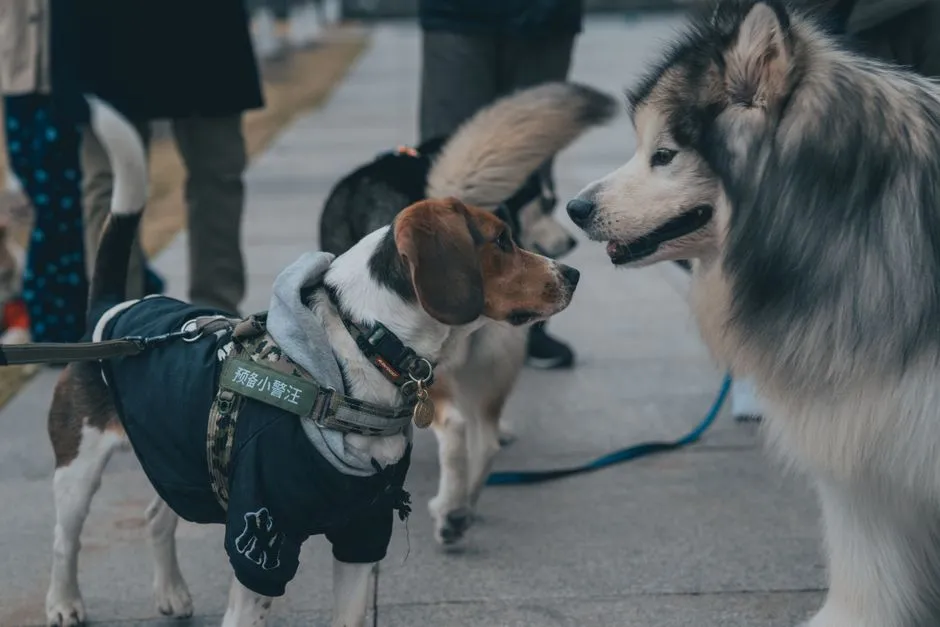
“Good with other dogs” might be the most misleading phrase in rescue. Staff know it hides a hundred different realities. During the first hour, many centers run a controlled, on-leash introduction with a calm helper dog – not to test friendliness, but to watch nuance most people would miss entirely.
The dog who curves their body politely, sniffs briefly, and disengages is showing real social fluency, and tends to thrive in multi-dog homes later. The dog staff actually worry about isn’t the growler – it’s the pushy greeter who barges in, ignores every warning signal, and doesn’t read the room. That kind of over-friendliness starts just as many fights as outright aggression does, and it’s one of the quiet reasons certain adoptions boomerang back to the shelter within weeks.
#7 – The First Food Test: Eating Under Pressure
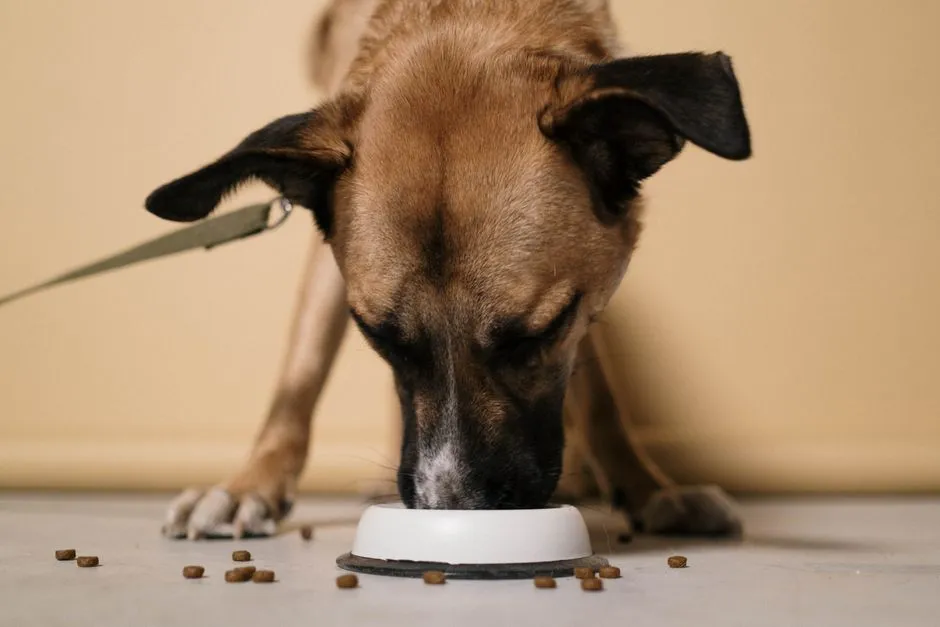
Nobody thinks a food bowl is a personality test, but shelter staff treat it like one. They’ll drop the bowl, walk past casually, sometimes gently nudge it, and just watch. A dog who eats, glances up, and goes right back to eating without tensing is usually a safe bet around kids and other pets, given normal supervision.
The myth staff hear constantly is that resource guarding only shows up in obviously aggressive dogs. In reality, a slight freeze, a fast side-eye, or the smallest curl of the lip over a bowl can predict real problems if nobody manages it early. Just as telling are the dogs who won’t eat at all in that first hour. They often look like the “easy, no-trouble” dog on paper – but staff have learned that dogs who go quiet and shut down instead of eating are frequently more anxious than the dogs who react loudly.
Worth Knowing
- Eating calmly while someone walks by is a good sign for homes with kids or pets
- A freeze, fast side-eye, or lip curl over food can signal early resource guarding
- Dogs who refuse to eat at all are often more anxious than loud, reactive eaters
- Bowl behavior in hour one often mirrors mealtime behavior months later
#8 – The Recovery Curve: The Minutes That Predict Months
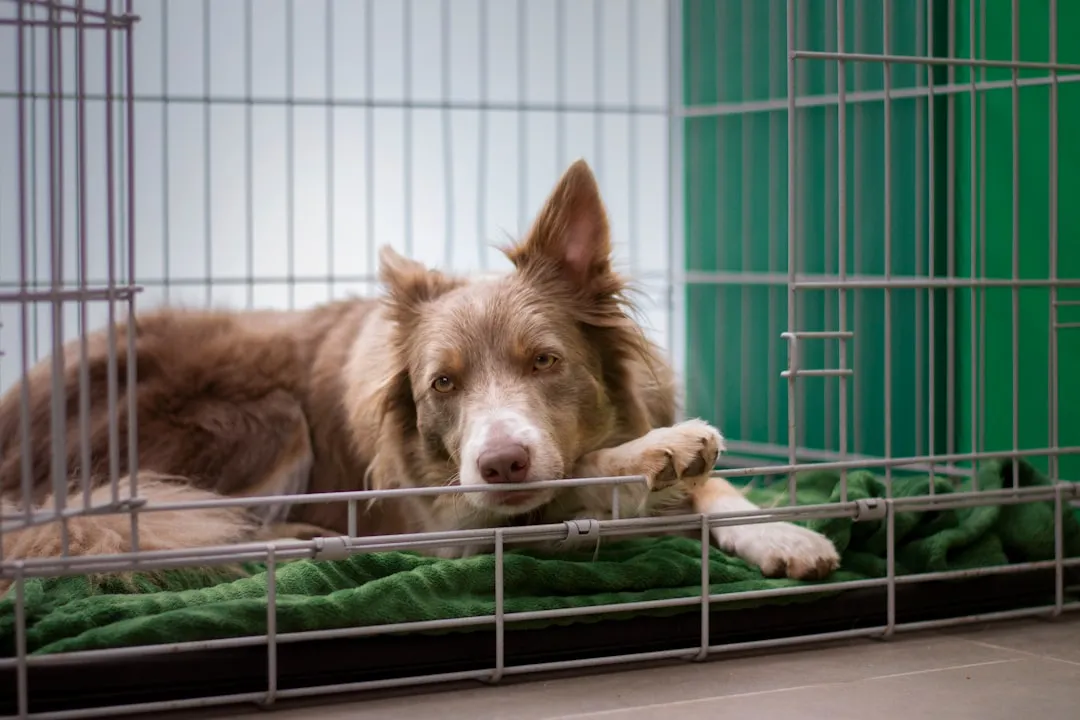
Here’s the part almost nobody outside rescue talks about: the first reaction barely matters. What actually predicts a dog’s future is how fast they come back down once the scary part is over. Staff track this constantly – trembling that eases into curiosity, barking that settles into rest, panic that softens with one walk and a few treats.
That bounce-back is one of the clearest signs a dog will handle the normal chaos of family life – slamming doors, excited kids, unexpected guests. Dogs who stay maxed out no matter what anyone does, or who escalate with every new sound, carry a much higher risk of reactivity and returns later. It’s exactly why staff sometimes push back on adopters who say “he looks fine, why can’t I take him today” – they’re not being difficult, they’re watching a curve the adopter can’t see yet.
#9 – The Little Choices: Who The Dog Picks, and Why It Matters
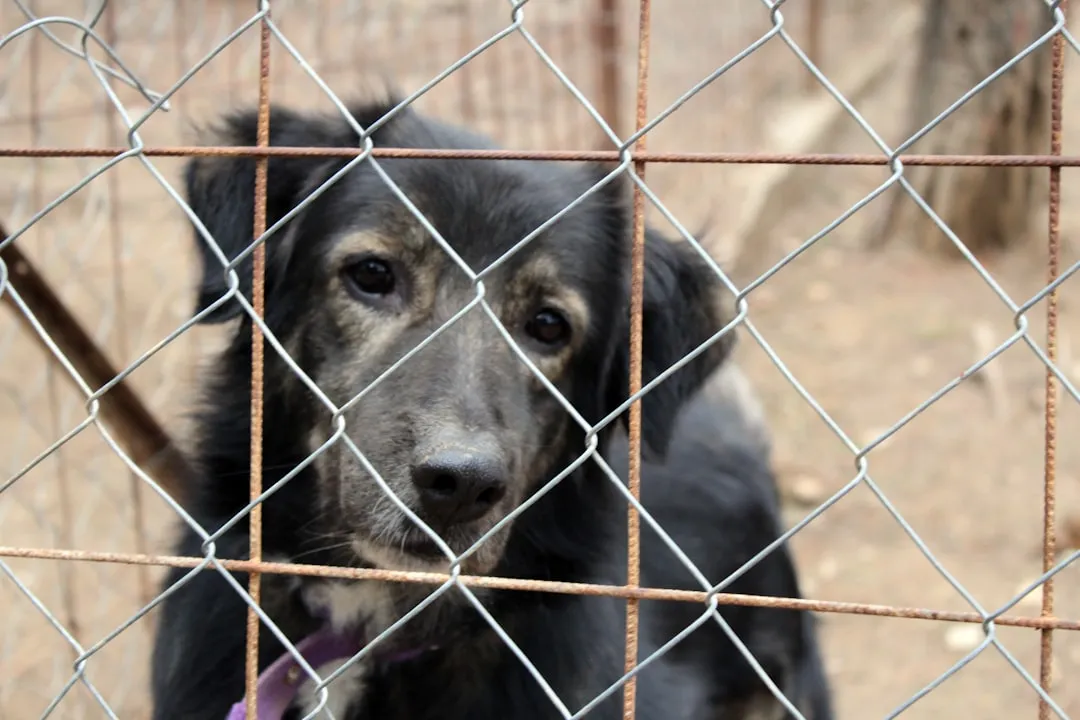
By the end of that first hour, experienced staff quietly offer a dog small choices. Approach the person, or the door? Take the toy, or hang back? Sit close, or stay across the kennel? These tiny decisions carry an outsized amount of information.
A dog who chooses proximity, shows curiosity despite fear, and can be gently lured into a simple game tends to bloom fast, even if they arrived shaking uncontrollably. The pattern that concerns staff most is the dog who consistently picks the farthest corner, the exit, or a blank wall to stare at over any offer of connection. These dogs aren’t broken, but they usually need more than affection and a new collar – often structured routines, patient training, or professional behavioral support. Staff have learned, sometimes the hard way, that a dog’s first deliberate choices under stress are far more honest than anything they’ll show on a calm first date at the shelter.
At a Glance
- Approaching a person over an exit signals fast-bonding potential
- Taking a toy despite fear shows healthy stress recovery in progress
- Consistently picking a corner or blank wall suggests a need for structured, patient support
- First-hour choices are often more honest than a calm “meet and greet”
Rescue workers aren’t guessing when they tell you, “this one needs an experienced home,” or “she’ll be great with kids after a slow introduction.” They’ve watched the same sixty minutes repeat itself across thousands of dogs, and the patterns hold up far more often than luck should allow. Doorway resistance, a frozen face, a screaming kennel meltdown, a stiff lip over a food bowl – none of that is a quirk. It’s an early warning most people simply never learn to read.
The uncomfortable truth is that plenty of so-called “problem dogs” were predictable from the very first hour, and the warning signs were there the whole time – people just weren’t the ones trained to see them. If shelters trusted these observations a little louder, and adopters trusted them a little more, far fewer dogs would end up back in a kennel a month later, confused about what went wrong. So here’s the real question worth sitting with: should shelters be more blunt about what they see in that first hour, even if it scares a few adopters away before they fall in love with the wrong dog?

- What Rescue Centre Staff See in a Dogs First Hour That Predicts Everything Afterwards - August 18, 2026
- Is Your Old Dog Withdrawing or Simply Tired? 17 Differences Vets Say Matter Enormously - August 18, 2026
- 13 Moments That Prove a Rescue Dog Has Finally Stopped Waiting to Be Returned - August 18, 2026