
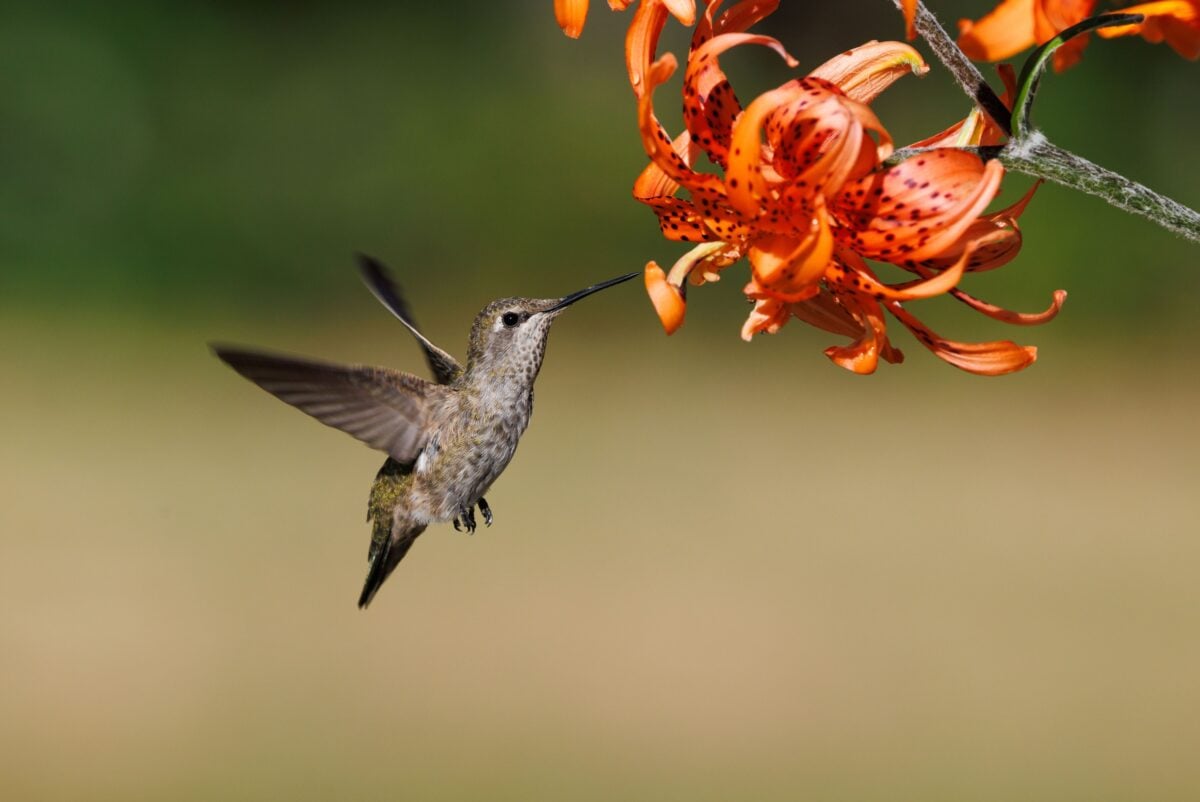
You fill the feeder. You plant the red flowers everyone says they love. And still, that tiny green blur zips past your yard like it owes you nothing. Most people assume hummingbirds either “like” a garden or they don’t – but that’s not remotely how these fierce little inspectors operate.
In reality, a hummingbird is running a constant, silent audit of your yard: food, safety, shelter, even how often you mow the lawn. Every quick visit is a test, and most of us are failing it without ever knowing the exam existed. Here are the 18 things hummingbirds are secretly judging before they decide your garden is worth adding to their daily route.
#18 – First Impressions: Color & Layout at a Glance
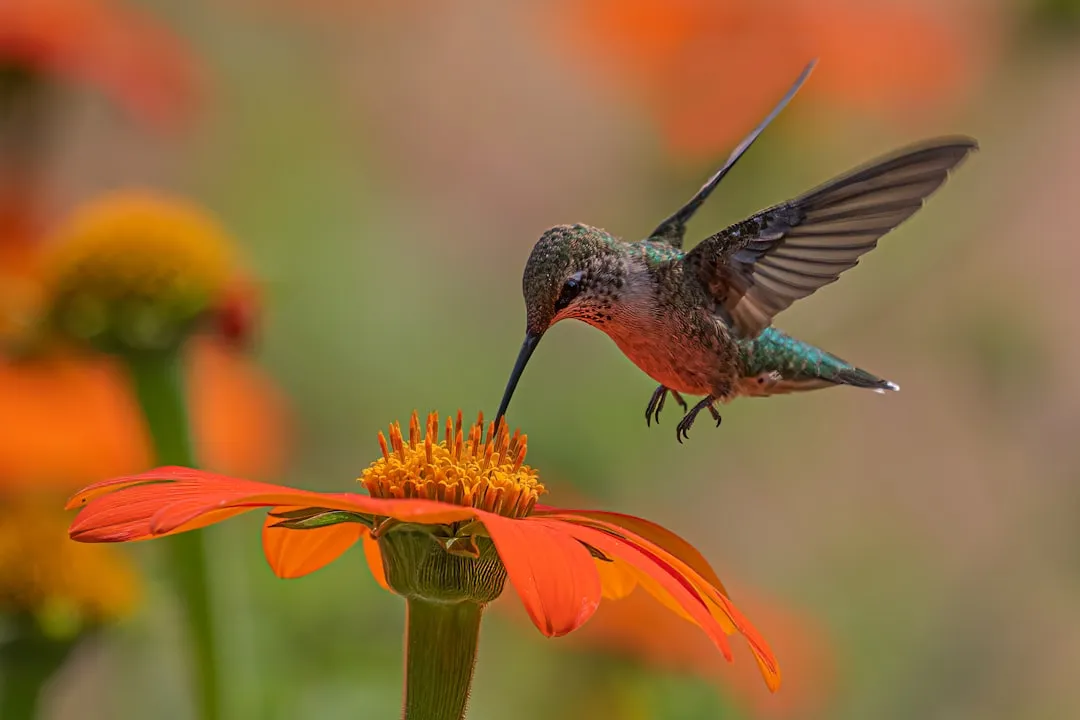
The moment a hummingbird zips into view, it’s already deciding: is this worth my energy? Bright, clustered color is the first thing that grabs them. They’re especially drawn to blocks of red, orange, and deep pink – not one lonely flower lost in a sea of grass.
A single red geranium rarely cuts it. Dense, layered plantings that look like a mini buffet line are what actually make them slow down and investigate. They’re also scanning for efficiency, since no bird wants to burn calories zigzagging 40 feet between blooms. A tight “hummingbird zone” packed with nectar, perches, and maybe water in one small area beats a scattered, chaotic setup every time. If your yard looks sparse or hard to navigate, they’ll sip a few blooms and then quietly choose the neighbor with the better floor plan.
#17 – Flower Shape: Not All Blooms Are Worth the Effort
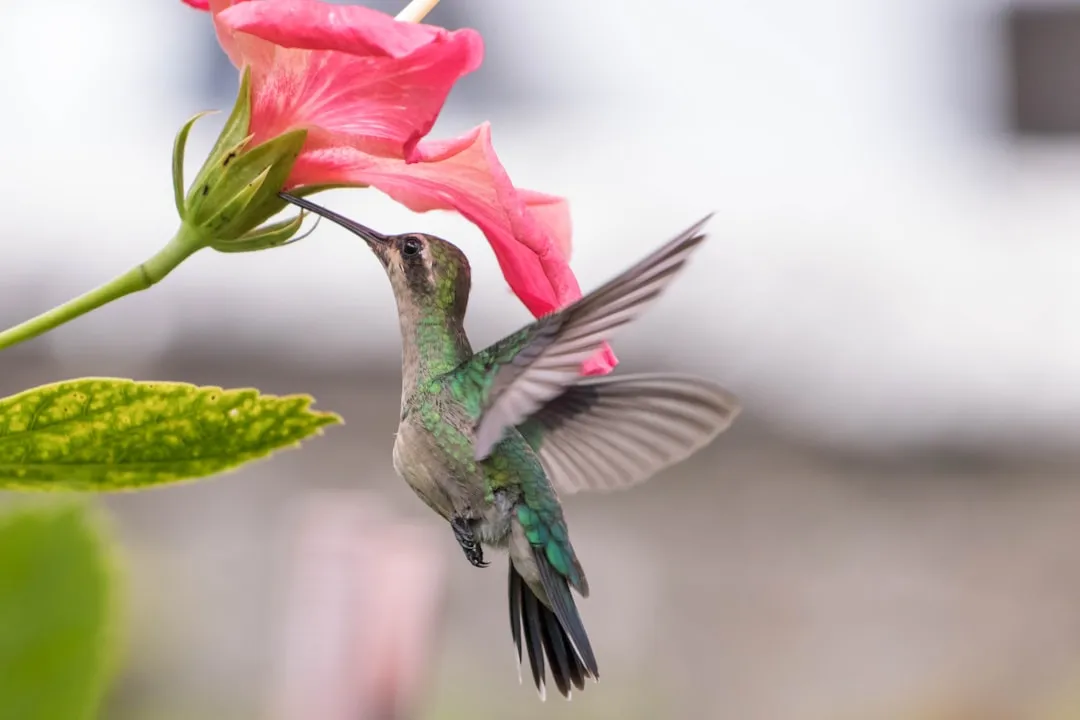
Most people plant “pretty” flowers and assume the birds will follow. Hummingbirds don’t care about pretty – they care about design. Tubular, trumpet-shaped flowers are their favorite because their long bills and tongues are built to reach deep nectar that bees and butterflies simply can’t touch.
Think salvias, penstemon, bee balm, and trumpet vines, not flat, open flowers where everyone crowds the same shallow sugar. If your beds are full of roses, daisies, and petunias with barely a tubular bloom in sight, expect a quick tour and nothing more. Ironically, the showiest double-flowered hybrids bred for big petals often carry less nectar than the plain, wild-type versions. All fluff, no fuel – and the birds notice immediately.
#16 – Nectar Quality: Are Your Flowers Actually Worth It?
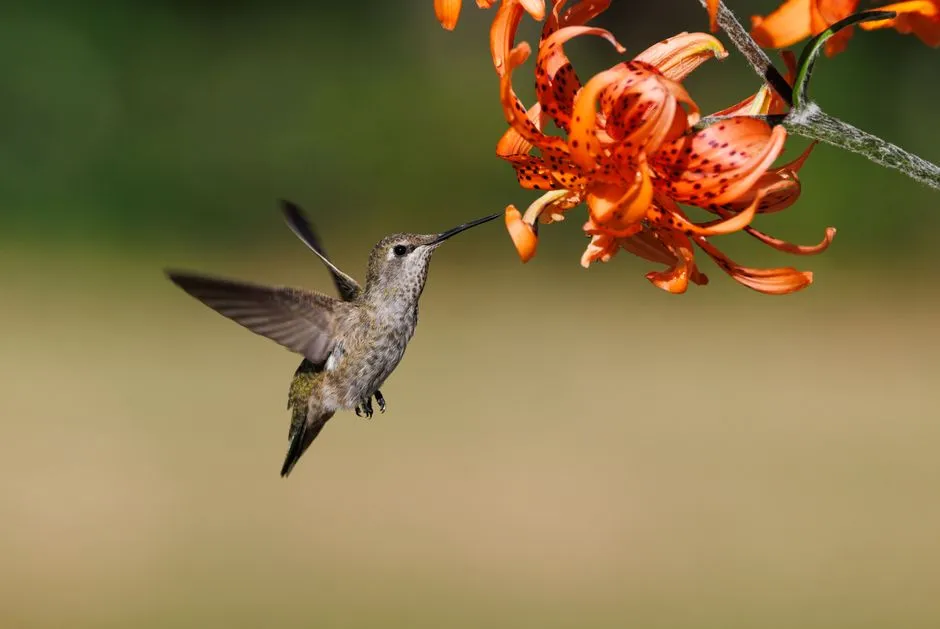
Even with the right shape, not all nectar is created equal. Hummingbirds can detect which plants consistently deliver high-sugar nectar, typically around 20 to 25 percent sugar concentration. Flowers that are mostly water, or that run dry by midday, get quietly filed under “low-value stop” – and they remember.
Some heavily hybridized ornamentals look lush but produce weak, unreliable nectar. Great for humans admiring the bloom, disappointing for a bird doing the math. This is exactly why experienced bird gardeners slowly swap out half their decorative annuals for natives over time – the nectar math simply works better. If your garden doesn’t add up, hummingbirds will sample politely and invest their energy elsewhere.
#15 – Feeder Cleanliness: The Deal-Breaker Most People Ignore
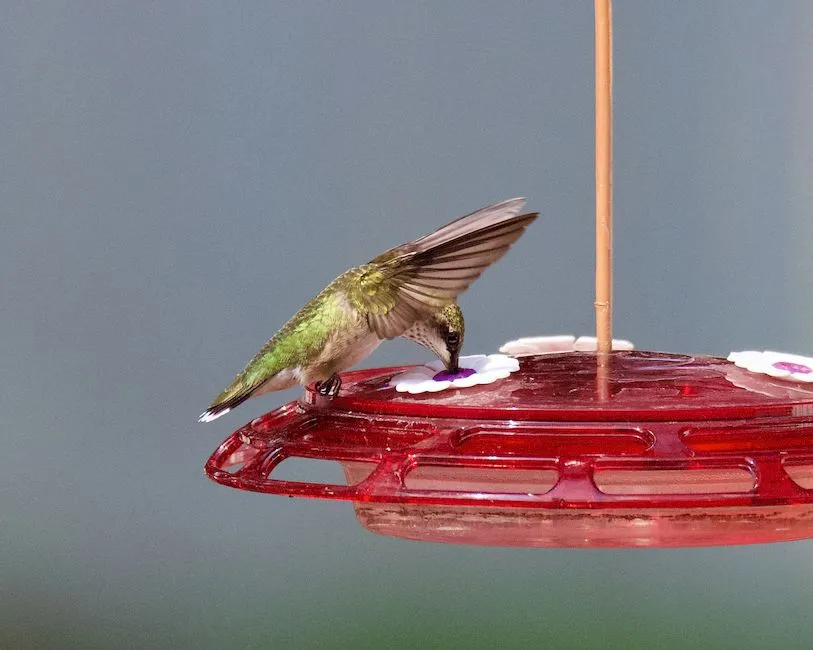
Here’s where a lot of people quietly lose their hummingbirds without ever realizing why. A dirty feeder isn’t just unattractive, it’s dangerous. Cloudy nectar, black mold, or fuzzy growth around the ports sends one clear message: this might make you sick.
Hummingbirds may try a bad feeder once, catch a whiff of fermentation, and blacklist that spot for the rest of the season. If you’re not committed to cleaning it every two to four days in warm weather, honestly, skip the feeder altogether. Sugar water in the heat turns into a microbial soup fast, and rinsing alone won’t cut it – you need hot water, a bottle brush, and real attention to the tiny ports. A feeder that’s become an insect trap full of sugar sludge will lose to the cleaner bar down the street every time.
Fast Facts
- Clean feeders every 2 to 3 days once temps climb above 90°F, and every 3 to 4 days in milder weather.
- Watch for cloudy nectar, black mold specks, or floating debris – all instant red flags.
- Hot water and a bottle brush beat soap, which can leave residue birds detect.
- Rinse every port thoroughly before refilling; leftover film speeds up fermentation.
#14 – Nectar Recipe: Sweet Spot or Sugar Bomb?
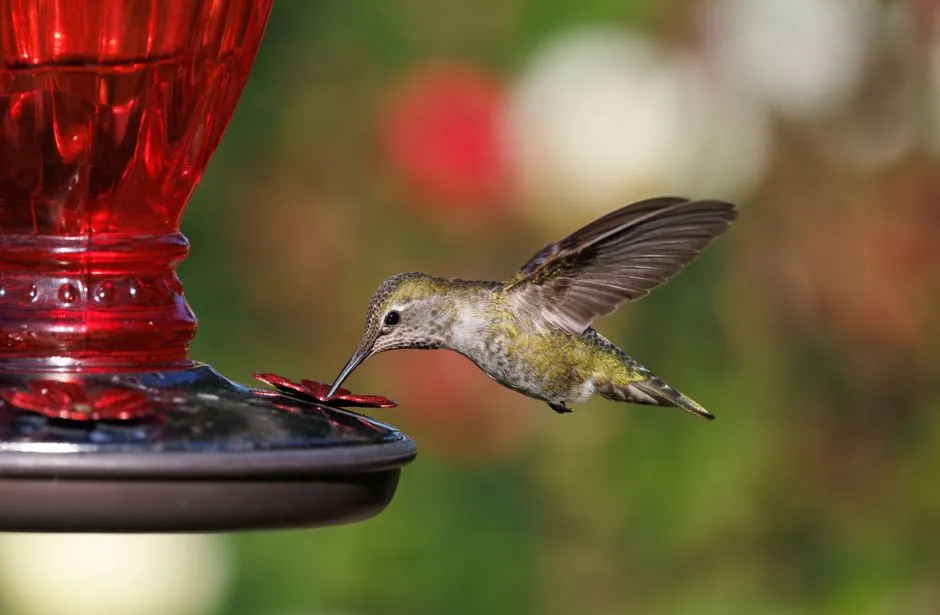
Plenty of well-meaning people “improve” the standard nectar recipe and accidentally sabotage their own yard. The safe, proven mix is simple: four parts plain water to one part white granulated sugar, nothing else. Stronger mixes can dehydrate birds and stress their organs over time, while weaker mixes just waste their effort.
Red food dye and honey are both red flags – dyes offer no benefit and may be harmful, and honey ferments fast, growing dangerous fungus. Hummingbirds don’t read labels, but they absolutely respond to how a feeder makes them feel. The big myth is that sweeter must be better; in reality, sticking close to that classic ratio is what earns you a permanent spot on their route.
#13 – Perch Options: Can They Rest and Watch?
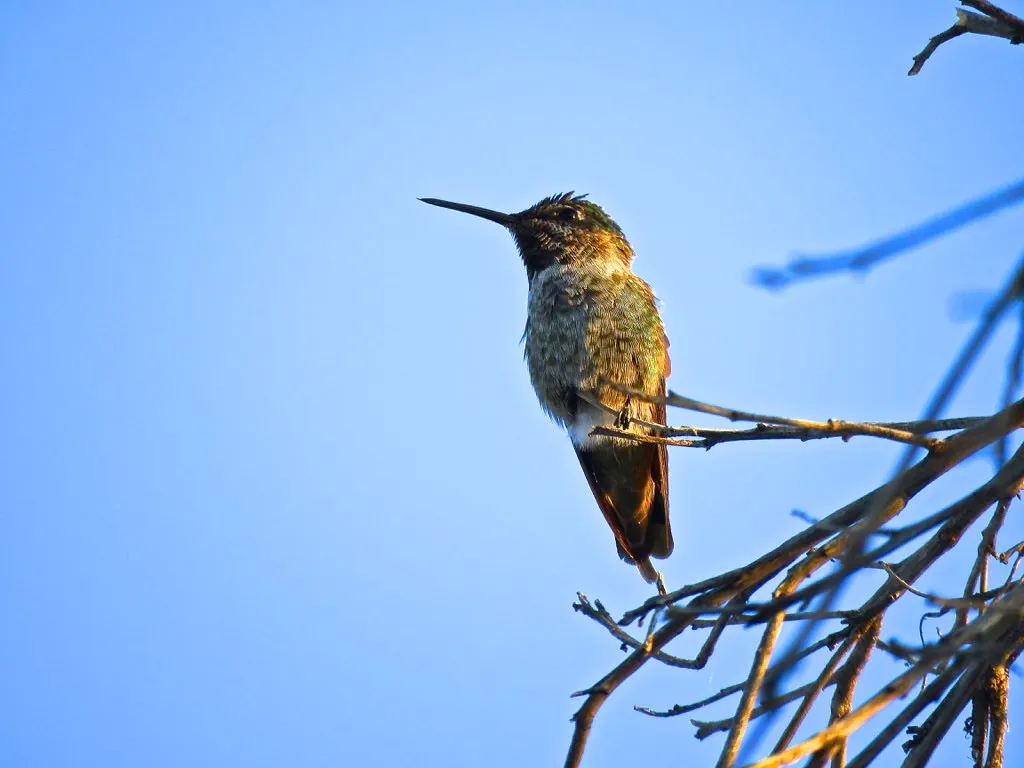
Most people obsess over flowers and feeders and completely forget this next signal. Hummingbirds are not in perpetual motion – they actually spend a surprising amount of time sitting still. A good yard offers multiple thin, exposed branches or wires where they can rest, preen, and keep watch over their food.
They want a mix of bare, high twigs for lookout posts and slightly sheltered perches deeper in the shrubs for resting. If you’ve “cleaned up” every dead twig and overpruned every shrub, your yard might look tidy but feel completely useless to them. A hummingbird wants to eat, then sit and supervise their empire. No view, no loyalty – which is exactly why slightly wild yards often beat manicured ones.
#12 – Predator Pressure: Cats, Hawks, and Human Chaos
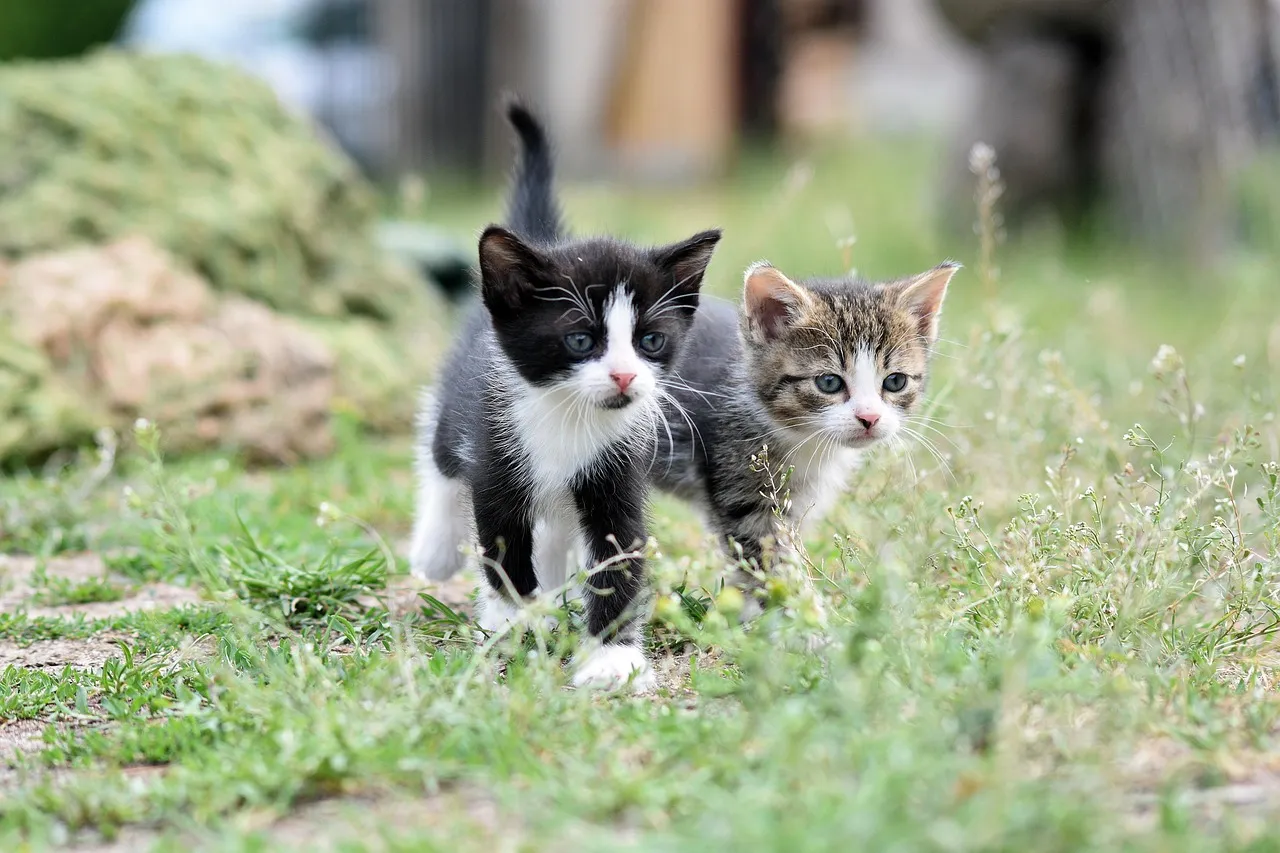
You cannot fool a hummingbird about safety. They’re constantly scanning for threats – roving cats, lurking jays, sharp-shinned hawks, even that one dog that barrels through the yard nonstop. If they repeatedly see predators or sudden movement near their feeding zones, they will quietly demote your garden, even if you still catch the occasional fly-by.
Outdoor cats are the biggest red flag of all. Hummingbirds are small enough to be snatched if they pause too long at a low flower, and a yard with a hunting cat – even a well-fed one – reads as high-risk. Loud kids, constant power tools, or heavy foot traffic right under the feeder don’t help either. People assume birds “get used to it,” but many simply reroute to quieter, safer yards where they’re not dodging chaos every few minutes.
#11 – Insect Load: Tiny Pests, Big Problem
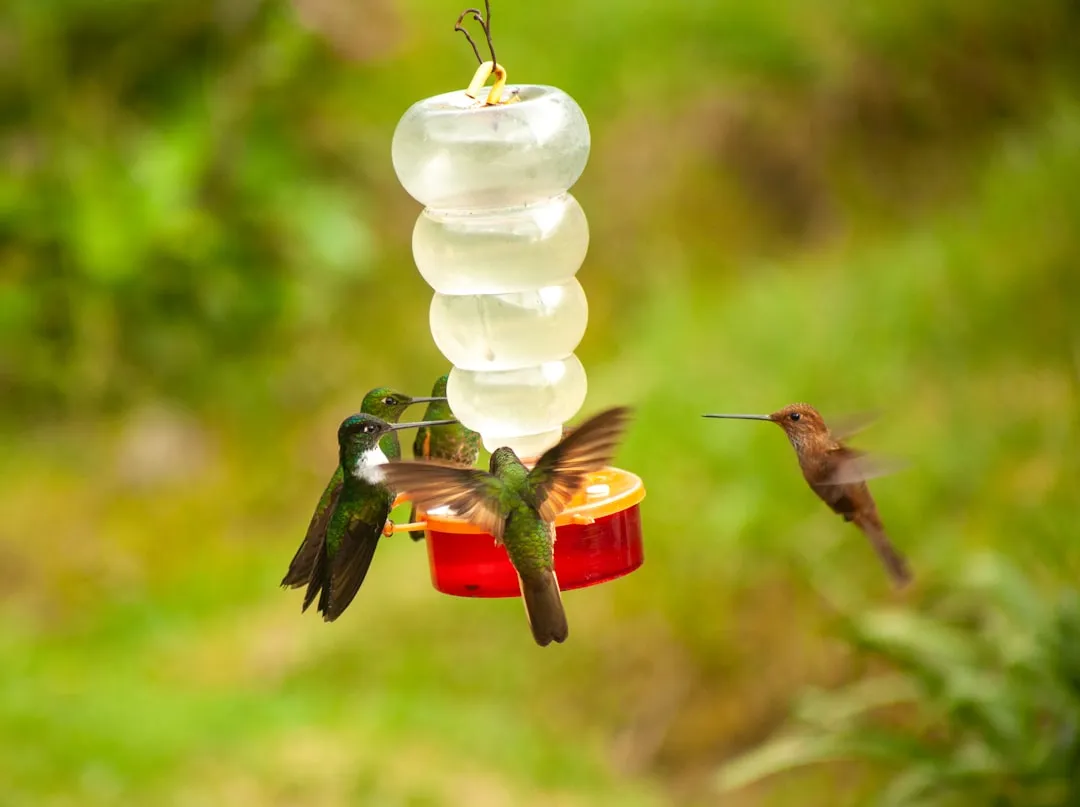
Ironically, that swarm of wasps you’ve been ignoring might be exactly why your hummingbirds stopped showing up. Wasps, bees, and ants aren’t just annoying – they’re direct competition and sometimes a real threat. Hummingbirds hate being crowded off a feeder by aggressive insects, and they’ll often abandon a station that’s become wasp territory.
A few bees sipping around the flowers is normal and not a deal-breaker. But yellowjackets and hornets at feeders are a major red flag, and ant trails marching into the ports tell birds the nectar is compromised. You can fix this with bee guards, ant moats, and smart feeder placement away from known nests. If your setup feels like an insect warzone, hummingbirds will simply choose somewhere quieter to refuel – they’re energy accountants, not fighters.
#10 – Bloom Timing: Is This Yard Reliable All Season?
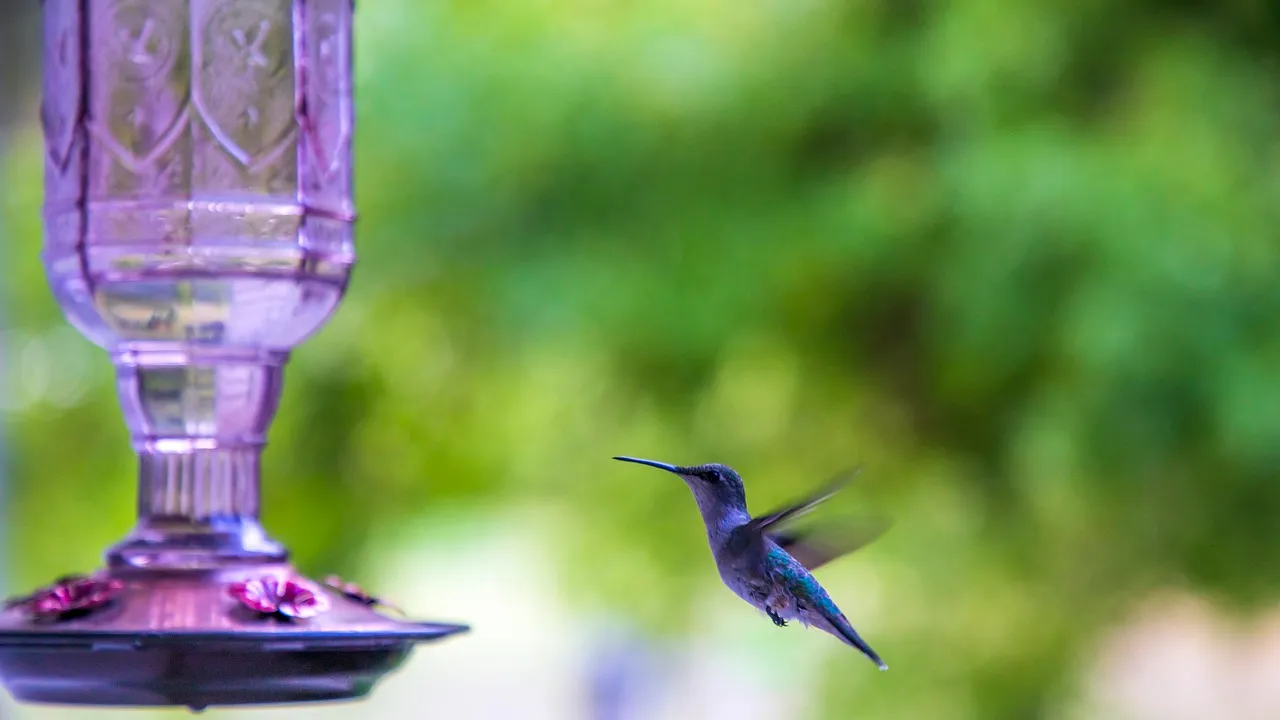
Hummingbirds are long-term planners, mapping out routes that offer nectar from early spring through fall migration. A yard that explodes with flowers for two weeks and then crashes into green nothingness sends a loud message: short-term bonus, not a reliable stop. They’ll use it while it’s good, then quietly drop it from their circuit.
Smart gardeners stagger their blooms – early-season flowers for arriving birds, mid-summer workhorses like salvia and bee balm, and late-season nectar sources for migration fuel. If everything blooms at once, your yard looks spectacular for two weeks of photos but fails the birds for the rest of the year. They test for consistency, and if the buffet is closed every time they swing by in August, your yard gets downgraded in their mental map for good.
At a Glance
- Early spring: columbine and coral honeysuckle greet the first arrivals.
- Midsummer: bee balm, salvia, and trumpet vine keep energy flowing through the heat.
- Late summer into fall: cardinal flower, Mexican sage, and zinnias fuel migration.
- Gap-free blooming from March through October is what actually earns a spot on their route.
#9 – Water Features: Mist, Drip, or Nothing at All
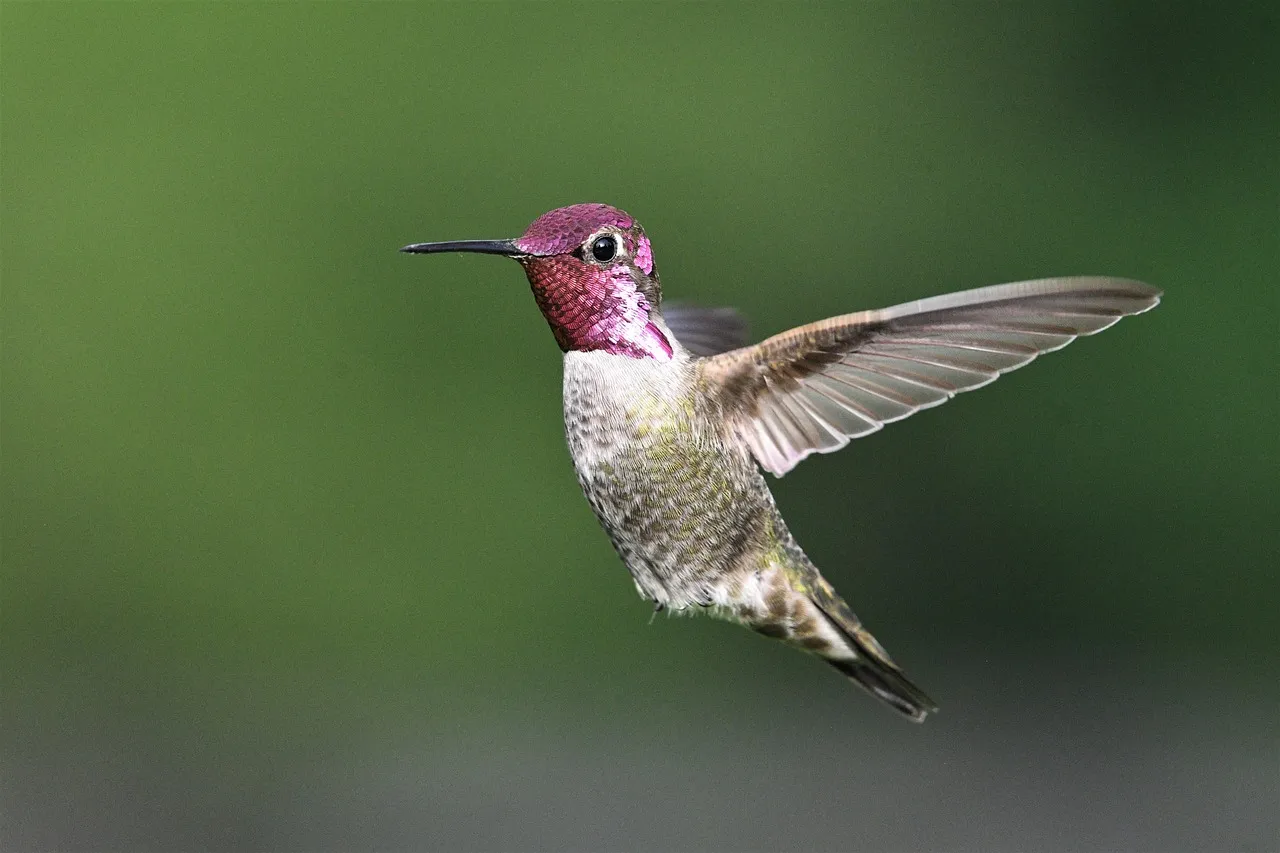
Most people assume feeders are enough, but hummingbirds also watch for water – and not the deep birdbath style. They rarely bathe in big bowls. Instead, they’re drawn to fine mists, drippers, and shallow trickles where they can hover or perch while getting lightly soaked.
A simple mister on a hose, a dripper over a rock, or a tiny fountain can instantly raise your yard’s spa rating in their eyes. The sparkle and sound of dripping water can even help them notice your garden from a distance during hot, dry spells. It’s not mandatory, but in drought conditions it can turn your yard from “one of many” into a critical daily stop.
#8 – Vertical Structure: Layers, Not Just a Flat Flower Bed
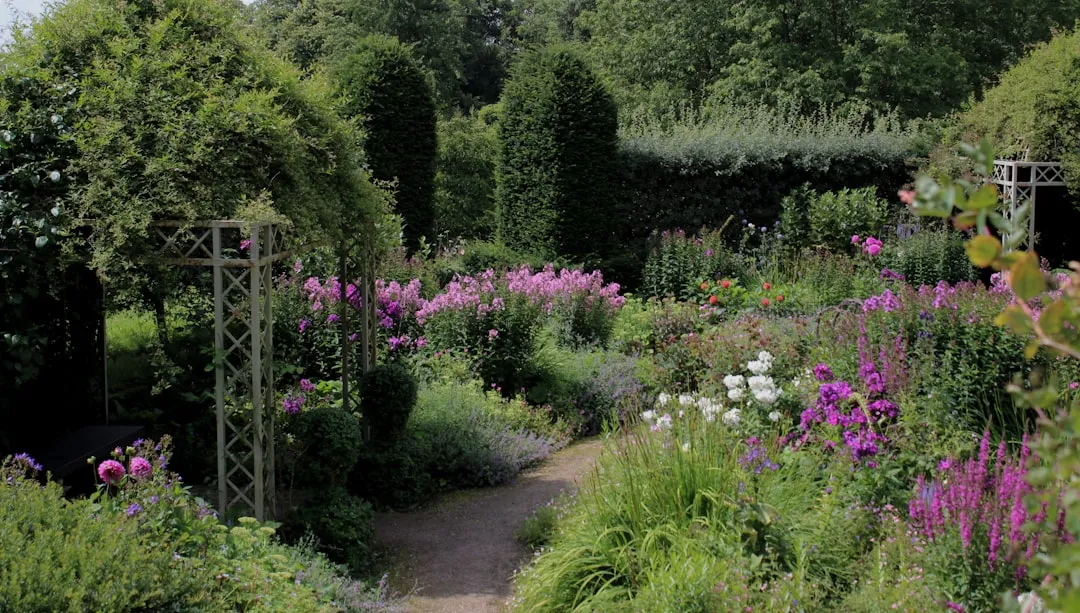
A flat bed of flowers at ankle height might impress the neighbors, but it doesn’t fully impress a hummingbird. They’re evaluating how three-dimensional your yard feels. The best hummingbird gardens have layers – low flowers, mid-height shrubs, and taller trees – creating feeding zones, hiding spots, and watchtowers all in one compact area.
That vertical variety offers quick escape routes if a predator appears, plus different microclimates for shade and wind protection. If your entire yard is lawn plus a low border, birds have nowhere to stage their approach or disappear for a minute. Add a few tall, airy shrubs near your nectar zone and you’ll see them linger far longer – a layered forest edge always beats a flat stage.
#7 – Pesticide Smell: The Invisible “Keep Out” Sign
This is the one a lot of people don’t want to hear. Those “perfect,” bug-free plants might be broadcasting a warning you can’t detect. Systemic pesticides and broad-spectrum sprays don’t just kill pests – they can contaminate nectar and wipe out the tiny insects hummingbirds also rely on for protein.
Hummingbirds need small insects and spiders, especially when raising chicks. A yard with zero gnats, aphids, or little flies near the flowers is suspicious, not impressive. They may still sample the nectar, but a weirdly silent, chemical-tinged garden gets quietly downgraded. Many experienced birders eventually stop using lawn chemicals entirely – a few chewed leaves are a small price for an ecosystem hummer families can trust.
Worth Knowing
- Systemic pesticides can linger inside nectar and pollen long after the spray has dried.
- Chicks rely almost entirely on small insects and spiders for protein during their first weeks.
- Even nursery-bought “pollinator friendly” plants can carry pre-treated residues.
- A few aphids or gnats near your blooms is a healthy sign, not a landscaping failure.
#6 – Human Routine: Do You Constantly Invade Their Space?
To a hummingbird, you’re either background noise or a walking hazard. They pay close attention to patterns. If every time they approach your best flower patch you step outside, walk through it, or hover nearby, they’ll mark that area as unstable.
Some people unintentionally train birds to avoid certain hours by always gardening, grilling, or playing right next to the feeder during peak feeding times. Yards where humans keep a respectful distance, especially at dawn and dusk, feel safer and more reliable. They’ll tolerate you watering or sitting quietly nearby, but constant hovering or kids chasing them off is a serious negative signal – they’re reading your habits just as much as you’re trying to read theirs.
#5 – Territorial “Feel”: Can One Bird Actually Defend This Space?
Hummingbirds are famously territorial, and your yard gets judged partly on how defendable it is. A single feeder out in the open is easy for one dominant bird to guard, which can actually scare the rest away. If your space invites endless aerial battles, most birds will treat it as a battlefield instead of a rest stop.
One central feeder often means one bully in control, while multiple feeders spread out of each other’s sightline invite more birds and far less drama. Strategic placement behind shrubs or at different heights makes it harder for a single bird to monopolize everything. Hummingbirds love to spar, but they don’t want to live in a permanent boxing ring – and if that’s what your yard feels like, plenty of them will decide it’s simply not worth it.
#4 – Night Safety: Where Do They Sleep Nearby?
By late day, a hummingbird has a new question on its mind: if I feed here at dusk, can I roost safely nearby? They look for dense shrubs, small trees, and sheltered branches where they can settle in for the night, often slipping into torpor to conserve energy. A garden with no cover – just open lawn and a few pots – forces them to commute elsewhere to sleep.
Good roosting spots are usually thin, horizontal branches under a protective canopy, tucked slightly away from streetlights and constant motion. If your yard offers great food but zero nighttime security, it may stay a daytime-only pit stop forever. Birds favor routes where dinner and bedroom are bundled together in one safe stretch, not spread across open, exposed ground.
Fast Facts
- At night, hummingbirds can enter torpor, slowing their heart rate and metabolism to conserve fuel.
- They typically favor roosting spots several feet off the ground, tucked into dense, sheltered branches.
- Coming out of torpor at dawn burns real energy, which is why a nearby food source matters so much.
- Yards without nighttime cover often become daytime-only stops instead of full-time routes.
#3 – Seasonal Memory: Did This Yard Fail Them Last Year?
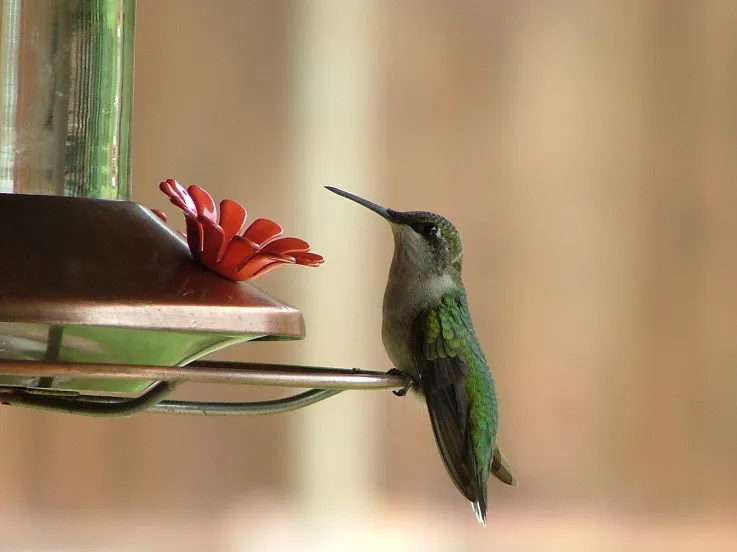
Hummingbirds are not goldfish. They remember. If your yard was a nectar paradise one year and turned into a drought-ravaged, construction-heavy mess the next, they adjust their expectations accordingly.
Birds that once found empty feeders or dead flowers may check your yard once or twice the following season and then give up faster than you’d expect. This is exactly why some people swear “they just stopped coming” after one bad summer – from the bird’s perspective, your rating simply dropped. It’s not permanent, but rebuilding that trust usually takes a couple of consistent years, not one great spring.
#2 – Competition Density: Are There Better Options Nearby?
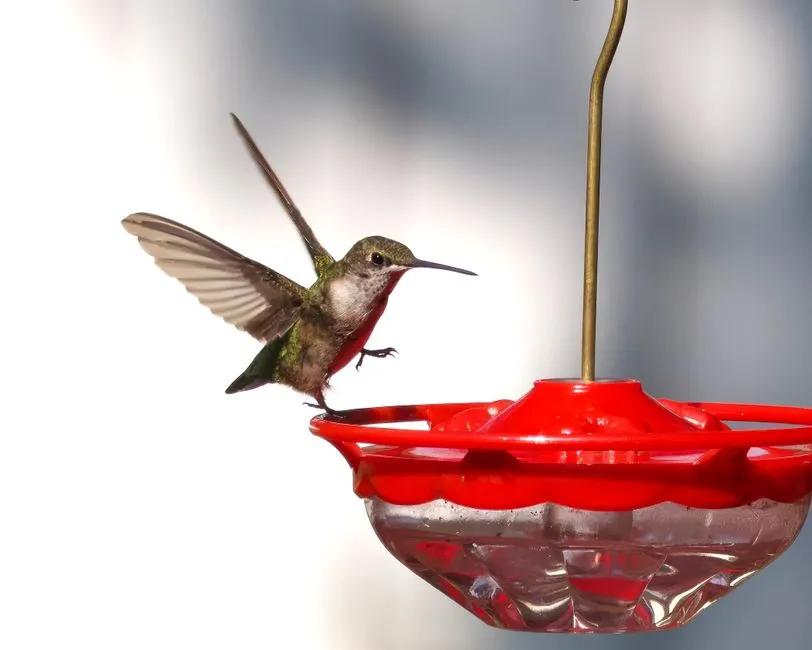
Hummingbirds don’t judge your yard in isolation – they compare it to the whole neighborhood. If next door has five well-kept feeders, layered natives, a mister, and zero cats, while you’ve got one dusty feeder over a chemically treated lawn, the decision is easy. They’re constantly optimizing their daily loop for maximum calories and minimum risk.
Even a decent yard can lose most of its traffic to a truly dialed-in setup down the street. But that’s information, not a death sentence – you can add flower diversity others don’t have, keep your feeders cleaner, and offer quieter, safer corners. You’re in silent competition with every other “hummingbird landlord” within range, and acting like the only game in town is how you lose regulars.
#1 – Overall Energy Math: Does Your Yard Help Them Survive?
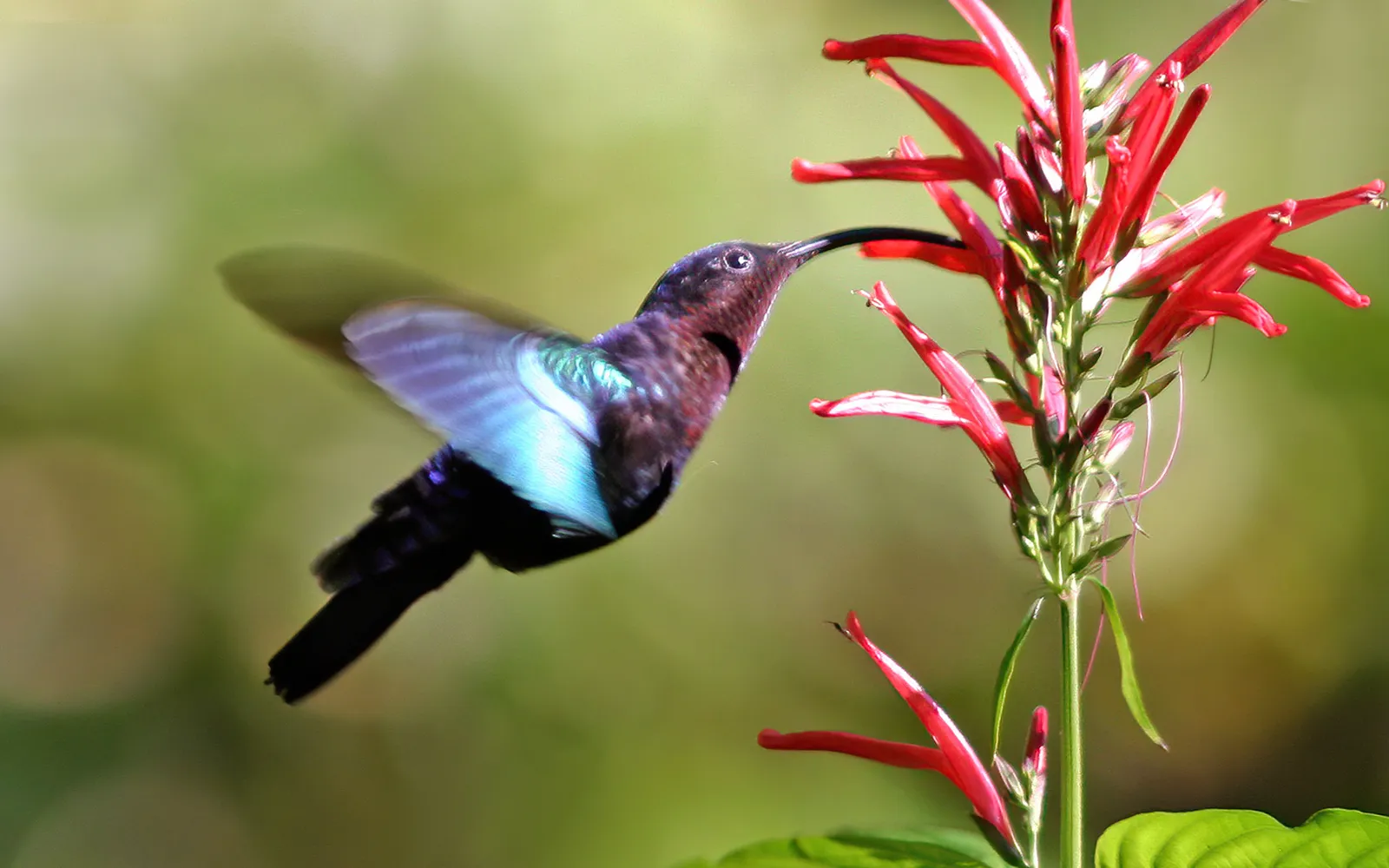
At the end of the day, one brutal test decides whether a hummingbird keeps coming back: does your yard help them survive and raise young, or is it a net drain? Every signal – nectar quality, safety, perches, insect life, bloom timing – rolls up into one simple calculation: energy in versus energy out.
We romanticize hummingbirds, but they’re ruthless energy accountants. An empty feeder, a lurking cat, a chemical-stripped lawn – each subtracts points quietly, with no complaint. When the sum turns positive instead, they don’t thank you; they just show up again and again, sometimes bringing fledglings the following season. That’s the real review you’re getting, and it’s brutally honest.
The Bottom Line
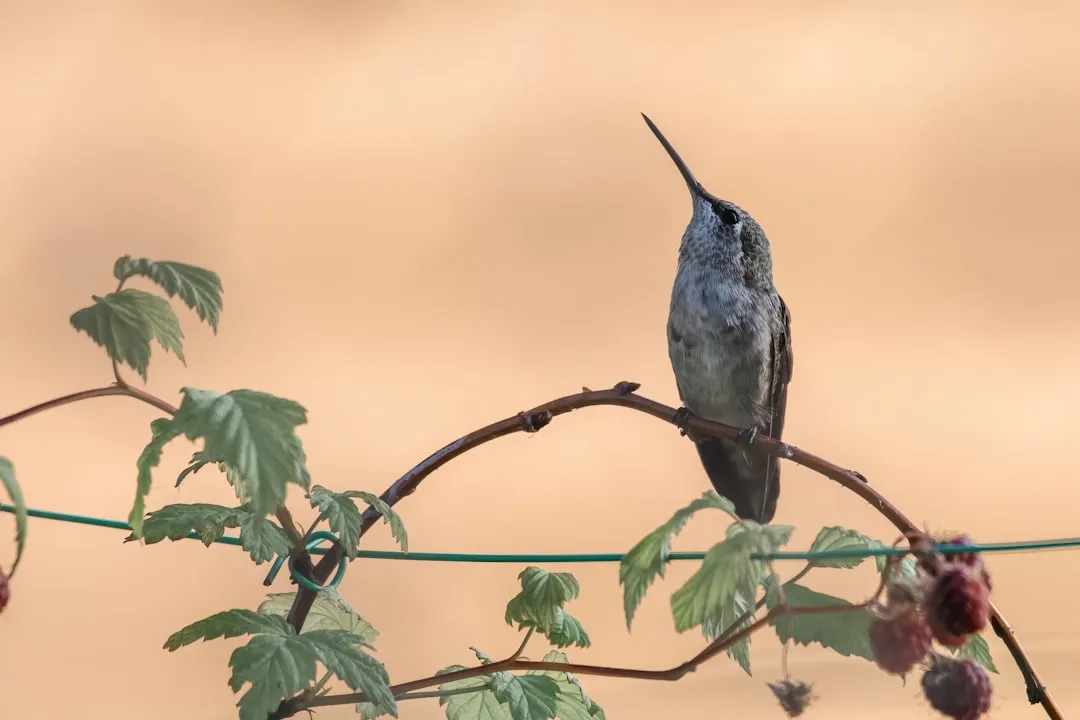
Hummingbirds aren’t “being picky” when they ghost your garden – they’re reading signals you never knew you were sending. Clean, correctly mixed nectar, tubular native flowers, layered structure, safe perches, and low predator pressure all say the same thing: you’ll leave here better than you arrived. Chemical lawns, filthy feeders, and bare, over-manicured beds say the exact opposite.
Here’s my honest take: most people don’t have bad luck, they have a yard that fails the survival math and refuse to admit it. Hummingbirds aren’t asking for much – a little mess, a little water, a little consistency – but they will absolutely hold you to it. The good news is every single signal on this list is fixable, often for the price of a bottle brush and a packet of native seeds.
So which of these 18 signals is your yard sending right now? Do you think hummingbirds are being unreasonably demanding, or are we the ones cutting corners? If you’ve noticed a signal we didn’t cover, drop it in the comments – the birds are watching either way.
