
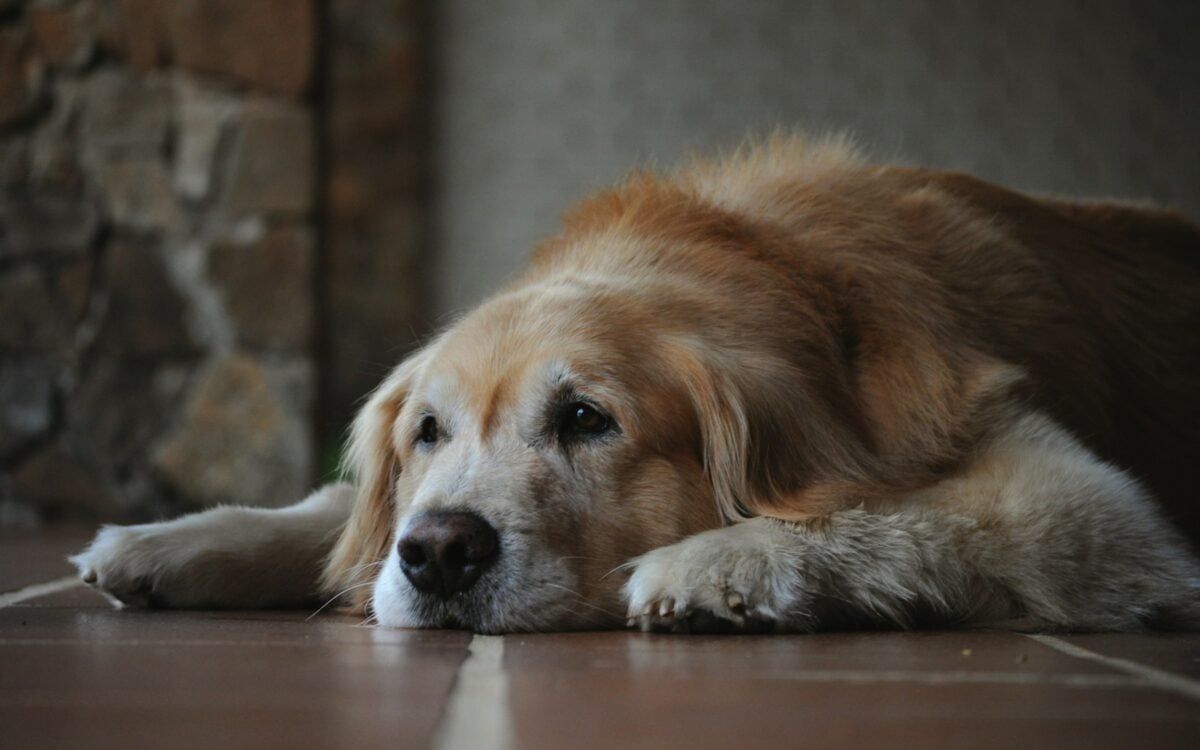
Every old-dog owner has heard the same lazy explanation: he’s just slowing down, he’s just a little cranky in his old age. That explanation is mostly wrong. Look closer and you’ll see something stranger going on underneath – his brain, his joints, and his senses have quietly rewritten his entire wish list, and almost nobody notices the swap until the dog seems restless, clingy, or “off” for no reason.
The treat that used to send him into orbit? He might walk right past it now. The wrestling match he begged for at two years old? At twelve, it makes him wince. Vets and behaviorists have been tracking this exact flip for years, and once you see the full list – 19 things he suddenly wants more of, and 19 he’s quietly stopped caring about entirely – you’ll never read your old dog’s “moods” the same way again.
#1 – More Predictable Routines (And Less Chaos)
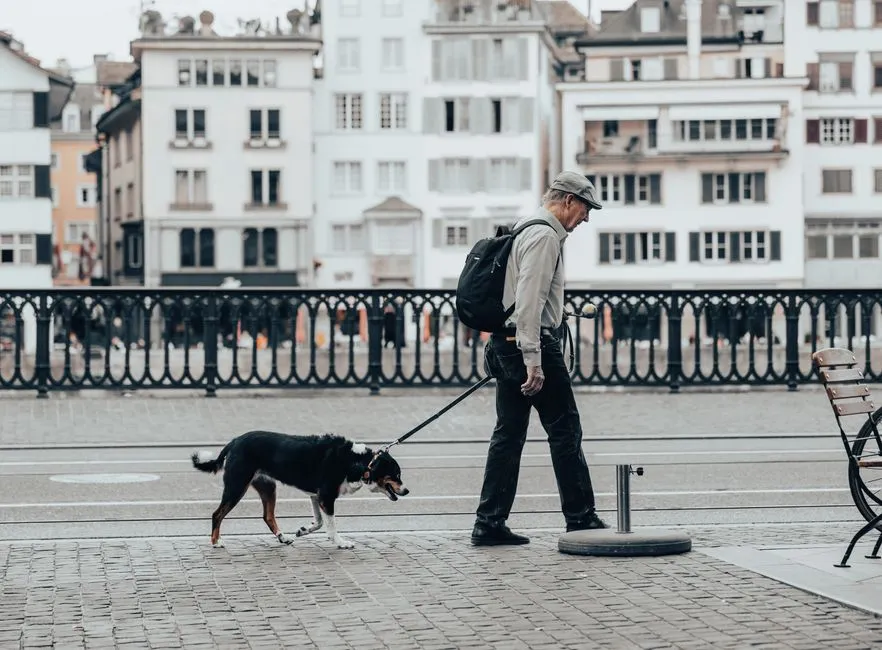
Older dogs secretly crave predictability way more than they did as wild, zoomy youngsters. Their brains don’t process change as smoothly, and sudden schedule shifts can spike their stress. A once-flexible dog may now get anxious if dinner is late or walks happen at random times. This isn’t them being “spoiled” – it’s often mild cognitive decline plus reduced resilience to stress.
A stable morning-evening rhythm can calm an old dog faster than any fancy supplement. You’ll notice they watch clocks with their eyes – hovering near the door at walk time, or quietly pacing if the house feels too loud or disorganized. They handle visitors better when they’re expected, not random. For a senior, routine is security. Here’s the strange part: comfort at night matters even more than routine does.
#2 – More Soft, Supportive Sleep (And Fewer Hard Floors)
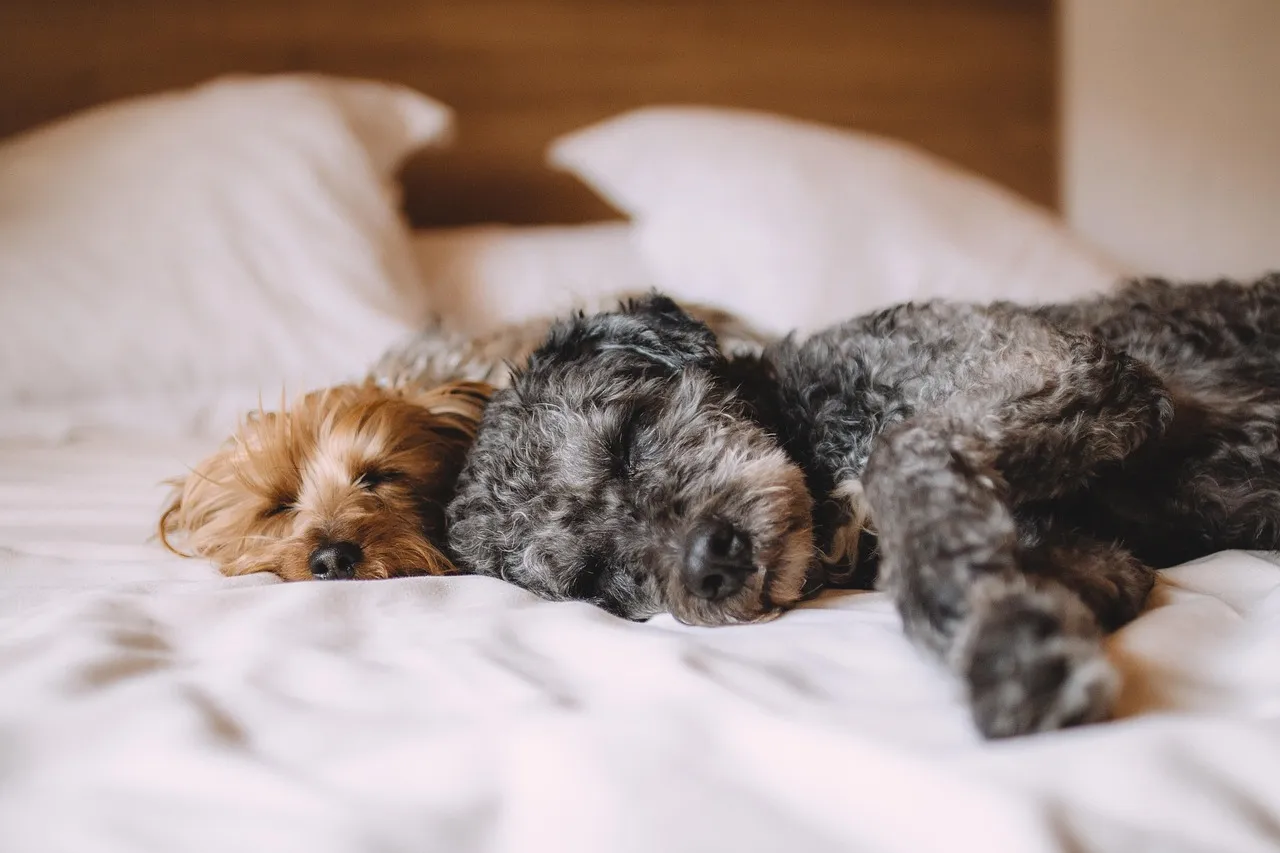
In their youth, dogs can pass out on tile, concrete, or a random shoe and wake up fine. Old joints tell a different story. Arthritis, hip dysplasia, and spinal stiffness mean they urgently need cushioned, orthopedic sleep surfaces, not just “a dog bed in the corner.” That folded blanket on the floor? Often not enough anymore. You might even see them hesitate, circle, or grunt before lying down – that’s pain talking.
Senior dogs also sleep more deeply and for longer stretches but wake up stiffer if they’ve been on a hard surface. Many quietly start seeking your couch, your memory foam mattress, or rugs instead of bare floor. They’re not being “naughty” – they’re self-medicating with comfort. Giving them multiple padded, low-entry options around the house is one of the simplest kindnesses you can offer. And once his joints start talking, his walks change shape too.
Fast Facts
- A dog is considered a senior between seven and 12 years old, depending on their size.
- The Arthritis Foundation estimates that one in five dogs will develop arthritis as they age, making joint pain far more common than most owners realize.
- Environmental fixes like orthopedic bedding, ramps, and non-slip rugs are considered real mobility accommodations, not indulgences, by veterinary quality-of-life guidance.
#3 – More Frequent, Shorter Walks (And Fewer Marathons)
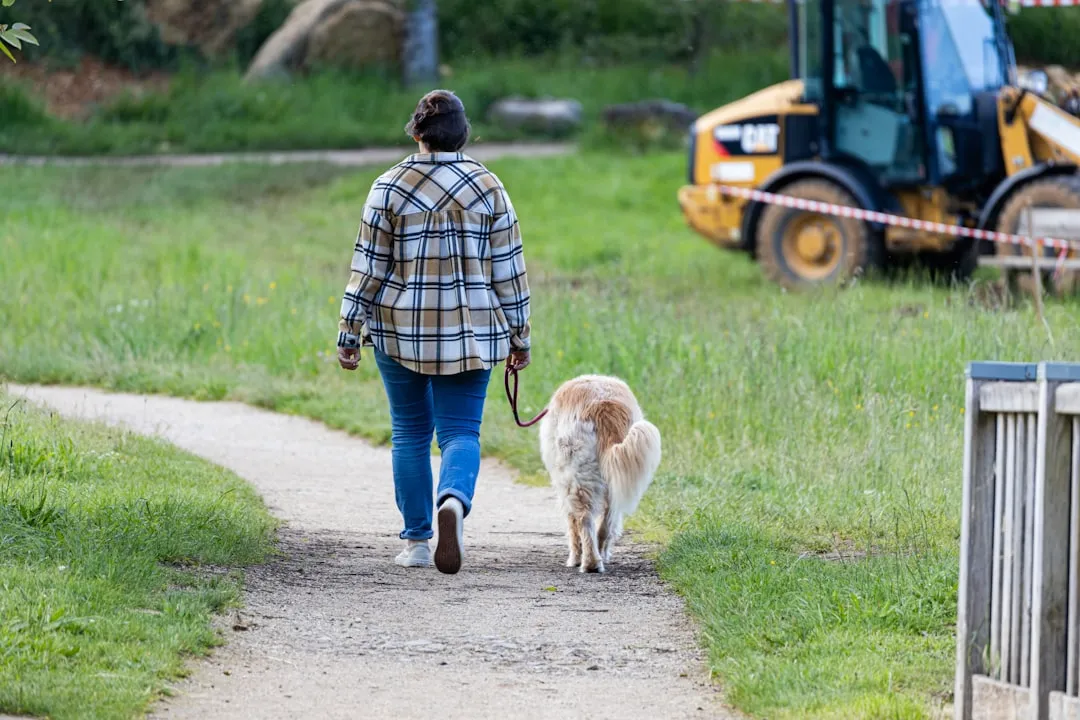
Most people try to keep their dog “young” with the same long, intense walks or hikes. For seniors, this is often a mistake. Older dogs usually want more frequent but shorter, slower outings, with time to sniff and stop, not power-walk. Their joints and hearts can’t handle the same sustained load, and they’ll silently push until they’re sore, then crash later.
You’ll notice they may lag behind on long routes they once loved, but still light up when you grab the leash. The desire for experience is still there; the body just has new limits. Ten-minute loops, two or three times a day, can feel better than one big hour. Letting them choose the pace and direction – “sniff walks” – feeds their brain without pounding their body. Speaking of his body’s limits, wait until you hear what heat and cold do to him now.
#4 – More Temperature Control (And Less “Toughing It Out”)
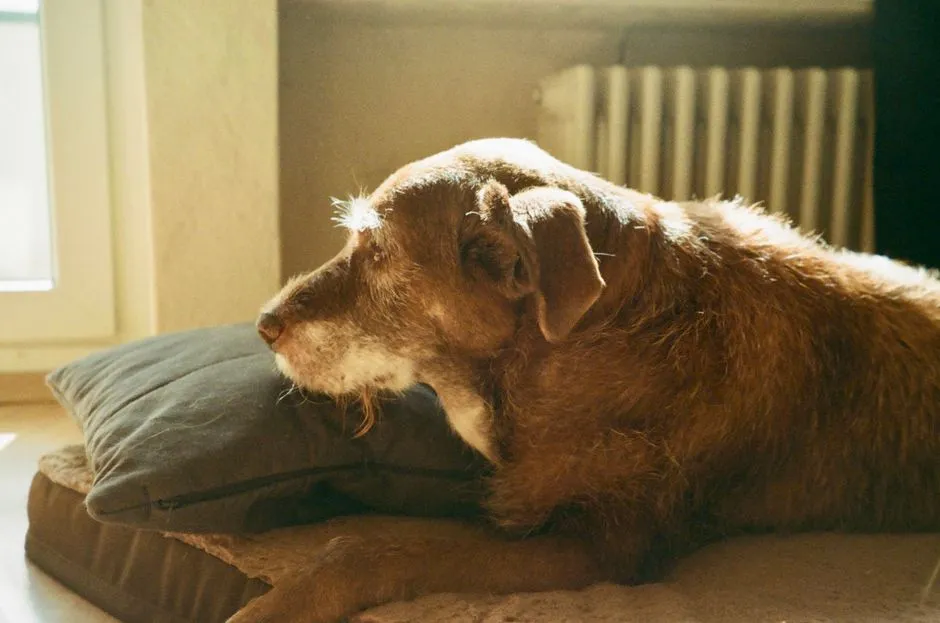
Senior dogs lose some ability to thermoregulate. That macho “he’s fine lying in the yard in January” attitude is dangerous now. Older bodies are more vulnerable to heatstroke and hypothermia, especially in thin-coated or small breeds. They quietly start wanting steadier temperatures, fewer drafts, and less time in extremes.
You may see them hugging sunny spots but then panting quickly, or avoiding cold tile and seeking warm rugs and blankets instead. Age also makes dehydration hit harder and faster. Long summer walks they once crushed can now wipe them out for a full day. If your senior is panting hard or shivering, you’re already late – not cautious. Climate-controlled comfort isn’t a luxury at this age; it’s basic care. Temperature isn’t the only thing that’s suddenly sensitive – touch is too.
#5 – More Gentle, One-on-One Touch (And Less Roughhousing)
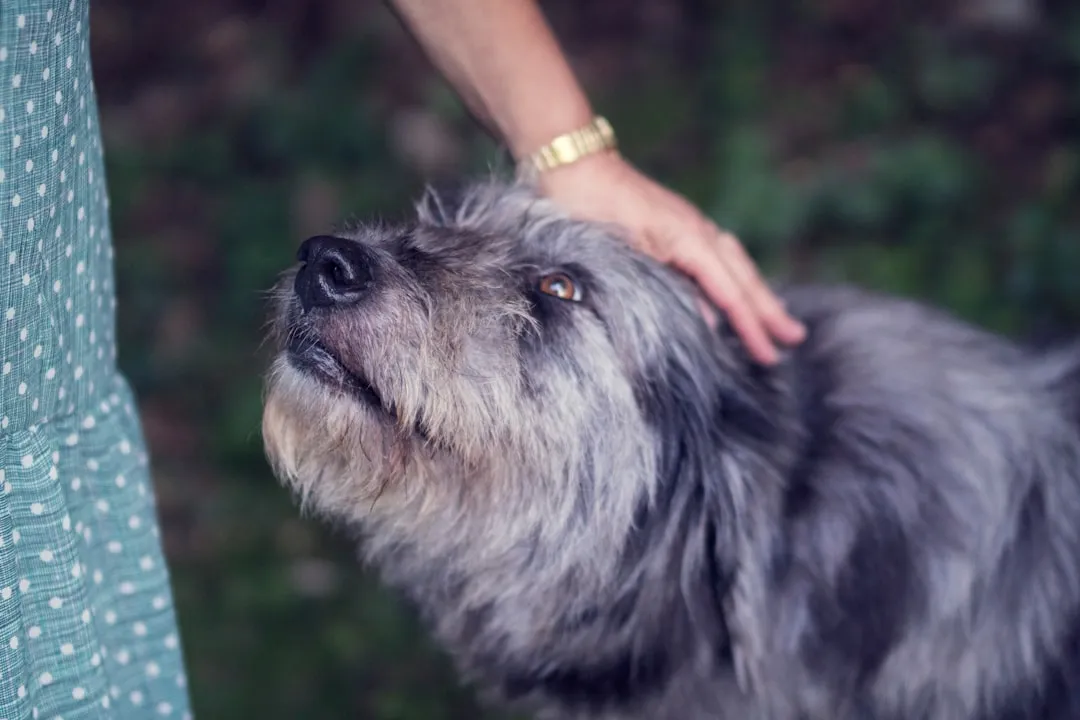
When they were young, wrestling, tug-of-war, and rough ear-scratching were half the fun. As nerves and joints become more sensitive, many older dogs crave slow, predictable petting over chaotic play – long, calm chest or shoulder strokes and gentle ear massages instead of hard ruffling.
You might notice subtle flinches when someone pats too hard, especially kids. That’s not “grumpiness”; it’s discomfort. A senior may walk away from wild games but happily melt into you during quiet couch time. What most people misread as “less social” is often just a demand for a different kind of affection – one that doesn’t surprise or jostle sore spots. His body wants less impact. His brain wants the opposite.
#6 – More Mental Puzzles (And Less High-Impact Play)
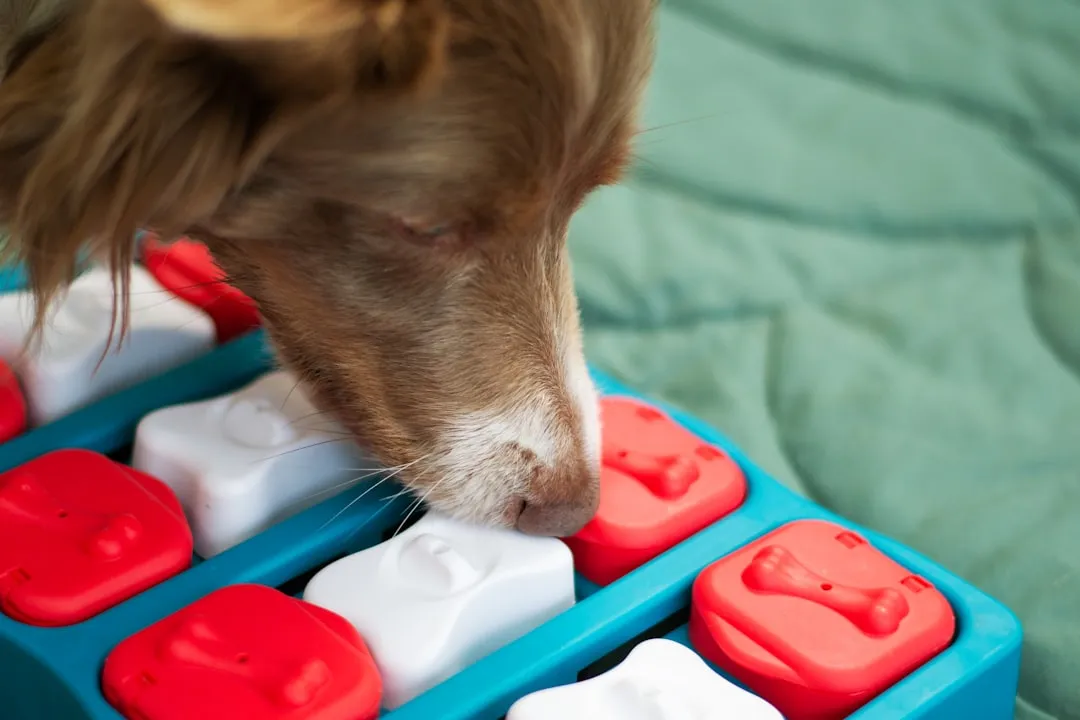
Senior dogs still want a job. What changes is how they want to work. Chasing balls for 40 minutes? Maybe not. But snuffle mats, food puzzles, and scent games? Absolutely. Their noses don’t age like their joints do, and sniffing is deeply soothing and tiring in a brain-healthy way.
Two short “brain games” a day can do more for a senior’s happiness than any flashy chew toy:
- Scatter kibble in a towel or grass for them to hunt.
- Use puzzle feeders instead of regular bowls.
Many behaviorists say under-stimulated old dogs look “depressed” or “clingy” when they’re actually just bored and under-challenged mentally. The body slows down, but the curiosity often doesn’t. And while his brain stays sharp, his social circle quietly shrinks.
#7 – More Time With “Their” People (And Less Interest in Everyone Else)
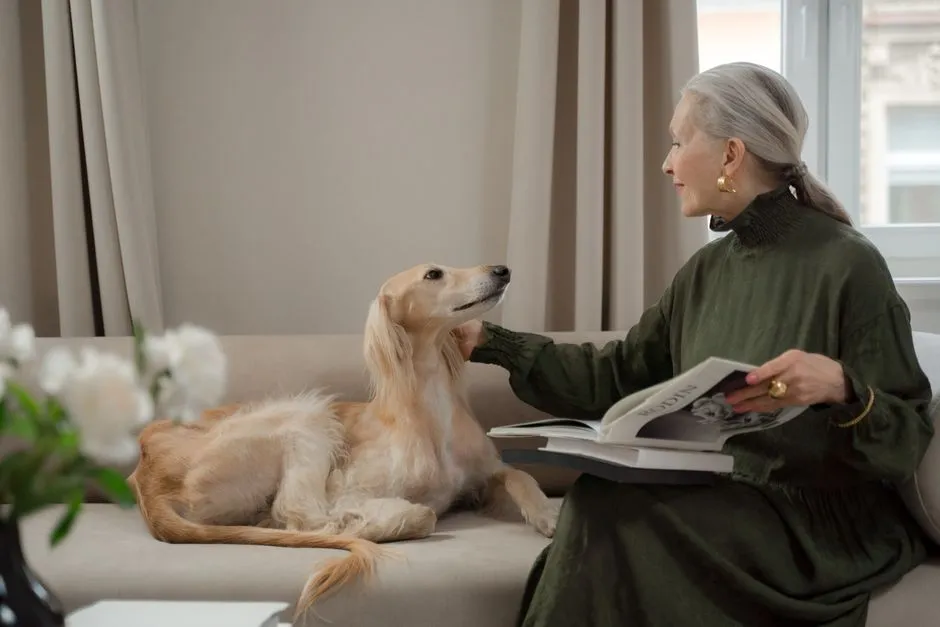
Puppies want to greet the whole world. Senior dogs often quietly narrow their social circle. They care more intensely about their core humans and much less about strangers at the park, neighbors, or random dogs. That dog who used to beg to meet everyone might now ignore visitors completely – but follow you room to room like a shadow.
This isn’t just clinginess; it’s prioritization. As their senses dim and energy fades, they conserve emotional bandwidth for the people who matter. Many will rather nap at your feet than run with a pack. Some even get mildly anxious if their favorite person changes routine or travels. That shrinking world gets even quieter than you’d expect.
#8 – More Clear, Calm Communication (And Less Loud Chaos)
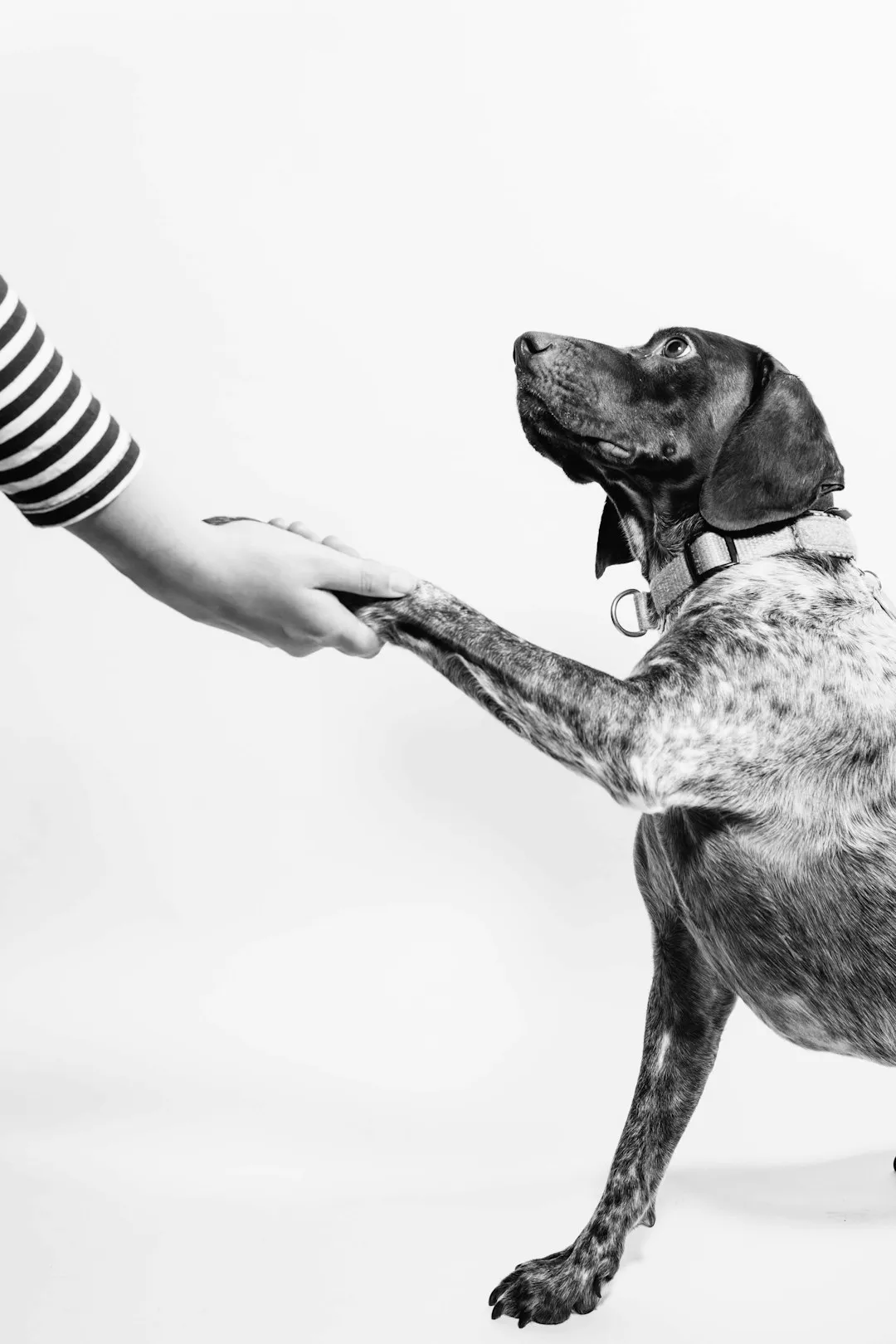
Old dogs don’t handle chaos like they used to. Loud TVs, shrieking kids, blaring music – these can overwhelm aging ears and brains. What they quietly want more of is calm, clear signals and quieter environments, especially in the evenings. Sudden shouting or rough joking that once excited them can now startle or stress them.
You’ll see this in small signs – leaving the room when things get rowdy, or startling at claps, dropped items, and sudden laughter. They respond better to soft voices, slow hand motions, and predictable cues. Senior dogs hate feeling confused; their hearing and sometimes cognition make fast, noisy households feel like too much. Giving them quiet “safe zones” can change their whole demeanor. Quiet isn’t just about noise, though – it’s about timing too.
#9 – More Bathroom Breaks (And Less Ability to “Hold It”)
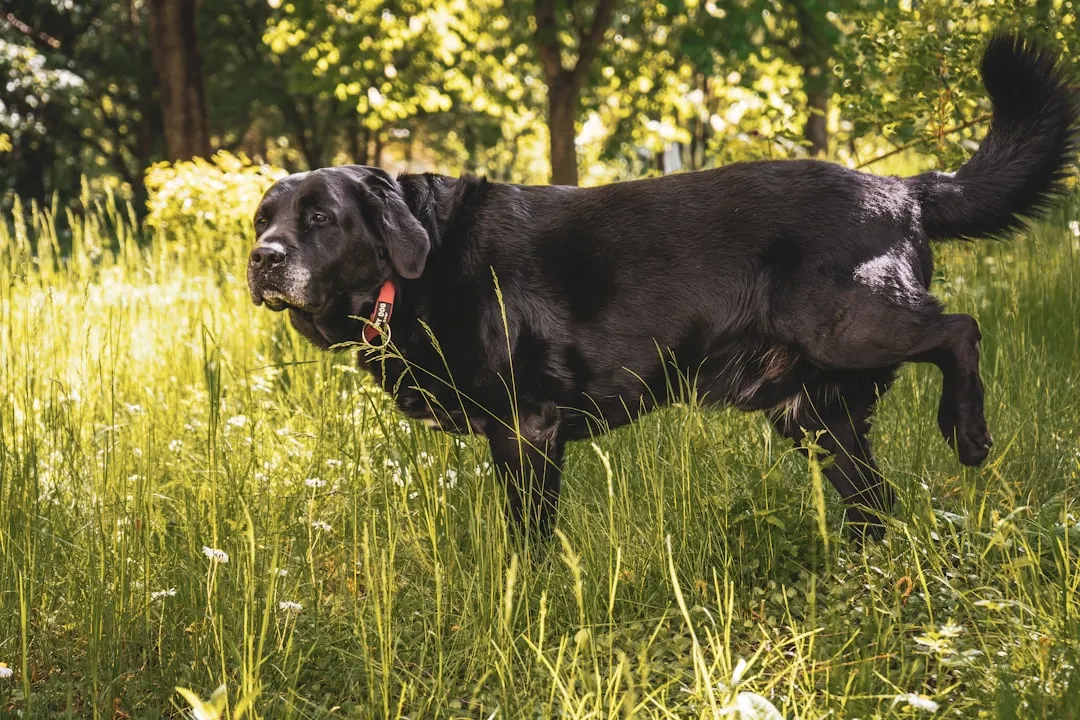
Most people scold old dogs for accidents that are actually physiological changes, not bad behavior. Aging bladders, weaker muscles, and sometimes kidney issues mean seniors often need more frequent outings – even if they “used to hold it” all day. Forcing them to wait like before is quietly cruel, even if they don’t complain.
You may notice pacing or whining at odd hours, small leaks when they stand up, or accidents near doors – meaning they tried. What they really want more of is simple: chances to go out. Short, regular potty trips, including a late-night one, prevent embarrassment and discomfort. A lot of “behavioral” issues in old dogs are actually humans refusing to adjust the schedule to a body that’s changed. Once you adjust for his bladder, watch what happens to his nose.
#10 – More Smell-Based Enrichment (And Less Obsession With Toys)
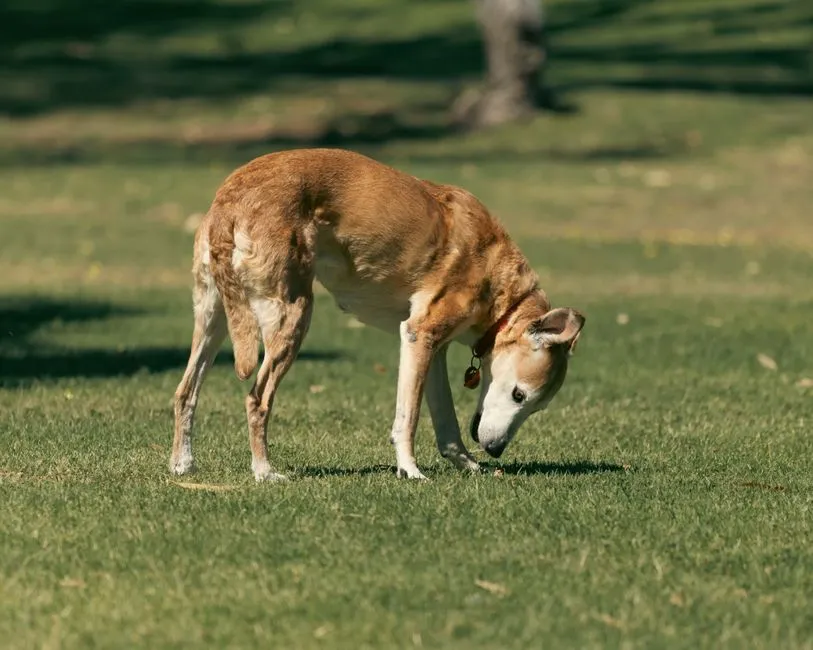
For seniors, smells matter more than objects. That squeaky toy they once guarded with their life might now sit untouched, while they spend ten minutes investigating one patch of grass. Their eyesight may dim, but their noses stay powerful.
They want new scents on walks – different routes, parks, or even “sniff boxes” at home – and smelly but safe treats like freeze-dried meats over generic biscuits. When owners complain, “He doesn’t play anymore,” what they often mean is “He doesn’t play my way.” He’s just switched games. A nose like that still needs a body someone’s willing to tidy up.
#11 – More Gentle Grooming Help (And Less DIY Cleanup)
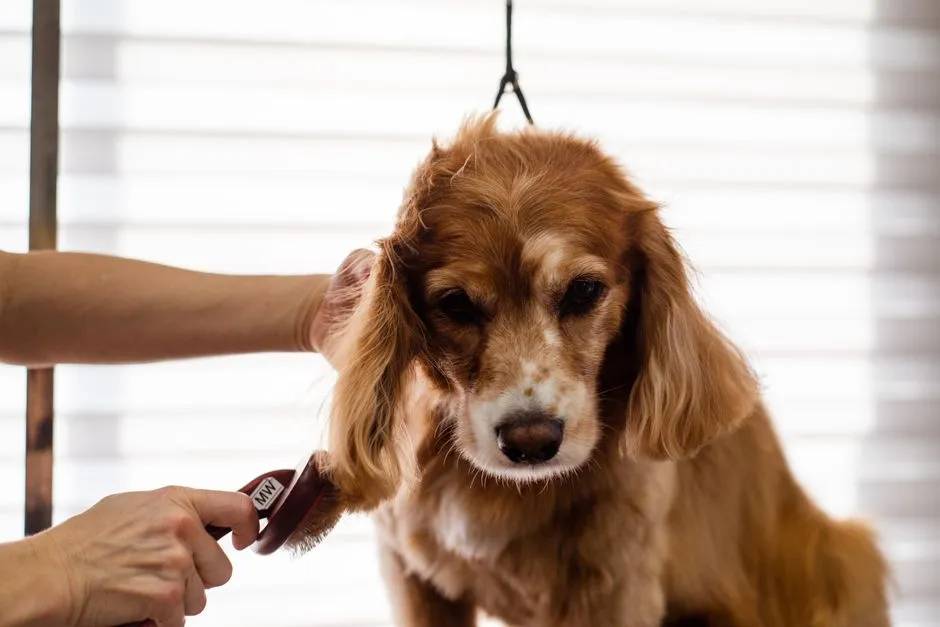
Young dogs twist, lick, and contort themselves into yoga poses to stay clean. Seniors? Not so much. Arthritis, stiffness, and sometimes dental pain mean they need more help staying groomed – especially around eyes, ears, tail, and paws.
They may quietly want softer brushes, shorter grooming sessions, and help wiping eyes, cleaning ears, and trimming fur where they can’t reach. Without this support, old dogs can end up itchy, matted, or with painful buildups they can’t fix. Yet they usually hate stressful, rushed grooming appointments. Many will visibly relax when you gently brush their chest or wipe their face. Grooming is maintenance. The next one is survival.
#12 – More Vet Check-Ins (And Less Heroic “Toughness”)
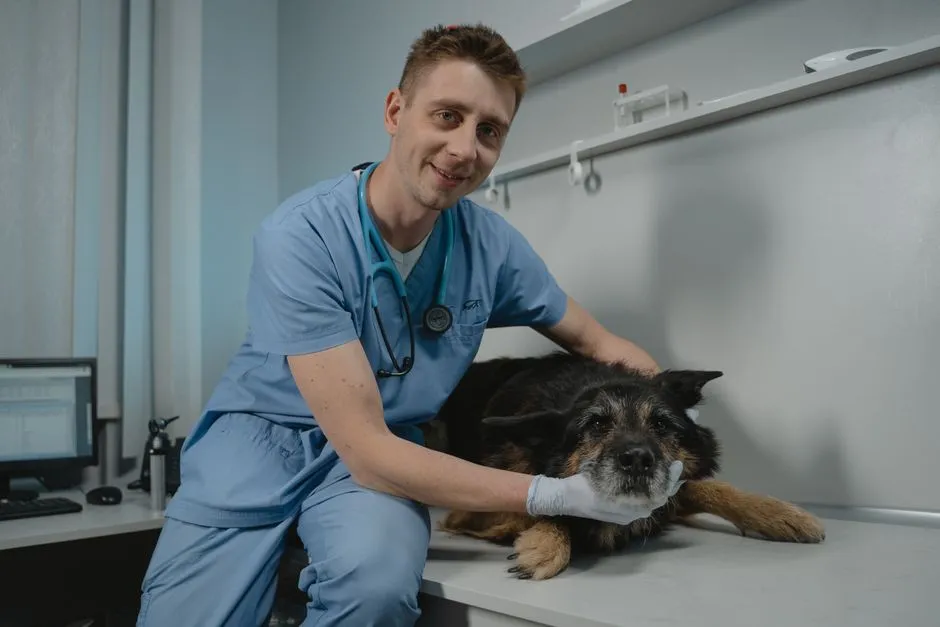
Old-school thinking says, “We only go to the vet when something’s really wrong.” For seniors, that mindset is brutal. Subtle pain, organ changes, and cognitive shifts often show up months before obvious symptoms. What older dogs desperately need – but can’t ask for – is more frequent, calm vet checkups and preventive care.
Biannual senior exams, early bloodwork, and pain assessments can catch problems while they’re still manageable, like arthritis pain that looks like “slowing down,” or dental disease masked as “being picky.” Letting them “tough it out” is not kindness; it’s neglect wrapped in denial. Most senior dogs live with more untreated chronic pain than their owners realize. Even with good vet care, there’s one thing you’re probably still forcing on him.
Worth Knowing
- Many vets track comfort using the HHHHHMM scale, created by veterinary oncologist Dr. Alice Villalobos, which scores Hurt, Hunger, Hydration, Hygiene, Happiness, Mobility, and more good days than bad.
- You score seven factors … from 0 to 10 each, for a total out of 70.
- General senior-care guidance recommends bumping veterinary visits to twice yearly so age-related issues get caught early rather than after they’ve already progressed.
#13 – More “Permission” to Rest (And Less Pressure to Be Young)
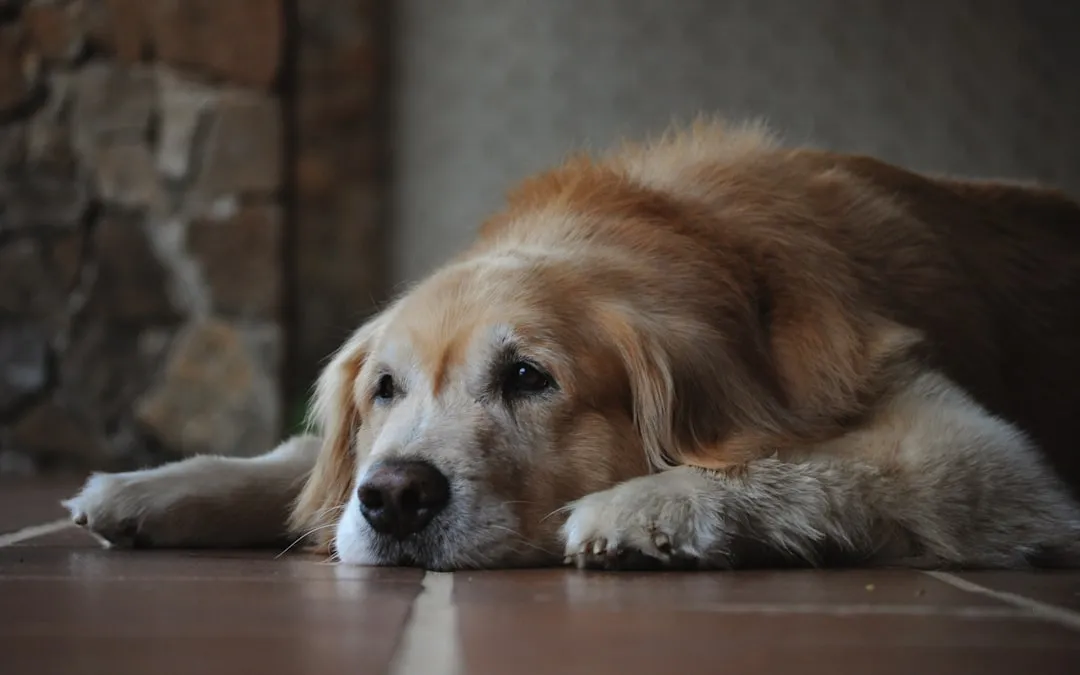
There’s a subtle pressure we put on old dogs: “Come on, boy, like you used to!” Fetch, hikes, crazy play. When they hesitate, owners push: “You’re fine!” But internally, many seniors just want permission to opt out without guilt – to be allowed slower walks, shorter games, and more napping without anyone acting disappointed.
You might see them watching younger dogs play instead of joining, or dropping the ball sooner and heading to the shade. When you respect that and say, “Okay, bud, let’s rest,” they visibly relax. Forcing them to “perform youth” may look loving on Instagram but often feels like pressure to an aging body. Give him permission to rest, and something else changes too.
#14 – More Quiet Companionship (And Less Constant Training)
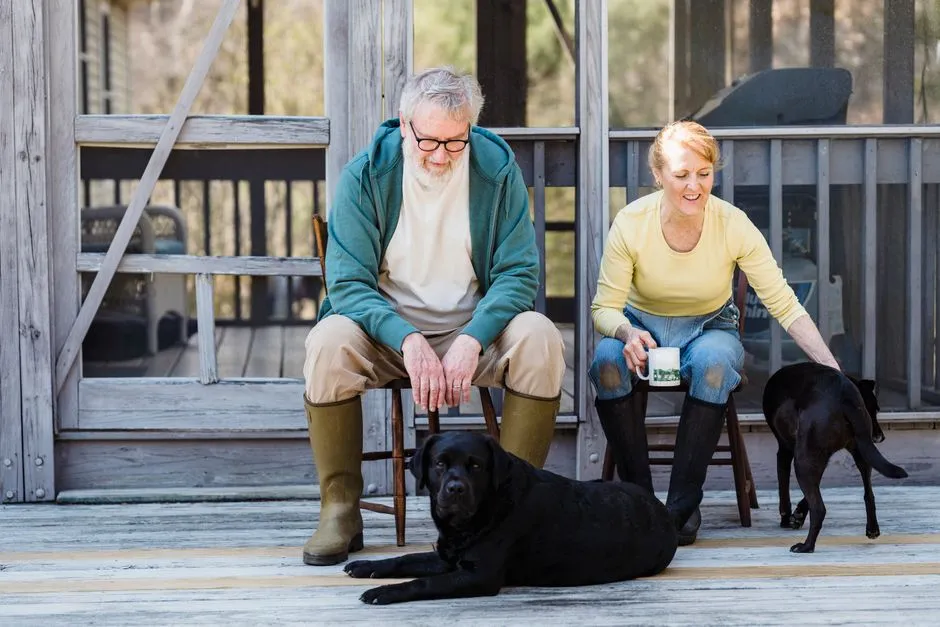
Young dogs live in “sit, stay, come” mode. We train, drill, and correct. By their later years, most dogs want your presence more than your instructions. They know the basics. They’re not auditioning for obedience class anymore.
What they crave is to simply exist near you – lying under your desk while you work, curling up nearby while you watch TV or cook. This doesn’t mean stop all training; gentle refreshers help their brain. But constantly correcting or demanding tricks can feel tiring, not enriching. Senior dogs are past proving themselves. Presence matters. So does what’s in his bowl.
#15 – More Simple, Digestible Food (And Less Heavy, Random Treats)
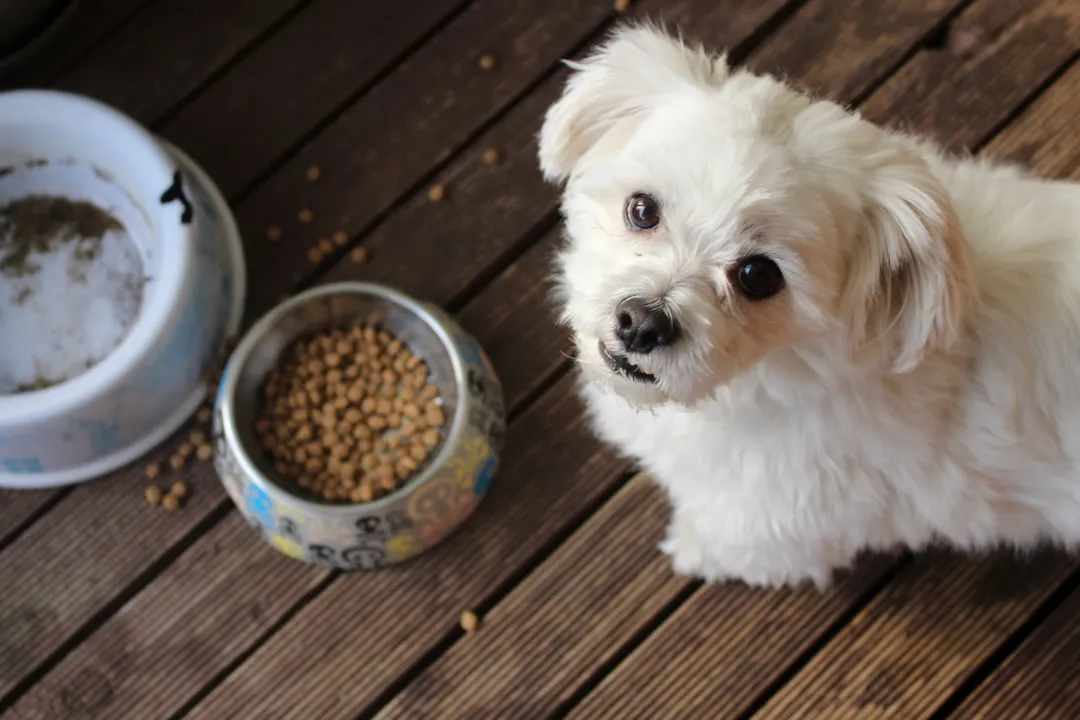
Those giant bones and greasy table scraps people brag about giving? A senior dog’s gut may strongly disagree. Older digestive systems often do better with easier-to-digest, lower-fat, well-balanced meals, perhaps with added moisture. They may also appreciate slightly warmed food for its aroma, and smaller, more frequent meals.
You’ll notice occasional vomiting or loose stools after rich snacks, or a dog that seems hungry but turns away from very hard kibble. Many owners misinterpret this pickiness as bad manners, when it’s actually discomfort. Softening food with warm water or choosing a vet-approved senior diet can make eating enjoyable again – while random junk treats can quietly cause pancreatitis or GI upset. Feed him right, and you still have to keep him from getting hurt at home.
#16 – More Safety Features at Home (And Less Athletic Furniture Hopping)

That dramatic leap onto the bed or out of the SUV that once looked cool? It’s now a hazard. Senior dogs quietly want ramps, steps, non-slip rugs, and lower jump heights more than any new toy. Their hips and spines can’t absorb shocks like before, and one bad landing can change everything.
You might see them hesitating before jumping into the car, or sliding on hardwood and tile floors. Adding stair runners, grip mats, or a simple ramp to the couch can restore their confidence. Some people think this is “babying” a dog; in reality, it’s the same as grab bars for an older human. Safety isn’t just physical – it’s emotional too.
#17 – More Respect for Their Space (And Less Forced Socializing)
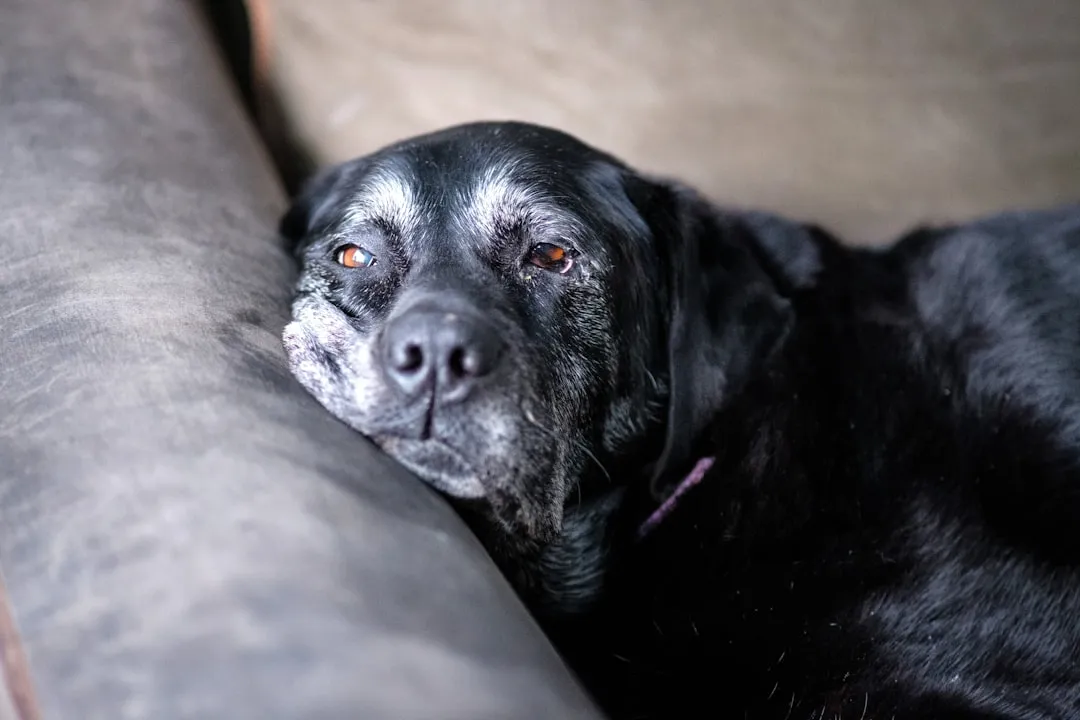
As dogs age, many become less tolerant of being pestered – especially by children or other pets. They may still be friendly, but they value their personal bubble more. They want a bed or corner that’s truly theirs, and humans who step in and protect that boundary.
When people ignore subtle signals – turning away, lip licking, moving beds – seniors can escalate to growling, then get unfairly labeled “mean.” In reality, they’re just asking for what we all want when we’re tired and sore: to rest without being poked. Experts now argue more families need strict “no kid, no puppy” zones for old dogs. Respect his space, and you’ll also need to respect his pace.
#18 – More Time to Process (And Less Rushed Transitions)
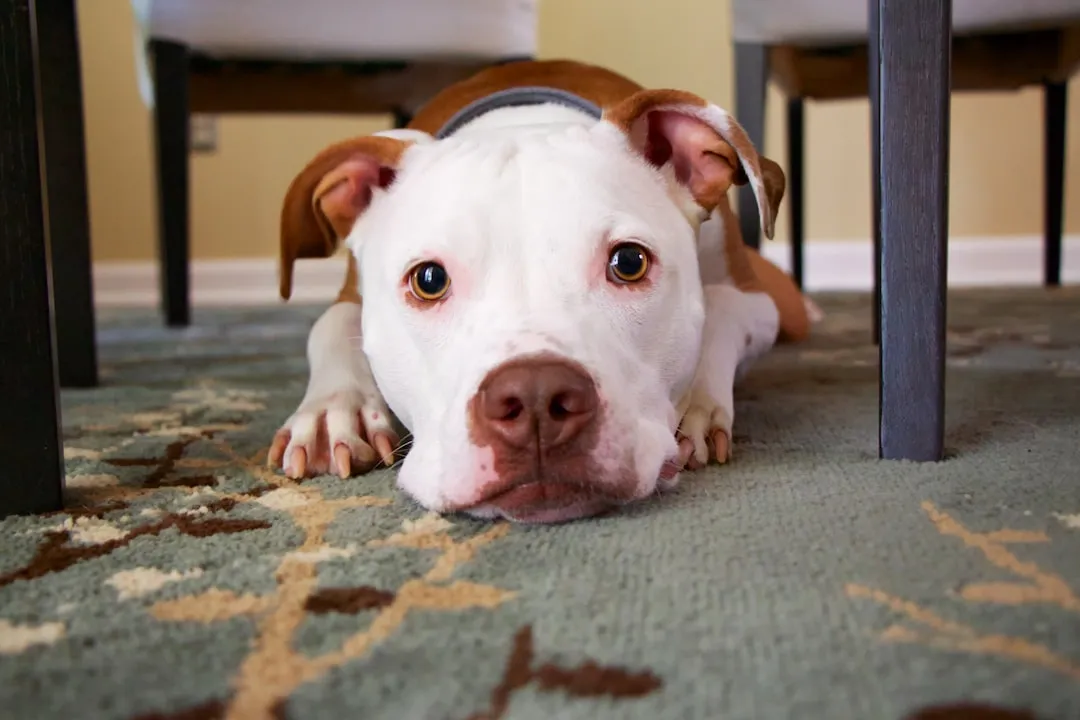
Old brains work – but slower. A cue they once responded to instantly might now take a couple of seconds to land. That doesn’t mean they’ve forgotten everything; it means they need more time between command and consequence, from slower transitions out of sleep to more warning before being lifted, leashed, or moved.
Yanking them up or rapidly changing directions on walks can startle them physically and mentally. Giving them a moment after calling their name, or gently cueing before touching, can reduce anxiety massively. A lot of “stubborn” senior behavior is actually humans moving too fast for an older nervous system. And eventually, patience runs into the hardest conversation of all.
#19 – More Gentle Talk About the End (And Less Denial)
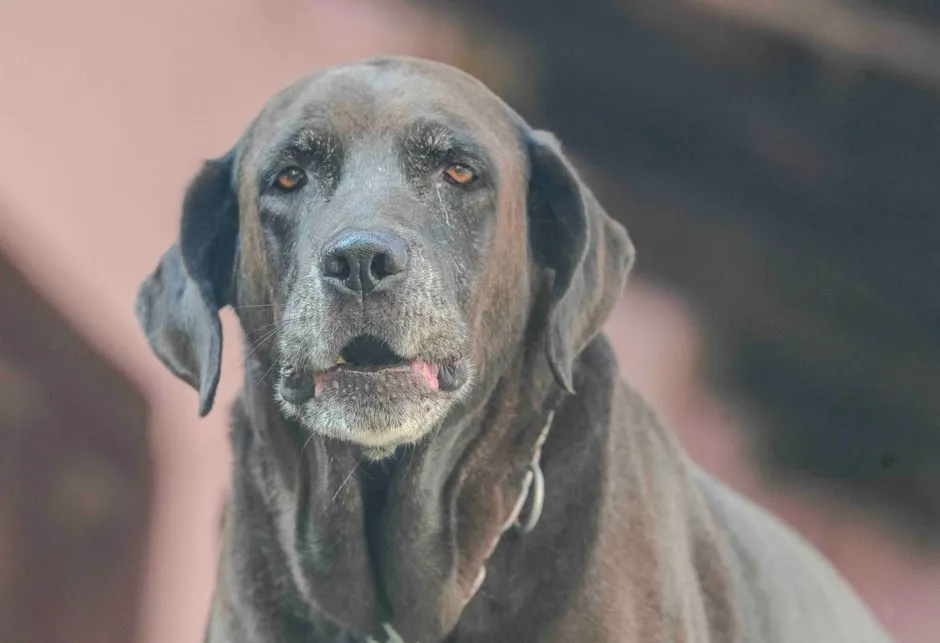
This one’s uncomfortable, but real: senior dogs need you to be an adult about end-of-life decisions. They can’t ask, but what most quietly want is an owner who notices suffering early, manages pain, and doesn’t stretch out misery because “I’m not ready.” Quality-of-life scales, honest vet conversations, and hospice-style care are acts of love, not surrender.
When you track their good and bad days, make home adjustments for comfort, and choose a peaceful, timely goodbye instead of waiting for a crisis, you are honoring the trust they gave you. Pretending they’re “fine” when you can see otherwise is more about our feelings than theirs. Old dogs don’t fear death the way we do; they fear pain, confusion, and being alone in it.
We are the stewards of things we cannot control – the shortness of a dog’s life is one of them.
Jon Katz, author of “Going Home: Finding Peace When Pets Die”
Facing this head-on is the last, hardest gift. But that’s only half the story – because there’s another side: everything he’s quietly stopped caring about entirely.
#20 – They Stop Caring About Impressing Other Dogs
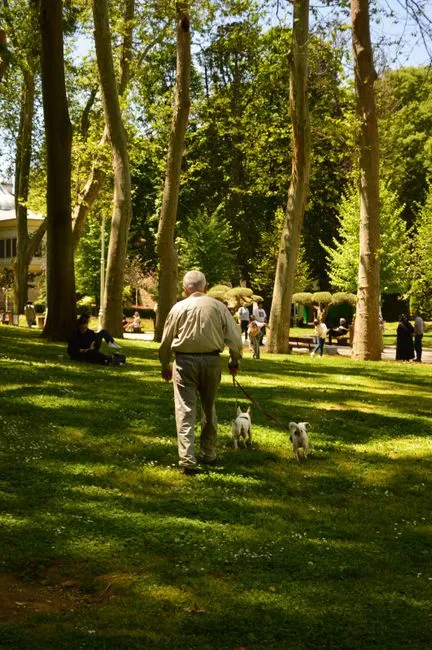
Once upon a time, your dog might’ve been obsessed with out-running, out-playing, or out-posturing every dog at the park. As seniors, many simply lose interest in canine politics. Dominance games, zoomies, pack chases – they’d rather watch than join. They don’t need to be the fastest or the boldest anymore.
You’ll see them ignoring pushy dogs instead of engaging, or choosing to sniff alone rather than roughhouse. Some owners misread this as “anti-social,” but it’s actually emotional maturity. They know who they are. They’ve retired from the playground hierarchy, and they’re fine with that. Retiring from the pack is just the beginning of what he’s letting go.
Quick Compare
- Young dog priority: Win the game, chase the fastest, meet every dog at the park.
- Senior dog priority: Watch from the sidelines, sniff in peace, save energy for people who matter.
- Young dog priority: Prove themselves through play and performance.
- Senior dog priority: Rest on a reputation already earned – no more auditions needed.
#21 – They Stop Caring About New Tricks and Party Tricks
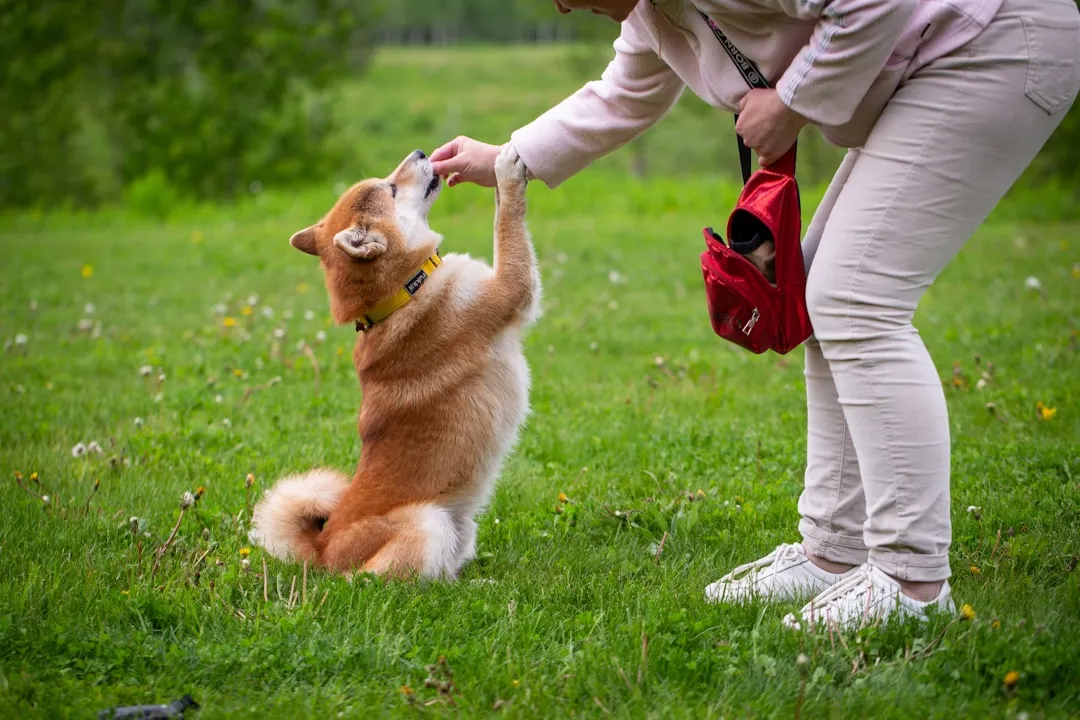
Those cute spins, high-fives, and bow-on-command moments? Senior dogs often stop caring whether you think they’re clever. They understand the basics that keep life running; beyond that, many don’t value performance the way they used to. That doesn’t mean they can’t learn – just that the motivation shifts.
You might notice less enthusiasm for repetitive “sit, paw, roll” drills, and more interest in simple, rewarding interactions like sniffing and gentle play. At this stage, trick training should be optional enrichment, not expectation. If they’d rather nap than show off for guests, that’s valid. Tricks are out. So, weirdly, is half his toy box.
#22 – They Stop Caring About Fancy, Expensive Toys
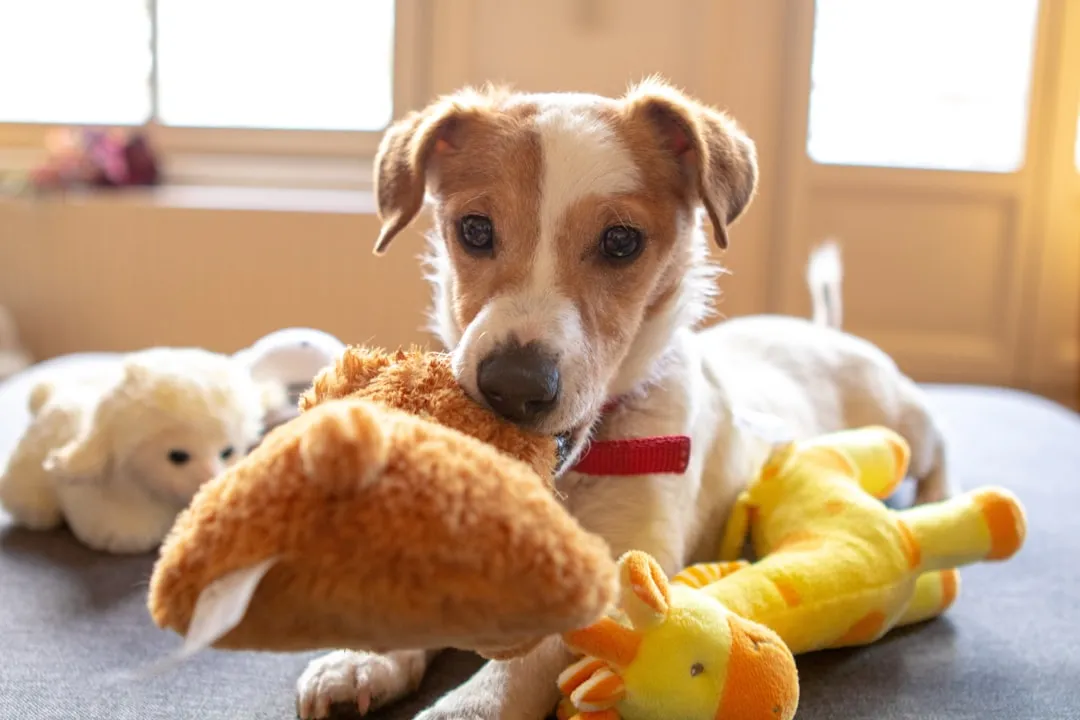
The $40 “indestructible” toy with 12 squeakers? Many old dogs couldn’t care less. Chewing hard plastics or rubber often hurts aging teeth or jaws. The status of a toy means nothing to them now. A simple, soft plush or an old ball they already love will do, if they want toys at all.
You’ll see them ignoring new flashy toys, preferring soft items or nothing at all. Marketers push constant novelty, but behaviorists see a different pattern: seniors choosing comfort over excitement. If they do like a toy, it’s often for scent or softness, not brand or complexity. Toys aren’t the only thing losing their shine – road trips are too.
#23 – They Stop Caring About Long, Draining Car Rides
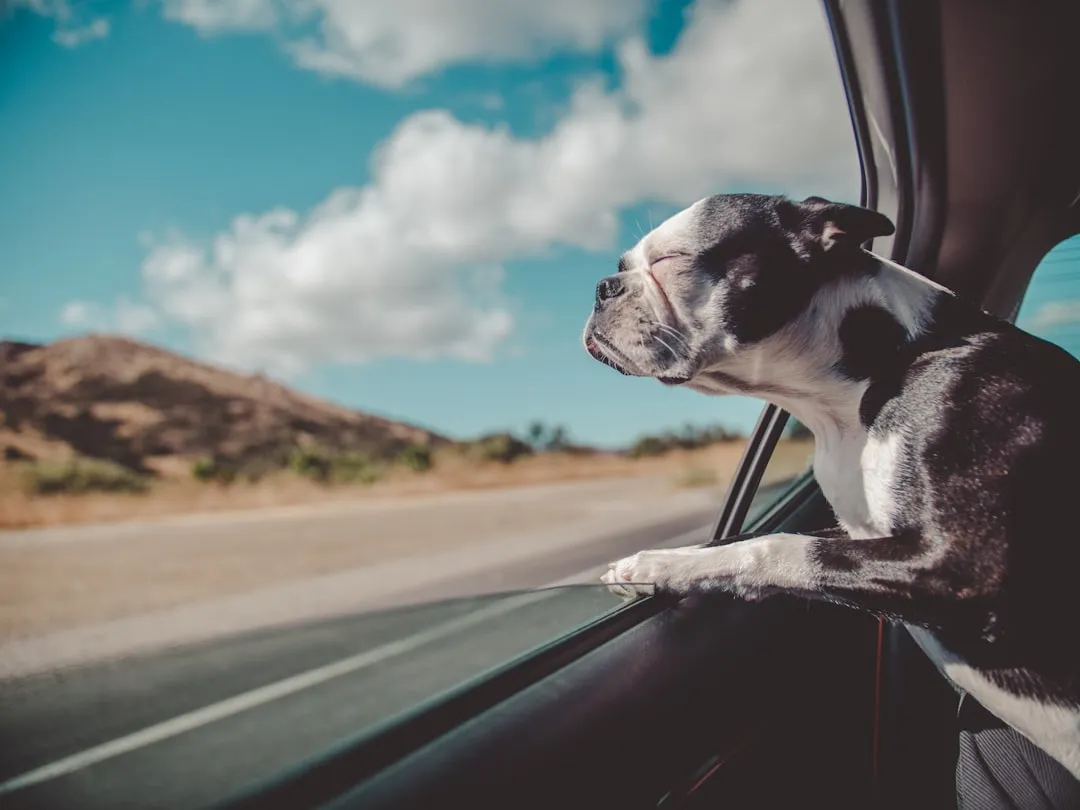
Many dogs once lived for car adventures – windows down, tongues out. Old dogs often become selective travelers. Long, bumpy rides, cramped spaces, or endless stop-and-go traffic lose their appeal. They may tolerate the car for essentials, like the vet or a short outing, but not for your five-hour road-trip fantasy.
Signs include restlessness, panting, or whining on drives, and hesitation to even approach the car. It’s not that they hate the car outright; they just no longer see endless rides as fun, and motion sickness can also increase with age. Home becomes a more important anchor; the highway, less so. He’s picky about car rides now, and just as picky about crowds.
#24 – They Stop Caring About Being the Center of Attention
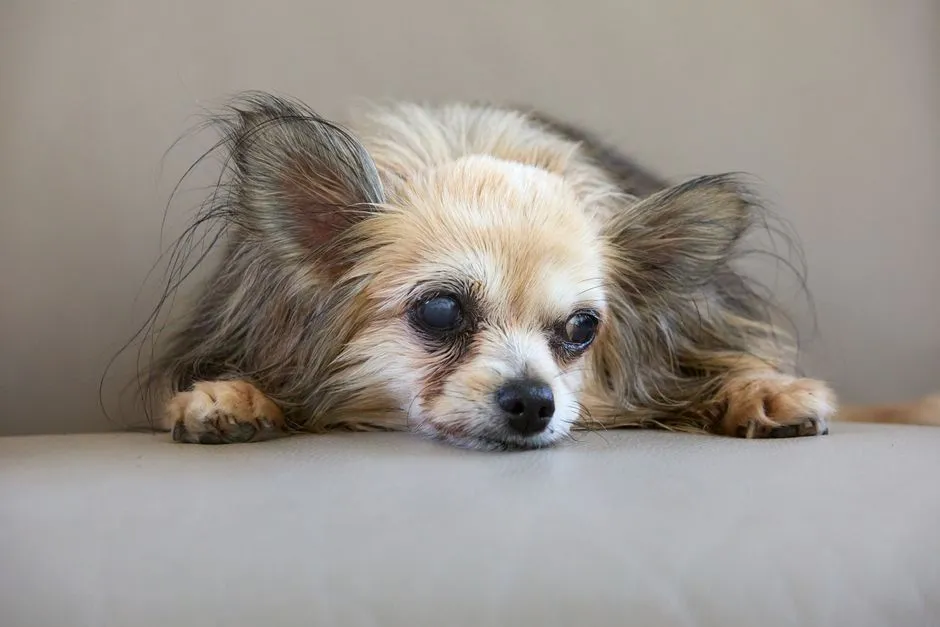
Puppies soak up the spotlight. Seniors? Many quietly step away from it. They no longer need every guest to fawn over them or every family moment to include them front and center. Some may even prefer to observe from a distance instead of joining the chaos of gatherings.
You may see them moving to a quieter room during parties, or politely accepting a few pets before leaving. This isn’t sadness; often it’s self-preservation. Their senses get overloaded more easily, and downtime becomes precious. He doesn’t need the crowd’s approval anymore; he has yours. Skipping the spotlight is one thing. Skipping your commands is another.
#25 – They Stop Caring About Perfect Obedience
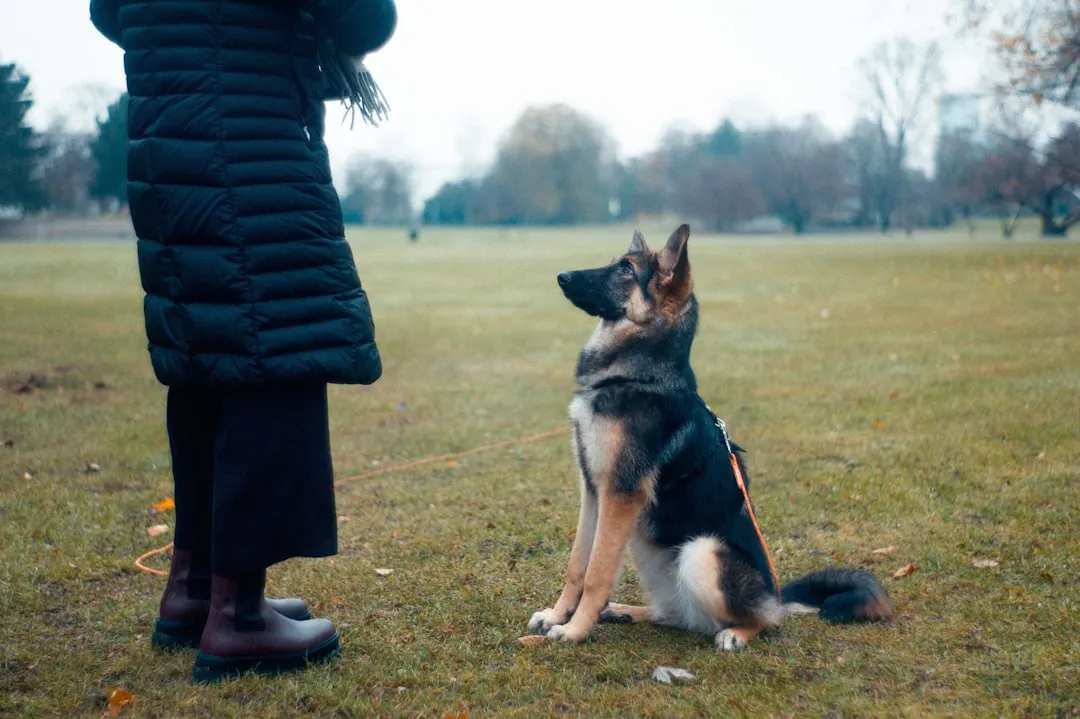
Yes, you read that right: many old dogs stop caring about following every command instantly – and that’s not always a problem. They’ve lived a whole life in your house; they understand the rules. But rigid obedience becomes less important to them than comfort and safety. If “come” means leaving a warm bed for nothing, they may think twice.
You’ll notice delayed responses to non-essential cues, and a habit of prioritizing where they feel secure over where you point. Some people get offended, calling it “stubborn,” but realistically, how many times do they need to prove they can sit? The best relationships with seniors look like negotiations, not boot camp. If he’s not chasing your approval anymore, he’s definitely not chasing the food bowl fight.
#26 – They Stop Caring About Competing for Resources
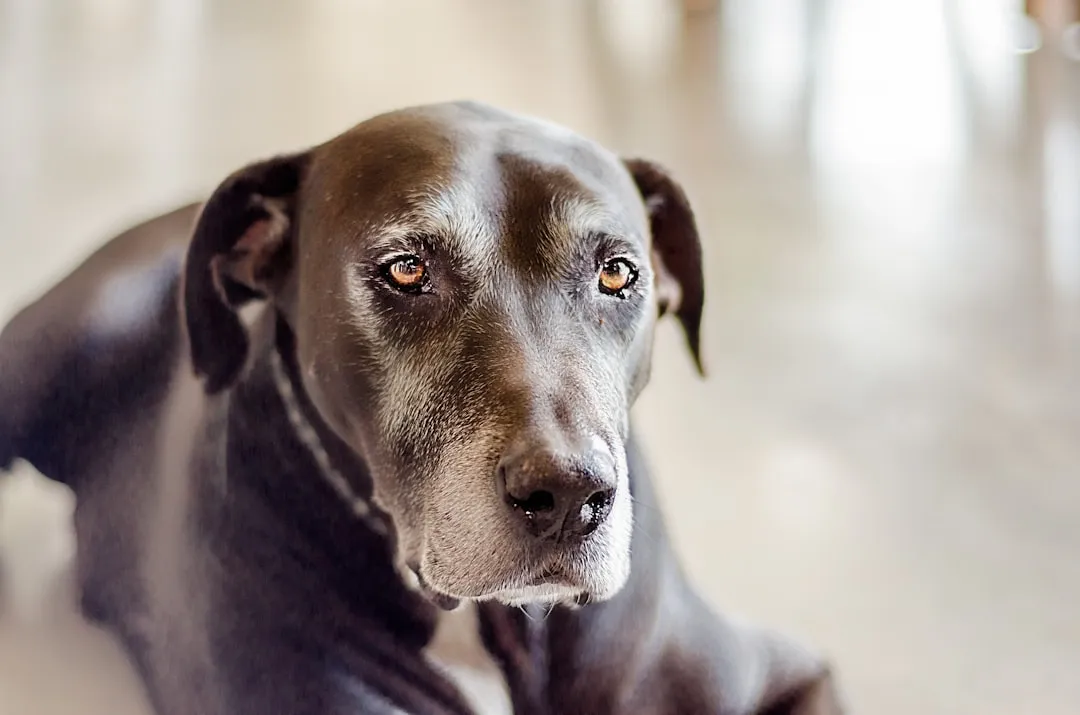
Remember food-guarding, toy-guarding, chasing others away from the water bowl? Many seniors drop that script entirely. They often lose interest in resource competition, especially if they feel secure and are well-fed. Younger dogs may posture and hover; the senior just walks away or waits.
You’ll see them allowing others to eat near them, or yielding preferred spots without a fuss. This isn’t weakness; it’s a shift in priorities. They’d rather avoid conflict than “win.” Ironically, some younger dogs misread this as permission to push boundaries, which is why humans still need to manage fairness. Peace at home is nice. Peace at the dog park? Even better, apparently.
#27 – They Stop Caring About Loud, Busy Dog Parks
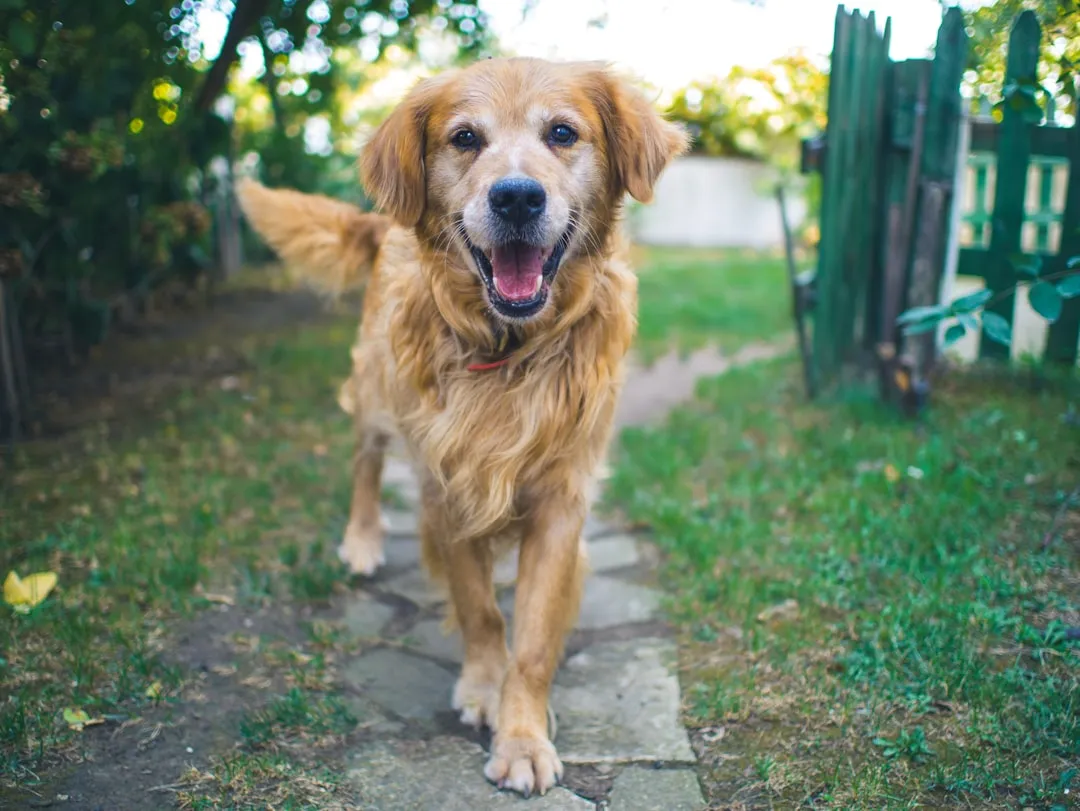
Dog parks are controversial even for young dogs. For seniors, they’re often flat-out unappealing. Random dogs, unpredictable behavior, hard impacts, and no control over who approaches – many older dogs opt out entirely, or stand near the gate waiting to leave.
Common signs include pacing the fence line instead of engaging, or hiding behind you and choosing the quietest corner. Some owners insist on keeping up the routine, claiming “he loves it,” while the dog’s body language screams otherwise. For most seniors, quiet walks and one-on-one dates beat chaotic off-leash free-for-alls. And it’s not just other dogs he’s stopped chasing.
#28 – They Stop Caring About Chasing Every Moving Thing
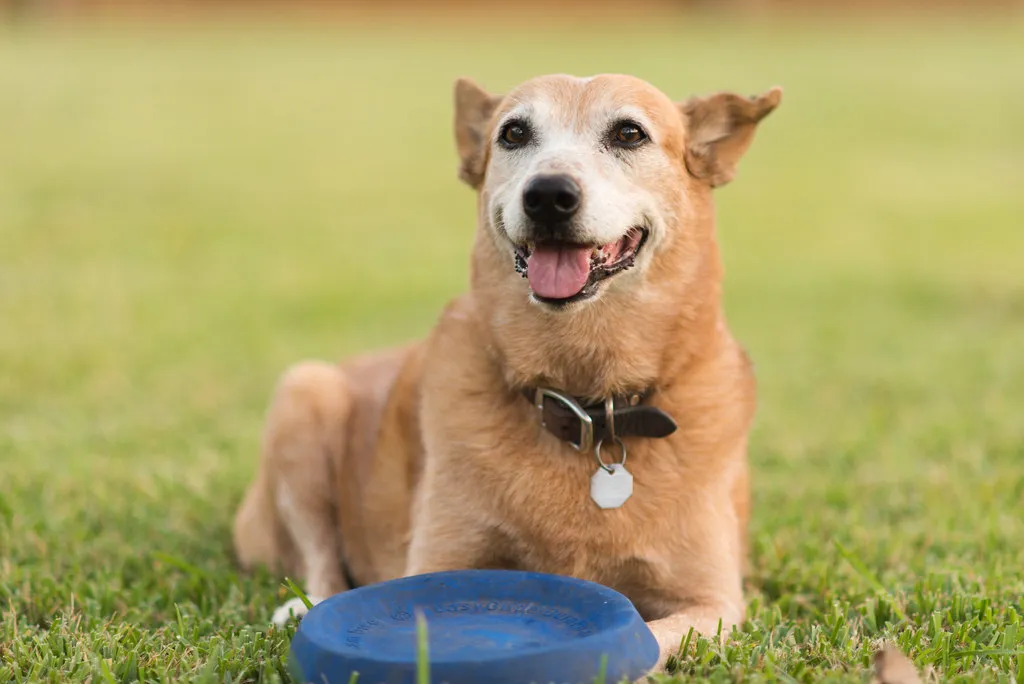
Squirrels, bikes, joggers, leaves – young dogs chase everything that wiggles. Old dogs? Many let it all go. They’ll watch squirrels instead of bolting after them, or glance at a passing skateboard and then lie back down. The need to pursue has faded, replaced by a calm curiosity.
You might notice shorter, half-hearted chases that stop quickly, or a dog who chooses to sniff where the squirrel was, not sprint where it went. This can be a blessing for your shoulders, but it’s more than laziness – the reward of a hot chase just doesn’t outweigh the cost for aching joints and tired lungs anymore. He’s stopped chasing squirrels – and he’d like you to stop rearranging the furniture, too.
#29 – They Stop Caring About Rearranged Furniture and Novelty at Home
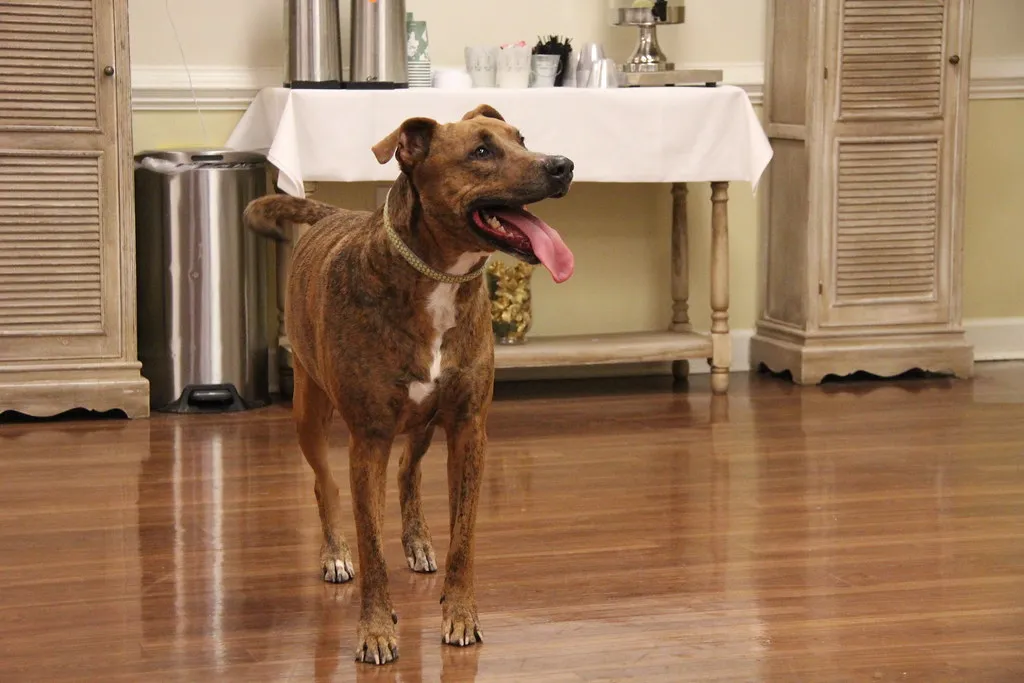
Younger dogs may investigate every new piece of furniture, every box, every rearranged room. Seniors, especially those with fading sight or cognition, often dislike change at home. They don’t care that the room looks “fresh” or “cute” now; they cared that they knew exactly where everything was.
You may see them bumping into newly moved items, or hesitating on stairs with new rugs or layouts. While you update decor, they’re thinking, “Where did my path go?” Familiar routes and stable layouts matter more to a senior dog than whether your living room is on trend. Once his world stays put, being alone gets easier too.
#30 – They Stop Caring About Being Left Alone With Nothing to Do
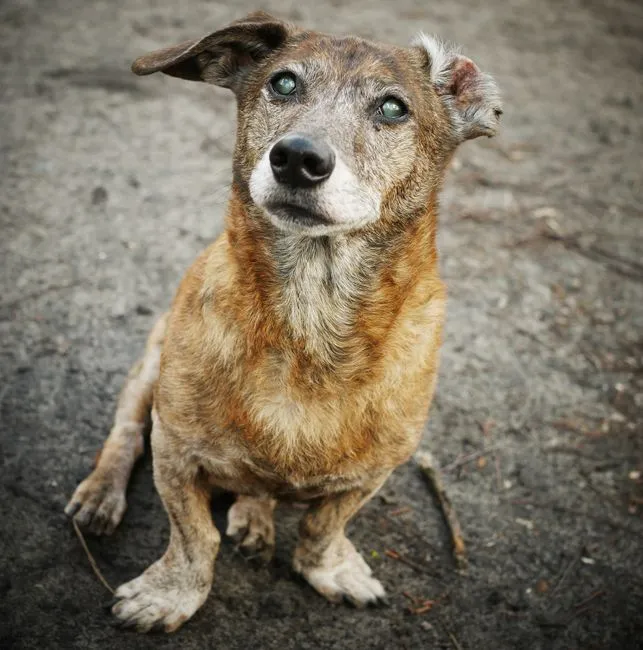
Here’s a twist: many seniors actually tolerate alone time better – if they feel safe and comfortable. What they stop caring about is being “entertained” every second. They don’t need background TV “for company” or constant toys. A cozy bed, water, and a predictable routine matter more than stimulation while you’re gone.
Signs of this shift include sleeping peacefully while you’re out instead of pacing, and ignoring toys left out during your absence. That said, separation anxiety can worsen for some, especially if vision or hearing decline. But for many, the frantic FOMO of youth fades – they know you come back. Alone time is fine. Bath time? A different story.
#31 – They Stop Caring About Smelling Perfectly “Clean”
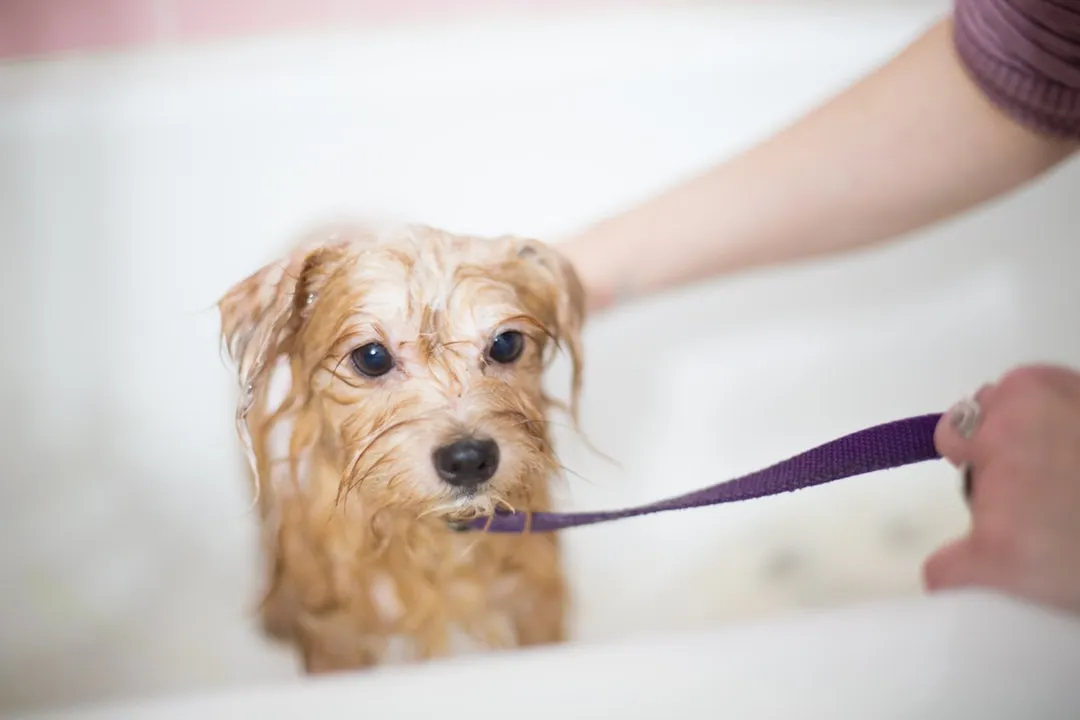
Humans obsess over scented shampoos and feeling “fresh.” Old dogs? They mostly don’t care – at all. They don’t value smelling like coconuts or lavender, and frequent deep baths can dry their skin or stress their joints. What they do care about is not being painfully matted or itchy.
You’ll see them tolerating short, functional baths but resisting long grooming marathons, or shaking off perfumes and sprays like they’re insults. Over-bathing seniors “so they smell nice” is often more for us than them. Quick, gentle cleanups and spot-wiping are usually all that’s needed. Smelling “clean” doesn’t matter to him anymore – and neither does babysitting your puppy.
#32 – They Stop Caring About Rough Games With Kids and Puppies
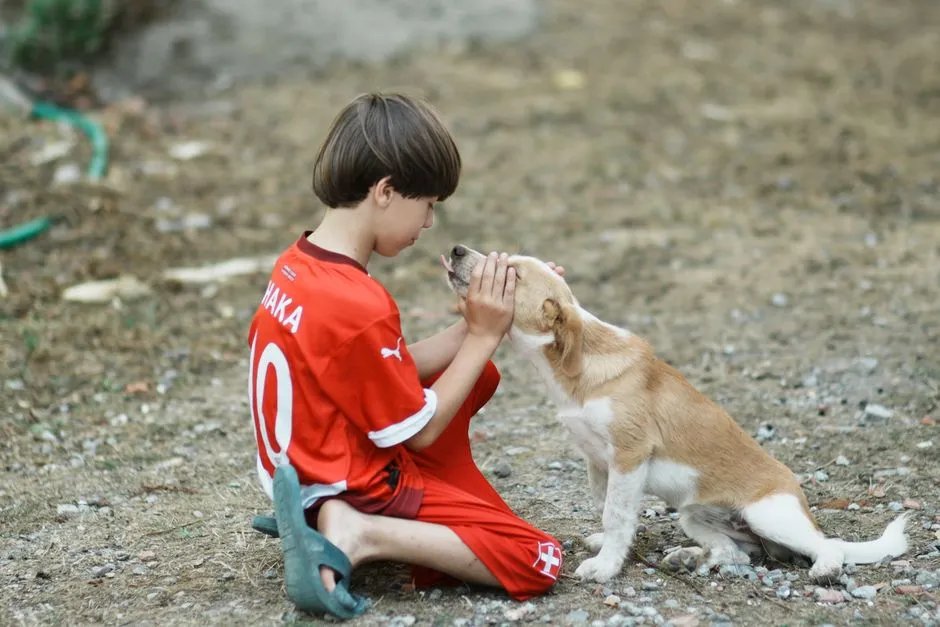
Once, bouncing off toddlers and wrestling with puppies seemed like peak fun. Now, most seniors lose patience for clumsy, relentless playmates. They stop caring about keeping up – and they definitely stop caring about being a jungle gym. That doesn’t mean they dislike kids or pups; they just have less tolerance for chaos.
You may notice them moving away when kids get too loud or physical, or correcting puppies with a growl or snap before walking off. Some adults overreact, labeling the old dog “aggressive,” when in reality they’ve politely enforced a very reasonable boundary. If wrestling puppies is off the table, guess what else got vetoed.
#33 – They Stop Caring About Wearing Cute Costumes

Costumes can be harmless fun – for humans. Older dogs often stop caring entirely about playing dress-up, and many actively dislike it. Stiff joints make getting in and out of outfits uncomfortable, and heavy or tight clothing can restrict movement or irritate aging skin. Accessories that were tolerable at three are a hard no at thirteen.
You’ll see them freezing or looking miserable when dressed up, or struggling to walk naturally in costumes. At this stage, functional gear like warm coats for thin-coated seniors or booties for grip makes sense. But elaborate Halloween outfits for photos? That’s about us, not them. Costumes are a hard no. Oddly, so are some of his old fears.
#34 – They Stop Caring About Storms and Fireworks (In Many Cases)
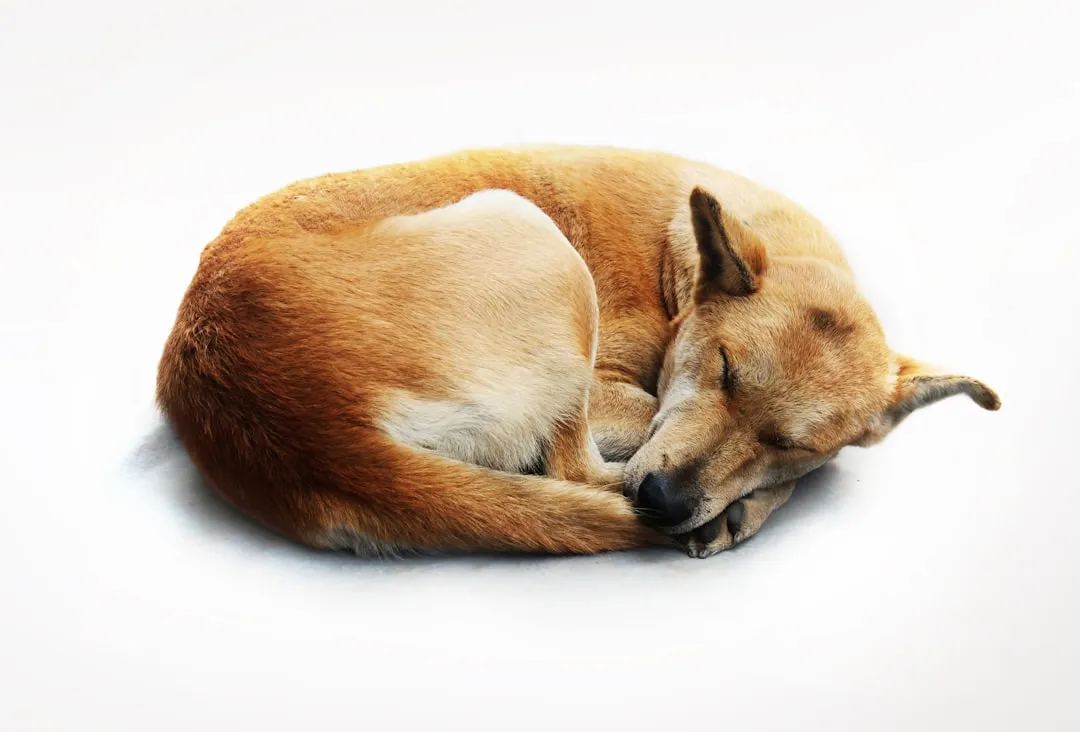
Not all, but many dogs who once panicked over thunderstorms and fireworks gradually stop reacting so intensely – sometimes because their hearing has faded. What terrified them at five might barely register at twelve. They stop caring about the noise because they literally don’t hear it the same way.
You may notice them sleeping through storms that used to send them under the bed, or showing mild curiosity at fireworks instead of shaking. Of course, some seniors remain or become anxious, especially if vision and cognition add confusion. But for a surprising number, sound sensitivity fades – one quiet perk of aging in a noisy world. Even his fear response has a new schedule, and so does his sleep.
#35 – They Stop Caring About Strict Bedtimes
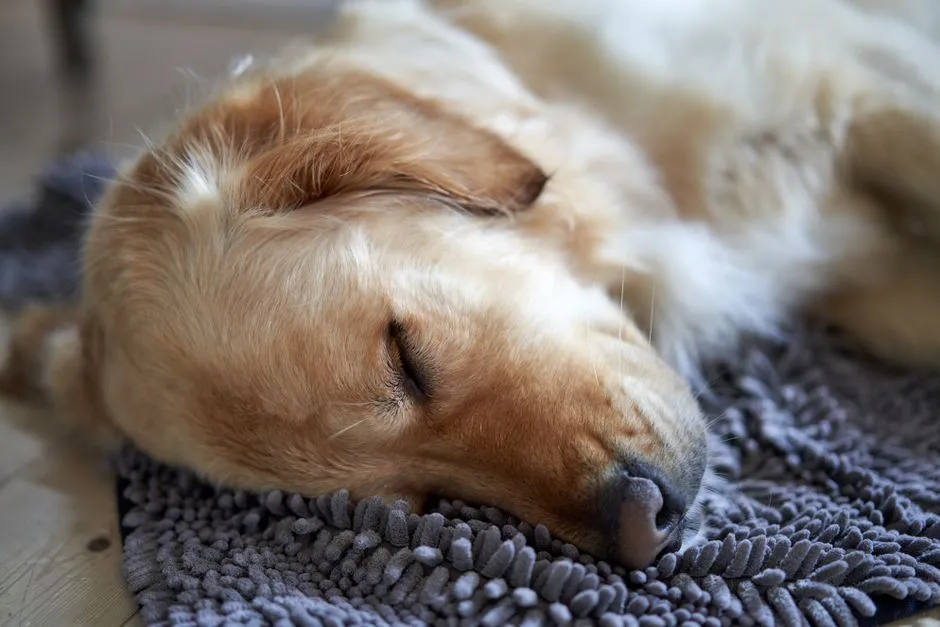
Young dogs sometimes crash hard at predictable times. Seniors often follow their own sleep-wake rhythm, napping more during the day and wandering a bit at night. They stop caring about your exact bedtime schedule and sleep when their body tells them to – sometimes in shorter, lighter chunks.
You’ll see more daytime snoozing in sunny spots, and occasional nighttime pacing or repositioning. Owners who demand perfect overnight stillness “like before” forget that sleep architecture changes with age, in dogs as in humans. They’re no longer clocked in to your routine; they’re listening to their own. His sleep runs on its own clock. So, it turns out, does his waistline.
#36 – They Stop Caring About Chasing Weight-Loss Ideals
Humans obsess over “ideal weight.” While keeping a senior lean is medically smart, old dogs themselves don’t care one bit about looking fit or trim. What they care about is feeling comfortable, being able to move without pain, and not being constantly hungry or restricted in frustrating ways.
You might notice contentment at a stable, slightly “soft” body condition, and less enthusiasm for intense exercise just “to burn calories.” Vets push, rightly, against obesity, but trying to sculpt your 13-year-old dog like a fitness influencer can backfire. Seniors have earned the right not to live on a treadmill to match a chart perfectly. Forget the scale – he’s also done following your house rules.
#37 – They Stop Caring About Perfect House Rules
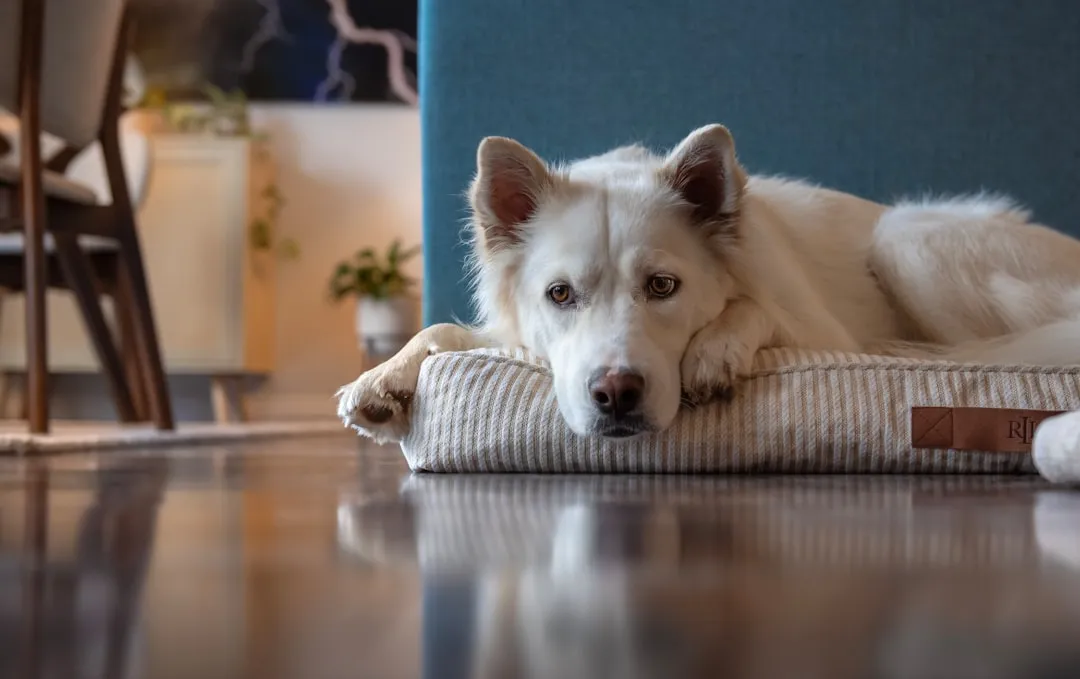
The couch ban, the “no dogs in the bedroom” rule, the strict feeding times – many seniors test and quietly ignore rules that no longer make sense to them. They want comfort, not compliance. If their hips hurt, they may sneak onto the softest spot. If they’re cold, they’ll break the “no bed” law.
You’ll see them creeping onto furniture they avoided for years, or taking shortcuts inside that were once off-limits. You can clamp down, or you can accept that at this stage, comfort wins. The dog isn’t being rebellious; they’re simply choosing relief over rigid structure – and honestly, they’ve earned that right. And if the rules don’t matter anymore, neither does anything about tomorrow.
#38 – They Stop Caring About Tomorrow – and Live Entirely in Today
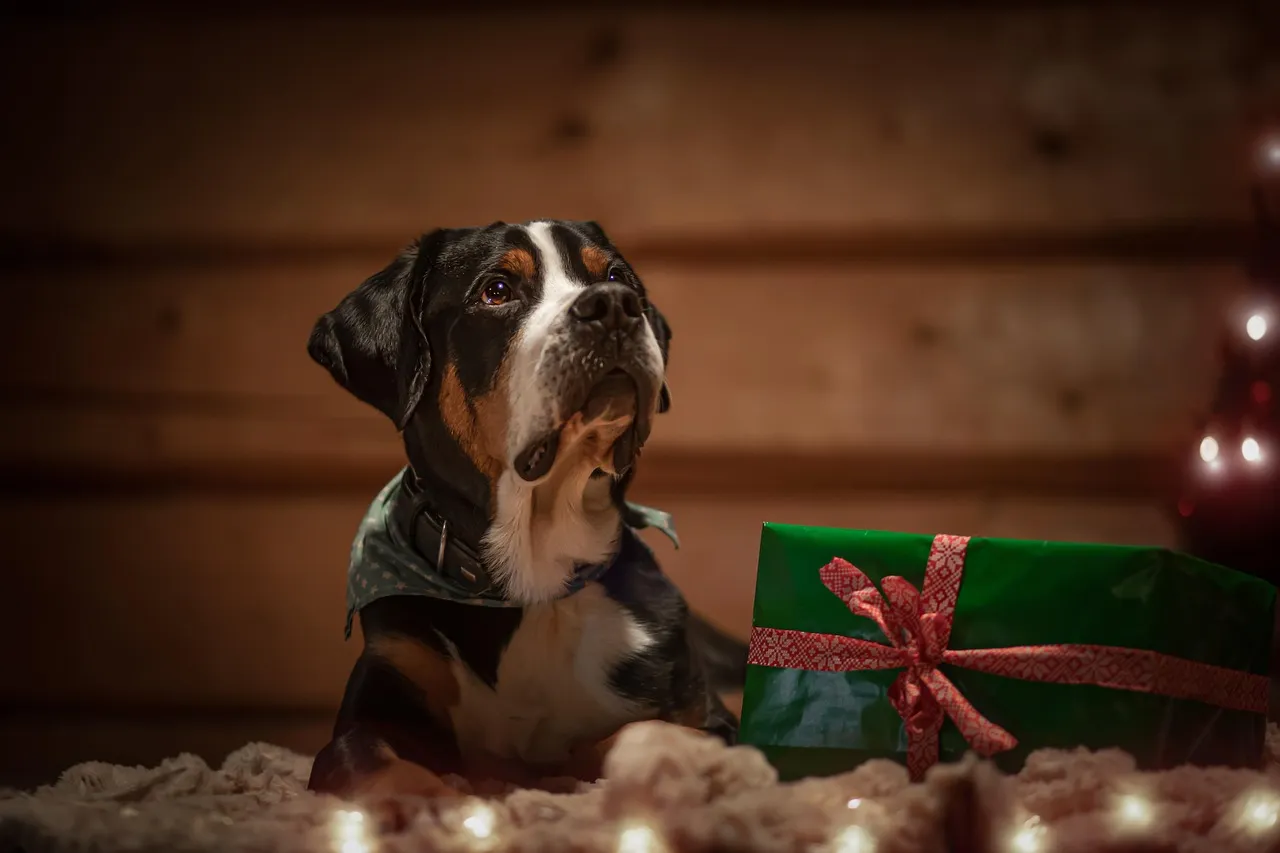
The most profound shift is this: senior dogs don’t plan for retirement, worry about death, or replay regrets. They stop caring about “later” altogether. They care about whether they’re comfortable, safe, and loved right now. That’s it. No bucket lists, no five-year plans – just this moment, this bed, this hand on their fur.
You’ll see joy in tiny routines: a bowl of food, a beam of sunlight, contentment in simply lying near you with nothing “special” happening. Humans project huge narratives onto aging. Dogs don’t. They just feel, and they tell you the truth of their life one day at a time – through appetite, movement, interest, and rest. When we finally listen, we stop clinging to the dog they were and start caring for the dog they are.
Why It Stands Out
- Researchers tracking dog longevity note that the median lifespan in pet dogs is 15.4 years, meaning many dogs spend years living exactly this slower, present-focused chapter.
- Quality-of-life studies on aging dogs found that the domain of vitality demonstrated the lowest scores, while companionship exhibited the highest – proof that presence outlasts energy.
- Even as bodies decline, the bond with familiar people is often the last thing to fade, not the first.
The Bottom Line
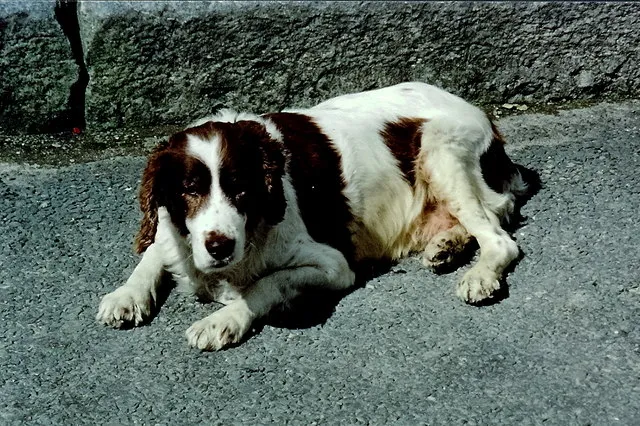
Old dogs are not broken young dogs; they’re different creatures with different needs and completely different priorities. They quietly want more routine, comfort, softness, safety, and honest, unhurried companionship. At the same time, they’ve dropped nearly all interest in status, performance, chaos, and impressing anyone – not other dogs, not your guests, not even you.
What matters most now is dignity: pain managed, choices respected, and relationships treated as sacred, not secondary. Some people will argue we “baby” seniors too much. Others don’t adjust at all. Both miss the point. Aging isn’t an insult; it’s the final, most revealing chapter of who your dog has always been – and it deserves to be read closely, not skimmed.
Which of these shifts have you already seen in your own old dog – and which ones are you still resisting?
