
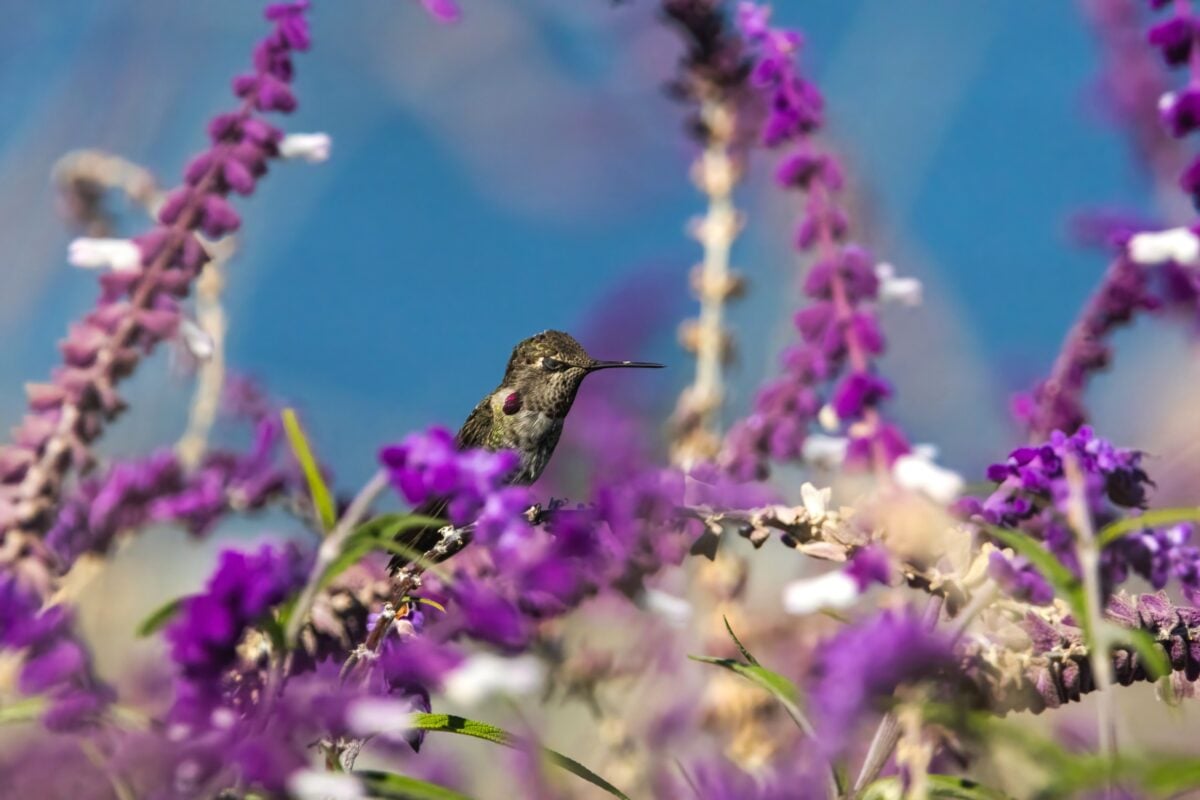
Most people think a hummingbird just wakes up one morning and decides, “today’s the day,” then flies south like it flipped a switch. That’s the comfortable version. The real version is messier, faster, and honestly a little brutal – a seven-day sprint packed with hidden fights, secret flights, and life-or-death math happening a few feet from your porch.
You’ve probably watched this exact week unfold in your own backyard without realizing it. The frantic feeder visits, the sudden empty mornings, the one bird that wouldn’t share – none of it was random. Here’s what’s actually going on in those last seven days, one behavior at a time.
#18 – They Start Eating Like It’s a Competitive Sport
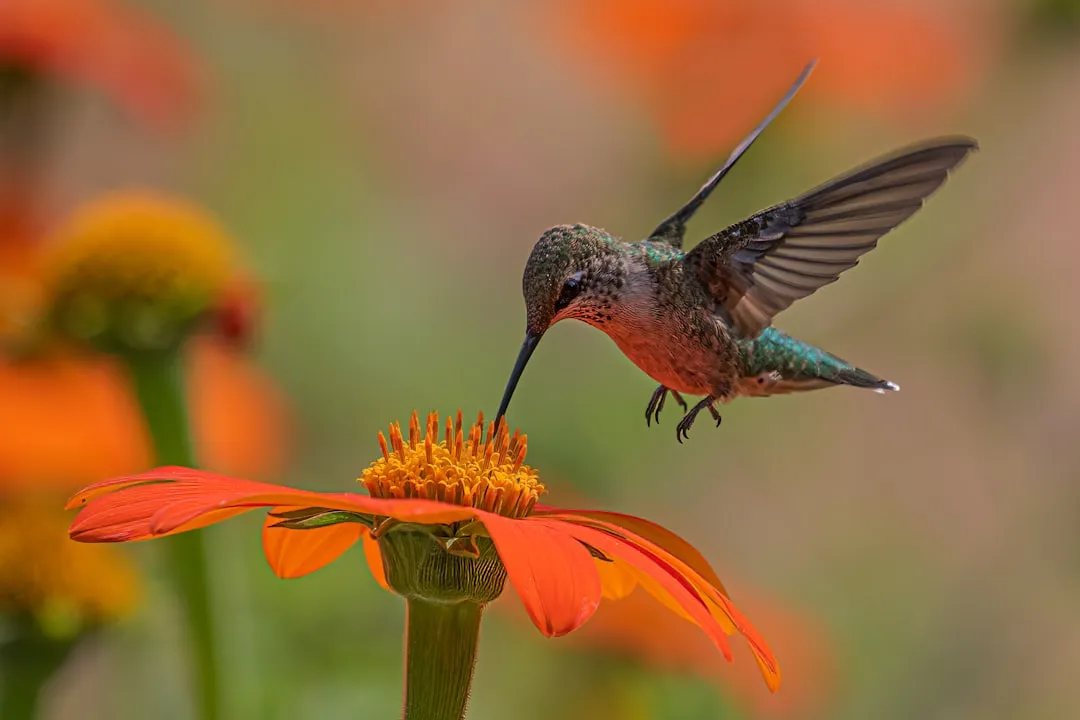
In that last week, hummingbirds don’t just “feed more.” They binge. You’ll see them attack feeders and flowers with an urgency that looks almost frantic, because their tiny bodies are racing to double their fat reserves before a flight that could stretch for hundreds or thousands of miles.
Watch closely and you’ll notice they guard rich food sources with unusual intensity, chasing off every rival because every extra sip means another few miles of survival. A healthy hummer can visit 1,000 to 2,000 flowers a day during peak fueling. If your feeder is suddenly emptying faster than usual, that’s your first quiet sign they’re about to disappear.
#17 – Their Feeder Manners Quietly Turn Into All-Out War
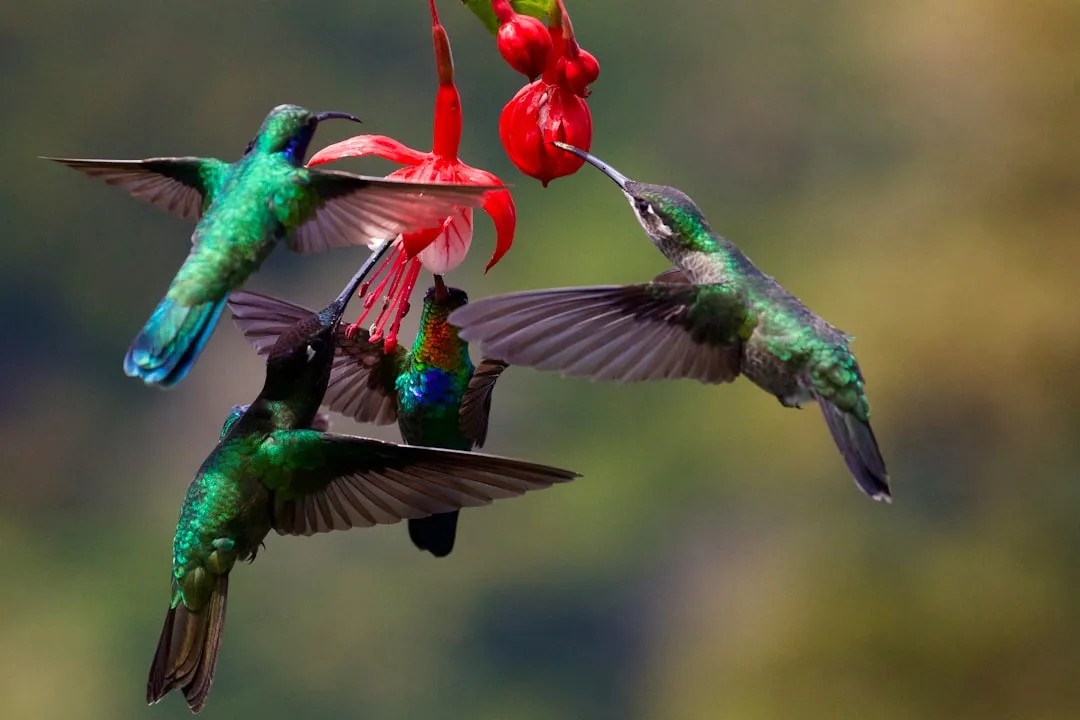
People love calling hummingbird chases “cute,” but in this final week, the chasing turns strategic. You’ll see more mid-air standoffs, more wild sprints through the shrubs, more hovering face-offs directly in front of the feeder. It isn’t play. It’s resource warfare.
The bully at your feeder isn’t just being mean – he’s defending a gas station on a desert highway. Watch the same spot for a few days and you’ll spot one bird returning again and again, rocketing out from his perch like a tiny fighter jet to drive off anyone who gets close. It costs him serious energy, but it usually pays off in bigger fat reserves before he leaves.
Fast Facts
- Wing speed: Ruby-throated hummingbirds beat their wings roughly 50 to 53 times per second in normal flight, and some species push past 80 beats per second in a hard dive.
- Fuel demands: that pace forces them to feed every 10 to 15 minutes throughout daylight hours just to keep up.
- Heart rate: a resting heart rate of 250 to 500 beats per minute can rocket past 1,200 bpm the instant they take flight.
- Extreme dives: during a steep dive, wingbeats can exceed 200 times per second – which is exactly the kind of engine that makes feeder fights so fierce.
#16 – They Quietly Switch From Sugar Highs to Fat Storage Mode
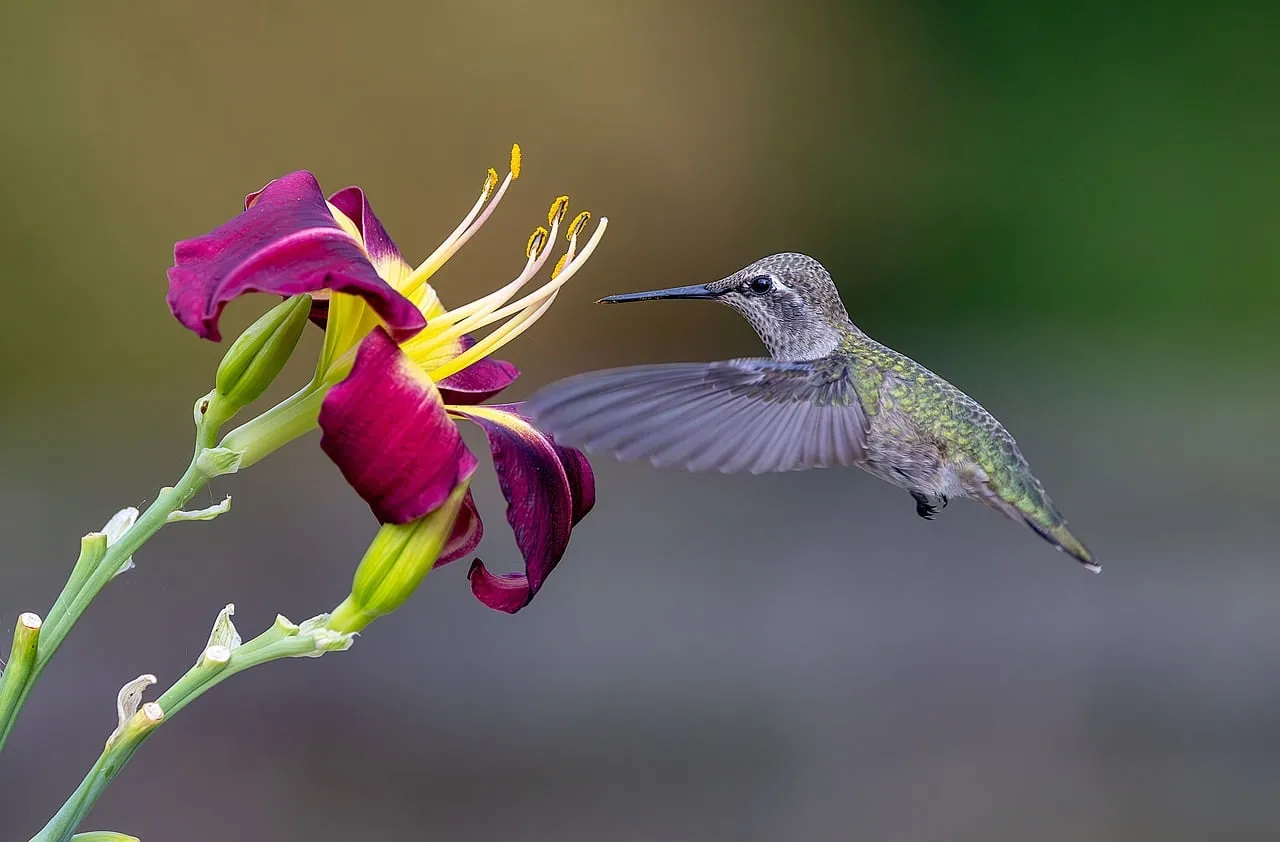
Here’s the part almost nobody talks about: how their bodies use that nectar changes completely in the final week. Early in the season, hummingbirds burn sugar almost as fast as they drink it. As migration nears, their bodies flip into fat-hoarding machines, with hormones quietly converting that nectar flood into fat around the belly and sides.
To your eye, they might just look a touch “chunkier” – still impossibly tiny, but visibly rounder. Some hummingbirds nearly double their body weight before a long flight, essentially turning themselves into living fuel tanks. That’s also why leaving feeders up during migration doesn’t confuse them, whatever old backyard wisdom says – it’s giving them a better shot at surviving the trip.
#15 – Their Daily Schedule Quietly Shifts Into High-Risk Hours
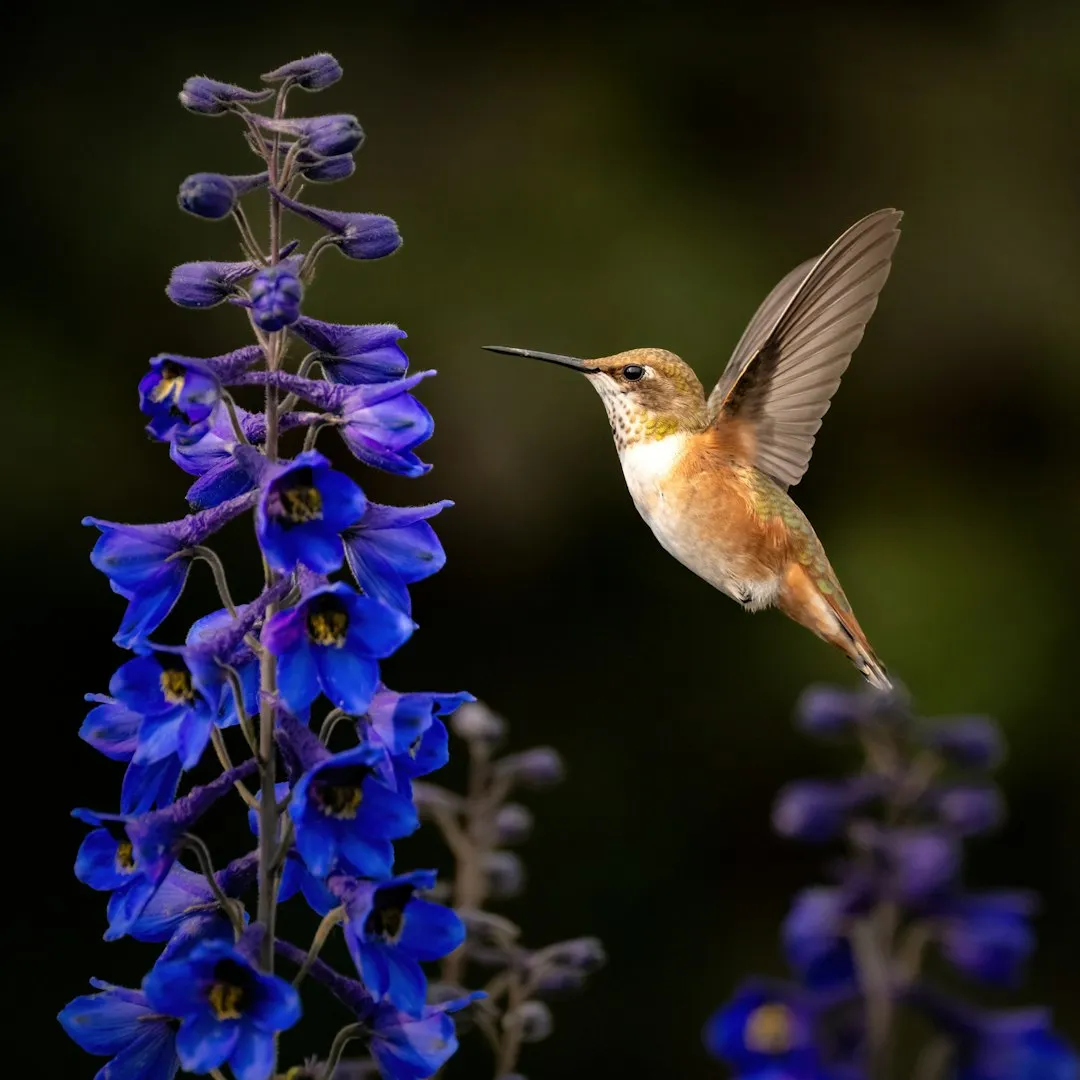
Most people assume hummingbirds keep the same dawn-to-dusk rhythm all season. But in this last week, the schedule stretches. You may catch them feeding in the gray light before sunrise and again in the fading light of evening, squeezing every usable minute out of the day.
That’s a real gamble, because predators like outdoor cats and ambush hunters love low light. Hummingbirds push into that danger zone anyway, because they simply can’t reach their destination on “normal” feeding hours alone. If you’ve ever thought, “huh, they’re out late tonight,” that may have been your last real look before they were gone.
#14 – They Start Practicing the Long Haul With Quiet Test Flights
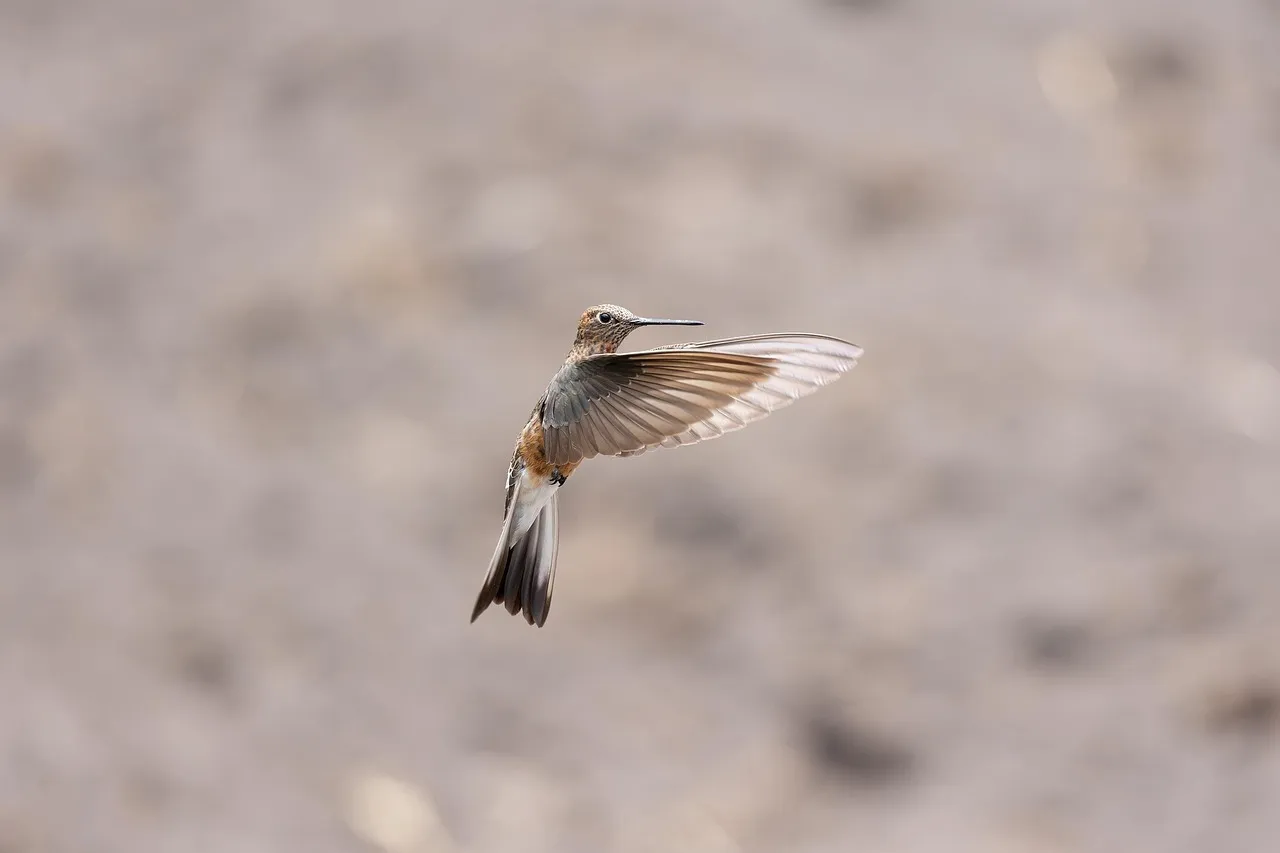
It sounds strange, but many hummingbirds basically rehearse migration. In this final week, you might notice individuals making longer, more direct flights across the yard instead of their usual short zigzags between nearby flowers. These aren’t random detours – they’re training runs.
A single Ruby-throated Hummingbird can cross the Gulf of Mexico in one non-stop flight – over 500 miles of open water – which means it can’t just be fast, it has to be ruthlessly efficient. Those longer practice arcs fine-tune endurance and navigation. You’ll never see a written training plan, but it’s unfolding silently right above your lawn chairs.
#13 – Their Favorite Perch Suddenly Becomes a Command Center
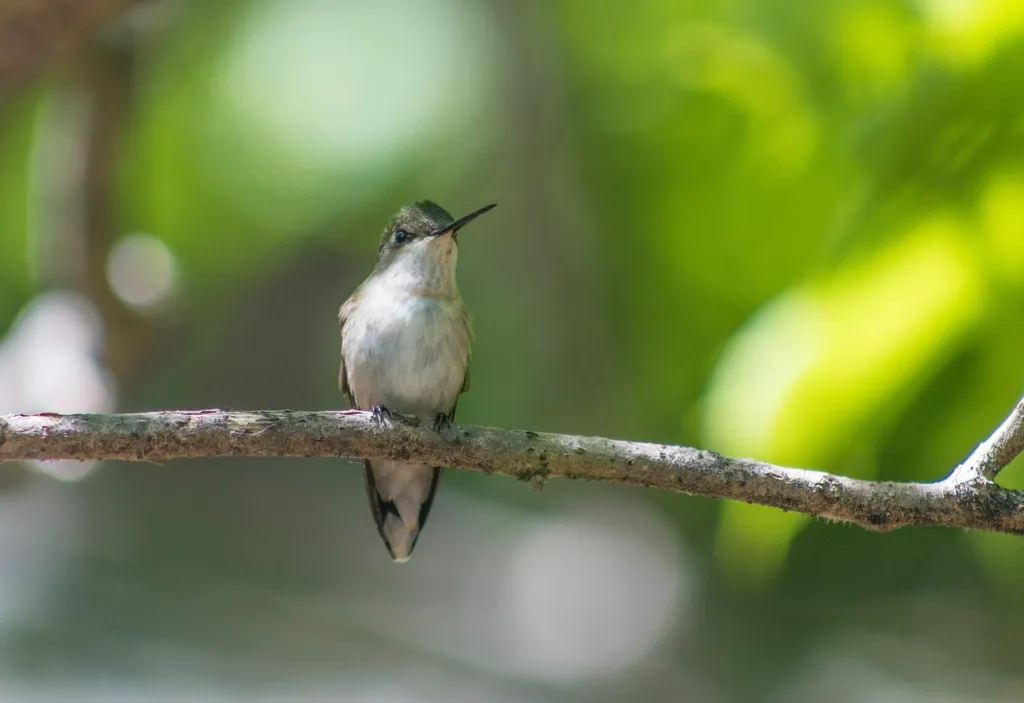
To most people, that twig near the feeder is just where the bird “likes to sit.” In the last week, it becomes something closer to a lookout tower. You’ll see the same bird return to the exact same spot between feedings, scanning the territory and any newcomers instead of actually resting.
From that single perch, a hummingbird can monitor the feeder, nearby blooms, and potential threats, then launch at full speed in an instant. Some will even trade a sheltered perch for a higher, more exposed one, accepting more wind for a better view. If you start noticing “that one bird on the top branch” right before everyone vanishes, you’re watching the tactical side of hummingbird life most people sleep through.
#12 – They Quietly Force Out the Competition
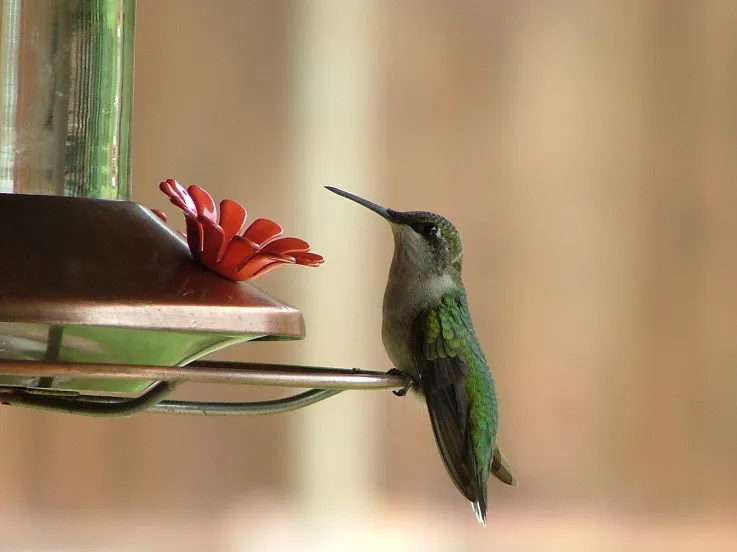
Here’s the uncomfortable part: in the final week, some hummingbirds don’t just tolerate crowding – they actively push others out. That aggression at the feeder isn’t only about hoarding food; it can literally shove weaker birds toward different routes or stopovers earlier than they’d planned.
The bird that “disappears early” from your yard may have been bullied out well before migration truly begins. On the flip side, a sudden rush of unfamiliar hummingbirds in that same week can mean your yard just became a temporary rest stop instead of one bird’s private territory – a chaotic, last-minute scramble for one final refuel.
#11 – They Start Mapping Invisible Nectar Routes You Never See
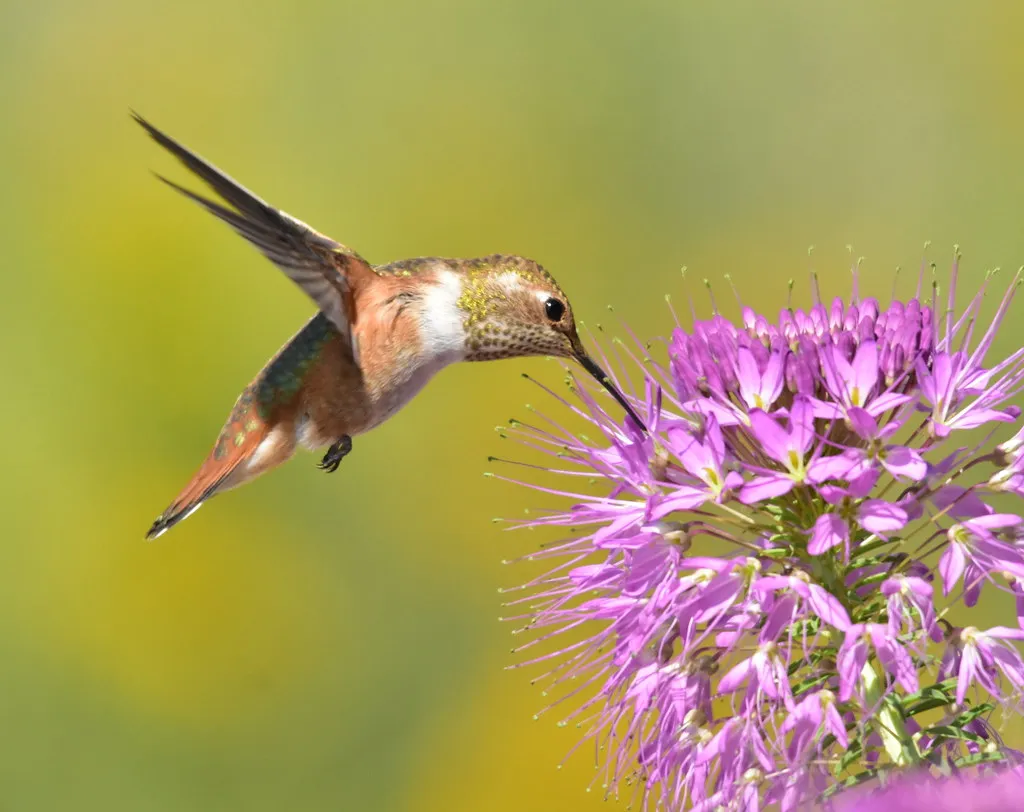
Most people think of hummingbirds as “their” birds once one finds the feeder, but that’s a very human-centered idea. In the days before they leave, hummingbirds often expand their foraging radius, quietly adding new yards, wildflower patches, and tree lines to a mental map you’ll never see.
Your regulars may vanish for hours, then blast back in like they never left, having just looped through a creek’s wildflowers or a neighbor’s garden. They can remember hundreds of flower locations and roughly when each one refills with nectar. That final week is about perfecting a route that burns the least fuel for the most calories – a fuel-saving flight path planned by a pilot that weighs less than a nickel.
#10 – Their Nights Get Colder, on Purpose
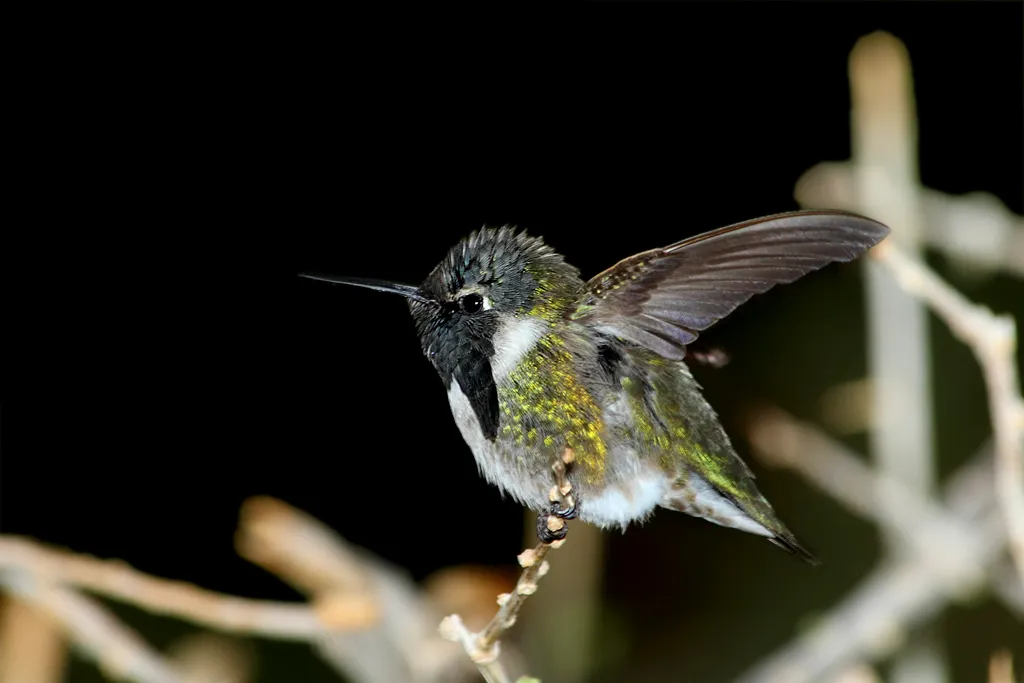
It sounds grim, but one of the wildest things hummingbirds do in that final week is lean harder into torpor, an energy-saving state close to mini-hibernation. Their body temperature drops, their heart rate and breathing slow dramatically, and they can look almost lifeless on a branch.
For them, this isn’t a crisis, it’s strategy. A hummingbird in torpor can cut its energy use by up to 90% compared to normal rest, saving scarce fuel for the long haul ahead. Backyard observers who stumble on a torpid bird often panic, assuming it’s dying, when they’ve actually caught one of the most advanced energy hacks in the animal world in action.
At a Glance
- A Costa’s hummingbird’s heart beats between 500 and 900 times each minute when at rest.
- In torpor, that same heart rate can plunge to roughly 50 beats per minute.
- Overall metabolism can slow by as much as 95% during a deep torpid state.
- Broad-tailed hummingbirds may hold their body temperature near 54 degrees Fahrenheit overnight just to stretch their fuel further.
#9 – They Quietly Read the Weather While We’re Asleep
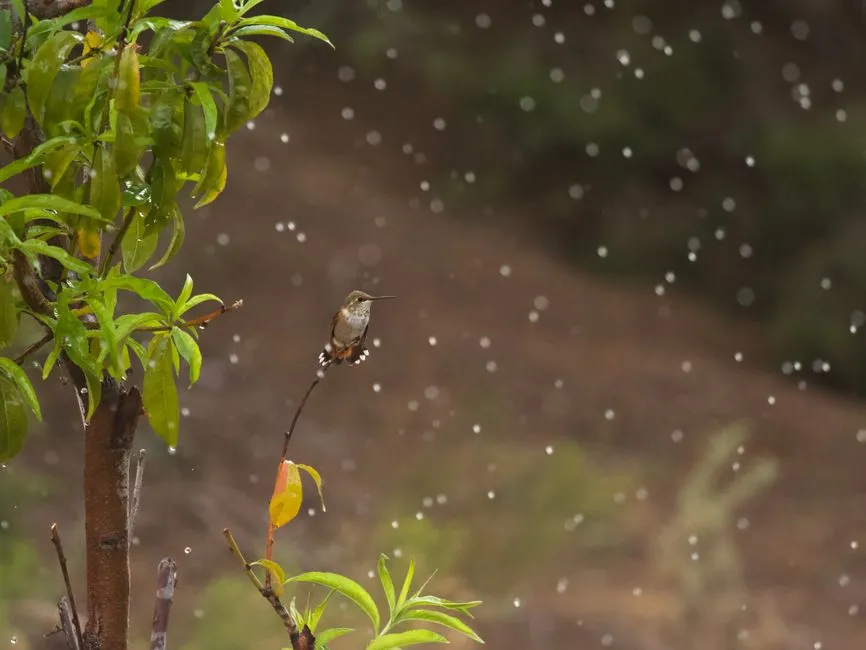
You won’t catch this on a casual glance out the window, but the week before they vanish, hummingbirds become obsessive weather strategists. They’re picking up on air pressure changes, wind direction, and humidity shifts with a sensitivity we still don’t fully understand.
While you’re checking a weather app, they’re feeling the migration window tighten or open in their bones – often delaying or advancing departure by a day or two to catch a tailwind or dodge a storm. Leaving on the wrong day can mean burning through all stored fat over open water. That’s why you might see heavy feeder traffic for days, then nothing, almost overnight, as an entire invisible wave takes off in the dark once the conditions finally line up.
#8 – Their Colors Seem to Fade as Breeding Season Ends
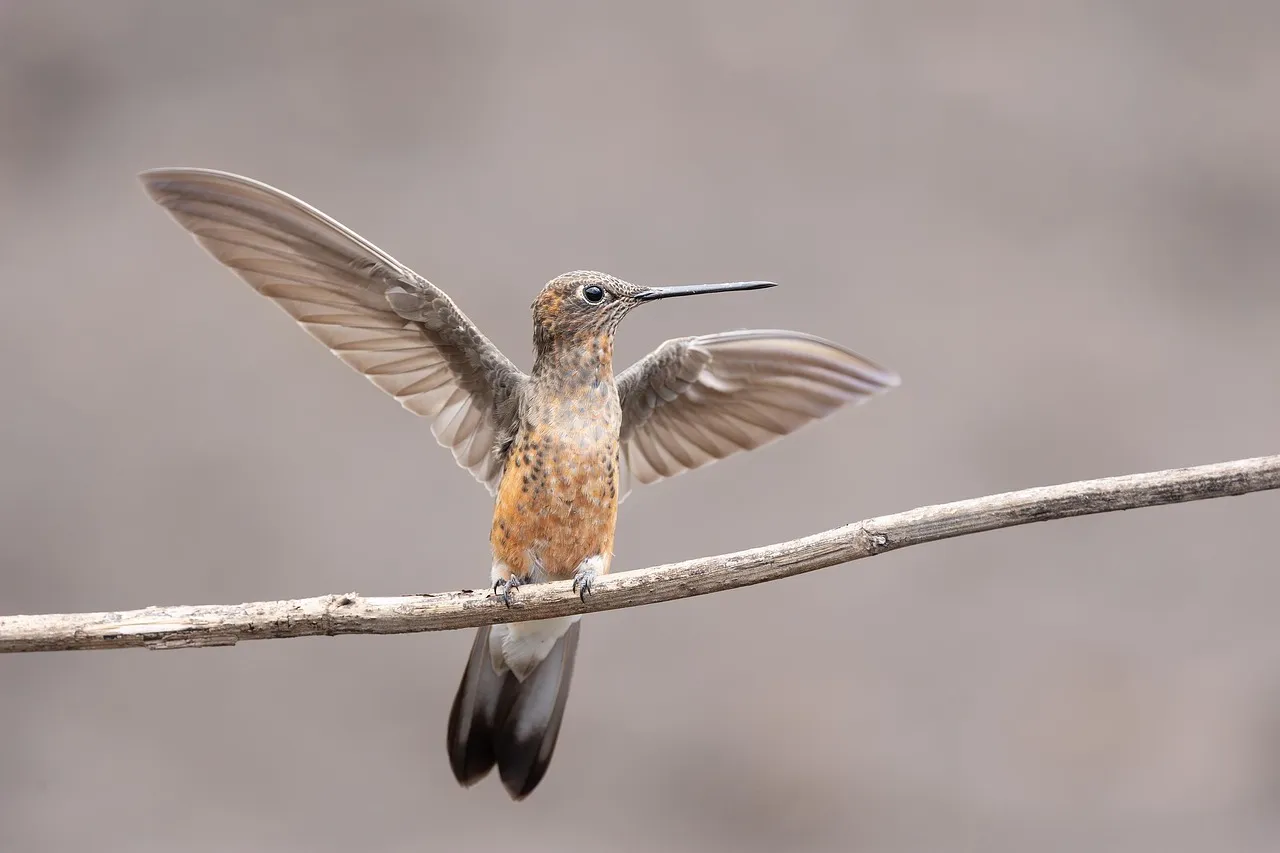
Some backyard birders swear their hummingbirds “lose color” before migrating, while others insist it’s just the light playing tricks. The truth is a bit of both. As the breeding season wraps up, males look slightly more worn – feathers frayed, gorget patches not catching the light quite as cleanly.
That shimmering throat isn’t pigment at all – it’s structural color that depends entirely on the angle of light hitting it. Combine natural feather wear with the lower sun angles of early fall, and yes, your last-week hummingbird may genuinely look duller. What you’re really watching is a bird shifting out of “impress a mate” mode and into “don’t die on the way south” mode.
#7 – Juveniles Are Quietly Cramming for a Test They’ve Never Taken
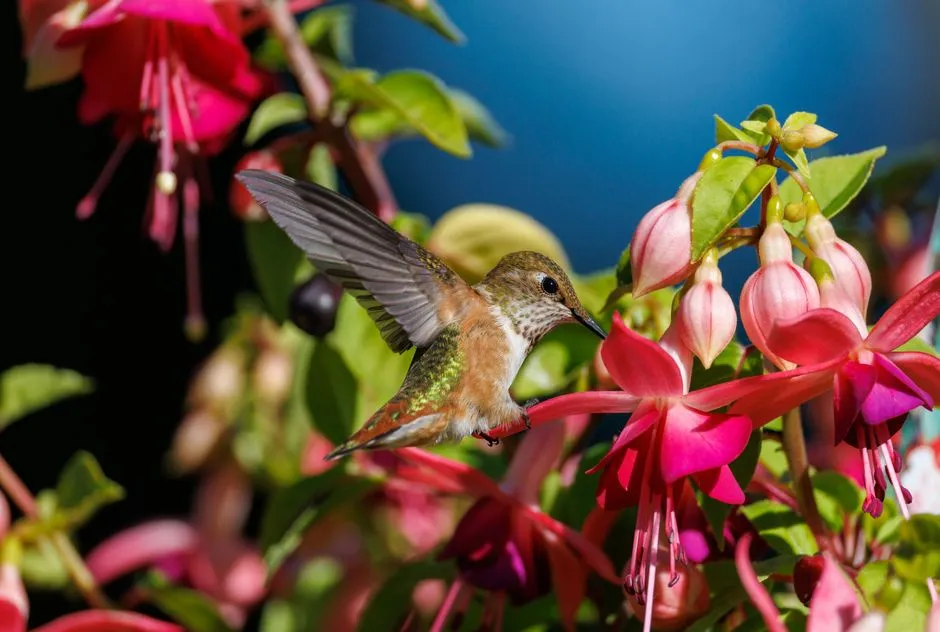
The most heartbreaking part of that final week is this: many of the hummingbirds in your yard are youngsters who have never migrated before. No instructor, no test run with a parent, no map. Just instinct and whatever calories they can pack in during a few frantic days.
You can sometimes spot them by duller plumage or a less confident flight path, and they’re often bullied off a feeder by leaner, meaner adults. Yet those same inexperienced birds are expected to cross mountains, cities, and open ocean in total darkness within days. If you spot “new” birds appearing right before everyone disappears, you’re probably watching kids trying to memorize the rules of survival on a hard deadline.
Quick Compare
- Adult hummingbirds: already know the route, the stopovers, and roughly how many calories they’ll need, because they’ve flown it before.
- Juvenile hummingbirds: attempt the exact same journey for the first time, guided only by instinct, with zero practice runs.
- Adults: tend to out-muscle young birds at the feeder, claiming the richest nectar first.
- Juveniles: often get pushed to weaker food sources, yet still manage a nonstop flight that can stretch beyond 500 miles.
#6 – They Start Snubbing Flowers They Loved All Summer
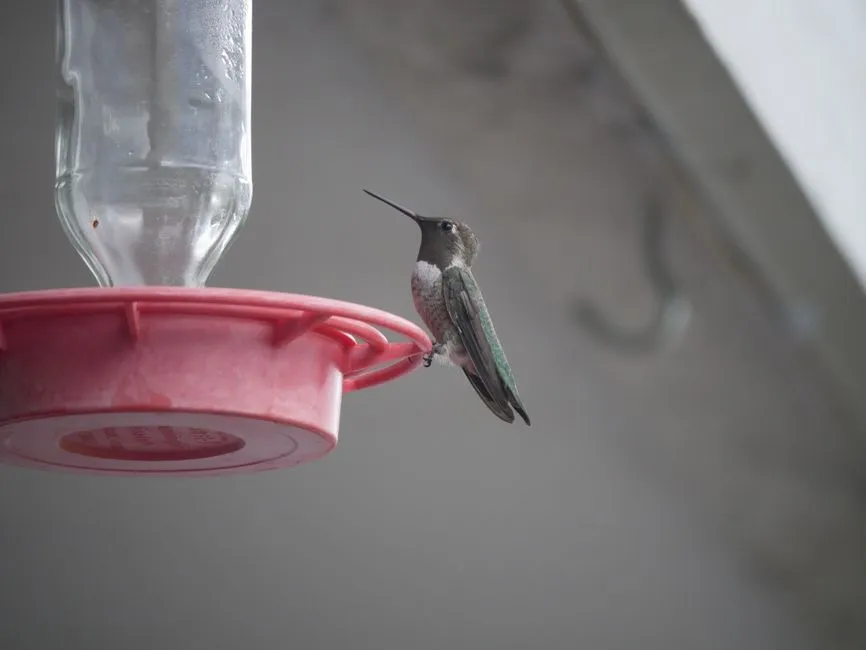
Here’s a strange one people rarely notice: in that last week, hummingbirds get choosy – fast. Flowers or feeders they visited casually for months suddenly get skipped in favor of a few ultra-rich options, because every wasted detour burns fuel they might desperately need later.
This is where sloppy feeder maintenance quietly costs birds. A slightly moldy, half-fermented batch of nectar that got tolerated in June gets flat-out rejected in September. If your feeder suddenly goes quiet while a neighbor’s stays busy, the birds already passed judgment: not worth the risk anymore. That last-week cleaning you skip isn’t cosmetic – it can decide whether your yard stays on their emergency fueling map.
#5 – They Fly Like Tiny Radar Dishes Once the Sun Goes Down
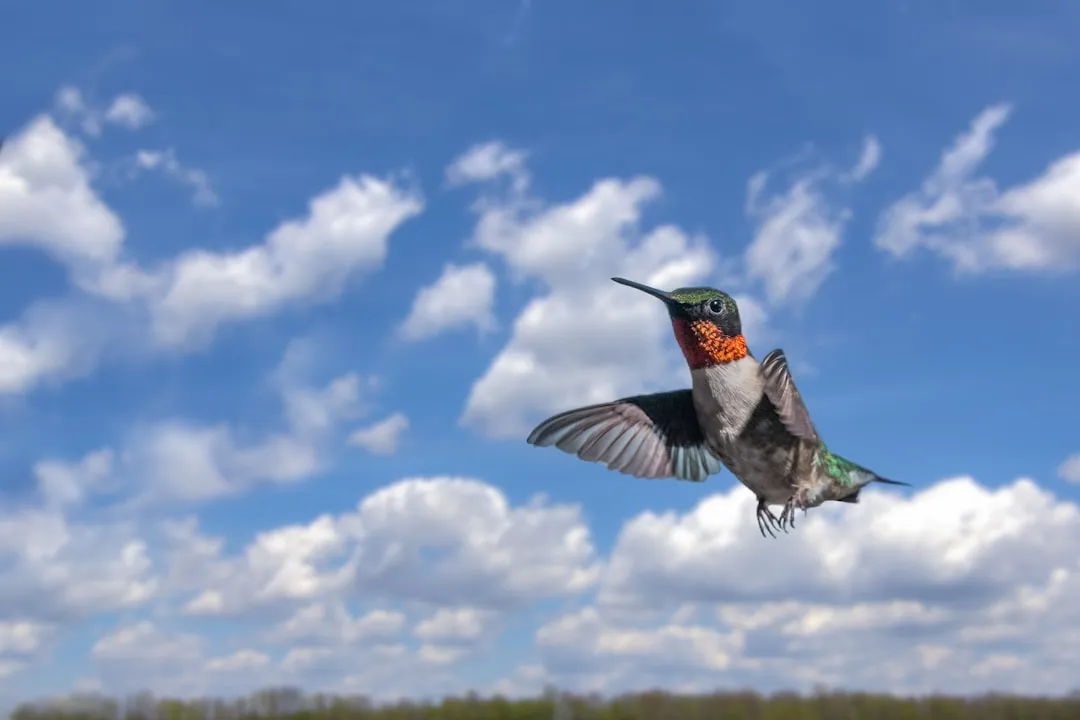
Most people only picture hummingbirds in daylight, but the week before they vanish, the night sky matters more than you’d guess. They aren’t feeding after dark like bats, but they do orient their migration using starlight, moon position, and polarized light at dusk and dawn.
We rarely watch them in the dark the way we do at feeders, so we massively underestimate how much nighttime matters. Radar studies and banding data confirm huge pulses of hummingbirds move under cover of night, guided by celestial and geomagnetic cues. That last week of seemingly “normal” days at your feeder is often hiding a series of nighttime trial runs of their internal compass, so by the time you notice an empty yard in the morning, they may already be hundreds of miles away.
#4 – They’re Quietly Following a Clock You Can’t See
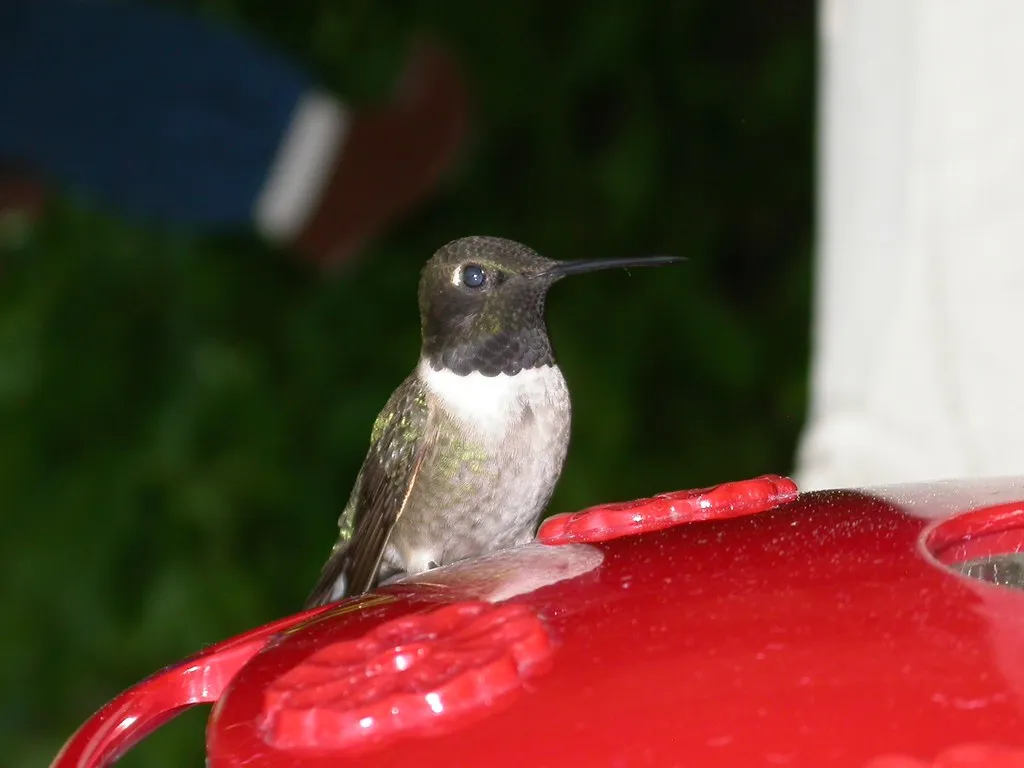
You might assume hummingbirds leave once “it gets cold,” but that’s often the wrong signal entirely. The real trigger is photoperiod – the length of daylight. In their final week, they’re responding to a clock written into their DNA, not to your local weather forecast.
Shorter days flip internal switches in hormones like melatonin and corticosterone, changing appetite, fat storage, and restlessness almost overnight. That’s why some birds vanish from perfectly warm yards earlier than people expect – they’re not reading your thermometer, they’re following a schedule tuned to their species’ long-term survival, not this year’s unusually mild fall. If they suddenly seem more restless, darting more and pausing less, that ancient timer just hit the red zone.
#3 – Some Don’t Vanish at All. They Quietly Choose Your Yard Instead
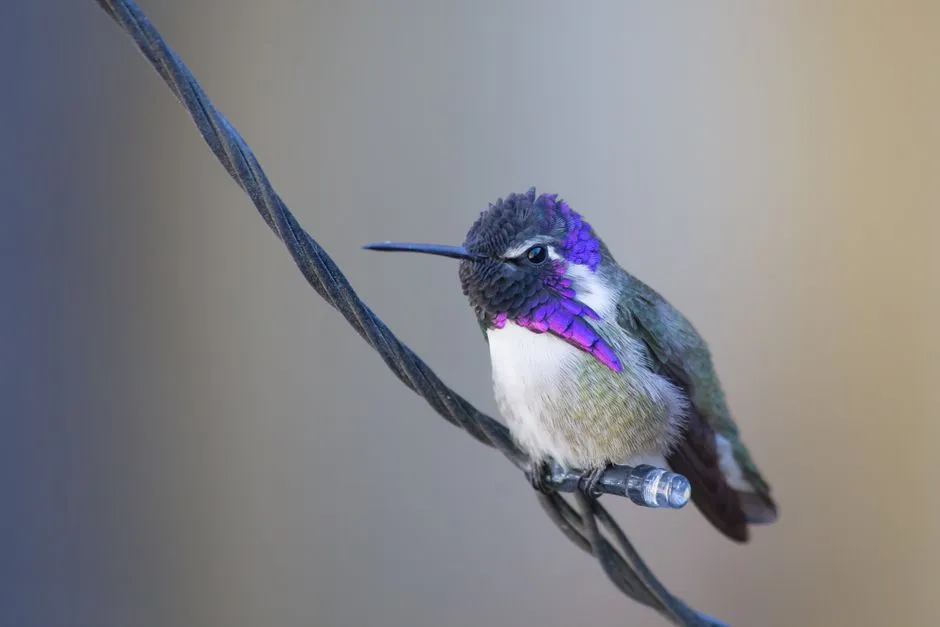
Here’s the twist that upends a lot of casual backyard “rules”: not every hummingbird in that last week is actually leaving. Some are scouting overwintering refuges, especially in milder regions and urban heat islands where feeders stay reliable year-round.
A small but real number of hummingbirds now overwinter much farther north than field guides used to admit, thanks partly to consistent backyard feeding and shifting winter climates. In that final week, one bird may linger longer than the rest, quietly testing whether your yard offers enough food and shelter to risk staying through the cold months. If one keeps showing up after everyone else is gone, you may have just been chosen as its emergency winter gas station.
Worth Knowing
- Overwintering hummingbirds show up most often in mild coastal regions, especially along the Gulf Coast and parts of the Pacific Northwest, where winters rarely freeze solid.
- A feeder that stays full and clean through late fall can be the deciding factor in whether a bird risks staying instead of migrating.
- Urban and suburban yards often run a few degrees warmer than surrounding wild areas, making them unexpectedly attractive winter shelters.
- A hummingbird lingering into November or December usually isn’t lost – it’s making a calculated bet that your yard beats a risky flight south.
#2 – The Vanishing Act Feels Personal, But It Isn’t
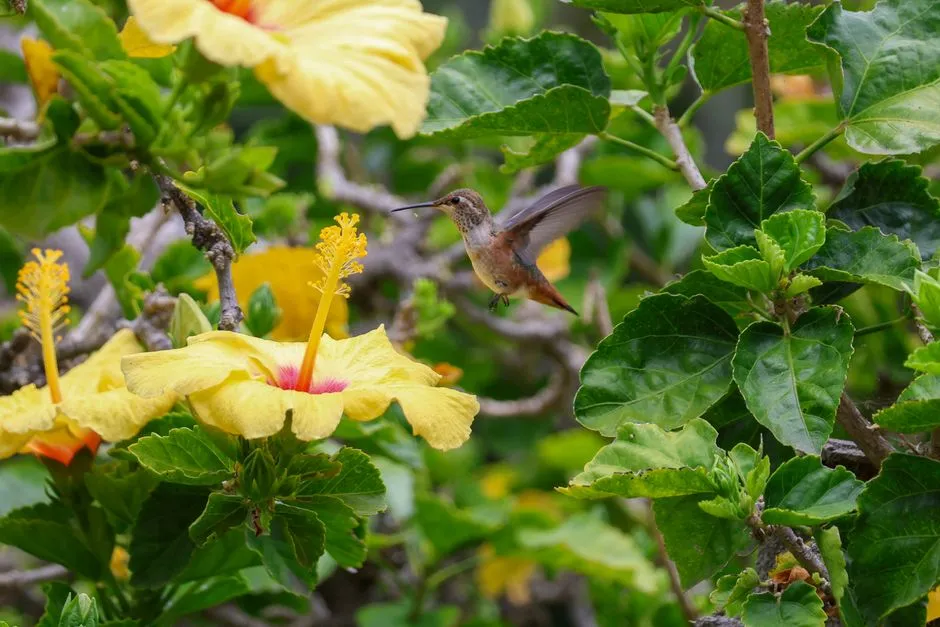
Ask any hummingbird lover and they’ll tell you: that first silent morning feels like a breakup. One day your yard is a war zone of wings, and a few days later, nothing. It’s easy to wonder if you did something wrong, or scared them off.
In reality, that clean disappearance is the tail end of a carefully staged exit that took a week or longer to build. All the binge feeding, torpor, weather-watching, and test flights already did their job by the time you feel that emptiness. Most hummingbirds don’t ghost you on impulse – they leave in precisely timed waves, and the sting you feel comes from a farewell that was quiet enough for almost everyone to sleep through.
#1 – Before They Vanish, They Leave a Fingerprint on Your Yard
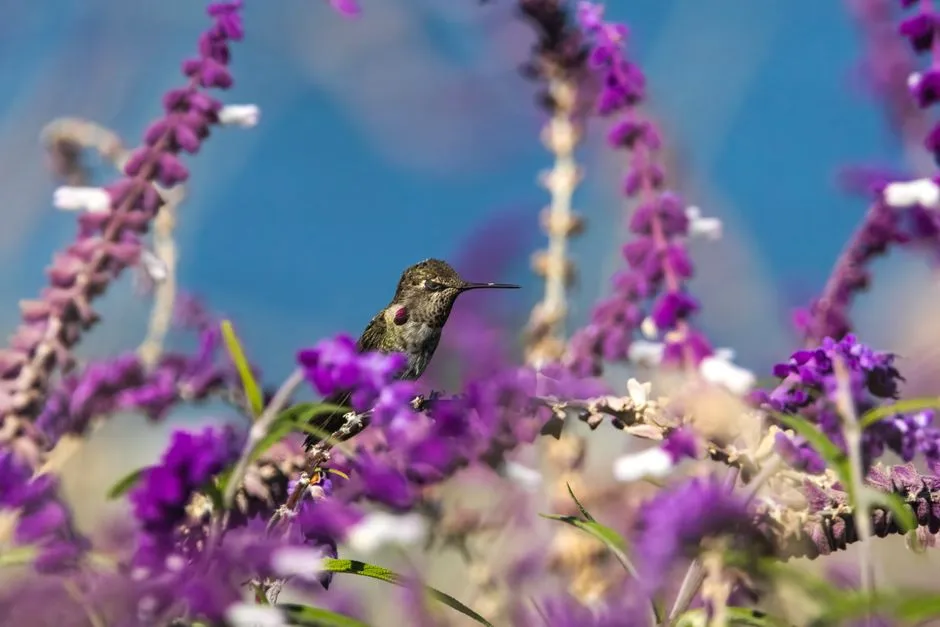
Here’s the part almost nobody talks about: hummingbirds don’t just come and go, they reshape your local ecosystem on the way out. Every frantic visit to a flower, every detour to a late-blooming vine, every dart into native plants moves pollen around in ways that decide what will bloom in your yard next year.
Their last-minute fueling binge is also your garden’s genetic shuffle, quietly influencing insect numbers, seed set, and which plants make it through a tough season. Casual observers only notice the empty feeder once the birds are gone, but the real legacy of that final week is written into next spring’s flowers. Keep late nectar sources up and your feeders clean, and you’re not just being kind – you’re helping them leave a stronger mark before they disappear. That quiet impact is, in a strange way, the opposite of vanishing.
The Bottom Line
The week before hummingbirds vanish is not a gentle fade-out. It’s a high-pressure, high-intelligence sprint that most of us sleep straight through. They binge and brawl at feeders, flip metabolic switches, gamble with predators at dawn and dusk, and sync themselves to invisible clocks and weather windows – all while still looking like the same tiny jewels you took for granted back in July.
By the time you notice the silence, they’ve already pulled off a brutal, precisely timed heist of calories and information, and honestly, we’ve been underselling them for years. Calling them “magical visitors” undersells what they really are: ruthless, brilliant survivors playing a game with zero margin for error, every single autumn, right outside your window.
Did we describe exactly what you’ve seen in your own yard, or did your hummingbirds pull something we didn’t cover here? Tell us what that last week looked like at your place.
