
Everyone tells new dog owners the same comforting lie: “a dog is a dog, it’ll adapt.” That’s exactly how loving, well-meaning families end up with a dog labeled “difficult” or “neurotic” within the first year, when the real problem was never the dog at all.
Some breeds actually get calmer the louder your house gets. Others fall apart under the exact same noise, no matter how much love you throw at them. We dug into what trainers, vets, and long-time owners actually see play out in real homes, and the split is a lot sharper than you’d expect.
#1 – Labrador Retriever: The Gold Standard for Chaos

Labradors are basically built for busy families, and it’s not just marketing. They’re bred to be biddable, tolerant, and people-obsessed, which makes them unusually forgiving of kids’ rough edges and unpredictable schedules.
A Lab can go from a chaotic school-run car ride to a backyard fetch marathon, then collapse on the living room floor like it was the best day of its life. The catch most people ignore: Labs are high-energy athletes for their first three to five years. Without real daily exercise and clear rules, that easygoing nature curdles into destructive, mouthy chaos. Get it right, though, and few breeds combine stability, fun, and kid-friendliness like a well-bred Lab.
#2 – Golden Retriever: America’s Sweetheart With a Clingy Secret

Goldens carry the same “family mascot” reputation as Labs, just with a softer edge. Their default setting is “wants to please you,” which makes training far more forgiving for overwhelmed parents who don’t have time for complicated behavior plans.
Here’s the part Instagram leaves out: Goldens are clingy, and many struggle hard with long stretches of alone time. In dual-income homes where the dog sits crated for nine or ten hours, separation anxiety shows up fast. If your “busy” means lots of people constantly in and out of the house, a Golden thrives. If it means an empty house all day, this isn’t your breed.
#3 – Mixed-Breed Rescue Dogs: The Secret Weapon Nobody Brags About

Most people don’t realize mixed-breed dogs from reputable rescues can be the most adaptable, low-maintenance family dogs out there. Good rescues foster dogs first, which means you get real-world data before you commit: Are they good with kids? Can they handle noise? How do they cope when left alone?
That information beats any breed stereotype when you’re juggling work, school, and sports. Health is another quiet win, since well-chosen mixes often dodge some of the inherited problems that plague trendy purebreds. The families who quietly “win” at dog ownership tend to skip designer labels entirely and let temperament do the talking.
#4 – Beagle: Louder Than Your Kids, Happier For It

Beagles surprise people. Yes, they’re loud when they want something, but as far as family life goes, they’re robust, kid-tolerant, and usually unfazed by noise and commotion. Bred to work in packs, they generally love being part of a “crew,” which translates beautifully into sibling chaos and neighborhood kids running in and out.
- Their nose can completely override their recall.
- They can be stubborn about training.
Beagles thrive with fenced yards and families who don’t mind a bit of mischief. If you want a dog who shrugs off slammed doors, loud cartoons, and snacks on the floor, a Beagle rolls with it. Expect off-leash obedience near traffic, though, and you’re in for a rude awakening.
#5 – Cavalier King Charles Spaniel: Gentle Heart, Fragile Body

Cavaliers are like a “gentle mode” family dog. They’re small, sweet, and famously affectionate without the intense drive of a working breed, which is a lifesaver in apartments or smaller homes. Many happily play with the kids on the floor, then curl up for movie night without missing a beat.
But here’s the harsh truth: Cavaliers are one of the breeds most plagued by serious hereditary heart and neurological issues. That makes breeder choice absolutely non-negotiable, because in a family with kids, vet bills and early loss can hit especially hard. Done right, though, they’re exceptional companions for a gentle, busy household.
#6 – Standard Poodle: The Brainiac Everyone Underestimates
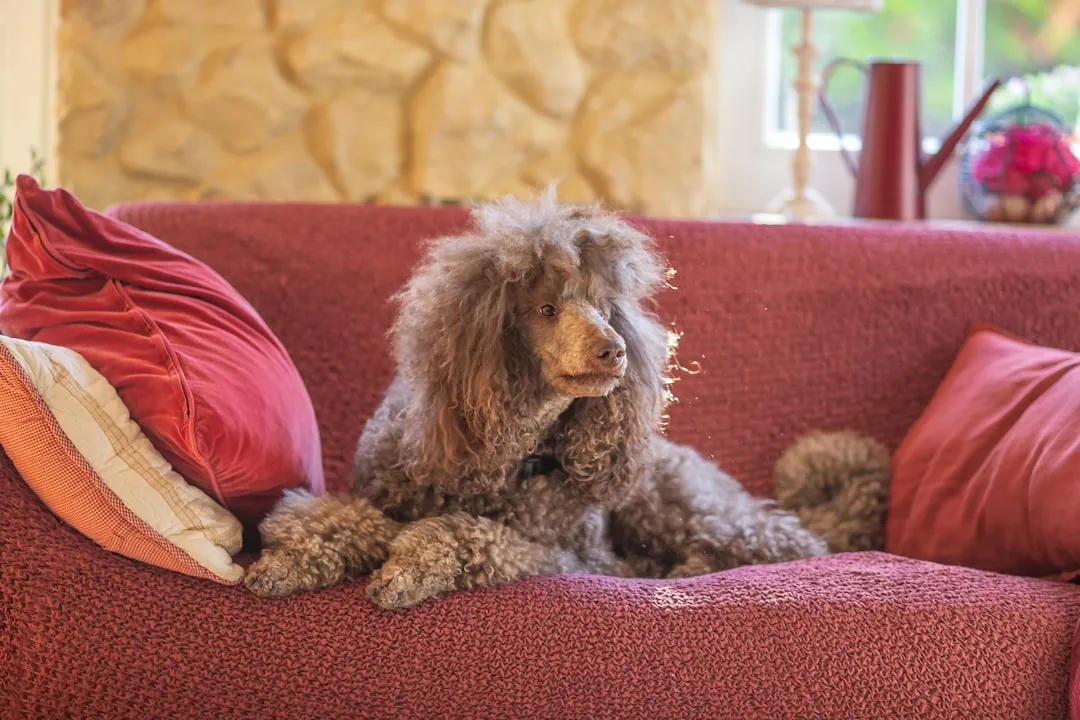
Forget the frou-frou stereotype. Standard Poodles are highly intelligent, athletic, and shockingly versatile family dogs. They tend to be non-shedding, and for active families dealing with allergies, a well-bred Standard often makes far more sense than the doodle mixes everyone’s chasing.
Here’s where they shine: many Standards handle training, new environments, and constant schedule changes better than most breeds, adapting with grace to sports fields, cafés, and vacations. The downside is that smart dogs get bored, and a Poodle ignored in the corner of a bustling home will invent its own jobs, usually destructive ones.
Fast Facts
- Height: Over 15 inches at the shoulder, often 22–27 inches tall
- Coat: Low-shedding, but needs consistent professional grooming
- Temperament: Highly trainable and eager to have a “job”
- Best fit: Active families who can offer both exercise and mental work
#7 – Boxer: The Goofy Bodyguard Who Never Grows Up

Boxers are the chaotic good of the dog world. They’re goofy, clownish, and famously patient with “their” kids, tolerating hugs, costumes, and general nonsense with impressive grace. Few breeds look as serious and act as silly.
The flip side: Boxers are slow to mature mentally and can be absolute lunatics without exercise and structure, essentially a three-year-old trapped in a sixty-pound body. They’re also prone to some serious health issues, including certain cancers. In families that understand they’ve brought home an athlete-clown who needs outlets, Boxers are outstanding. In sedentary homes, they bounce off the walls.
#8 – Boston Terrier: Big Personality, Small Apartment

If you want a compact dog built for modern, urban family life, the Boston Terrier is wildly underrated. They’re generally cheerful, people-focused, and more robust than many tiny toy breeds, which makes them a smarter pick for homes with kids still learning “gentle hands.”
They do come with trade-offs. As a brachycephalic, short-nosed breed, heat and heavy exercise can be genuinely risky, and snoring is almost guaranteed. Some also have a stubborn streak that turns training into a comedy show. Still, their size, personality, and adaptability make them a smart pick for busy, mostly indoor families who want a fun, engaged dog.
#9 – Ethically Bred Doodles: The Controversial Pick That Can Actually Work

Controversial take: while the doodle craze is out of control, carefully bred doodles from health-tested parents can be excellent busy-family dogs. The poodle side often adds brains and lower shedding; the retriever side brings friendliness and stability, which is a strong combo for allergy-prone families with packed schedules.
- High energy and very smart, not “easy starter dogs”
- Prone to expensive coat upkeep every six to eight weeks
In a family that loves training, walking, and involving the dog in daily life, doodles often excel at flexibility. In a home that just wants a cute couch accessory, they end up anxious and destructive. They can thrive, but only when chosen and raised with eyes wide open.
#10 – Staffordshire Bull Terrier: The Original “Nanny Dog”

In countries where they’re common, Staffies are often called “nanny dogs” for a reason. Properly bred Staffords are deeply people-oriented, surprisingly gentle with children, and sturdy enough for kid chaos while staying small enough for most homes.
The controversy is real: in some regions, similar-looking breeds have a bad reputation from irresponsible owners and poor breeding, and that stigma can affect housing and insurance. Staffies also do poorly when left alone for long hours, since they’re emotional, attachment-driven dogs. In busy families who are actually present a lot, they’re absolute gems. In empty-house-all-day setups, they struggle.
#11 – English Cocker Spaniel: The Golden Retriever You’ve Never Heard Of

Not to be confused with the American Cocker, the English Cocker Spaniel is a sweet spot between active and cuddly. They enjoy walks, games, and training, but most are also happy to chill with their people after a good outing.
English Cockers generally cope well with varied schedules and household noise as long as they’re not ignored emotionally. They bond strongly and can be a little sensitive, but not fragile. Grooming and ear care are ongoing commitments, so breeder choice matters, but for many families who want “a Golden, but smaller,” this is the underrated answer.
#12 – Whippet: The Couch Potato With a Hidden Sprint

Quiet, gentle, and surprisingly low-maintenance, Whippets are one of the best-kept secrets for busy but calm households. Indoors, many are true couch potatoes, happy to snooze while life happens around them, and a good sprint or two a day leaves them fully satisfied.
They’re not ideal for every kind of “busy,” though. Whippets are sensitive souls who do best when chaos means schedules and activities rather than constant screaming and roughhousing, and many aren’t thrilled with grabby toddlers. For older kids and structured households, Whippets fit shockingly well. If your home feels like a bouncy castle around the clock, maybe not.
#13 – Australian Shepherd: Brilliant, Beautiful, and Only for the Right Kind of Busy
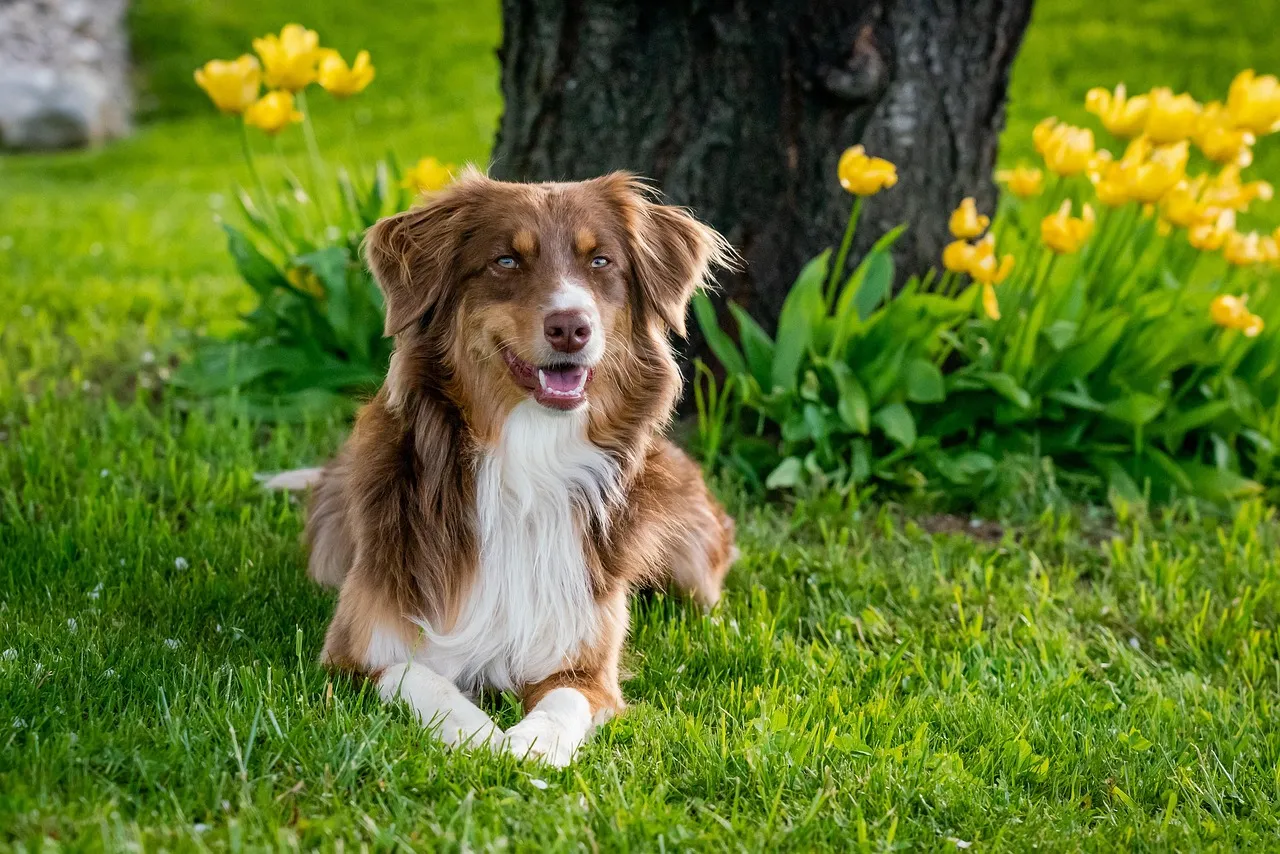
This is where many families go wrong. Aussies are everywhere on social media, but they’re working herding dogs first and cute family dogs second. In the right home, outdoorsy, into training, full of mental stimulation, they absolutely thrive.
In the wrong scenario, they’re a disaster. Without real outlets, Aussies can develop severe anxiety, herding behaviors toward kids, and destructive habits. If your version of busy includes hiking, agility, and consistent structure, they’ll flourish. If you just love the merle coat and blue eyes but you’re rarely home, this is not your dog.
Quick Compare
- Thrives when: Daily hiking, training, or dog sports fill their day
- Struggles when: Left alone for long hours with little mental work
- Thrives when: Owners understand herding instincts around kids
- Struggles when: Treated as a low-key couch companion
#14 – Havanese: The Velcro Dog Built for Apartment Chaos
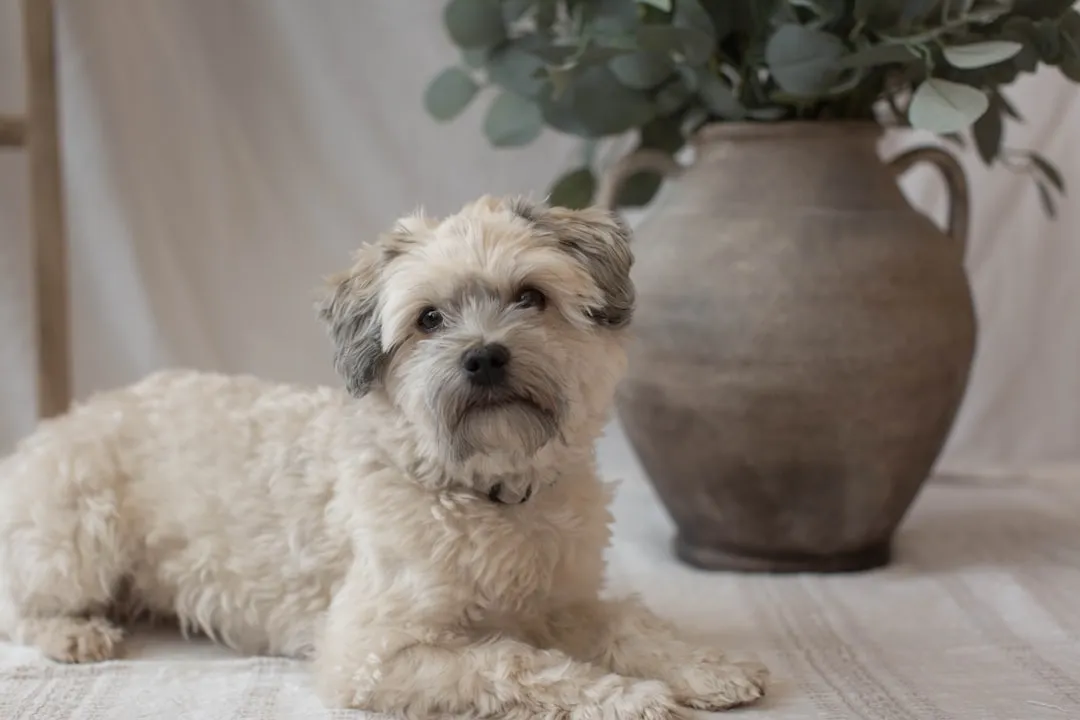
For families in apartments or smaller homes who still want a velcro companion, the Havanese is a strong contender. They’re generally sturdy for a toy breed, very people-oriented, and often good with respectful children, with playful but manageable energy.
Two big caveats: grooming and alone time. Havanese coats require consistent care, and like many small companion breeds, they can struggle if left completely alone all day. In homes with multiple people on different schedules, though, these dogs slot in beautifully, noticing everything and still fitting perfectly on your lap at the end of the day.
#15 – Bernese Mountain Dog: A Love Story With a Painful Deadline

For a certain kind of family, a Berner is dreamlike. They’re typically gentle giants, calm, people-focused, and impressively tolerant of respectful kids, bringing a grounding presence to a hectic home.
But here’s the hard truth: Berners have one of the shortest life expectancies among common family breeds, with significant cancer risk, and they don’t do well in hot climates or cramped spaces. For families who can handle big-dog logistics, vet costs, and the emotional weight of a shorter average lifespan, they’re incredible companions during those prime years. For others, the heartbreak comes too soon, and that’s a piece of the equation most people avoid discussing.
#16 – Shetland Sheepdog: The Overachiever Who Can’t Handle the Noise
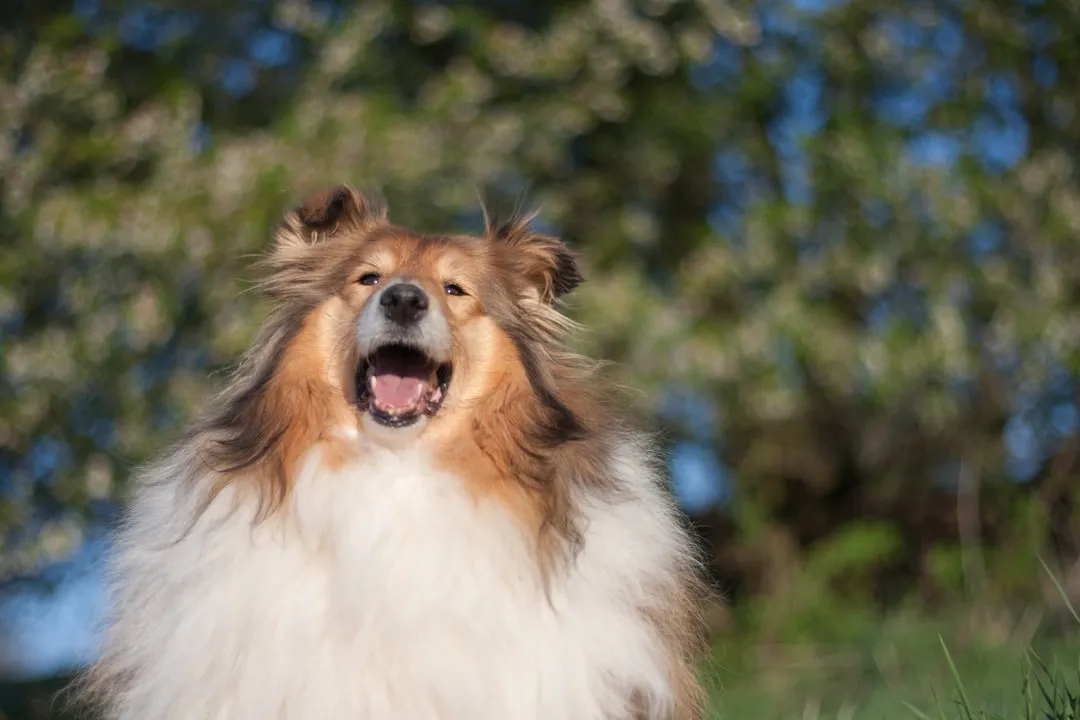
Shelties can be phenomenal in the right family. They’re highly trainable, loyal, and often wonderfully responsive to older children who like teaching tricks and doing activities. They excel in homes busy with brains, music lessons, sports, organized chaos, rather than uncontrolled noise.
Where they struggle is raw volume. Shelties are barkers and noise-sensitive by nature, so a constantly screaming, door-slamming household can stress them out and amplify their own vocal habits. In a thoughtful, structured busy family, they shine. In a free-for-all home, they’re often mislabeled as “neurotic” when they’re simply overwhelmed.
#17 – English Bulldog: The Ultimate Homebody

This pick will start arguments. Physically, Bulldogs are a walking list of vet risks. But temperament-wise, a well-bred Bulldog is surprisingly tolerant of kids, deeply people-oriented, and happy in homes where “busy” means lots of people around, not lots of hiking.
The ethical debate is real: Bulldogs often face serious breathing, joint, and skin issues. But for some couch-centric families, especially in cooler climates with good insurance and realistic expectations, they can be exactly the laid-back, kid-friendly dog that fits. It’s a case where the lifestyle match is strong even though the breed as a whole needs serious reform.
Now let’s flip the script. These are the 17 breeds that families fall in love with for all the wrong reasons, and quietly regret in ways nobody warns them about.
#18 – Border Collie: Too Smart for Suburban Life
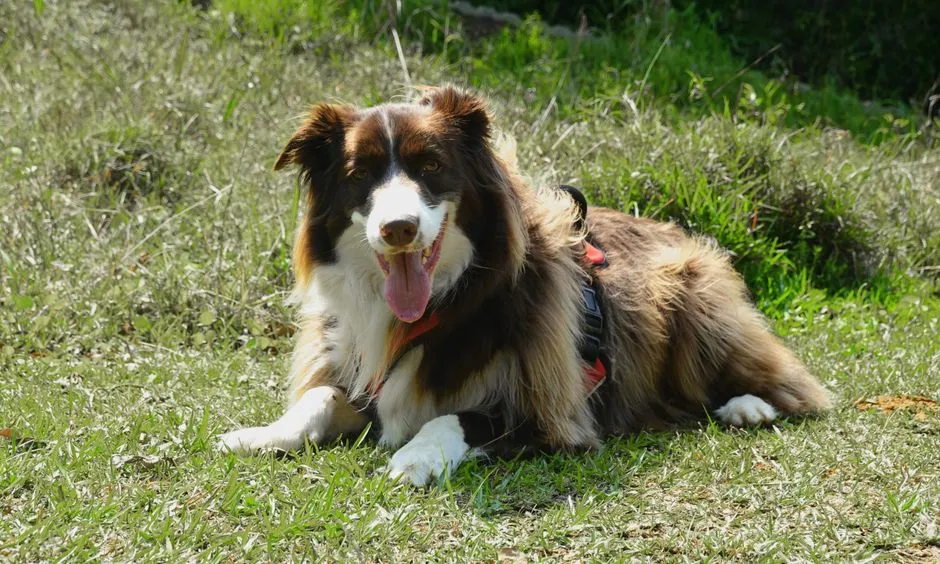
Border Collies are geniuses, and that’s exactly why they crash and burn in most busy homes. Bred for intense herding work, they’re wired to watch, control, and respond to movement all day long, not lie around while kids watch TV. In a typical family, all that unchanneled brainpower turns into obsessively chasing kids, nipping heels, or fixating on shadows and bikes.
- Develop neurotic behaviors, like spinning or endless pacing
- Turn everyday family chaos into a self-assigned “herding job”
There is no such thing as a bad dog, only inexperienced owners.
Barbara Woodhouse
Unless your “busy” means farm life or daily high-level training, this breed is more likely to suffer than thrive. They’re incredible dogs in the right hands, but in standard suburban family life, they’re frequently overwhelmed, misunderstood, and labeled “too much.”
#19 – Siberian Husky: TikTok Famous, Family-Life Nightmare
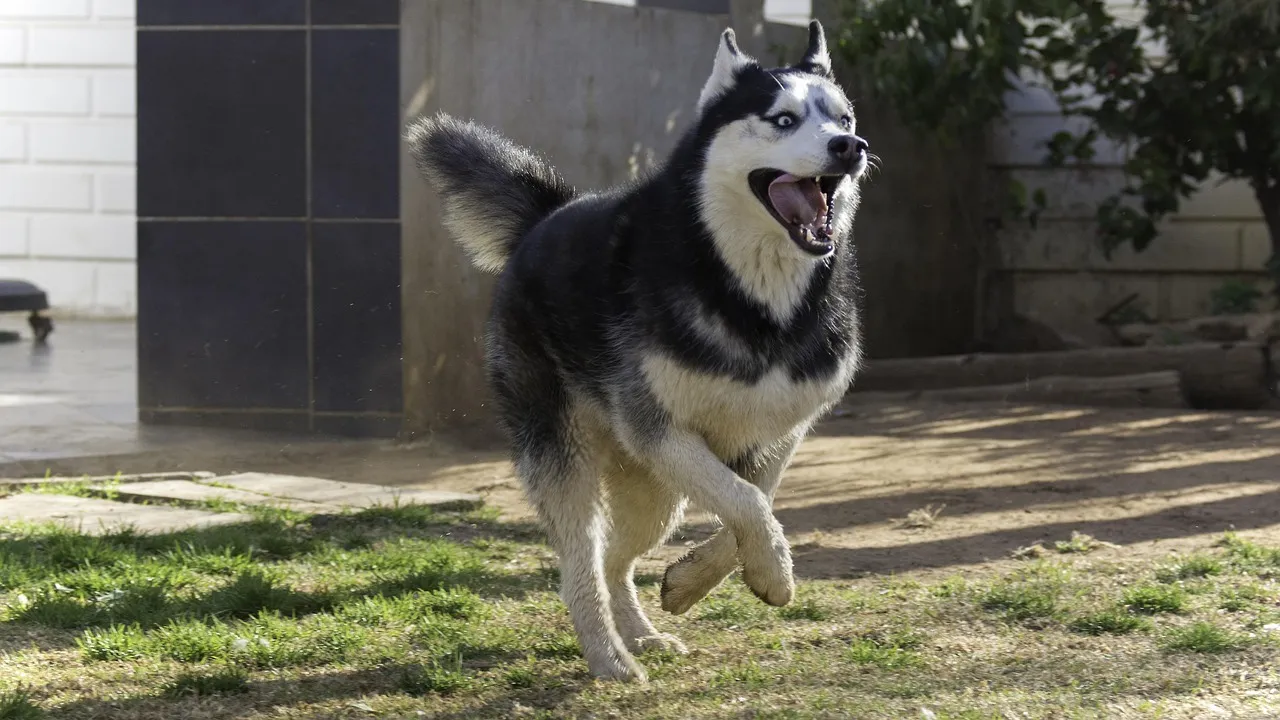
Huskies are internet darlings, but in real life, they’re often a terrible fit for tightly scheduled, kid-heavy homes. They’re independent, bred to run long distances, and not particularly concerned with your furniture, your fence, or your recall command.
- A strong prey drive and tendency to roam
- Vocal habits that turn into nonstop “talking” or howling in chaotic homes
Toss that into a neighborhood with open doors, kids dropping food, and distracted parents, and you get escape attempts, destroyed drywall, and noise complaints. Most Huskies do not want to be micromanaged, which clashes hard with the control most parents need for safety.
At a Glance
- Origin: Bred by Siberia’s Chukchi people to pull sleds over long distances
- Exercise needs: Often an hour or more of vigorous activity daily
- Escape risk: Skilled diggers and jumpers, notorious for slipping fences
- Household fit: Better suited to active, fenced, closely supervised homes
#20 – Shiba Inu: The Cat Trapped in a Dog’s Body
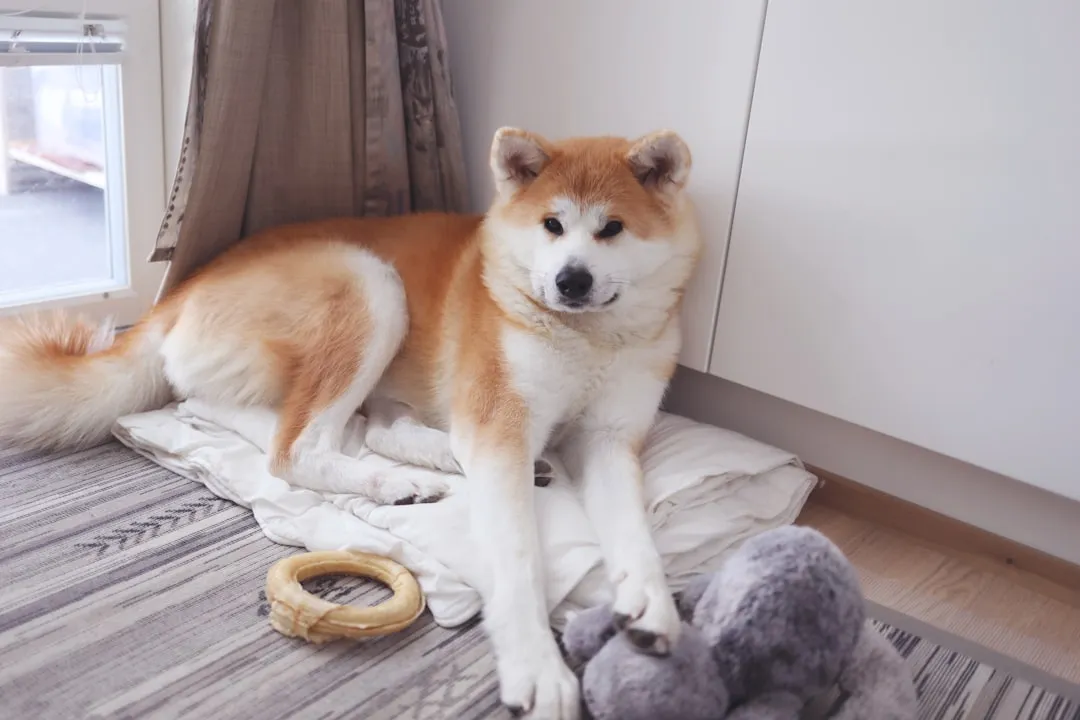
Shibas are often marketed as “cats in dog bodies,” and that’s exactly why they struggle in noisy family homes. They’re aloof, independent, and notoriously particular about handling, which doesn’t mix well with toddlers who grab and hug.
- Guarded, reactive, and escape-prone
- Masters at avoiding recall and refusing cooperation
They’re not broken; they’re just not built to be someone’s plush family mascot. Shibas do better in calm, predictable homes with adults or older teens who respect boundaries. Put one in a chaotic, hands-on environment and you get a dog that seems constantly irritated, and a family that feels rejected by their own pet.
#21 – Chihuahua: Too Small for the Chaos You Don’t Notice

Chihuahuas can bond fiercely with “their person,” but many are simply too small and too physically fragile for rough, unpredictable kid energy. Being accidentally stepped on, dropped, or grabbed is a real risk, and that fear often shows up as snapping or hiding. Then the dog gets labeled “mean,” when it’s really just self-defense.
In quieter adult homes, they can be charming, hilarious companions. In a constantly buzzing household where doors slam and kids forget the rules, they often live in a near-constant state of stress. The breed isn’t bad with kids by default, but the margin for error is much smaller than people think.
#22 – Dalmatian: The Hollywood Lie

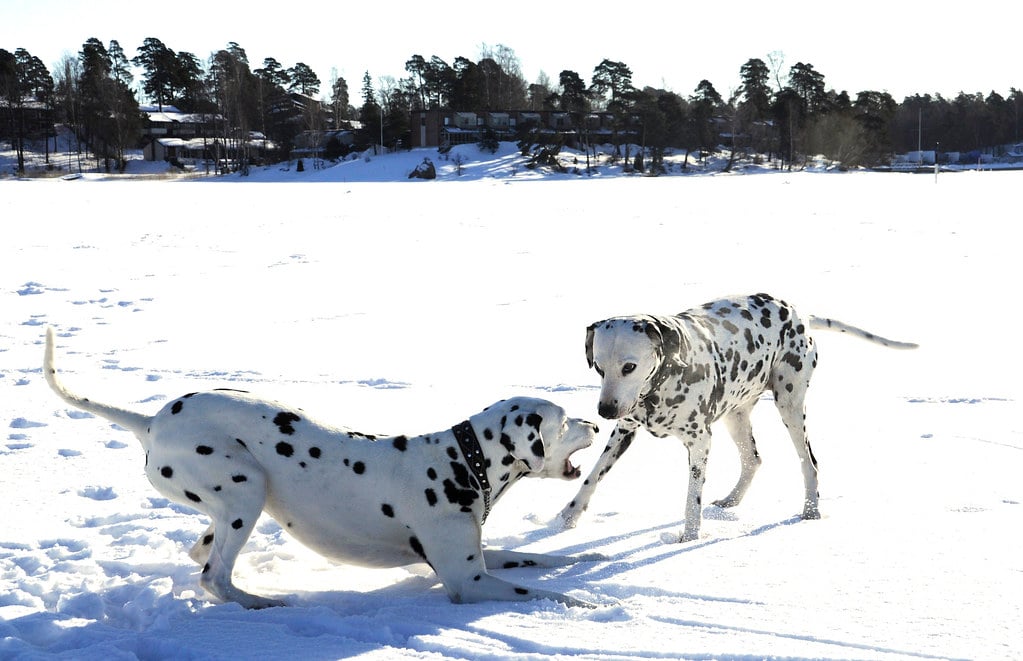
Dalmatians look like perfect family dogs in movies, but real-world Dals are high-energy, sensitive, and often overwhelmed by inconsistent handling. Many have strong exercise needs and sharp minds that do not tolerate being sidelined while the family rushes between school, work, and activities.
- Higher risk of deafness, which complicates busy environments
- Poorly bred Dals may be nervy or unpredictable around chaotic kids
In the right hands, active, dog-savvy adults with time for training, Dalmatians can be impressive partners. In a typical busy family home with limited bandwidth for structured exercise, they’re far more likely to struggle than shine. The gap between the Hollywood image and actual needs is massive.
#23 – Akita: Loyal, Serious, and Not a Starter Dog
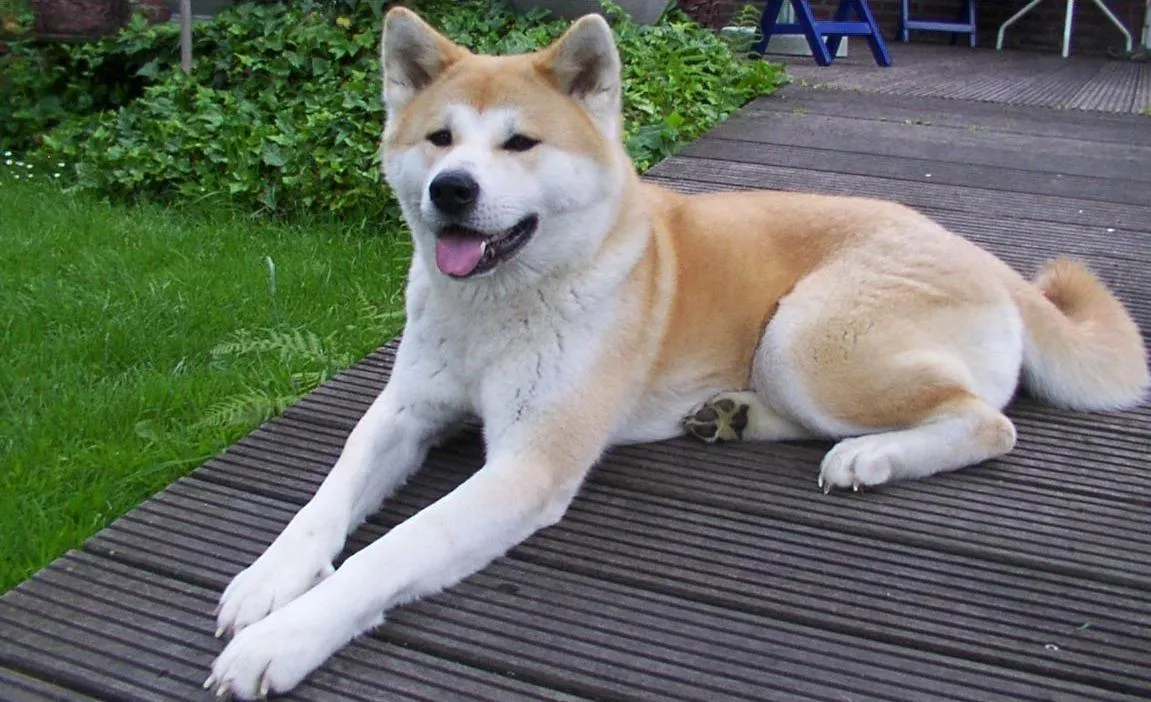
Akitas are stunning, loyal, and fundamentally serious dogs. Originally bred as guardians and hunters, they’re often reserved with strangers and can be intolerant of rough handling or invasive affection, especially from children who don’t read dog body language well.
They can be wonderful companions for experienced adults in quiet homes who understand their independence and guarding instincts. But combine their size, strength, and strong opinions with the noise and unpredictability of a modern family home, and you’re stacking the deck against everyone involved. This is not a starter family dog, no matter what a breeder or influencer claims.
#24 – Greyhound: Gentle Giants Who Shut Down Under Chaos

This one surprises people. Retired racing Greyhounds are famously gentle, but they’re also sensitive, easily startled, and often unused to the chaos of young kids. Many ex-racers have never lived in a house before, let alone one with screaming toddlers and toys flying past their heads.
- Retreat and shut down emotionally
- Snap if startled awake or cornered, especially on beds or couches
Greyhounds can thrive in families with older, respectful children and quieter routines, and many do. But if your “busy” includes constant yelling and surprise tackles, these sensitive souls often spend years quietly stressed. Their sweetness is real; it’s just not built for every version of family life.
#25 – Chinese Shar-Pei: The Bodyguard Who Never Clocks Out
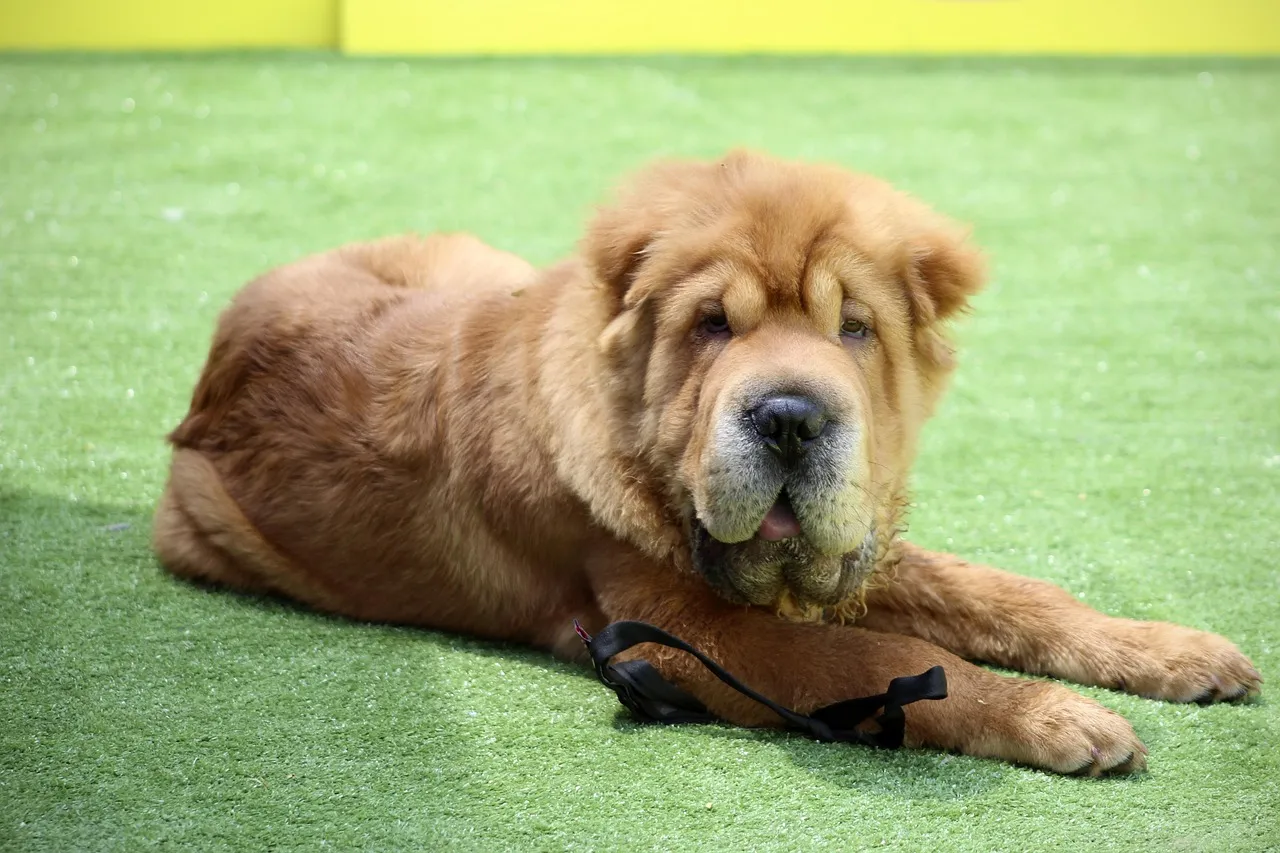
Shar-Peis are another breed whose looks sell a story their temperament doesn’t back up. Many are aloof, reserved, and naturally suspicious of strangers, which clashes with the revolving-door social life of many families. Playdates and after-school hangouts can feel like a constant invasion to a dog bred to be watchful.
In a quiet, adult-centered home, they may settle into a dignified, loyal routine. Drop them into an always-moving, always-loud environment and you get a dog who’s permanently on edge, deciding who belongs and who doesn’t. That’s an exhausting job for any guardian-type breed, and a risky one around children.
#26 – Chow Chow: A Teddy Bear With a Librarian’s Patience
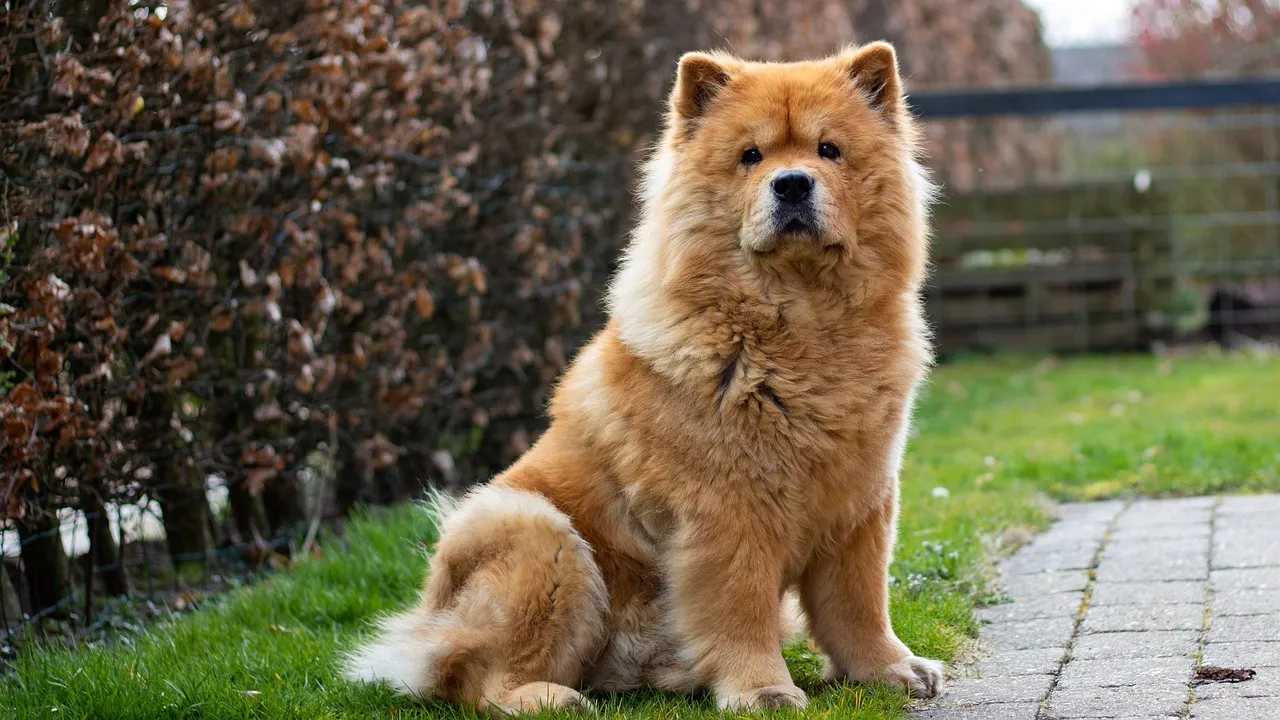
Chows look like giant teddy bears, but their temperament is closer to a cat crossed with a guard dog. They’re typically aloof, independent, and not especially interested in being handled by just anyone, kids, visitors, or random neighbors included.
Their thick coats also require serious grooming, which many busy families don’t have time to maintain properly. In reality, Chows are a niche breed for people who love their unique personality and can offer a quiet, respectful lifestyle. Dropping one into a loud, unpredictable family home is like putting a librarian in charge of a frat party. No one’s truly happy.
#27 – Weimaraner: Gorgeous, Athletic, and Quietly Falling Apart Alone

Weimaraners are gorgeous and athletic, and that’s precisely the trap. Underneath the sleek silver coat is a hyper-attached, high-drive hunting dog that rarely copes well with long hours alone or unstructured chaos.
- Severe separation distress and destructive behavior
- Restlessness and anxiety that look like “naughtiness” but are really unmet needs
They can be breathtaking companions for active, dog-centric families who run, hike, and train as a way of life. But in most working-parent, overscheduled-kid households, they end up frustrated and misunderstood. If you’re not ready to reorganize your free time around your dog, a Weim is a risky pick.
#28 – Belgian Malinois: The Working Dog That Doesn’t Know How to Clock Out
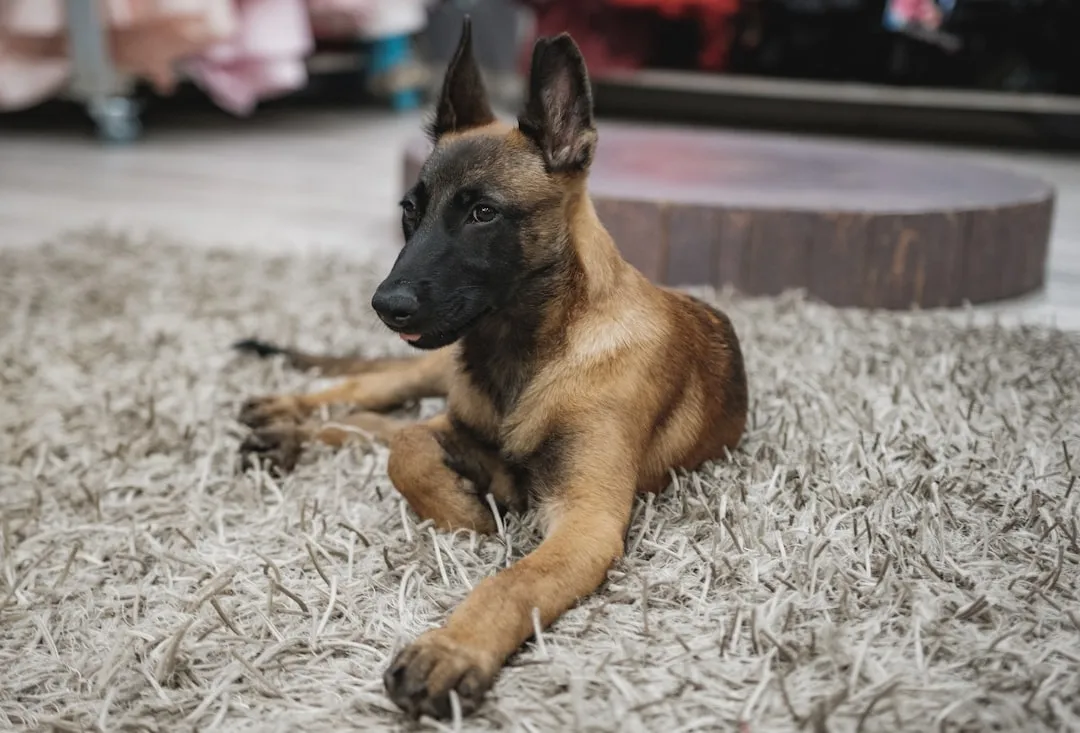
If you’ve ever watched police or military K9 videos, you’ve seen what a Malinois is built for, and it’s not school-run drop-offs and backyard barbecues. They’re extreme working dogs, bred for intensity, focus, and nonstop drive, and in a typical family home that drive doesn’t disappear, it just gets pointed at everything else.
Without a full-time training and exercise lifestyle, Malinois can develop serious behavioral issues, including aggression and anxiety, and they’re genuinely dangerous in the hands of casual owners. This isn’t a “we hike on weekends” breed. It’s a “my entire life is structured around this dog’s workload” breed, and plenty of loving families end up over their heads with a Mal while the dog pays the price.
Worth Knowing
- Favored by police, military, and even the U.S. Secret Service for their drive and focus
- Exercise needs: Often 90 minutes or more of structured activity daily, not just a walk
- Not beginner-friendly: Experienced, hands-on handlers are strongly recommended
- Risk: Under-stimulated Malinois can become anxious, destructive, or reactive
#29 – Afghan Hound: Elegant, Aloof, and Allergic to Chaos

Afghans are elegant, aloof, and not remotely interested in being your child’s stuffed animal. They tend to be independent and driven by strong sighthound instincts, meaning fast reactions to movement and selective hearing when something more interesting than you is happening.
Grooming is another huge factor, since their coats require intensive, regular care, the opposite of what most overextended families can realistically provide. Add their sensitivity to chaos and noise, and you get a dog who retreats mentally and physically from the heart of family life. In a whirlwind household, they simply endure, not enjoy.
#30 – Basenji: The “Barkless” Dog With a Mischief Streak

The “barkless dog” sounds ideal for families until you realize what that actually means. Basenjis don’t bark much, but they’re highly intelligent, independent, and notoriously mischievous, with energy levels that often outpace what busy families can handle.
- Do poorly with inconsistent rules and minimal training
- Get bored fast and create their own entertainment
Basenjis also tend to be less tolerant of rough handling, making them a questionable match for very young children. In calm, engaged households that enjoy puzzle-solving, they’re fascinating companions. In thrown-together, always-running-late homes, they’re a recipe for mutual frustration.
#31 – Pekingese: Palace Dog Energy in a Playroom World

Pekingese were literally bred as palace dogs, and that royal attitude lingers. Many are aloof, opinionated, and not keen on being treated like a plush toy by kids. Their long backs and small size also mean rough handling can genuinely hurt, pushing them toward defensiveness.
In a quiet, adult-centered home, they can be charming, even hilarious characters. Put them in a constantly buzzing household where respect for space is low, and they show their displeasure clearly. Too often, they get written off as “snappy” when they were simply mismatched from day one.
#32 – Great Dane: A Gentle Giant in a House Built for Someone Smaller
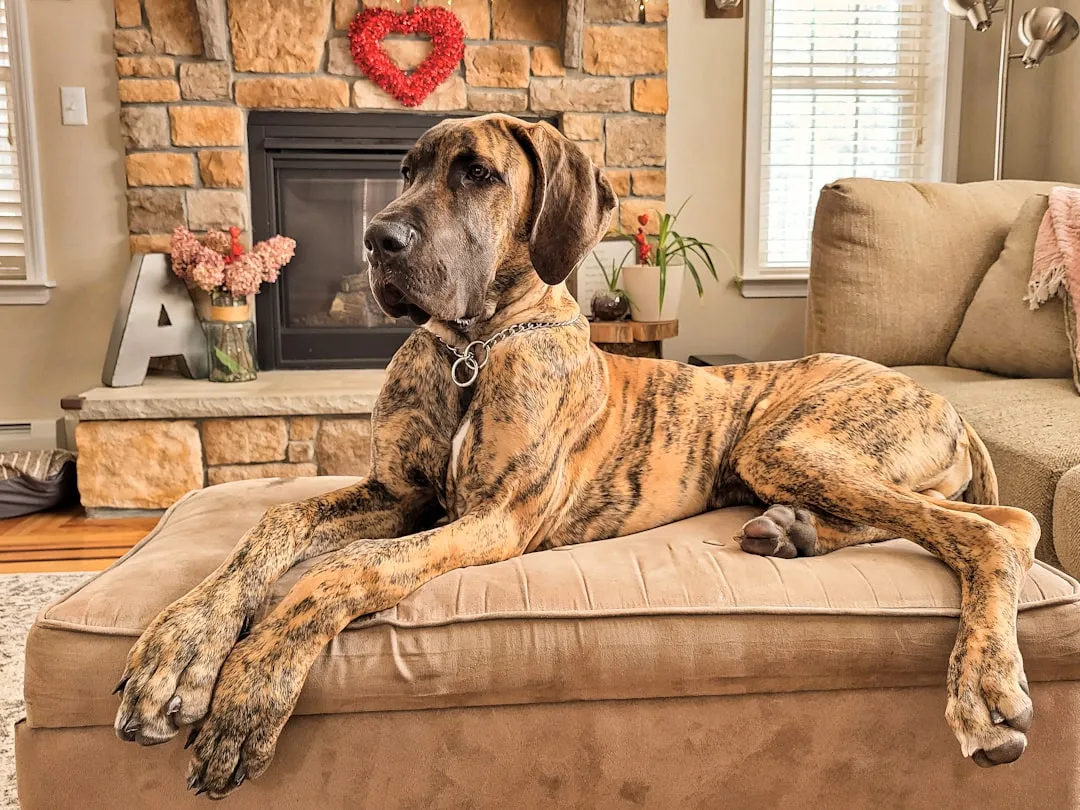
Great Danes are famously gentle, but their sheer size and fragility make many modern busy homes a minefield. Tight spaces, constantly moving kids, and fragile furniture become real hazards when a 140-pound dog turns around, and their bursts of “zoomies” only raise the stakes.
In large, calm homes with older, coordinated children and space to move, Danes can be wonderful family companions. In smaller, cluttered, constantly active environments, they’re at higher risk for injury, stress, and unintentional knock-downs. A loving temperament doesn’t erase physical reality.
#33 – Italian Greyhound: So Fragile a Fall Can Break Them
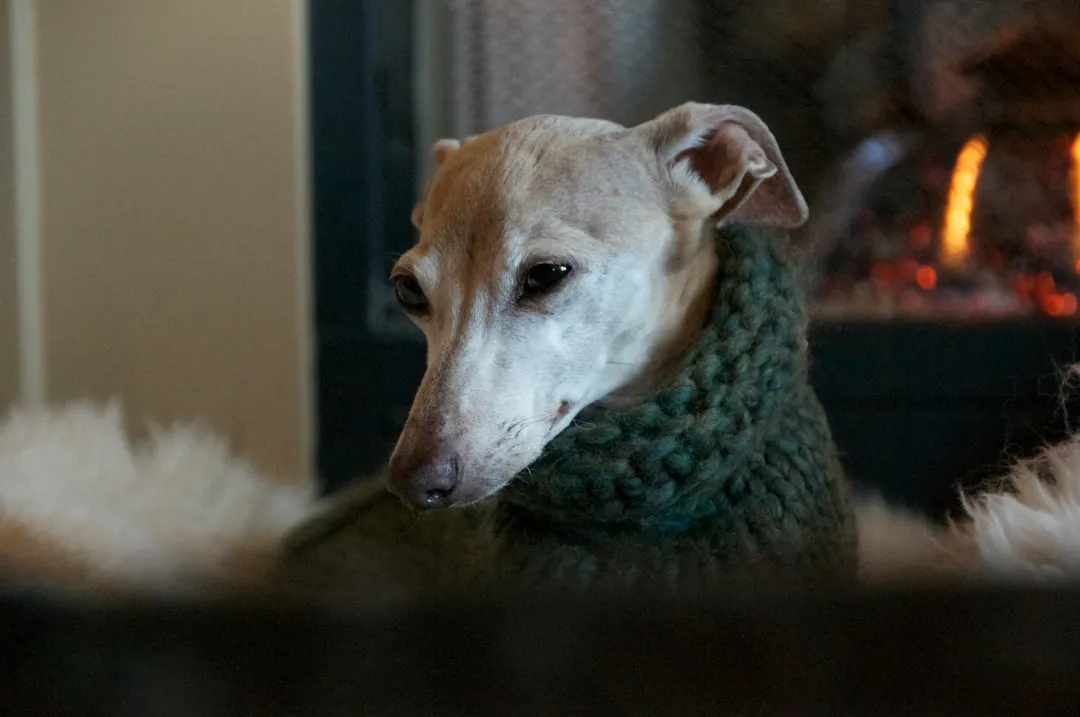
Italian Greyhounds are delicate, sensitive, and genuinely fragile in ways many families underestimate. Thin legs and fine bones mean a fall off a couch or a door opened into them can cause serious fractures, which alone makes them a risky choice around fast-moving kids.
They thrive in quiet, careful environments where their people are home a lot and aware of their physical limits. In hectic, high-impact homes, they spend most of their time dodging danger and feeling on edge. It’s not fair to them, or to kids who just want to play without worrying about breaking the dog.
#34 – Toy Poodle: A Genius Brain in a Body That Can’t Take a Hit
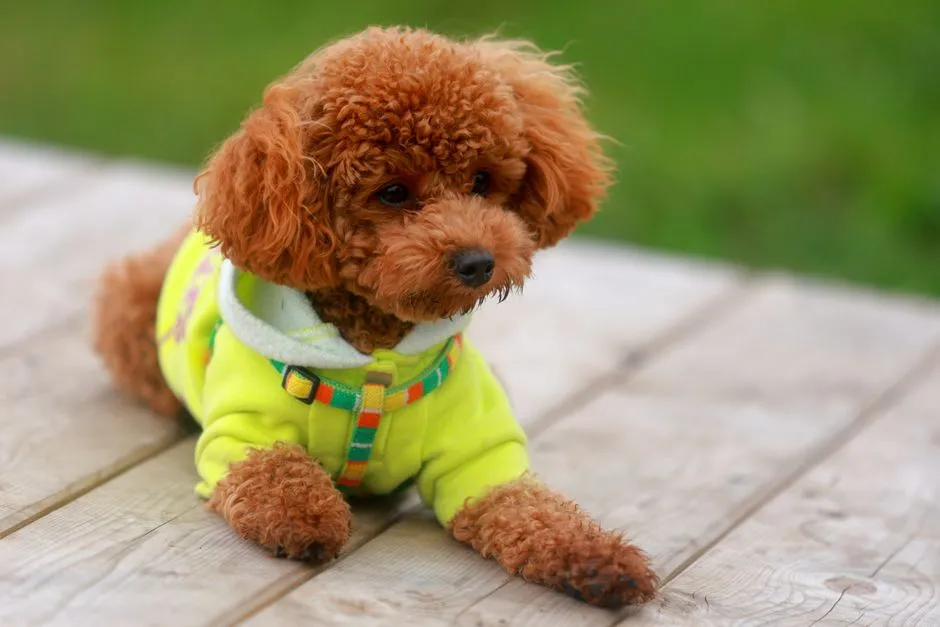
Toy Poodles are brilliant and trainable, but when you shrink a big brain into a tiny, fragile body, you get a dog that often feels overwhelmed in rough, physical households. Many Toys bond deeply with one person and tolerate, rather than enjoy, constant kid interaction.
In homes with older, dog-savvy kids or mostly adults, Toy Poodles can be stellar companions and fun training partners. In loud, hands-on, anything-goes family environments, they’re more likely to become snappy or withdrawn. It’s not a temperament flaw; it’s a lifestyle mismatch.
The Bottom Line

The uncomfortable truth is this: there is no “perfect family dog,” only dogs whose wiring fits, or clashes with, your actual life. Labradors, Goldens, solid mixed-breeds, and a handful of adaptable companions quietly carry the weight of modern family chaos and still wag their tails.
High-drive herders, sensitive sighthounds, royal toy breeds, and serious guardian types often don’t, and that’s not their fault. When those dogs fail in busy homes, it’s usually not because they’re broken; it’s because we asked them to be something they were never bred to be.
If you’re honest about your schedule, your kids’ ages, your noise level, and your willingness to train, you’ll make a kinder choice, for your family and for the dog. Did we miss a breed you think absolutely thrives, or totally struggles, in a busy household? Drop your experience in the comments.
