
If your backyard looks neat, tidy, and a little bit sterile, there’s a good chance it feels like a desert to native bees. The surprising truth is that many of the things we’ve been told make a “perfect” yard – short lawns, bark mulch, and plants from big-box stores – quietly strip away the food and shelter that wild bees need to survive. The good news is that you can flip that script without turning your place into a jungle.
You don’t need a huge property, years of gardening experience, or a scientist’s lab to make a real difference. With a few smart tweaks, an average backyard can become a mini nature reserve where native bees actually live, not just visit for a quick sip of nectar. Let’s walk through nine specific changes that turn your outdoor space into real habitat – the kind that makes bees stick around, nest, and raise the next generation.
#1 Leave Some Bare Ground for Solitary Ground‑Nesting Bees
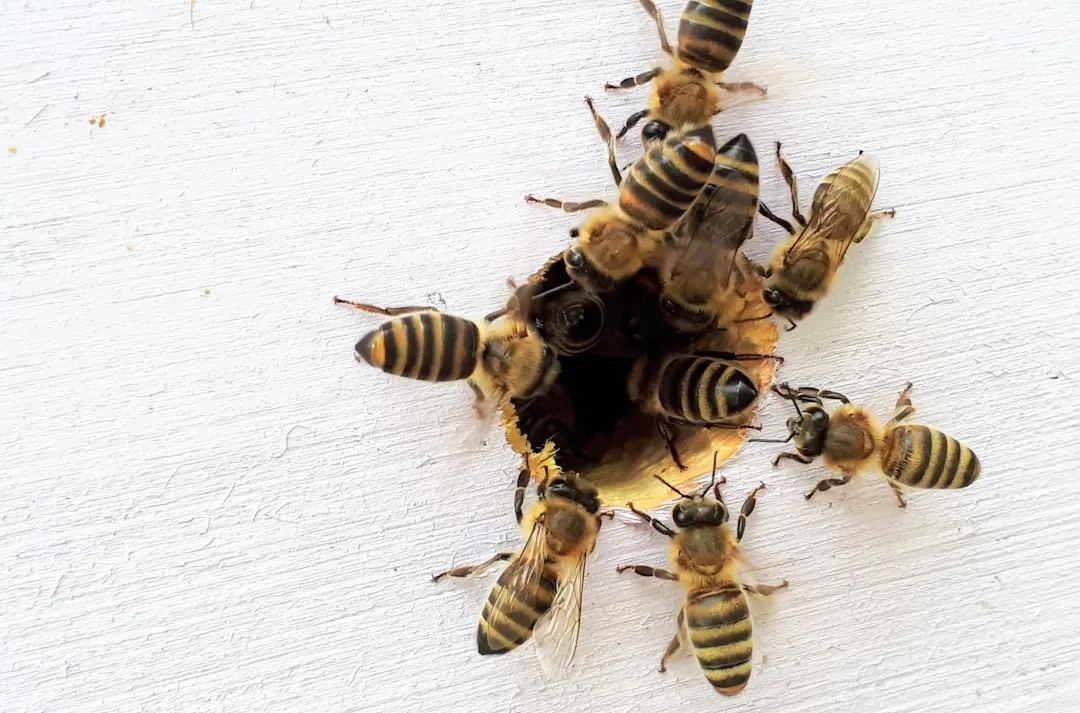
It feels almost wrong at first: every gardening instinct says to cover the soil with mulch, sod, or stones. But a huge share of native bees actually nest in the ground, tunneling into bare, undisturbed soil to lay their eggs. When every inch is covered, those bees simply have nowhere to go, even if you’ve planted all the flowers in the world.
A simple fix is to intentionally leave a few sunny patches of bare soil, ideally with sandy or lightly compacted ground. Skip the landscape fabric and thick bark mulch in those areas, and resist the urge to dig or till once the spot is set. It will not look like much to you, but to a little mining bee, it’s basically a starter home with a great commute to your flowers.
#2 Build or Preserve Dead Wood and Hollow Stem Nesting Spots
Most of us are trained to see dead branches, hollow stems, and rotting logs as mess to clean up, but to many native bees, they are precious real estate. A lot of small carpenter bees and other solitary species nest in old beetle holes, broken twigs, and dried plant stalks. When we clear these away for the sake of tidiness, we quietly demolish entire neighborhoods of potential nests.
You can help by leaving a small pile of branches or a short section of log in a sunny, dry corner of the yard, and by not cutting back every hollow-stemmed plant at the end of the season. If you do prune, leave some stems standing at different heights, especially from plants like raspberries, sunflowers, or elderberry. Think of it as a tiny condo complex for bees, disguised as rustic decor.
#3 Plant Dense, Layered Native Vegetation Instead of Sparse Ornamentals
Backyards often get planted with a few shrubs spaced far apart, some lawn, and maybe a tree on the edge – lots of open space but not much structure. Native bees do better in slightly wilder, layered plantings that offer cover, temperature buffering, and a continuous mix of pollen sources. Shrubs, perennials, and grasses bunched together create pockets of calm air and shade that protect bees from wind, rain, and extreme heat.
When you plant, aim for clusters of native species in groups rather than single, isolated specimens. Mix low groundcovers, medium perennials, and taller shrubs into each bed so there are hiding places at different heights. It will feel visually fuller, and if you crouch down and look into the foliage on a warm day, you’ll often see tiny bees resting, grooming, or sheltering between flowers instead of just flying through.
#4 Swap Part of the Lawn for a Native Flower Meadow Zone
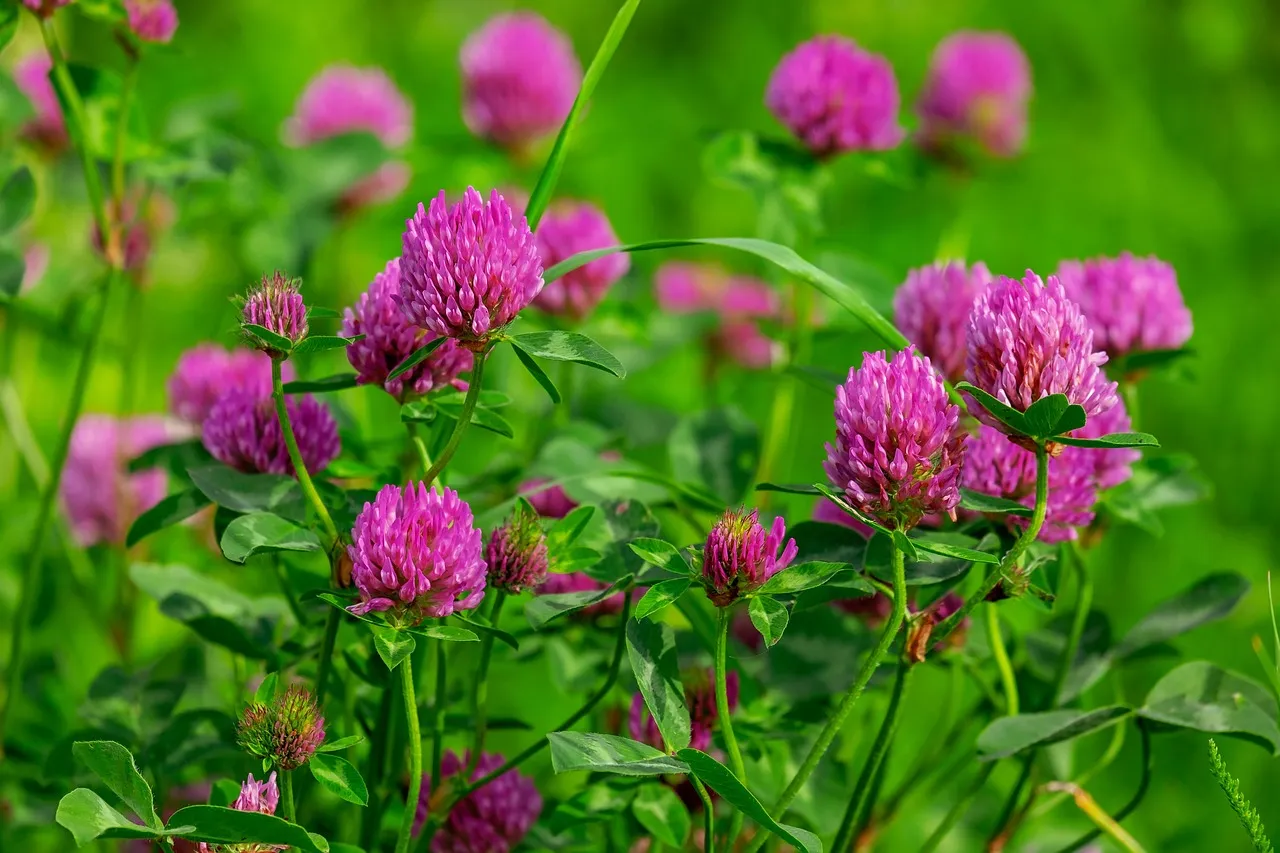
Most turf lawns are basically green carpets with very little to offer native bees: short grass, no nesting sites, and almost no nectar or pollen. Even converting a small slice of lawn into a wildflower patch or “messier” zone can have an outsized impact, especially if you choose native species that local bees evolved alongside. The goal is not a perfect postcard meadow, but a diverse mix of blooms across the seasons.
Start with one manageable area and overseed with native flowering plants suited to your region, allowing clovers, violets, and other so-called weeds to stay. Mow that patch less often and a bit higher so flowers can actually form. Over a year or two, the space will shift from a flat green lawn to a buzzing, colorful strip that looks alive – and suddenly, your backyard becomes a place where bees can feed and nest instead of just passing overhead.
#5 Create Bee‑Friendly Brush Piles and Rock Pockets
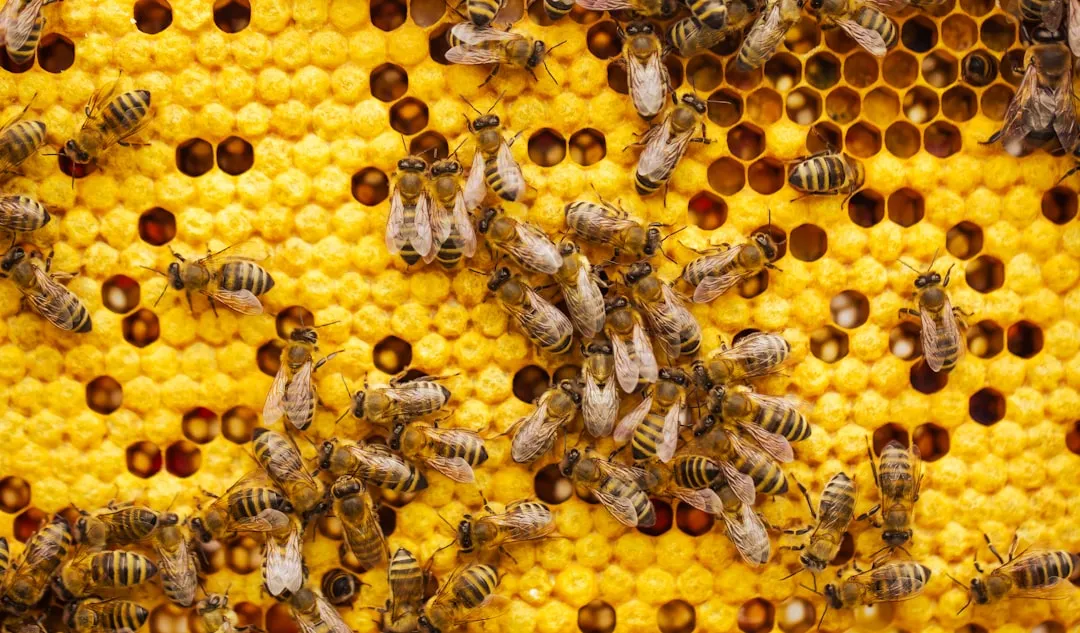
In nature, fallen branches, leaf piles, and scattered rocks break up the landscape into textured, sheltered microhabitats. In a groomed yard, we often smooth everything out, which leaves bees and other insects exposed to sun, predators, and lawn mowers. Tucking a simple brush pile or rock cluster into a corner is one of the easiest, low-maintenance ways to bring that structure back.
Gather pruned branches, twigs, and leaves in a loose heap, and add in a few flat stones or bricks with gaps between them. Over time, this mini refuge can become a nesting and overwintering site for small ground and cavity-nesting bees that need cracks, crevices, and insulation. It looks like an intentional wildlife feature instead of clutter, and it quietly turns yard waste into habitat instead of sending it all to the curb.
#6 Install Native Bee Hotels Thoughtfully (or Go Natural Instead)
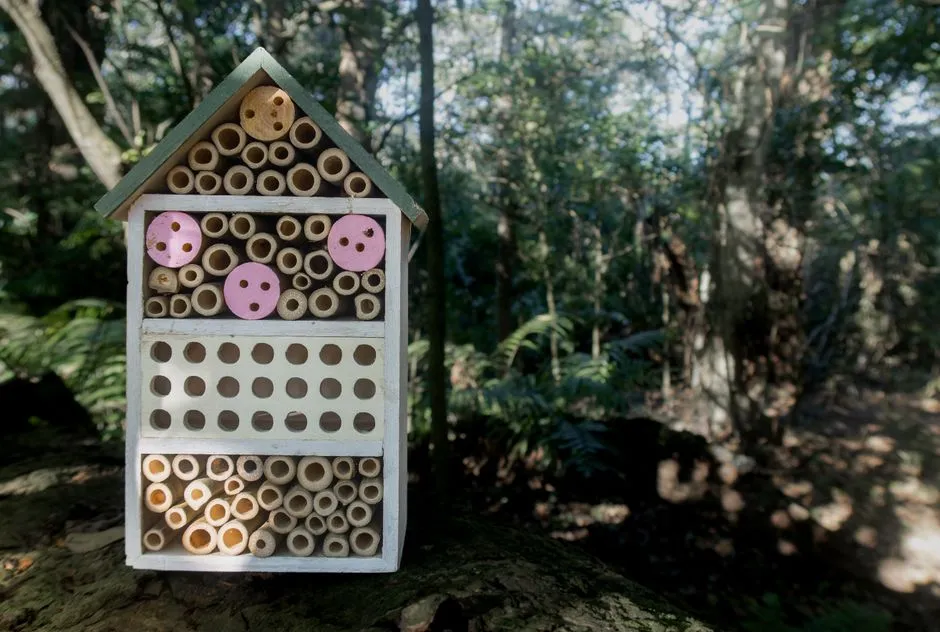
Bee hotels have exploded in popularity, and I’ll be honest: the first time I hung one, I treated it like cute garden decor, not real housing. Poorly designed or neglected bee hotels can collect moisture, mold, or parasites, so they are not a magic solution on their own. But when built with the right materials, sizes, and cleaning schedule, they can support some cavity-nesting native bees that happily use tubes and drilled blocks.
Focus on sturdy, untreated wood with removable paper liners or replaceable tubes of different diameters, and mount the hotel in a sunny, sheltered spot that stays dry. Even better, pair the hotel with natural options: bundles of hollow stems, drilled logs, or cut bamboo canes protected from direct rain. The key is to treat any artificial nesting structure as real wildlife infrastructure, not a decorative trinket, and to check in on it each year so it stays safe instead of becoming a problem.
#7 Let Leaf Litter and Garden Stems Stand Through Winter
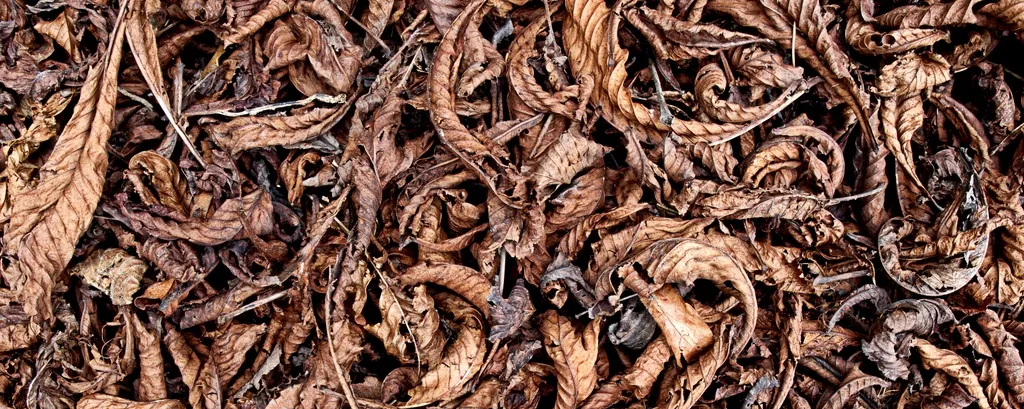
For decades, the message was to “clean up” gardens every fall: rake every leaf, cut every stem, and leave bare beds for winter. Many native bees, however, overwinter in those exact leaves and stems, either as adults, larvae, or pupae. When we tidy too aggressively, we can accidentally throw away an entire season’s worth of developing bees along with the yard waste.
A more bee-friendly approach is to leave a generous layer of leaves under shrubs and on flower beds, and to delay cutting stems until late spring when temperatures have warmed up. If you absolutely need to move leaves, gently shift them to a quiet corner instead of stuffing them in bags. It feels almost lazy compared to the old way of doing things, but that “lazy” layer of leaves is literally a winter blanket and apartment complex for all sorts of beneficial insects.
#8 Provide Safe, Shallow Water and Mud Access
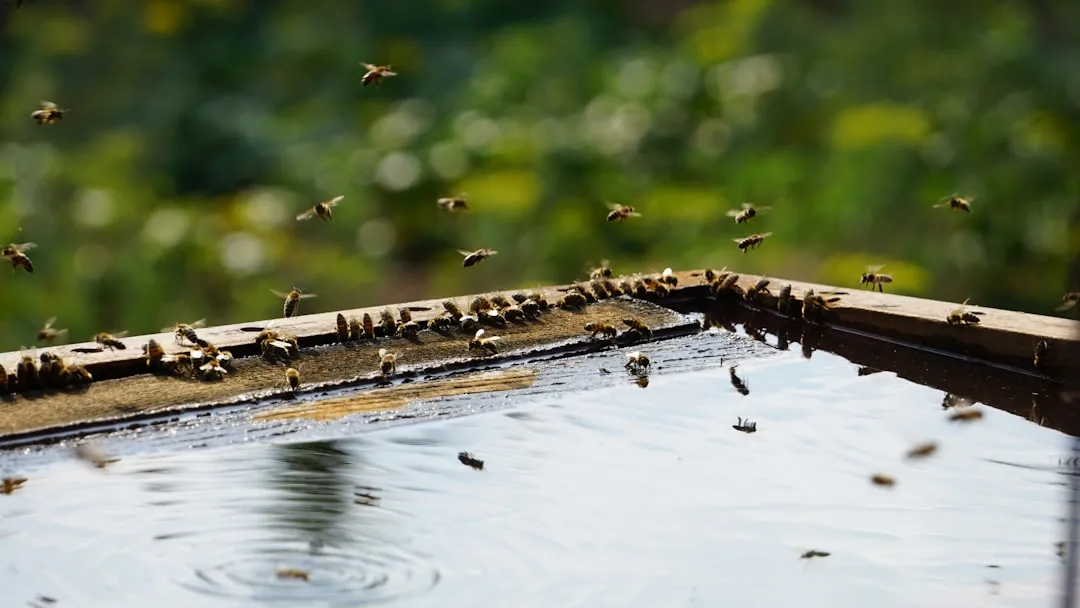
We often think of bees only in terms of flowers, but they need more than nectar and pollen to actually build nests. Many species depend on moist soil, clay, or mud to line their nest tunnels and seal brood cells, and all bees benefit from safe access to water in hot weather. Deep birdbaths or slick-edged basins can be risky, though, because small insects can easily drown.
You can set up a shallow dish filled with pebbles or broken pottery so bees can land and sip without falling in, and keep it topped up with clean water. Leaving a naturally damp corner of soil, or creating a small, muddy patch with clay-rich earth, gives ground-nesting bees a construction material source. It is a subtle change, but watching bees carefully gather tiny beads of mud is one of those quiet backyard moments that makes you realize how much is going on at their scale.
#9 Reduce Pesticides and Embrace a “Good Enough” Level of Imperfection
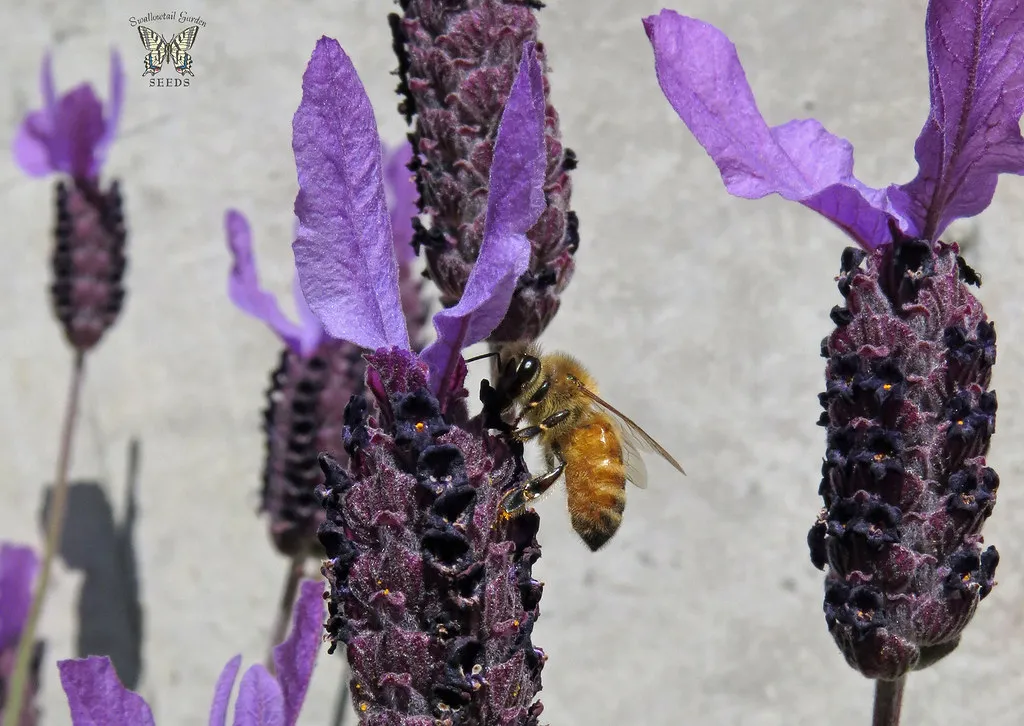
All the habitat tweaks in the world will not help much if your backyard is laced with insecticides or herbicides that harm bees directly or strip away the plants they depend on. Many common lawn and garden chemicals can linger in plant tissues and soil, exposing bees when they forage or nest. The hardest mindset shift is accepting that a truly bee-friendly yard will never look flawless in the magazine sense – and that this is actually a good thing.
Try moving toward a policy of using no pesticides at all, or reserving any intervention for rare, specific outbreaks and choosing the least harmful option. Accept a few nibbled leaves, some dandelions in the lawn, and a bit of wildness as signs of life, not failure. When you do, your backyard stops being a stage set and starts being an ecosystem, where bees actually have a chance to live out their full life cycle instead of just flying in for a quick, risky meal.
Conclusion: Turning Your Backyard Into a Real Home, Not Just a Pretty Picture
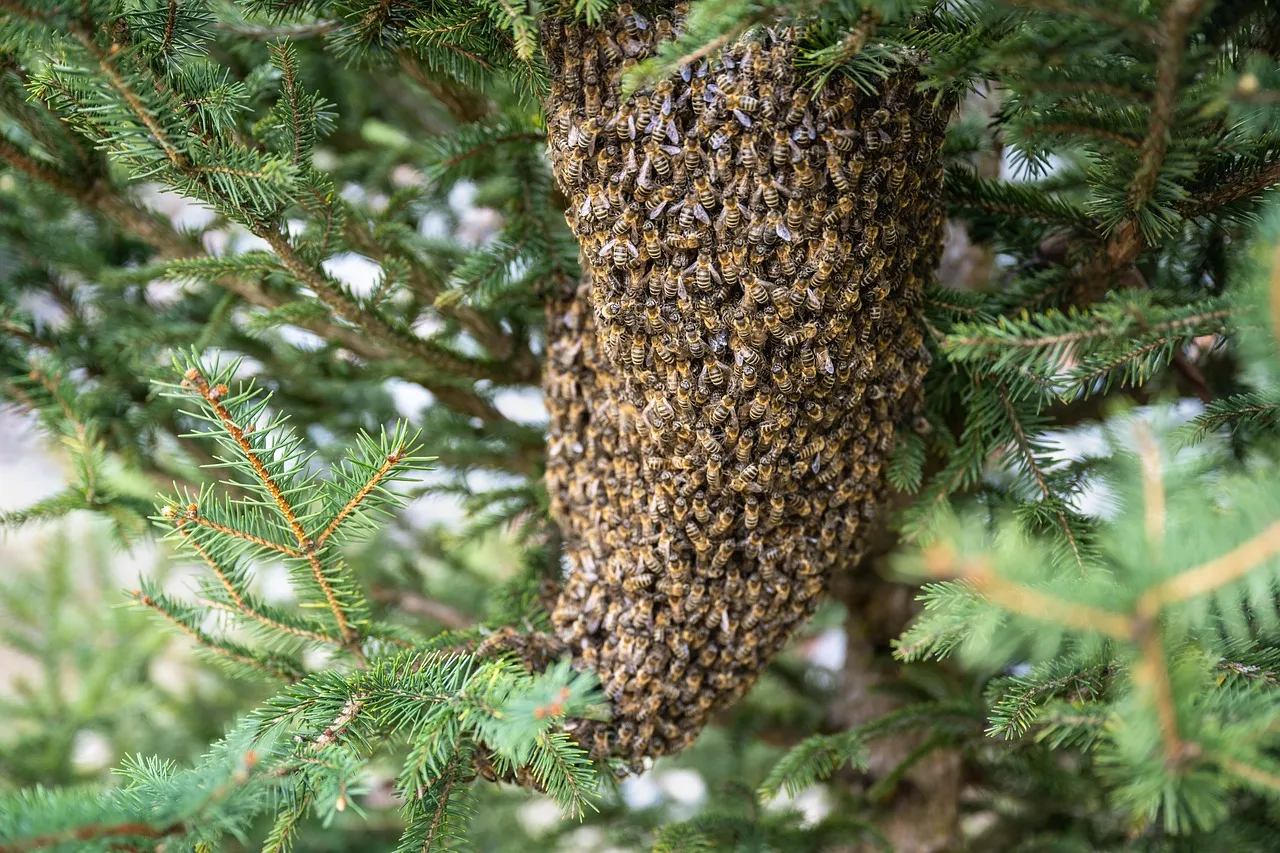
The first time I stopped raking every leaf and left a patch of scruffy bare soil, I worried the neighbors would think I’d given up on my yard; instead, I watched new kinds of tiny bees appear that I had never noticed before. That experience changed how I see “good” gardening: a perfect, spotless landscape suddenly feels a bit empty next to one that hums, buzzes, and rustles with wild life. Native bees do not need elaborate projects or expensive gadgets from us – they mostly need us to stop fighting the textures, mess, and small imperfections that make a place livable.
These nine changes are really nine different ways of saying the same thing: if we make room for nature’s quirks, nature moves back in. In a world where so many wild spaces are shrinking, a single backyard that offers shelter, nesting sites, and a little grace for the unexpected can matter more than it seems. The question is not whether bees can adapt to our idea of a perfect yard, but whether we are willing to adapt our yards to what they actually need; which version of “perfect” are you going to choose?

- 9 Backyard Changes That Give Native Bees Somewhere to Live - August 23, 2026
- 7 Reasons Lightning Bugs May Have Disappeared From Your Backyard - August 23, 2026
- 10 Plants That Can Make a Small Urban Yard Feel Surprisingly Wild - August 23, 2026