

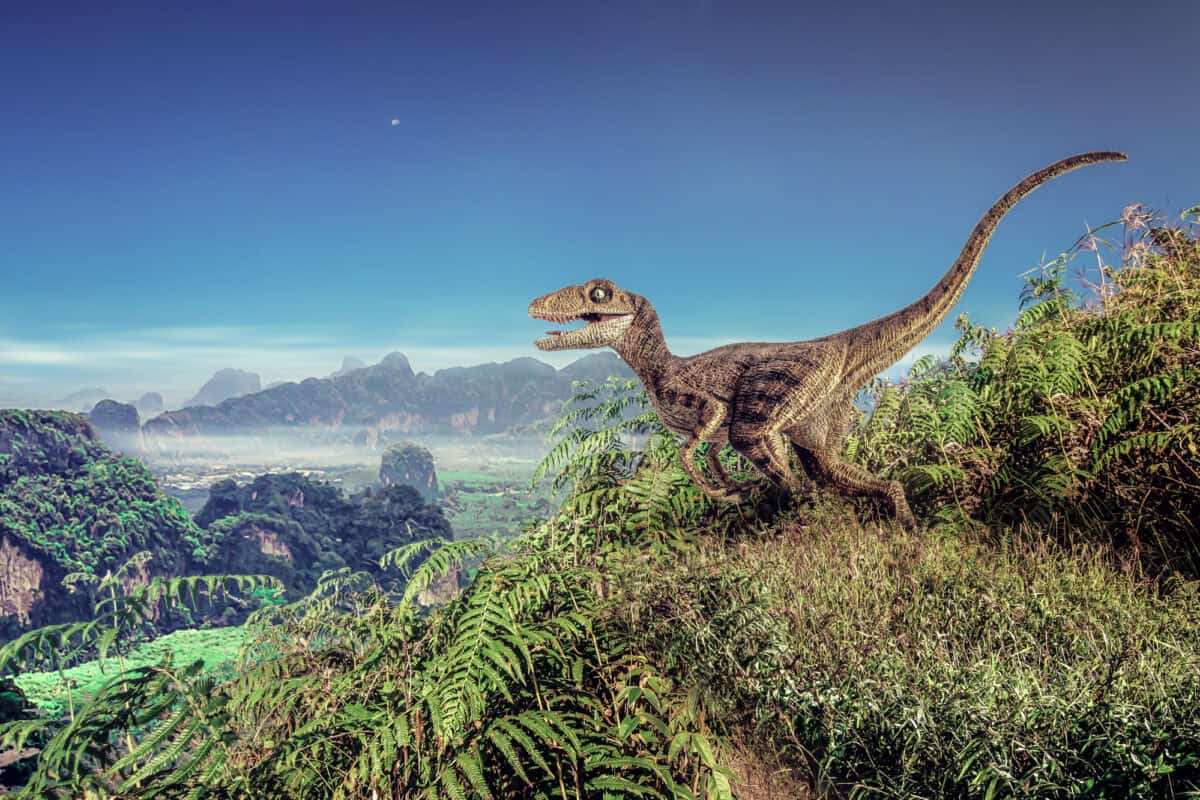
In the world of locomotion, some fascinating parallels exist across evolutionary time. One of the most striking examples is the similarity between the walking style of certain modern lizards and their distant prehistoric relatives, the velociraptors. These remarkable locomotion patterns offer scientists valuable insights into dinosaur movement and evolutionary biology. By studying living lizards, paleontologists can better understand how velociraptors and other theropod dinosaurs moved about their environment during the Mesozoic Era. This article explores the surprising gait similarities between today’s lizards and the infamous predators that once roamed the earth millions of years ago.
The Evolutionary Connection Between Lizards and Dinosaurs

While modern lizards and velociraptors may seem worlds apart, they share a common ancestry within the reptile family tree. Dinosaurs, including velociraptors, belonged to the archosaur lineage, which also gave rise to crocodilians and birds. Modern lizards, meanwhile, evolved from a separate branch of reptiles called lepidosaurs. Despite this divergence approximately 250 million years ago, certain fundamental locomotion patterns have remained remarkably consistent across these groups.
This preservation of movement mechanics across vast evolutionary time demonstrates the effectiveness of certain locomotive strategies, particularly for predatory species that rely on efficient movement for survival. This common ancestry helps explain why some modern lizards exhibit gaits reminiscent of their distant velociraptor cousins.
Understanding the Basics of Reptilian Locomotion

To appreciate the similarities between lizard and velociraptor gaits, it’s essential to understand the fundamentals of reptilian locomotion. Unlike mammals, which typically move with their limbs positioned directly beneath their bodies, most reptiles have limbs that extend outward from the sides of their bodies. This sprawling posture creates a distinctive side-to-side undulation of the spine during movement. However, some lizard species have evolved a more upright posture, particularly when running at high speeds.
These species—including monitor lizards, basilisks, and certain iguanas—display a semi-erect to fully erect stance when moving quickly, bringing their limbs more directly under their bodies. This stance adjustment allows for more efficient forward movement and bears striking resemblance to how paleontologists believe velociraptors and other theropod dinosaurs moved.
The Monitor Lizard: A Living Model for Velociraptor Movement

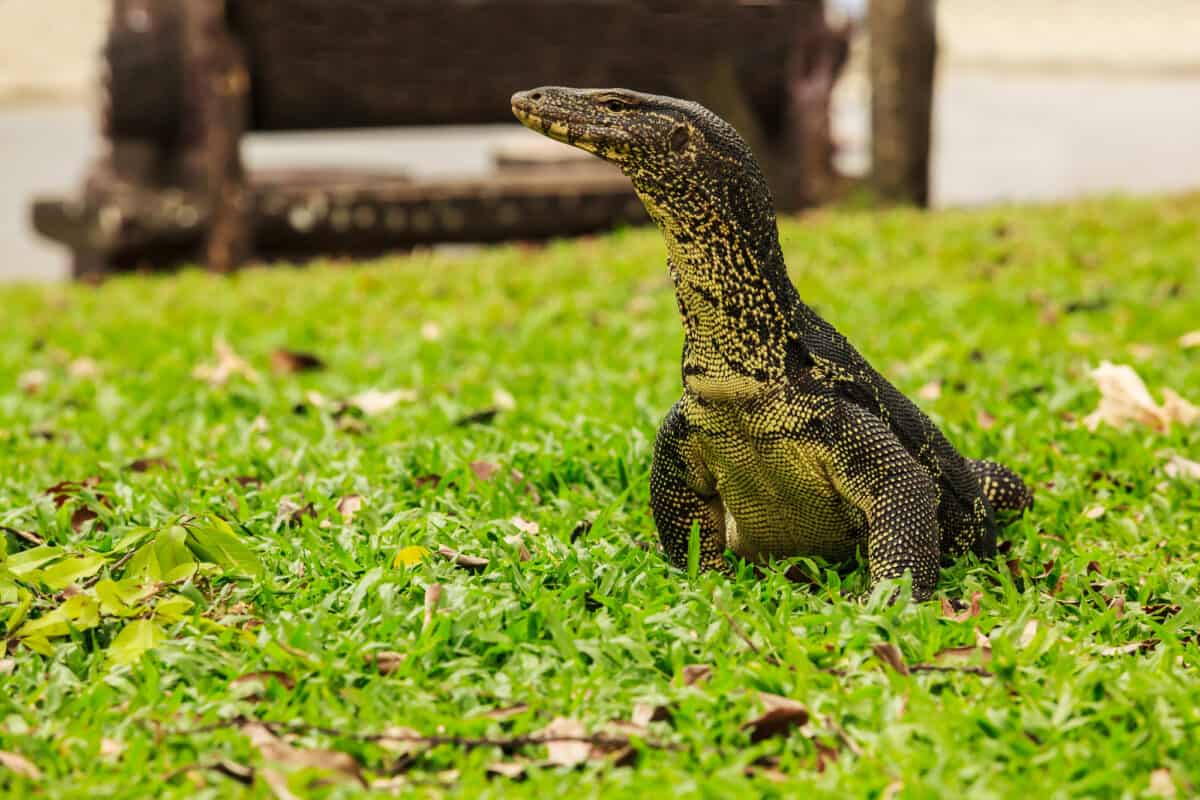
Among modern lizards, the monitor lizard family (Varanidae) provides perhaps the closest locomotion parallel to velociraptors. Species like the savannah monitor (Varanus exanthematicus) and Komodo dragon (Varanus komodoensis) frequently adopt a high-walk gait when moving purposefully across their environment. During this high-walk, monitors lift their bodies off the ground and position their legs more directly beneath them than most other lizards.
This creates a more efficient stride and reduces the lateral undulation typical of reptilian movement. Research using high-speed cameras has revealed that when monitor lizards run at top speeds, their gait patterns show remarkable similarities to those reconstructed for velociraptors. Both exhibit a diagonal sequence gait, where diagonally opposite limbs move together (right front with left hind, left front with right hind), creating a balanced and energy-efficient form of locomotion ideal for pursuit predators.
The Bipedal Specialists: Basilisk Lizards
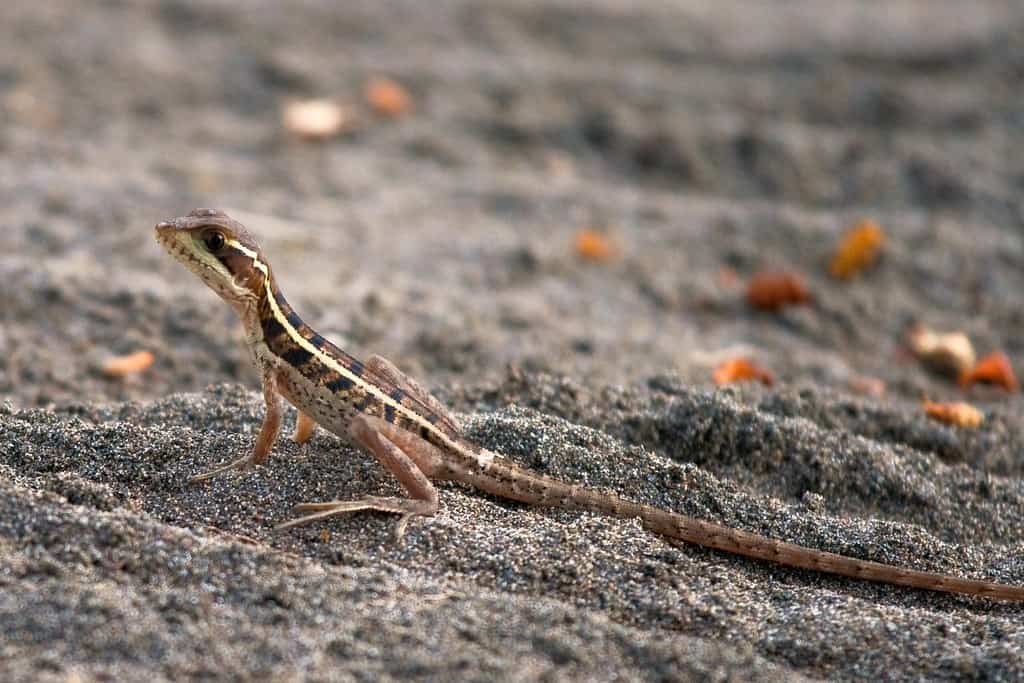
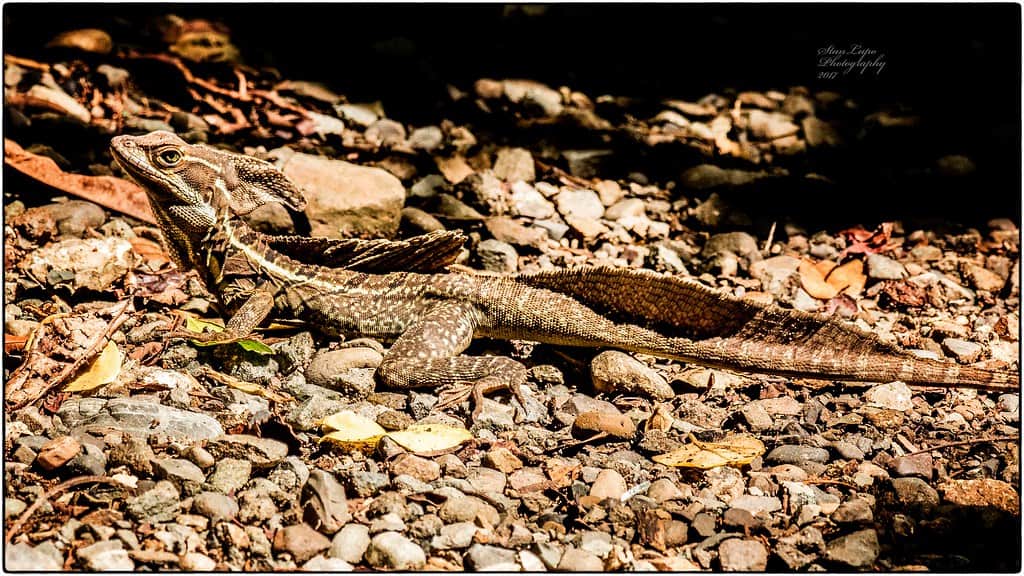
Another fascinating example of velociraptor-like locomotion can be observed in basilisk lizards (Basiliscus genus), particularly when they engage in their famous bipedal running. Commonly known as “Jesus lizards” for their ability to run across water surfaces, basilisks demonstrate the capacity to maintain balance on two legs while moving at high speeds. When threatened, these lizards rear up on their powerful hind limbs and sprint away, maintaining an upright posture that paleontologists believe was similar to how velociraptors would have moved when running at full speed.
The basilisk achieves this feat through a combination of powerful hind limbs, a long tail for balance, and a center of gravity positioned over the hips—all features they share with velociraptors. This bipedal running ability provides a living model for how theropod dinosaurs may have maneuvered through their environments when hunting or evading threats.
The Science Behind the Velociraptor Gait
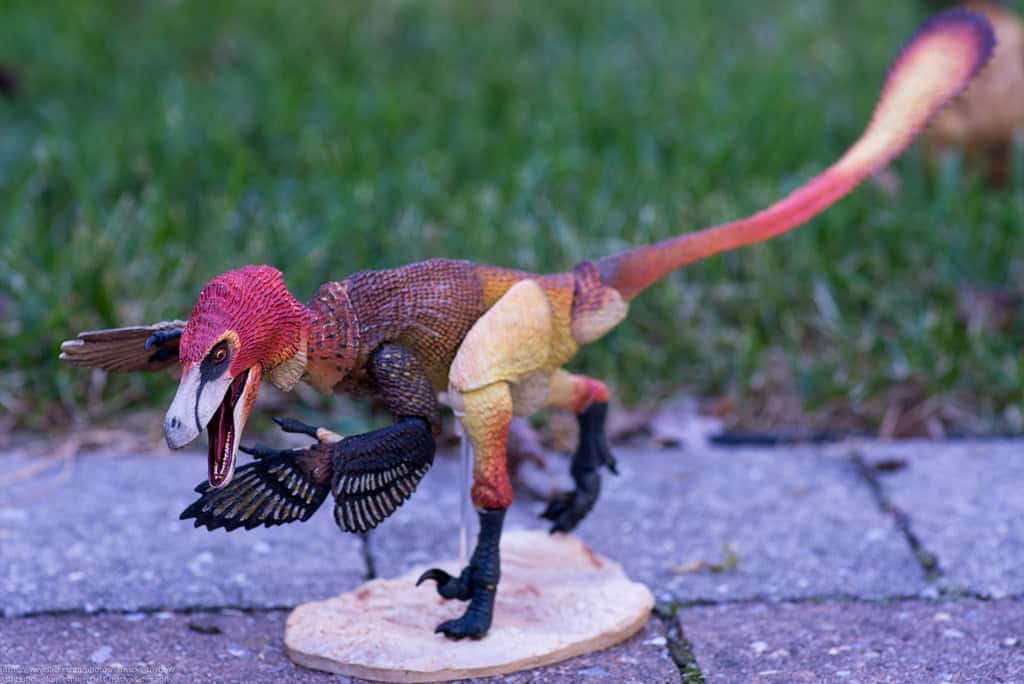
Velociraptor mongoliensis was a mid-sized dromaeosaurid dinosaur that lived approximately 75-71 million years ago during the Late Cretaceous period. Standing about 0.5 meters (1.6 feet) tall at the hip and measuring around 2 meters (6.8 feet) in length, velociraptors were obligate bipeds, meaning they moved exclusively on their hind limbs. Paleontological evidence, including fossil trackways and skeletal analysis, indicates that velociraptors moved with a distinctive parasagittal gait—a walking or running style where the limbs move parallel to the body’s centerline, rather than splaying outward.
This differs from the sprawling gait seen in most lizards during normal locomotion but matches the high-walk or running gaits of certain lizard species. The velociraptor’s center of mass was positioned directly over its hips, with its long tail providing counterbalance. When moving at speed, it likely held its body in a horizontal position with its head low and tail extended straight behind—a posture remarkably similar to a basilisk lizard in full sprint.
Fossil Evidence and Locomotion Studies
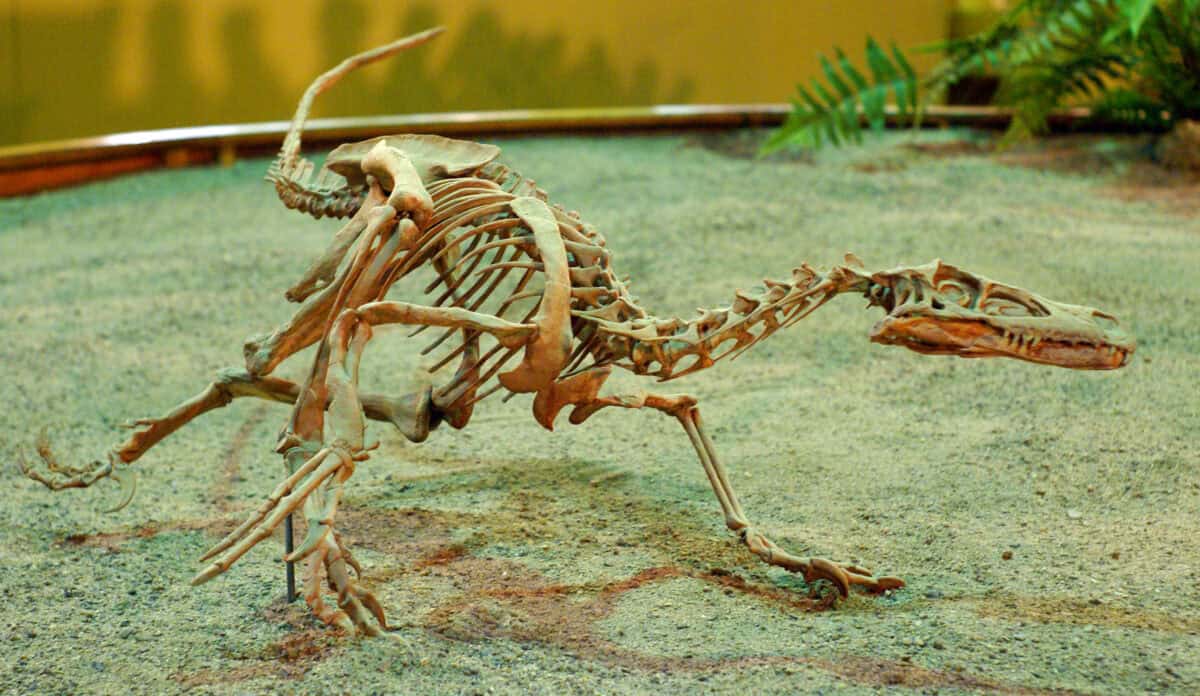
Our understanding of velociraptor locomotion comes from several lines of evidence. First, fossil trackways attributed to dromaeosaurid dinosaurs provide direct evidence of foot placement and stride length. Second, comprehensive studies of velociraptor skeletons reveal adaptations specifically suited for a particular style of movement. The hip socket, knee joint, and ankle structure all indicate an animal capable of quick, agile movements with legs positioned directly beneath the body.
Third, computer modeling has allowed paleontologists to simulate velociraptor movement based on muscle attachment points, joint mechanics, and comparative anatomy with modern animals. Finally, studies of living relatives—particularly birds and certain lizard species—provide crucial data on how similar anatomical structures translate to movement patterns. When these lines of evidence are combined, they strongly suggest that velociraptors moved with a gait that shares key characteristics with the high-speed locomotion seen in basilisk lizards and monitor lizards.
The Importance of the “Terrible Claw”
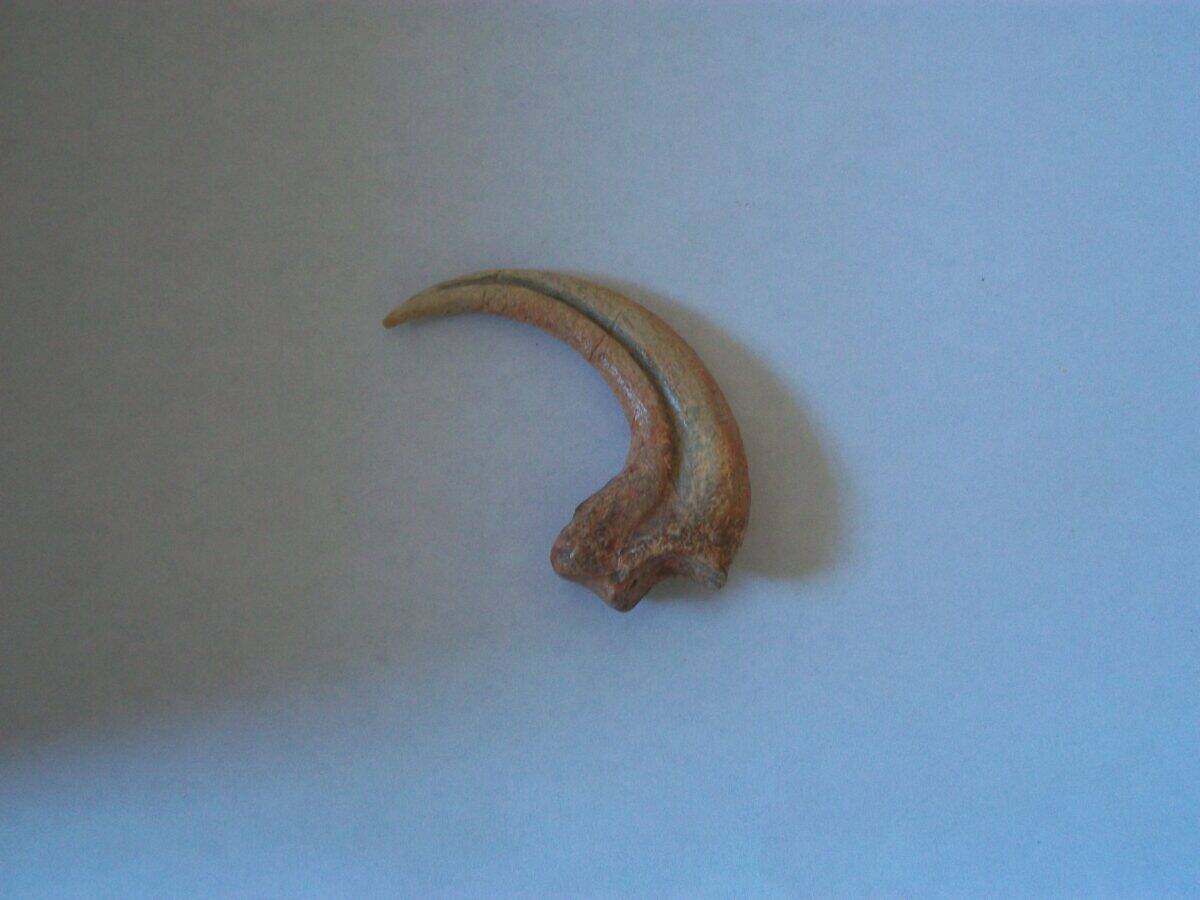
A defining feature of velociraptors was their enlarged sickle-shaped claw on the second toe of each foot. This “terrible claw” (from which the family Dromaeosauridae gets its name, meaning “running lizards”) was likely held off the ground during normal locomotion, much like the retractable claws of modern cats. Interestingly, some lizards display a parallel adaptation. The Jesus lizard (Basiliscus basiliscus), when running bipedally, shows differential toe use, with some toes providing more propulsive force than others.
While not as specialized as the velociraptor’s claw, this demonstrates how digit specialization can influence gait mechanics. For velociraptors, the raised position of this specialized claw would have affected their walking and running style, creating a distinctive foot posture during locomotion. The similarities extend to the function of these specialized appendages as well—both are adaptations for predatory behavior, with the velociraptor’s claw serving as a formidable weapon and the basilisk’s specialized toe arrangement enabling the rapid locomotion needed for effective hunting.
Tail Function in Lizard and Velociraptor Movement
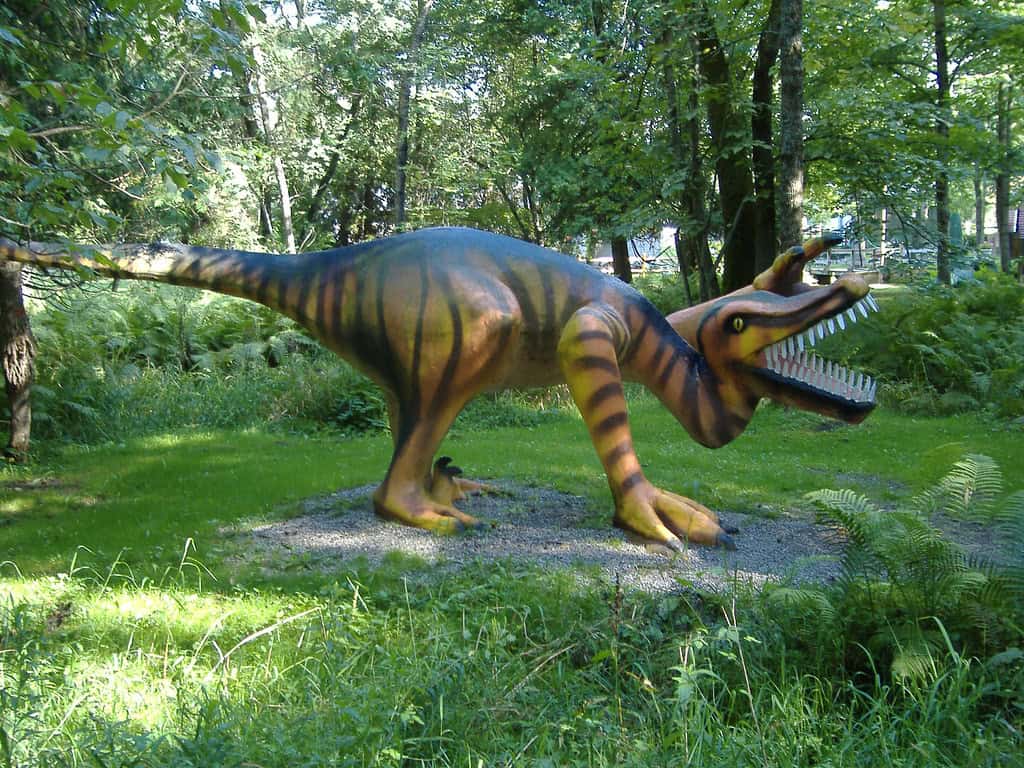
The tail plays a crucial role in both lizard and velociraptor locomotion, serving multiple functions that contribute to their similar gaits. For velociraptors, the long, stiffened tail with interlocking vertebral processes created a rigid counterbalance that helped maintain stability during rapid direction changes. This tail structure prevented excessive bending while allowing the necessary flexibility for balance.
Modern monitor lizards and basilisks similarly use their tails as counterbalances during high-speed movements. When basilisk lizards run bipedally, their tails lift upward and outward to maintain balance—a posture that paleontologists believe was similar to velociraptors during rapid locomotion. For both groups, the tail serves as a dynamic stabilizer, shifting position to counteract rotational forces as the animal changes direction. This functional similarity in tail use represents another fascinating parallel between modern lizards and their distant dinosaurian relatives, contributing significantly to the comparable gait patterns observed between these evolutionarily separated groups.
Speed Capabilities: Comparing Lizards and Velociraptors
How fast could velociraptors run, and how does this compare to modern lizards? Based on biomechanical studies and fossil evidence, paleontologists estimate that velociraptors could reach speeds of approximately 24-40 km/h (15-25 mph). This places them in a similar range to the fastest modern lizards. The black iguana (Ctenosaura similis) can sprint at up to 34.9 km/h (21.7 mph), while certain monitor lizards can achieve speeds around 29 km/h (18 mph).
The basilisk lizard, when running bipedally, can reach approximately 24 km/h (15 mph). These comparable speed capabilities reflect similar adaptations for predatory lifestyles and suggest that the locomotion strategies employed by both groups were optimized for similar performance parameters. The speed similarities reinforce the notion that certain fundamental aspects of locomotion—particularly for predatory species—represent optimal solutions that have evolved independently or been conserved across diverse evolutionary lineages spanning millions of years.
Energy Efficiency in Dinosaur and Lizard Locomotion
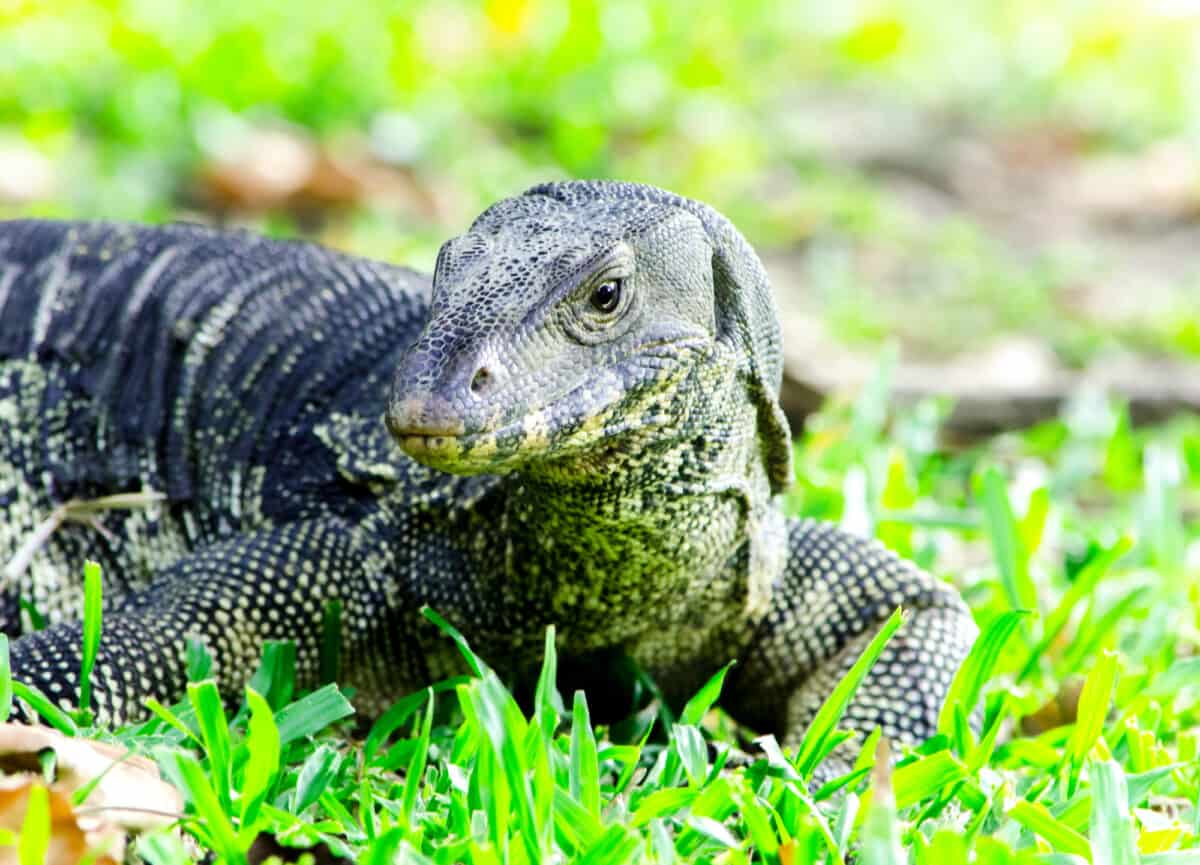
A critical aspect of animal locomotion is energy efficiency, and here too, we find striking parallels between certain lizards and velociraptors. The semi-erect to erect posture adopted by monitor lizards during their high-walk represents an energy-saving adaptation compared to the typical sprawling gait of most reptiles. By positioning their limbs more directly beneath their bodies, these lizards reduce the lateral undulation of the spine and minimize energy loss.
Velociraptors, with their fully erect stance, took this energy efficiency even further. Biomechanical studies suggest that the velociraptor’s parasagittal gait would have been highly efficient for sustained movement, allowing these predators to cover significant distances while hunting. The convergence toward more energy-efficient gaits in both monitor lizards and velociraptors demonstrates how evolutionary pressures can drive similar locomotion solutions despite different evolutionary starting points. This efficiency would have been particularly important for active predators that relied on endurance as well as speed for successful hunting strategies.
How Scientists Use Living Lizards to Understand Dinosaur Movement
Living lizards provide invaluable data for paleontologists studying dinosaur locomotion. Through a field called comparative biomechanics, researchers analyze the movement patterns, muscle function, and skeletal mechanics of modern lizards to develop more accurate models of how extinct dinosaurs like velociraptors moved. This research often employs sophisticated technologies such as high-speed videography, force plates to measure ground reaction forces, and electromyography to record muscle activation patterns.
By understanding how anatomical structures translate to movement capabilities in living lizards, scientists can make more informed inferences about extinct species with similar features. For example, studies of monitor lizards transitioning between sprawling and more upright postures provide insights into how dinosaurs may have evolved their distinctive upright stance. Similarly, analysis of the basilisk lizard’s bipedal running offers a living model for bipedal dinosaur locomotion. These modern analogs allow paleontologists to ground their theoretical reconstructions in observable biological systems, significantly enhancing our understanding of dinosaur movement.
Hollywood vs. Reality: Velociraptor Movement in Popular Media

The popular portrayal of velociraptor movement, particularly in films like “Jurassic Park,” has sometimes diverged from scientific understanding. While these movies increased public fascination with these dinosaurs, they also created some misconceptions about how velociraptors actually moved. In reality, velociraptors were more avian in their movement patterns than typically portrayed, likely holding their bodies and tails in a more horizontal position than the upright, lizard-like posture sometimes shown in entertainment media.
Furthermore, evidence suggests that velociraptors, like modern birds, may have had feathers, which would have influenced their appearance during locomotion. The most accurate scientific reconstructions of velociraptor movement combine elements seen in ground-dwelling birds like ostriches with certain aspects of monitor lizard and basilisk lizard locomotion. By studying the gait patterns of these living relatives and analogs, paleontologists continue to refine our understanding of how these fascinating prehistoric predators moved through their Late Cretaceous environments, creating reconstructions that increasingly diverge from Hollywood depictions while revealing an equally compelling reality.
Conclusion: Evolutionary Parallels Across Time

The striking similarities between the gaits of certain modern lizards and velociraptors highlight the fascinating ways in which evolutionary processes can produce comparable solutions to locomotion challenges across vast spans of time. Despite being separated by millions of years and distinct evolutionary lineages, monitor lizards, basilisks, and velociraptors all converged on efficient movement strategies that balance speed, agility, and energy conservation.
This convergence speaks to the fundamental physical constraints that shape animal locomotion and the limited number of optimal solutions available within those constraints. By studying these parallels, scientists gain valuable insights not only into dinosaur movement but also into the broader principles of evolutionary biomechanics. As research technologies continue to advance, our understanding of these connections will undoubtedly deepen, further illuminating the remarkable evolutionary links between the creatures that walk our planet today and the fearsome predators that once dominated ancient landscapes.

From exploring the marine wonders in the Azores and witnessing the vast savannas of Kenya, to delving deep into the rich biodiversity of South Africa and traversing iconic landscapes in Australia and the US like Yellowstone, Chris's experiences are vast.
With a penchant for diving alongside sharks, the ocean holds a special place in his heart.
Through his academic insights, he champions wildlife conservation, striving with 'Animals Around The Globe' to cultivate a profound connection between humans and animals, enhancing our mutual appreciation.
Connect with him at Feedback@animalsaroundtheglobe.com.
- Elephant Matriarchs Know Every Waterhole for Miles - July 19, 2026
- Top 10 Dinosaur Relatives Still Roaming Earth Today - July 19, 2026
- Why Reintroducing Lions Might Save the Savannah - July 19, 2026