
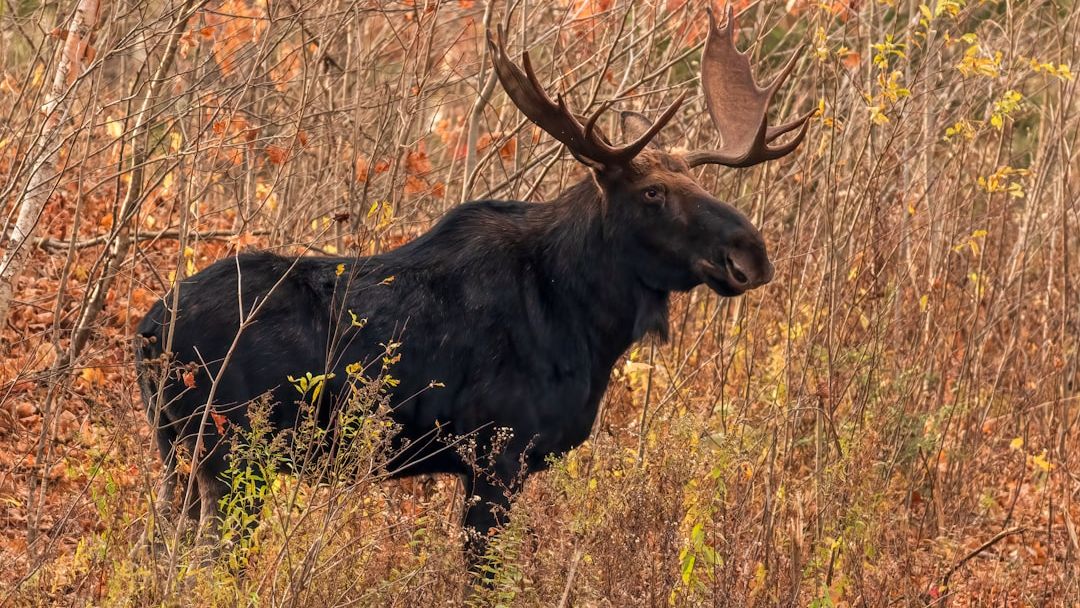
Picture this: you’re hiking through Alaska’s pristine wilderness when suddenly, the ground starts shaking. A massive moose emerges from the trees, ears pinned back, hackles raised, and it’s charging straight at you. While this scenario might sound like something out of a nature documentary, it’s becoming an increasingly common reality for Alaskans and visitors alike.
The numbers tell a sobering story that might surprise you. More people in Alaska are injured by moose than by bears each year, despite bears getting most of the attention in wildlife safety discussions. These gentle-looking giants, weighing up to 1,800 pounds, are responsible for wounding between five to ten people annually in Alaska alone. So let’s get started and discover what’s behind this growing trend.
The Shocking Reality of Moose-Human Encounters
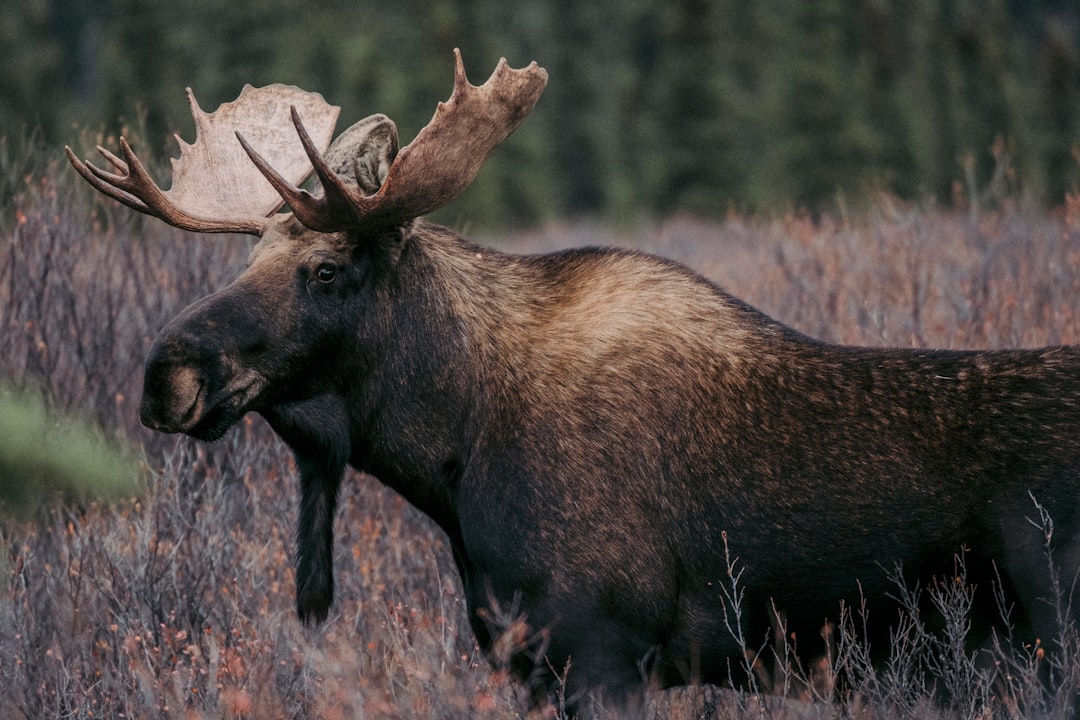
More people in Alaska are injured by moose than by bears each year, making them the state’s most dangerous large mammal despite their herbivorous nature. Moose weigh up to 1,800 lbs – three or four times the weight of a grizzly – and will charge anything they think is threatening.
The sheer scale of Alaska’s moose population contributes to these encounters. In Alaska, the moose population is between 175,000 and 200,000. Moose outnumber bears and are responsible for wounding five to 10 people in the state annually. What makes this even more concerning is that unlike bears, moose don’t fear humans naturally.
One dangerous thing about moose is that they do NOT fear humans, unlike other creatures such as deer. For this reason, they have no problem trampling you or charging at you.
Why Alaska’s Giants Are Getting More Aggressive
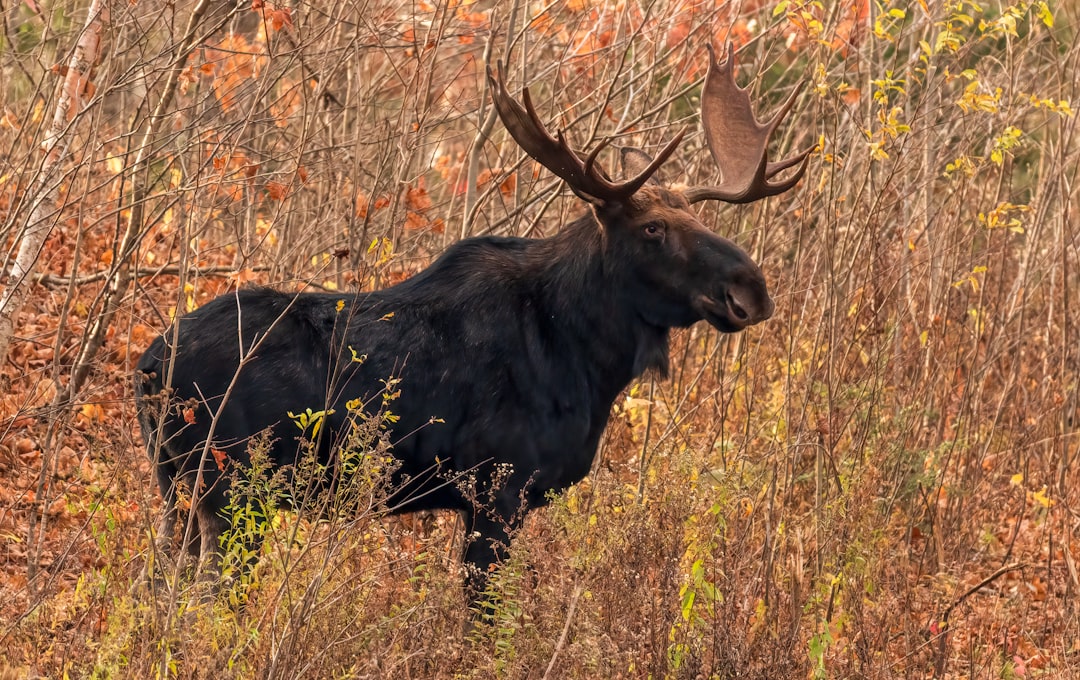
Rangers and wildlife biologists point to several interconnected factors driving increased moose aggression. Moose can become aggressive when they are harassed by people, dogs, and traffic, or when hungry and tired, especially in winter when they must walk through deep snow.
Human encroachment into moose habitat has created a perfect storm of conditions. Anchorage, Alaska’s largest city is home to an estimated 1,500 moose, including a few hundred in the most populated part of the municipality. These urban moose face constant stress from human activity, making them more likely to respond aggressively.
Moose that are fed by humans often become conditioned and will act aggressively when they are not fed as expected. A moose with a history of being fed may approach an unsuspecting person in hopes of receiving a hand-out. It may attack if it sees that the person has no food to offer.
The Deadly Combination of Maternal Instincts and Calving Season
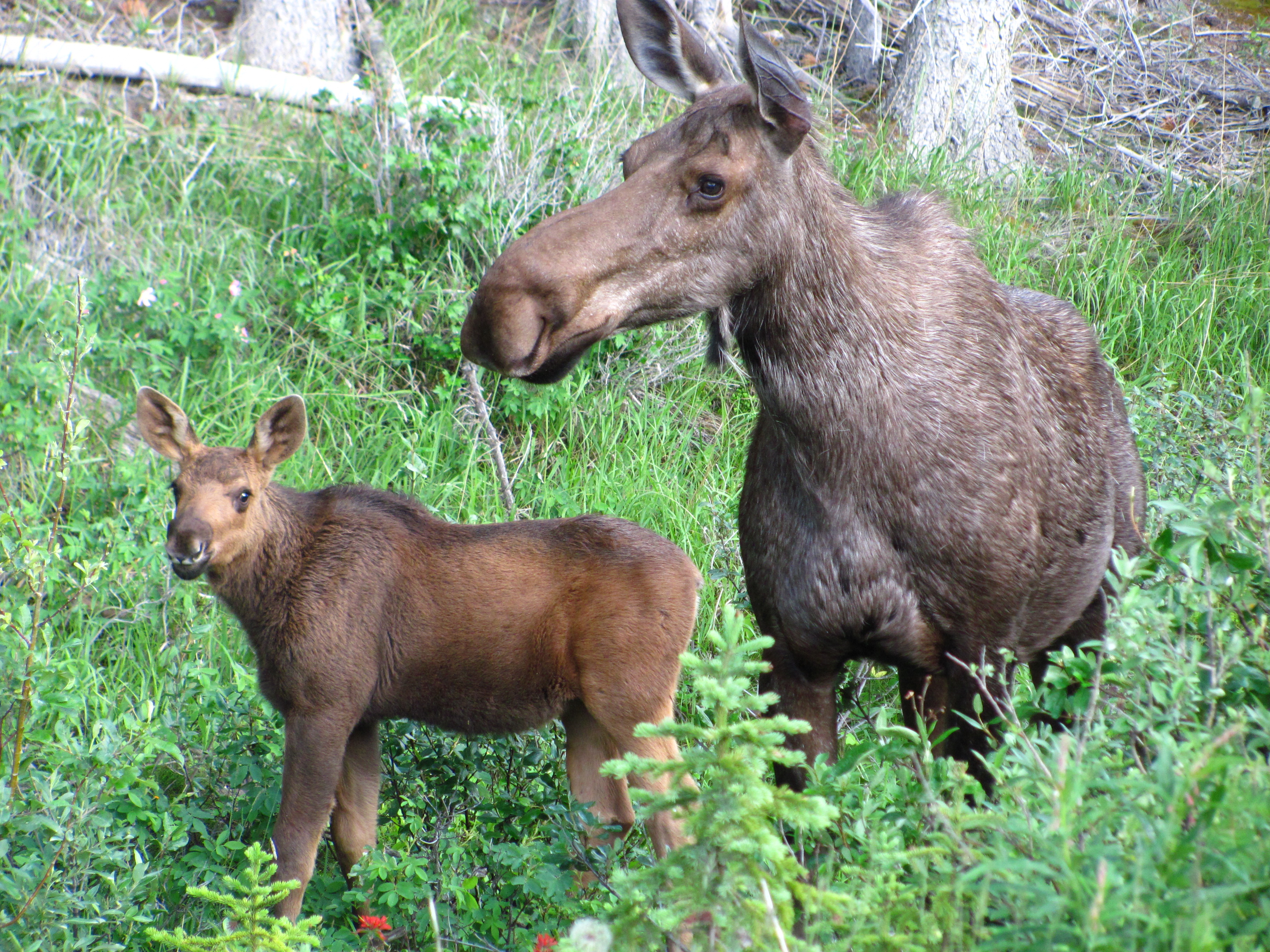
Spring and early summer bring particularly dangerous conditions as cow moose become fiercely protective of their young. During the calving season, cow moose in particular may be aggressive. In late spring and summer, cow moose with young calves are very protective and will attack humans who come too close.
The number of moose attacks spikes during calving season in late spring and early summer (May-July), and again in September and October during mating season when mothers are protecting their young calves. The risk becomes exponentially higher when people inadvertently position themselves between a cow and her calf.
If you see a calf on its own, be very careful because you may have walked between it and its mother – a very dangerous place to be. This scenario has led to some of the most severe attacks recorded in Alaska.
Dogs: The Hidden Trigger Behind Moose Attacks
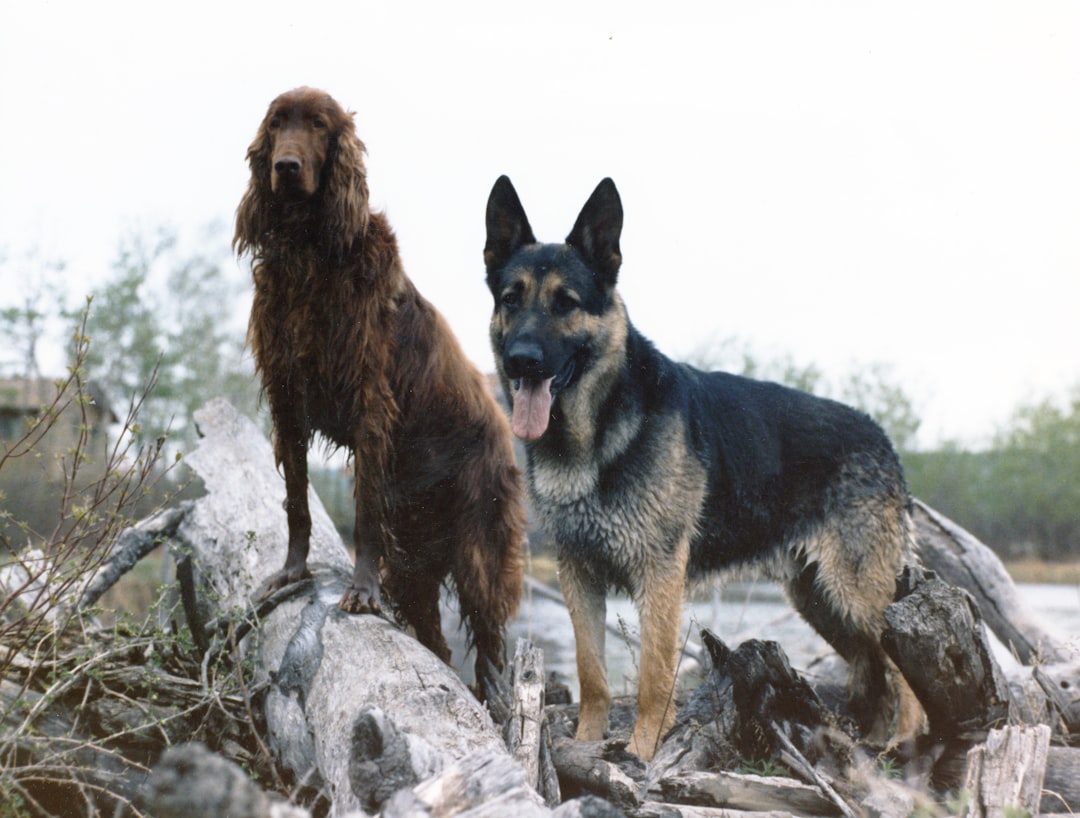
One of the most significant factors rangers blame for increased moose charges is the presence of domestic dogs. Moose especially dislike dogs because they run up and bark at them. The reason goes deeper than simple annoyance.
Moose have also been known to attack dogs, which they sometimes view as enemies due to their resemblance to wolves, a natural predator of moose. This instinctive response triggers their defensive mechanisms, often resulting in aggressive behavior toward both the dog and its owner.
Recent incidents highlight this danger. In late May of 2019, a man walking his dog in an Eagle River neighborhood was attacked when he inadvertently got between a cow moose and her calf. Rangers consistently warn dog owners to keep their pets leashed and under control in moose country.
Winter Stress and Food Scarcity Drive Desperate Behavior
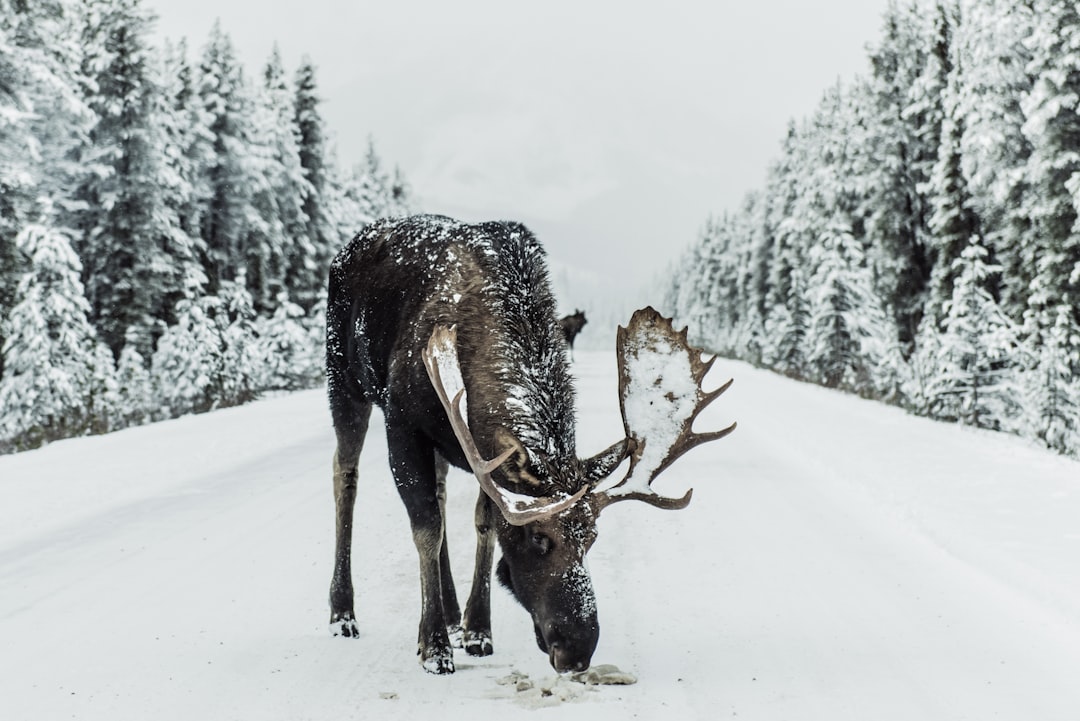
Alaska’s harsh winters create conditions that make moose more unpredictable and dangerous. In winter, moose can be aggressive when harassed by people, dogs and traffic, and are more likely to be hungry, tired and frustrated with deep snow.
Hunger can also make moose more dangerous and increase the odds of moose attacks. When they’re hungry, they’ll return to a place where they were once given food or found food, and they may attack if the food isn’t there again. This creates a vicious cycle where well-meaning humans inadvertently create dangerous situations.
During particularly difficult winters, moose venture into populated areas searching for accessible food sources. During the barren winter, when moose can’t source these natural foods, Anchorage residents watch them turn to eating trash, bringing them into closer contact with humans.
The Frightening Power of Moose Defense Mechanisms
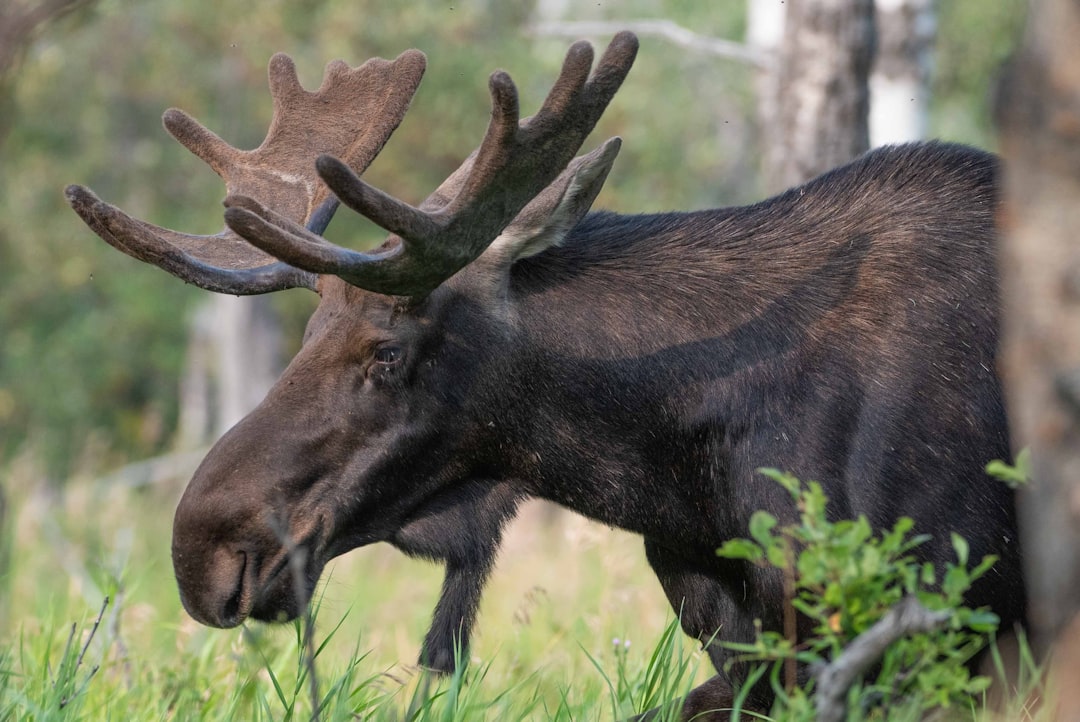
Understanding why moose attacks are so dangerous requires appreciating their incredible physical capabilities. Wildlife biologist Layne Adams noted that moose are good at kicking on the run. Elk will do that too, it’s amazing how they can lash out with a hoof while running at a pretty good clip.
The cow charged and kicked at the wolves, mostly using her front feet, but also with her back legs. This same devastating power that protects moose from wolf packs becomes lethal when directed at humans. Biologists often see healed injuries in wolves living in areas where they hunt moose rather than caribou or deer, with animals having broken legs, suspected from altercations with moose.
The psychological aspect is equally concerning. Moose get frustrated and wildlife biologist John Crouse described what he called moose tantrums. They’ll get so upset about something sometimes they have to blow off that energy. They’ll run around in circles, their hair is all erected and up straight; they will run with their legs jerking out and kicking sideways.
Warning Signs Rangers Want Everyone to Recognize
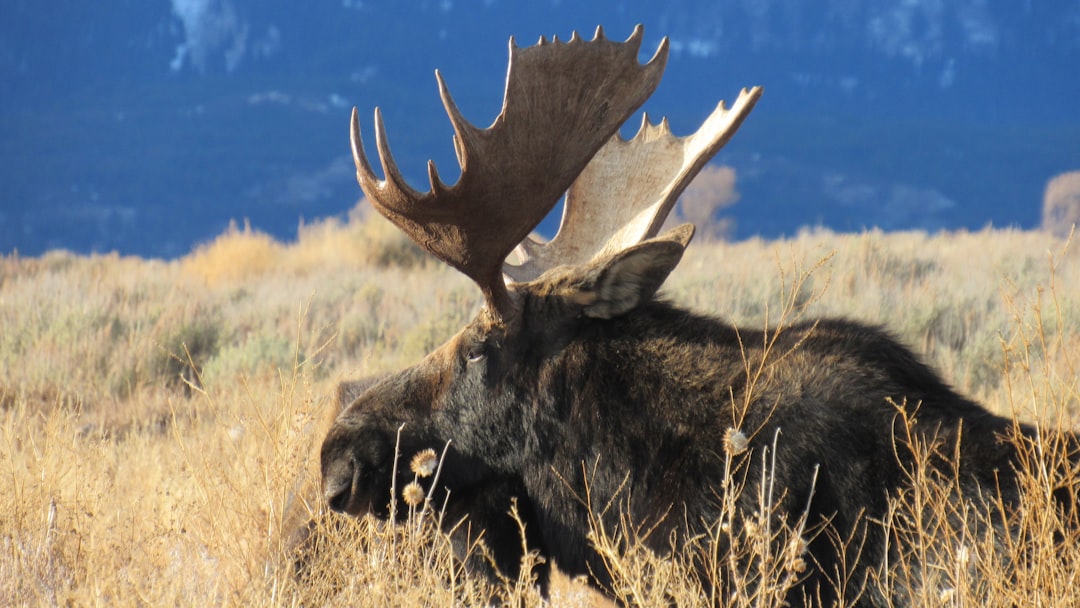
Rangers emphasize that moose give clear warning signals before attacking, but many people fail to recognize them. If a moose’s ears are laid back and hackles are up, a moose is upset. When upset, it could decide to charge.
The long hairs on its hump are raised, ears laid back (much like a dog or cat), and it may lick its lips (if you can see this, you are way too close). These behavioral cues represent a moose’s final warning before it takes defensive action.
A moose that sees you and walks slowly towards you is not trying to be your friend; it may be looking for a hand-out or warning you to keep away. Rangers stress that any approach by a moose should be treated as potentially dangerous, regardless of the animal’s apparent calm demeanor.
What to Do When a Moose Charges – Survival Tactics That Work
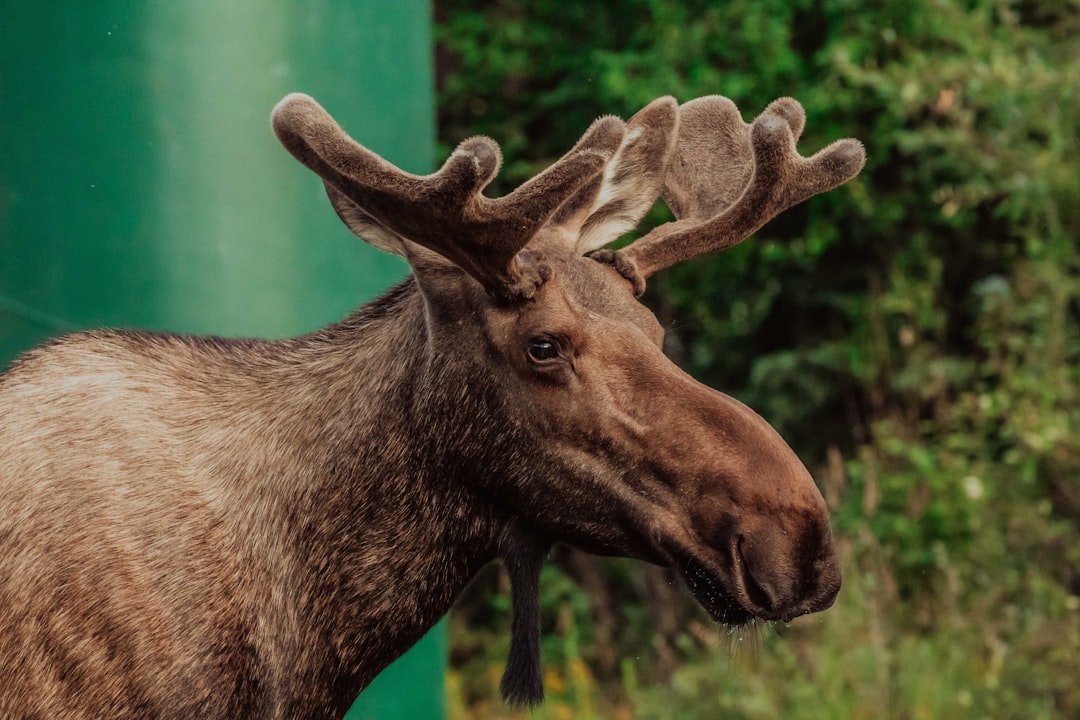
When facing a charging moose, rangers have clear recommendations that differ significantly from bear encounter protocols. Unlike with bears, it is okay to run from a moose. They usually won’t chase you and if they do, it’s unlikely that they’ll chase you very far.
Most moose charges are bluffs – warning you to stay back. But if a moose does charge, don’t wait to find out if it’s bluffing. Run and get behind something solid, like a tree, or retreat to a safe place, like inside a building or car.
If escape isn’t possible, the survival strategy becomes completely different. If a moose knocks you down, curl up in a ball and protect your head with your arms and keep still. Fighting back will only convince the moose that you may still be a threat. Only move once the moose has backed off to a safe distance or it may renew its attack.
Alaska’s moose population isn’t just growing larger in numbers; these magnificent animals are becoming increasingly unpredictable as human development encroaches on their territory. Rangers point to a complex web of factors including urban expansion, improper feeding, dog interactions, seasonal stress, and climate-related food scarcity as the primary drivers behind more frequent charging incidents.
The solution isn’t simple, requiring both individual awareness and broader policy changes. As Alaska continues to develop and more people venture into moose habitat, these encounters will likely become even more common. The key to coexistence lies in respecting these powerful animals’ space and understanding the warning signs they give us. What do you think about these increasing moose encounters? Have you ever had a close call with one of Alaska’s giants? Tell us in the comments.

- 10 Fascinating Facts About the Petrified Forest's Stone Trees - August 6, 2026
- 7 Things Skunks Do Before They Spray - August 6, 2026
- 7 Reasons Sea Otters Matter to California's Kelp Forests - August 6, 2026