

The Shadow Zone: A Name That Actually Fits
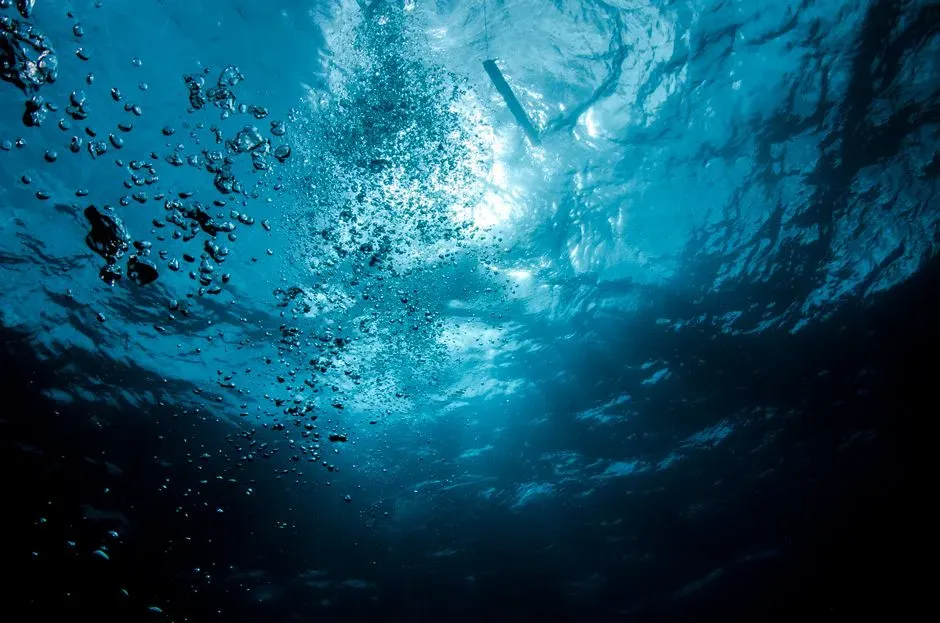
Deep in the North Pacific, a vast stretch of submerged ocean is trapped in a kind of stasis between powerful currents and the sea floor, and for the ancient waters caught in this airless zone, it’s almost like time stands still. Oceanographers have given this region a name that suits its nature precisely: the shadow zone. It sits at a depth where neither the vigorous wind-driven currents near the surface nor the geothermally influenced deep bottom waters can reach it.
The shadow zone is a region of nearly stagnant water located between the rising currents caused by the rough topography of the ocean floor, the geothermal heat sources below 2.5 kilometers, and the shallower wind-driven currents closer to the surface. That sandwiching effect is key. The zone doesn’t persist because of some unusual chemical property of the water itself. It persists because the physical architecture of the ocean floor and the competing forces above and below it conspire to hold it perfectly still.
At around 2 kilometers below the surface of the Indian and Pacific Oceans, there is a shadow zone with barely any vertical movement that suspends ocean water in an area for centuries. Two kilometers down is not the abyssal trench floor. It’s a mid-water limbo, technically reachable by deep-diving equipment but rarely visited, and until relatively recently, poorly understood.
How Scientists Dated Water That Has No Timestamp
One of the first reasonable questions anyone asks is: how do you put an age on a body of water? It doesn’t carry a label. It doesn’t grow rings like a tree. How do we know that deep Pacific water is about 1,000 years old? It doesn’t have a freshness date stamped on it, or useful dating features like the rings in a tree. One neat tool for aging the sea is radiocarbon, or carbon-14 dating.
This radioactive element is created naturally in the atmosphere by solar radiation and makes up a small percentage of all of the carbon on Earth. By measuring the amount of remaining radiocarbon in ocean waters at different depths and different places around the world, we know that the deep Pacific holds the ocean’s oldest waters, which have been out of contact with the atmosphere for about 1,000 years before they mix to the surface again. The technique is the same principle used in archaeological dating. Carbon-14 decays at a known rate, so its depletion in isolated water tells scientists how long that water has been sealed off from the atmosphere.
The research suggests the time the ancient water spent below the surface is a consequence of the shape of the ocean floor and its impact on vertical circulation. Carbon-14 dating had already told researchers the most ancient water lies in the deep North Pacific, but until recently scientists had struggled to understand why the very oldest waters huddle around the depth of 2 kilometers. The dating confirmed the age. Understanding the reason for that age took considerably longer.
The Conveyor Belt That Delivered This Water to Its Resting Place
This water’s thousand-year journey began on the surface of the north Atlantic. After years drifting north and baking in the subtropical sun, evaporation turned the water’s upper layer briny. In the middle of the northern Pacific Ocean, scientists encountered a shadowy relic of the marine realm: the oldest seawater on the planet. The route it took to get there is one of the most important circulatory systems on earth.
Becoming saltier and colder increased the water’s density compared to its neighbors, causing it to sink. This dense combination of extra cold and salt sank the water to around 6,000 feet, where it climbed aboard what oceanographers call the conveyor belt, a one-way procession of deep water that travels around the globe. The journey across ocean basins takes centuries, during which the water slowly accumulates nutrients as organic matter rains down from above and decomposes.
By the time this bottom water reaches the Indian Ocean, and after that the Pacific, it has been accumulating sinking nutrients for centuries, so deep nutrient concentrations are greater in the Pacific than the Atlantic. This nutrient loading matters enormously for what ends up living there. The shadow zone is, in chemical terms, both a graveyard and a pantry at the same time.
What the Chemistry of This Ancient Water Actually Looks Like
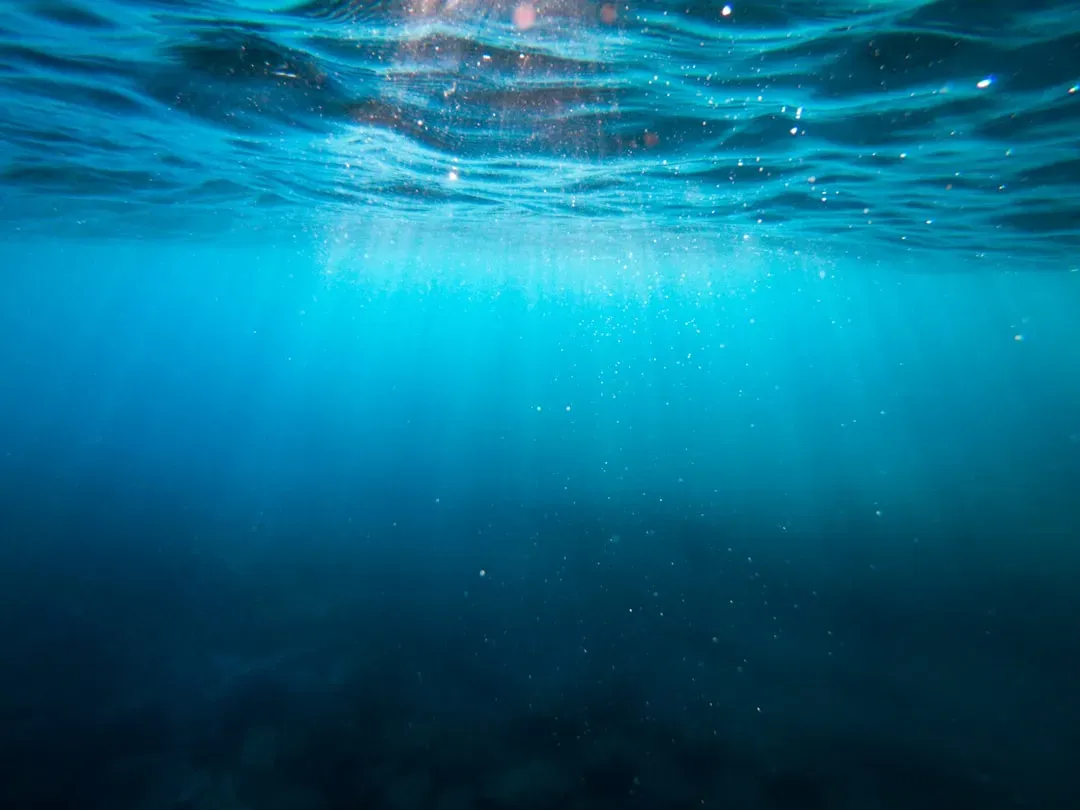
This blob of ancient water last touched the surface during the peak of the Maya civilization in modern day Mexico and Central America, roughly 1,200 years ago. Shrouded in darkness, it is loaded with nutrients like nitrogen and phosphorus, but it is also acidic and oxygen-depleted compared to most of the ocean. That combination sounds inhospitable. In many ways, for the organisms we’d consider typical ocean life, it genuinely is.
The oxygen minimum zone, sometimes referred to as the shadow zone, is the zone in which oxygen saturation in seawater in the ocean is at its lowest. This zone occurs at depths of about 200 to 1,500 meters, depending on local circumstances. The low oxygen is not a random feature. It’s a direct consequence of isolation. Organic material sinking from above gets consumed by bacteria, which use up the dissolved oxygen in the water. Without ventilation from the surface, that oxygen simply isn’t replaced.
The rate and total content of oxygen loss varies by region, with the North Pacific emerging as a particular hotspot of deoxygenation due to the increased amount of time since its deep waters were last ventilated and related high apparent oxygen utilization. The water is, in a sense, metabolically exhausted. Everything breathable has been consumed over generations of decomposition happening slowly in the dark.
Life in a Place That Should Not Support It
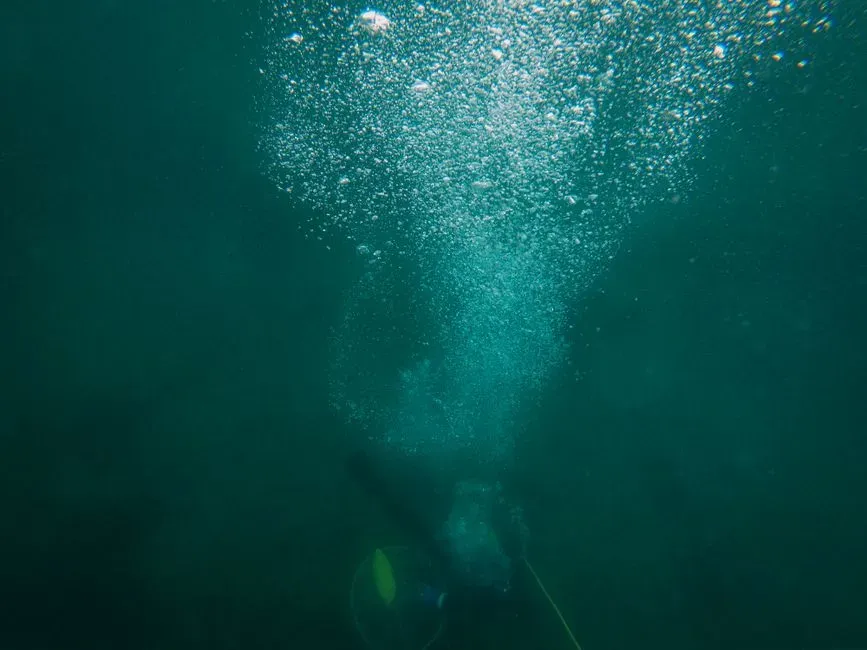
Some regions of the deep ocean floor support abundant populations of organisms, despite being overlain by water that contains very little oxygen. That finding alone forced a reassessment of what we thought we understood about the minimum requirements for complex life. The assumption that oxygen-depleted zones would be biological deserts turns out to be dramatically wrong in several cases.
While many organisms with high oxygen demands, such as tuna or swordfish, cannot survive for any length of time within oxygen minimum zones, others have adapted to maximize the amount of oxygen they are able to absorb from the water. These adaptations include increased gill surface area, efficient circulatory systems, and an abundance of proteins that bind readily to oxygen. These aren’t minor tweaks. In some species, the adaptations are so extreme that the organisms are physiologically distinct from their relatives in oxygenated water.
With an oxygen content one-fourteenth or less than that at the surface, these zones provide habitats where certain marine organisms can enjoy abundant food and freedom from predators. Single-celled creatures in the order Foraminifera and minute worms called nematodes dominate some of the deepest summit environments. Freedom from predators is a real competitive advantage in a world otherwise governed by constant predation. The shadow zone, hostile as it is, offers something that nowhere else can: near total safety for those built to tolerate it.
Microbial Life That Rewrites the Classification Tree
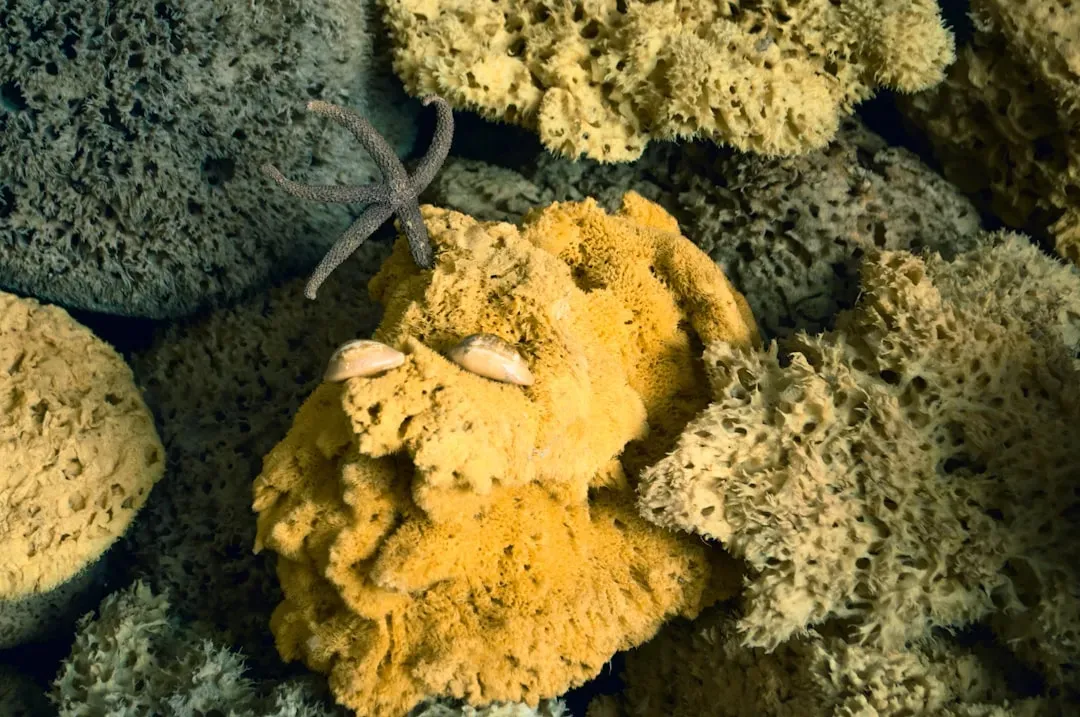
Despite the important and unique role of oxygen minimum zone microbes in biogeochemical cycles, they are less characterized than microbes from the oxic ocean. In one study, researchers recovered 39 high-quality and medium-quality metagenome-assembled genomes from the Eastern Tropical South Pacific oxygen minimum zone. More than half of these genomes were not represented at the species level among 2,631 genomes from global marine datasets. More than half. That figure is worth sitting with for a moment. The majority of recovered microbial genomes from this zone didn’t match anything previously catalogued from the global ocean.
Oxygen minimum zone genomes were dominated by denitrifiers catalyzing nitrogen loss. A novel bacterial genome with nitrate-reducing potential could only be assigned to the phylum level. A Marine-Group II archaeon was found to be a versatile denitrifier, with the potential capability to respire multiple nitrogen compounds. Being assignable only at the phylum level means scientists can say it belongs to a very broad category of life, but can get no more specific than that. In everyday terms, it would be like finding an animal and being able to say only that it’s a vertebrate, nothing further.
Researchers have discovered a whole new evolutionary branch on the deep-sea floor, having found an entirely new superfamily and 24 new deep-sea species on the central Pacific’s seafloor. While thousands of new species are named every year, a new superfamily suggests a fundamental gap in our previous understanding of how certain creatures evolved and diversified in the deep ocean. Scientists also discovered certain amphipods were living much deeper than previously thought possible. A new superfamily is not a routine discovery. It represents a branching point in evolutionary history that we simply had no knowledge of until now.
What This Ancient Layer Means for Climate and the Future
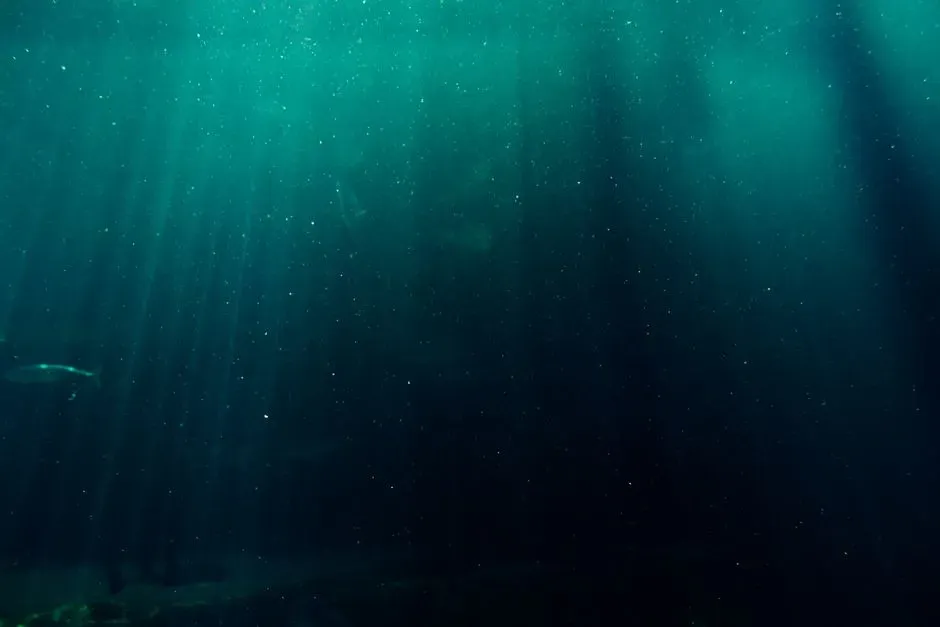
The ocean conveyor belt may be significantly impacted by climate change disrupting thermohaline circulation. That disruption would have cascading consequences, and the shadow zone is one of the places where those consequences could manifest most dramatically. The isolation that has preserved this ancient water for a millennium depends on the stability of the circulation patterns surrounding it.
Based on rigorous analysis of long-term oceanographic monitoring data, the upper 3,000 meters of the Northeast Pacific has lost roughly 15 percent of its oxygen in the last 60 years. Over that time, the oxygen minimum zone has expanded at a measurable rate per year due to deepening at its lower boundary. An expanding oxygen minimum zone doesn’t just mean more hypoxic water. It means the shadow zone itself could be growing, altering the boundaries of this ancient isolated layer in ways we can’t fully predict.
As oceans warm, oxygen minimum zones increase in number and size across the globe. The upper limit of oxygen minimum zones is rising and consequently, the vertical extent of the well-oxygenated surface layer shrinks, constraining the vertical habitat of epipelagic organisms. Everything that depends on oxygenated water at shallower depths gets pushed toward the surface, compressing entire ecosystems into thinner and thinner bands of habitable water.
Conclusion
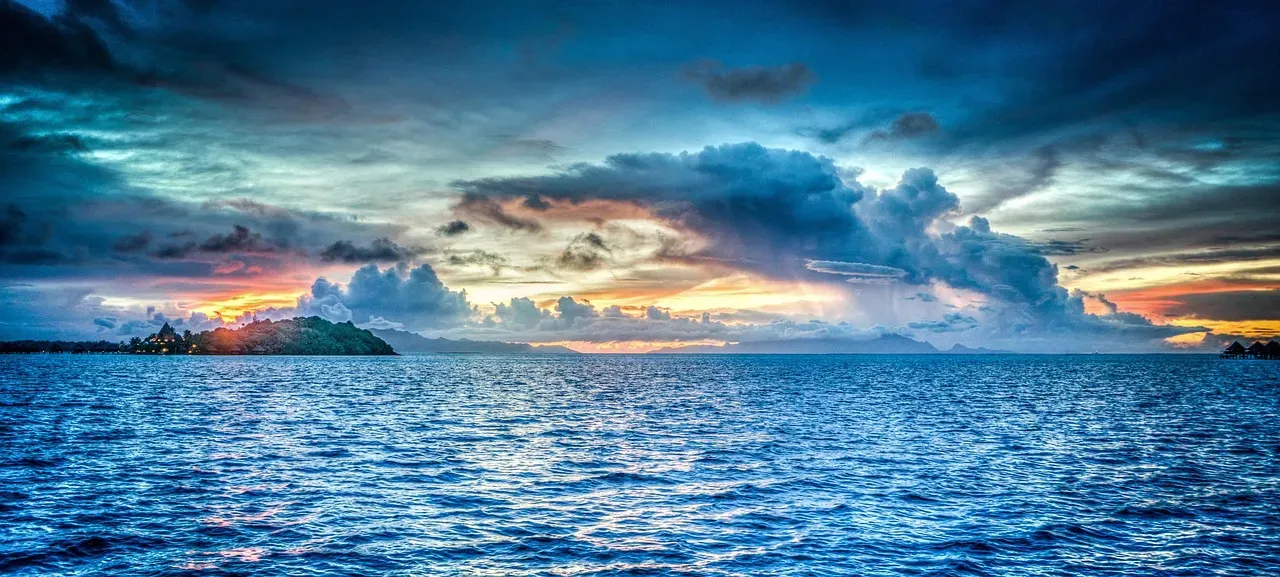
There is something genuinely unsettling about the idea that beneath the Pacific Ocean, a body of water the size of a small continent has been sitting undisturbed since before the Norman Conquest, slowly accumulating nutrients and harboring organisms we can’t even properly name yet. It challenges the comfortable idea that we’ve mapped and largely understood Earth’s oceans.
The truth is that the shadow zone is a reminder that the ocean’s interior remains one of the least explored environments on the planet, and arguably the most consequential. The microbes living in that airless, acidic, ancient water aren’t merely curiosities. They’re driving planetary-scale nitrogen and carbon cycles from a place we’ve barely visited. Meanwhile, climate change is actively reshaping the boundaries of the very zone that shelters them, introducing a kind of urgency that purely scientific curiosity alone can’t justify ignoring.
The ocean has been keeping this secret for a thousand years. It may not keep it much longer, and what we discover when it finally opens up could be stranger than anything we’ve prepared ourselves to find.

As a little kid, I fell in love with nature, wildlife, and animals. Living in the USA, South Africa, Italy, China and Germany gave me the opportunity to discover the world's Wildlife. My favorite animals are Mountain Gorillas, Siberian Tigers, and Great White Sharks.
I'm a certified PADI Open Water Diver, went to Everest Base Camp and Trekked Gorillas in Uganda. I hold a Master of Science in Economics and Finance.
Please send any feedback to feedback@animalsaroundtheglobe.com
- Top 10 Animals and Wildlife in Virginia - August 13, 2026
- 14 Animals With Built-In Super Senses - August 12, 2026
- Possum - August 12, 2026