
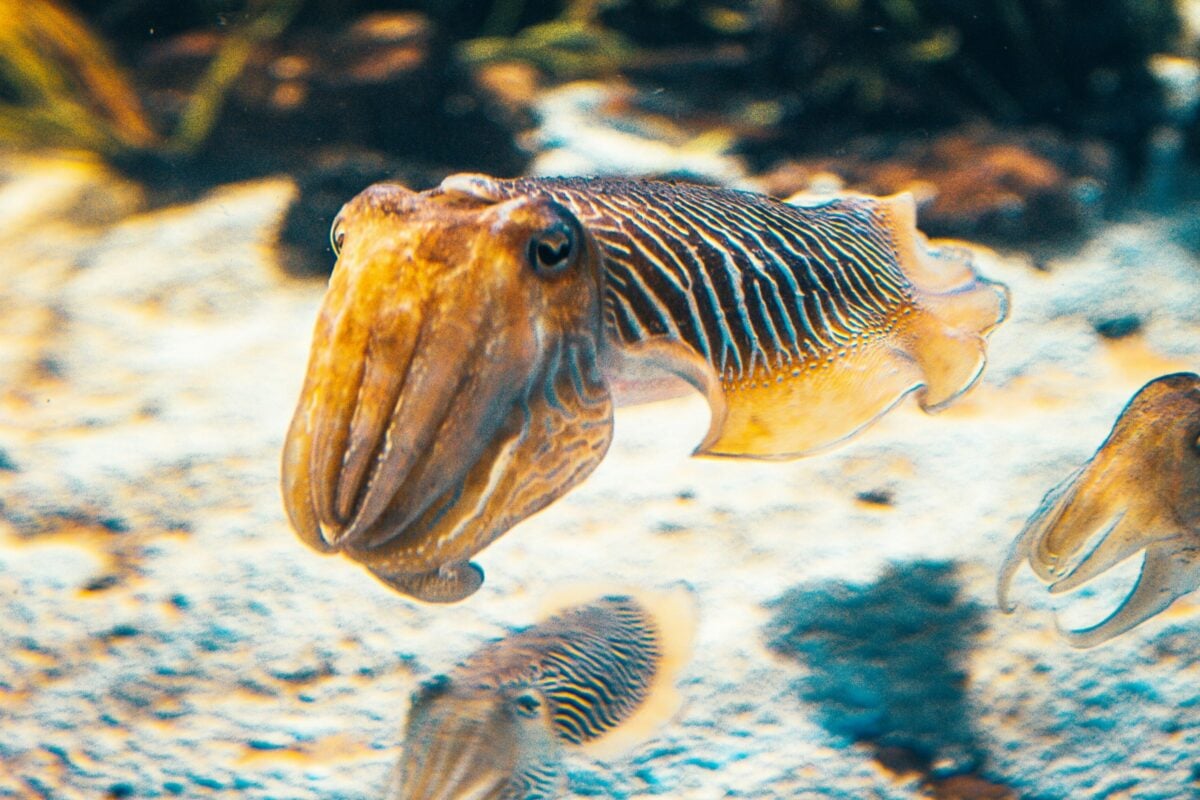
Imagine being offered your favorite snack right now, with the promise that if you resist, you’ll get an even better version later. Most people instantly think of the famous marshmallow tests with kids. But here’s the twist: something very similar has been shown in cuttlefish, those ghostly, shape-shifting relatives of squid and octopus. Suddenly, the ocean gets a lot more interesting.
The idea that a soft-bodied animal with no bones and a brain shaped nothing like ours can hold out for a better meal is quietly revolutionary. It forces us to question a lot of what we assume about intelligence, self-control, and what it means to “think ahead.” Once you hear what cuttlefish can do, it’s surprisingly hard to look at animals, or even your own decisions, in quite the same way.
A Cephalopod Marshmallow Test Under the Sea
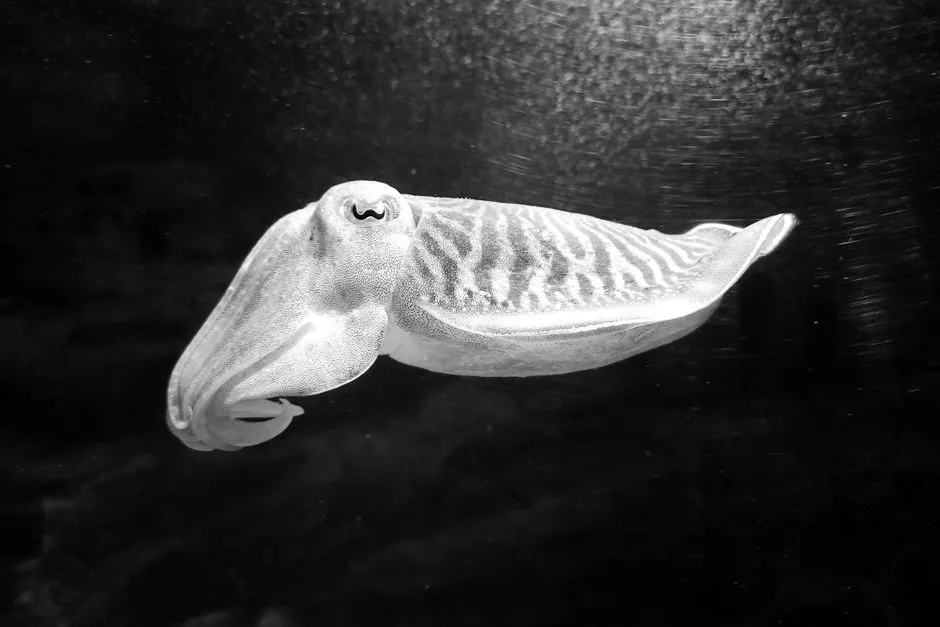
The core discovery is simple but stunning: when given a choice between eating a mediocre snack right away or waiting a bit for a favorite food, cuttlefish often chose to wait. In controlled experiments, researchers trained cuttlefish to associate different symbols or compartments with different food qualities and delays. Then they watched to see whether the animals would grab what was immediately available or hold out for the premium option.
What emerged looked eerily similar to the classic self-control tests used on children, birds, and primates. Some cuttlefish waited many seconds, sometimes stretching toward a minute, ignoring the less-preferred food while monitoring the situation for when the better meal finally appeared. For a predator that typically makes lightning-fast decisions in the wild, that kind of patience is not a trivial behavior; it hints at a mind evaluating trade-offs over time, not just reacting to whatever is right in front of it.
Why Waiting Is Such a Big Deal in Animal Minds
Delaying gratification might sound like a small trick, but in animal cognition, it’s a big cognitive milestone. It means an animal isn’t just driven by the immediate sensory pull of food; it can suppress an urge in the present to cash in on a larger payoff in the near future. That suggests some ability to compare outcomes across time, and to treat “later” as real and worth planning for.
In humans, better delay of gratification has been linked to things like academic success, health habits, and long-term planning, even though the classic marshmallow stories are more nuanced than people like to tell. Seeing a version of this in cuttlefish does not mean they worry about retirement savings. But it does imply that some of the building blocks of “future-oriented thinking” evolved in brains that look nothing like ours, for reasons rooted in survival rather than philosophy.
Cuttlefish Brains: Small, Strange, and Shockingly Capable
Part of what makes this so mind-bending is the hardware involved. Cuttlefish are cephalopods, and their nervous systems are distributed, with large neural clusters not only in a central brain but also throughout their arms and body. Their brains are nowhere near the size of a mammal’s, yet behaviorally they hold their own against some birds and mammals in tasks involving learning, memory, and flexible problem-solving.
The delay-of-gratification findings slot into a growing picture: these animals can remember specific past events, adjust hunting strategies, and learn quickly from experience. Their cognitive toolkit may have evolved because they live relatively short lives, face intense predation, and rely on stealth, camouflage, and timing to eat without being eaten. Waiting for the right moment or the right kind of prey could be the difference between a good meal and becoming a meal.
Patience as a Survival Strategy, Not Just a Party Trick
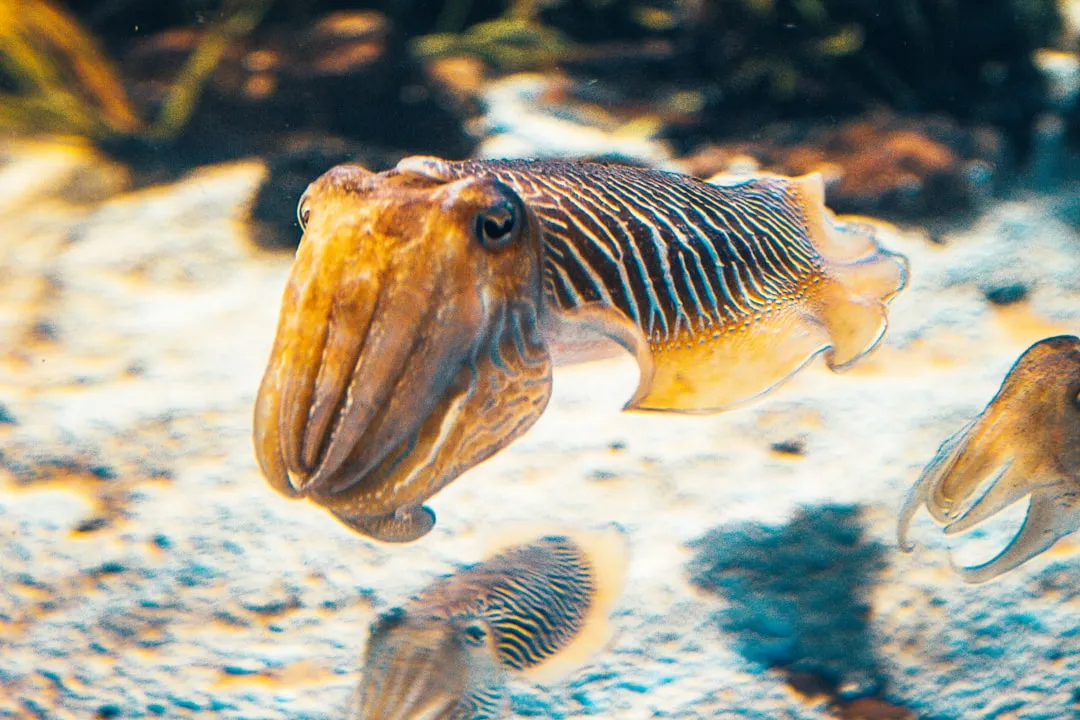
It’s tempting to frame the experiment as a cute party trick: look, a squid cousin that can say no to snacks. But in nature, being picky and patient about food can be a deadly serious advantage. A cuttlefish that lunges at every scrap might waste energy or expose itself to predators, while one that can hold back may secure more energy-rich prey. Over evolutionary time, even a modest edge in foraging efficiency can shape cognition in powerful ways.
This is where the “better meal is worth waiting for” idea becomes more than a catchy headline. The experiments suggest that cuttlefish do not just eat whatever shows up. They behave as if they have preferences, weigh different options, and sometimes choose strategies that favor long-term gain over quick bites. Whether or not they experience that conflict the way we do, the behavior maps nicely onto the logic of self-control that underpins a lot of human decision-making.
Thinking Across Species: Are We Overrating Our Uniqueness?
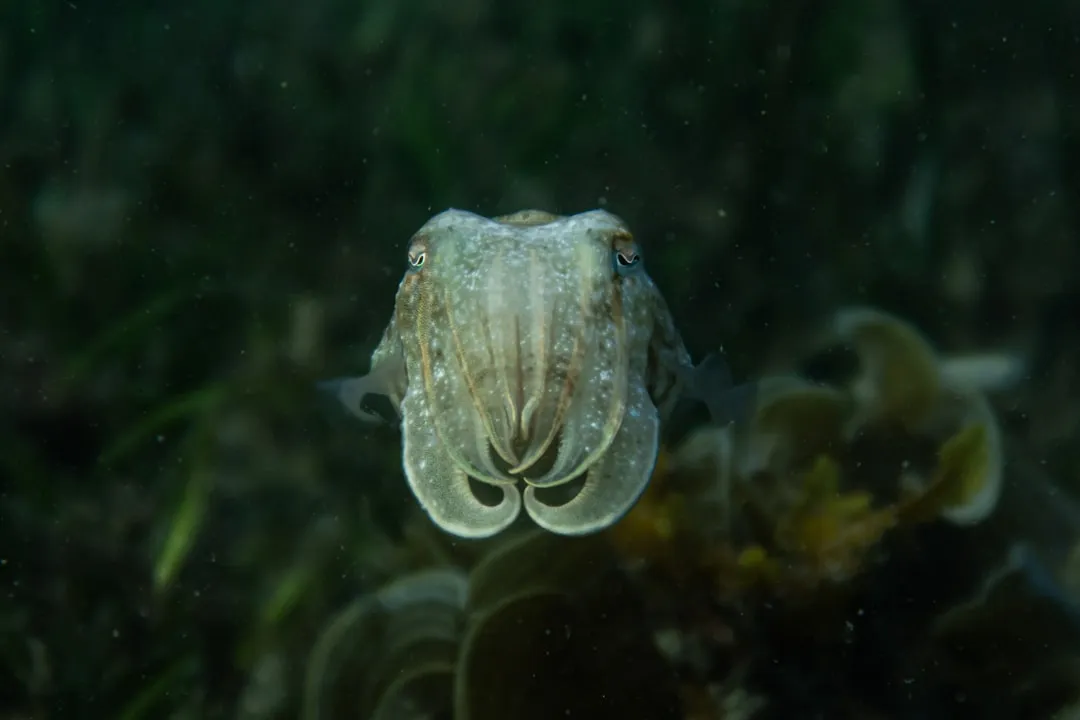
When I first read about these studies, my knee-jerk reaction was resistance. A cuttlefish delaying gratification felt like it was stepping into a psychological space I instinctively reserved for humans and maybe a few other “smart” animals like great apes or corvids. But the more you look at cross-species research, the clearer it becomes: evolution has discovered similar cognitive solutions in wildly different bodies whenever the environment demands it.
If a small-brained marine invertebrate can exhibit behaviors that echo human self-control, then our usual mental hierarchy starts to wobble. It pushes against the comforting idea that intelligence is a straight line with us at the top, instead suggesting a tangled forest of different kinds of minds. That doesn’t mean every animal is secretly a philosopher; it means we should be cautious about assuming that complex behavior always needs a human-style brain behind it.
What This Says About Conscious Experience (And What It Doesn’t)
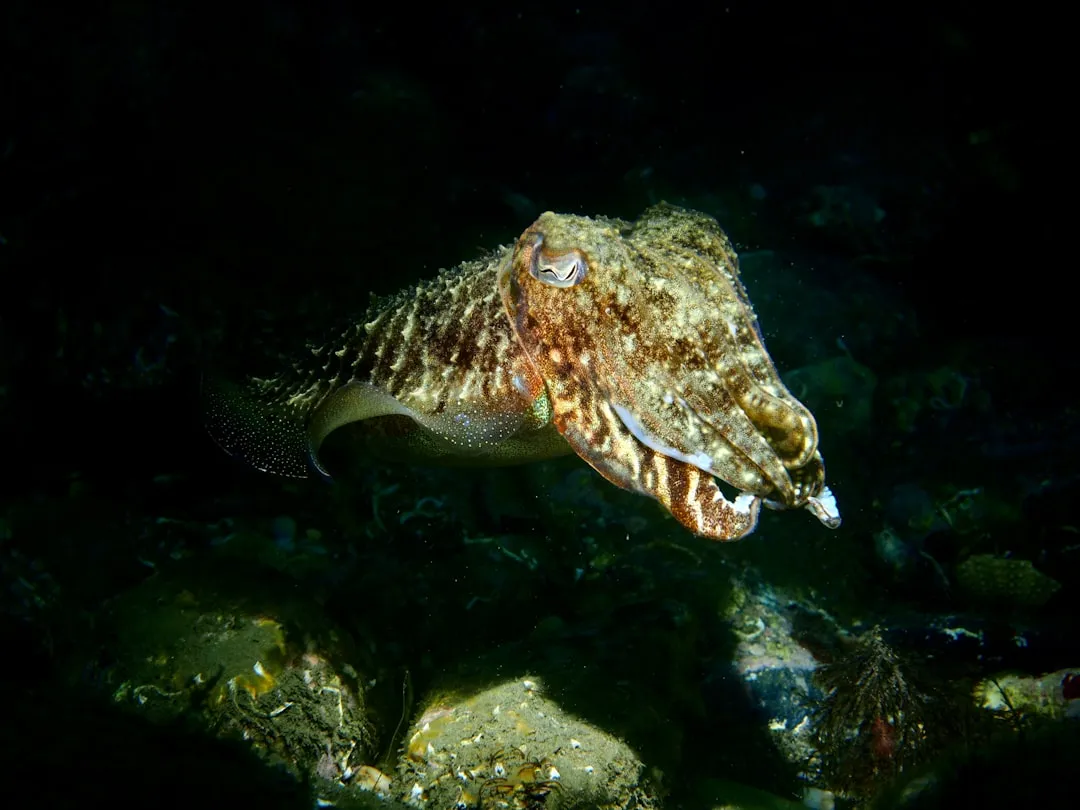
Here’s where things get tricky: behavior is visible, but experience is not. The fact that cuttlefish can wait does not automatically tell us whether they imagine the future, feel temptation, or mentally rehearse outcomes like we do. Interpreting animal cognition always involves a tug-of-war between staying grounded in the data and the very human urge to project our inner life onto everything that moves.
My own view is that we should treat these findings as strong evidence for sophisticated information processing, but be humble about claims regarding awareness or emotion. The safest stance is that cuttlefish act as if they value future rewards under certain conditions, and that this “as if” is already a massive statement about their minds. If anything, the real lesson is that we know far less about the range of possible subjective experiences in the animal kingdom than we’d like to believe.
Why Cuttlefish Patience Should Change How We Treat Animals
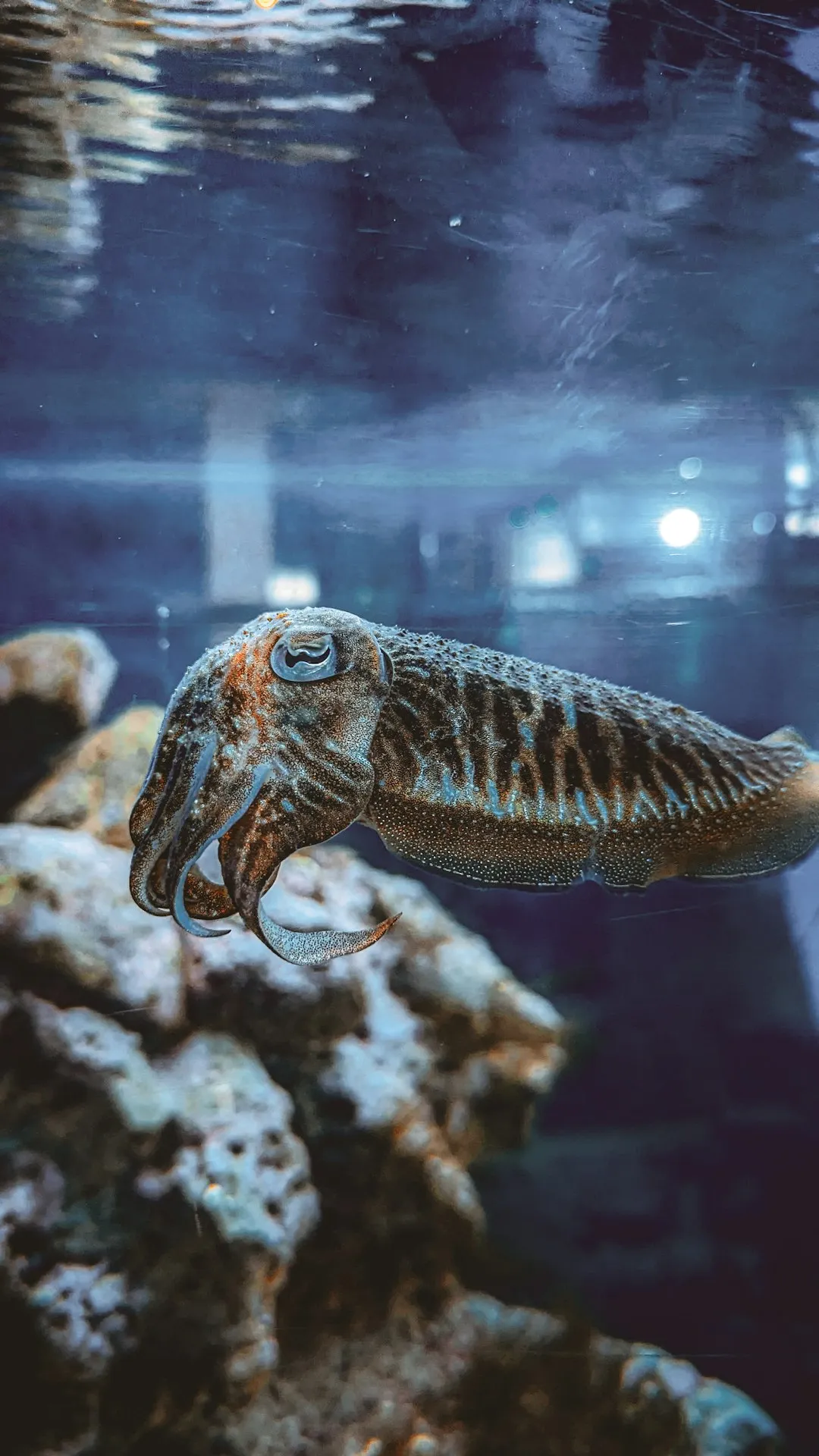
Once you accept that a cuttlefish can weigh options over time and resist an immediate impulse, it becomes harder to see them as mere seafood or lab tools. Self-control, learning, and flexible behavior are traits we usually associate with animals we feel morally obligated to treat with some care. The more we discover examples of this in unlikely creatures, the more our ethical circle is quietly challenged from underneath.
To me, the cuttlefish results act like a small but powerful nudge: if a creature with an alien nervous system can do something that looks a lot like patient decision-making, then our standards for what counts as a “mind” need updating. That doesn’t mean banning fishing or shutting down all research overnight, but it does suggest we should be more thoughtful, more curious, and less dismissive about the lives playing out behind those inky eyes. The ocean might be full of minds we have barely begun to respect.
Conclusion: The Quiet Revolution in the Deep
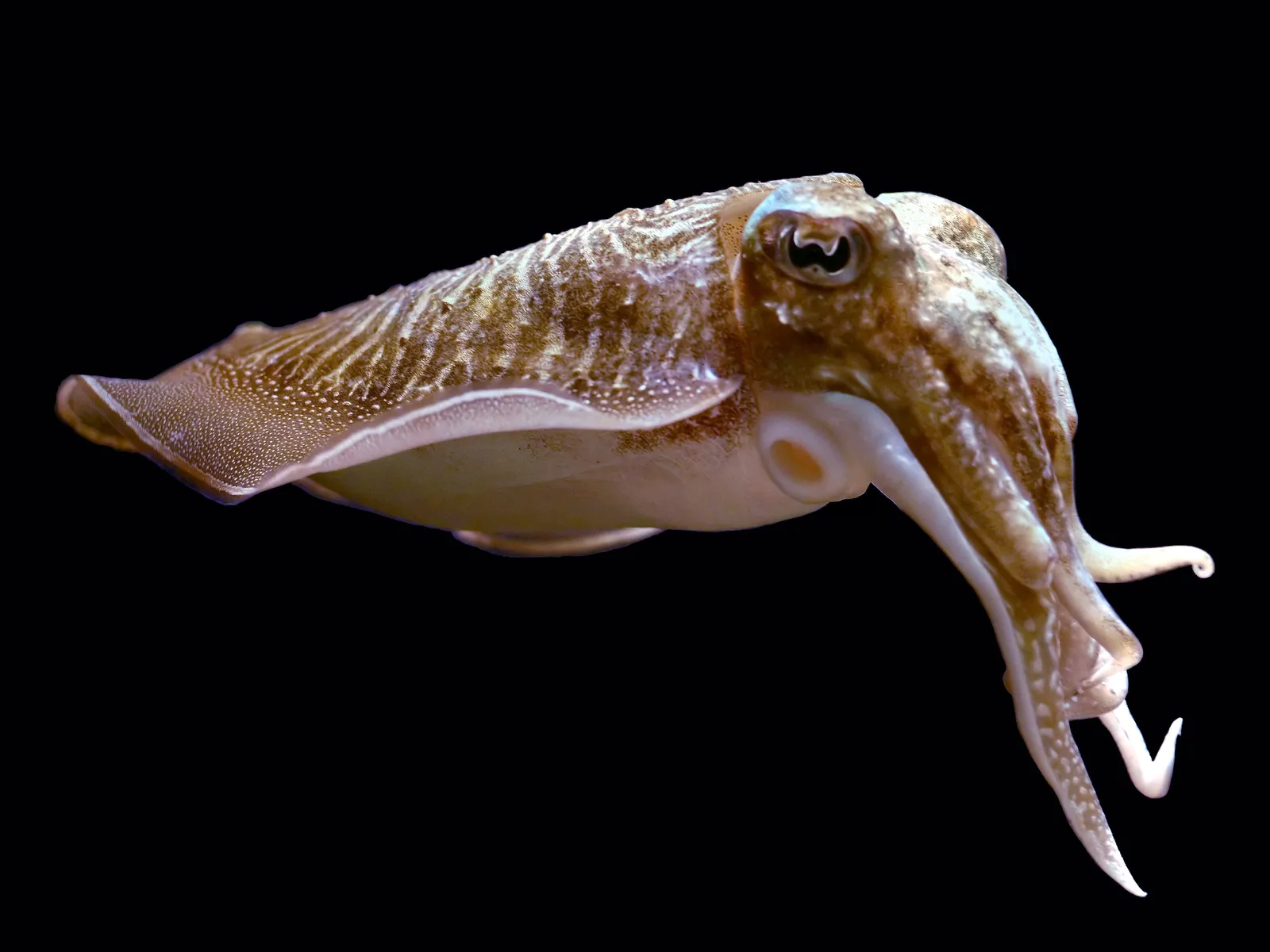
I think the most radical part of the cuttlefish story is not the waiting itself, but what it implies about how intelligence evolves. A small, tentacled hunter learning to delay gratification for a better meal tells us that complex, future-sensitive behavior is not some rare human oddity – it is a strategy that nature arrives at again and again when the stakes are high enough. In that sense, these experiments are less a cute curiosity and more a quiet revolution in how we map mental life across the tree of life.
My opinion is that we are still underestimating other animals badly, partly because it protects our comfort and diets, and partly because truly accepting their cognitive richness would force changes we are not yet ready to make. Cuttlefish patiently waiting for their favorite food is a small crack in that armor, a reminder that minds can be alien, ancient, and surprisingly disciplined. If a creature that can vanish into a rock face with a flick of its skin can also say “not yet” to a snack, what else is out there that we have been too busy, or too arrogant, to notice – what would you have guessed?
