


It’s not just fire ants you need to worry about anymore. A much sneakier and equally painful threat is crawling its way across the United States—the Asian needle ant. Measuring only about 5 millimeters (0.2 inches) long, this dark-colored insect doesn’t build tall mounds or march in long trails like other ant species. Instead, it hides under logs, mulch, and leaf litter—just waiting for an unsuspecting foot to land nearby.
And when it does? You’ll know immediately. Victims describe the sting as sharper than a wasp’s—a needle-like jab followed by swelling, pain, and in some cases, serious medical issues.
What Makes These Ants So Dangerous?
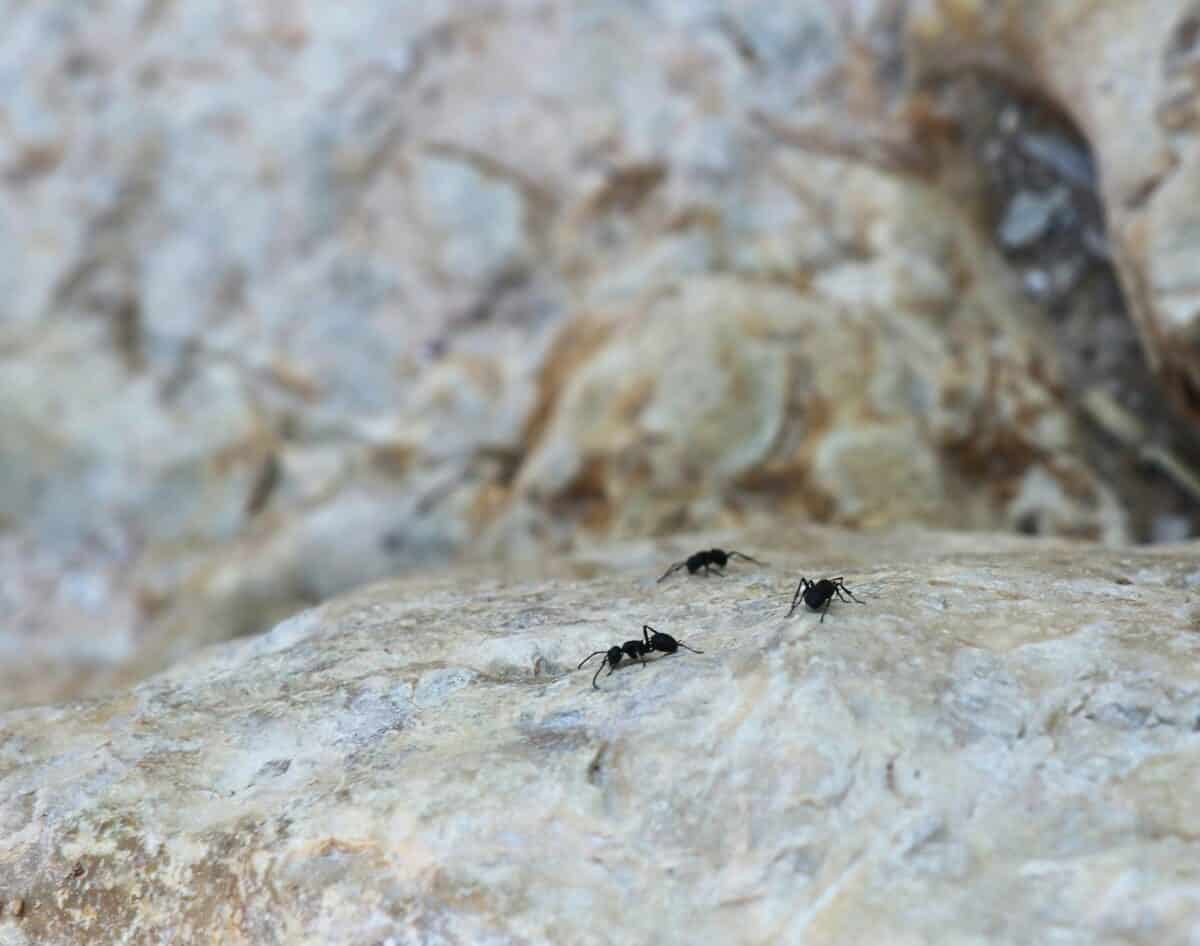
The sting of the Asian needle ant isn’t just unpleasant—it can trigger severe allergic reactions. Symptoms may start with simple redness and itching but can escalate quickly into vomiting, dizziness, and even anaphylaxis, a life-threatening response where the throat swells and breathing becomes difficult.
According to entomologists, roughly 2% of people exposed to their venom could experience extreme reactions. That’s especially concerning given that most people don’t even realize they’ve been stung by something unusual—until it’s too late.
The real danger lies in their behavior. These ants don’t warn you—they don’t swarm or climb over you in droves. One might crawl into your shoe or glove and sting the moment you move. No warning. Just pain.
Where Are They Now?
Since their discovery in Georgia back in the 1930s, Asian needle ants have spread slowly but steadily across the eastern and southern United States. As of this year, they’ve been confirmed in at least 20 states, from Florida and the Carolinas to as far north as New York and as far west as Washington state.
Unlike invasive fire ants, which prefer open sunny fields, Asian needle ants thrive in wooded, shady, and moist environments—especially suburban yards, parks, hiking trails, and gardens. In some regions, they’ve even started to displace native ant species, which has scientists worried about disruption to local ecosystems.
Their spread is often accidental, hitching rides in potted plants, firewood, or landscaping mulch that gets transported across state lines.
What You Can Do to Protect Yourself

With summer in full swing and outdoor activities at their peak, here’s how you can protect yourself and your family from these hidden biters:
- Wear proper footwear and gloves when gardening, hiking, or working in the yard—especially around mulch and rotting wood.
- Inspect shoes, clothing, and gloves before putting them on if they’ve been left outdoors.
- Clean up yard debris, including old firewood piles, where ants like to nest.
- Avoid sitting directly on the ground, especially in shady, wooded areas.
- If stung, wash the area thoroughly, apply a cold compress, and watch for signs of allergic reaction. If you’ve had severe reactions to insect stings before, carry an epinephrine injector (EpiPen) and seek medical help immediately.
Why You Should Take This Seriously
It’s easy to brush off another “invasive insect alert” as just another headline. But these ants are different. Their stealthy behavior, painful stings, and ability to cause life-threatening reactions make them a genuine concern for public health.
And because they’re small, fast, and easy to overlook, they’ve been spreading right under our noses—literally. With climate conditions and landscaping practices favoring their growth, we could see more encounters in the years ahead.
So before your next backyard barbecue or nature hike, take a minute to scan your surroundings—and maybe skip that log seat under the shady tree.

- Coatimundi Attacks Arizona Hiker in Rare Desert Confrontation - July 17, 2026
- Rabid Bat Bites Texas Man—Fourth Kerr County Case This Year - July 17, 2026
- Colorado’s Rattlesnake Den Livestreams 2,000 Snakes - July 15, 2026