


What started as a quiet ride down a Chicago-area highway turned chaotic in seconds when a swarm of angry wasps launched a full-scale assault on a trailer carrying a horse named Sir Kellogg.
The wasps—likely disturbed by road vibrations or motion—zeroed in on the trailer, slipping in through vents and gaps, and stinging the trapped horse repeatedly. The frantic animal began thrashing inside the trailer, causing a dangerous scene on the side of the road.
The driver, noticing something was terribly wrong, pulled over. That’s when passing motorists, including a group of cowboy volunteers, leapt into action.
A Close Call for Everyone Involved
Eyewitnesses described the scene like something out of a Western movie gone wrong: cowboys in boots and hats sprinting toward a panicked horse, trying to calm it while wasps buzzed furiously around them.
Sir Kellogg, a show horse, had been stung numerous times. Horses, like humans, can suffer serious allergic reactions to wasp venom, including swelling, breathing difficulty, and distress. Thanks to the quick response of the volunteer crew, Sir Kellogg was led safely out of the trailer while others worked to fend off the wasps.
Though visibly shaken, the horse avoided long-term harm. The cowboys weren’t so lucky—several were stung, though none required hospitalization.
Why Wasps Are So Aggressive on the Road
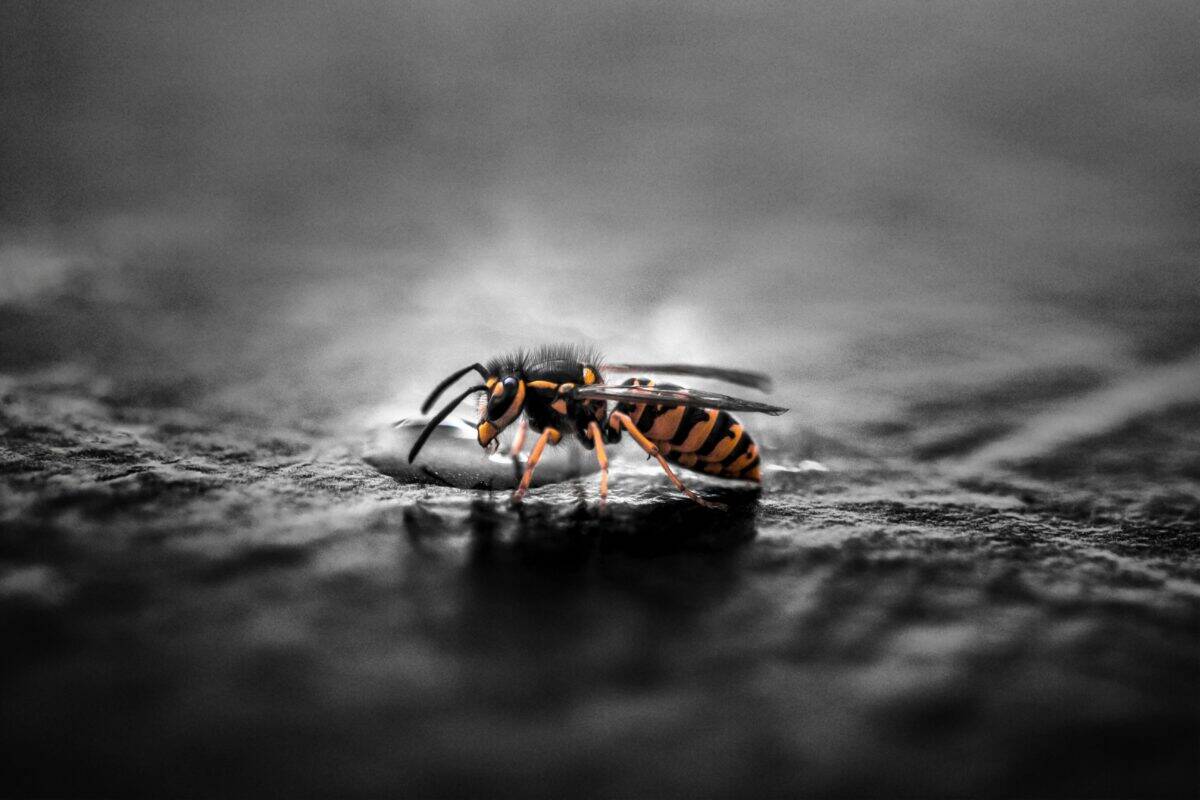
Wasps, especially species like yellowjackets and paper wasps, are highly territorial during the warmer months. A nest hidden under a trailer or near its hitch area could go unnoticed until movement triggers an attack.
Unlike bees, which sting once and die, wasps can sting repeatedly, injecting venom that causes burning pain and swelling. And they don’t give up easily. Once they’ve decided something is a threat, they go all in.
In this case, experts suspect the swarm may have been nesting beneath or near the trailer’s wheel well or hitch. The noise and motion of the moving vehicle likely agitated them, prompting the ambush.
The Real Danger: Not Just the Stings

While the stings themselves can be dangerous—especially for people or animals with allergies—the real threat in situations like this is panic.
- A frightened horse can kick, rear, or injure itself trying to escape.
- A panicked driver may lose control of the vehicle.
- Rescuers, if unprepared, can suffer multiple stings and end up needing emergency care.
This incident could’ve easily turned tragic. That it didn’t is thanks to some fast-thinking folks with experience around animals—and nerves of steel.
What You Can Do to Stay Safe
If you’re transporting animals in a trailer, or even just traveling during warm months, here’s how to reduce the risk of a roadside wasp attack:
- Inspect your trailer regularly—especially around vents, undercarriages, and storage areas.
- Avoid parking near vegetation or trash bins, which can attract wasps.
- Look and listen before loading animals—if you hear buzzing or see any flying insects near the trailer, don’t ignore it.
- Keep wasp spray and a first aid kit (including antihistamines) in your vehicle.
- For people with known allergies, an EpiPen is essential—and should be accessible, not buried in a glovebox.
Bugs on the Move
This wasp attack on a highway trailer isn’t as rare as it sounds. Insect nests can turn up in unexpected places, especially when trailers sit idle for days or weeks between trips.
It does not matter if you’re hauling horses or just hauling groceries; give your vehicle a quick once-over before hitting the road. It might save you—and your passengers, two-legged or four—from a whole lot of pain and panic.

- Coatimundi Attacks Arizona Hiker in Rare Desert Confrontation - July 17, 2026
- Rabid Bat Bites Texas Man—Fourth Kerr County Case This Year - July 17, 2026
- Colorado’s Rattlesnake Den Livestreams 2,000 Snakes - July 15, 2026