

Worried about unexpected vet bills?
Pet insurance can cover thousands in unexpected vet costs. Get a free quote from Lemonade in under 2 minutes.
Get My Free Quote →Sponsored · Opens Lemonade.com
If you’ve ever sat across from your dog while they stared at you with wide, expectant eyes and let out some strange, half-growl, half-whine that made absolutely no sense, you are not alone. Dogs are constantly talking. The problem is, most of us were never taught how to listen.
Dogs have a remarkable ability to communicate through a variety of sounds and vocalizations, and because each one conveys a specific message or emotion, understanding the meaning behind them can help owners address their pets’ needs more effectively, leading to a stronger bond and a happier, healthier dog. Honestly, once you crack the code, it changes everything about how you experience life with your pup. So let’s dive in.
1. The Bark: The Sound That Started It All

Here’s the thing – not all barks are created equal, and treating them like one sound is like saying all human speech is the same. It’s not. One of the most common sounds dogs make is barking, a sharp “ruff,” “arf,” or “woof” sound, and barks can convey a huge range of meanings and emotional states as they range from high to low pitch. A study in 2000 looked at nine different breeds and found that each had between two to twelve different types of barks.
Emotions can be expressed through barking, whether it is a higher-pitched bark for excitement, a repetitive and monotone bark for boredom, a sharp and intense bark to alert you of a sound or sight, or a short, quick bark directed at another dog.
There are three things to listen for when assessing your dog’s barks: frequency, duration, and pitch. Think of it like reading punctuation in a sentence. A single sharp bark is a period. Rapid-fire barking is an exclamation point. Slow, spaced-out barks? That’s closer to an ellipsis – something lingering, unresolved, and often lonely.
2. The Alert Bark: Your Dog’s Built-In Security System
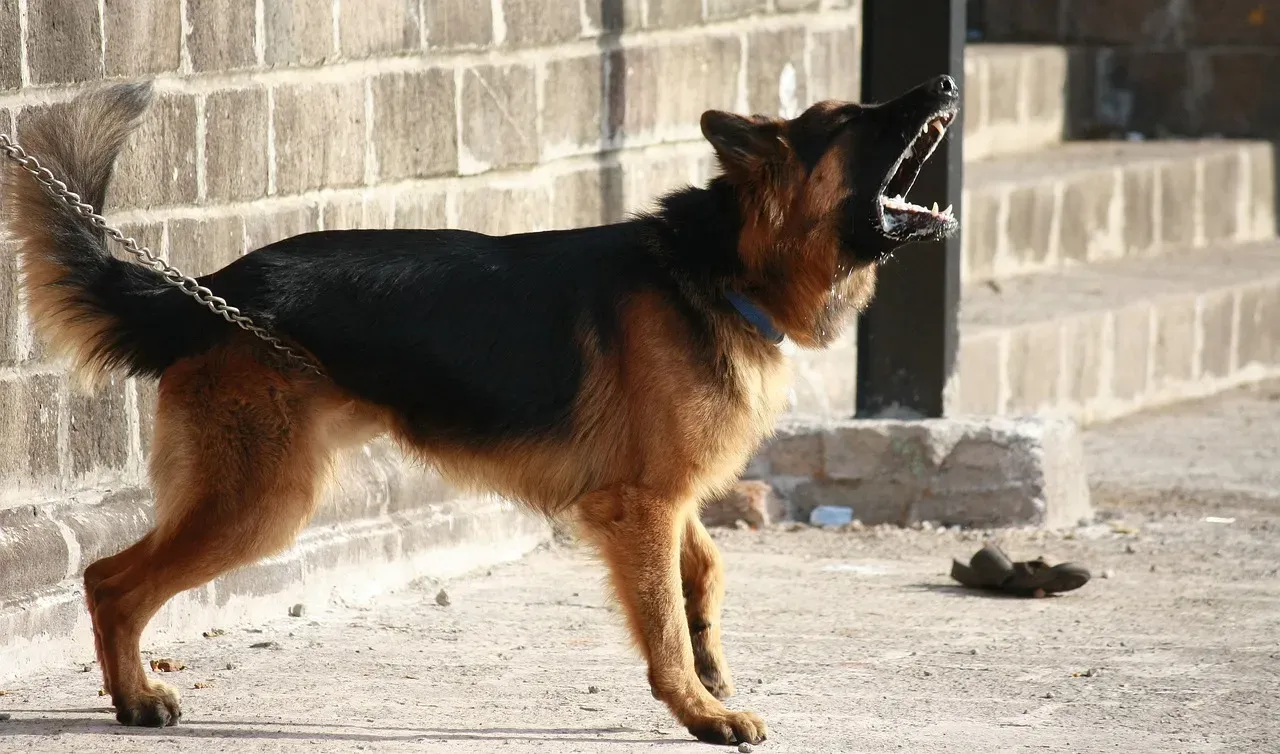
An alert bark is a dog’s way of saying “Hey, something’s happening!” It’s usually a sharp, repeated bark that sounds urgent. Dogs may use this type of bark when they hear a strange noise outside, see a new person approaching, or spot another animal nearby. The goal of the alert bark is to draw attention to what they perceive as a potential threat or situation that requires investigation.
Barking in rapid strings of three or four with pauses in between at a midrange pitch is an alerting call – the dog senses something but has not yet defined it as a threat. Rapid barking at midrange pitch is a basic alarm bark, while barking that is still continuous but a bit slower and lower in pitch signals an imminent threat.
I think of this like a dog’s news ticker. It starts calm and then escalates fast if nobody responds. If your dog does this constantly, it’s worth checking what they’re reacting to – sometimes it’s a squirrel. Sometimes it’s genuine concern worth acknowledging.
3. The Howl: Ancient, Primal, and Surprisingly Meaningful

Howling is a behavior with deep roots in canine evolution, often used by dogs to communicate with their pack or claim territory. Wolves did it first, and the echo of that instinct never quite left our domesticated companions. Studies suggest that breeds that are closer genetically to wolves, such as those in the Asian and Oceanian breed group, are more likely to howl, while more modern breeds may rarely do it at all.
Howling can be a response to external sounds, such as sirens, music, or other dogs’ barking, or used when claiming territory, communicating to a pack or family members, or alleviating feelings of isolation.
Some dogs howl when they are significantly distressed – again, a common symptom of isolation and separation distress. So if your dog belts out a mournful, full-throated howl every time you leave the house, that’s less of a performance and more of a cry for help. Worth taking seriously.
4. The Growl: Don’t Silence It – Understand It
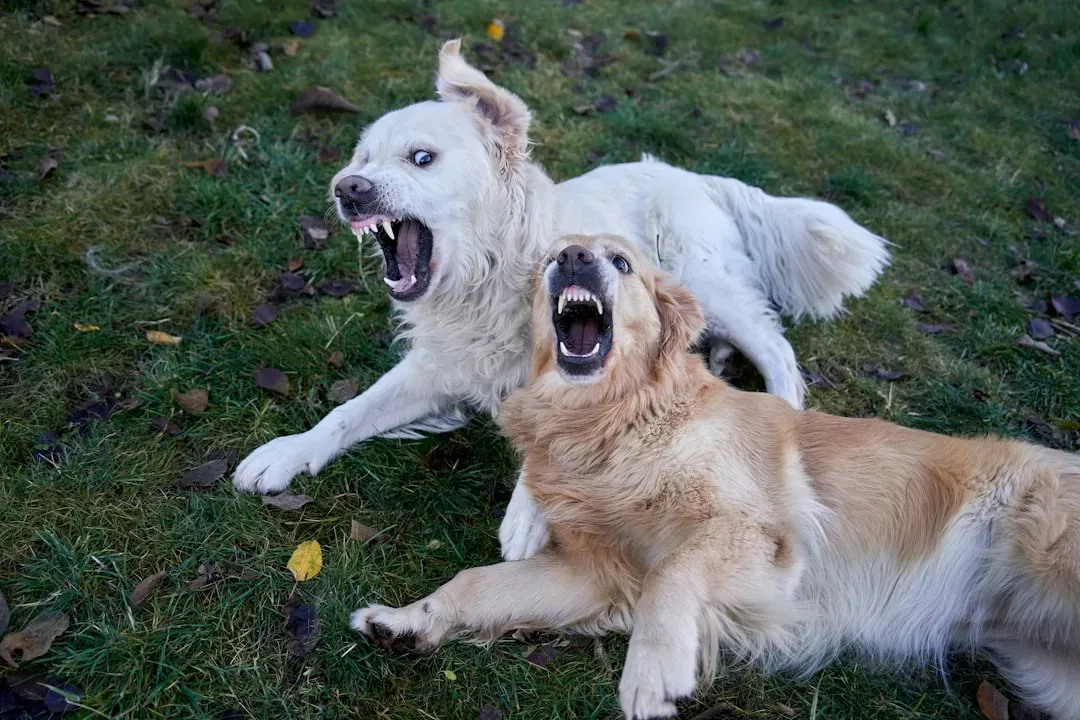
Don’t ever try to stop your dog from growling. It’s an important method of communication that means “I don’t like that” or “please stop.” Teaching a dog not to growl takes away their ability to warn you, and you could end up with a dog who bites unpredictably, without a warning growl. That’s a genuinely dangerous situation, and it’s one that’s entirely preventable.
Growling is a more serious form of communication, often signaling fear, aggression, or discomfort. However, some dogs also growl during play to engage with their owners or other dogs.
In a study where humans listened to various types of growls, researchers found people are actually quite good at discerning when a growl is serious versus when it’s playful. Trust your gut on this one. There is a world of difference between a deep, chest-rumbling warning growl and the silly grumble your dog makes when you’re playing tug-of-war.
5. The Whine: The Language of Longing
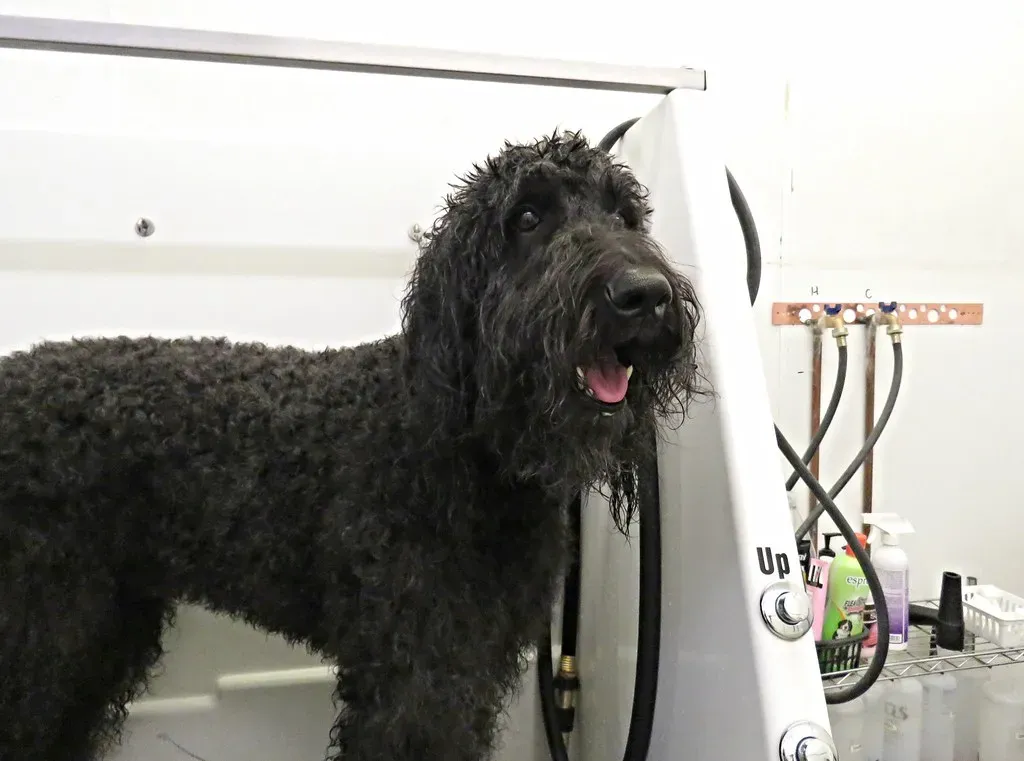
Whining might just be the most emotionally layered sound a dog makes. Dogs may whine when they’re anxious, excited, in pain, or trying to get your attention. Puppies often whine as a way to communicate needs to their mother, and adult dogs may carry that behavior into their interactions with people.
If your dog whines while making lots of eye contact, they’re likely requesting something, like to go outside, get more attention, or taste the snack just out of reach. However, if your dog whines with a tucked tail or a hunched posture, they may be upset or in pain. If your dog whines after you get home together with tail wagging and prancing, it’s likely pure excitement.
Crying and whining is a learned response amongst adult dogs – they rarely whine at each other, only at humans. Puppies quickly learn to use whimpering and whining to get their owner’s attention. Basically, they figured us out a long time ago. Clever, really.
6. The Whimper: Small Sound, Big Feelings

A whimper or a yelp is often an indication that a dog is in pain. This may happen when dogs play, if one dog bites the other too hard. The whimper or yelp is used to communicate the dog’s distress to a pack member or human when they are friendly.
Whimpers can also indicate strong excitement, such as when an owner returns at the end of a long workday. Excitement whimpering is often accompanied by licking, jumping, and barking. Dog whimpering is softer and less intense than whining.
Think of a whimper as a whisper. It’s never loud, but it always means something. A dog that whimpers quietly in the corner of the room is telling you something very different from one who whimpers at the door because it’s dinner time. The context, as always, is everything.
7. The Yelp: Sudden, Sharp, and Never Ignored

A yelp is a quick, sharp noise, often a reaction to sudden pain or surprise. A dog yelps when stepped on or startled, but repeated yelping might mean they’re injured or scared.
A single yelp or high-pitched bark is typically a response to sudden, unexpected pain, such as a too-hard play bite. A series of yelps signals severe fear or pain. A yelp sustained for several seconds, then repeated, signals anguish and a call to pack-mates for help and is rarely heard. It could be an indication of severe injury.
Let’s be real – when a dog lets out that piercing, sudden yelp, every person in the room freezes. That reaction is correct. A single yelp might be nothing more than a surprise. Persistent yelping, though? That’s your cue to get your dog checked out immediately.
8. The Snarl: When the Warning Level Goes Up

A snarl is a step beyond growling and includes bared teeth and a tense body. This noise usually signals serious discomfort or a response to a perceived threat. A dog makes this sound when protecting their territory or when feeling truly cornered.
Whether a dog is protecting food and toys, upset about a bath or nail trimming, or letting strangers know they aren’t someone to tangle with, growling and snarling often boils down to a sign of fear or frustration. It’s important to make a growling or snarling dog feel as comfortable as possible. Punishing a dog for growling may only exacerbate the problem – next time, they might skip the warning altogether and lead with more aggressive behavior.
A snarling dog is essentially showing you its last card before it folds entirely into action. Respect that boundary. Back off, give space, and reassess the situation calmly rather than escalating it.
9. The Sigh or Groan: Your Dog’s Emotional Exhale

Sighing or groaning can happen when a dog is settling down to rest or being petted, but it can also be a sign of disappointment, such as when it is not mealtime yet or they’re not getting to go for a walk when they want. Honestly, I find that second part both hilarious and a little heartbreaking at the same time.
Just like humans, dogs sigh when they’re relaxed after a long day. It’s often a sign of contentment, but paired with whining, it can indicate slight disappointment or impatience.
It’s one of those sounds that feels unmistakably human. Your dog flops down beside you, lets out a long, slow breath, and the whole room feels calmer. That’s real. That sigh often means they’re exactly where they want to be.
10. The Howl-Sing: When Your Dog Becomes a Performer
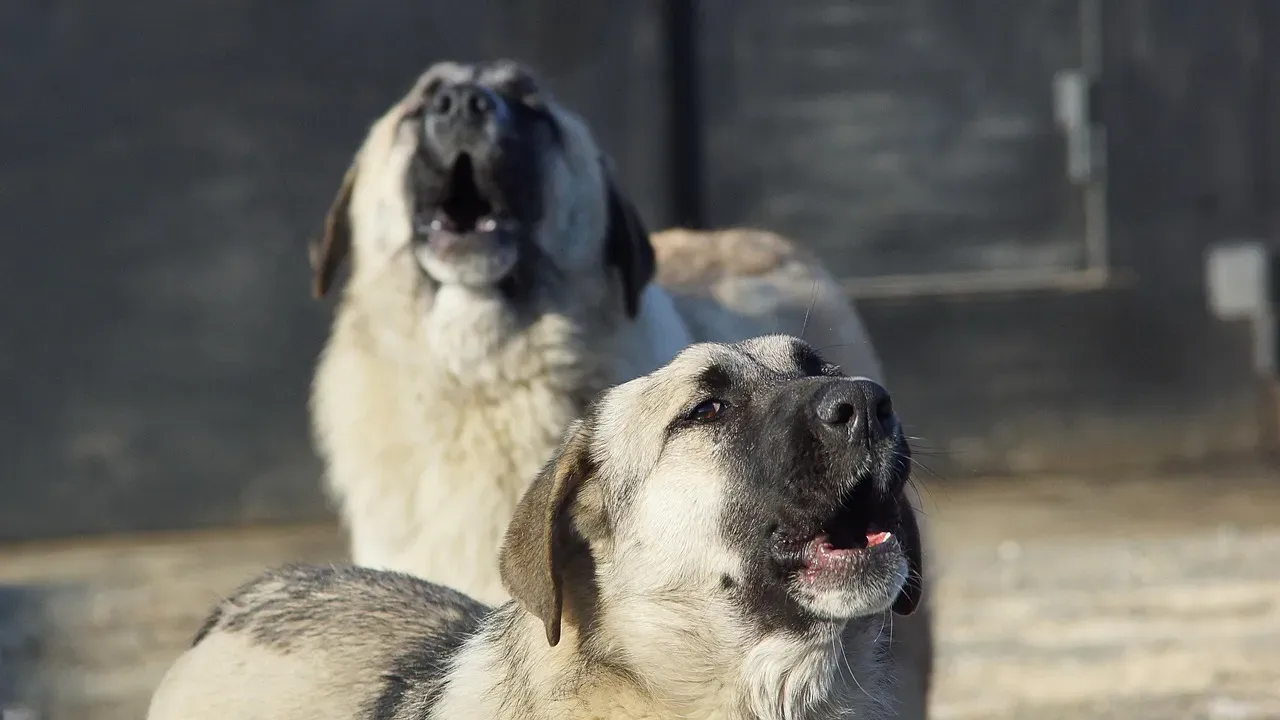
While not as common as other vocalizations, some dogs enjoy “singing” along to music or sounds. This behavior is often a source of amusement for owners and can be encouraged through training or positive reinforcement.
Some vocal dogs try to sing along by howling to music or sounds on television. If a noise has the right pitch, like an operatic aria, your singing dog may belt out a chorus. Many owners with singers find it an endless amusement.
There’s something deeply charming about a dog that howls at a particular song on the radio. It’s worth noting that this isn’t random – certain pitches trigger a very old instinct. The size and shape of a dog’s larynx, throat, skull, and even the length of their snout can affect the types and tones of sounds they produce. Breeds with shorter snouts, for example, often produce snorting or nasal vocalizations, while long-snouted dogs may howl with more resonance.
11. The Rumble-Purr: The Sound Most People Miss Entirely

Think cats have the monopoly on purring? Think again. Contrary to popular belief, dogs can also purr, although their version sounds more like a low rumble or growl. This throaty sound usually indicates contentment or excitement and is often accompanied by relaxed body language. Paying attention to when your dog purrs can help you understand what they find enjoyable or comforting.
This throaty “brrr” sound is often called a “rumble” by trainers and usually signals happiness. These dog sounds are usually a cross between a low rumble, a loud purr, and a grumbly growl. The best clue to distinguish what the purr means is to see when your dog does it. For most, it’s either an excited or happy noise, like when they’re about to go for a car ride. For others, it’s a noise that spells total and utter contentment, such as when they’re lying next to you being petted.
This is one of those sounds that slips under most people’s radar, which is a shame. If your dog is rumbling softly while you scratch behind their ears, that’s the canine equivalent of a contented smile. Treasure it.
12. The Bay: The Original Hunting Call
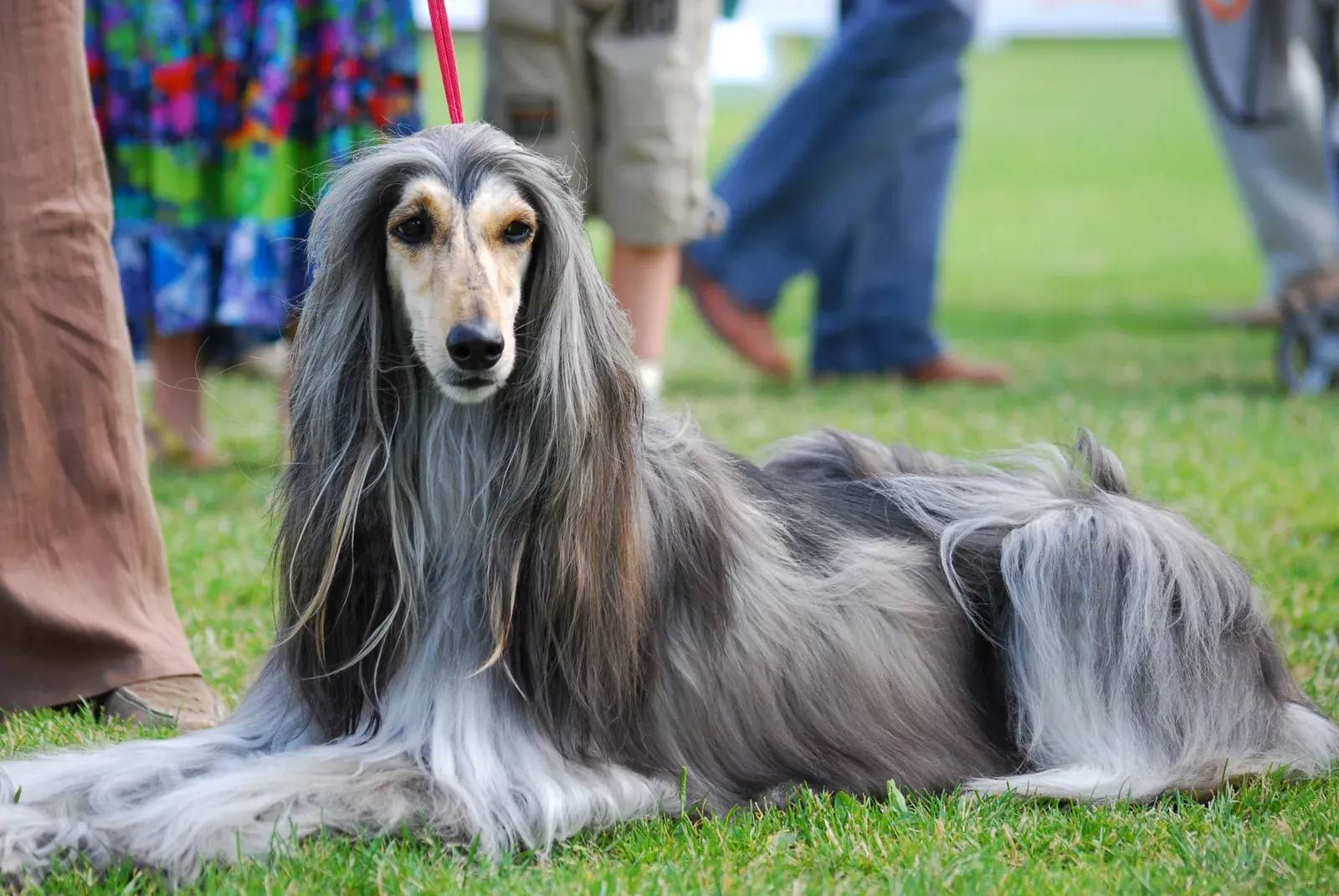
Baying is deep-throated, prolonged barking, most often heard when a dog is in pursuit of prey, but also sometimes offered by a dog who is challenging an intruder. The scent hounds are notorious for their melodic baying voices. Some people interpret dog baying as a long moaning sound.
A unique type of vocalization found primarily in the scent hound group, baying or “giving tongue,” is a long, deep howl that usually indicates a dog has found or is pursuing prey. A foxhound that vocalizes without being on the scent is said to “babble.” Some breeds are said to have been bred for particularly melodious bays.
This mournful sound is more extended than a bark and deeper than a howl. Baying often happens when a dog is hunting and wants to communicate that they’ve found their prey. If you have a hound, like a Beagle or Bloodhound, then you’re likely no stranger to this soulful sound. It’s spectacular and bewildering in equal measure, especially at six in the morning when it’s aimed at a squirrel three gardens away.
Conclusion: Listen Closely – Your Dog Is Always Talking

Here’s the thing that ties all of this together. A dog’s vocalizations can be categorized into distinct types, but there are many factors that contribute to what a dog is trying to convey. Deciphering what dogs are trying to communicate with a particular vocalization depends on the tone of their communication, their body language, environmental factors, health, level of comfort, and emotion.
In addition to vocalizations, dogs communicate through a combination of body postures, facial expressions, and tail movements. Owners should observe these cues together with any vocalization so that they may better understand what their dog is trying to say. It’s never just the sound in isolation. It’s the whole picture.
A sudden change in dog sounds, like excessive whining, howling, or a raspy bark, might mean a trip to the vet is in order. Dogs that usually stay quiet but start barking nonstop or making high-pitched whimpers could be trying to say they’re uncomfortable. Never dismiss a change in your dog’s vocal patterns. That shift is often the first signal something has changed.
Dogs have been communicating with humans for tens of thousands of years. The real question isn’t whether they’re speaking – it’s whether we’re paying close enough attention to hear them. What sounds does your dog make that still leave you puzzled? Drop it in the comments, because chances are you’re not the only one wondering.
Worried about unexpected vet bills?
Pet insurance can cover thousands in unexpected vet costs. Get a free quote from Lemonade in under 2 minutes.
Get My Free Quote →Sponsored · Opens Lemonade.com
