

Worried about unexpected vet bills?
Pet insurance can cover thousands in unexpected vet costs. Get a free quote from Lemonade in under 2 minutes.
Get My Free Quote →Sponsored · Opens Lemonade.com
In the wondrous, often bizarre world of sea creatures, few animals capture the imagination quite like the deep-sea annelid known as the *tomopteris*. This fascinating creature holds mysteries that have intrigued scientists and ocean enthusiasts alike. Imagine an animal with not one, not two, but ten hearts. Add to that equation its iridescent glow, and you’ve got yourself a marvel of evolution. Let’s delve into the enigmatic universe of the tomopteris and explore what makes this little-known creature so hypnotically fascinating.
What Is a Tomopteris?
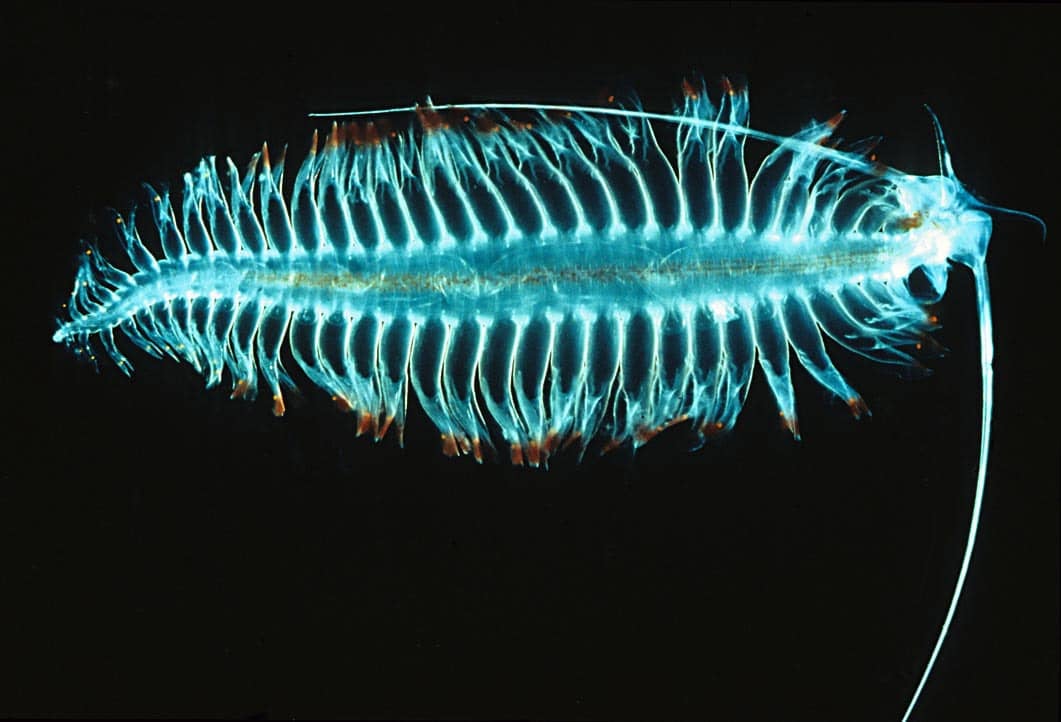
The tomopteris is a genus of pelagic, segmented worms that populate the depths of the world’s oceans. Known for their transparent, elongated bodies and paddle-like appendages, they swim gracefully through the water. Belonging to the family Tomopteridae, these worms are often encountered in the mid-oceanic depths, far removed from the sunlight-drenched surface.
Why Ten Hearts?

One of the most captivating features of the tomopteris is its ten hearts. So why does it need so many? These worms possess multiple hearts to circulate blood and nutrients effectively throughout their elongated bodies. Each segment of their body typically houses its own heart, ensuring efficient transportation of vital substances. This adaptation is crucial for survival in the cold, low-oxygen environments of the deep sea.
A Lens Into Glow: Bioluminescence

Tomopteris worms possess the fascinating ability to emit light, a phenomenon known as bioluminescence. Unlike many other bioluminescent organisms that emit blue or green light, tomopteris emit yellow light. This rare bioluminescent glow is believed to serve multiple functions, from attracting mates to deterring predators, and even possibly communication with other members of their species.
Body Structure: A Marvel of Evolution

The body of a tomopteris is delicately engineered for its pelagic lifestyle. With its transparent, gelatinous form, it can float effortlessly. The presence of setae, or bristle-like structures, on each segment allows for a kind of paddling motion, aiding movement through the dark oceanic waters.
Diet and Feeding Habits

Tomopteris are primarily carnivorous, preying on smaller planktonic organisms. Their method of feeding involves capturing these tiny creatures with their appendages, which are specially adapted to their carnivorous diet. Their hunting strategy ensures they receive the necessary nutrients to survive in an environment where food can be scarce.
Life in the Extreme: Environmental Adaptations

Living in the deep sea presents a unique set of challenges, including immense pressure, low temperatures, and limited light. Tomopteris have evolved features like a gelatinous body to withstand high pressures and maintain buoyancy. Their bioluminescence might help them attract prey or avoid becoming prey themselves.
The Reproductive Mystery

Not much is known about the reproductive habits of tomopteris, mainly due to the challenges of observing them in their natural habitat. However, some believe that their bioluminescent abilities may play a role in courtship behaviors, though this is a topic ripe for further study.
Where Are They Found?

These fascinating creatures are cosmopolitan, and found in various oceans around the globe. Preferring mid-water oceanic zones, they are common in areas where water temperatures and depths are appropriate for their survival. Their presence has been recorded in both temperate and tropical waters.
Research and Discovery

Despite their captivating features, tomopteris worms remain relatively understudied. Scientists are only beginning to scratch the surface in understanding their ecological roles and full range of biometric abilities. Their unique bioluminescence, in particular, could hold the key to new scientific discoveries.
Imparting Lessons from the Deep

The study of tomopteris is not just about understanding a mysterious sea worm. It holds implications for broader scientific fields, such as biomimicry, biotechnology, and even the search for life in other extreme environments. Their resilience and adaptability offer insights into how life can evolve under seemingly inhospitable conditions.
Preserving Oceanic Mysteries

With increasing human impact on marine environments, understanding and protecting creatures like the tomopteris is more critical than ever. Efforts must be made to support ocean conservation programs to preserve the natural habitats of these and other unique marine species.
The tomopteris, with its ten hearts and bioluminescent glow, is a testament to the wonders of evolution and the mysteries that lie beneath the ocean’s surface. This creature not only captivates with its unique biology but also challenges our understanding of life in extreme environments. By continuing to study and protect such fascinating organisms, we enrich our understanding of Earth’s vast oceanic ecosystems and the intricate dance of life contained within them.
Worried about unexpected vet bills?
Pet insurance can cover thousands in unexpected vet costs. Get a free quote from Lemonade in under 2 minutes.
Get My Free Quote →Sponsored · Opens Lemonade.com

- How Coral Polyps Work Together as One Super-Organism - June 9, 2026
- The Ocean’s Loudest Creature Is Smaller Than You’d Think - June 9, 2026
- 30 Bites and Stings That Are Worse Than You Think - June 9, 2026